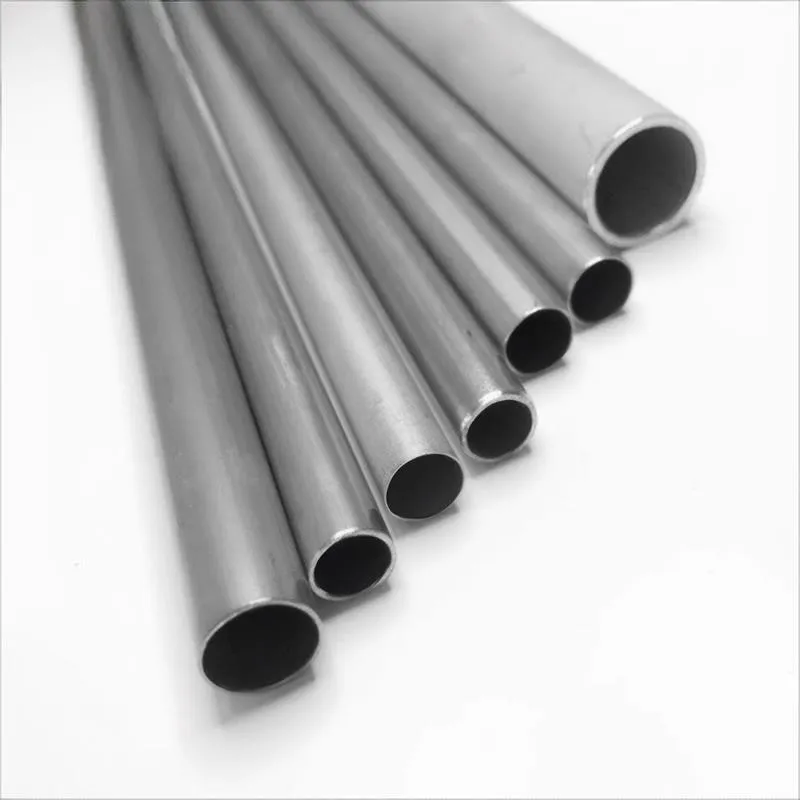
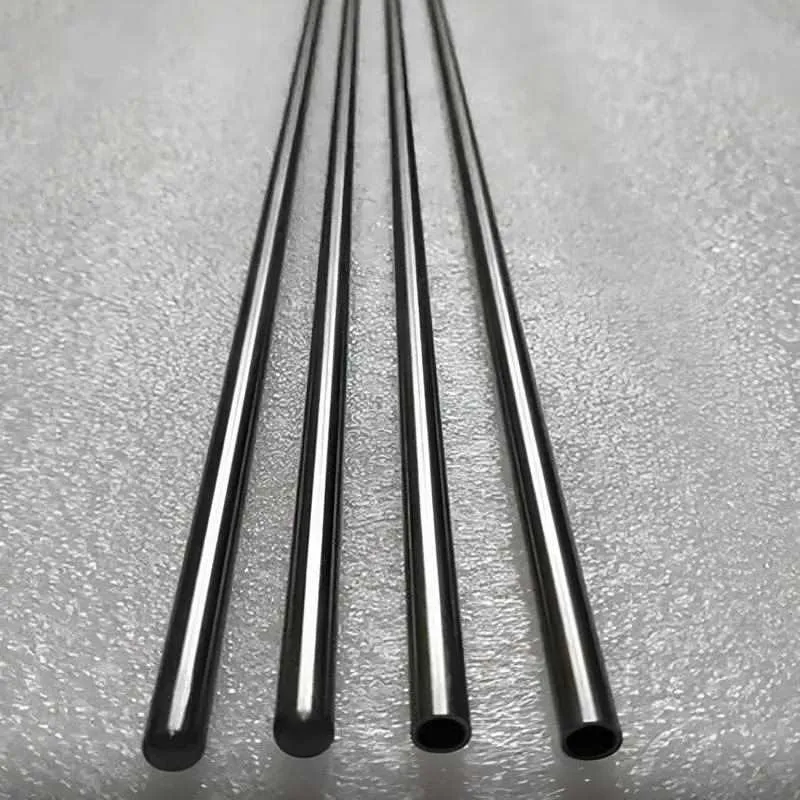
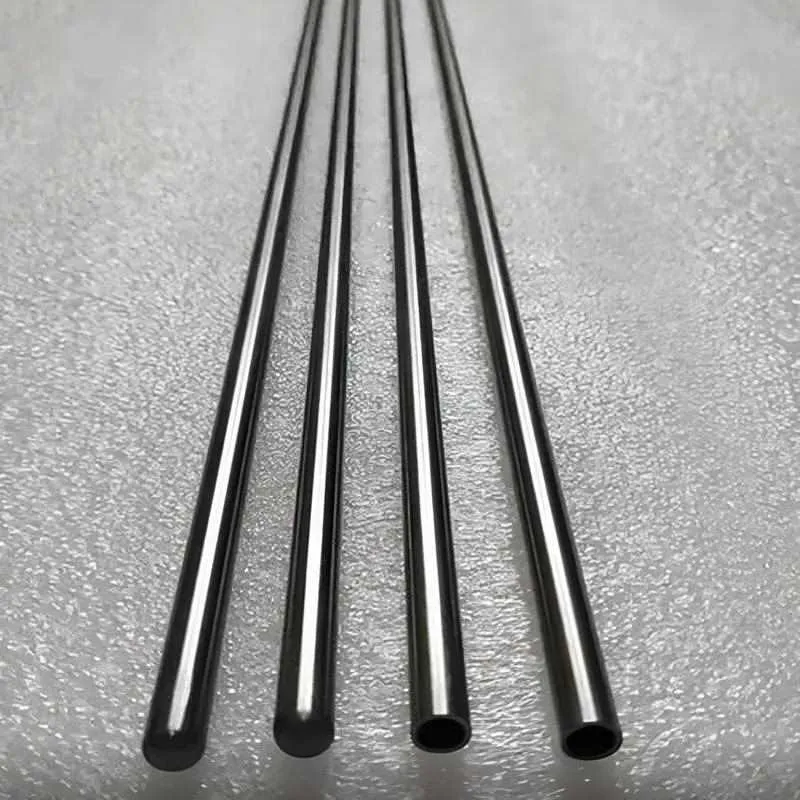
AISI Type L1 Tool Steel Tube,Pipe
Product Code : STI-GSTI-049-CU
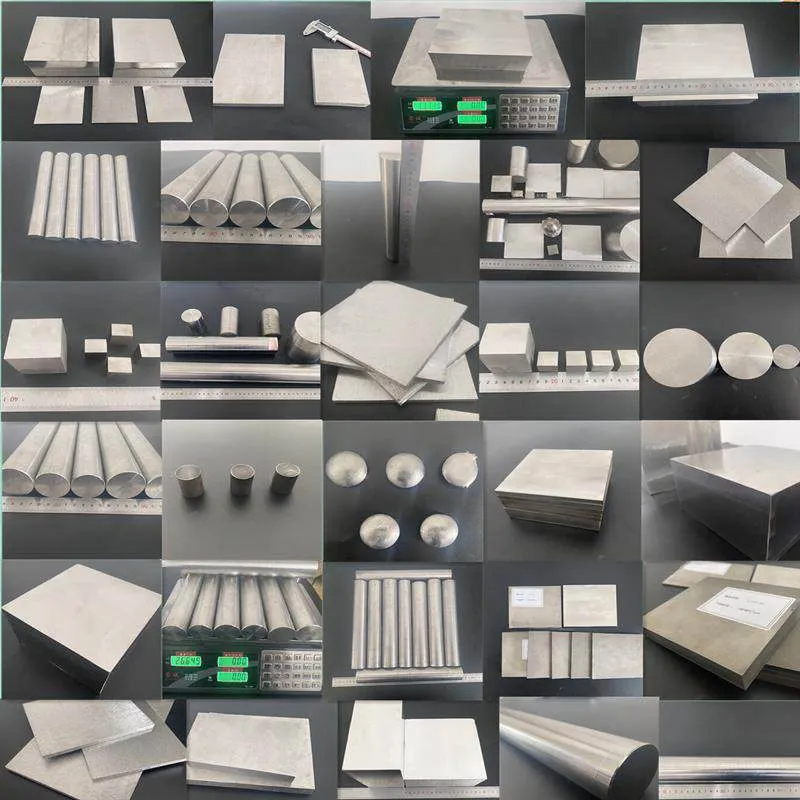
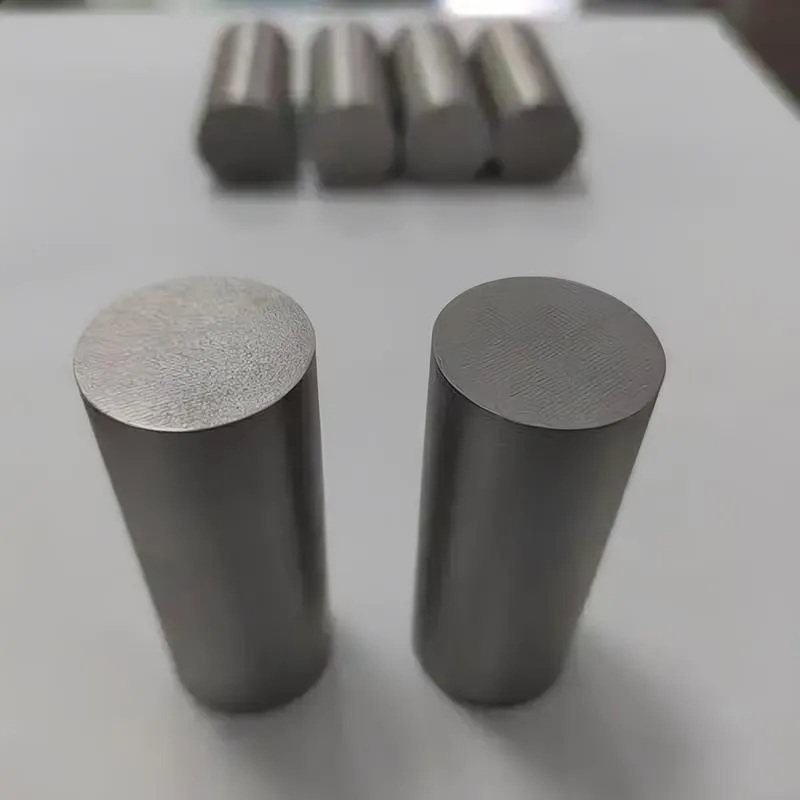
We provide AISI Type L1 Tool Steel Tube is available in Bar (Round bar, Flat bar), Ribbon, Wire, Rods, Tube,Seamless Tube,Pipe, Ingots, Plate, Sheet, Strip and Forging Stock.,Purity, chemical composition, size, etc. can all be customized to meet specific requirements.AISI Type L1 Tool Steel Pipe
Please contact us if you need customized services. We will contact you with the price and availability in 24 hours.
AISI Type L1 Tool Steel Tube Product Information
-:-
For detailed product information, please contact sales.
-:
AISI Type L1 Tool Steel Tube Synonyms
-:-
For detailed product information, please contact sales.
-:
AISI Type L1 Tool Steel Product Information
-:-
For detailed product information, please contact sales.
-:
### **Product Introduction: AISI Type L1 (UNS T61201) Low-Alloy Tool Steel**
**Overview**
AISI Type L1 is a low-alloy, **water-hardening** tool steel belonging to the AISI "L-series" (Low-Alloy, Special Purpose). Its defining characteristic is a significant **tungsten content**, which imparts superior **wear resistance and hot hardness compared to the standard W-series (water-hardening) grades**. While it shares the quenching method (water) with W-grade steels, the addition of tungsten allows L1 to retain its hardness better at moderately elevated temperatures and resist wear more effectively. It offers a balance between the cost-effectiveness of simple carbon steels and the performance of higher-alloyed grades, making it suitable for applications where high abrasion resistance is paramount.
**Key Advantages**
* **Excellent Wear & Abrasion Resistance:** High tungsten content forms hard, stable carbides that resist wear.
* **Improved Hot Hardness:** Maintains a harder cutting edge than plain carbon tool steels (W-series) when friction generates heat.
* **Good Dimensional Stability (if quenched properly):** Can achieve minimal distortion with precise control of the water-quenching process.
* **Cost-Effective for Specialized Wear Applications:** Provides enhanced wear performance without the cost of high-chromium or high-speed steels.
* **Capable of High Surface Hardness:** Can achieve a very hard, wear-resistant surface.
**Disadvantages / Considerations**
* **Water Quenching Required:** Necessitates a severe quench, which increases the risk of distortion, warping, or cracking, especially for complex or thin-section tools.
* **Shallow Hardenability:** Has limited depth of hardening, making it best suited for tools with thin cross-sections or where only a hard surface is needed.
* **Lower Toughness:** Generally less tough than many oil-hardening or air-hardening grades.
**International Designations & Standards**
* **AISI (USA):** L1
* **UNS (USA):** T61201
* **ASTM (USA):** A686 (specifies L1)
* **DIN (Germany):** ~1.2542 (Similar tungsten-alloyed tool steel)
* **BS (UK):** ~BWI (Tungsten Tool Steel)
* **JIS (Japan):** ~SKS4 (A similar special purpose tool steel, though composition may vary)
*(Note: Exact international equivalents can be challenging due to specific national composition ranges. L1 is a niche grade defined by its unique tungsten-carbon balance.)*
---
#### **1. Chemical Composition (Typical, Weight %)**
The key feature is the significant tungsten content, distinguishing it from simple water-hardening steels.
| Element | Content (%) | Role & Effect |
| :--- | :--- | :--- |
| **Carbon (C)** | 0.95 - 1.10 | Provides the fundamental hardness and carbide formation for wear resistance. |
| **Tungsten (W)** | 1.00 - 1.50 | **Primary alloying element.** Forms hard tungsten carbides, dramatically improving abrasion resistance and hot hardness. |
| **Chromium (Cr)** | 0.40 - 0.60 | Increases hardenability slightly and improves wear resistance. |
| **Vanadium (V)** | 0.10 - 0.20 (Optional/Trace) | If present, refines grain size and improves toughness and wear resistance. |
| **Manganese (Mn)** | 0.25 - 0.50 | Increases hardenability and helps control quenching behavior. |
| **Silicon (Si)** | 0.10 - 0.30 | Deoxidizer, improves strength. |
| **Phosphorus (P)** | ≤ 0.030 | Residual impurity (kept low). |
| **Sulfur (S)** | ≤ 0.030 | Residual impurity (kept low). |
| **Iron (Fe)** | Balance | Base metal. |
---
#### **2. Physical & Mechanical Properties**
*Note: Properties are highly dependent on heat treatment condition and section size.*
| Property | Value / Description | Condition / Note |
| :--- | :--- | :--- |
| **Density** | ~7.83 g/cm³ (0.283 lb/in³) | Annealed |
| **Melting Point** | ~1415°C (2580°F) | Approximate |
| **Thermal Conductivity** | ~45 W/m·K | At 20°C |
| **Coefficient of Thermal Expansion** | ~12.0 x 10⁻⁶/K | 20-100°C |
| **Hardness (Annealed)** | ~183-212 HB | Brinell, typical annealed/spheroidized condition. |
| **Hardness (Hardened & Tempered)** | **60 - 65+ HRC** | Can achieve very high surface hardness. Hardness decreases significantly with depth due to shallow hardenability. |
| **Tempering Temperature Range** | **150°C - 200°C (300°F - 400°F)** | Tempering is performed at low temperatures to retain maximum hardness. Higher tempering will rapidly soften the steel. |
| **Hardenability Depth** | **Shallow** | Effective hardening depth is limited, best for sections under ~12mm (0.5 inches). |
| **Machinability** | ~65-70% (of 1% carbon steel) | Fair machinability in the fully annealed state. |
---
#### **3. Product Applications**
AISI L1 is used for tools requiring extreme wear resistance at low to moderate temperatures, where its water-hardening limitations can be managed.
* **Cutting Tools for Abrasive Materials:**
* Knives and blades for cutting cardboard, fiber, rubber, and plastics.
* Paper and cloth cutting knives.
* Woodworking tools like planer blades (for less critical applications).
* **Wear Parts:**
* Lathe centers.
* Mandrels.
* Gauges and wear plates subjected to abrasive sliding contact.
* **Metal Cutting Tools (Low-Speed, Cold Work):**
* Chisels for cold metal.
* Hand punches and dies for soft metals.
* Reamers and taps for short runs in non-ferrous materials.
* **Mining and Earth-Moving Tools (Historical/Simple):** Bits and picks for soft rock or coal.
---
#### **4. Heat Treatment Guidelines (Critical)**
Heat treating L1 requires skill due to the severe water quench.
* **Preheating:** **Essential.** Preheat at 550-650°C (1020-1200°F) to reduce thermal shock.
* **Austenitizing (Hardening):** **780°C - 820°C (1435°F - 1510°F)**, soak thoroughly, then quench in a **vigorous brine or water bath**. Agitation is critical. **Risk of cracking is high.**
* **Quenching Technique:** For complex shapes, a "time-in-quench" method may be used: quench in water until the part cools below ~400°C (750°F), then immediately transfer to oil or air to slow the cooling through the martensite formation range and reduce stress.
* **Tempering:** **Must be performed immediately after quenching (within minutes).** Temper at **150°C - 200°C (300°F - 400°F)** for at least 1-2 hours to relieve quenching stresses while retaining maximum hardness. **Double tempering is strongly recommended.**
**Disclaimer:** This information is for reference purposes. **AISI L1 is a challenging steel to heat treat successfully.** Its application has declined in favor of more forgiving oil- or air-hardening grades. Always consult specialized heat treatment guides and consider the specific part geometry. Professional heat treatment services are highly recommended for this grade.
-:-
For detailed product information, please contact sales.
-:
AISI Type L1 Tool Steel Specification
Dimensions
Size:
Diameter 20-1000 mm Length <6705 mm
Size:We can customized as required
Standard:
Per your request or drawing
We can customized as required
Properties(Theoretical)
Chemical Composition
-:-
For detailed product information, please contact sales.
-:
AISI Type L1 Tool Steel Properties
-:-
For detailed product information, please contact sales.
-:
Applications of AISI Type L1 Tool Steel Tube
-:-
For detailed product information, please contact sales.
-:
Chemical Identifiers AISI Type L1 Tool Steel Tube
-:-
For detailed product information, please contact sales.
-:
Packing of AISI Type L1 Tool Steel Tube
-:-
For detailed product information, please contact sales.
-:
Standard Packing:
-:-
For detailed product information, please contact sales.
-:
Typical bulk packaging includes palletized plastic 5 gallon/25 kg. pails, fiber and Steel Tube drums to 1 ton super sacks in full container (FCL) or truck load (T/L) quantities. Research and sample quantities and hygroscopic, oxidizing or other air sensitive materials may be packaged under argon or vacuum. Solutions are packaged in polypropylene, plastic or glass jars up to palletized 3176 gallon liquid totes Special package is available on request. E FORUs’ is carefully handled to minimize damage during storage and transportation and to preserve the quality of our products in their original condition