AISI Type L2 Low-Alloy Tool Steel (UNS T61202)
Product Code : STI-GSTI-050-CU
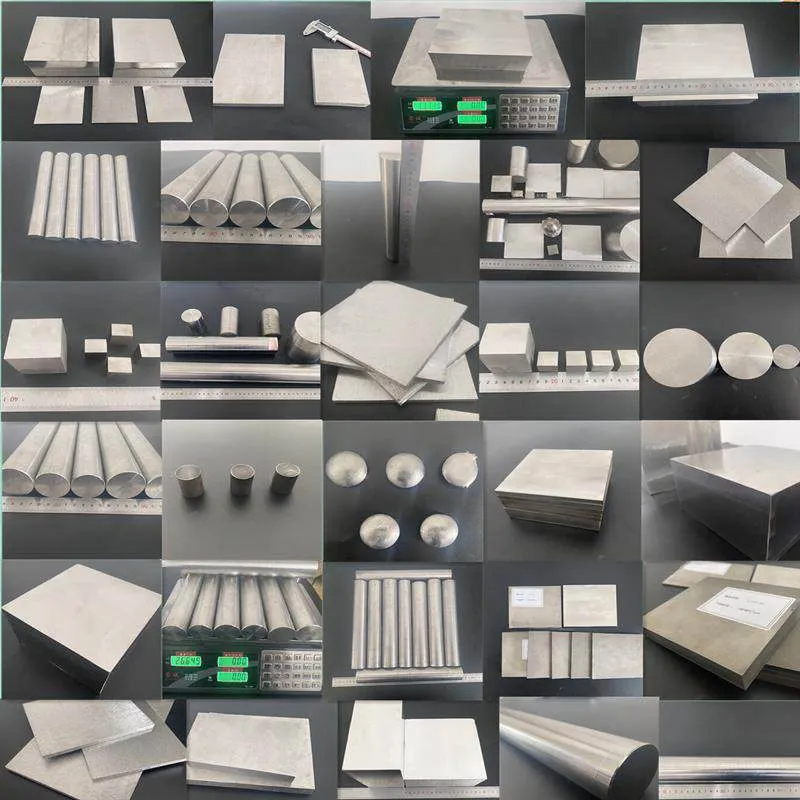
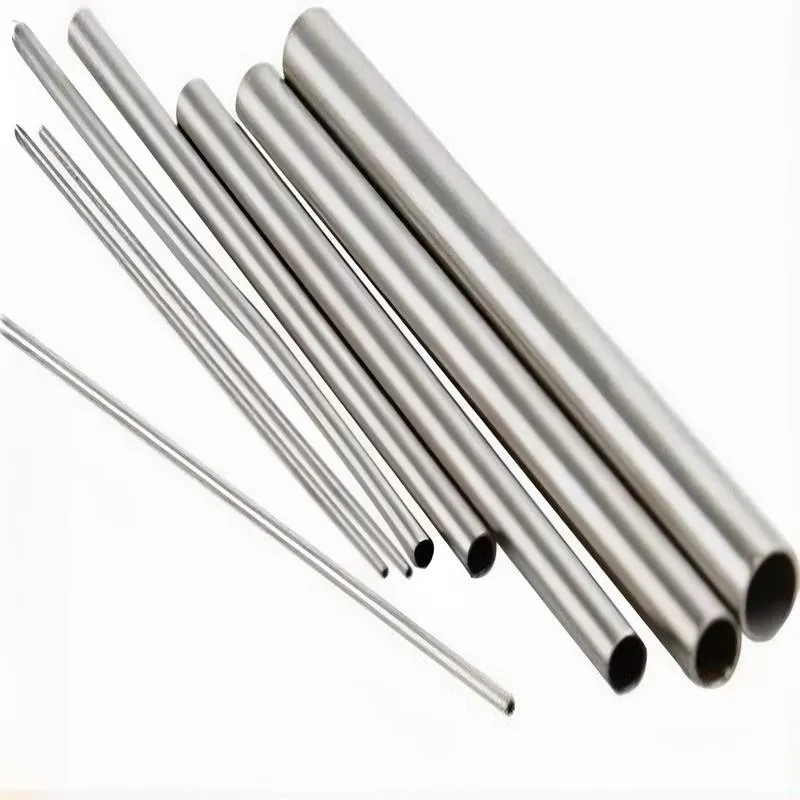
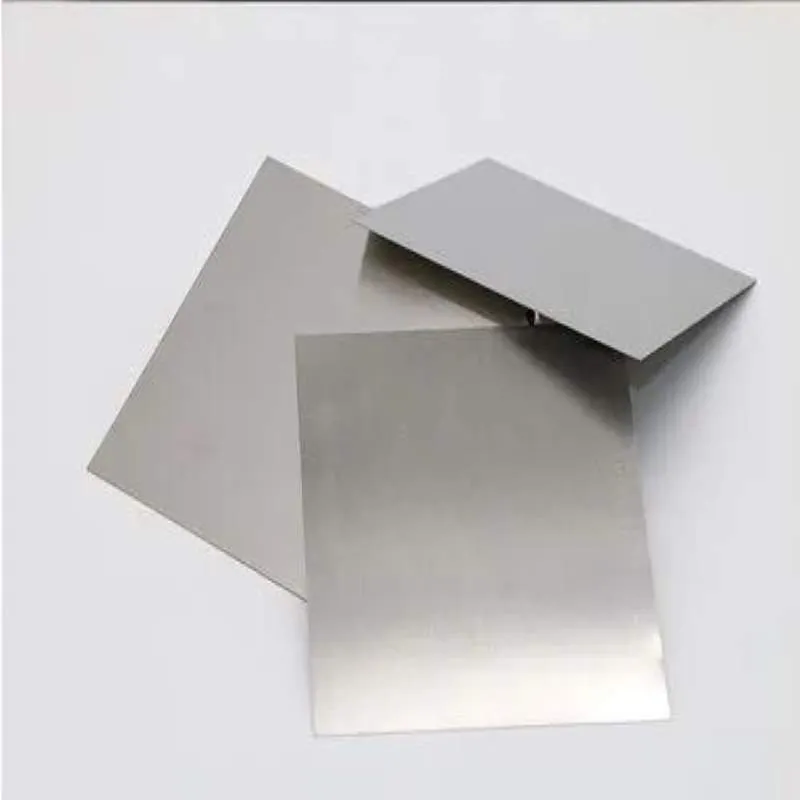
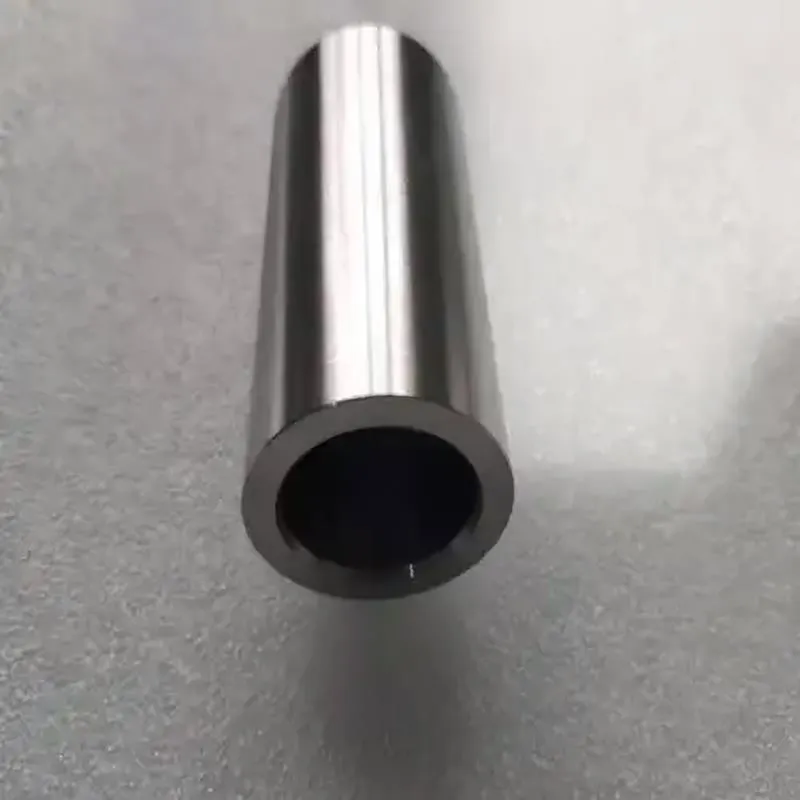
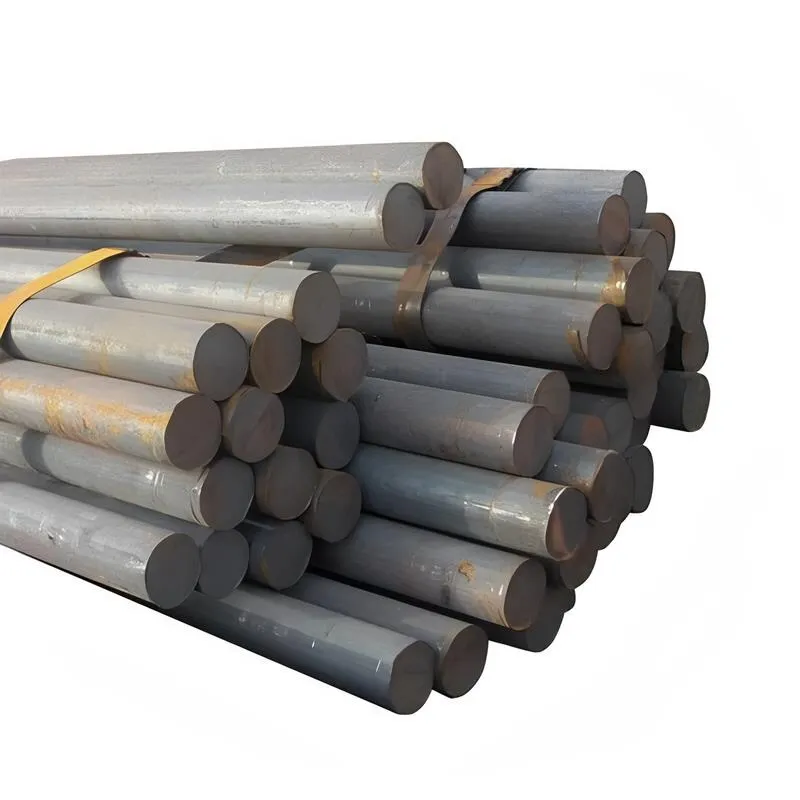
We provide AISI Type L2 Low-Alloy Tool Steel (UNS T61202) is available in Bar (Round bar, Flat bar), Ribbon, Wire, Rods, Tube,Seamless Tube,Pipe, Ingots, Plate, Sheet, Strip and Forging Stock.,Purity, chemical composition, size, etc. can all be customized to meet specific requirements.
Please contact us if you need customized services. We will contact you with the price and availability in 24 hours.
AISI Type L2 Low-Alloy Tool Steel (UNS T61202) Product Information
-:-
For detailed product information, please contact sales.
-:
AISI Type L2 Low-Alloy Tool Steel (UNS T61202) Synonyms
-:-
For detailed product information, please contact sales.
-:
AISI Type L2 Low-Alloy Tool Steel (UNS T61202) Product Information
-:-
For detailed product information, please contact sales.
-:
### **Product Introduction: AISI Type L2 (UNS T61202) Low-Alloy Tool Steel**
**Overview**
AISI Type L2 is a versatile **oil-hardening** low-alloy tool steel belonging to the AISI "L-series" (Low-Alloy, Special Purpose). It serves as a significant upgrade over water-hardening grades (like W-series and L1) by offering **superior hardenability, reduced distortion, and better toughness**, all while maintaining good wear resistance. The key distinction among L2 variants lies in their carbon content (L2, L2A, L2B), which allows for property tailoring. This datasheet focuses on the standard **AISI L2 (Medium Carbon)** grade, which provides an optimal balance of hardness, strength, and toughness for a wide range of cold work applications.
**Key Advantages**
* **Excellent Balance of Properties:** Offers a well-rounded combination of wear resistance, toughness, and dimensional stability.
* **Oil-Hardening:** Reduced risk of distortion and cracking compared to water-hardening steels, making it suitable for more complex shapes.
* **Good Hardenability:** Can be through-hardened in thicker sections than simple carbon steels.
* **Good Wear Resistance:** Adequate carbide formation provides satisfactory resistance to abrasion and galling.
* **Cost-Effective Versatility:** An economical choice for many general-purpose tooling applications where the extreme wear resistance of high-carbon, high-chromium steels is not required.
**International Designations & Standards**
* **AISI (USA):** L2 (Note: Variants include L2A ~0.50%C, L2B ~0.75%C)
* **UNS (USA):** T61202
* **ASTM (USA):** A681 (specifies L2)
* **DIN (Germany):** ~1.2842 / **90MnCrV8** (A very close equivalent in composition and application).
* **BS (UK):** **BO1** (A common direct equivalent oil-hardening steel).
* **JIS (Japan):** ~SKS93 (Similar special purpose tool steel).
* **ISO (International):** ~ **105WCr1** (Closest general equivalent, though composition differs).
*(Note: AISI L2 has well-established functional equivalents in other standards, particularly DIN 1.2842 and BS BO1, which are often used interchangeably.)*
---
#### **1. Chemical Composition (Typical, Weight %) - AISI L2 (Standard)**
The composition is balanced for oil hardenability, with chromium and vanadium providing key enhancements.
| Element | Content (%) | Role & Effect |
| :--- | :--- | :--- |
| **Carbon (C)** | 0.45 - 0.75 | **Variable.** Determines final hardness and toughness balance. The standard range (~0.55-0.75C) targets good wear resistance with reasonable toughness. |
| **Chromium (Cr)** | 0.70 - 1.20 | Primary alloying element. Increases hardenability, wear resistance, and provides slight corrosion resistance. |
| **Vanadium (V)** | 0.10 - 0.30 | Refines grain size, improves toughness, wear resistance, and tempering stability. |
| **Manganese (Mn)** | 0.50 - 1.00 | Significantly increases hardenability, enabling effective oil quenching. |
| **Silicon (Si)** | 0.10 - 0.30 | Deoxidizer, increases strength and tempering resistance. |
| **Molybdenum (Mo)**| 0.25 - 0.40 (Optional/Common) | Often added to further increase hardenability and toughness, especially in modern variants. |
| **Phosphorus (P)** | ≤ 0.030 | Residual impurity (kept low for better toughness). |
| **Sulfur (S)** | ≤ 0.030 | Residual impurity. |
| **Iron (Fe)** | Balance | Base metal. |
---
#### **2. Physical & Mechanical Properties**
*Note: Properties, especially hardness, vary significantly with the specific carbon content and heat treatment.*
| Property | Value / Description | Condition / Note |
| :--- | :--- | :--- |
| **Density** | ~7.83 g/cm³ (0.283 lb/in³) | Annealed |
| **Melting Point** | ~1420°C (2590°F) | Approximate |
| **Thermal Conductivity** | ~45 W/m·K | At 20°C |
| **Coefficient of Thermal Expansion** | ~12.5 x 10⁻⁶/K | 20-100°C |
| **Hardness (Annealed)** | ~183-212 HB | Brinell, typical annealed/spheroidized condition. |
| **Hardness (Hardened & Tempered)** | **54 - 62 HRC** | **Highly carbon-dependent.** Lower carbon (~0.5%C) targets 54-58 HRC for toughness; higher carbon (~0.75%C) targets 58-62 HRC for wear resistance. |
| **Tempering Temperature Range** | **150°C - 400°C (300°F - 750°F)** | Wide range allows property tuning. Lower temps for max hardness, higher temps for increased toughness at lower hardness. |
| **Hardenability Depth** | **Moderate to Good** | Can through-harden sections up to ~75mm (3 inches) in diameter in oil, depending on exact composition. |
| **Machinability** | ~75-80% (of 1% carbon steel) | Good machinability in the annealed state. |
---
#### **3. Product Applications**
AISI L2 is a general-purpose workhorse for a vast array of cold work tooling requiring a balance of properties.
* **Blanking, Punching & Forming Dies:** For sheet metal, especially in medium-duty applications. Punches, dies, forming rolls.
* **Cutting Tools:** Knives, blades, slitters, and shears for metal, paper, plastic, and wood.
* **Gauges & Precision Parts:** Thread gauges, plug gauges, jigs, fixtures, and wear-resistant machine components.
* **Molds:** Plastic injection molds (for non-abrasive resins), compression molds, and prototype zinc die-casting molds.
* **Hand Tools:** High-quality wrenches, sockets, screwdrivers (hardened components).
* **Machine Parts:** Cams, arbors, spindles, and other parts requiring a hard, wear-resistant surface.
* **Chisels and Cold Cutting Tools:** Where toughness is important.
---
#### **4. Heat Treatment Guidelines (Typical for Standard L2)**
* **Preheating:** Recommended at 650°C (1200°F) to minimize thermal stress and distortion.
* **Austenitizing (Hardening):** **810°C - 845°C (1490°F - 1550°F)**, soak thoroughly, then quench in **warm, agitated oil**.
* **Tempering:** **Must be performed immediately after quenching.** Temper for 1-2 hours per inch of thickness.
* **For Maximum Hardness (58-62 HRC):** Temper at **150°C - 200°C (300°F - 400°F)**.
* **For Optimal Toughness (54-58 HRC):** Temper at **250°C - 400°C (480°F - 750°F)**.
* **Double tempering is strongly recommended** to ensure complete transformation and stress relief.
* **Annealing:** Heat to 760-790°C, slow furnace cool (≤15°C/hr) to 540°C, then air cool to achieve a spheroidized structure for optimal machinability.
**Disclaimer:** This information is for reference purposes. **The specific carbon content of the purchased grade (L2, L2A, L2B) is critical for determining the correct austenitizing temperature and achievable hardness.** Always consult the material data sheet from your steel supplier and a professional heat treater for precise processing parameters tailored to your specific steel analysis and application needs.
-:-
For detailed product information, please contact sales.
-:
AISI Type L2 Low-Alloy Tool Steel (UNS T61202) Specification
Dimensions
Size:
Diameter 20-1000 mm Length <6706 mm
Size:We can customized as required
Standard:
Per your request or drawing
We can customized as required
Properties(Theoretical)
Chemical Composition
-:-
For detailed product information, please contact sales.
-:
AISI Type L2 Low-Alloy Tool Steel (UNS T61202) Properties
-:-
For detailed product information, please contact sales.
-:
Applications of AISI Type L2 Low-Alloy Tool Steel (UNS T61202)
-:-
For detailed product information, please contact sales.
-:
Chemical Identifiers AISI Type L2 Low-Alloy Tool Steel (UNS T61202)
-:-
For detailed product information, please contact sales.
-:
Packing of AISI Type L2 Low-Alloy Tool Steel (UNS T61202)
-:-
For detailed product information, please contact sales.
-:
Standard Packing:
-:-
For detailed product information, please contact sales.
-:
Typical bulk packaging includes palletized plastic 5 gallon/25 kg. pails, fiber and steel drums to 1 ton super sacks in full container (FCL) or truck load (T/L) quantities. Research and sample quantities and hygroscopic, oxidizing or other air sensitive materials may be packaged under argon or vacuum. Solutions are packaged in polypropylene, plastic or glass jars up to palletized 3177 gallon liquid totes Special package is available on request. E FORUs’ is carefully handled to minimize damage during storage and transportation and to preserve the quality of our products in their original condition