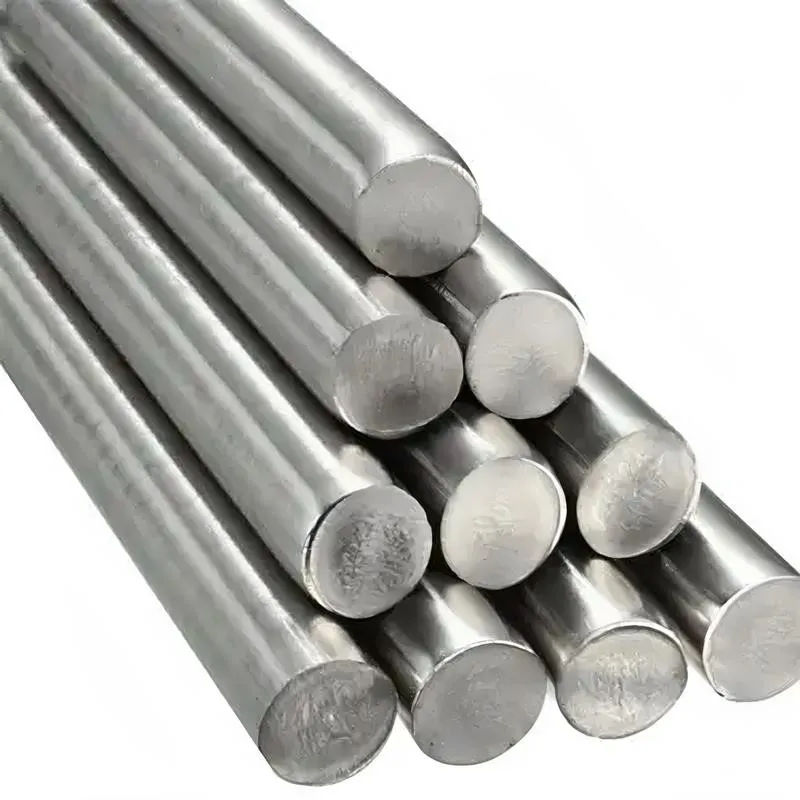
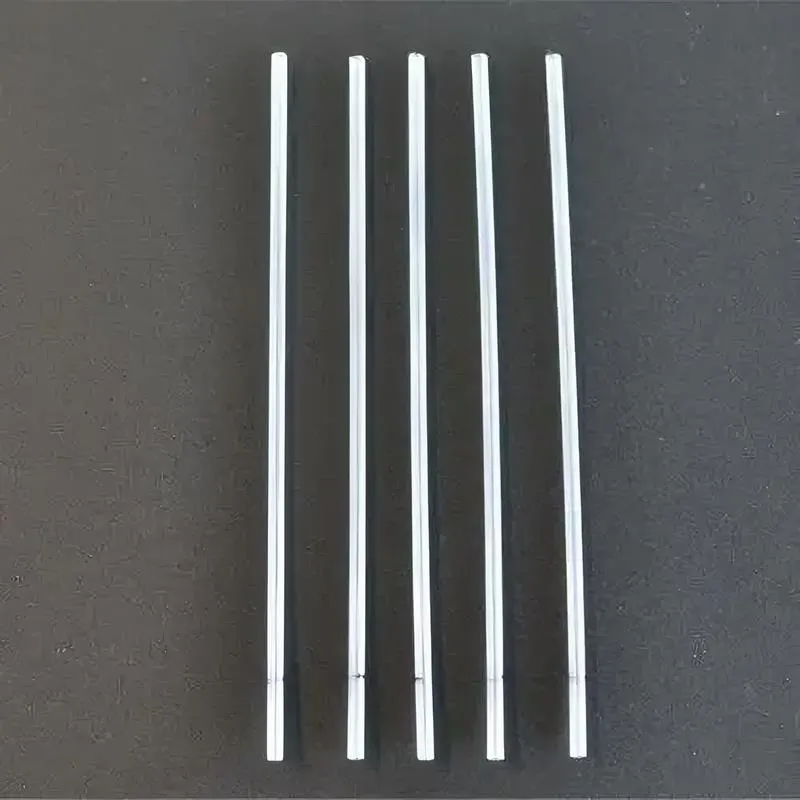
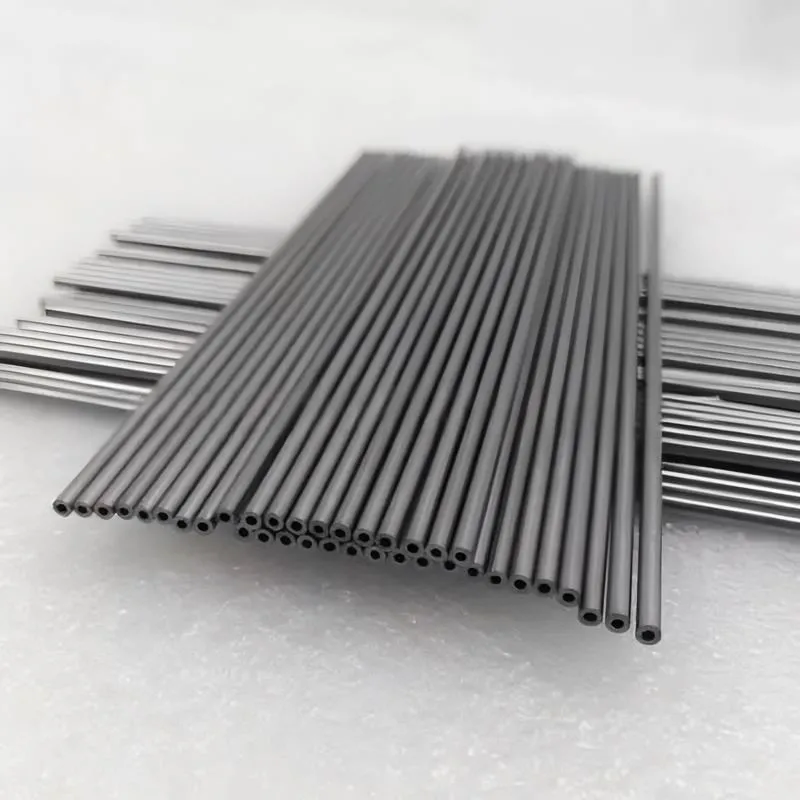
AISI Type M47 Molybdenum High Speed Tool Steel Rod/Bar (UNS T11347)
Product Code : STI-GSTI-077-CU
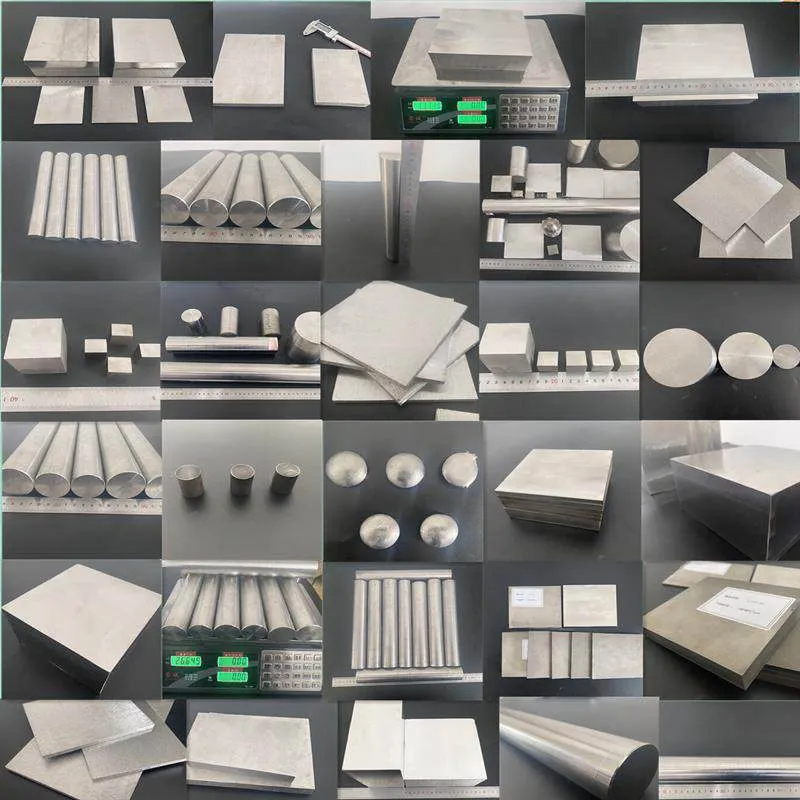
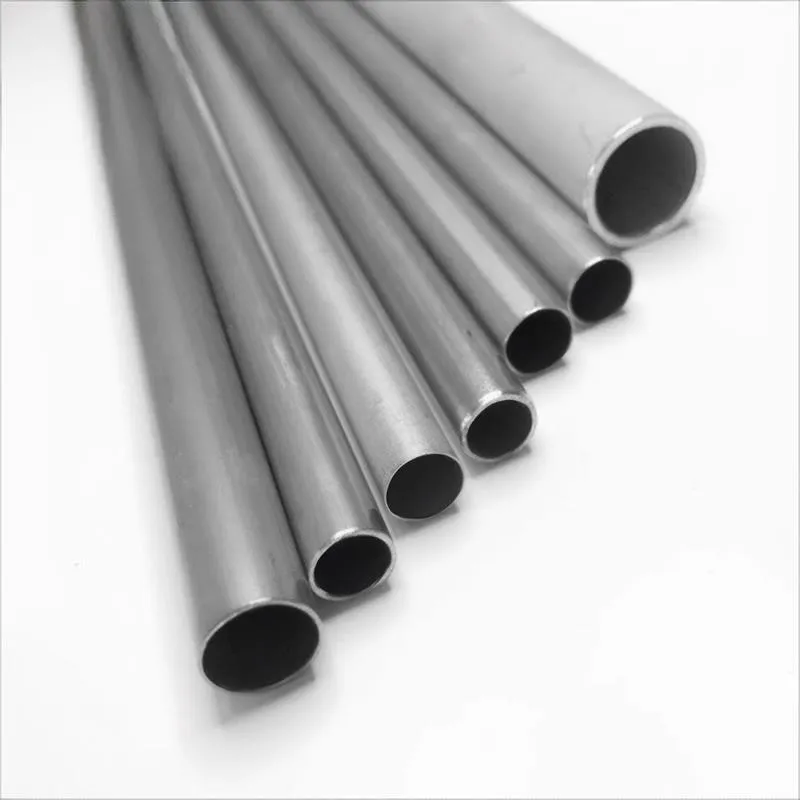
We provide AISI Type M47 Molybdenum High Speed Tool Steel Rod/Bar (UNS T11347) is available in Bar (Round bar, Flat bar), Ribbon, Wire, Rod/Bars, Tube,Seamless Tube,Pipe, Ingots, Plate, Sheet, Strip and Forging Stock.,Purity, chemical composition, size, etc. can all be customized to meet specific requirements.
Please contact us if you need customized services. We will contact you with the price and availability in 24 hours.
AISI Type M47 Molybdenum High Speed Tool Steel Rod (UNS T11347) Product Information
-:-
For detailed product information, please contact sales.
-:
AISI Type M47 Molybdenum High Speed Tool Steel Rod (UNS T11347) Synonyms
-:-
For detailed product information, please contact sales.
-:
AISI Type M47 Molybdenum High Speed Tool Steel (UNS T11347) Product Information
-:-
For detailed product information, please contact sales.
-:
# **Product Introduction: AISI Type M47 Molybdenum High-Speed Tool Steel (UNS T11347)**
## **Overview**
AISI M47 (UNS T11347) is a **high-performance, high-carbon, high-vanadium cobalt-bearing molybdenum high-speed steel** that represents one of the most wear-resistant grades in the conventional high-speed steel family. Often classified as a **"Super High-Speed Steel"** or **"Premium HSS"**, M47 is specifically engineered to deliver exceptional abrasion resistance combined with excellent hot hardness. This unique combination makes it particularly suitable for machining highly abrasive materials and for applications demanding extended tool life under severe cutting conditions where standard HSS grades fail prematurely.
The defining characteristic of M47 is its **elevated carbon and vanadium content**, which promotes the formation of a high volume of hard vanadium carbides, resulting in superior wear resistance. The **moderate cobalt content** further enhances its ability to maintain hardness at elevated temperatures, making it a balanced choice for both abrasive and thermally demanding applications.
## **1. Chemical Composition (Nominal %)**
The chemical composition of AISI M47 is carefully balanced to maximize both abrasion resistance and red-hardness.
| Element | Content (%) | Primary Function |
|---------|------------|------------------|
| **Carbon (C)** | 1.05 - 1.15 | Forms hard carbides with other alloying elements; provides matrix hardness. |
| **Tungsten (W)** | 1.50 - 2.00 | Contributes to secondary hardening and hot hardness. |
| **Molybdenum (Mo)** | 8.50 - 9.50 | Primary hardening element; provides solid solution strengthening and forms carbides. |
| **Chromium (Cr)** | 3.50 - 4.00 | Enhances hardenability, wear resistance, and provides mild oxidation resistance. |
| **Vanadium (V)** | 1.15 - 1.35 | Forms extremely hard vanadium carbides (VC) for superior abrasion resistance. |
| **Cobalt (Co)** | 4.75 - 5.25 | Enhances red-hardness and tempering resistance; does not form carbides but strengthens the matrix. |
| **Silicon (Si)** | 0.15 - 0.40 | Acts as a deoxidizer during steelmaking. |
| **Manganese (Mn)** | 0.15 - 0.40 | Improves hardenability and acts as a deoxidizer. |
| **Sulfur (S)** | ≤ 0.03 | Typically kept low unless specified for improved machinability. |
| **Phosphorus (P)** | ≤ 0.03 | Impurity kept low to prevent embrittlement. |
| **Iron (Fe)** | Balance | Base metal. |
**Key Chemistry Note:** M47 features a **higher molybdenum and moderate cobalt content** compared to many standard HSS grades. This specific balance aims to provide a cost-effective alternative to ultra-high-cobalt grades (like M42) while still offering significant performance improvements over cobalt-free grades like M2. The **carbon-to-vanadium ratio** is optimized to ensure adequate hard carbide formation without excessive compromise on toughness.
## **2. Physical & Mechanical Properties**
| Property | Typical Value / Condition |
|----------|--------------------------|
| **Density** | ~8.10 g/cm³ (0.292 lb/in³) |
| **Melting Point** | ~1420°C (2590°F) |
| **Thermal Conductivity** | ~27 W/m·K at 20°C (relatively low, typical for high-alloy steels) |
| **Coefficient of Thermal Expansion** | ~11.3 x 10⁻⁶/K (20-600°C) |
| **Modulus of Elasticity** | ~205 GPa (29.7 x 10⁶ psi) |
| **Hardness (Annealed)** | 235-269 HB |
| **Hardness (Hardened & Tempered)** | **65-67 HRC** (Commonly optimized at 66-67 HRC) |
| **Tempering Temperature** | 540-600°C (1000-1110°F), typically triple-tempered. |
| **Hot Hardness** | **Very Good.** Superior to M2 and M7; maintains hardness effectively at moderate to high cutting temperatures. |
| **Abrasion Resistance** | **Excellent,** due to the significant volume of vanadium carbides. |
| **Toughness** | **Moderate.** Higher than ultra-high-cobalt/high-vanadium grades (like M46) but lower than more balanced grades like M2. |
| **Grindability** | **Fair to Difficult** (approximately 40-50% relative to M2). Requires proper wheel selection and technique. |
## **3. International Standards & Cross-References**
AISI M47 is recognized under several international standards, though it is less common than M2 or M42.
| Standard | Designation |
|----------|------------|
| **UNS** | T11347 |
| **AISI (USA)** | M47 |
| **ASTM (USA)** | A600: M47 |
| **ISO (International)** | **HS 2-9-2-5** (ISO 4957: Tool steels) |
| **DIN (Germany)** | **~1.3244** (Note: Not a perfect 1:1 match; this is a close approximation) |
| **JIS (Japan)** | No direct common equivalent. |
| **GB (China)** | **W2Mo9Cr4VCo5** (Approximate functional equivalent) |
## **4. Product Applications**
M47 is designed for applications that demand a combination of good hot hardness and superior wear resistance, often where cutting speeds and feeds are high, and workpiece materials are abrasive.
**Primary Applications Include:**
* **Cutting Tools for Abrasive Materials:**
* **Drills, end mills, and taps** for machining cast irons (especially chilled or abrasion-resistant), high-silicon aluminum alloys, fiber-reinforced plastics (FRP), and some superalloys.
* **Broaches and gear hobs** for production environments where long tool life between regrinds is critical.
* **Form tools and milling cutters** for operations involving interrupted cuts on abrasive workpieces.
* **Other Tooling and Wear Parts:**
* **Cold work punches and dies** for forming abrasive materials.
* **Shear blades and slitter knives** for cutting metals, paper, or plastics.
* **Wear plates, guides, and rolls** in machinery subject to abrasive wear.
**Key Advantage:** M47 offers a **favorable balance between performance and cost**. It provides significantly better wear resistance and hot hardness than M2 or M7, making it suitable for more demanding applications, while being more economical than ultra-high-performance grades like M42 or M46. It is an excellent choice for **general-purpose severe-duty machining** where the extreme red-hardness of higher-cobalt grades is not strictly necessary.
## **5. Processing & Heat Treatment Guidelines**
* **Forging:** Heat slowly and uniformly to **1050-1150°C (1920-2100°F)**. Forge with controlled blows. Do not forge below **925°C (1700°F)**. Cool slowly after forging in an insulating medium or furnace.
* **Annealing:** Heat to **840-870°C (1545-1600°F)**, hold for sufficient time (1-2 hours per inch of thickness), then furnace cool slowly to **540°C (1000°F)** or below. Typical annealed hardness: 235-269 HB.
* **Hardening (Austenitizing):**
1. **Preheating is critical:** Preheat at **800-850°C (1470-1560°F)** to minimize thermal stress.
2. **Austenitizing Temperature:** **1175-1200°C (2150-2190°F)**. Soak time is typically 2-5 minutes per inch of cross-section after the entire part reaches temperature.
3. **Quenching:** Quench in salt bath, oil, or in a controlled atmosphere furnace with forced gas cooling.
* **Tempering:** **Must be tempered immediately** after quenching to room temperature. Temper at **540-590°C (1000-1095°F)** for at least 2 hours per cycle. **Double or triple tempering** is strongly recommended to ensure complete transformation of retained austenite and to achieve maximum hardness, dimensional stability, and toughness.
* **Stress Relieving:** After rough machining, stress relieve at **600-650°C (1110-1200°F)** for 1-2 hours, followed by slow cooling.
## **6. Machinability & Grindability**
* **Machinability (Annealed State):** Approximately 50-55% of that for AISI W1 (water-hardening steel). It is more difficult to machine than M2 due to its higher alloy content.
* **Grindability:** Rated as **fair to difficult**. The vanadium carbides are hard and can rapidly dull inappropriate grinding wheels.
* **Recommended:** Use aluminum oxide (Al₂O₃) or cubic boron nitride (CBN) wheels with an open structure. Use light cuts, ample coolant, and maintain sharp dressing of the wheel to prevent burning and micro-cracking.
## **7. Quality Considerations**
* **Microcleanliness:** High-quality M47 is typically produced to strict cleanliness standards (e.g., ASTM E45) to minimize non-metallic inclusions that could act as stress raisers.
* **Decarburization:** Material is often supplied with a decarburization-free condition per specifications like AMS 2301 (Aerospace Material Specification) for critical applications.
* **Carbide Distribution:** A uniform distribution of fine carbides is essential for consistent performance and grindability.
---
**Disclaimer:** The information provided is for general reference and educational purposes. Specific processing parameters, heat treatment cycles, and application suitability must be determined based on the exact material condition, manufacturer's specifications, and end-use requirements. Always consult the material supplier's technical data sheets and engage qualified metallurgical expertise for critical applications.
-:-
For detailed product information, please contact sales.
-:
AISI Type M47 Molybdenum High Speed Tool Steel (UNS T11347) Specification
Dimensions
Size:
Diameter 20-1000 mm Length <6733 mm
Size:We can customized as required
Standard:
Per your request or drawing
We can customized as required
Properties(Theoretical)
Chemical Composition
-:-
For detailed product information, please contact sales.
-:
AISI Type M47 Molybdenum High Speed Tool Steel (UNS T11347) Properties
-:-
For detailed product information, please contact sales.
-:
Applications of AISI Type M47 Molybdenum High Speed Tool Steel Rod (UNS T11347)
-:-
For detailed product information, please contact sales.
-:
Chemical Identifiers AISI Type M47 Molybdenum High Speed Tool Steel Rod (UNS T11347)
-:-
For detailed product information, please contact sales.
-:
Packing of AISI Type M47 Molybdenum High Speed Tool Steel Rod (UNS T11347)
-:-
For detailed product information, please contact sales.
-:
Standard Packing:
-:-
For detailed product information, please contact sales.
-:
Typical bulk packaging includes palletized plastic 5 gallon/25 kg. pails, fiber and Steel Rod drums to 1 ton super sacks in full container (FCL) or truck load (T/L) quantities. Research and sample quantities and hygroscopic, oxidizing or other air sensitive materials may be packaged under argon or vacuum. Solutions are packaged in polypropylene, plastic or glass jars up to palletized 3204 gallon liquid totes Special package is available on request. E FORUs’ is carefully handled to minimize damage during storage and transportation and to preserve the quality of our products in their original condition