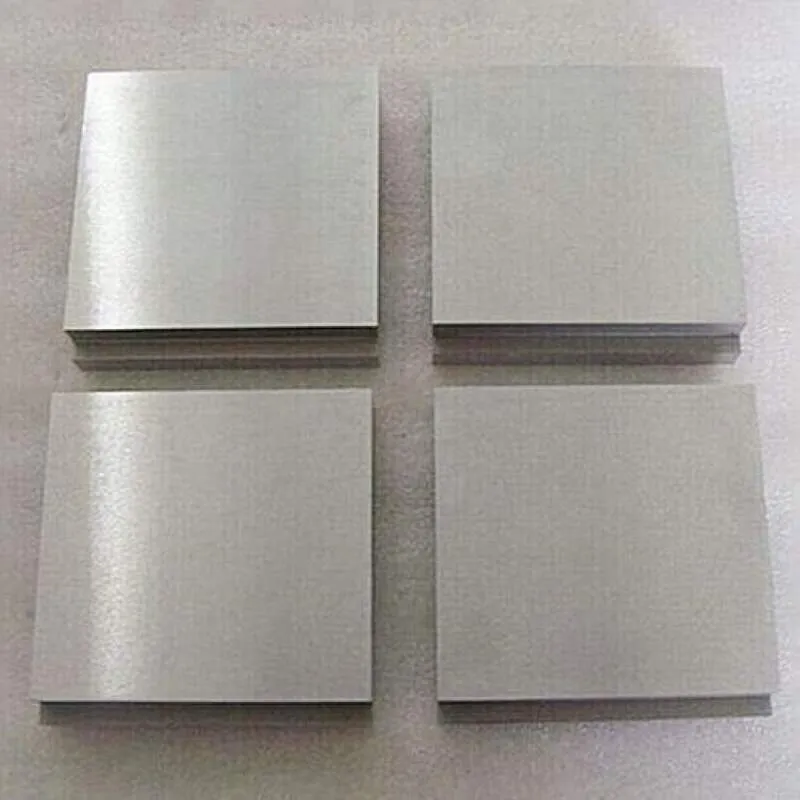
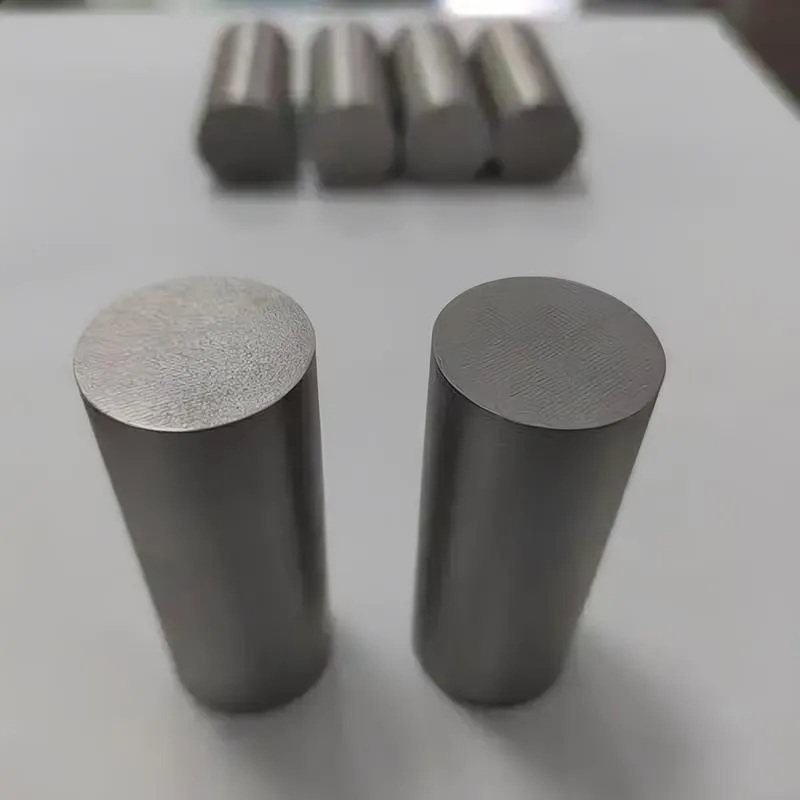
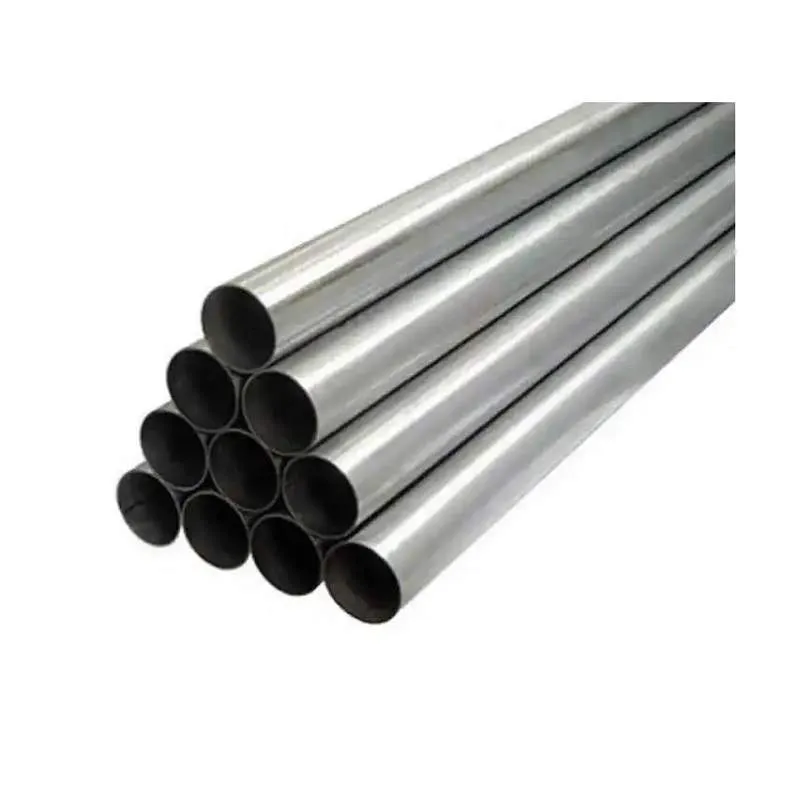
AISI Type M48 Molybdenum High Speed Tool Steel Sheet,Plate (UNS T11348)
Product Code : STI-GSTI-078-CU
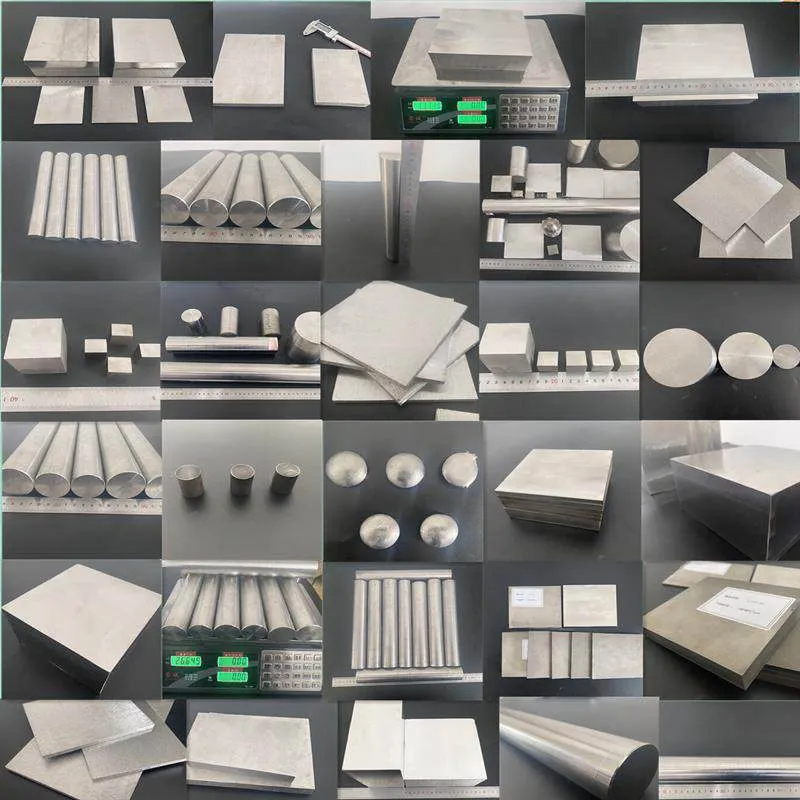
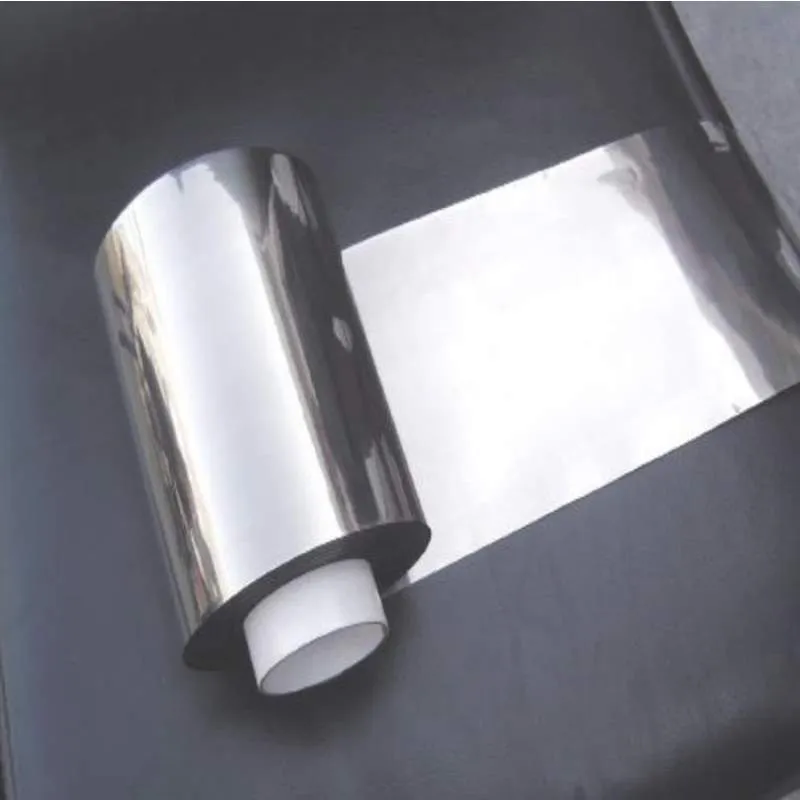
We provide AISI Type M48 Molybdenum High Speed Tool Steel Sheet/Plate (UNS T11348) is available in Bar (Round bar, Flat bar), Ribbon, Wire, Rods, Tube,Seamless Tube,Pipe, Ingots, Plate, Sheet/Plate, Strip and Forging Stock.,Purity, chemical composition, size, etc. can all be customized to meet specific requirements.
Please contact us if you need customized services. We will contact you with the price and availability in 24 hours.
AISI Type M48 Molybdenum High Speed Tool Steel Sheet/Plate (UNS T11348) Product Information
-:-
For detailed product information, please contact sales.
-:
AISI Type M48 Molybdenum High Speed Tool Steel Sheet/Plate (UNS T11348) Synonyms
-:-
For detailed product information, please contact sales.
-:
AISI Type M48 Molybdenum High Speed Tool Steel (UNS T11348) Product Information
-:-
For detailed product information, please contact sales.
-:
# **Product Introduction: AISI Type M48 Molybdenum High-Speed Tool Steel (UNS T11348)**
## **Overview**
**AISI M48 (UNS T11348)** represents the **pinnacle of cobalt-enriched super high-speed steel** technology, engineered for the most extreme machining and cutting applications. Characterized by an **ultra-high carbon and vanadium content** combined with substantial cobalt, M48 delivers the highest commercially available combination of wear resistance and red-hardness among standard molybdenum HSS grades. This steel is specifically designed for applications where both extreme abrasion and elevated temperature performance are non-negotiable, typically where other premium grades like M42 or M46 reach their operational limits.
## **1. Chemical Composition (Nominal %)**
| Element | Content (%) | Primary Function |
|---------|------------|------------------|
| **Carbon (C)** | 1.42 - 1.52 | **Extremely high.** Provides maximum matrix hardness and drives the formation of massive carbide volume. |
| **Tungsten (W)** | 9.50 - 10.50 | Primary contributor to hot hardness through solid solution strengthening. |
| **Molybdenum (Mo)** | 2.80 - 3.30 | Supports hardenability and secondary hardening; refines grain structure. |
| **Chromium (Cr)** | 3.50 - 4.00 | Enhances hardenability and provides moderate oxidation resistance. |
| **Vanadium (V)** | **2.80 - 3.20** | **Critical element.** Forms an extremely high volume of hard MC-type vanadium carbides for supreme abrasion resistance. |
| **Cobalt (Co)** | **8.00 - 8.75** | **Critical element.** Dramatically elevates red-hardness and tempering resistance by strengthening the ferrite matrix. |
| **Silicon (Si)** | 0.15 - 0.40 | Deoxidizer during steelmaking. |
| **Manganese (Mn)** | 0.15 - 0.40 | Improves hardenability and acts as a deoxidizer. |
| **Sulfur (S)** | ≤ 0.03 | Residual element (controlled for purity). |
| **Phosphorus (P)** | ≤ 0.03 | Residual element (controlled for purity). |
| **Iron (Fe)** | Balance | Base metal. |
**Key Chemistry Note:** M48's formulation is unique among the "M" series. It features a **significantly higher tungsten content** than typical molybdenum-based grades, positioning it closer in concept to the tungsten-based "T" series (like T15), but with molybdenum for grain refinement. The **synergy of ultra-high carbon (C), vanadium (V), and cobalt (Co)** creates a microstructure dense with hard carbides within a thermally stable matrix, making it arguably the most wear-resistant standard HSS grade available.
## **2. Physical & Mechanical Properties**
| Property | Typical Value / Condition |
|----------|--------------------------|
| **Density** | 8.25 - 8.35 g/cm³ (0.298 - 0.301 lb/in³) |
| **Melting Point** | ~1410°C (2570°F) |
| **Thermal Conductivity** | ~24 W/m·K at 20°C (Very low, characteristic of ultra-high alloy steels) |
| **Coefficient of Thermal Expansion** | 10.8 × 10⁻⁶/K (20-400°C) |
| **Modulus of Elasticity** | 205-210 GPa (29.7-30.5 × 10⁶ psi) |
| **Annealed Hardness** | 265-302 HB |
| **Hardened & Tempered Hardness** | **68-70+ HRC** (Routinely achieves 69-70 HRC) |
| **Red Hardness** | **Exceptional.** Maintains usable hardness above **650°C (1200°F)**, outperforming nearly all other HSS grades. |
| **Abrasion Resistance** | **Unsurpassed among standard HSS grades.** The highest volume of hard vanadium carbides provides extraordinary wear life. |
| **Toughness** | **Low.** The high hardness and extensive, coarse carbide network significantly reduce impact resistance. Requires robust, shock-free tool designs. |
| **Tempering Temperature Range** | 540-570°C (1005-1060°F), **triple tempering is absolutely mandatory**. |
| **Grindability** | **Extremely Poor** (approximately 20-25% relative to M2). Requires specialized abrasives and processes. |
## **3. International Standards & Cross-References**
| Standard | Designation |
|----------|------------|
| **UNS** | T11348 |
| **AISI/ASTM (USA)** | M48 (ASTM A600) |
| **ISO (International)** | **HS 10-3-2-8** (ISO 4957: Tool steels) |
| **DIN (Germany)** | **~1.3265** (Closest equivalent; exact match not standardized) |
| **JIS (Japan)** | No direct equivalent. |
| **GB (China)** | **W10Mo4Cr4V3Co10** (Approximate functional equivalent) |
| **AFNOR (France)** | **HS 10-3-2-8** |
## **4. Product Applications**
M48 is reserved for the most demanding applications where tool life and performance justify its high cost and processing challenges.
### **Primary Cutting Applications:**
- **Premium solid carbide alternative:** Used in **solid HSS end mills, drills, and reamers** for machining:
- **Aerospace superalloys:** Inconel 718, René alloys, Hastelloy, Waspaloy under aggressive parameters.
- **High-hardness steels:** Pre-hardened and tool steels (45-55 HRC).
- **Abrasive composites:** Carbon-fiber reinforced polymers (CFRP), fiberglass.
- **Titanium alloys** under high-speed conditions.
- **Complex form tools:** **Gear hobs, broaches, and shaper cutters** for high-volume production of hardened components.
- **Severe-duty turning:** **Single-point lathe tools and inserts** (often as brazed tips) for interrupted cutting on exotic materials.
### **Specialized Wear Applications:**
- **Cold work tooling:** Punches, dies, and forming rolls for highly abrasive materials (e.g., powder metal compaction, wire drawing).
- **Industrial knives:** Slitter knives for abrasive sheet materials, cutting blades for advanced composites.
- **Wear parts:** Components in severe abrasive environments where extreme wear resistance is paramount.
### **Performance Context:**
M48 is typically the **final HSS grade selection** before moving to carbide or ceramic tooling. It offers superior toughness compared to carbide at similar hardness levels, making it valuable in applications prone to shock or vibration.
## **5. Processing & Heat Treatment Guidelines**
### **Forging (Exercise Extreme Caution):**
- Preheat slowly. Forge at **1070-1120°C (1960-2050°F)**.
- **Do not forge below 950°C (1740°F).**
- Cool **very slowly** in insulating material or furnace immediately after forging.
### **Annealing:**
- Heat to **850-870°C (1560-1600°F)**, hold, furnace cool to **500°C (930°F)** at ≤10°C/hour, then air cool.
- Expected annealed hardness: 265-302 HB.
### **Hardening (Requires Precise Control):**
1. **Preheat:** **Two-stage preheating is critical:** 500-600°C (930-1110°F), then 800-850°C (1470-1560°F).
2. **Austenitize:** **1190-1210°C (2175-2210°F).** Temperature control within ±5°C is vital to prevent grain growth or insufficient solutioning.
3. **Quench:** In salt bath, vacuum furnace with high-pressure gas quenching (N₂ or Ar), or oil for simple shapes. **Rapid cooling is essential.**
### **Tempering (Most Critical Step for M48):**
- **Temper immediately** upon reaching 40-50°C (105-120°F) after quenching.
- **Triple temper at 540-560°C (1005-1040°F)** for 2+ hours each cycle.
- A **fourth temper** at a slightly higher temperature (570°C) is sometimes used to enhance toughness marginally.
- Hardness will slightly increase after the first temper (secondary hardening peak).
## **6. Machinability & Grindability**
| Process | Relative Rating | Notes |
|---------|----------------|-------|
| **Machinability (Annealed)** | 30-35% (M2=100%) | Very difficult; use positive rake tools, low speeds/feeds, ample coolant. |
| **Grindability** | **20-25%** | **Extremely difficult.** Diamond or CBN wheels are **strongly recommended**. |
| **EDM** | Acceptable | Slow material removal rate; use fine finishes to mitigate recast layer. |
**Grinding Protocol:**
- **Wheel:** Use resin or metal-bonded **diamond or CBN** wheels.
- **Parameters:** Very light infeeds, high wheel speed, copious coolant to prevent thermal damage.
- **Dressing:** Frequent dressing is required to maintain a sharp, open wheel face.
## **7. Quality & Metallurgical Considerations**
- **Carbide Segregation:** M48 is highly prone to carbide banding due to its high alloy content. **Consumable electrode remelting (ESR or VAR)** is standard for premium quality to ensure uniform carbide distribution.
- **Microcleanliness:** Supplied to aerospace-grade cleanliness standards (e.g., AMS 2301, ASTM E45).
- **Decarburization:** Always supplied decarb-free for toolmaking.
- **Dimensional Stability:** Requires multiple tempers and potential cryogenic treatment between tempers for critical applications to ensure maximum transformation of retained austenite.
---
**Disclaimer:** The information provided is for reference and educational purposes. AISI M48 is a specialized, difficult-to-process material. Its successful implementation requires extensive metallurgical expertise, precise heat treatment facilities, and appropriate application engineering. Always consult with the material producer and tool design specialists before specification. Performance and processing data must be validated against the manufacturer's certified technical documentation for the specific lot of material.
-:-
For detailed product information, please contact sales.
-:
AISI Type M48 Molybdenum High Speed Tool Steel (UNS T11348) Specification
Dimensions
Size:
Diameter 20-1000 mm Length <6734 mm
Size:We can customized as required
Standard:
Per your request or drawing
We can customized as required
Properties(Theoretical)
Chemical Composition
-:-
For detailed product information, please contact sales.
-:
AISI Type M48 Molybdenum High Speed Tool Steel (UNS T11348) Properties
-:-
For detailed product information, please contact sales.
-:
Applications of AISI Type M48 Molybdenum High Speed Tool Steel Sheet,Plate (UNS T11348)
-:-
For detailed product information, please contact sales.
-:
Chemical Identifiers AISI Type M48 Molybdenum High Speed Tool Steel Sheet,Plate (UNS T11348)
-:-
For detailed product information, please contact sales.
-:
Packing of AISI Type M48 Molybdenum High Speed Tool Steel Sheet/Plate (UNS T11348)
-:-
For detailed product information, please contact sales.
-:
Standard Packing:
-:-
For detailed product information, please contact sales.
-:
Typical bulk packaging includes palletized plastic 5 gallon/25 kg. pails, fiber and Steel Sheet/Plate drums to 1 ton super sacks in full container (FCL) or truck load (T/L) quantities. Research and sample quantities and hygroscopic, oxidizing or other air sensitive materials may be packaged under argon or vacuum. Solutions are packaged in polypropylene, plastic or glass jars up to palletized 3205 gallon liquid totes Special package is available on request. E FORUs’ is carefully handled to minimize damage during storage and transportation and to preserve the quality of our products in their original condition