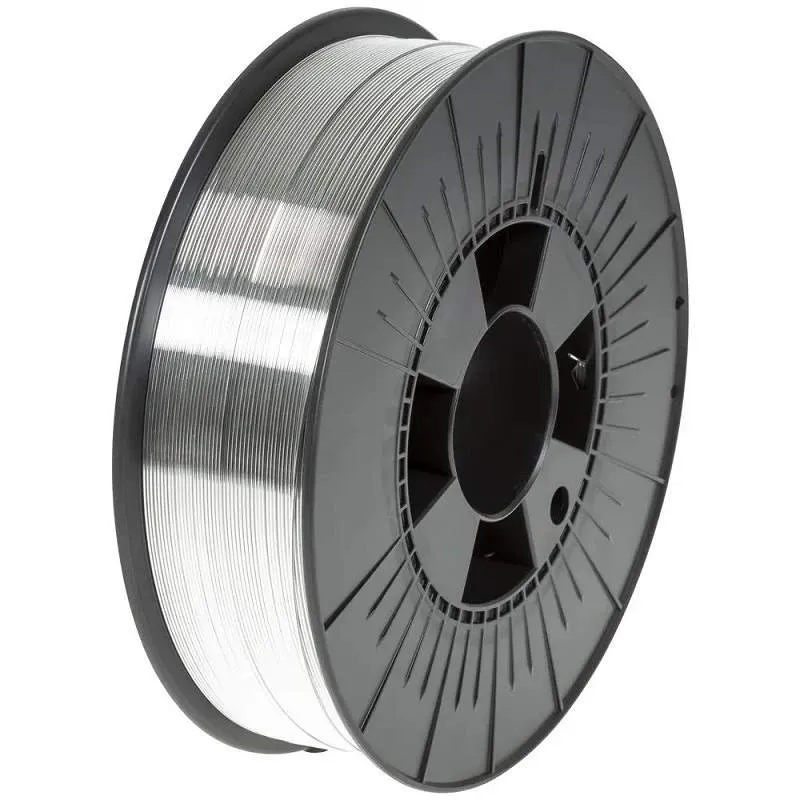
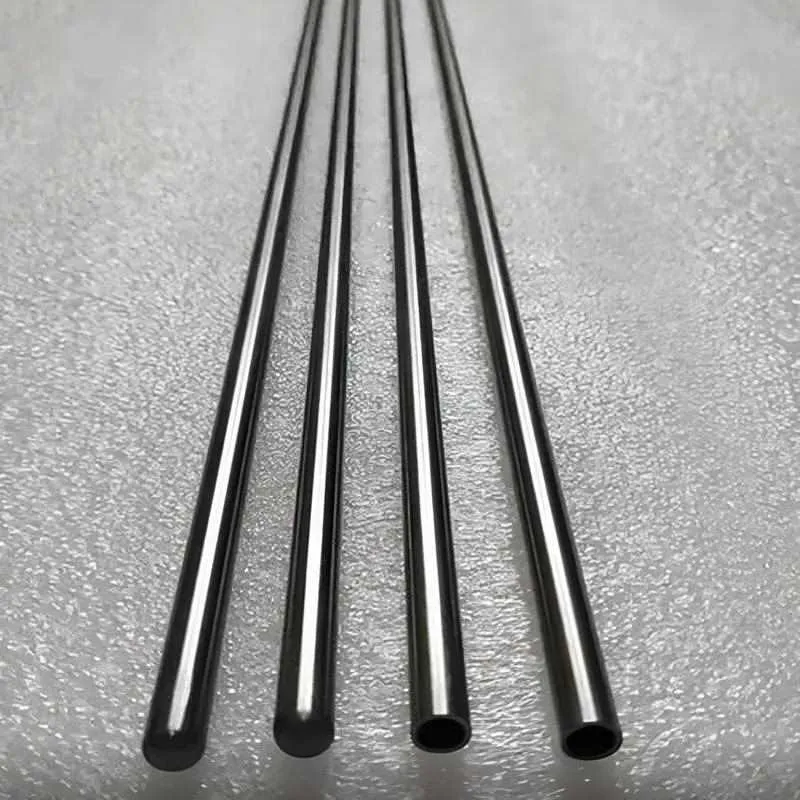
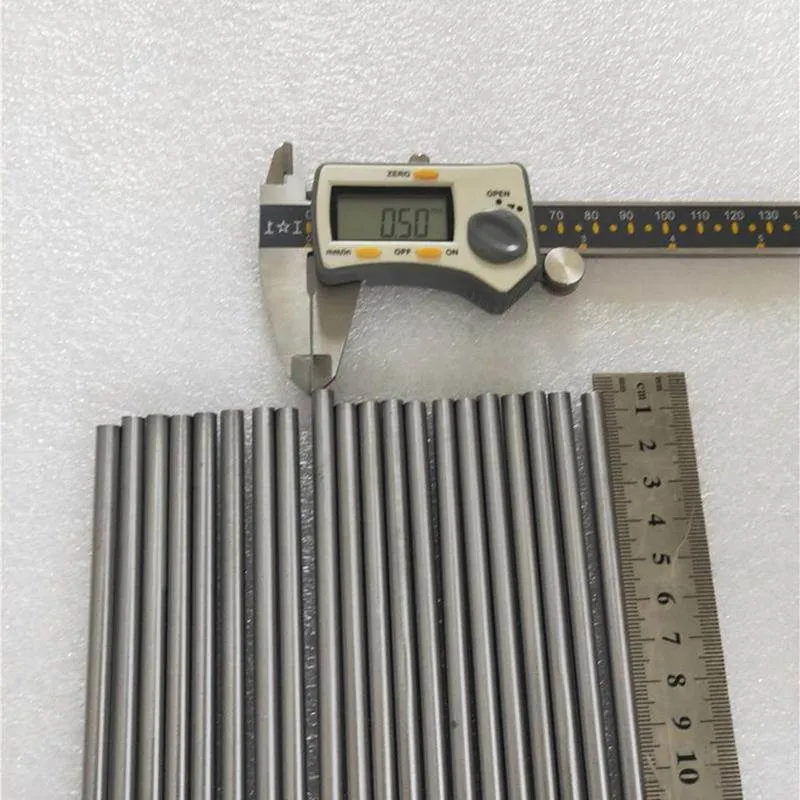
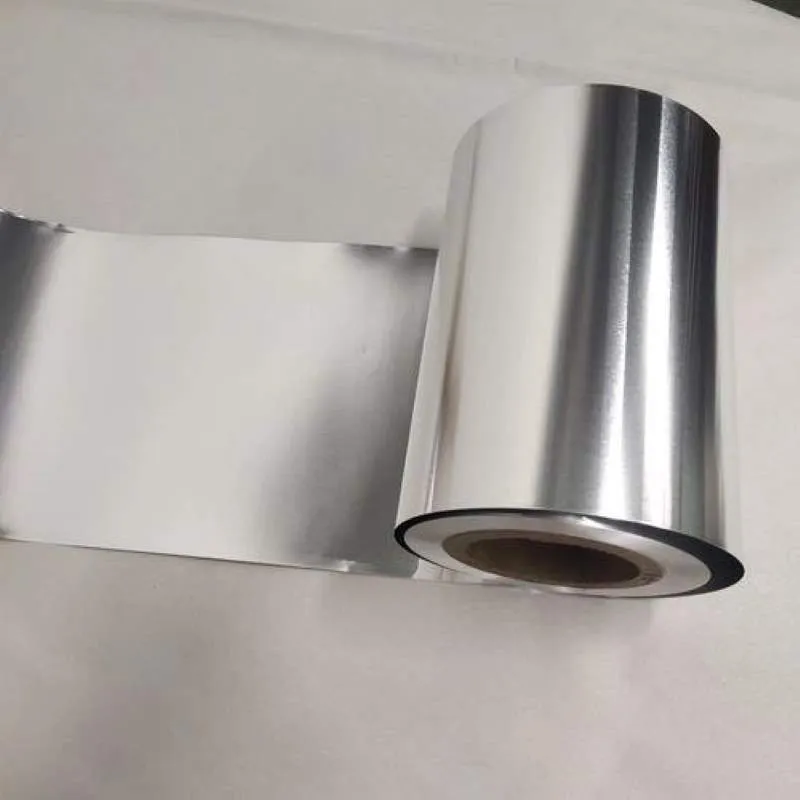
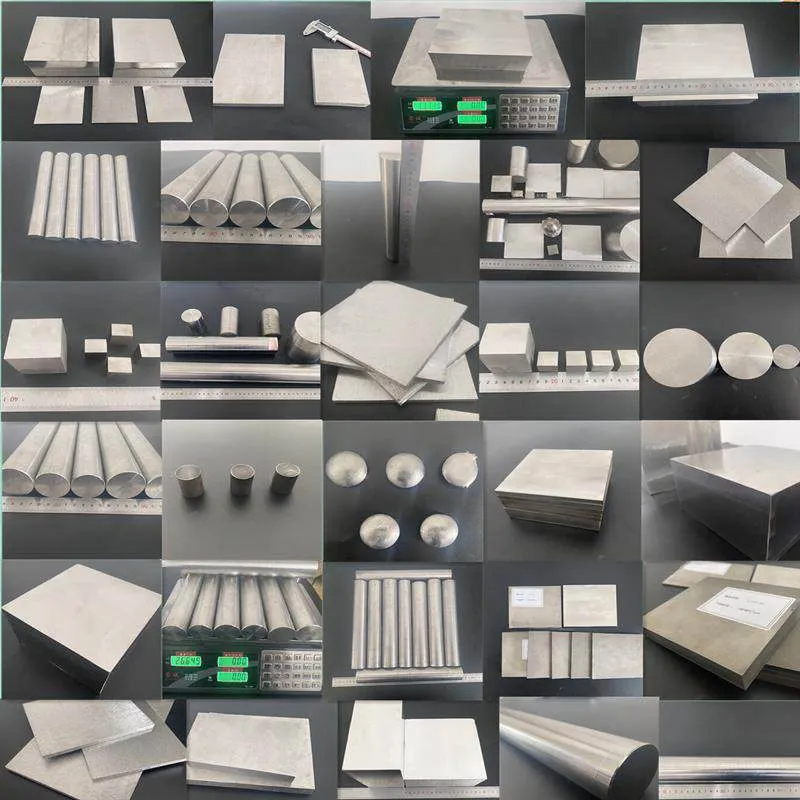
AISI Type O1 Oil-hardening Tool Steel Wire
Product Code : STI-GSTI-085-CU
We provide AISI Type O1 Oil-hardening Tool Steel Wire, oil quenched at 800°C, tempered at 425°C is available in Bar (Round bar, Flat bar), Ribbon, Wire, Rods, Tube,Seamless Tube,Pipe, Ingots, Plate, Sheet, Strip and Forging Stock.,Purity, chemical composition, size, etc. can all be customized to meet specific requirements.
Please contact us if you need customized services. We will contact you with the price and availability in 24 hours.
AISI Type O1 Oil-hardening Tool Steel Wire, oil quenched at 800°C, tempered at 425°C Product Information
-:-
For detailed product information, please contact sales.
-:
AISI Type O1 Oil-hardening Tool Steel Wire, oil quenched at 800°C, tempered at 425°C Synonyms
-:-
For detailed product information, please contact sales.
-:
AISI Type O1 Oil-hardening Tool Steel, oil quenched at 800°C, tempered at 425°C Product Information
-:-
For detailed product information, please contact sales.
-:
# **Product Introduction: AISI Type O1 Oil-Hardening Tool Steel (UNS T31501)**
## **Overview**
**AISI O1 (UNS T31501)** is a versatile, **low-alloy, non-shrink, oil-hardening cold work tool steel**. It represents the quintessential **general-purpose tool steel**, renowned for its excellent combination of **good machinability in the annealed state, minimal distortion during heat treatment, and the ability to achieve high hardness with good wear resistance**. The specified heat treatment (oil quenched at 800°C, tempered at 425°C) is a classic and widely used regimen to produce a hard, wear-resistant tool with a degree of toughness suitable for many cold work applications.
## **1. Chemical Composition (Nominal %)**
The composition of O1 is balanced to provide deep hardenability with oil quenching while minimizing the risk of distortion.
| Element | Content (%) | Primary Function |
|---------|------------|------------------|
| **Carbon (C)** | 0.85 - 1.00 | Provides high hardness and wear resistance upon quenching and tempering. |
| **Manganese (Mn)** | 1.00 - 1.40 | Increases hardenability and helps stabilize austenite, contributing to the "non-shrink" characteristic. |
| **Silicon (Si)** | 0.50 (Max) | Primarily a deoxidizer. |
| **Chromium (Cr)** | 0.40 - 0.60 | Enhances hardenability, wear resistance, and provides mild corrosion resistance. |
| **Tungsten (W)** | 0.40 - 0.60 | Forms hard, wear-resistant carbides and increases hot hardness slightly. |
| **Vanadium (V)** | 0.10 - 0.30 | Refines grain size, increases toughness, and forms hard, fine carbides that improve wear resistance. |
| **Iron (Fe)** | Balance | Base metal. |
**Key Chemistry Note:** O1 is a **low-alloy, high-carbon steel**. The combination of **manganese and tungsten** is key to its classification as a "non-shrink" or "dimensionally stable" steel, as it retains some austenite at room temperature after quenching, which then transforms during tempering with a slight expansion, offsetting the initial quenching contraction.
## **2. Physical & Mechanical Properties (Oil-Quenched @ 800°C, Tempered @ 425°C)**
| Property | Typical Value |
|----------|--------------|
| **Density** | 7.81 g/cm³ (0.282 lb/in³) |
| **Melting Point** | ~1420°C (2590°F) |
| **Thermal Conductivity** | ~45 W/m·K at 20°C (Higher than most HSS) |
| **Coefficient of Thermal Expansion** | 12.2 × 10⁻⁶/K (20-100°C) |
| **Modulus of Elasticity** | 210 GPa (30.5 × 10⁶ psi) |
| **Annealed Hardness** | 183-212 HB |
| **As-Quenched Hardness** | ~65-67 HRC (after quenching from 800°C) |
| **Hardness (Tempered @ 425°C)** | **~58-61 HRC** (Target ~59-60 HRC for optimal balance) |
| **Tensile Strength** | ~2000 MPa (290 ksi) |
| **Yield Strength** | ~1700 MPa (247 ksi) |
| **Impact Toughness** | Moderate (Lower than air-hardening grades like A2 at similar hardness) |
| **Dimensional Change** | **Minimal.** This is the hallmark of O1. Typical change is < 0.0005 in/in. |
| **Wear Resistance** | **Good,** suitable for many cold work applications but inferior to high-vanadium steels. |
| **Machinability (Annealed)** | **Excellent** (relative to other tool steels). |
## **3. International Standards & Cross-References**
O1 is one of the most universally recognized tool steel grades.
| Standard | Designation |
|----------|------------|
| **UNS** | T31501 |
| **AISI (USA)** | O1 |
| **ASTM (USA)** | A681: O1 |
| **ISO (International)** | **100MnCrW4** (ISO 4957: Tool steels) |
| **DIN (Germany)** | **1.2510** |
| **JIS (Japan)** | **SKS3** |
| **GB (China)** | **9Mn2V** (Closest equivalent; note: Mn content differs) |
| **BS (UK)** | **BO1** |
| **AFNOR (France)** | **90 MnWCrV 5** |
## **4. Product Applications**
O1 is the **go-to steel for a vast array of low-to-medium production run tooling** where dimensional stability during heat treatment is critical and extreme wear resistance is not the primary requirement.
**Applications for O1 (Hardened to ~59-61 HRC):**
* **Cutting and Blanking Tools:**
* **Blanking and piercing dies** for sheet metal.
* **Shear blades** and slitter knives.
* **Cut-off blades** and trim dies.
* **Forming Tools:**
* **Bending dies**, forming rolls, and press brake tooling.
* **Cold heading dies** and stamping punches for non-abrasive materials.
* **Measuring and Precision Tools:**
* **Gauges**, master templates, and fixtures where stability is paramount.
* **Knives and cutting rules** for the printing and packaging industries.
* **General Tooling:**
* **Arbors**, collets, and machine tool components requiring wear resistance.
* **Woodworking tools** like plane blades and chisels (a classic use).
**Why use this specific heat treatment?** Quenching at **800°C** ensures full austenitization without excessive grain growth. Tempering at **425°C** achieves a hardness of ~59-61 HRC, which is an excellent compromise: it provides **high strength and good wear resistance** while retaining **sufficient toughness** to resist chipping in many cold work applications. It avoids the embrittlement zone associated with tempering around 250-350°C.
## **5. Specified Heat Treatment Process**
1. **Preheating:** Preheat slowly and uniformly to **650-700°C (1200-1290°F)** to minimize thermal stress.
2. **Austenitizing:** Heat to **790-810°C (1455-1490°F)**. Soak for **15-30 minutes per inch of cross-section** after the entire part reaches temperature. The **800°C (1472°F)** specification is ideal.
3. **Quenching:** Quench **immediately** in a **well-circulated, mild oil** bath at 40-60°C (105-140°F). Agitate the part vigorously. Parts should be cooled to hand-warm (50-70°C / 120-160°F).
4. **Tempering:** **Temper immediately** after quenching. Heat to **425°C (797°F)**. Hold for **1-2 hours per inch of thickness**, then air cool to room temperature. A **double temper** is strongly recommended for stress relief and dimensional stability.
5. **Stress Relieving:** For complex shapes, stress relieve after rough machining at 600-650°C (1110-1200°F).
## **6. Key Advantages & Limitations**
**Advantages:**
* **Minimal Distortion:** The "non-shrink" characteristic simplifies finishing.
* **Excellent Annealed Machinability:** Easy to machine into complex shapes.
* **Simple Heat Treatment:** Requires only an oil quench, accessible to most workshops.
* **Good All-Round Performance:** Reliable hardness, wear, and toughness balance.
* **Cost-Effective:** Lower alloy content makes it less expensive than air-hardening or high-speed steels.
**Limitations:**
* **Lower Wear Resistance:** Not suitable for high-abrasion or high-volume production like D2 or high-speed steels.
* **Moderate Toughness:** Tougher than high-carbon steels but less tough than A2 at similar hardness.
* **Shallow Hardenability:** Limited to moderate section sizes (typically up to ~4 inches / 100mm for through-hardening).
* **Quench Cracking Risk:** Oil quenching still carries a risk of cracking for very thin or complex sections compared to air quenching.
---
**Disclaimer:** This information pertains to the standard AISI O1 grade under the specified heat treatment. Actual results depend on exact chemical analysis, section size, furnace conditions, and quenching practice. Always refer to the material supplier's technical data sheets and perform testing for critical applications. The specified tempering at 425°C avoids the 250-350°C range where tempered martensite embrittlement can occur.
-:-
For detailed product information, please contact sales.
-:
AISI Type O1 Oil-hardening Tool Steel, oil quenched at 800°C, tempered at 425°C Specification
Dimensions
Size:
Diameter 20-1000 mm Length <6741 mm
Size:We can customized as required
Standard:
Per your request or drawing
We can customized as required
Properties(Theoretical)
Chemical Composition
-:-
For detailed product information, please contact sales.
-:
AISI Type O1 Oil-hardening Tool Steel, oil quenched at 800°C, tempered at 425°C Properties
-:-
For detailed product information, please contact sales.
-:
Applications of AISI Type O1 Oil-hardening Tool Steel Wire, oil quenched at 800°C, tempered at 425°C
-:-
For detailed product information, please contact sales.
-:
Chemical Identifiers AISI Type O1 Oil-hardening Tool Steel Wire, oil quenched at 800°C, tempered at 425°C
-:-
For detailed product information, please contact sales.
-:
Packing of AISI Type O1 Oil-hardening Tool Steel Wire, oil quenched at 800°C, tempered at 425°C
-:-
For detailed product information, please contact sales.
-:
Standard Packing:
-:-
For detailed product information, please contact sales.
-:
Typical bulk packaging includes palletized plastic 5 gallon/25 kg. pails, fiber and Steel Wire drums to 1 ton super sacks in full container (FCL) or truck load (T/L) quantities. Research and sample quantities and hygroscopic, oxidizing or other air sensitive materials may be packaged under argon or vacuum. Solutions are packaged in polypropylene, plastic or glass jars up to palletized 3212 gallon liquid totes Special package is available on request. E FORUs’ is carefully handled to minimize damage during storage and transportation and to preserve the quality of our products in their original condition