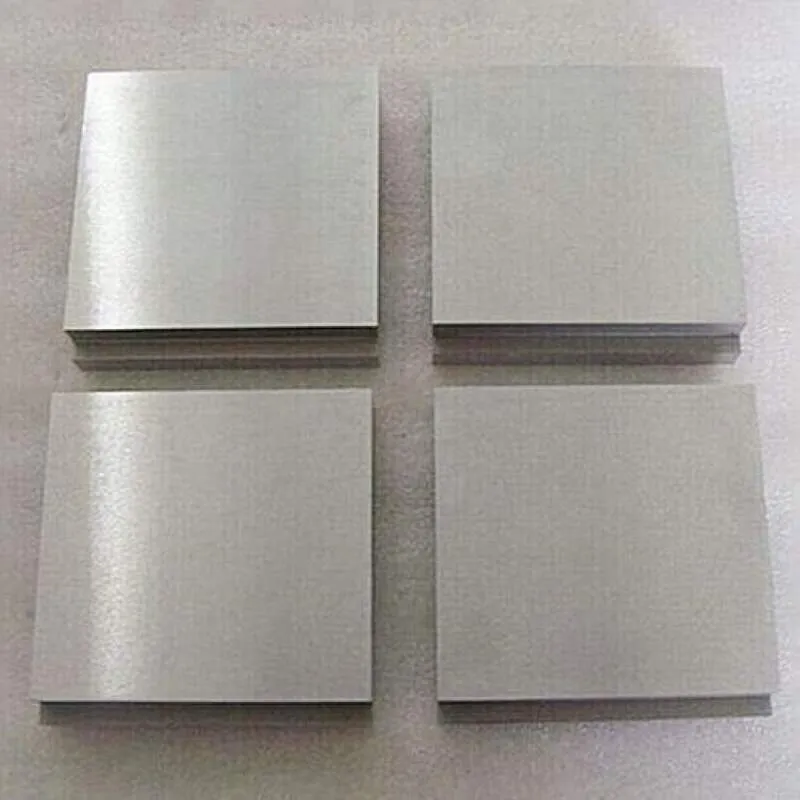
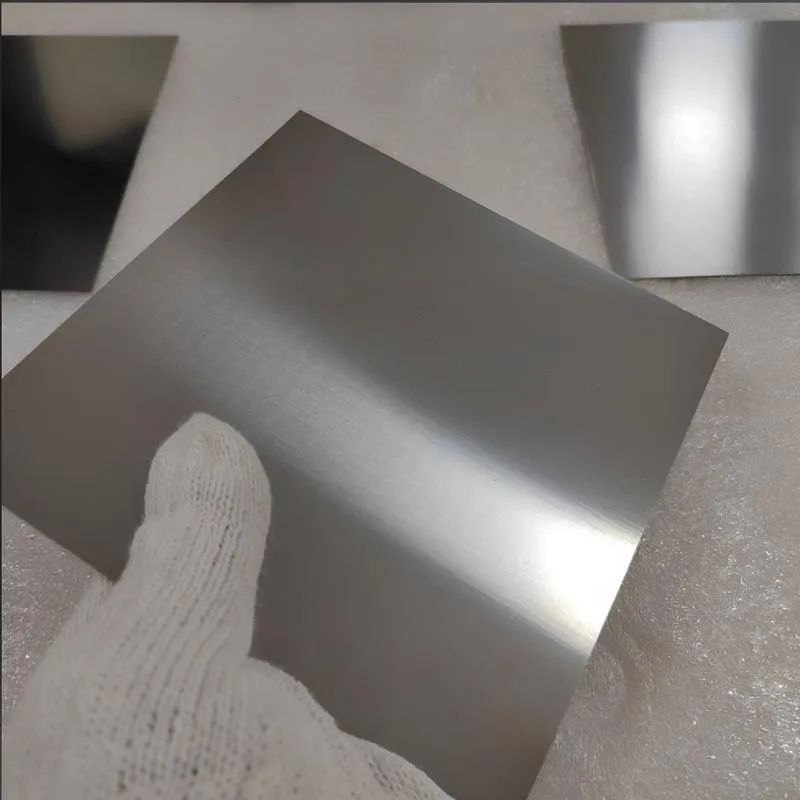
AISI Type O2 Oil-hardening Tool Steel Sheet,Plate
Product Code : STI-GSTI-086-CU
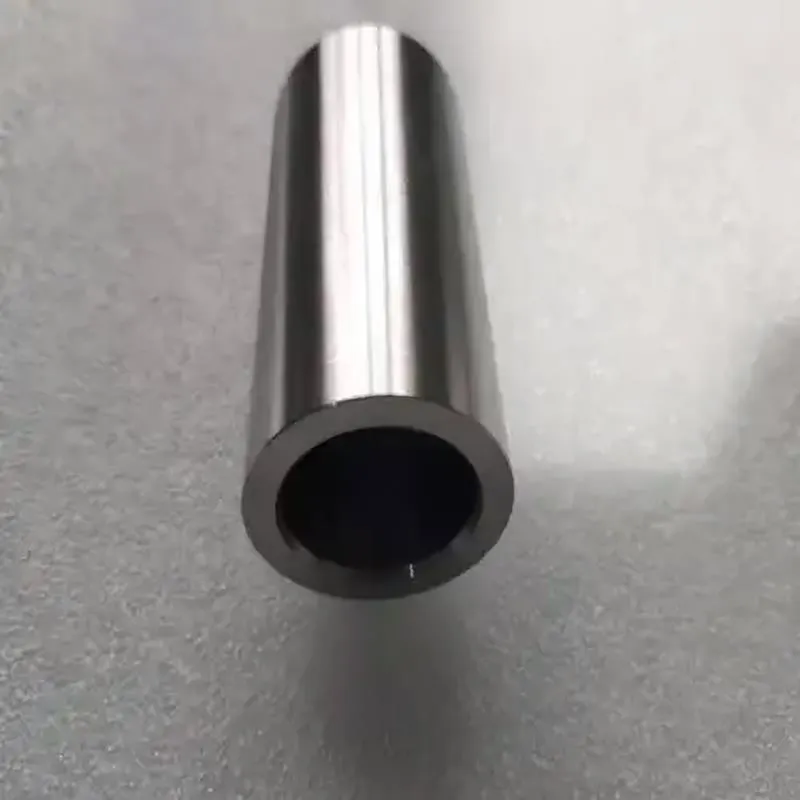
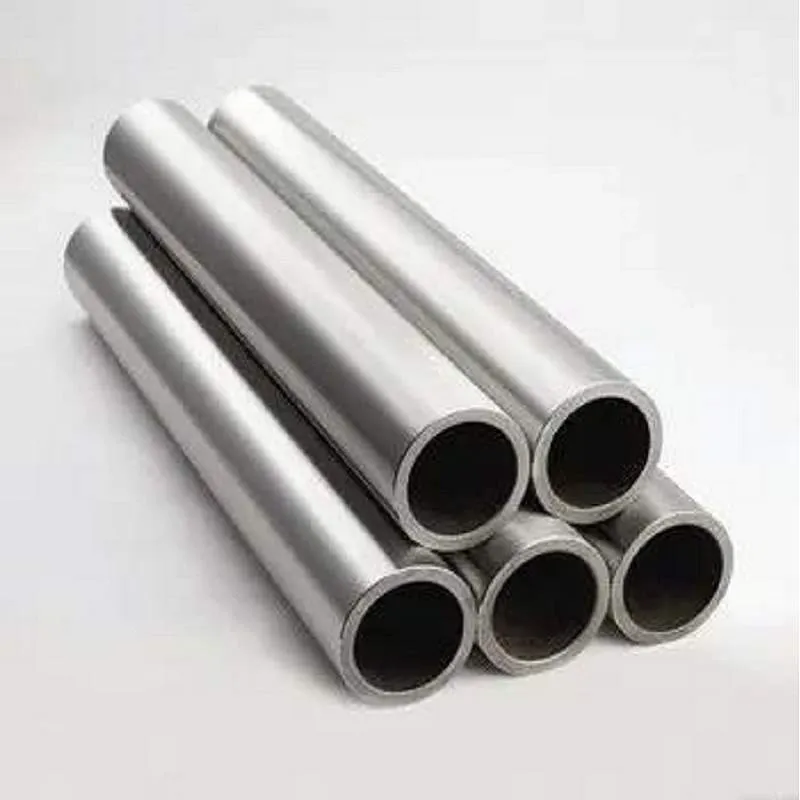
We provide AISI Type O2 Oil-hardening Tool Steel Sheet/Plate, oil quenched at 800°C, tempered at 260°C is available in Bar (Round bar, Flat bar), Ribbon, Wire, Rods, Tube,Seamless Tube,Pipe, Ingots, Plate, Sheet/Plate, Strip and Forging Stock.,Purity, chemical composition, size, etc. can all be customized to meet specific requirements.
Please contact us if you need customized services. We will contact you with the price and availability in 24 hours.
AISI Type O2 Oil-hardening Tool Steel Sheet/Plate, oil quenched at 800°C, tempered at 260°C Product Information
-:-
For detailed product information, please contact sales.
-:
AISI Type O2 Oil-hardening Tool Steel Sheet/Plate, oil quenched at 800°C, tempered at 260°C Synonyms
-:-
For detailed product information, please contact sales.
-:
AISI Type O2 Oil-hardening Tool Steel, oil quenched at 800°C, tempered at 260°C Product Information
-:-
For detailed product information, please contact sales.
-:
# **Product Introduction: AISI Type O2 Oil-Hardening Tool Steel (UNS T31502)**
## **Overview**
**AISI O2 (UNS T31502)** is a versatile, **manganese-based, non-shrink, oil-hardening cold work tool steel**. Known for its excellent combination of **machinability, dimensional stability during heat treatment, and good wear resistance**, O2 is a popular choice for a wide range of precision tools and dies. The specified heat treatment (oil quenched at 800°C, tempered at 260°C) is designed to achieve **very high hardness** while maintaining a sharp cutting edge, making it particularly suitable for cutting tools and applications requiring maximum surface hardness.
## **1. Chemical Composition (Nominal %)**
O2's composition is balanced to provide good hardenability with minimal distortion during oil quenching.
| Element | Content (%) | Primary Function |
|---------|------------|------------------|
| **Carbon (C)** | 0.85 - 0.95 | Provides high hardness and wear resistance. |
| **Manganese (Mn)** | 1.40 - 1.80 | **Key element.** Significantly increases hardenability and promotes dimensional stability. |
| **Silicon (Si)** | 0.30 (Max) | Acts as a deoxidizer. |
| **Chromium (Cr)** | 0.50 (Max) | Slightly enhances hardenability and wear resistance. |
| **Tungsten (W)** | 0.40 - 0.60 | Forms hard carbides for wear resistance and increases hot hardness. |
| **Vanadium (V)** | 0.15 - 0.25 | Refines grain size and improves toughness and wear resistance. |
| **Iron (Fe)** | Balance | Base metal. |
**Key Chemistry Note:** O2 is characterized by its **relatively high manganese content** and **absence of significant chromium**. The manganese provides sufficient hardenability for oil quenching without the need for higher alloying elements, making it economical and dimensionally stable. Its composition is simpler than O1, with less chromium and slightly different manganese levels.
## **2. Physical & Mechanical Properties (Oil-Quenched @ 800°C, Tempered @ 260°C)**
| Property | Typical Value |
|----------|--------------|
| **Density** | 7.83 g/cm³ (0.283 lb/in³) |
| **Melting Point** | ~1425°C (2600°F) |
| **Thermal Conductivity** | ~46 W/m·K at 20°C |
| **Coefficient of Thermal Expansion** | 12.5 × 10⁻⁶/K (20-100°C) |
| **Modulus of Elasticity** | 210 GPa (30.5 × 10⁶ psi) |
| **Annealed Hardness** | 183-212 HB |
| **As-Quenched Hardness** | ~65-67 HRC |
| **Hardness (Tempered @ 260°C)** | **~62-64 HRC** (Typically 63-64 HRC) |
| **Tensile Strength** | ~2200 MPa (319 ksi) |
| **Yield Strength** | ~1900 MPa (275 ksi) |
| **Impact Toughness** | **Relatively Low** at this high hardness level. Suitable for stable cutting/forming applications without heavy impact. |
| **Dimensional Stability** | **Excellent.** Minimal dimensional change during heat treatment. |
| **Wear Resistance** | **Good** for general cold work applications. |
| **Machinability (Annealed)** | **Excellent** - one of the most machinable tool steels. |
## **3. International Standards & Cross-References**
O2 is widely recognized internationally with close equivalents.
| Standard | Designation |
|----------|------------|
| **UNS** | T31502 |
| **AISI (USA)** | O2 |
| **ASTM (USA)** | A681: O2 |
| **ISO (International)** | **90MnCrV8** (ISO 4957: Tool steels) |
| **DIN (Germany)** | **1.2842** |
| **BS (UK)** | **BO2** |
| **JIS (Japan)** | **SKS93** (Close equivalent) |
| **GB (China)** | **9Mn2** (Approximate equivalent) |
## **4. Product Applications**
O2 tempered at 260°C achieves very high hardness (63-64 HRC), making it ideal for applications requiring sharp, durable edges and good wear resistance, though with somewhat reduced toughness.
**Applications for O2 (Hardened to ~63-64 HRC):**
* **Precision Cutting Tools:**
* **Blankng and piercing dies** for thin materials.
* **Shear blades** for precision cutting.
* **Cutting knives** for paper, plastics, and textiles.
* **Woodworking tools** (chisels, plane blades, carving tools).
* **Forming Tools:**
* **Bending dies** and forming tools for light-duty applications.
* **Stamping punches** for non-abrasive materials.
* **Measuring Tools:**
* **Gauges**, templates, and precision measuring instruments.
* **General Tooling:**
* **Machine tool components** requiring wear resistance and dimensional stability.
* **Arbors** and collets.
**Why use this specific heat treatment?**
- **Quenching at 800°C** ensures complete austenitization for maximum hardness.
- **Tempering at 260°C** achieves **very high hardness (63-64 HRC)** while providing some stress relief. This treatment is ideal for tools that require **maximum edge retention and wear resistance** and will be used in **stable, non-impact applications**. Note: Tempering in the 200-300°C range generally produces higher hardness but lower toughness compared to tempering at higher temperatures (e.g., 425°C for O1).
## **5. Specified Heat Treatment Process**
1. **Preheating:** Preheat to **650-700°C (1200-1290°F)** to minimize thermal stress.
2. **Austenitizing:** Heat to **790-810°C (1455-1490°F)**. Soak for **15-30 minutes per inch** of cross-section. The **800°C (1472°F)** target is optimal.
3. **Quenching:** Quench **rapidly in circulated oil** at 40-60°C (105-140°F). Agitate the part. Cool to hand-warm (50-70°C).
4. **Tempering:** **Temper immediately** after quenching. Heat to **260°C (500°F)**. Hold for **1-2 hours per inch** of thickness, then air cool. **Double tempering** is highly recommended to ensure complete stress relief and transformation of retained austenite.
5. **Note:** Due to the relatively low tempering temperature, parts retain higher internal stresses. Double tempering is particularly important for complex shapes.
## **6. Comparison with O1 at Different Temper**
| Property | O2 @ 260°C temper | O1 @ 425°C temper | Best For |
|----------|-------------------|-------------------|----------|
| **Hardness** | **63-64 HRC** (Higher) | 58-61 HRC | O2: Max edge retention |
| **Toughness** | Lower | Higher | O1: Applications with some impact |
| **Dimensional Stability** | Excellent | Excellent | Both: Precision tools |
| **Wear Resistance** | Very Good | Good | O2: Better for abrasive wear |
| **Machinability** | Excellent | Excellent | Both: Easy to machine |
## **7. Key Advantages & Limitations**
**Advantages:**
* **High Hardness:** Can achieve 63-64 HRC, excellent for cutting edges.
* **Excellent Machinability:** One of the easiest tool steels to machine.
* **Good Dimensional Stability:** Minimal distortion during heat treatment.
* **Simple Heat Treatment:** Only requires oil quenching.
* **Cost-Effective:** Lower alloy content than many other tool steels.
**Limitations:**
* **Lower Toughness at High Hardness:** At 63-64 HRC, tools are more brittle and susceptible to chipping under impact.
* **Limited Wear Resistance:** Not suitable for high-volume production or highly abrasive materials.
* **Shallow Hardenability:** Similar to O1, limited to moderate section sizes.
* **Risk of Tempered Martensite Embrittlement:** Tempering at 260°C is in a range where toughness may be reduced (though less pronounced in simple steels like O2).
---
**Disclaimer:** The specified tempering at 260°C produces high hardness but reduced toughness. This treatment is suitable for tools used in stable cutting/forming applications without heavy impact. For applications requiring better toughness, tempering at a higher temperature (e.g., 350-400°C) is recommended, though with lower hardness. Always consult material data sheets and perform testing for critical applications. Proper heat treatment practices are essential to achieve optimal results.
-:-
For detailed product information, please contact sales.
-:
AISI Type O2 Oil-hardening Tool Steel, oil quenched at 800°C, tempered at 260°C Specification
Dimensions
Size:
Diameter 20-1000 mm Length <6742 mm
Size:We can customized as required
Standard:
Per your request or drawing
We can customized as required
Properties(Theoretical)
Chemical Composition
-:-
For detailed product information, please contact sales.
-:
AISI Type O2 Oil-hardening Tool Steel, oil quenched at 800°C, tempered at 260°C Properties
-:-
For detailed product information, please contact sales.
-:
Applications of AISI Type O2 Oil-hardening Tool Steel Sheet,Plate, oil quenched at 800°C, tempered at 260°C
-:-
For detailed product information, please contact sales.
-:
Chemical Identifiers AISI Type O2 Oil-hardening Tool Steel Sheet,Plate, oil quenched at 800°C, tempered at 260°C
-:-
For detailed product information, please contact sales.
-:
Packing of AISI Type O2 Oil-hardening Tool Steel Sheet/Plate, oil quenched at 800°C, tempered at 260°C
-:-
For detailed product information, please contact sales.
-:
Standard Packing:
-:-
For detailed product information, please contact sales.
-:
Typical bulk packaging includes palletized plastic 5 gallon/25 kg. pails, fiber and Steel Sheet/Plate drums to 1 ton super sacks in full container (FCL) or truck load (T/L) quantities. Research and sample quantities and hygroscopic, oxidizing or other air sensitive materials may be packaged under argon or vacuum. Solutions are packaged in polypropylene, plastic or glass jars up to palletized 3213 gallon liquid totes Special package is available on request. E FORUs’ is carefully handled to minimize damage during storage and transportation and to preserve the quality of our products in their original condition