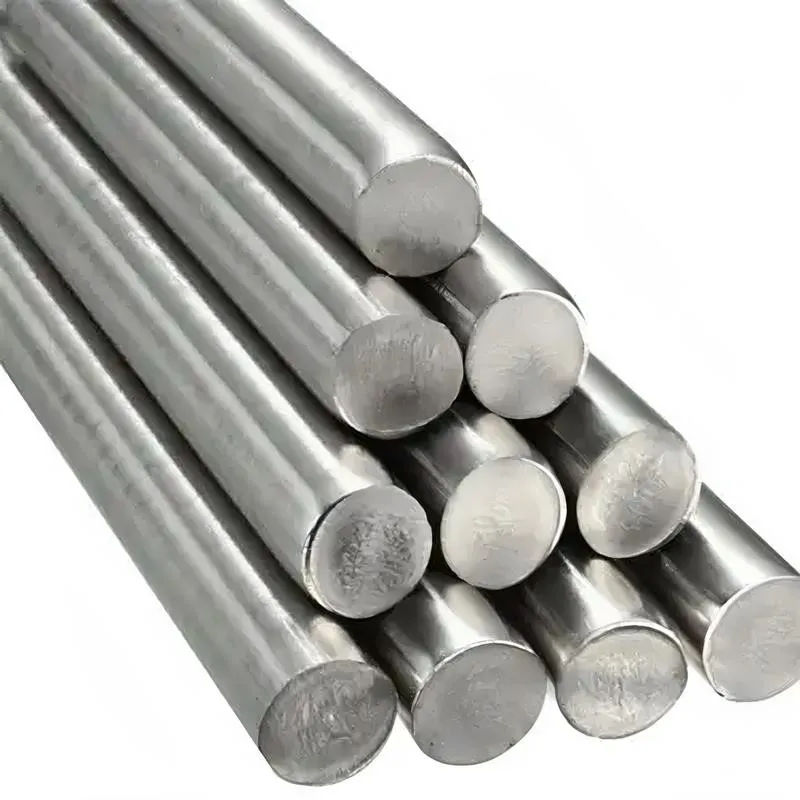
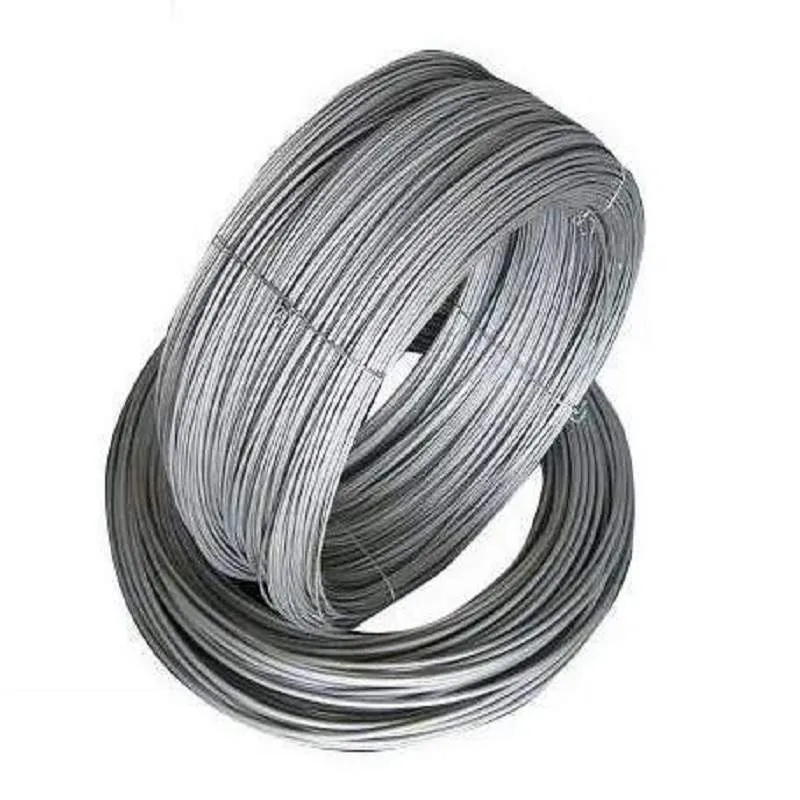
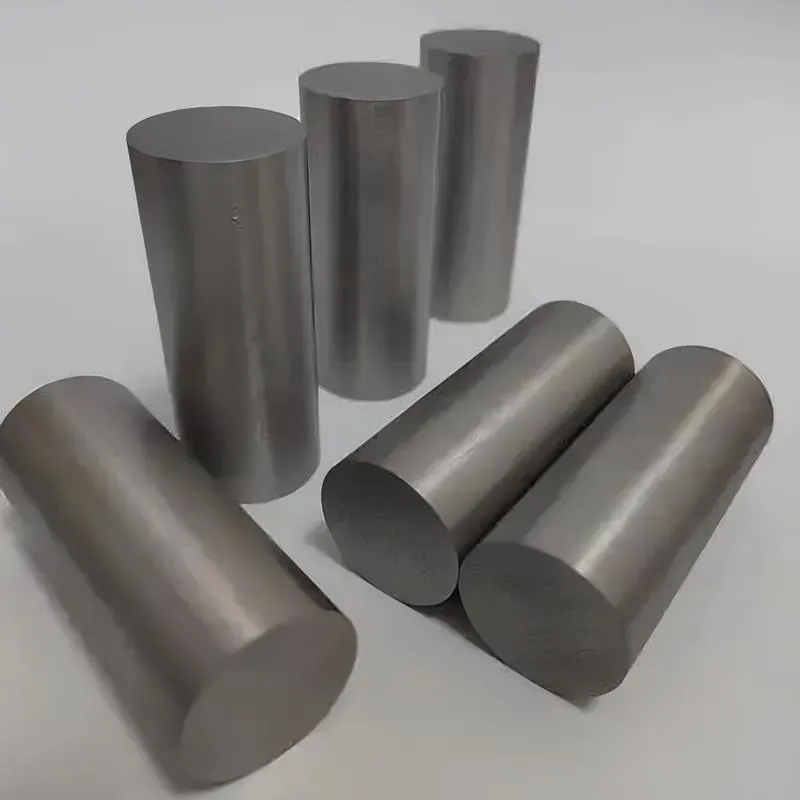
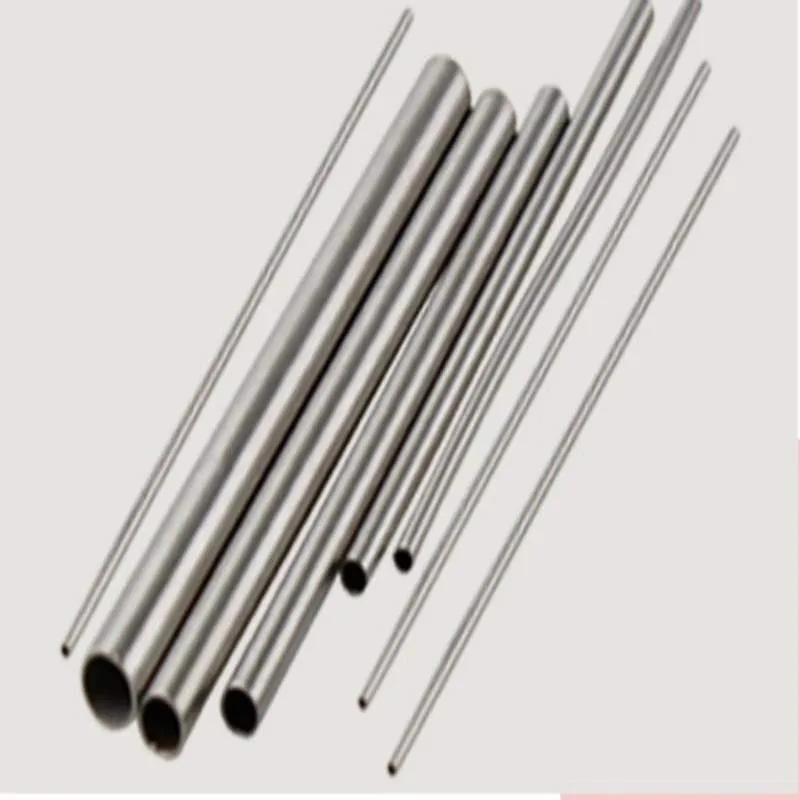
AISI Type O6 Tool Steel Rod/Bar
Product Code : STI-GSTI-087-CU
We provide AISI Type O6 Tool Steel Rod/Bar is available in Bar (Round bar, Flat bar), Ribbon, Wire, Rod/Bars, Tube,Seamless Tube,Pipe, Ingots, Plate, Sheet, Strip and Forging Stock.,Purity, chemical composition, size, etc. can all be customized to meet specific requirements.
Please contact us if you need customized services. We will contact you with the price and availability in 24 hours.
AISI Type O6 Tool Steel Rod Product Information
-:-
For detailed product information, please contact sales.
-:
AISI Type O6 Tool Steel Rod Synonyms
-:-
For detailed product information, please contact sales.
-:
AISI Type O6 Tool Steel Product Information
-:-
For detailed product information, please contact sales.
-:
# **Product Introduction: AISI Type O6 Tool Steel (UNS T31506)**
## **Overview**
**AISI O6 (UNS T31506)** is a unique **graphitic, oil-hardening cold work tool steel** distinguished by its **exceptional machinability and anti-galling properties**. Unlike most tool steels that rely solely on hard carbide networks for wear resistance, O6 contains **free graphite in its microstructure**, which provides natural lubricity and chip-breaking characteristics. This makes it the **most machinable of all standard tool steels** in the annealed condition and particularly valuable for applications involving forming of soft, adhesive materials.
## **1. Chemical Composition (Nominal %)**
The composition of O6 is specifically designed to promote graphite formation while providing adequate hardenability.
| Element | Content (%) | Primary Function |
|---------|------------|------------------|
| **Carbon (C)** | 1.25 - 1.55 | **Very high.** Part forms cementite (Fe₃C) for hardness, part remains as free graphite for lubricity. |
| **Manganese (Mn)** | 0.30 - 0.60 | Controls sulfur and provides moderate hardenability. |
| **Silicon (Si)** | 0.55 - 1.10 | **Critical element.** Strongly promotes the formation and stabilization of free graphite in the microstructure. |
| **Molybdenum (Mo)** | 0.20 - 0.30 | Enhances hardenability and refines grain structure. |
| **Sulfur (S)** | 0.08 - 0.15 | **Intentionally added.** Improves machinability by promoting chip breakage. Often present as manganese sulfide (MnS) inclusions. |
| **Phosphorus (P)** | 0.04 - 0.09 | **Intentionally added.** Further improves machinability. |
| **Iron (Fe)** | Balance | Base metal. |
**Key Chemistry Note:** O6 is fundamentally different from other tool steels. The **high silicon content, combined with high carbon and controlled cooling**, allows a portion of the carbon to precipitate as **spheroidal graphite** instead of combining with iron as cementite. The **intentional addition of sulfur and phosphorus** (typically considered impurities) significantly enhances machinability. This steel is more akin to a **high-carbon, high-silicon gray cast iron** in its metallurgy, but with sufficient alloying to allow through-hardening.
## **2. Physical & Mechanical Properties**
| Property | Typical Value / Condition |
|----------|--------------------------|
| **Density** | ~7.76 g/cm³ (Slightly lower due to graphite) |
| **Melting Point** | ~1370°C (2500°F) |
| **Thermal Conductivity** | Higher than most tool steels due to graphite content. |
| **Coefficient of Thermal Expansion** | ~12.3 × 10⁻⁶/K |
| **Modulus of Elasticity** | ~190-200 GPa (Lower than non-graphitic steels) |
| **Annealed Hardness** | 183-229 HB (Pearritic matrix with graphite) |
| **Hardened & Tempered Hardness** | **57-61 HRC** (Maximum achievable is lower than O1 or O2). |
| **As-Quenched Hardness** | Up to ~64 HRC (Requires very fast oil quench). |
| **Tempering Temperature** | 150-260°C (300-500°F) to maintain high hardness; 425-540°C (800-1000°F) for increased toughness. |
| **Wear Resistance** | **Moderate.** The graphite provides lubricity but reduces overall abrasive wear resistance compared to steels with hard carbide networks. |
| **Toughness** | **Low to Moderate.** The graphite particles act as stress concentrators, reducing impact strength. |
| **Dimensional Stability** | **Good.** Less distortion than O1/O2 due to lower transformation stresses. |
| **Machinability (Annealed)** | **Superior / Outstanding.** Rated at **100%** (baseline for tool steels). Can be machined at high speeds with excellent surface finish. |
| **Anti-Galling/Self-Lubricating** | **Excellent.** The free graphite smears onto the tool surface, reducing friction and material pickup. |
## **3. International Standards & Cross-References**
O6 is a unique grade with specific, though not always exact, equivalents.
| Standard | Designation | Notes |
|----------|------------|-------|
| **UNS** | T31506 | |
| **AISI/ASTM (USA)** | O6 (ASTM A681) | |
| **ISO (International)** | **~100CrMnSi6-4** | Not a perfect match; reflects high C, Si, Mn. |
| **DIN (Germany)** | **1.2512** (L-N graphitic) | The classic graphite-bearing tool steel. |
| **BS (UK)** | **BO6** | |
| **JIS (Japan)** | No direct equivalent. | SKS-based grades are not graphitic. |
| **GB (China)** | No direct equivalent. | |
| **Common Name** | **Graphitic Tool Steel, Free-Machining Oil-Hardening Steel** | |
## **4. Product Applications**
O6 is specialized for applications where its unique properties solve specific problems.
**Primary Applications:**
* **Forming Tools for Soft, Adhesive Metals:**
* **Deep drawing dies, punches, and mandrels** for aluminum, brass, copper, and mild steel. The graphite prevents material pickup (galling) and scoring.
* **Thread rolling dies and form rolls** for non-ferrous metals.
* **Machining & Cutting Tools (for specific purposes):**
* **Slitter knives** for cutting soft metals and non-metallics.
* **Cutting tools for wood, plastic, and paper** where a fine finish is needed and tools are machined to shape.
* **Components Requiring Intricate Machining:**
* Complex gauges, cams, and master models that would be very expensive to machine from less machinable steels.
* **Low-wear, precision machine components** where its stability and finish are beneficial.
* **Wear Plates & Guides:**
* Applications where its self-lubricating property reduces maintenance.
**Applications to Avoid:**
* High-stress structural components (low toughness).
* Tools for abrasive materials (moderate wear resistance).
* High-temperature applications (graphite can oxidize).
## **5. Heat Treatment Guidelines**
Heat treatment of O6 requires care due to its graphitic nature.
* **Forging:** Not generally recommended. If necessary, forge at 980-1040°C (1800-1900°F), finish above 870°C (1600°F), cool very slowly.
* **Annealing:** Typically supplied annealed. To re-anneal: heat to 790-815°C (1450-1500°F), hold, slow furnace cool (~15°C/hr) to 480°C (900°F), then air cool.
* **Hardening:**
1. **Preheat:** 650-700°C (1200-1290°F).
2. **Austenitize:** **790-815°C (1450-1500°F)**. **Do not exceed 830°C (1525°F)**, as higher temperatures dissolve graphite, destroying the key property and increasing distortion.
3. **Soak:** 20-30 min per inch.
4. **Quench:** Quench **rapidly in fast oil** (high-velocity, low-viscosity). Agitate vigorously. Air cooling is insufficient for full hardness.
* **Tempering:** **Temper immediately.** For maximum hardness (57-61 HRC), temper at **150-260°C (300-500°F)** for 1-2 hours. For improved toughness at the expense of hardness, temper at higher temperatures. **Always double temper.**
## **6. Key Advantages & Limitations**
**Advantages:**
* **Unmatched Machinability:** Drastically reduces machining time and cost for complex shapes.
* **Excellent Anti-Galling Properties:** Ideal for forming soft, sticky metals.
* **Good Dimensional Stability:** Less prone to distortion during heat treatment.
* **Good Surface Finish:** Machines to a fine finish easily.
**Limitations:**
* **Lower Maximum Hardness & Wear Resistance:** Not for severe abrasive service.
* **Lower Toughness:** Graphite particles reduce impact strength.
* **Limited High-Temperature Capability:** Graphite oxidizes, and properties degrade above ~250°C.
* **Critical Heat Treatment Window:** Overheating destroys the graphite structure.
---
**Disclaimer:** AISI O6 is a specialized material with a unique microstructure. Its successful application depends entirely on leveraging its graphite content for machinability and lubricity, while designing around its lower toughness and wear resistance. Heat treatment must be carefully controlled to preserve the graphite. Always consult the supplier's data sheets and consider application-specific testing.
-:-
For detailed product information, please contact sales.
-:
AISI Type O6 Tool Steel Specification
Dimensions
Size:
Diameter 20-1000 mm Length <6743 mm
Size:We can customized as required
Standard:
Per your request or drawing
We can customized as required
Properties(Theoretical)
Chemical Composition
-:-
For detailed product information, please contact sales.
-:
AISI Type O6 Tool Steel Properties
-:-
For detailed product information, please contact sales.
-:
Applications of AISI Type O6 Tool Steel Rod
-:-
For detailed product information, please contact sales.
-:
Chemical Identifiers AISI Type O6 Tool Steel Rod
-:-
For detailed product information, please contact sales.
-:
Packing of AISI Type O6 Tool Steel Rod
-:-
For detailed product information, please contact sales.
-:
Standard Packing:
-:-
For detailed product information, please contact sales.
-:
Typical bulk packaging includes palletized plastic 5 gallon/25 kg. pails, fiber and Steel Rod drums to 1 ton super sacks in full container (FCL) or truck load (T/L) quantities. Research and sample quantities and hygroscopic, oxidizing or other air sensitive materials may be packaged under argon or vacuum. Solutions are packaged in polypropylene, plastic or glass jars up to palletized 3214 gallon liquid totes Special package is available on request. E FORUs’ is carefully handled to minimize damage during storage and transportation and to preserve the quality of our products in their original condition