AISI Type P1 Mold Steel
Product Code : STI-GSTI-089-CU
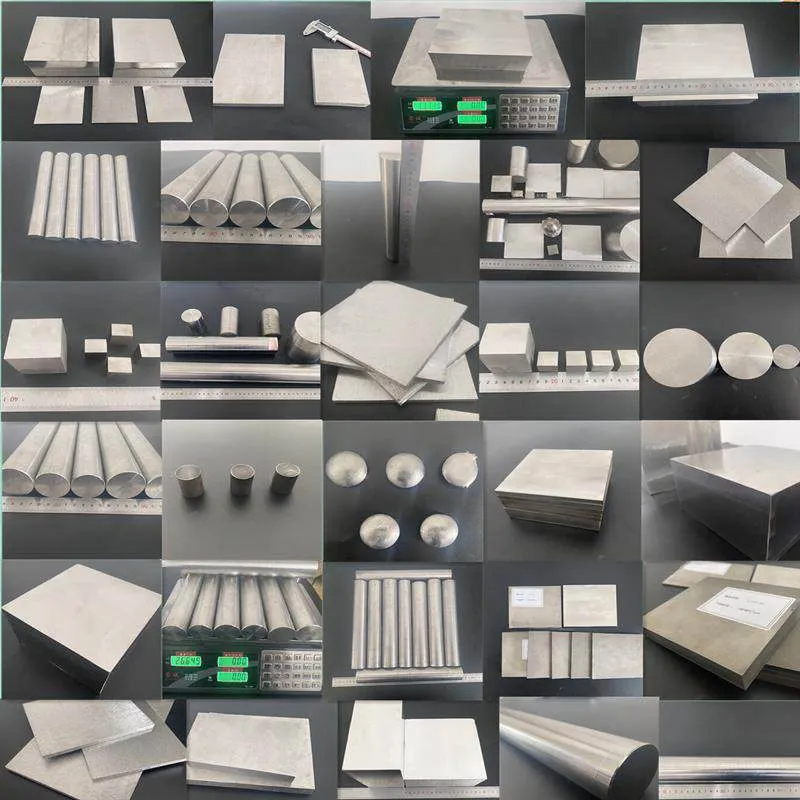
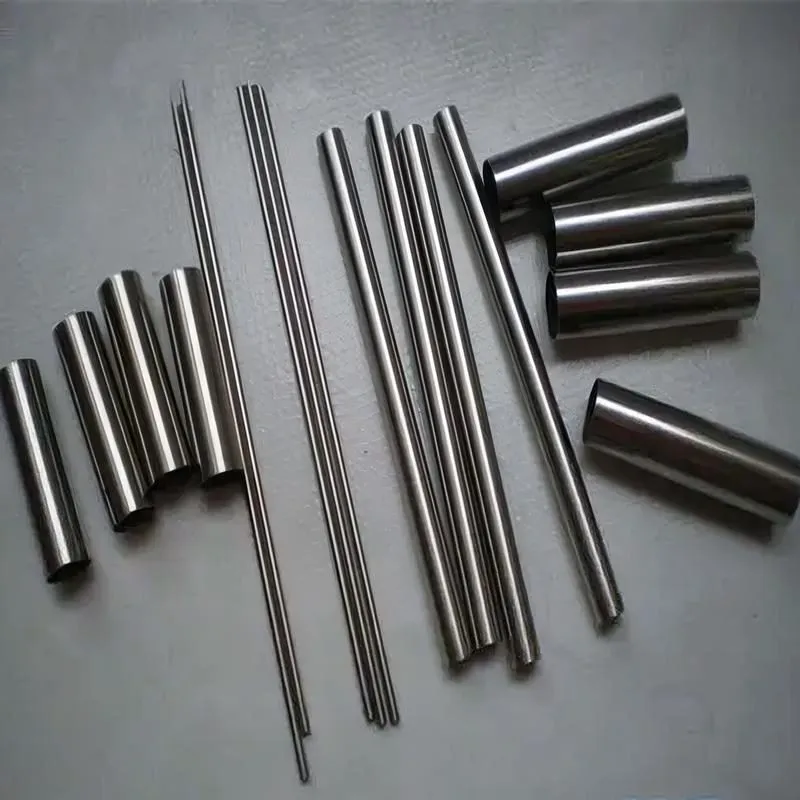
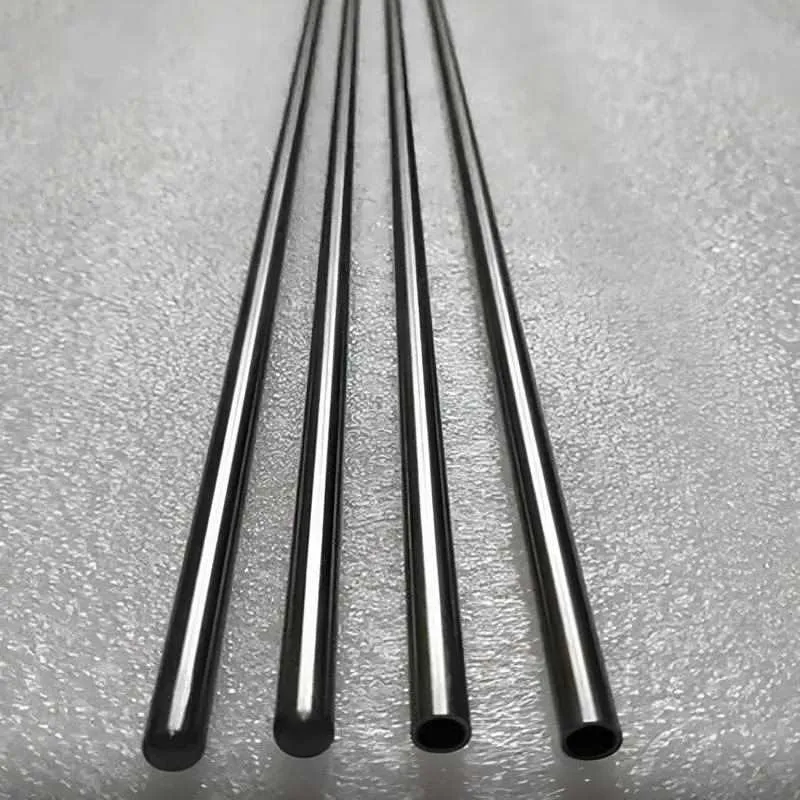
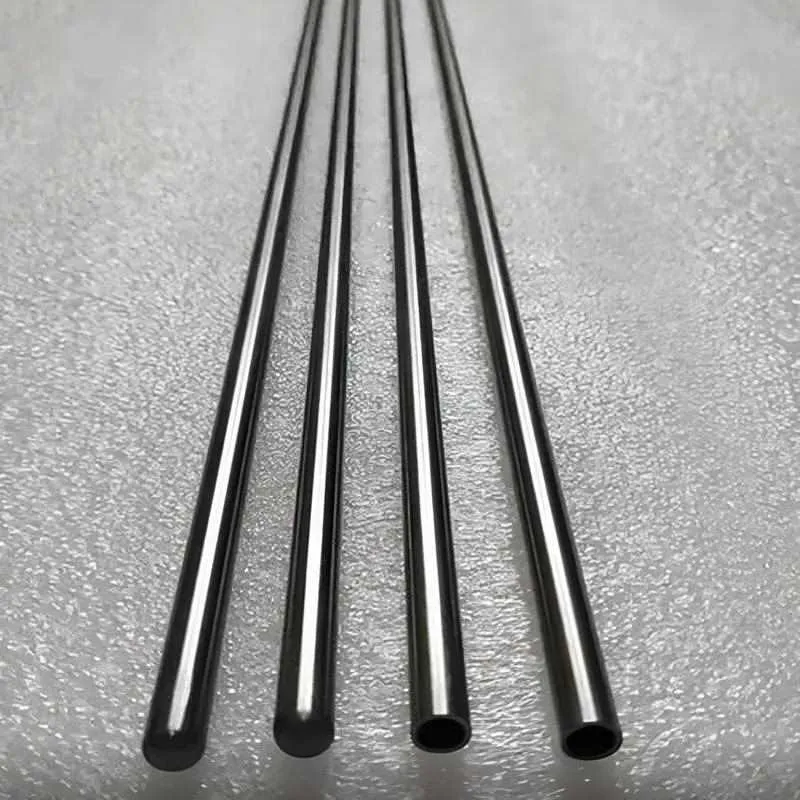
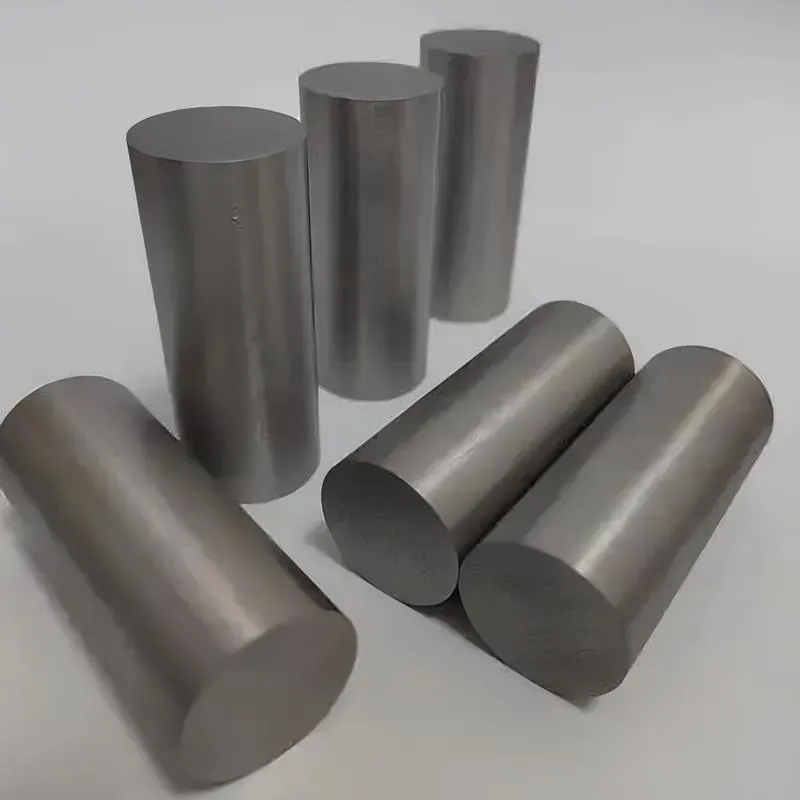
We provide AISI Type P1 Mold Steel is available in Bar (Round bar, Flat bar), Ribbon, Wire, Rods, Tube,Seamless Tube,Pipe, Ingots, Plate, Sheet, Strip and Forging Stock.,Purity, chemical composition, size, etc. can all be customized to meet specific requirements.
Please contact us if you need customized services. We will contact you with the price and availability in 24 hours.
AISI Type P1 Mold Steel Product Information
-:-
For detailed product information, please contact sales.
-:
AISI Type P1 Mold Steel Synonyms
-:-
For detailed product information, please contact sales.
-:
AISI Type P1 Mold Steel Product Information
-:-
For detailed product information, please contact sales.
-:
# **Product Introduction: AISI Type P1 Mold Steel (UNS T51601)**
## **Overview**
**AISI P1 (UNS T51601)** is the most basic grade within the **P-series (mold steels)**, specifically designed as a **low-carbon, carburizing grade** for plastic injection molds and die casting dies. As a **carburizing steel**, P1 is supplied in a low-carbon, soft-annealed condition, allowing for easy machining and forming into complex mold shapes. Its **final surface hardness and wear resistance are achieved through a carburizing (case hardening) heat treatment**, creating a hard, wear-resistant shell over a tough, ductile core. This makes P1 an economical choice for large, simple molds and tooling requiring excellent core toughness to withstand clamping pressures and thermal fatigue.
## **1. Chemical Composition (Nominal %)**
P1 has an extremely low carbon content, necessitating carburization to become a functional tool steel.
| Element | Content (%) | Primary Function |
|---------|------------|------------------|
| **Carbon (C)** | ≤ 0.10 | Very low to ensure a soft, machinable core and allow for deep, controllable carburization. |
| **Manganese (Mn)** | 0.20 - 0.60 | Enhances core hardenability after carburizing and aids in deoxidation. |
| **Silicon (Si)** | ≤ 0.30 | Deoxidizer. |
| **Phosphorus (P)** | ≤ 0.03 | Residual impurity (kept low). |
| **Sulfur (S)** | ≤ 0.03 | Residual impurity (kept low). |
| **Iron (Fe)** | Balance | Base metal. |
**Key Chemistry Note:** P1 is essentially a **very mild steel** in its supplied state. It contains **no significant carbide-forming elements (Cr, Mo, V, W)**, distinguishing it fundamentally from other tool steel categories. This simplicity is intentional: it provides maximum machinability and weldability, while the final properties are imparted entirely by the carburizing process. The core remains a low-carbon, low-alloy steel even after treatment.
## **2. Physical & Mechanical Properties**
Properties are defined by the carburizing process and the resulting case/core structure.
| Property | Typical Value / Condition |
|----------|--------------------------|
| **Density** | 7.87 g/cm³ |
| **Melting Point** | ~1520°C (2770°F) |
| **Thermal Conductivity** | ~52 W/m·K (Good, due to low alloy content) |
| **Coefficient of Thermal Expansion** | ~11.5 × 10⁻⁶/K (20-100°C) |
| **Modulus of Elasticity** | 205 GPa (29.7 × 10⁶ psi) |
| **Supplied Condition (Annealed)** | **~100-125 HB** (Very soft, excellent machinability) |
| **Core Hardness (After Carburizing & Heat Treat)** | **25-40 HRC** (Tough, ductile low-carbon martensite/bainite) |
| **Case Hardness (After Carburizing & Heat Treat)** | **58-63 HRC** (High-carbon martensite with fine carbides) |
| **Effective Case Depth** | Typically 0.5mm to 2.5mm (0.020" to 0.100") or more, depending on carburizing cycle. |
| **Core Tensile Strength** | ~550-850 MPa |
| **Core Toughness** | **Excellent.** High ductility and impact resistance. |
| **Wear Resistance (Case)** | **Good.** Suitable for many molding applications but inferior to through-hardened steels like P20 or high-alloy grades. |
| **Dimensional Stability** | **Fair.** Carburizing and quenching can cause significant distortion, requiring allowances for finish machining after heat treatment. |
## **3. International Standards & Cross-References**
As a fundamental carburizing mold steel, P1 has direct equivalents.
| Standard | Designation |
|----------|------------|
| **UNS** | T51601 |
| **AISI (USA)** | P1 |
| **ASTM (USA)** | A681: P1 |
| **ISO (International)** | **~5CrMo2** (Note: ISO mold steels are often through-hardening; this is a functional, not compositional, cross-reference for carburizing types). |
| **DIN (Germany)** | **1.2311** (Modified - 40CrMnMo7-6) is **NOT an equivalent**. P1 is closer to simple carburizing steels like **C10** or **CK10**. |
| **JIS (Japan)** | No direct equivalent in JIS mold steel series. Conceptually similar to very low-carbon carburizing steels. |
| **GB (China)** | No direct common equivalent in tool steel standards. |
| **Common Name** | **Carburizing Mold Steel, Low-Carbon Mold Steel** |
## **4. Product Applications**
P1 is used almost exclusively for large, relatively simple molds where its low cost and excellent core toughness are primary advantages.
**Primary Applications:**
* **Large Plastic Injection Molds:** For parts like automotive interior panels, bins, totes, and other large, non-cosmetic components where high polish is not required.
* **Die Casting Dies (Zinc, Aluminum):** Particularly for large cavity blocks and backing plates, where high compressive strength and thermal fatigue resistance are needed in the core.
* **Compression Molds** for rubber and plastics.
* **Mold Bases and Support Plates:** Where dimensional stability and strength are more important than wear resistance on the surface.
* **Fixture and Tooling Components** requiring a hard wear surface over a tough body.
**Typical Carburizing Application Process:**
1. **Rough Machine** the soft P1 steel to near-final shape.
2. **Carburize** (e.g., pack carburize or gas carburize) to develop the required case depth.
3. **Heat Treat:** Austenitize and quench to harden both the high-carbon case and the medium-hardenability core.
4. **Temper** to desired core hardness and relieve stresses.
5. **Finish Machine/Grind/Polish** the hardened case to final dimensions.
**Key Advantage:** **Economy and Core Toughness.** For very large molds, using a through-hardening steel like P20 can be prohibitively expensive and present quenching challenges. P1 allows for fabrication from a low-cost, readily available material, with heat treatment focused only on developing the necessary surface properties.
## **5. Heat Treatment (Carburizing & Hardening)**
P1's performance is 100% dependent on proper post-machining heat treatment.
* **Carburizing:**
* **Method:** Pack (solid), gas, or plasma carburizing.
* **Temperature:** 900-950°C (1650-1740°F).
* **Time:** Variable, from several hours to days, to achieve the required case depth (e.g., 0.5-1.5mm).
* **Atmosphere/Carbon Potential:** Controlled to achieve a surface carbon content of 0.70-0.90%.
* **Hardening (After Carburizing):**
* **Austenitize:** Heat to **820-850°C (1510-1560°F)**. This refines the core grain and austenitizes the high-carbon case.
* **Quench:** Quench in **oil**. Water quenching may be used for very large sections but increases distortion and cracking risk.
* The core transforms to a medium-hardness martensite/bainite, while the case transforms to high-hardness martensite.
* **Tempering:**
* Temper immediately at **150-200°C (300-400°F)** to relieve quenching stresses while maintaining high case hardness.
* For applications prioritizing core toughness over maximum case hardness, tempering at **400-540°C (750-1000°F)** can be used.
## **6. Key Advantages & Limitations**
**Advantages:**
* **Low Initial Material Cost.**
* **Exceptional Machinability and Weldability** in the annealed state.
* **Superb Core Toughness and Impact Resistance** after heat treatment.
* **Ability to Produce Very Large Molds** from readily available stock.
* **Repairable** through welding and re-carburizing of specific areas.
**Limitations:**
* **Requires Complex, Expensive Post-Machining Heat Treatment.**
* **High Risk of Distortion** during carburizing and quenching.
* **Limited Wear and Corrosion Resistance** compared to pre-hardened or through-hardened mold steels (e.g., P20, 420SS).
* **Not suitable for high-polish applications** (Aesthetic Class "A" surfaces) due to potential carbide banding and heterogeneity in the case.
* **Poor thermal conductivity** compared to copper alloys for high-heat-transfer areas.
---
**Disclaimer:** AISI P1 is a specialized material whose utility is entirely defined by the carburizing process. Its selection over modern pre-hardened mold steels (like P20/1.2311) is typically driven by very large size or extreme cost sensitivity. Successful application requires close collaboration with a skilled heat treater capable of managing distortion. For most modern mold applications, pre-hardened steels like P20 or corrosion-resistant grades like 420SS are preferred. Always consult with mold design and heat treatment specialists before specifying P1.
-:-
For detailed product information, please contact sales.
-:
AISI Type P1 Mold Steel Specification
Dimensions
Size:
Diameter 20-1000 mm Length <6745 mm
Size:We can customized as required
Standard:
Per your request or drawing
We can customized as required
Properties(Theoretical)
Chemical Composition
-:-
For detailed product information, please contact sales.
-:
AISI Type P1 Mold Steel Properties
-:-
For detailed product information, please contact sales.
-:
Applications of AISI Type P1 Mold Steel
-:-
For detailed product information, please contact sales.
-:
Chemical Identifiers AISI Type P1 Mold Steel
-:-
For detailed product information, please contact sales.
-:
Packing of AISI Type P1 Mold Steel
-:-
For detailed product information, please contact sales.
-:
Standard Packing:
-:-
For detailed product information, please contact sales.
-:
Typical bulk packaging includes palletized plastic 5 gallon/25 kg. pails, fiber and steel drums to 1 ton super sacks in full container (FCL) or truck load (T/L) quantities. Research and sample quantities and hygroscopic, oxidizing or other air sensitive materials may be packaged under argon or vacuum. Solutions are packaged in polypropylene, plastic or glass jars up to palletized 3216 gallon liquid totes Special package is available on request. E FORUs’ is carefully handled to minimize damage during storage and transportation and to preserve the quality of our products in their original condition