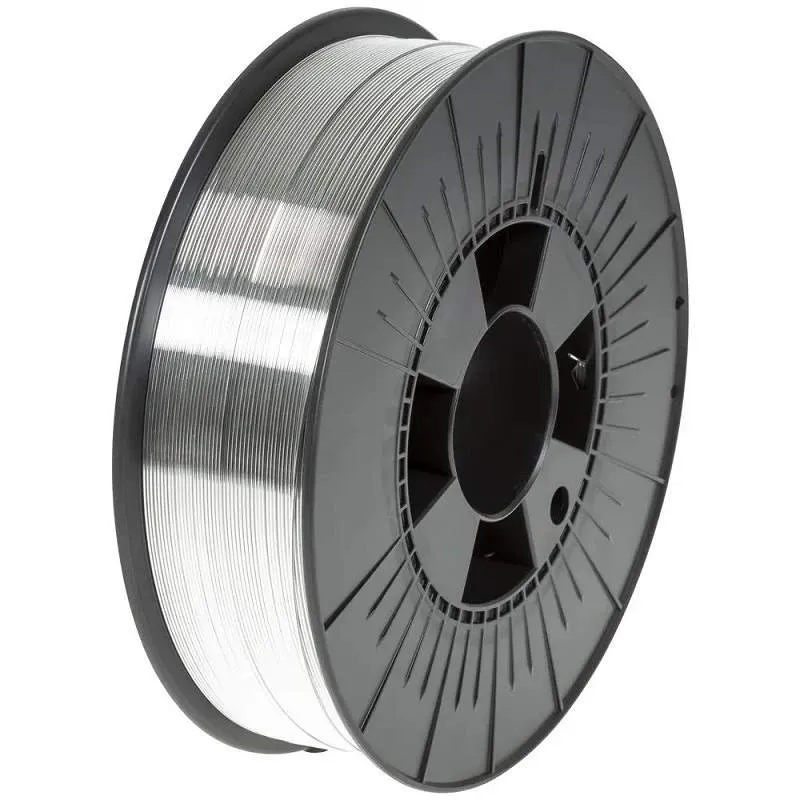
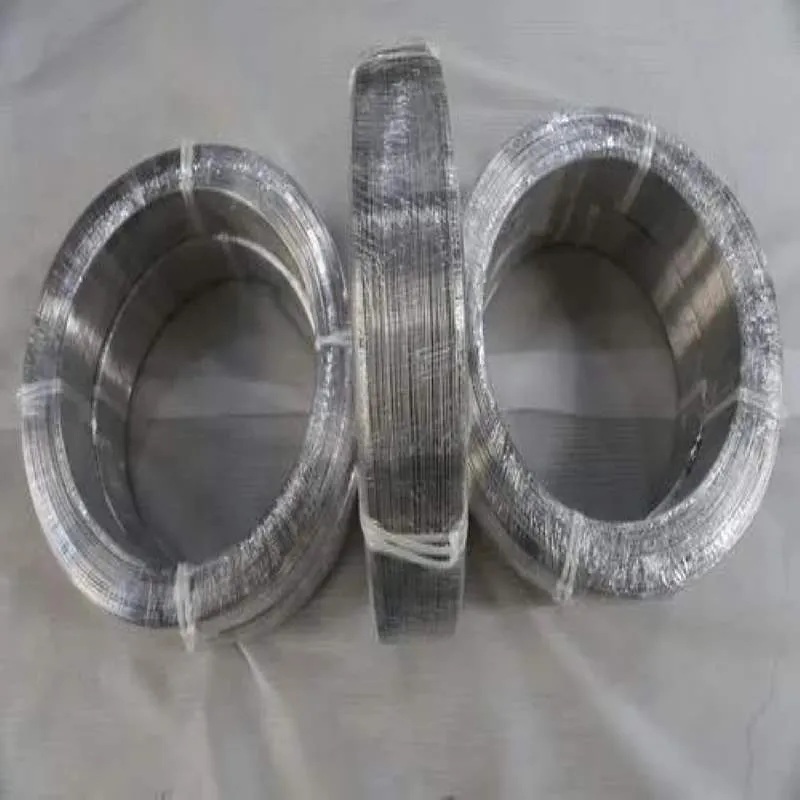
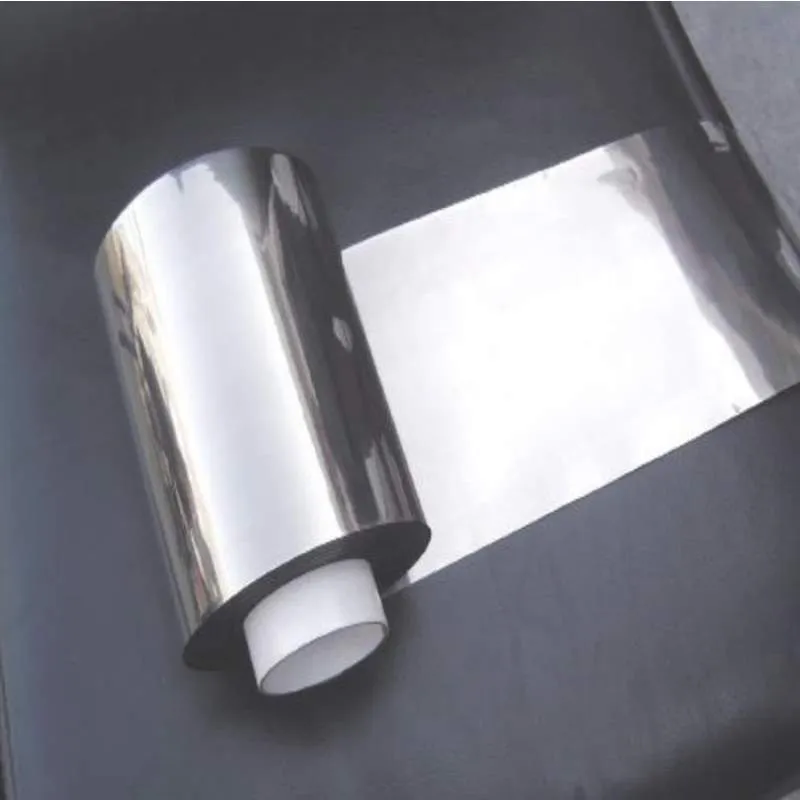
AISI Type P2 Mold Steel Wire (UNS T51602)
Product Code : STI-GSTI-090-CU
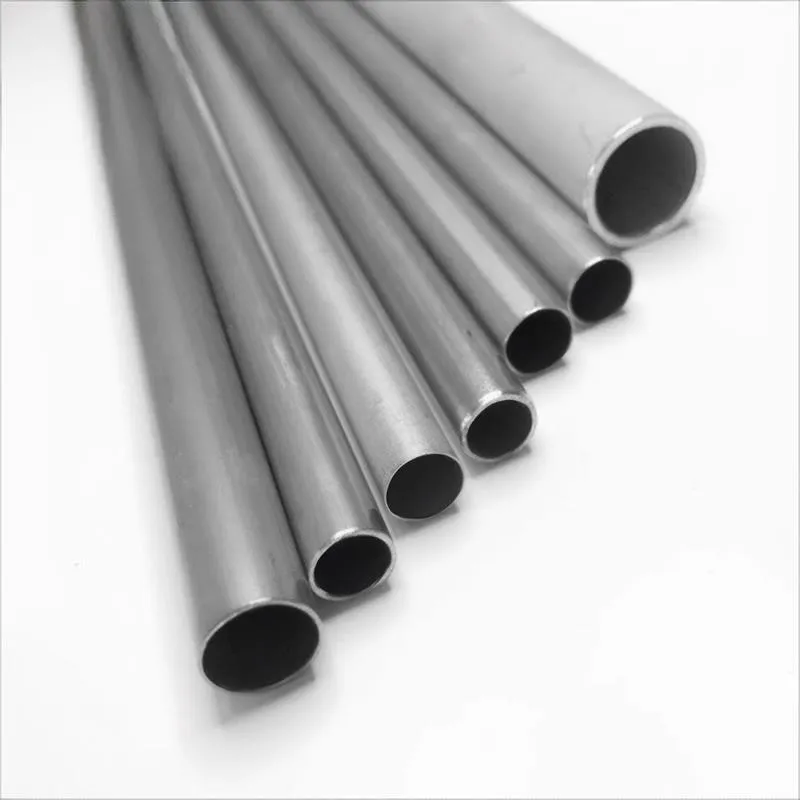
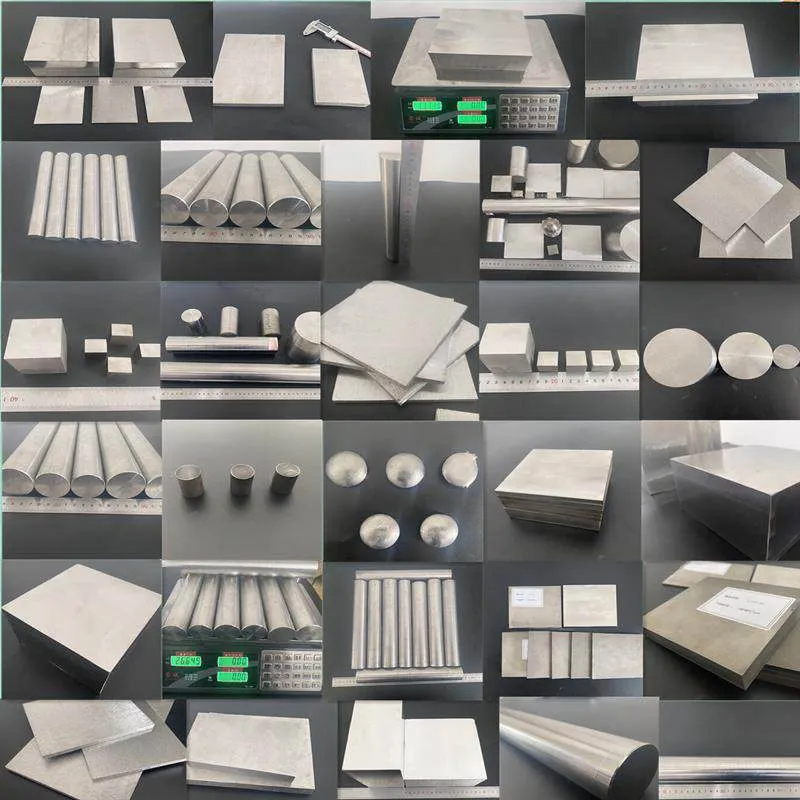
We provide AISI Type P2 Mold Steel Wire (UNS T51602) is available in Bar (Round bar, Flat bar), Ribbon, Wire, Rods, Tube,Seamless Tube,Pipe, Ingots, Plate, Sheet, Strip and Forging Stock.,Purity, chemical composition, size, etc. can all be customized to meet specific requirements.
Please contact us if you need customized services. We will contact you with the price and availability in 24 hours.
AISI Type P2 Mold Steel Wire (UNS T51602) Product Information
-:-
For detailed product information, please contact sales.
-:
AISI Type P2 Mold Steel Wire (UNS T51602) Synonyms
-:-
For detailed product information, please contact sales.
-:
AISI Type P2 Mold Steel (UNS T51602) Product Information
-:-
For detailed product information, please contact sales.
-:
# **Product Introduction: AISI Type P2 Mold Steel (UNS T51602)**
## **Overview**
**AISI P2 (UNS T51602)** is a **low-carbon, chromium-nickel carburizing mold steel** specifically engineered for **high-precision, high-wear plastic injection molds and die-casting dies**. As part of the P-series (mold steels), P2 is supplied in a soft, low-carbon condition for easy machining, with its final surface properties achieved through **carburizing (case hardening)**. The addition of chromium and nickel provides significantly improved **core hardenability, strength, and toughness** compared to P1, allowing for more reliable heat treatment of complex sections and better resistance to cracking under high clamping pressures. P2 represents a balanced upgrade for demanding mold applications where core integrity is critical.
## **1. Chemical Composition (Nominal %)**
P2 incorporates alloying elements to enhance core properties while maintaining excellent carburizing characteristics.
| Element | Content (%) | Primary Function |
|---------|------------|------------------|
| **Carbon (C)** | ≤ 0.07 | **Very low carbon** ensures maximum machinability and allows deep, uniform carburization without excessive retained austenite in the case. |
| **Manganese (Mn)** | 0.20 - 0.60 | Improves core hardenability and acts as a deoxidizer. |
| **Silicon (Si)** | ≤ 0.30 | Deoxidizer. |
| **Chromium (Cr)** | 0.75 - 1.25 | **Key element.** Enhances core hardenability significantly, improves wear resistance of the carburized case, and promotes fine carbide formation. |
| **Nickel (Ni)** | 0.10 - 0.40 | **Key element.** Dramatically improves core toughness and ductility, and refines grain structure. |
| **Molybdenum (Mo)** | 0.15 - 0.40 | Increases core hardenability (especially in heavier sections), improves tempering resistance, and refines carbides. |
| **Sulfur (S)** | ≤ 0.03 | Residual impurity (kept low). |
| **Phosphorus (P)** | ≤ 0.03 | Residual impurity (kept low). |
| **Iron (Fe)** | Balance | Base metal. |
**Key Chemistry Note:** The **chromium-nickel-molybdenum combination** distinguishes P2 from P1. This alloy package provides a **strong, tough martensitic core** after quenching, capable of withstanding high compressive and tensile stresses. The core behaves more like a low-alloy engineering steel (e.g., 86xx series), while the carburized case achieves high hardness. This makes P2 suitable for more complex and highly stressed molds than P1.
## **2. Physical & Mechanical Properties**
Properties are defined by the carburizing process and the resulting case/core structure.
| Property | Typical Value / Condition |
|----------|--------------------------|
| **Density** | ~7.85 g/cm³ |
| **Melting Point** | ~1510°C (2750°F) |
| **Thermal Conductivity** | ~45 W/m·K (Good, but lower than P1 due to alloying) |
| **Coefficient of Thermal Expansion** | ~11.8 × 10⁻⁶/K (20-100°C) |
| **Modulus of Elasticity** | 205 GPa (29.7 × 10⁶ psi) |
| **Supplied Condition (Annealed)** | **~125-150 HB** (Soft, excellent machinability). |
| **Core Hardness (After Carburize & Heat Treat)** | **35-45 HRC** (Strong, tough low-alloy martensite/bainite). |
| **Case Hardness (After Carburize & Heat Treat)** | **58-64 HRC** (High-carbon martensite with fine chromium carbides). |
| **Effective Case Depth** | Typically 0.5mm to 2.0mm (0.020" to 0.080"), controllable via carburizing cycle. |
| **Core Tensile Strength** | ~1000-1300 MPa (Higher and tougher than P1 core). |
| **Core Toughness (Impact)** | **Excellent.** Superior to P1 due to nickel content and finer core microstructure. |
| **Wear Resistance (Case)** | **Very Good.** Chromium carbides in the case provide better wear resistance than the plain carbon case of P1. |
| **Dimensional Stability During HT** | **Fair to Good.** The more hardenable core allows for oil quenching (vs. water for P1 in large sections), reducing distortion risk. However, carburizing itself inherently causes some distortion. |
## **3. International Standards & Cross-References**
P2 is a defined carburizing mold steel with functional equivalents.
| Standard | Designation | Notes |
|----------|------------|-------|
| **UNS** | T51602 | |
| **AISI/ASTM (USA)** | P2 (ASTM A681) | |
| **ISO (International)** | **~10NiCrMo12-6** (ISO 4957) - Closest functional type for carburizing engineering steels. | |
| **DIN (Germany)** | **~1.6523** (Approximate: 14NiCr14) - Similar low-carbon Ni-Cr carburizing steel for heavy-duty components. | |
| **JIS (Japan)** | No direct equivalent in JIS mold steel series. Similar to SCM series carburizing steels. | |
| **GB (China)** | No direct common equivalent in tool steel standards. | |
| **Common Name** | **Nickel-Chromium Carburizing Mold Steel** | |
## **4. Product Applications**
P2 is selected for **medium to large, complex, and highly stressed molds** where core strength and toughness are paramount to prevent cracking under production loads.
**Primary Applications:**
* **High-Precision Plastic Injection Molds:** For engineering components requiring dimensional stability over long production runs (e.g., electrical connectors, automotive under-hood parts, gear molds).
* **Die Casting Dies (Zinc, Aluminum):** For core pins, ejector sleeves, and cavity inserts subject to high thermal and mechanical fatigue.
* **Compression/Transfer Molds** for high-performance elastomers and thermosets.
* **Large Mold Bases and Support Blocks** requiring high compressive yield strength.
* **Fixture and Tooling** for metal forming where a hard wear surface over an extremely tough core is needed.
**Typical Application Process:**
1. **Rough Machine** the soft P2 to shape, leaving minimal stock for final finishing.
2. **Stress Relieve** (optional but recommended for complex shapes).
3. **Carburize** using gas or vacuum carburizing for better control.
4. **Heat Treat:** Harden from ~830-850°C (1525-1560°F) with an oil quench.
5. **Temper** to the desired core hardness (typically 180-200°C/355-390°F for max case hardness, or higher for stress relief).
6. **Finish Machine/Grind/Polish** the hardened case to final dimensions and surface finish (can achieve a good polish).
**Key Advantage:** **Optimal Core Toughness with a Hard Wear Surface.** P2 provides the **best core properties among the traditional carburizing mold steels**, making it reliable for complex geometries and high-pressure applications where P1’s core might be too weak and where the cost of a through-hardened steel like P20 is prohibitive for very large sizes.
## **5. Heat Treatment (Carburizing & Hardening)**
* **Carburizing:**
* **Preferred Method:** **Vacuum or Atmospheric Gas Carburizing** for precise carbon profile control and cleaner surfaces.
* **Temperature:** 900-925°C (1650-1700°F).
* **Carbon Potential:** Controlled to achieve a surface carbon content of 0.70-0.85% to optimize hardness and minimize retained austenite.
* **Hardening (Directly after carburizing, or reheat):**
* **Austenitize:** **820-850°C (1510-1560°F).** This temperature is high enough to harden the core but minimizes case austenite grain growth.
* **Quench:** **Oil quench.** The alloy content provides sufficient hardenability for oil quenching even in moderate sections, minimizing distortion compared to water quenching.
* **Tempering & Sub-Zero Treatment:**
* **Temper immediately.** Standard temper: **150-200°C (300-390°F)** for 2+ hours to achieve ~60-63 HRC case hardness.
* **Deep Freeze/Cryogenic Treatment** (-80°C to -120°C) is often performed *between the quench and temper* to transform retained austenite in the high-carbon case, increasing hardness, dimensional stability, and wear resistance.
* **Double tempering** is recommended for critical applications.
## **6. Key Advantages & Limitations**
**Advantages:**
* **Superior Core Toughness and Strength** compared to P1 and many through-hardened mold steels at similar hardness levels.
* **Good Wear Resistance** from the chromium-enhanced carburized case.
* **Excellent Machinability** in the annealed state.
* **Good Polishability** (can achieve SPI B-1/B-2 finish with proper technique).
* **Repairable** via welding and local re-carburizing.
**Limitations:**
* **Inherent Distortion** from carburizing and quenching requires finish machining allowances.
* **Complex, Time-Consuming Heat Treatment** process.
* **Lower Thermal Conductivity** than copper alloys for cooling.
* **Not corrosion resistant;** requires plating or surface treatment for molding corrosive polymers.
* **Largely superseded** for most applications by modern, vacuum-melted, pre-hardened mold steels (e.g., P20, H13) which offer more predictable performance and faster lead times.
---
**Disclaimer:** AISI P2 is a specialized, heat-treat-intensive mold steel. Its use is justified in specific, high-stress applications where its exceptional core toughness is a deciding factor. For the vast majority of modern mold applications, pre-hardened steels like P20 (1.2311/1.2312) or H13 are preferred due to their predictability and reduced lead time. Successful use of P2 requires expertise in carburizing, precision heat treatment, and distortion management. Always consult with mold material specialists and heat treaters before specification.
-:-
For detailed product information, please contact sales.
-:
AISI Type P2 Mold Steel (UNS T51602) Specification
Dimensions
Size:
Diameter 20-1000 mm Length <6746 mm
Size:We can customized as required
Standard:
Per your request or drawing
We can customized as required
Properties(Theoretical)
Chemical Composition
-:-
For detailed product information, please contact sales.
-:
AISI Type P2 Mold Steel (UNS T51602) Properties
-:-
For detailed product information, please contact sales.
-:
Applications of AISI Type P2 Mold Steel Wire (UNS T51602)
-:-
For detailed product information, please contact sales.
-:
Chemical Identifiers AISI Type P2 Mold Steel Wire (UNS T51602)
-:-
For detailed product information, please contact sales.
-:
Packing of AISI Type P2 Mold Steel Wire (UNS T51602)
-:-
For detailed product information, please contact sales.
-:
Standard Packing:
-:-
For detailed product information, please contact sales.
-:
Typical bulk packaging includes palletized plastic 5 gallon/25 kg. pails, fiber and Steel Wire drums to 1 ton super sacks in full container (FCL) or truck load (T/L) quantities. Research and sample quantities and hygroscopic, oxidizing or other air sensitive materials may be packaged under argon or vacuum. Solutions are packaged in polypropylene, plastic or glass jars up to palletized 3217 gallon liquid totes Special package is available on request. E FORUs’ is carefully handled to minimize damage during storage and transportation and to preserve the quality of our products in their original condition