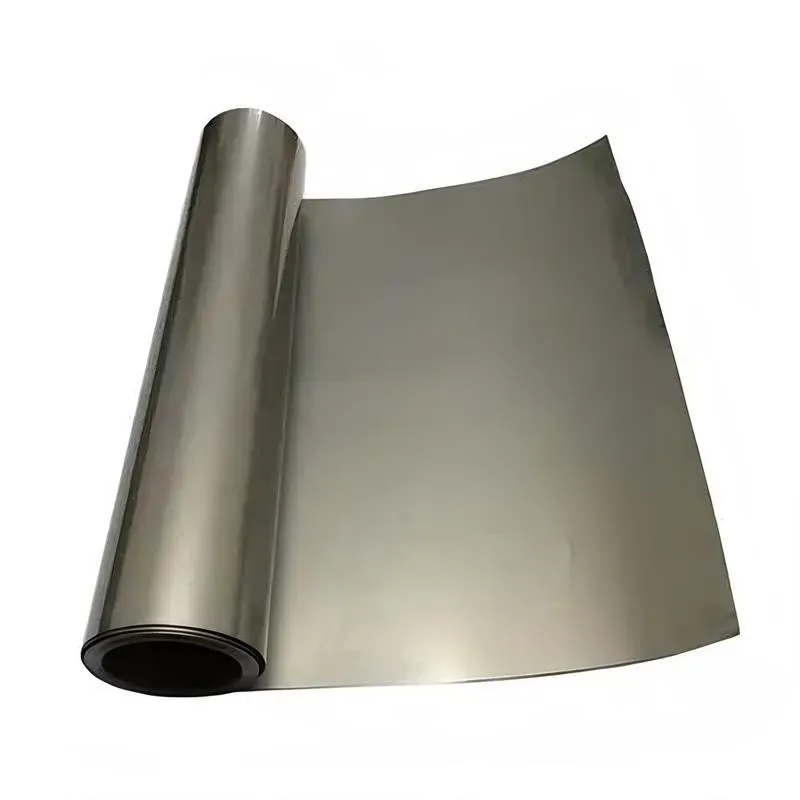
AISI Type S4 Shock Resisting Tool Steel
Product Code : STI-GSTI-103-CU
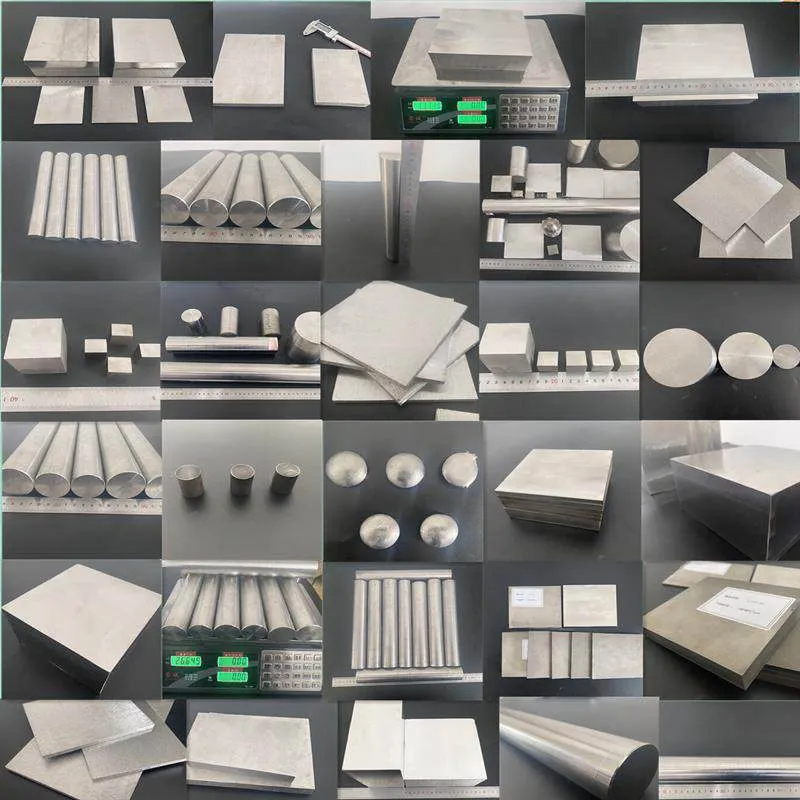
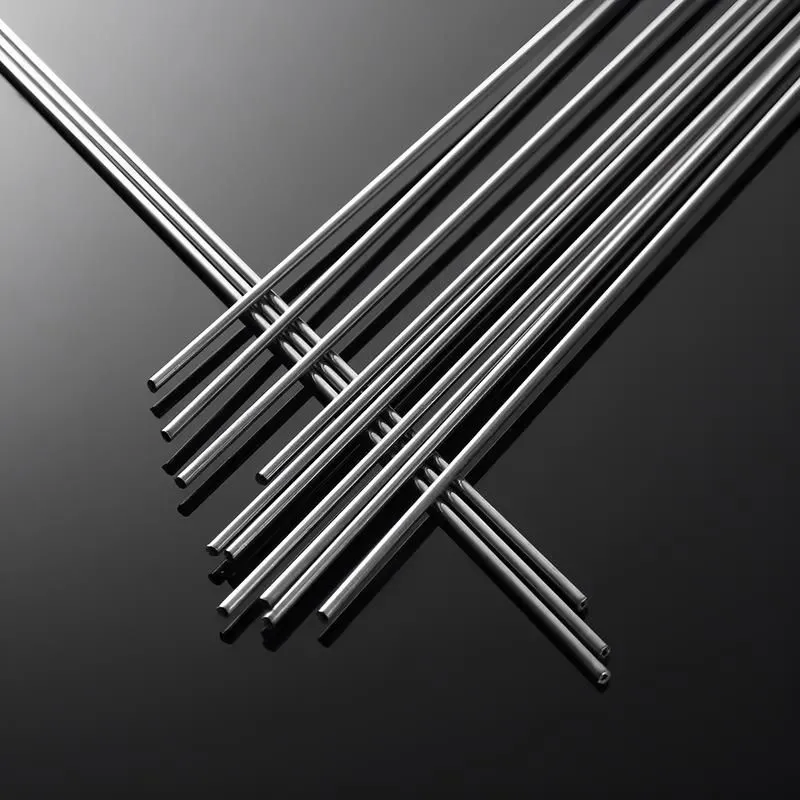
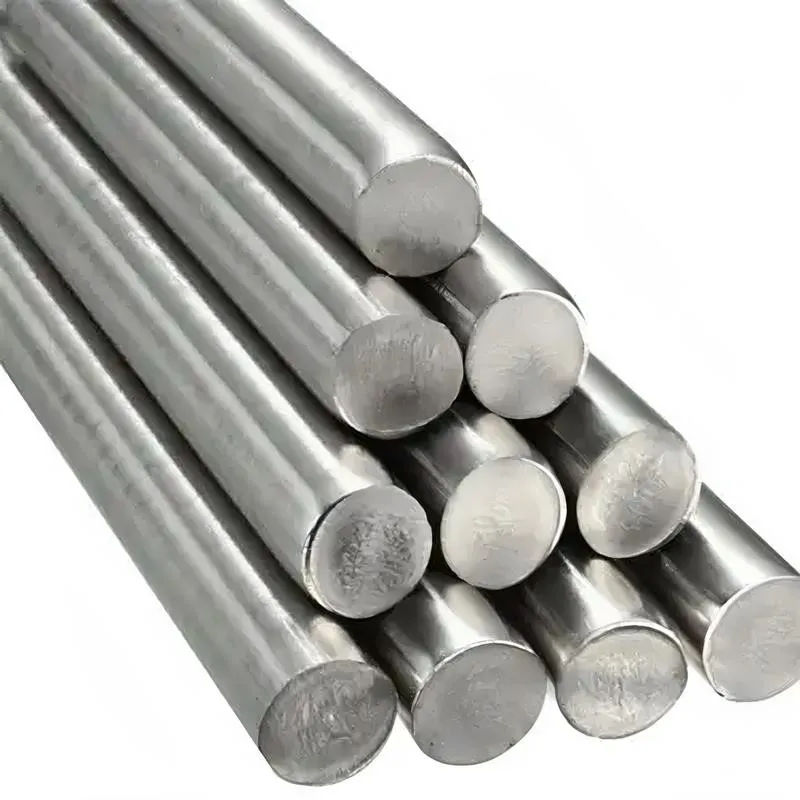
We provide AISI Type S4 Shock Resisting Tool Steel is available in Bar (Round bar, Flat bar), Ribbon, Wire, Rods, Tube,Seamless Tube,Pipe, Ingots, Plate, Sheet, Strip and Forging Stock.,Purity, chemical composition, size, etc. can all be customized to meet specific requirements.
Please contact us if you need customized services. We will contact you with the price and availability in 24 hours.
AISI Type S4 Shock Resisting Tool Steel Product Information
-:-
For detailed product information, please contact sales.
-:
AISI Type S4 Shock Resisting Tool Steel Synonyms
-:-
For detailed product information, please contact sales.
-:
AISI Type S4 Shock Resisting Tool Steel Product Information
-:-
For detailed product information, please contact sales.
-:
# **Product Introduction: AISI Type S4 Shock-Resisting Tool Steel**
## **Overview**
**AISI S4** is a historical **silicon-manganese-chromium water-hardening shock-resisting tool steel**. Developed for applications demanding **very high toughness under severe impact**, S4's composition leverages a significant **silicon and manganese content** to achieve exceptional shock absorption. However, it is critical to note that **AISI S4 is not a standard grade in modern AISI/ASTM specifications (ASTM A681)** and appears primarily in historical or specialized contexts. Its legacy lies as a predecessor to more optimized and reliable shock steels like **S2 and S5**.
## **1. Historical Chemical Composition (Nominal %)**
Based on historical references, the composition of S4 focused on toughness via silicon and manganese.
| Element | Historical Content (%) | Primary Function |
|---------|-----------------------|------------------|
| **Carbon (C)** | 0.50 - 0.60 | Provides basic hardenability and strength. Slightly higher carbon than S2 for more hardness potential. |
| **Silicon (Si)** | 1.75 - 2.25 | **Very High.** Primary element for extreme toughness via solid solution strengthening. Increases yield strength dramatically. |
| **Manganese (Mn)** | 0.60 - 0.90 | **High.** Works synergistically with silicon to increase hardenability and toughness. |
| **Chromium (Cr)** | 0.20 - 0.40 | Added to improve hardenability depth and provide slight wear enhancement. |
| **Molybdenum (Mo)** | ≤ 0.10 | Typically minimal or absent. |
| **Iron (Fe)** | Balance | Base metal. |
**Key Chemistry Note:** S4 was essentially a **"Super S2"**, with nearly **double the silicon content** and higher manganese. This created an extremely tough, strong ferrite matrix. However, the **very high silicon content (>2%)** introduced significant challenges:
* **Severe Decarburization:** Silicon promotes rapid surface decarburization during heat treatment, leading to soft skins.
* **Grinding & Machining Difficulty:** High silicon can make the annealed steel abrasive and tough to machine.
* **Brittleness Risk:** If not properly heat treated, the high silicon could contribute to brittleness.
These drawbacks likely contributed to its obsolescence in favor of steels with better overall processability.
## **2. Inferred Physical & Mechanical Properties**
*Inferred properties if heat treated to a typical working hardness (~54-56 HRC).*
| Property | Estimated Typical Value |
|----------|-------------------------|
| **Hardness (Annealed)** | ~192-229 HB |
| **Hardened & Tempered Hardness** | **54-58 HRC** (Capable of high hardness but optimized for toughness). |
| **Tensile Strength** | Very High (>1900 MPa at 56 HRC) due to silicon strengthening. |
| **Impact Toughness (Charpy V-Notch)** | **Exceptionally High (Theoretical).** Designed to exceed S2, potentially rivaling the best. |
| **Wear Resistance** | **Moderate to Low.** Relies on matrix hardness; lacks significant carbide formers. |
| **Hot Hardness** | Moderate (silicon provides some retention). |
| **Machinability (Annealed)** | **Poor.** High silicon content makes it gummy and abrasive. |
| **Hardenability** | Moderate (Water-Hardening). Deep for a water-hardening steel due to Mn and Si, but still requires vigorous quenching. |
## **3. Historical & Approximate Cross-References**
Given its non-standard status, direct equivalents are rare.
| Source | Designation / Context | Notes |
|--------|----------------------|-------|
| **Historical AISI** | S4 | Obsolete designation. |
| **Modern AISI/ASTM** | **Not Listed** (ASTM A681). | |
| **Possible Conceptual Successors** | **S2, S5, S7** | Modern grades that offer better balances of toughness, hardenability, and processability. |
| **Specialty/Proprietary** | Some proprietary high-silicon shock steels may exist. | |
| **Common Description** | **High-Silicon Manganese Shock Steel** | |
## **4. Historical & Potential Applications**
Based on its inferred properties, S4 would have been used for the most demanding impact applications where **toughness was the singular most important property**.
**Theoretical/Historical Applications:**
* **Extreme-Duty Chisels and Punches:** For work on very hard or unpredictable materials.
* **Heavy Shear Blades:** For cutting thick, tough material where shock loading was extreme.
* **Pneumatic Tool Components:** Such as the most heavily stressed parts of jackhammers or rivet busters.
* **Springs and High-Stress Springs** in tooling (benefiting from silicon's high elastic limit).
* **Anvils and Hammer Heads** for specialized forging.
## **5. Heat Treatment Challenges (Historical Context)**
Heat treating S4 would have been demanding:
1. **Decarburization Control:** Required protective atmospheres or pack methods during austenitizing to prevent severe surface softening.
2. **Quenching:** As a water-hardening steel, required brine or water quench with high risk of cracking, especially given its likely high hardenability from Mn/Si. Interrupted quenches would be critical.
3. **Tempering:** Likely required tempering at relatively high temperatures (e.g., 425-540°C / 800-1000°F) to achieve its optimal toughness-hardness balance and relieve the high internal stresses from quenching.
## **6. Modern Perspective & Why It's Obsolete**
S4 represents an interesting but ultimately impractical branch of tool steel development. Its decline can be attributed to the rise of superior alternatives:
1. **S2 (Si-Mo):** Offers excellent toughness with **molybdenum for better hardenability and grain control**, and a more manageable silicon level (~1.0%), improving machinability and decarb resistance.
2. **S5 (Mn-Si):** Provides outstanding toughness with a better manufacturing profile.
3. **S7 (Cr-Mo):** An **air-hardening** grade that provides extreme toughness with **minimal distortion and no decarburization worries** during heat treatment. This is the most significant advancement, making water-hardening shock steels largely obsolete for critical applications.
4. **Advanced Metallurgy:** Modern vacuum melting allows for cleaner steels with better inherent toughness, reducing the need for extreme alloying like >2% Si.
**Conclusion:** AISI S4 is a **historical footnote** in the evolution of shock-resistant tool steels. It embodied a pure, high-silicon approach to achieving maximum toughness but was hampered by significant manufacturing and heat treatment difficulties. For any contemporary application, **S2, S5, or S7** should be evaluated, as they deliver exceptional impact resistance with vastly improved reliability, processability, and consistent results.
---
**Disclaimer:** Information on AISI S4 is based on limited historical references and metallurgical inference. **It is not a currently standardized, commercially available tool steel.** This profile is provided for educational and historical context only. For any tooling design requiring shock resistance, consult specifications for modern, standardized grades such as AISI S2, S5, or S7.
-:-
For detailed product information, please contact sales.
-:
AISI Type S4 Shock Resisting Tool Steel Specification
Dimensions
Size:
Diameter 20-1000 mm Length <6759 mm
Size:We can customized as required
Standard:
Per your request or drawing
We can customized as required
Properties(Theoretical)
Chemical Composition
-:-
For detailed product information, please contact sales.
-:
AISI Type S4 Shock Resisting Tool Steel Properties
-:-
For detailed product information, please contact sales.
-:
Applications of AISI Type S4 Shock Resisting Tool Steel
-:-
For detailed product information, please contact sales.
-:
Chemical Identifiers AISI Type S4 Shock Resisting Tool Steel
-:-
For detailed product information, please contact sales.
-:
Packing of AISI Type S4 Shock Resisting Tool Steel
-:-
For detailed product information, please contact sales.
-:
Standard Packing:
-:-
For detailed product information, please contact sales.
-:
Typical bulk packaging includes palletized plastic 5 gallon/25 kg. pails, fiber and steel drums to 1 ton super sacks in full container (FCL) or truck load (T/L) quantities. Research and sample quantities and hygroscopic, oxidizing or other air sensitive materials may be packaged under argon or vacuum. Solutions are packaged in polypropylene, plastic or glass jars up to palletized 3230 gallon liquid totes Special package is available on request. E FORUs’ is carefully handled to minimize damage during storage and transportation and to preserve the quality of our products in their original condition