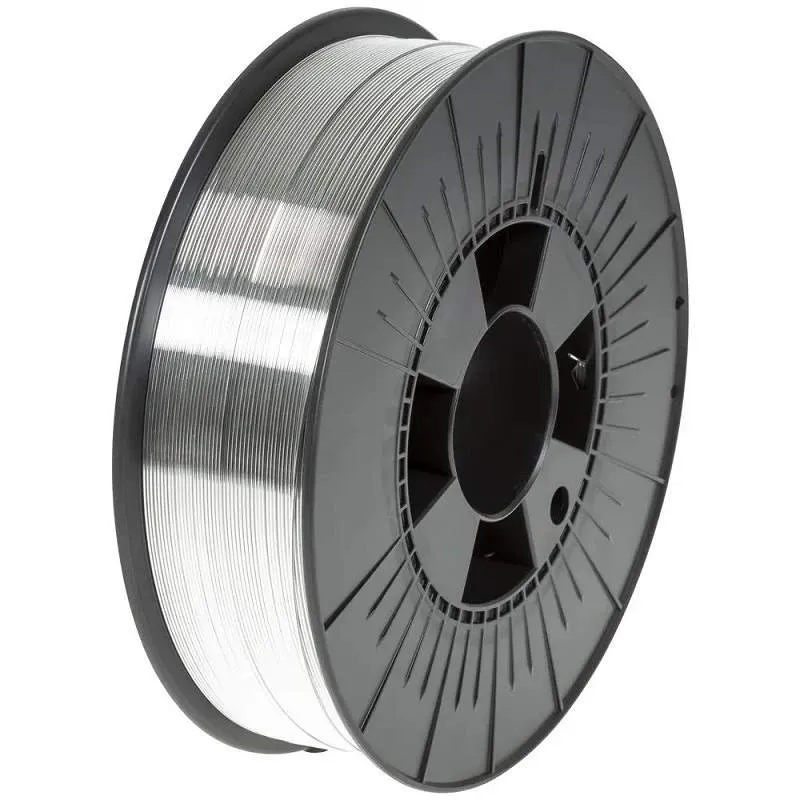
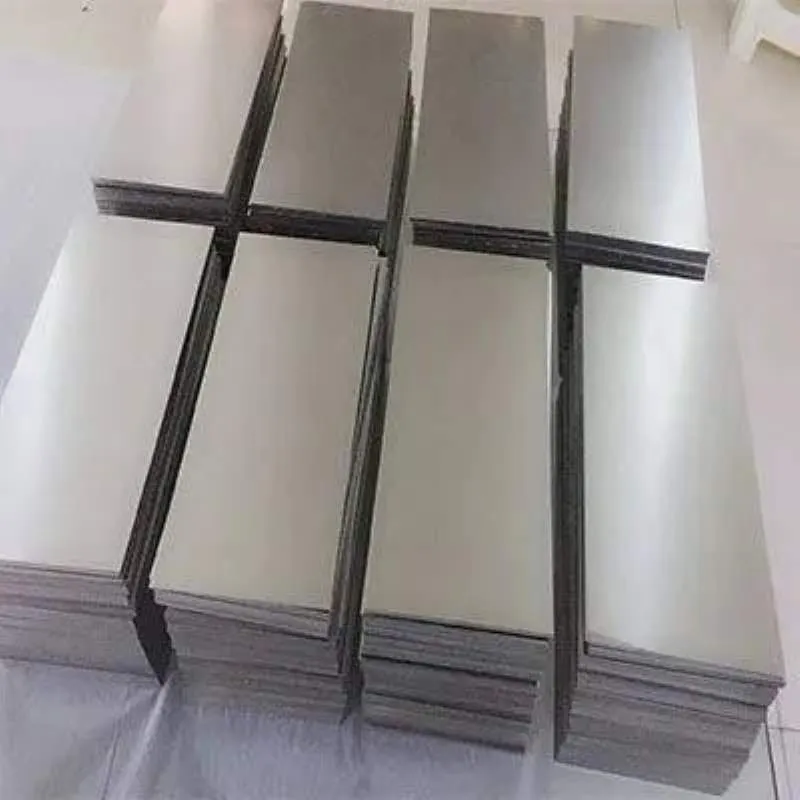
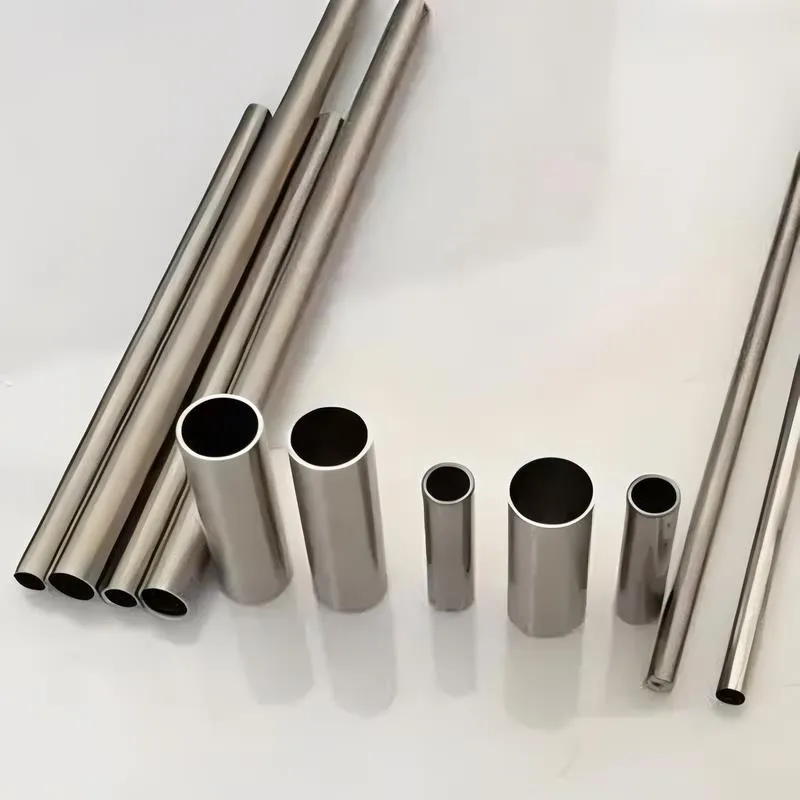
AISI Type T1 Tungsten-Alloy High-Speed-Tool Steel Wire (UNS T12001)
Product Code : STI-GSTI-109-CU
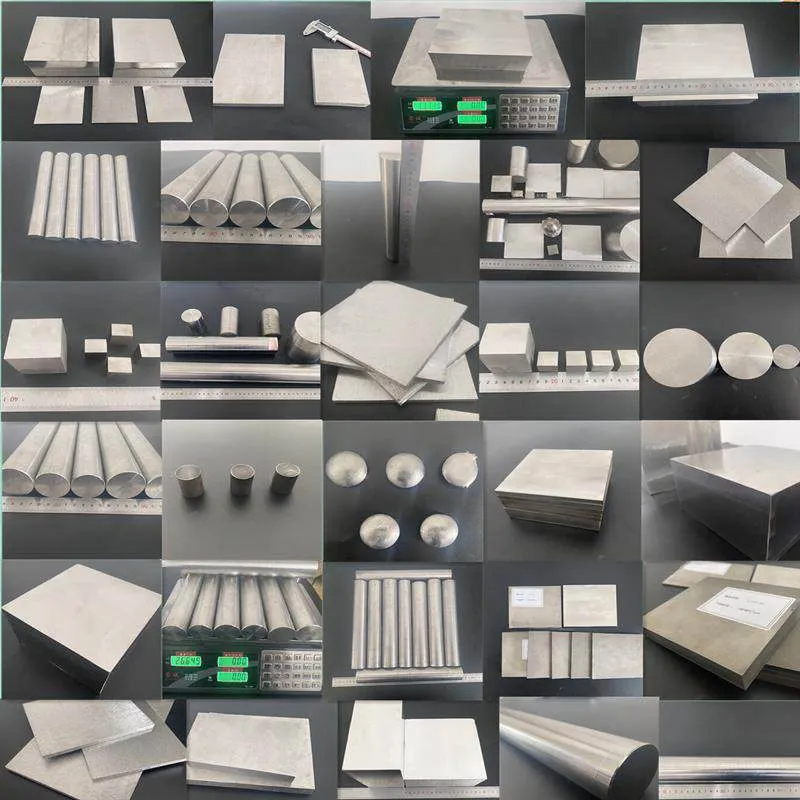
We provide AISI Type T1 Tungsten-Alloy High-Speed-Tool Steel Wire (UNS T12001) is available in Bar (Round bar, Flat bar), Ribbon, Wire, Rods, Tube,Seamless Tube,Pipe, Ingots, Plate, Sheet, Strip and Forging Stock.,Purity, chemical composition, size, etc. can all be customized to meet specific requirements.
Please contact us if you need customized services. We will contact you with the price and availability in 24 hours.
AISI Type T1 Tungsten-Alloy High-Speed-Tool Steel Wire (UNS T12001) Product Information
-:-
For detailed product information, please contact sales.
-:
AISI Type T1 Tungsten-Alloy High-Speed-Tool Steel Wire (UNS T12001) Synonyms
-:-
For detailed product information, please contact sales.
-:
AISI Type T1 Tungsten-Alloy High-Speed-Tool Steel (UNS T12001) Product Information
-:-
For detailed product information, please contact sales.
-:
# **Product Introduction: AISI Type T1 Tungsten-Alloy High-Speed Tool Steel (UNS T12001)**
## **Overview**
**AISI T1 (UNS T12001)**, also known as **18-4-1 steel**, is the **original and archetypal tungsten-based high-speed steel (HSS)**. Patented in the early 20th century, it revolutionized metalworking by enabling tools to cut at high speeds while retaining their hardness even when the cutting edge became red-hot—a property known as **red-hardness**. As the foundation of the entire T-series, T1 is characterized by its classic composition of **18% Tungsten, 4% Chromium, and 1% Vanadium**. While largely supplanted by more balanced molybdenum-based (M-series) grades for general use, T1 remains a benchmark for high-temperature hardness and wear resistance, and is still used in specialized applications.
## **1. Chemical Composition (Nominal %)**
T1's composition represents the historic formula that defined high-speed steel.
| Element | Content (%) | Primary Function |
|---------|------------|------------------|
| **Carbon (C)** | 0.65 - 0.80 | Provides matrix hardness and combines with other elements to form hard carbides essential for wear resistance. |
| **Tungsten (W)** | 17.25 - 18.75 | **Dominant element.** Provides exceptional red-hardness and hot strength by forming stable, hard tungsten carbides (e.g., Fe₄W₂C, WC) that resist coarsening at high temperatures. |
| **Chromium (Cr)** | 3.75 - 4.50 | Enhances hardenability, provides oxidation resistance, and forms chromium carbides for additional wear resistance. |
| **Vanadium (V)** | 0.90 - 1.30 | **Critical element.** Forms extremely hard and wear-resistant vanadium carbides (VC). Refines grain size and improves toughness. |
| **Molybdenum (Mo)** | ≤ 0.50 (Residual) | Not an intentional primary alloy; may be present in trace amounts. |
| **Cobalt (Co)** | Not specified | The base T1 grade does not contain cobalt. Cobalt-bearing variants (like T4, T5, T6, T15) were developed later. |
| **Iron (Fe)** | Balance | Base metal. |
**Key Chemistry Note:** The **"18-4-1" (W-Cr-V) formula** is the hallmark of T1. Its very **high tungsten content** is its defining feature, providing supreme resistance to softening at elevated temperatures. However, this also leads to **dense, coarse carbide networks** that can negatively impact grindability and toughness compared to more modern, refined M-series steels. The moderate carbon content is sufficient to support the carbide structure without excessive brittleness.
## **2. Physical & Mechanical Properties**
| Property | Typical Value / Condition |
|----------|--------------------------|
| **Density** | ~8.67 g/cm³ (High, due to dense tungsten) |
| **Melting Point** | ~1430°C (2610°F) |
| **Thermal Conductivity** | Low (~25 W/m·K at 20°C) |
| **Coefficient of Thermal Expansion** | ~10.5 × 10⁻⁶/K (20-600°C) |
| **Modulus of Elasticity** | ~215 GPa (31.2 × 10⁶ psi) |
| **Annealed Hardness** | 235-277 HB |
| **Hardened & Tempered Hardness** | **63-66 HRC** (Standard working range). |
| **Red Hardness** | **Excellent.** Maintains high hardness up to **~600°C (1110°F)**. The benchmark property for which it was created. |
| **Abrasion Resistance** | **Very Good to Excellent,** due to vanadium and tungsten carbides. |
| **Toughness** | **Fair to Moderate.** The coarse carbide structure and high alloy content reduce impact resistance compared to more balanced HSS grades like M2. |
| **Tempering Temperature** | 540-600°C (1000-1110°F), **triple tempering is essential**. |
| **Grindability** | **Poor** (~30-40% relative to M2). The hard vanadium and tungsten carbides are extremely abrasive to grinding wheels. |
## **3. International Standards & Cross-References**
T1 is a historically significant grade with well-defined equivalents.
| Standard | Designation |
|----------|------------|
| **UNS** | T12001 |
| **AISI/ASTM (USA)** | T1 (ASTM A600) |
| **ISO (International)** | **HS 18-0-1** (ISO 4957: Tool steels) |
| **DIN (Germany)** | **1.3355** |
| **JIS (Japan)** | **SKH2** |
| **GB (China)** | **W18Cr4V** (The classic Chinese designation, widely used) |
| **AFNOR (France)** | **HS 18-0-1** |
| **Common Name** | **18-4-1 High-Speed Steel, Tungsten HSS** |
## **4. Product Applications**
T1 is used for applications that leverage its exceptional red-hardness, often where cutting temperatures are very high.
**Primary Applications:**
* **Single-Point Cutting Tools:** **Lathe tools, planer tools, and shaping tools** for heavy-duty, high-speed turning of steels and cast irons, especially in traditional settings.
* **Complex Form Tools:** **Broaches, gear hobs, and milling cutters** for machining high-strength alloys, where its ability to hold a precise form at temperature is valued.
* **Specialty Drills and Reamers:** For deep-hole drilling or machining abrasive materials where hot hardness is critical.
* **Hot Work Tooling (Limited):** **Hot punches, extrusion dies, and shear blades** for high-temperature metal forming (though dedicated hot-work steels like H13 are often preferred).
* **Knives for High-Temperature Services.**
**Modern Context & Niche:** In contemporary industry, **T1 has been largely replaced by M-series steels (especially M2, M35, M42)** for most general HSS applications. The M-series offers better toughness, grindability, and more consistent carbide distribution at a lower cost (molybdenum is cheaper than tungsten). However, T1 remains in use:
* In regions where its traditional formulation is still favored.
* For specific applications where its particular high-temperature performance profile is proven.
* As a **benchmark material** in metallurgical studies and performance comparisons.
## **5. Processing & Heat Treatment Guidelines**
Heat treatment of T1 is critical and requires precise control.
* **Forging:** Heat slowly to **1100-1150°C (2010-2100°F)**. Forge carefully; do not forge below **950°C (1740°F)**. Cool very slowly in insulating material.
* **Annealing:** Heat to **850-870°C (1565-1600°F)**, hold, then furnace cool very slowly to **500°C (930°F)**. Typical annealed hardness: 235-277 HB.
* **Hardening (Austenitizing):**
1. **Preheating is absolutely critical:** Use two stages: 550-650°C (1020-1200°F) and then 800-850°C (1470-1560°F).
2. **Austenitize:** **1270-1290°C (2320-2355°F)**. This **very high temperature** is necessary to dissolve the tungsten and vanadium carbides into the austenite. Temperature control within ±5°C is vital.
3. **Quench:** In salt bath, oil, or vacuum furnace with gas quenching. Air cooling is possible for small sections but not recommended for full properties.
* **Tempering (MANDATORY):**
* **Temper immediately** after quenching to room temperature.
* Temper at **550-570°C (1020-1060°F)** for at least 2 hours per cycle.
* **Triple tempering is non-negotiable** to transform retained austenite and achieve maximum secondary hardening, hardness, and dimensional stability.
* Hardness typically **increases after the first temper** (secondary hardening peak).
## **6. Historical Significance & Legacy**
AISI T1 is not just a material; it is a **landmark in industrial history**. Its development marked the transition from carbon tool steels, which softened at low temperatures, to alloys that could machine at revolutionary speeds. It paved the way for all modern high-speed steels. While its direct use has diminished, its compositional philosophy—high alloy content for red-hardness—lives on in premium cobalt-bearing grades (T15) and informs the design of advanced tool materials.
---
**Disclaimer:** AISI T1 is a classic but demanding grade to process. Its successful heat treatment requires sophisticated equipment capable of reaching and controlling very high temperatures precisely. Its poor grindability increases manufacturing costs. For most new tooling designs, a modern M-series or powder metallurgy HSS grade should be evaluated first for better overall economics and performance. The information provided is for reference and historical context; always consult current material data sheets for processing specifics.
-:-
For detailed product information, please contact sales.
-:
AISI Type T1 Tungsten-Alloy High-Speed-Tool Steel (UNS T12001) Specification
Dimensions
Size:
Diameter 20-1000 mm Length <6765 mm
Size:We can customized as required
Standard:
Per your request or drawing
We can customized as required
Properties(Theoretical)
Chemical Composition
-:-
For detailed product information, please contact sales.
-:
AISI Type T1 Tungsten-Alloy High-Speed-Tool Steel (UNS T12001) Properties
-:-
For detailed product information, please contact sales.
-:
Applications of AISI Type T1 Tungsten-Alloy High-Speed-Tool Steel Wire (UNS T12001)
-:-
For detailed product information, please contact sales.
-:
Chemical Identifiers AISI Type T1 Tungsten-Alloy High-Speed-Tool Steel Wire (UNS T12001)
-:-
For detailed product information, please contact sales.
-:
Packing of AISI Type T1 Tungsten-Alloy High-Speed-Tool Steel Wire (UNS T12001)
-:-
For detailed product information, please contact sales.
-:
Standard Packing:
-:-
For detailed product information, please contact sales.
-:
Typical bulk packaging includes palletized plastic 5 gallon/25 kg. pails, fiber and Steel Wire drums to 1 ton super sacks in full container (FCL) or truck load (T/L) quantities. Research and sample quantities and hygroscopic, oxidizing or other air sensitive materials may be packaged under argon or vacuum. Solutions are packaged in polypropylene, plastic or glass jars up to palletized 3236 gallon liquid totes Special package is available on request. E FORUs’ is carefully handled to minimize damage during storage and transportation and to preserve the quality of our products in their original condition