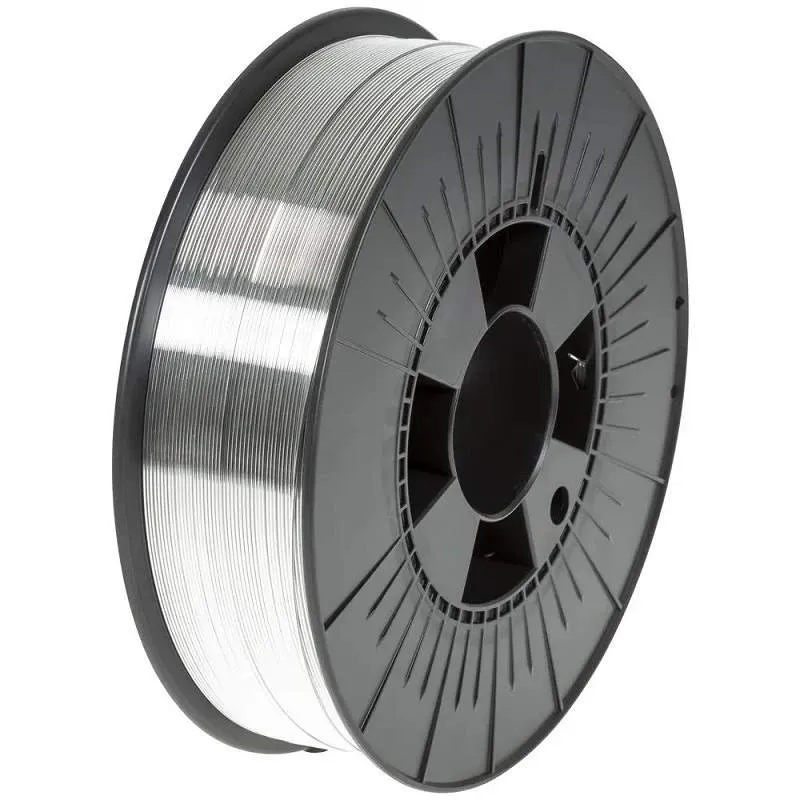
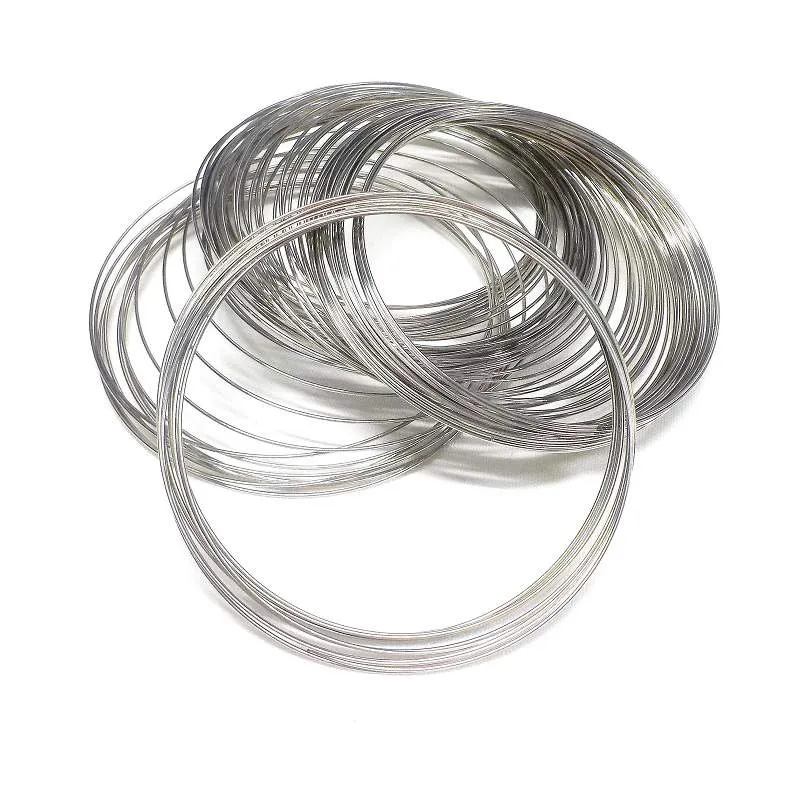
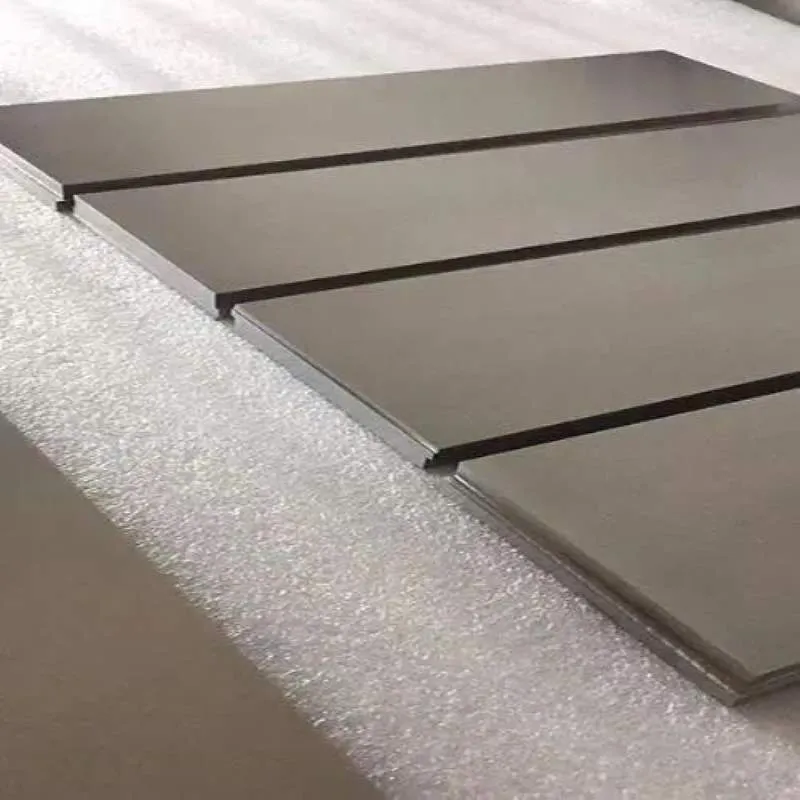
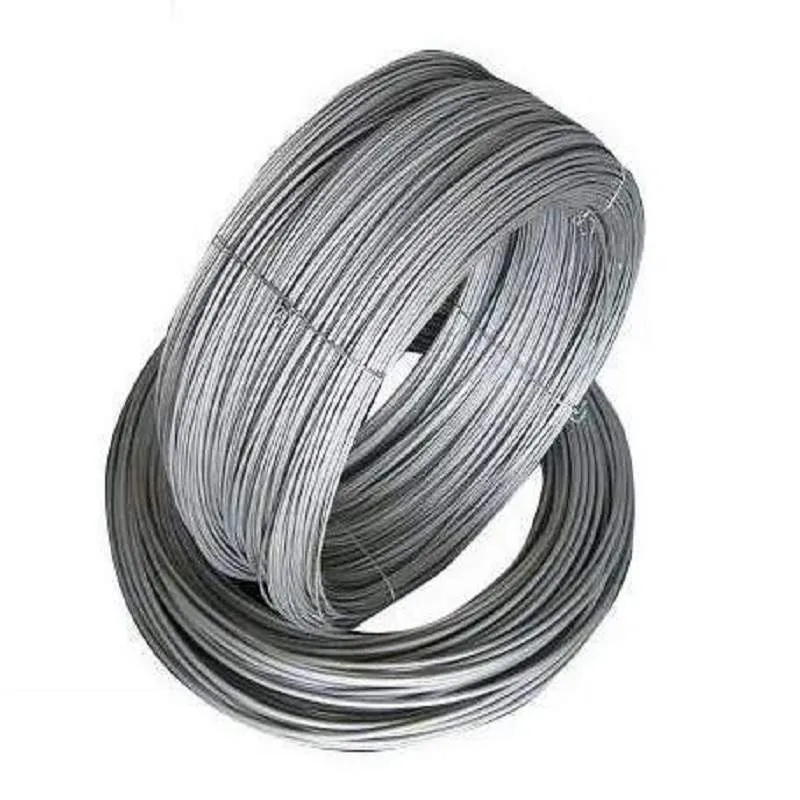
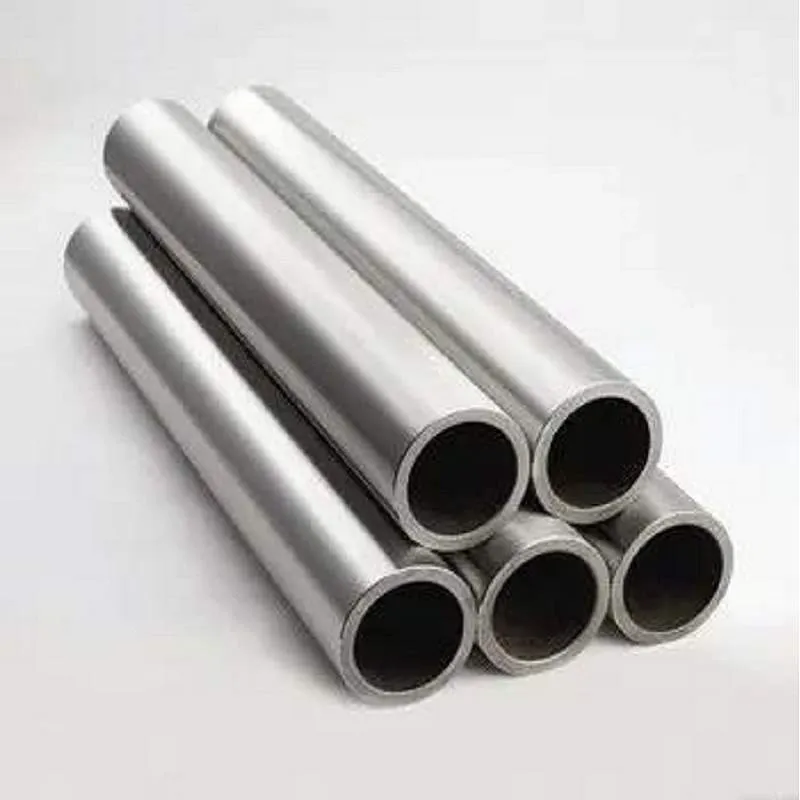
AISI Type T2 Tungsten High Speed Tool Steel Wire (UNS T12002)
Product Code : STI-GSTI-111-CU
We provide AISI Type T2 Tungsten High Speed Tool Steel Wire (UNS T12002) is available in Bar (Round bar, Flat bar), Ribbon, Wire, Rods, Tube,Seamless Tube,Pipe, Ingots, Plate, Sheet, Strip and Forging Stock.,Purity, chemical composition, size, etc. can all be customized to meet specific requirements.
Please contact us if you need customized services. We will contact you with the price and availability in 24 hours.
AISI Type T2 Tungsten High Speed Tool Steel Wire (UNS T12002) Product Information
-:-
For detailed product information, please contact sales.
-:
AISI Type T2 Tungsten High Speed Tool Steel Wire (UNS T12002) Synonyms
-:-
For detailed product information, please contact sales.
-:
AISI Type T2 Tungsten High Speed Tool Steel (UNS T12002) Product Information
-:-
For detailed product information, please contact sales.
-:
# **Product Introduction: AISI Type T2 Tungsten High-Speed Tool Steel (UNS T12002)**
## **Overview**
**AISI T2 (UNS T12002)** is a **standard tungsten-vanadium high-speed steel (HSS)** representing a balanced evolution within the classic T-series. As a direct successor to the original T1 (18-4-1), T2 features a **significantly increased vanadium content** (approximately 2%) which provides markedly improved abrasion resistance while maintaining the excellent red-hardness characteristic of tungsten-based HSS. It is a versatile, general-purpose tungsten HSS grade, often compared to the molybdenum-based M2, but distinguished by its higher tungsten content and different carbide structure. T2 is valued for applications requiring a good combination of wear resistance, hot hardness, and toughness.
## **1. Chemical Composition (Nominal %)**
T2's composition refines the classic T1 formula with higher vanadium.
| Element | Content (%) | Primary Function |
|---------|------------|------------------|
| **Carbon (C)** | 0.80 - 0.90 | Higher than T1 to balance the increased vanadium, ensuring sufficient carbon is available to form hard vanadium carbides. |
| **Tungsten (W)** | 17.50 - 19.00 | **Primary element.** Provides the foundation for exceptional red-hardness and hot strength through the formation of stable tungsten carbides. |
| **Chromium (Cr)** | 3.75 - 4.50 | Ensures hardenability and provides oxidation resistance. |
| **Vanadium (V)** | 1.80 - 2.40 | **Key differentiating element.** Doubled compared to T1. Forms hard, wear-resistant vanadium carbides (VC), significantly improving abrasion resistance and refining grain structure. |
| **Molybdenum (Mo)** | ≤ 0.50 (Residual) | Not an intentional primary alloy. |
| **Cobalt (Co)** | Not specified | The base T2 grade does not contain cobalt. |
| **Iron (Fe)** | Balance | Base metal. |
**Key Chemistry Note:** T2 is essentially an **"18-4-2" steel**, evolving from T1's "18-4-1" by **doubling the vanadium content**. This strategic increase directly targets improved wear resistance, addressing a limitation of the original T1. The slightly higher carbon content (0.8-0.9% vs. T1's 0.65-0.80%) ensures adequate carbon is available to form these additional vanadium carbides. This composition results in a finer, more wear-resistant carbide distribution than T1, while retaining the same outstanding hot hardness from its high tungsten content.
## **2. Physical & Mechanical Properties**
| Property | Typical Value / Condition |
|----------|--------------------------|
| **Density** | ~8.70 g/cm³ (High, due to tungsten) |
| **Melting Point** | ~1425°C (2600°F) |
| **Thermal Conductivity** | Low (~25 W/m·K) |
| **Coefficient of Thermal Expansion** | ~10.6 × 10⁻⁶/K (20-600°C) |
| **Modulus of Elasticity** | ~215 GPa (31.2 × 10⁶ psi) |
| **Annealed Hardness** | 241-277 HB |
| **Hardened & Tempered Hardness** | **63-66 HRC** (Common working range, similar to T1 but potentially more consistent). |
| **Red Hardness** | **Excellent.** Comparable to T1; maintains hardness effectively up to ~600°C (1110°F). |
| **Abrasion Resistance** | **Very Good to Excellent.** Superior to T1 due to the higher volume of vanadium carbides. Comparable to or slightly better than M2 in pure abrasion. |
| **Toughness** | **Fair to Moderate.** Slightly lower than T1 due to the increased volume of hard, brittle vanadium carbides, but still acceptable for many HSS applications. |
| **Tempering Temperature** | 540-600°C (1000-1110°F), **triple tempering is standard**. |
| **Grindability** | **Poor** (~35-40% relative to M2). More difficult than T1 due to the higher vanadium carbide content. |
## **3. International Standards & Cross-References**
T2 is a well-established international grade.
| Standard | Designation |
|----------|------------|
| **UNS** | T12002 |
| **AISI/ASTM (USA)** | T2 (ASTM A600) |
| **ISO (International)** | **HS 18-0-2** (ISO 4957: Tool steels) |
| **DIN (Germany)** | **1.3356** |
| **JIS (Japan)** | **SKH3** |
| **GB (China)** | **W18Cr4V2** (The "V2" denotes the higher vanadium content vs. T1's "W18Cr4V") |
| **AFNOR (France)** | **HS 18-0-2** |
| **Common Name** | **18-4-2 High-Speed Steel** |
## **4. Product Applications**
T2 is suitable for a wide range of general and severe machining applications where both red-hardness and improved wear life are required.
**Primary Applications:**
* **General-Purpose High-Speed Cutting Tools:** **Twist drills, reamers, taps, end mills, and milling cutters** for machining alloy steels, cast irons, and some stainless steels.
* **Form Tools and Cutters:** **Gear hobs, broaches, and shaping tools** where good edge retention and wear resistance over long production runs are important.
* **Single-Point Tools:** **Lathe tools and planer tools** for high-speed turning and planing operations.
* **Woodworking Tools:** **High-performance planer blades and router bits** for processed woods and composites.
* **Cold Work Tooling:** **Punches, dies, and shear blades** requiring high wear resistance and some hot hardness.
**Comparative Context:**
* **vs. T1:** T2 provides **better wear resistance and longer tool life** in abrasive conditions, making it a preferred upgrade for many applications. It largely replaced T1 for general tungsten HSS use.
* **vs. M2:** T2 typically offers **slightly better red-hardness and potentially better wear resistance** due to its higher tungsten and vanadium content. However, M2 generally has **better toughness and grindability** at a lower cost, leading to its dominance in the modern market. T2 is often chosen where its specific high-temperature performance is trusted or required by legacy specifications.
## **5. Processing & Heat Treatment Guidelines**
Heat treatment follows classic high-speed steel practice, similar to T1 but with considerations for its higher carbon and vanadium.
* **Forging:** Heat slowly to **1100-1150°C (2010-2100°F)**. Do not forge below **950°C (1740°F)**. Cool slowly.
* **Annealing:** Heat to **850-870°C (1565-1600°F)**, hold, then furnace cool slowly to **500°C (930°F)**.
* **Hardening (Austenitizing):**
1. **Preheating is critical:** Use two stages (e.g., 550-650°C then 800-850°C).
2. **Austenitize:** **1260-1290°C (2300-2355°F).** The temperature range is similar to T1, as the high tungsten still requires a very high temperature for carbide solution.
3. **Quench:** In salt bath, oil, or vacuum/gas.
* **Tempering:**
* **Temper immediately.**
* Temper at **550-570°C (1020-1060°F)** for 2+ hours per cycle.
* **Triple tempering is essential.** The higher alloy content necessitates complete transformation of retained austenite.
## **6. Modern Perspective**
While T2 remains a capable and standardized HSS grade, its market share has significantly declined with the rise of the **M-series steels (especially M2 and M35)**. The molybdenum-based grades offer a more favorable cost structure, better manufacturability (especially grindability), and more consistent carbide distribution through modern melting practices.
**Conclusion:** AISI T2 is a historically important **workhorse tungsten HSS** that successfully improved upon the wear resistance of the original T1. It represents a mature, high-performance option within the tungsten HSS family. For new designs, an M-series grade should typically be evaluated first for economic and practical reasons. However, T2 remains a valid and reliable choice for specific applications, particularly where its proven performance in high-temperature cutting is valued or where it is specified by established industry standards.
---
**Disclaimer:** Like all tungsten HSS grades, T2 requires precise, high-temperature heat treatment and is difficult to grind. Its performance is highly dependent on correct processing. The information provided is for reference; always consult the specific material producer's technical data sheets for detailed heat treatment parameters and recommendations.
-:-
For detailed product information, please contact sales.
-:
AISI Type T2 Tungsten High Speed Tool Steel (UNS T12002) Specification
Dimensions
Size:
Diameter 20-1000 mm Length <6767 mm
Size:We can customized as required
Standard:
Per your request or drawing
We can customized as required
Properties(Theoretical)
Chemical Composition
-:-
For detailed product information, please contact sales.
-:
AISI Type T2 Tungsten High Speed Tool Steel (UNS T12002) Properties
-:-
For detailed product information, please contact sales.
-:
Applications of AISI Type T2 Tungsten High Speed Tool Steel Wire (UNS T12002)
-:-
For detailed product information, please contact sales.
-:
Chemical Identifiers AISI Type T2 Tungsten High Speed Tool Steel Wire (UNS T12002)
-:-
For detailed product information, please contact sales.
-:
Packing of AISI Type T2 Tungsten High Speed Tool Steel Wire (UNS T12002)
-:-
For detailed product information, please contact sales.
-:
Standard Packing:
-:-
For detailed product information, please contact sales.
-:
Typical bulk packaging includes palletized plastic 5 gallon/25 kg. pails, fiber and Steel Wire drums to 1 ton super sacks in full container (FCL) or truck load (T/L) quantities. Research and sample quantities and hygroscopic, oxidizing or other air sensitive materials may be packaged under argon or vacuum. Solutions are packaged in polypropylene, plastic or glass jars up to palletized 3238 gallon liquid totes Special package is available on request. E FORUs’ is carefully handled to minimize damage during storage and transportation and to preserve the quality of our products in their original condition