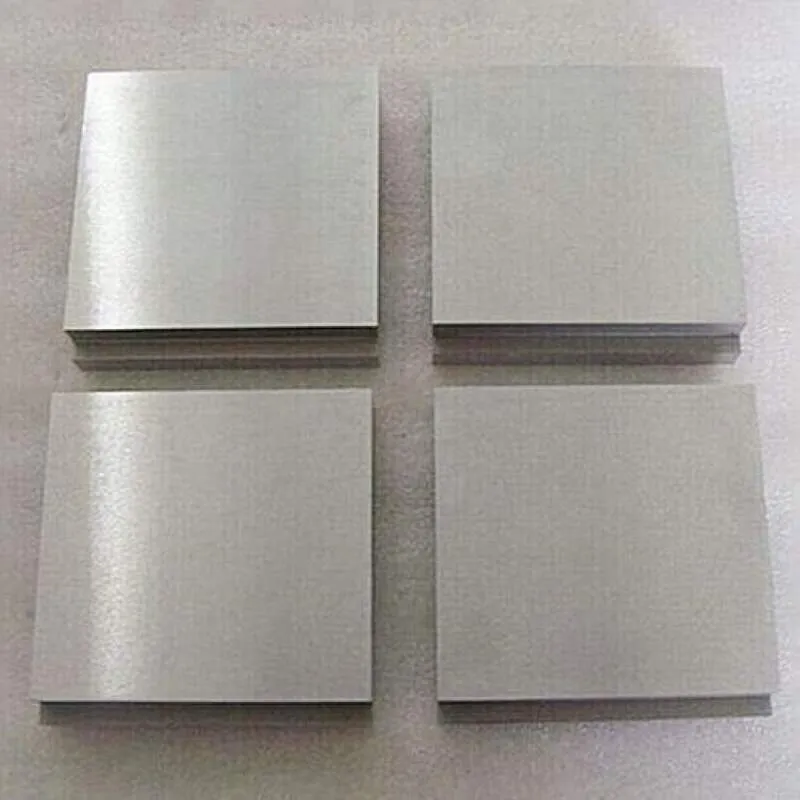
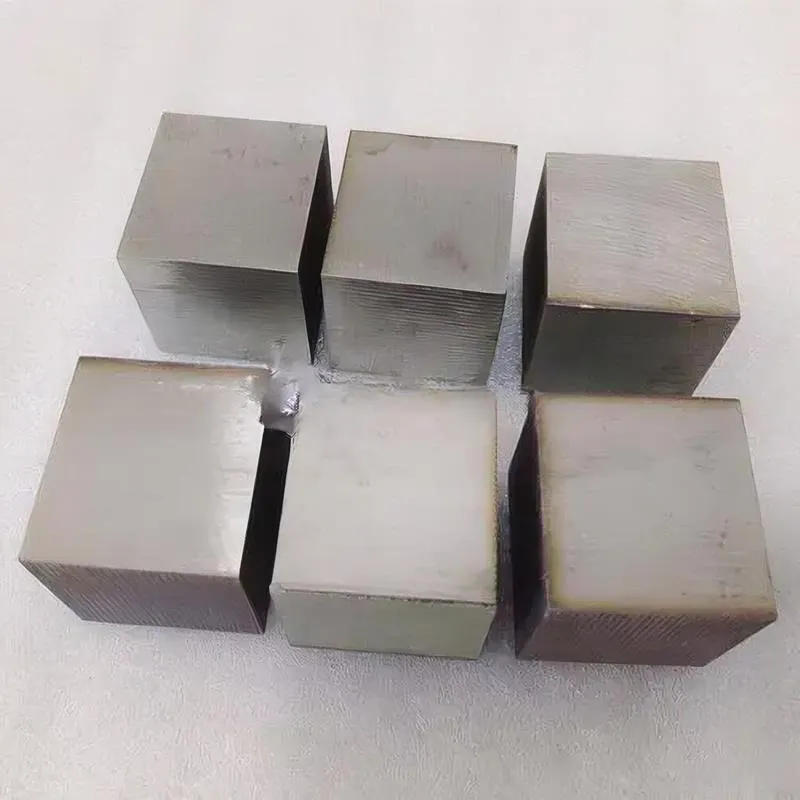
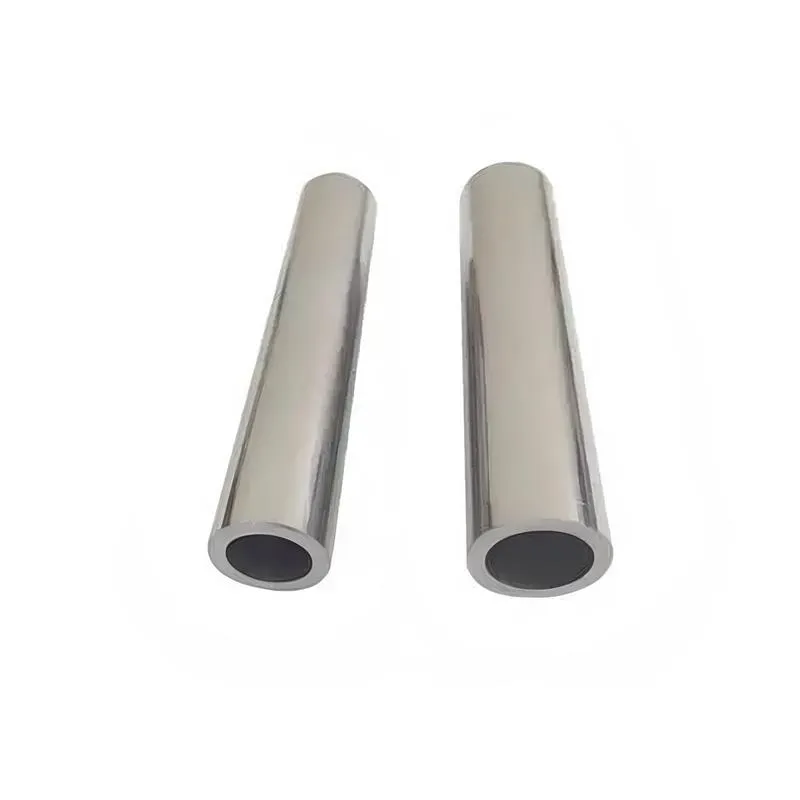
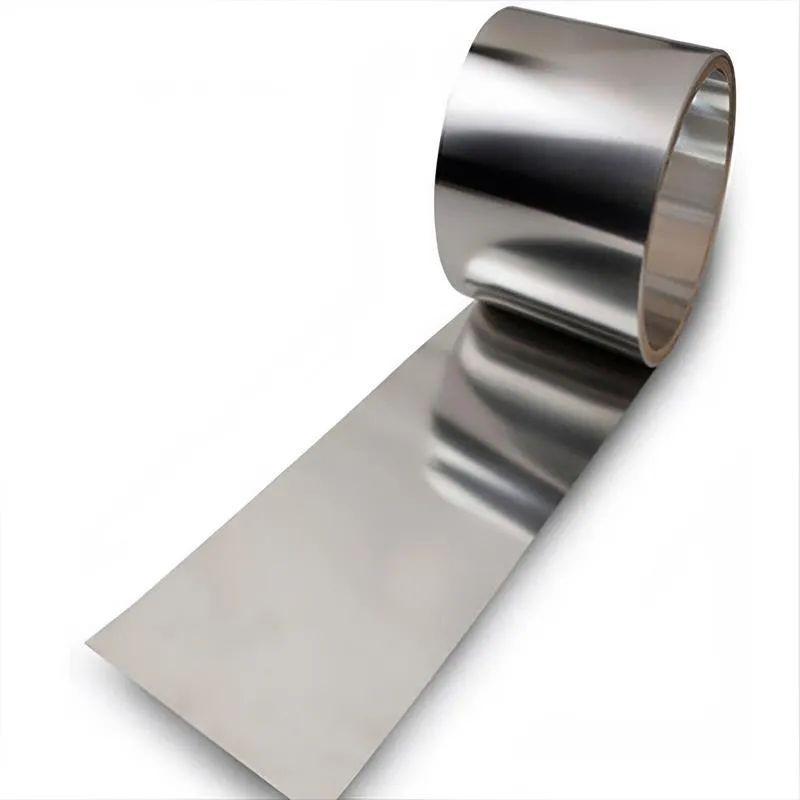
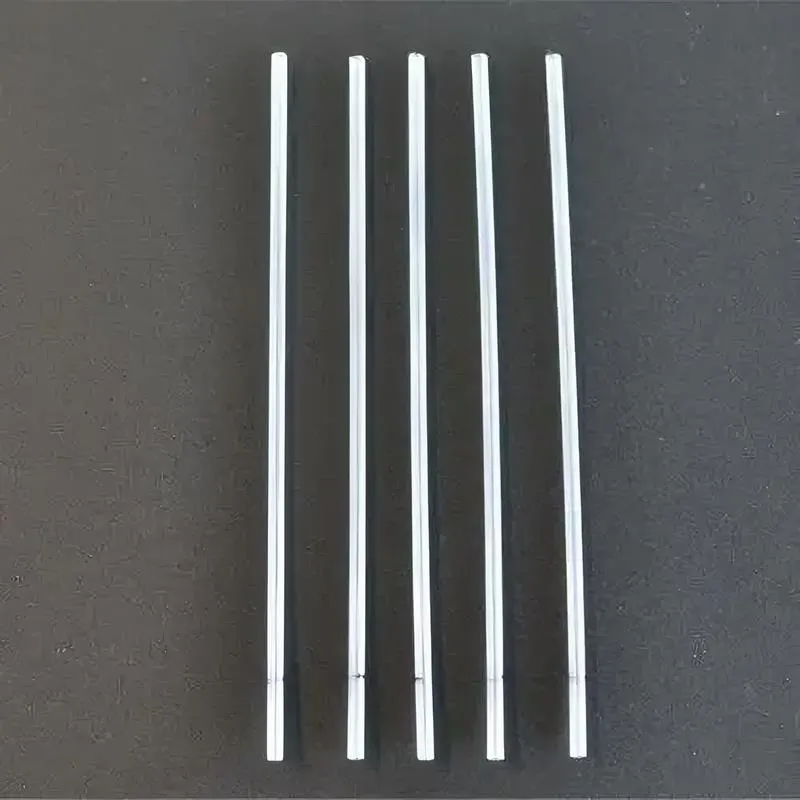
AISI Type T7 High Speed Tool Steel Sheet,Plate
Product Code : STI-GSTI-116-CU
We provide AISI Type T7 High Speed Tool Steel Sheet/Plate is available in Bar (Round bar, Flat bar), Ribbon, Wire, Rods, Tube,Seamless Tube,Pipe, Ingots, Plate, Sheet/Plate, Strip and Forging Stock.,Purity, chemical composition, size, etc. can all be customized to meet specific requirements.
Please contact us if you need customized services. We will contact you with the price and availability in 24 hours.
AISI Type T7 High Speed Tool Steel Sheet/Plate Product Information
-:-
For detailed product information, please contact sales.
-:
AISI Type T7 High Speed Tool Steel Sheet/Plate Synonyms
-:-
For detailed product information, please contact sales.
-:
AISI Type T7 High Speed Tool Steel Product Information
-:-
For detailed product information, please contact sales.
-:
# **Product Introduction: AISI Type T7 High-Speed Tool Steel**
## **Overview**
**AISI T7** is a **historical high-carbon, tungsten-based high-speed steel (HSS)** developed as a variant within the classic T-series. Designed to offer **enhanced wear resistance**, T7 is characterized by a **higher carbon content** compared to the baseline T1 (18-4-1) grade. This increased carbon was intended to support a greater volume of hard carbides, particularly targeting improved room-temperature abrasion resistance. It is critical to note that **AISI T7 is not a standard grade in modern AISI/ASTM specifications (ASTM A600)** and is primarily of historical and metallurgical interest, having been superseded by more optimized and balanced grades.
## **1. Historical Chemical Composition (Nominal %)**
Based on historical references, T7's composition was a modification of T1 with elevated carbon.
| Element | Historical Content (%) | Primary Function |
|---------|-----------------------|------------------|
| **Carbon (C)** | **~1.10 - 1.20** | **Significantly higher than T1.** Aims to increase the volume of hard carbides (especially tungsten and vanadium carbides) for superior wear resistance. |
| **Tungsten (W)** | ~13.50 - 15.00 | Slightly lower than T1. Still provides the essential tungsten carbide network for red-hardness. |
| **Chromium (Cr)** | ~3.50 - 4.50 | Ensures hardenability and provides oxidation resistance. |
| **Vanadium (V)** | ~2.00 - 2.50 | **Higher than T1/T2.** Works with the high carbon to form abundant, very hard vanadium carbides (VC), targeting maximum abrasion resistance. |
| **Cobalt (Co)** | Not specified (typically) | The base T7 grade did not contain cobalt as a primary alloy; cobalt-bearing versions were separate grades (T3, T4, etc.). |
| **Molybdenum (Mo)** | ≤ 0.50 (Residual) | Not a primary alloying element. |
| **Iron (Fe)** | Balance | Base metal. |
**Key Chemistry Note:** T7 can be conceptualized as a **"high-carbon, moderate-tungsten, high-vanadium"** variant of the T-series. The strategy was clear: **increase carbon and vanadium to boost wear resistance**, while maintaining sufficient tungsten for basic red-hardness. This composition results in a steel with a **very high volume of hard, brittle carbides**. However, this approach also leads to significant challenges, including **poor toughness, extreme grinding difficulty, and a high risk of carbide segregation and coarseness**, which likely contributed to its obsolescence.
## **2. Inferred Physical & Mechanical Properties**
*Inferred properties if heat treated to a typical working hardness (~64-66 HRC).*
| Property | Estimated Typical Value / Condition |
|----------|-------------------------------------|
| **Hardness (Annealed)** | ~255-302 HB |
| **Hardened & Tempered Hardness** | **64-66 HRC** (Capable of high hardness due to high carbon and alloy content). |
| **Red Hardness** | **Good to Very Good.** Slightly lower than T1 due to potentially lower tungsten, but still effective for HSS applications. |
| **Abrasion Resistance (Room Temp)** | **Excellent (Theoretical).** The high carbide volume should provide very high resistance to abrasive wear. |
| **Toughness** | **Low to Very Low.** The high volume of hard, brittle carbides and the high-carbon matrix would result in poor impact resistance, making tools prone to chipping and fracture. |
| **Grindability** | **Extremely Poor.** The combination of high vanadium and high carbon would make it one of the most difficult steels to grind, similar to or worse than T15. |
| **Key Historical Focus** | Maximizing **wear resistance for severe abrasive machining** at the expense of toughness and manufacturability. |
## **3. Historical & Approximate Cross-References**
Given its non-standard status, direct modern equivalents are not maintained.
| Standard / Era | Approximate Equivalent / Context | Notes |
|----------------|-----------------------------------|-------|
| **Historical AISI** | T7 | Obsolete designation. |
| **Modern AISI/ASTM** | **Not Listed** (ASTM A600). | |
| **Conceptual Successor** | **T15, M4, M48** | Modern grades that achieve high wear resistance through more balanced metallurgy (e.g., T15 uses high Co for hot hardness; M4 uses high V with Mo for better toughness). |
| **Common Description** | **High-Carbon, High-Vanadium Tungsten HSS** | |
## **4. Historical & Potential Applications**
Based on its inferred properties, T7 would have been targeted for applications where **extreme abrasive wear was the dominant failure mode**, and shock loading was minimal.
**Theoretical/Historical Applications:**
* **Machining Highly Abrasive Materials:** Such as fiber-reinforced plastics, abrasive cast irons, and certain superalloys in finishing operations.
* **Broaches and Gear Hobs** for long production runs on abrasive materials where tool wear, not chipping, was the life limiter.
* **Form Tools and Cutting Tools** for severe abrasive wear conditions.
## **5. Why It Was Superseded: Metallurgical Drawbacks**
T7's decline can be attributed to fundamental metallurgical and practical issues:
1. **Poor Toughness:** The high carbide volume made tools brittle and unreliable in anything but perfectly stable cutting conditions.
2. **Grinding Nightmare:** The high vanadium and carbon content made it economically impractical to finish and sharpen.
3. **Carbide Segregation:** In conventionally cast ingots, such high alloy contents lead to severe carbide banding and non-uniform properties, reducing tool performance and consistency.
4. **Rise of Better Alternatives:** The development of **M-series steels** (like M2, M3, M4) and later **powder metallurgy (PM) HSS** provided superior solutions:
* **M4:** Offers similar or better vanadium content (up to 4%) with molybdenum for better toughness and grindability.
* **T15:** Achieves extreme wear resistance with a more sophisticated balance of high carbon, high vanadium, **and cobalt** for unmatched overall performance.
* **PM HSS (e.g., S390, ASP 2060):** Can incorporate very high vanadium (up to 10%) with a perfectly uniform, fine carbide distribution, offering supreme wear resistance **with usable toughness**.
## **6. Modern Perspective & Legacy**
**AISI T7 is a historical footnote** that illustrates an important but flawed path in HSS development: the pursuit of wear resistance through simple increases in carbon and strong carbide formers, without adequate consideration for toughness, manufacturability, and carbide morphology.
For any contemporary application that might have historically considered T7, the following modern grades should be evaluated:
* **For maximum abrasion resistance in HSS:** **AISI M4 (for cost-effective high wear)** or **PM-HSS grades like S390**.
* **For maximum abrasion resistance + red-hardness:** **AISI T15** or **M48**.
* **For a balance of wear and toughness:** **AISI M2** or **M42 (Co8%)**.
**Conclusion:** T7 represents an interesting but ultimately impractical evolutionary branch of tungsten HSS. Its conceptual goals were valid, but its execution was flawed in the context of available metallurgy and manufacturing technology. Its legacy is to highlight the importance of a **balanced alloy design**, which later grades achieved with great success, leading to T7's complete obsolescence.
---
**Disclaimer:** This profile is based on limited historical references and metallurgical inference. **AISI T7 is not a currently standardized, commercially available tool steel.** This information is provided for educational and historical context only. For any tooling design requiring high wear resistance, consult specifications for modern, standardized grades such as AISI M2, M3, M4, M42, T15, or advanced PM-HSS. Specifying T7 for a new project would be highly unconventional and technically unjustified.
-:-
For detailed product information, please contact sales.
-:
AISI Type T7 High Speed Tool Steel Specification
Dimensions
Size:
Diameter 20-1000 mm Length <6772 mm
Size:We can customized as required
Standard:
Per your request or drawing
We can customized as required
Properties(Theoretical)
Chemical Composition
-:-
For detailed product information, please contact sales.
-:
AISI Type T7 High Speed Tool Steel Properties
-:-
For detailed product information, please contact sales.
-:
Applications of AISI Type T7 High Speed Tool Steel Sheet,Plate
-:-
For detailed product information, please contact sales.
-:
Chemical Identifiers AISI Type T7 High Speed Tool Steel Sheet,Plate
-:-
For detailed product information, please contact sales.
-:
Packing of AISI Type T7 High Speed Tool Steel Sheet/Plate
-:-
For detailed product information, please contact sales.
-:
Standard Packing:
-:-
For detailed product information, please contact sales.
-:
Typical bulk packaging includes palletized plastic 5 gallon/25 kg. pails, fiber and Steel Sheet/Plate drums to 1 ton super sacks in full container (FCL) or truck load (T/L) quantities. Research and sample quantities and hygroscopic, oxidizing or other air sensitive materials may be packaged under argon or vacuum. Solutions are packaged in polypropylene, plastic or glass jars up to palletized 3243 gallon liquid totes Special package is available on request. E FORUs’ is carefully handled to minimize damage during storage and transportation and to preserve the quality of our products in their original condition