AISI Type T8 Tungsten High Speed Tool Steel (UNS T12008)
Product Code : STI-GSTI-117-CU
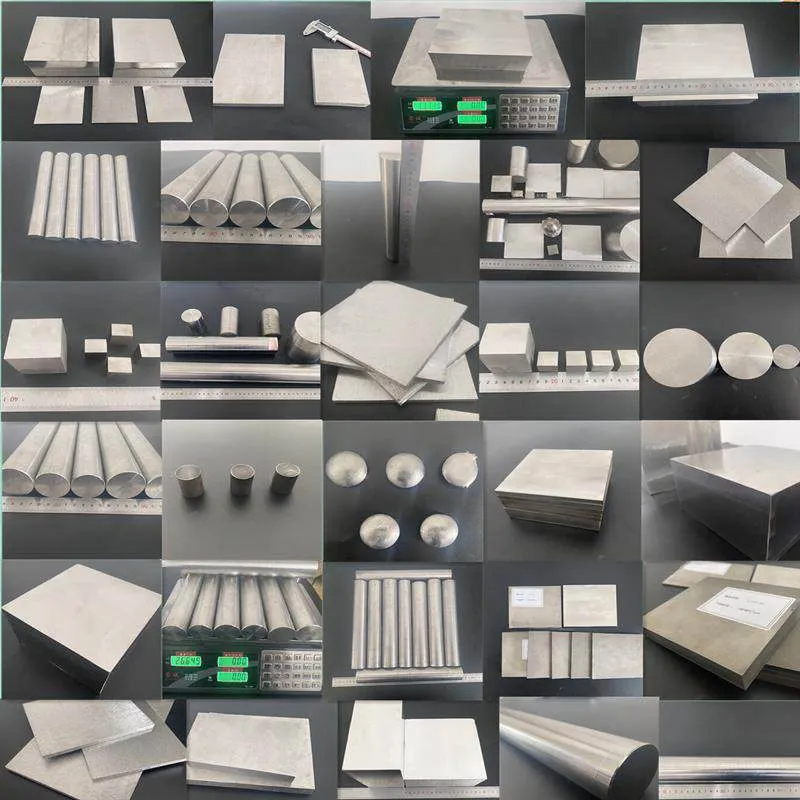
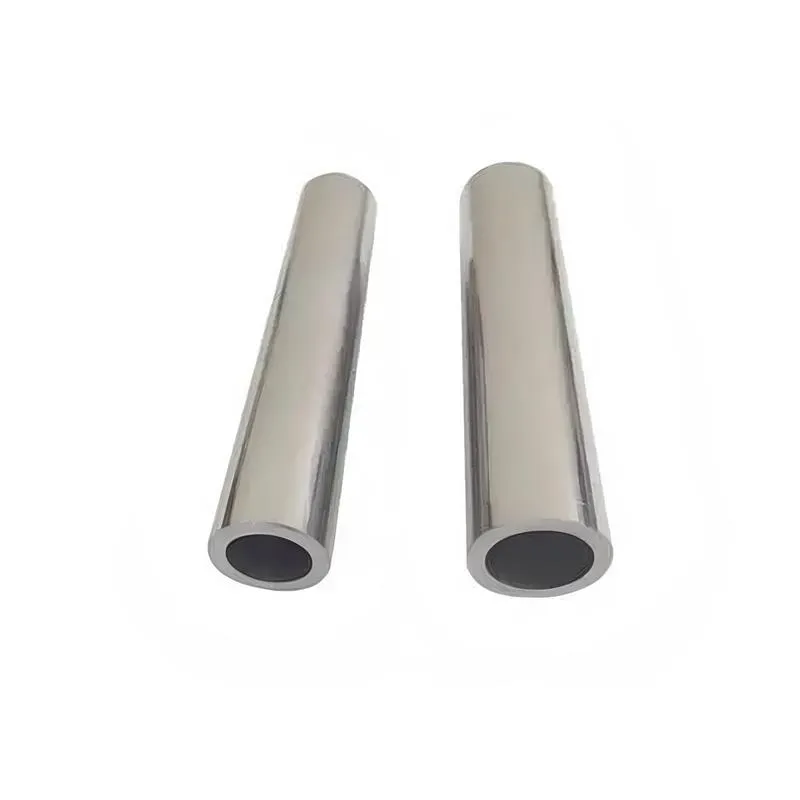
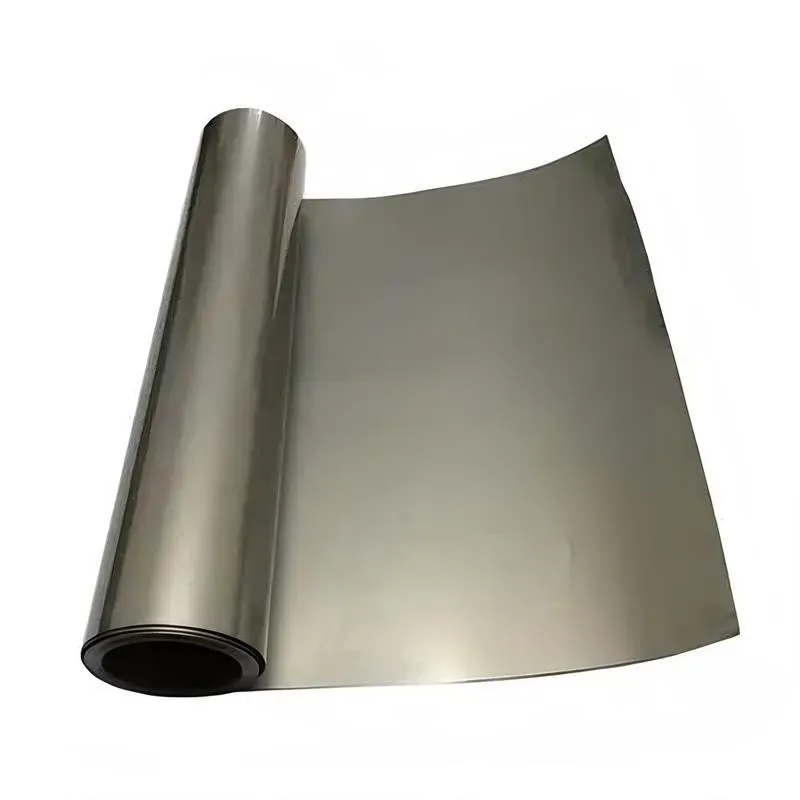
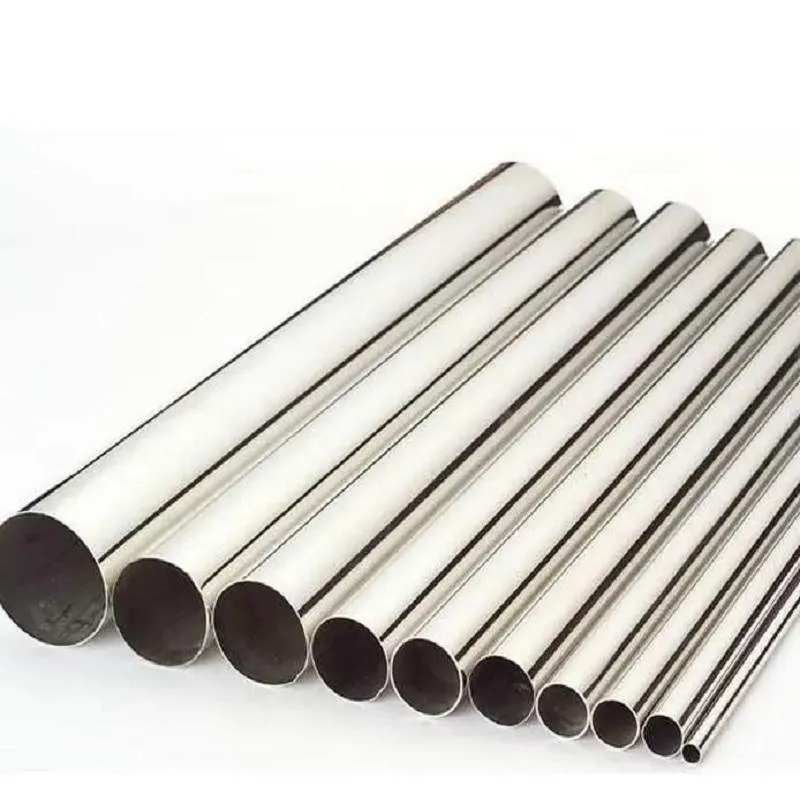
We provide AISI Type T8 Tungsten High Speed Tool Steel (UNS T12008) is available in Bar (Round bar, Flat bar), Ribbon, Wire, Rods, Tube,Seamless Tube,Pipe, Ingots, Plate, Sheet, Strip and Forging Stock.,Purity, chemical composition, size, etc. can all be customized to meet specific requirements.
Please contact us if you need customized services. We will contact you with the price and availability in 24 hours.
AISI Type T8 Tungsten High Speed Tool Steel (UNS T12008) Product Information
-:-
For detailed product information, please contact sales.
-:
AISI Type T8 Tungsten High Speed Tool Steel (UNS T12008) Synonyms
-:-
For detailed product information, please contact sales.
-:
AISI Type T8 Tungsten High Speed Tool Steel (UNS T12008) Product Information
-:-
For detailed product information, please contact sales.
-:
# **Product Introduction: AISI Type T8 Tungsten High-Speed Tool Steel (UNS T12008)**
## **Overview**
**AISI T8 (UNS T12008)** is a specialized **tungsten-cobalt high-speed steel (HSS)** belonging to the historical T-series. It is characterized by a **unique combination of high carbon, high cobalt, and balanced tungsten**, designed to offer **superior hot hardness and wear resistance** for demanding machining applications. Positioned as a high-performance variant, T8 represents an evolutionary step in the development of cobalt-bearing tungsten HSS grades, aiming to provide a robust solution for cutting hard and abrasive materials at elevated temperatures. However, like several other T-series grades, **T8 is not a standard grade in current ASTM A600 specifications** and is primarily of historical and metallurgical interest.
## **1. Historical Chemical Composition (Nominal %)**
Based on historical literature and tool steel references, T8's composition was engineered for enhanced performance through increased alloying.
| Element | Historical Content (%) | Primary Function |
|---------|-----------------------|------------------|
| **Carbon (C)** | ~0.75 - 0.85 | Provides matrix hardness and supports the formation of alloy carbides. Balanced to optimize hardness without excessive brittleness. |
| **Tungsten (W)** | ~13.50 - 15.00 | **Key element.** Forms tungsten carbides for red-hardness and wear resistance. Slightly lower than T1 but sufficient for high-temperature stability. |
| **Chromium (Cr)** | ~3.75 - 4.50 | Ensures hardenability and provides oxidation resistance. |
| **Vanadium (V)** | ~1.80 - 2.40 | **Significant content.** Forms hard vanadium carbides (VC) for exceptional abrasion resistance and grain refinement. |
| **Cobalt (Co)** | **~4.50 - 5.50** | **Defining addition.** Enhances red-hardness and tempering resistance through solid solution strengthening of the matrix. |
| **Molybdenum (Mo)** | ≤ 0.50 (Residual) | Not a primary alloying element. |
| **Iron (Fe)** | Balance | Base metal. |
**Key Chemistry Note:** T8 can be described as a **"balanced high-alloy tungsten-cobalt HSS"**. Its composition sits between the classic T1/T2 and the ultra-high-performance T15. The **moderate cobalt content (~5%)** provides a significant boost in hot hardness over non-cobalt grades, while the **elevated vanadium (~2%)** ensures good wear resistance. The **reduced tungsten (compared to T1)** may have been a cost-saving measure or an adjustment to improve carbide distribution, but it still provides a strong foundation for high-temperature performance. This formula aimed to deliver a reliable upgrade for severe machining tasks.
## **2. Inferred Physical & Mechanical Properties**
*Inferred properties if heat treated to a typical working hardness (~64-66 HRC).*
| Property | Estimated Typical Value / Condition |
|----------|-------------------------------------|
| **Hardness (Annealed)** | ~241-285 HB |
| **Hardened & Tempered Hardness** | **64-66 HRC** (Capable of achieving and maintaining high hardness). |
| **Red Hardness** | **Very Good to Excellent.** Superior to non-cobalt grades like T2 due to cobalt; effective for high-speed machining of tough materials. |
| **Abrasion Resistance** | **Very Good.** Enhanced by the significant vanadium carbide content. |
| **Toughness** | **Moderate.** The combination of cobalt and a moderate-to-high carbide volume would result in lower impact resistance than simpler grades like T1, but likely better than extreme grades like T15. |
| **Grindability** | **Poor.** The presence of hard vanadium carbides and a cobalt-strengthened matrix makes grinding difficult. |
| **Key Historical Advantage** | A **balanced upgrade** offering improved hot hardness and wear resistance over standard T1/T2 for challenging machining operations. |
## **3. Historical & Approximate Cross-References**
As an obsolete grade, direct modern equivalents are not standardized.
| Standard / Era | Approximate Equivalent / Context | Notes |
|----------------|-----------------------------------|-------|
| **Historical AISI** | T8 | Obsolete designation. |
| **Modern AISI/ASTM** | **Not Listed** (ASTM A600). | |
| **Conceptual & Functional Successors** | **AISI M35 (Co5%), AISI T4 (Co4.5-5%)** | These grades represent the modern and standardized approach to achieving similar performance: M35 via Mo-base, T4 via W-base. |
| **ISO (Conceptual)** | A composition resembling a cobalt-bearing **HS 14-1-2-5** type. | |
| **Common Description** | **5% Cobalt, Medium-Tungsten, High-Vanadium HSS** | |
## **4. Historical & Potential Applications**
Based on its inferred properties, T8 would have been applied to **severe-duty machining where both thermal and abrasive wear were concerns**.
**Theoretical/Historical Applications:**
* **Machining High-Strength and Heat-Resistant Alloys:** Such as certain stainless steels, high-temperature alloys, and tool steels.
* **Heavy-Duty Cutting Tools:** Including single-point lathe tools, milling cutters, and drills for demanding production work.
* **Form Tools and Gear Cutters:** For long production runs on abrasive materials where tool life was critical.
## **5. Modern Perspective & Why It Faded**
The decline of T8 is part of the broader trend of consolidation within the HSS landscape, driven by the rise of superior alternatives:
1. **Superior Alternatives in the T-Series:** Grades like **T4 (standardized 5% Co)** and **T15 (high C, high V, 5% Co)** offered clearer, standardized specifications and more optimized performance profiles, making T8 redundant.
2. **Dominance of M-Series Steels:** The development and widespread adoption of **molybdenum-based HSS grades like M2, M35 (Co5%), and M42 (Co8%)** provided equivalent or better performance with significant advantages:
* **Better Grindability and Toughness:** Due to finer, more uniform carbide distributions.
* **Lower Cost:** Molybdenum is less expensive than tungsten.
* **Improved Consistency:** Modern melting practices (e.g., ESR, VAR) are more commonly applied to M-series grades.
3. **Lack of Standardization:** As the industry moved towards a smaller number of well-defined, high-performance grades, niche historical grades like T8 naturally fell out of production and specification.
**For a modern application seeking the performance profile historically associated with T8, the logical choices are:**
* **AISI M35 (Co5%):** For excellent all-around performance, grindability, and toughness.
* **AISI M42 (Co8%):** For even higher red-hardness.
* **AISI T4:** If a tungsten-based cobalt HSS is specifically required.
**Conclusion:** AISI T8 represents a competent but transitional high-performance HSS from the era of tungsten dominance. Its composition reflects a logical attempt to balance hot hardness, wear resistance, and cost. However, it was ultimately rendered obsolete by the dual forces of **standardization** and the **technological superiority of molybdenum-based grades**. Today, it serves as a reminder of the diverse evolutionary paths explored during the development of modern high-speed steels.
---
**Disclaimer:** This profile is based on historical technical references. **AISI T8 is not a currently standardized or commercially available tool steel.** The information is provided for educational and historical context in the study of tool steel development. For any contemporary tooling application, selection should be made from active, standardized grades such as those in the AISI M-series or the remaining standard T-series grades (e.g., T1, T2, T4, T5, T6, T15). Properties and processing data for actual T8 material are not standardized.
-:-
For detailed product information, please contact sales.
-:
AISI Type T8 Tungsten High Speed Tool Steel (UNS T12008) Specification
Dimensions
Size:
Diameter 20-1000 mm Length <6773 mm
Size:We can customized as required
Standard:
Per your request or drawing
We can customized as required
Properties(Theoretical)
Chemical Composition
-:-
For detailed product information, please contact sales.
-:
AISI Type T8 Tungsten High Speed Tool Steel (UNS T12008) Properties
-:-
For detailed product information, please contact sales.
-:
Applications of AISI Type T8 Tungsten High Speed Tool Steel (UNS T12008)
-:-
For detailed product information, please contact sales.
-:
Chemical Identifiers AISI Type T8 Tungsten High Speed Tool Steel (UNS T12008)
-:-
For detailed product information, please contact sales.
-:
Packing of AISI Type T8 Tungsten High Speed Tool Steel (UNS T12008)
-:-
For detailed product information, please contact sales.
-:
Standard Packing:
-:-
For detailed product information, please contact sales.
-:
Typical bulk packaging includes palletized plastic 5 gallon/25 kg. pails, fiber and steel drums to 1 ton super sacks in full container (FCL) or truck load (T/L) quantities. Research and sample quantities and hygroscopic, oxidizing or other air sensitive materials may be packaged under argon or vacuum. Solutions are packaged in polypropylene, plastic or glass jars up to palletized 3244 gallon liquid totes Special package is available on request. E FORUs’ is carefully handled to minimize damage during storage and transportation and to preserve the quality of our products in their original condition