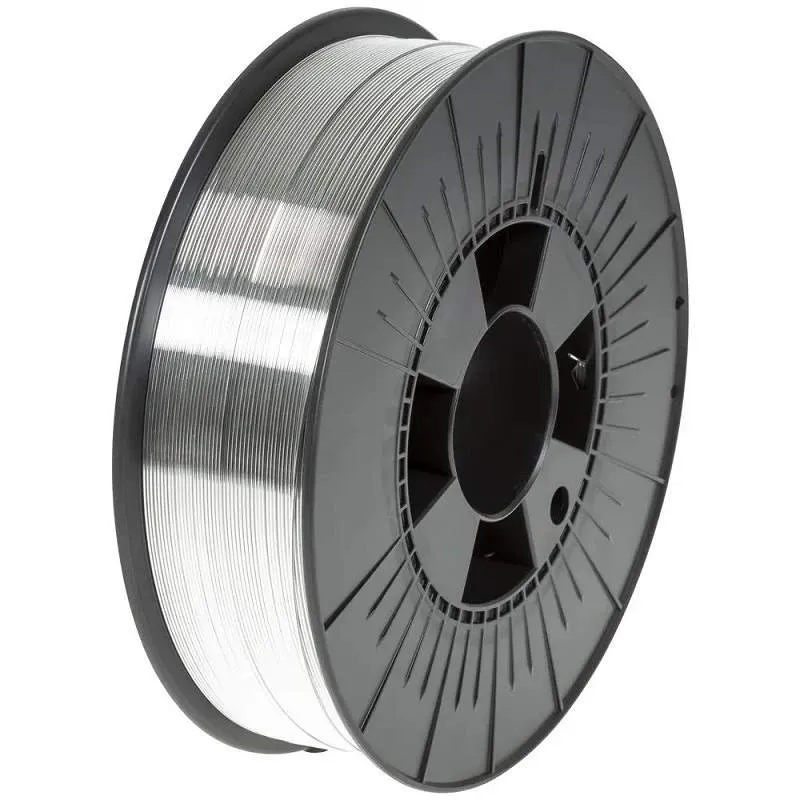
AISI Type W3 Water Hardening Tool Steel Wire
Product Code : STI-GSTI-124-CU
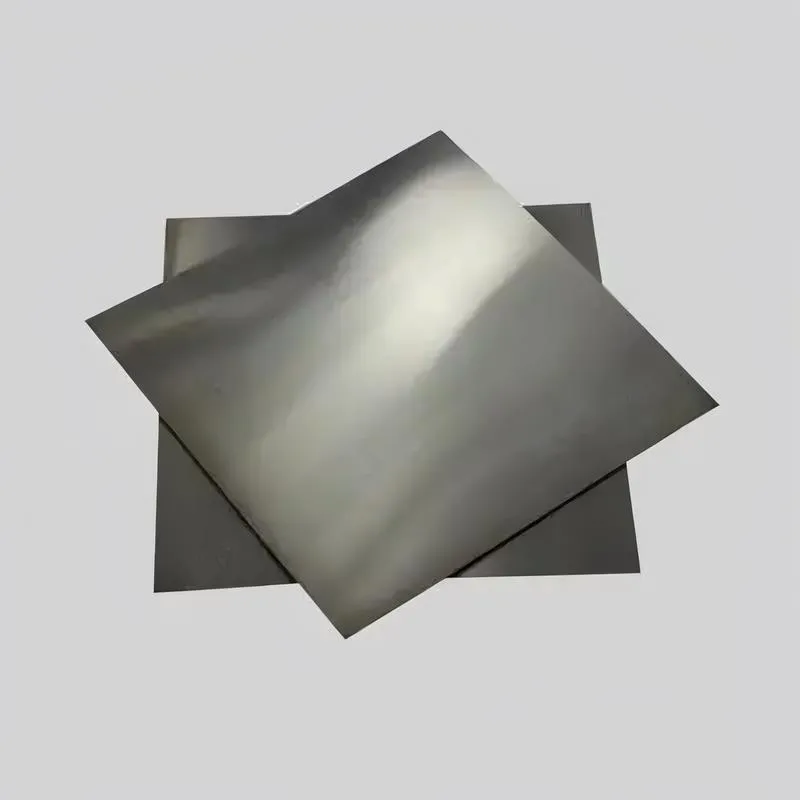
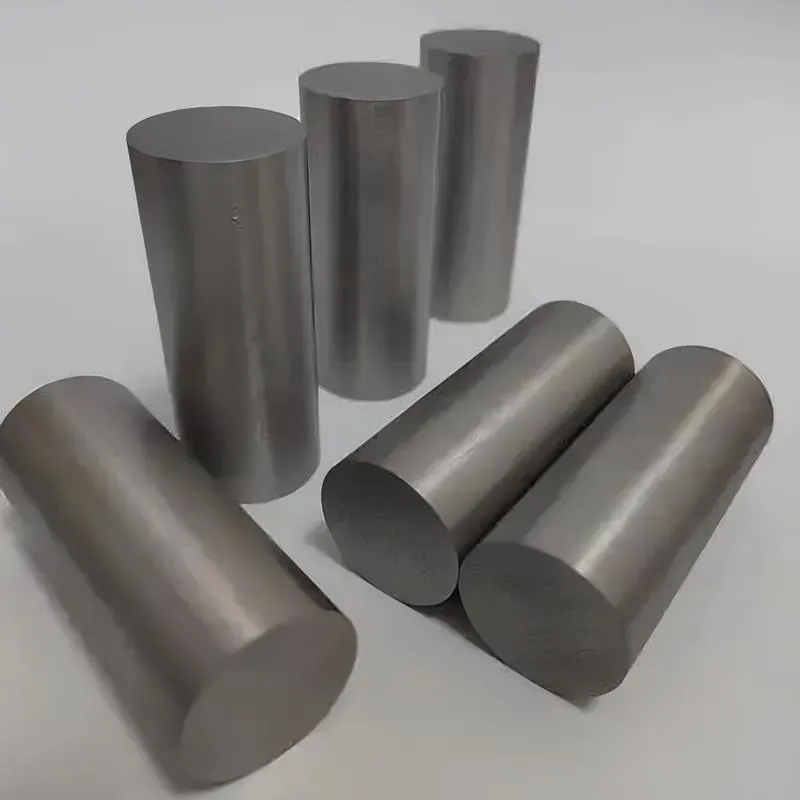
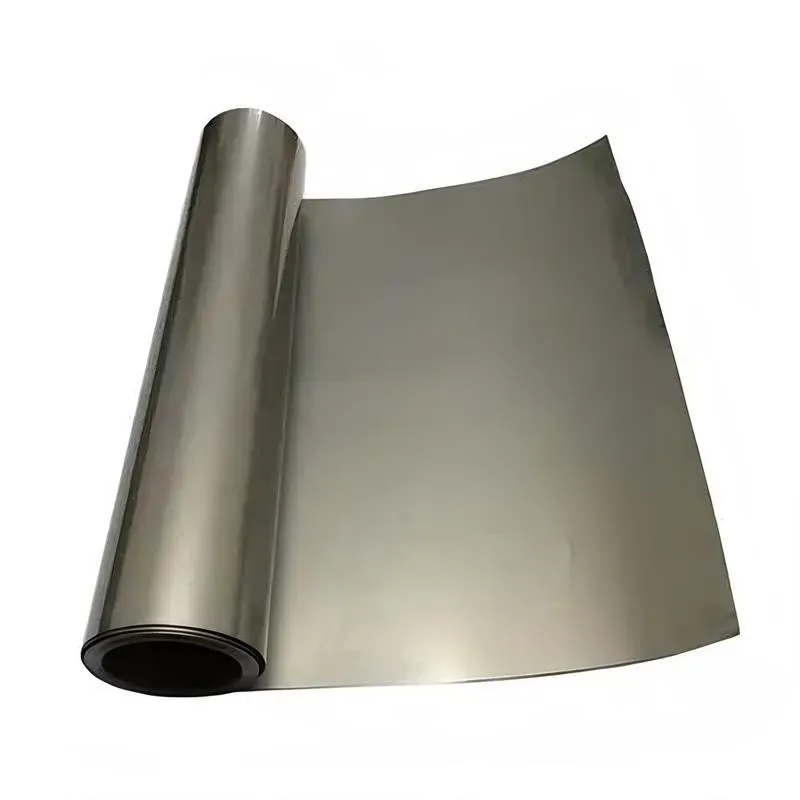
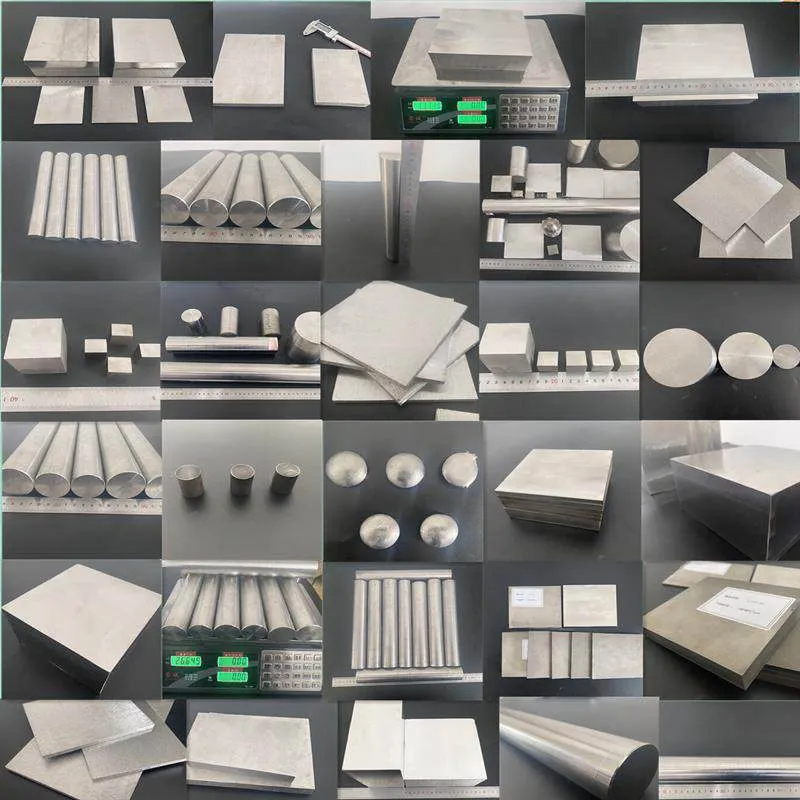
We provide AISI Type W3 Water Hardening Tool Steel Wire is available in Bar (Round bar, Flat bar), Ribbon, Wire, Rods, Tube,Seamless Tube,Pipe, Ingots, Plate, Sheet, Strip and Forging Stock.,Purity, chemical composition, size, etc. can all be customized to meet specific requirements.
Please contact us if you need customized services. We will contact you with the price and availability in 24 hours.
AISI Type W3 Water Hardening Tool Steel Wire Product Information
-:-
For detailed product information, please contact sales.
-:
AISI Type W3 Water Hardening Tool Steel Wire Synonyms
-:-
For detailed product information, please contact sales.
-:
AISI Type W3 Water Hardening Tool Steel Product Information
-:-
For detailed product information, please contact sales.
-:
# **Product Introduction: AISI Type W3 Water-Hardening Tool Steel (UNS T72303)**
## **Overview**
**AISI W3 (UNS T72303)** is a **vanadium-modified, water-hardening tool steel** belonging to the classic W-series. It is a direct evolution of the W1/W2 grades, characterized by a **specific and intentionally higher vanadium content** aimed at achieving finer grain structure and improved toughness. While sharing the fundamental limitations of water-hardening steels (shallow hardenability, severe quenching, distortion risk), W3 is distinguished by its enhanced resistance to grain coarsening during heat treatment, making it a preferred choice among traditional water-hardening grades for tools requiring a keen, stable edge with slightly better shock resistance.
## **1. Chemical Composition (Nominal %)**
W3's composition is defined by a higher, specified vanadium range compared to W2.
| Element | Content (%) | Primary Function |
|---------|------------|------------------|
| **Carbon (C)** | 0.95 - 1.10 (Typical range) | **Primary element.** Determines maximum attainable hardness and basic wear resistance. W3 is typically a high-carbon variant within the series. |
| **Vanadium (V)** | **0.40 - 0.60** | **Defining element.** Higher than W2's 0.15-0.35%. Provides stronger grain refinement, improves toughness, forms fine vanadium carbides for moderate wear enhancement, and increases resistance to overheating during austenitizing. |
| **Manganese (Mn)** | 0.10 - 0.40 | Minimal contribution to hardenability. |
| **Silicon (Si)** | 0.10 - 0.40 | Deoxidizer. |
| **Chromium (Cr)** | ≤ 0.15 (Residual) | Not intentionally added. |
| **Sulfur (S)** | ≤ 0.025 | Impurity, kept low. |
| **Phosphorus (P)** | ≤ 0.025 | Impurity, kept low. |
| **Iron (Fe)** | Balance | Base metal. |
**Key Chemistry Note:** W3 is essentially **"High-Carbon W2 with More Vanadium"**. The **vanadium content of 0.40-0.60%** is its hallmark. This level of vanadium provides potent grain boundary pinning, ensuring a very fine prior austenite grain size even if the austenitizing temperature is slightly elevated. This translates directly to a finer martensitic structure upon quenching, yielding **better toughness, reduced quench cracking tendency, and potentially better edge stability** compared to W1 and W2 at the same hardness. It remains a **plain carbon steel** with all the associated hardenability limitations.
## **2. Physical & Mechanical Properties**
*Typical properties in the hardened and tempered condition (~60-63 HRC).*
| Property | Typical Value / Condition |
|----------|--------------------------|
| **Density** | ~7.84 g/cm³ |
| **Melting Point** | ~1470°C (2680°F) |
| **Thermal Conductivity** | ~48 W/m·K |
| **Coefficient of Thermal Expansion** | 12.5 × 10⁻⁶/K (20-100°C) |
| **Modulus of Elasticity** | 210 GPa (30.5 × 10⁶ psi) |
| **Annealed Hardness** | 183-217 HB |
| **As-Quenched Hardness (Water)** | Up to **65-67 HRC** (for ~1.05% C). |
| **Hardened & Tempered Hardness** | **60-63 HRC** (Common working range for cutting tools). |
| **Tensile Strength (at 62 HRC)** | ~2000-2100 MPa (290-305 ksi) |
| **Impact Toughness** | **Moderate, but superior to W1 and slightly better than W2** at equivalent hardness due to finer grain. |
| **Wear Resistance** | **Good.** Enhanced by fine vanadium carbides; better than W1. |
| **Hardenability** | **Very Shallow.** Identical to W1/W2; effective hardening depth of only a few millimeters. |
| **Hot Hardness** | **Very Poor.** Begins to soften above ~200°C (390°F). |
| **Machinability (Annealed)** | **Excellent.** |
| **Grindability** | Good. |
## **3. International Standards & Cross-References**
| Standard | Designation | Notes |
|----------|------------|-------|
| **UNS** | T72303 | |
| **AISI/ASTM (USA)** | W3 (ASTM A686) | |
| **ISO (International)** | **~C110W2** (ISO 4957) | Reflects high carbon and vanadium content. |
| **DIN (Germany)** | No direct common equivalent. | Conceptually similar to high-carbon, vanadium-bearing tool steels. |
| **JIS (Japan)** | **SK1~SK4 with higher V** (Special quality variants). | |
| **GB (China)** | **T10A, T12A with V** (High-quality carbon tool steel with vanadium). | |
| **Common Name** | **High-Vanadium Water-Hardening Steel** | |
## **4. Product Applications**
W3 is used for high-quality cutting and shearing tools where the benefits of a fine grain structure and slightly improved toughness justify its selection over W1/W2.
**Primary Applications (Hardened to 60-63 HRC):**
* **Precision Cutting Tools:** **Files, rasps, precision gauges, reamers, and broaches** where edge integrity and minimal chipping are critical.
* **Woodworking Tools:** **Premium plane blades, chisels, carving tools** capable of holding an extremely sharp edge.
* **Metal-Cutting Tools:** **Lathe tools for soft metals, knives, and shear blades** for thin materials.
* **Punches and Dies:** For fine blanking or punching of thin sheet metal where a fine-grained, wear-resistant edge is needed.
* **Hand Tools:** **Cold chisels and center punches** for demanding service.
## **5. Heat Treatment Guidelines**
Heat treatment follows classic water-hardening practice, but W3's vanadium allows slightly more forgiving control.
* **Annealing:** Heat to 760-790°C (1400-1450°F), slow furnace cool. Produces a spheroidized structure for machining.
* **Hardening:**
1. **Preheating:** Highly recommended at 650-700°C (1200-1290°F) to reduce thermal shock.
2. **Austenitizing:** Heat to **790-815°C (1455-1500°F)**. The vanadium permits safe use of the higher end of this range to ensure carbon solution while still maintaining a fine grain. Soak for 10-15 min/inch.
3. **Quenching:** Quench **immediately in agitated water or brine.** For complex shapes, an **interrupted quench** (water to ~400°C, then oil/air) is mandatory.
* **Tempering:**
* **Temper immediately** (within 30-60 minutes).
* Temper at **150-400°C (300-750°F)** based on desired hardness/toughness.
* **Avoid 250-350°C (480-660°F)** range to minimize tempered martensite embrittlement.
* **Double tempering** is advised for stress relief.
## **6. Comparative Advantages & Limitations**
**Advantages over W1/W2:**
* **Superior Grain Refinement:** Best in class among common water-hardening steels.
* **Improved Toughness & Edge Stability:** Less prone to micro-chipping.
* **Greater Overheating Tolerance:** Vanadium carbides resist grain growth.
* **Slightly Better Wear Resistance.**
**Shared Severe Limitations (Inherent to Water-Hardening):**
* **Extremely Shallow Hardenability:** Only surface hardens.
* **High Cracking & Distortion Risk:** Severe water quench is always risky.
* **Poor Toughness (Overall):** Still brittle compared to oil/air-hardening steels.
* **No Red Hardness:** Useless for any operation generating heat.
* **Decarburization Prone.**
**Modern Context:** W3, like all W-series steels, has been largely supplanted by **oil-hardening (O1, O2)** and **air-hardening (A2, A8)** grades for most industrial tooling. These alternatives offer deeper hardening, dramatically less distortion, better toughness, and more consistent results. W3 remains in use for specific traditional tools (e.g., high-quality files, certain woodworking tools) where its particular performance profile is specified or valued by craftsmen.
---
**Disclaimer:** The successful heat treatment of W3 requires significant skill to manage the risks of the water quench. It is not suitable for tools with complex geometries, severe section changes, or as-manufactured stress concentrations. For any new tool design where reliability, dimensional stability, and productivity are important, the use of an oil- or air-hardening steel is strongly recommended. The vanadium in W3 mitigates some risks but does not eliminate the fundamental drawbacks of the water-hardening process.
-:-
For detailed product information, please contact sales.
-:
AISI Type W3 Water Hardening Tool Steel Specification
Dimensions
Size:
Diameter 20-1000 mm Length <6780 mm
Size:We can customized as required
Standard:
Per your request or drawing
We can customized as required
Properties(Theoretical)
Chemical Composition
-:-
For detailed product information, please contact sales.
-:
AISI Type W3 Water Hardening Tool Steel Properties
-:-
For detailed product information, please contact sales.
-:
Applications of AISI Type W3 Water Hardening Tool Steel Wire
-:-
For detailed product information, please contact sales.
-:
Chemical Identifiers AISI Type W3 Water Hardening Tool Steel Wire
-:-
For detailed product information, please contact sales.
-:
Packing of AISI Type W3 Water Hardening Tool Steel Wire
-:-
For detailed product information, please contact sales.
-:
Standard Packing:
-:-
For detailed product information, please contact sales.
-:
Typical bulk packaging includes palletized plastic 5 gallon/25 kg. pails, fiber and Steel Wire drums to 1 ton super sacks in full container (FCL) or truck load (T/L) quantities. Research and sample quantities and hygroscopic, oxidizing or other air sensitive materials may be packaged under argon or vacuum. Solutions are packaged in polypropylene, plastic or glass jars up to palletized 3251 gallon liquid totes Special package is available on request. E FORUs’ is carefully handled to minimize damage during storage and transportation and to preserve the quality of our products in their original condition