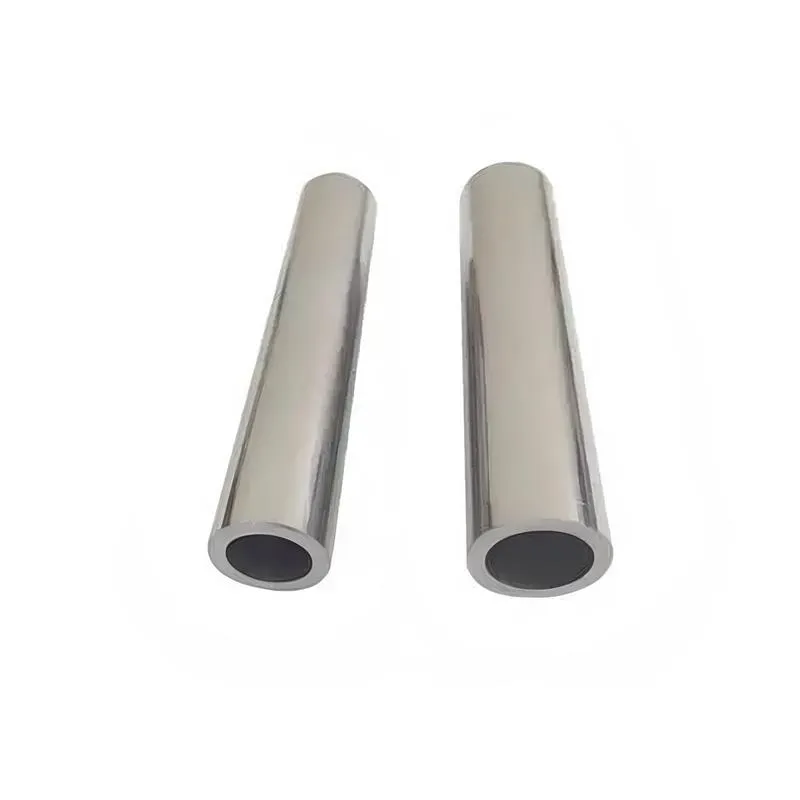
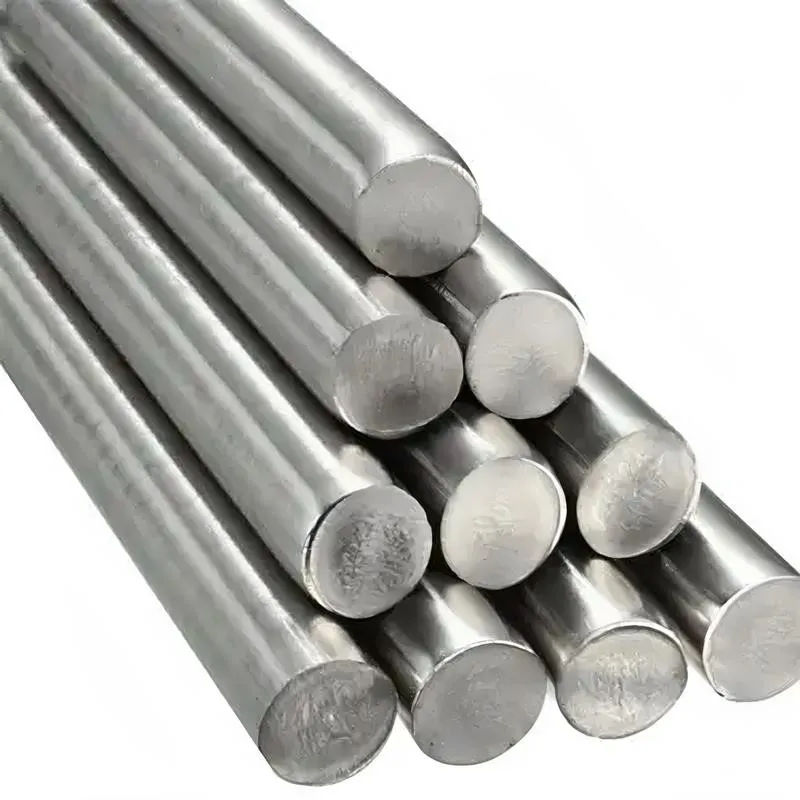
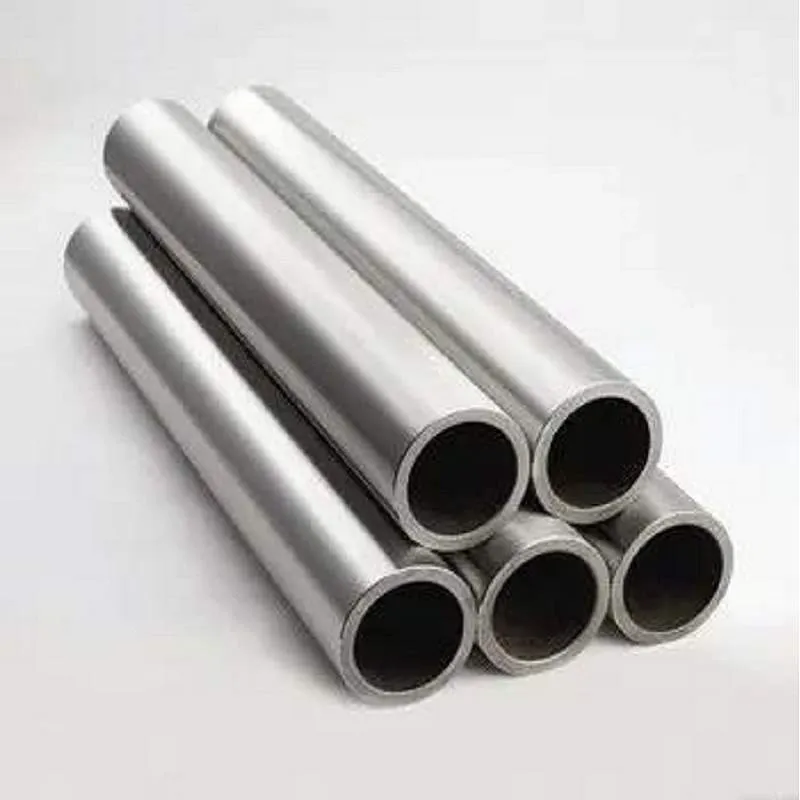
AISI Type W4 Water Hardening Tool Steel Tube,Pipe
Product Code : STI-GSTI-125-CU
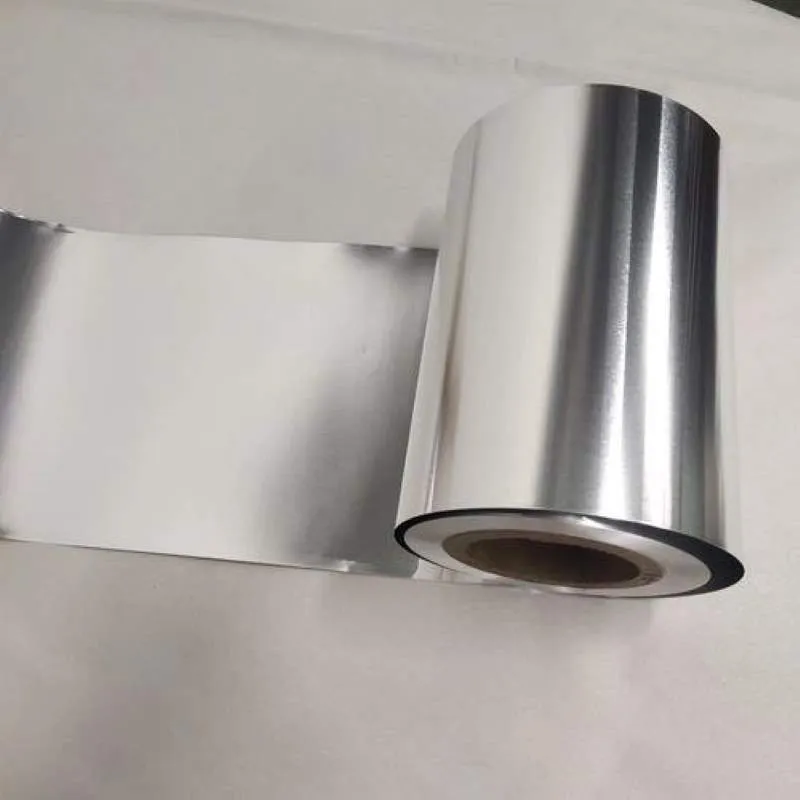
We provide AISI Type W4 Water Hardening Tool Steel Tube is available in Bar (Round bar, Flat bar), Ribbon, Wire, Rods, Tube,Seamless Tube,Pipe, Ingots, Plate, Sheet, Strip and Forging Stock.,Purity, chemical composition, size, etc. can all be customized to meet specific requirements.AISI Type W4 Water Hardening Tool Steel Pipe
Please contact us if you need customized services. We will contact you with the price and availability in 24 hours.
AISI Type W4 Water Hardening Tool Steel Tube Product Information
-:-
For detailed product information, please contact sales.
-:
AISI Type W4 Water Hardening Tool Steel Tube Synonyms
-:-
For detailed product information, please contact sales.
-:
AISI Type W4 Water Hardening Tool Steel Product Information
-:-
For detailed product information, please contact sales.
-:
# **Product Introduction: AISI Type W4 Water-Hardening Tool Steel (UNS T72304)**
## **Overview**
**AISI W4 (UNS T72304)** is a **chromium-modified, water-hardening tool steel** within the classic W-series. It represents a distinct evolutionary branch from the vanadium-modified W2/W3 grades, utilizing **chromium as the primary grain refiner and mild hardenability enhancer**. Designed to offer slightly better depth of hardening and improved wear characteristics compared to plain W1, W4 was developed for applications where a modest improvement in performance over basic carbon steel was needed, while still adhering to the simple, low-cost water-hardening process. However, like other W-series grades, its use has significantly declined in favor of more forgiving oil- and air-hardening steels.
## **1. Chemical Composition (Nominal %)**
W4 is distinguished by the intentional addition of chromium.
| Element | Content (%) | Primary Function |
|---------|------------|------------------|
| **Carbon (C)** | 0.90 - 1.10 (Typical) | Provides high hardness and basic wear resistance. |
| **Chromium (Cr)** | **0.40 - 0.60** | **Defining element.** Acts as a mild grain refiner, forms chromium carbides for slightly improved wear resistance, and provides a marginal increase in hardenability compared to W1. |
| **Manganese (Mn)** | 0.10 - 0.40 | Minimal contribution. |
| **Silicon (Si)** | 0.10 - 0.40 | Deoxidizer. |
| **Vanadium (V)** | ≤ 0.10 (Residual) | Not a primary alloy; may be present in traces. |
| **Sulfur (S)** | ≤ 0.025 | Impurity. |
| **Phosphorus (P)** | ≤ 0.025 | Impurity. |
| **Iron (Fe)** | Balance | Base metal. |
**Key Chemistry Note:** W4 employs a **chromium-based strengthening approach** rather than the vanadium approach of W2/W3. Chromium provides moderate carbide formation (Cr₇C₃) and slightly increases the steel's hardenability, allowing for a marginally deeper hardened case than W1. However, its grain-refining effect is less potent than vanadium. This composition positions W4 as a **moderate-performance water-hardening steel**, offering a balance between the simplicity of W1 and the enhanced properties of alloy tool steels, but without the dramatic grain refinement of vanadium-bearing grades.
## **2. Physical & Mechanical Properties**
*Typical properties in the hardened and tempered condition (~59-62 HRC).*
| Property | Typical Value / Condition |
|----------|--------------------------|
| **Density** | ~7.85 g/cm³ |
| **Melting Point** | ~1475°C (2690°F) |
| **Thermal Conductivity** | ~46 W/m·K |
| **Coefficient of Thermal Expansion** | 12.4 × 10⁻⁶/K (20-100°C) |
| **Modulus of Elasticity** | 210 GPa (30.5 × 10⁶ psi) |
| **Annealed Hardness** | 183-217 HB |
| **As-Quenched Hardness (Water)** | Up to **64-66 HRC**. |
| **Hardened & Tempered Hardness** | **59-62 HRC** (Standard working range). |
| **Tensile Strength (at 61 HRC)** | ~1900-2050 MPa (275-297 ksi) |
| **Impact Toughness** | **Moderate.** Similar to or slightly better than W1, but likely inferior to the finer-grained W3 at the same hardness. |
| **Wear Resistance** | **Good.** Better than W1 due to chromium carbides. |
| **Hardenability** | **Shallow, but marginally better than W1/W2/W3.** Chromium provides a slight increase in depth of hardening, though still limited to a few millimeters. |
| **Hot Hardness** | **Very Poor.** Softens rapidly above ~250°C (480°F). |
| **Machinability (Annealed)** | **Excellent.** |
| **Grindability** | Good. |
## **3. International Standards & Cross-References**
| Standard | Designation | Notes |
|----------|------------|-------|
| **UNS** | T72304 | |
| **AISI/ASTM (USA)** | W4 (ASTM A686) | |
| **ISO (International)** | **~C105Cr1** (ISO 4957) | Reflects carbon and low chromium content. |
| **DIN (Germany)** | No direct common equivalent. | |
| **JIS (Japan)** | **SKS1?** (Potential conceptual overlap with low-alloy tool steels). | Not a precise match. |
| **GB (China)** | No direct equivalent. | |
| **Common Name** | **Chromium Water-Hardening Steel** | |
## **4. Product Applications**
W4 was historically used for general-purpose tools requiring better wear life and slightly deeper hardening than W1 could provide, but where cost and heat treatment simplicity were still priorities.
**Primary Applications (Hardened to 60-62 HRC):**
* **General-Purpose Cutting Tools:** **Drills, taps, reamers, and milling cutters** for non-ferrous metals and soft steels.
* **Shear Blades and Knives:** For cutting paper, leather, textiles, and thin metal sheet.
* **Woodworking Tools:** **Chisels, plane blades, and auger bits.**
* **Forming Tools:** **Simple punches, dies, and bending tools** for low-volume work.
* **Hand Tools:** **Wrenches, sockets, and screwdrivers** requiring a hard wear surface.
## **5. Heat Treatment Guidelines**
Heat treatment follows standard water-hardening practice, with considerations for chromium's effect.
* **Annealing:** Heat to 770-800°C (1420-1470°F), slow furnace cool.
* **Hardening:**
1. **Preheating:** Recommended at 650-700°C (1200-1290°F).
2. **Austenitizing:** Heat to **800-830°C (1470-1525°F).** The chromium content allows for a slightly higher austenitizing temperature to ensure carbide solution without excessive grain growth. Soak for 10-15 min/inch.
3. **Quenching:** Quench **immediately in agitated water or brine.** The risk of distortion and cracking remains very high. Interrupted quench is recommended for complex shapes.
* **Tempering:**
* **Temper immediately.**
* Temper at **200-400°C (390-750°F)** to achieve desired hardness.
* Avoid the embrittlement zone (~250-350°C).
* Double tempering is beneficial.
## **6. Historical Context & Modern Obsolescence**
**W4 occupies a narrow historical niche** that has been largely erased by technological advancement.
* **Comparative Role:** It was positioned between **W1 (plain carbon)** and **O1 (oil-hardening, Cr-W alloy)**. For a user with only water-quenching facilities, W4 offered a modest upgrade over W1.
* **Why It's Obsolete:**
1. **The Rise of Oil-Hardening Steels:** The development and widespread adoption of grades like **O1** provided a **revolutionary improvement**. O1 could be oil-quenched (far less distortion/cracking), had **much deeper and more uniform hardenability**, and offered **better toughness and wear resistance**. The slight cost increase was easily justified by vastly improved tool performance, reliability, and lower scrap rates.
2. **Superior Alternatives:** For applications needing chromium's wear resistance, **A2 (air-hardening, 5% Cr)** became the superior choice, eliminating quench cracking risk entirely.
3. **Limited Advantage:** W4's marginal improvement over W1 did not solve the fundamental, severe drawbacks of water hardening.
**Modern Perspective:** **AISI W4 is functionally obsolete.** There is virtually no technical or economic case for specifying it in new tool designs. For any application where W4 might have been considered:
* For **general-purpose tools**, use **O1**.
* For **better wear resistance and stability**, use **A2**.
* For **simple, low-cost tools**, **W1 or W2** are sufficient and more common.
---
**Disclaimer:** This profile documents a largely historical grade. **AISI W4 is not recommended for new tooling projects.** Its heat treatment carries all the severe risks of water quenching with only minimal benefits over simpler W-series grades. The information is provided for educational completeness in understanding the evolution of tool steel technology. For practical applications, always select from modern, widely available oil- or air-hardening grades.
-:-
For detailed product information, please contact sales.
-:
AISI Type W4 Water Hardening Tool Steel Specification
Dimensions
Size:
Diameter 20-1000 mm Length <6781 mm
Size:We can customized as required
Standard:
Per your request or drawing
We can customized as required
Properties(Theoretical)
Chemical Composition
-:-
For detailed product information, please contact sales.
-:
AISI Type W4 Water Hardening Tool Steel Properties
-:-
For detailed product information, please contact sales.
-:
Applications of AISI Type W4 Water Hardening Tool Steel Tube
-:-
For detailed product information, please contact sales.
-:
Chemical Identifiers AISI Type W4 Water Hardening Tool Steel Tube
-:-
For detailed product information, please contact sales.
-:
Packing of AISI Type W4 Water Hardening Tool Steel Tube
-:-
For detailed product information, please contact sales.
-:
Standard Packing:
-:-
For detailed product information, please contact sales.
-:
Typical bulk packaging includes palletized plastic 5 gallon/25 kg. pails, fiber and Steel Tube drums to 1 ton super sacks in full container (FCL) or truck load (T/L) quantities. Research and sample quantities and hygroscopic, oxidizing or other air sensitive materials may be packaged under argon or vacuum. Solutions are packaged in polypropylene, plastic or glass jars up to palletized 3252 gallon liquid totes Special package is available on request. E FORUs’ is carefully handled to minimize damage during storage and transportation and to preserve the quality of our products in their original condition