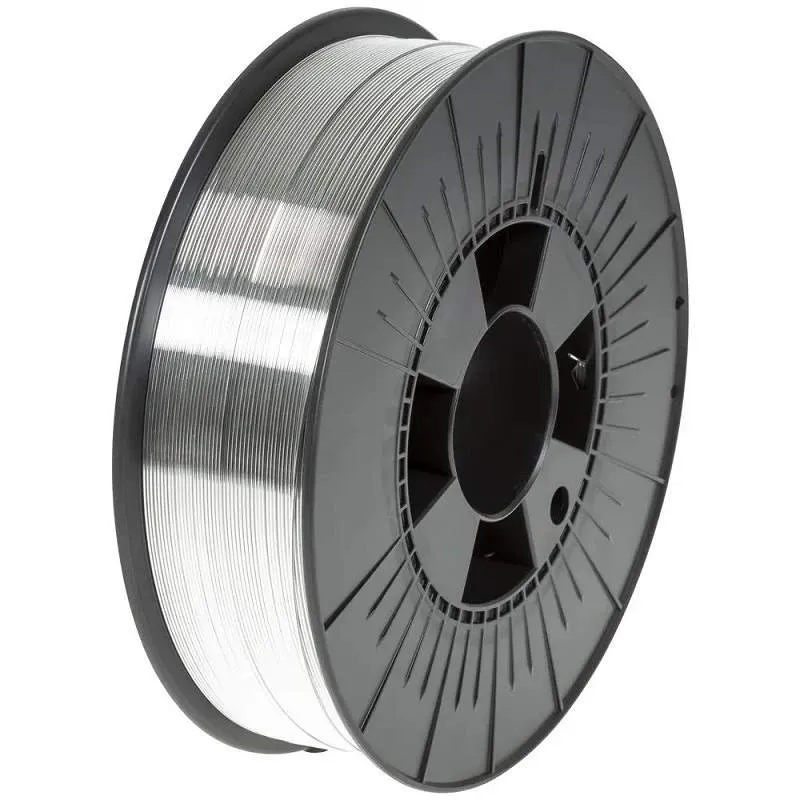
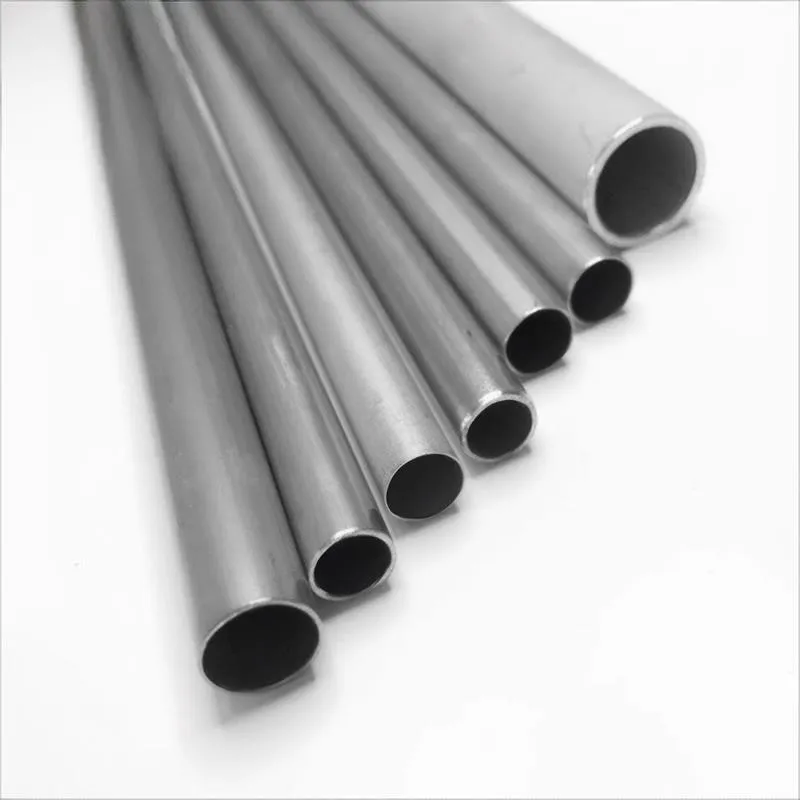
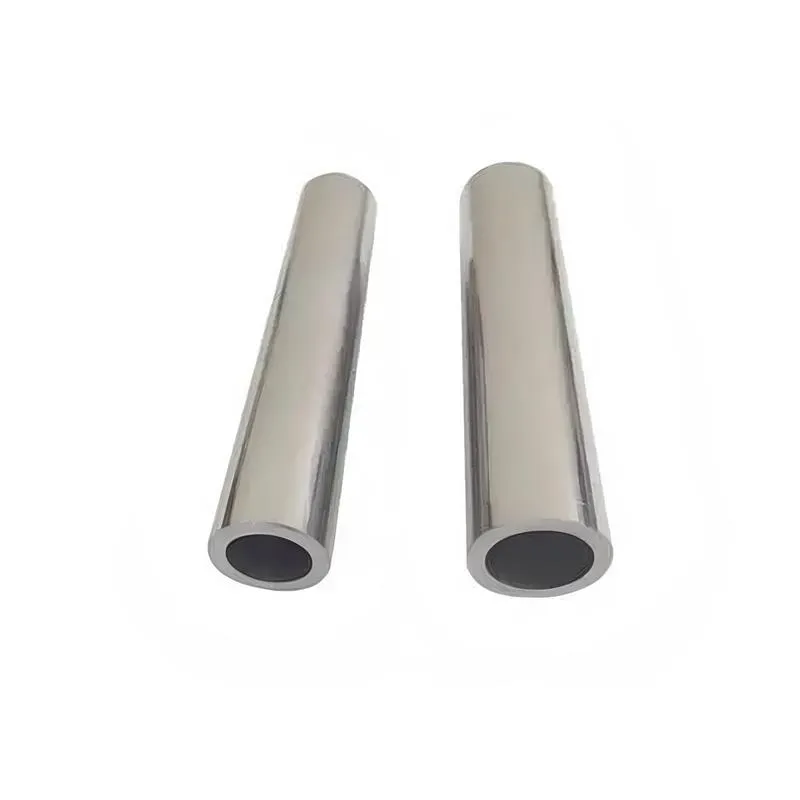
AISI Type W7 Water Hardening Tool Steel Wire
Product Code : STI-GSTI-128-CU
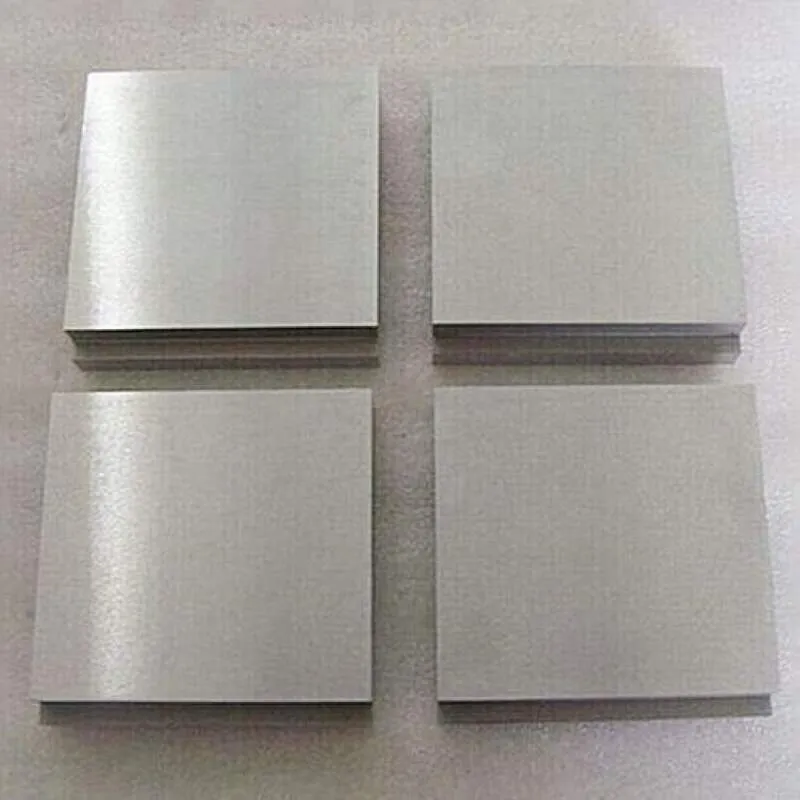
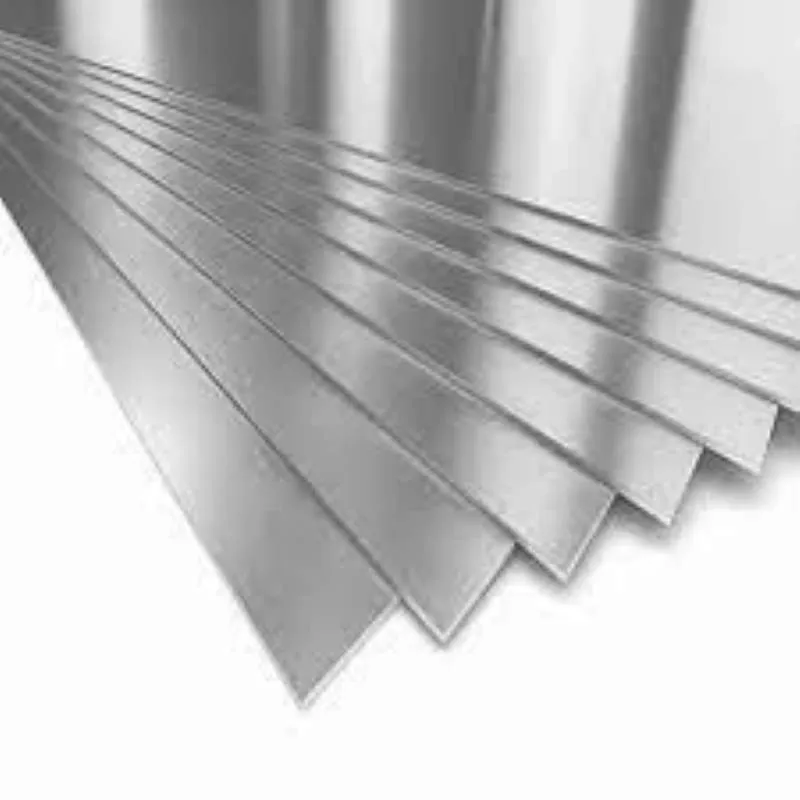
We provide AISI Type W7 Water Hardening Tool Steel Wire is available in Bar (Round bar, Flat bar), Ribbon, Wire, Rods, Tube,Seamless Tube,Pipe, Ingots, Plate, Sheet, Strip and Forging Stock.,Purity, chemical composition, size, etc. can all be customized to meet specific requirements.
Please contact us if you need customized services. We will contact you with the price and availability in 24 hours.
AISI Type W7 Water Hardening Tool Steel Wire Product Information
-:-
For detailed product information, please contact sales.
-:
AISI Type W7 Water Hardening Tool Steel Wire Synonyms
-:-
For detailed product information, please contact sales.
-:
AISI Type W7 Water Hardening Tool Steel Product Information
-:-
For detailed product information, please contact sales.
-:
# **Product Introduction: AISI Type W7 Water-Hardening Tool Steel (UNS T72307)**
## **Overview**
**AISI W7 (UNS T72307)** is an **obscure, high-carbon, chromium-modified water-hardening tool steel** within the historical W-series. Based on limited references, it appears to have been a variant designed to provide **slightly improved hardenability and wear resistance over plain carbon steels** through a **moderate chromium addition**, likely paired with a high carbon content. Like its counterparts (W4, W5, W6), W7 represents an evolutionary branch of the water-hardening family that attempted to address the limitations of plain carbon steel with simple alloying. However, it shared the fatal flaws of the entire series—severe quenching requirements, shallow hardenability, and high distortion risk—and was rendered obsolete by the advent of oil- and air-hardening steels. **W7 is not a standard grade in modern tool steel specifications.**
## **1. Historical Chemical Composition (Nominal %)**
Inferred from the W-series pattern and scant references.
| Element | Inferred Historical Content (%) | Primary Function |
|---------|--------------------------------|------------------|
| **Carbon (C)** | **~1.00 - 1.20** | High carbon content aimed at achieving good hardness and wear resistance. |
| **Chromium (Cr)** | **~0.50 - 0.80** | **Likely primary alloy.** Higher than W4, intended to provide better hardenability depth and form chromium carbides for wear improvement. |
| **Vanadium (V)** | ≤ 0.15 (Residual/Possible) | May have been present in trace amounts but not a defining feature. |
| **Manganese (Mn)** | ~0.20 - 0.40 | Supported hardenability. |
| **Silicon (Si)** | ~0.10 - 0.40 | Deoxidizer. |
| **Iron (Fe)** | Balance | Base metal. |
**Key Chemistry Note:** W7 seems to follow the **chromium-based strengthening path of W4, but with potentially higher levels of both carbon and chromium**. This would theoretically offer the **best hardenability among the chromium-modified W-grades** and improved wear resistance from chromium carbides. However, without potent grain refiners like vanadium in significant amounts (unlike W5), its toughness would be limited, and the high carbon would exacerbate quench cracking sensitivity. Its composition was likely an attempt to create a more "general-purpose" alloy water-hardening steel for slightly heavier sections or more demanding wear applications than W1 or W4 could handle.
## **2. Inferred Physical & Mechanical Properties**
*Inferred properties if properly heat treated and tempered.*
| Property | Estimated Typical Value / Condition |
|----------|-------------------------------------|
| **As-Quenched Hardness (Water)** | Up to **65-67 HRC**. |
| **Tempered Hardness (Working)** | **60-63 HRC** (with appropriate temper). |
| **Hardenability** | **Shallow, but better than W1.** The chromium addition would provide a modest increase in hardening depth, possibly effective for sections up to ~15-20mm (0.6-0.8 in) diameter. |
| **Wear Resistance** | **Good.** Enhanced by chromium carbides over plain carbon steels. |
| **Toughness** | **Low to Moderate.** The high carbon content and lack of strong grain refiners would result in brittleness, though chromium provides some toughness benefit over plain carbon. |
| **Hot Hardness** | **Very Poor.** |
| **Primary Historical Niche** | Tools requiring **better wear life and slightly deeper hardening than W1/W4**, but where water-quenching facilities were the only option. |
## **3. Historical & Approximate Cross-References**
An extremely obscure grade with no active equivalents.
| Standard / Era | Context | Notes |
|----------------|---------|-------|
| **Historical AISI** | W7 | Obsolete designation. |
| **Modern AISI/ASTM** | **Not a standard active grade.** | |
| **Conceptual Predecessor** | **W4** | W7 was likely a higher-carbon, higher-chromium version. |
| **Conceptual Successor** | **O1, O2 (Oil-Hardening)** | Offered all of W7's intended benefits without the water-quenching drawbacks. |
| **Common Description** | **Medium-Chromium, High-Carbon Water-Hardening Steel** | |
## **4. Historical & Potential Applications**
Given its inferred properties, W7 might have been used for:
* **Heavier-section hand tools** where deeper hardening was beneficial.
* **Machine cutting tools** (drills, reamers) for soft metals.
* **Wear parts and guides** in machinery.
* **Forming tools and punches** for low-to-medium production runs.
## **5. Why It is Obsolete: The Inescapable Limitation**
W7, like all W-series grades beyond W1, represents an attempt to **polish a fundamentally flawed technology**. The addition of chromium could not solve the core problems:
1. **Water Quench Imperative:** The requirement for a violent water or brine quench remained, carrying an **unacceptably high risk of distortion, warping, and cracking**, especially in tools with complex geometries or section changes. This made precision tooling unreliable and scrap rates high.
2. **Inadequate Hardenability:** Even with chromium, the hardenability was profoundly insufficient compared to oil-hardening steels. Through-hardening of anything but small sections was impossible.
3. **The Oil-Hardening Revolution:** The development and mass adoption of **AISI O1 oil-hardening steel** in the early 20th century made W7 and its siblings obsolete. O1 contained similar alloying elements (Cr, W, V) but was formulated to harden in **oil**.
* **Oil Quenching:** Dramatically reduced stress, distortion, and cracking.
* **Deeper, More Uniform Hardenability:** Allowed through-hardening of much larger sections.
* **Better Toughness:** More consistent microstructure.
* **Result:** O1 could do **everything W7 was meant to do, but better, more reliably, and with fewer failed parts.**
**Modern Perspective:** There is **zero technical or economic justification** for specifying or reviving AISI W7. It is a **historical footnote** in the transition from water- to oil-hardening technology. For any application where W7 might have been considered, the correct modern choices are:
* **AISI O1:** For general tooling, excellent balance of properties.
* **AISI O2:** For applications requiring good machinability and stability.
* **AISI A2:** For superior dimensional stability and wear resistance.
## **6. Conclusion**
**AISI W7 exemplifies a technological cul-de-sac.** It was a competent but ultimately futile attempt to enhance a tool steel process (water hardening) that was inherently unsuitable for precision, reliable manufacturing. Its complete disappearance from standards and commerce is a direct result of the overwhelming superiority of oil- and air-hardening technologies. Studying W7 helps illustrate **why** the tool steel industry underwent a fundamental shift away from water quenching, a shift that enabled the mass production of complex, reliable, and high-performance tools.
---
**Disclaimer:** **AISI W7 is not a commercially available or standardized tool steel.** This profile is based on limited historical inference and is provided **solely for educational and historical context**. No material should be procured or specified as "AISI W7" for any practical tooling application. For all real-world tooling needs, use actively standardized grades such as **O1, A2, D2, S7**, etc., which have well-defined properties, reliable supply chains, and proven performance.
-:-
For detailed product information, please contact sales.
-:
AISI Type W7 Water Hardening Tool Steel Specification
Dimensions
Size:
Diameter 20-1000 mm Length <6784 mm
Size:We can customized as required
Standard:
Per your request or drawing
We can customized as required
Properties(Theoretical)
Chemical Composition
-:-
For detailed product information, please contact sales.
-:
AISI Type W7 Water Hardening Tool Steel Properties
-:-
For detailed product information, please contact sales.
-:
Applications of AISI Type W7 Water Hardening Tool Steel Wire
-:-
For detailed product information, please contact sales.
-:
Chemical Identifiers AISI Type W7 Water Hardening Tool Steel Wire
-:-
For detailed product information, please contact sales.
-:
Packing of AISI Type W7 Water Hardening Tool Steel Wire
-:-
For detailed product information, please contact sales.
-:
Standard Packing:
-:-
For detailed product information, please contact sales.
-:
Typical bulk packaging includes palletized plastic 5 gallon/25 kg. pails, fiber and Steel Wire drums to 1 ton super sacks in full container (FCL) or truck load (T/L) quantities. Research and sample quantities and hygroscopic, oxidizing or other air sensitive materials may be packaged under argon or vacuum. Solutions are packaged in polypropylene, plastic or glass jars up to palletized 3255 gallon liquid totes Special package is available on request. E FORUs’ is carefully handled to minimize damage during storage and transportation and to preserve the quality of our products in their original condition