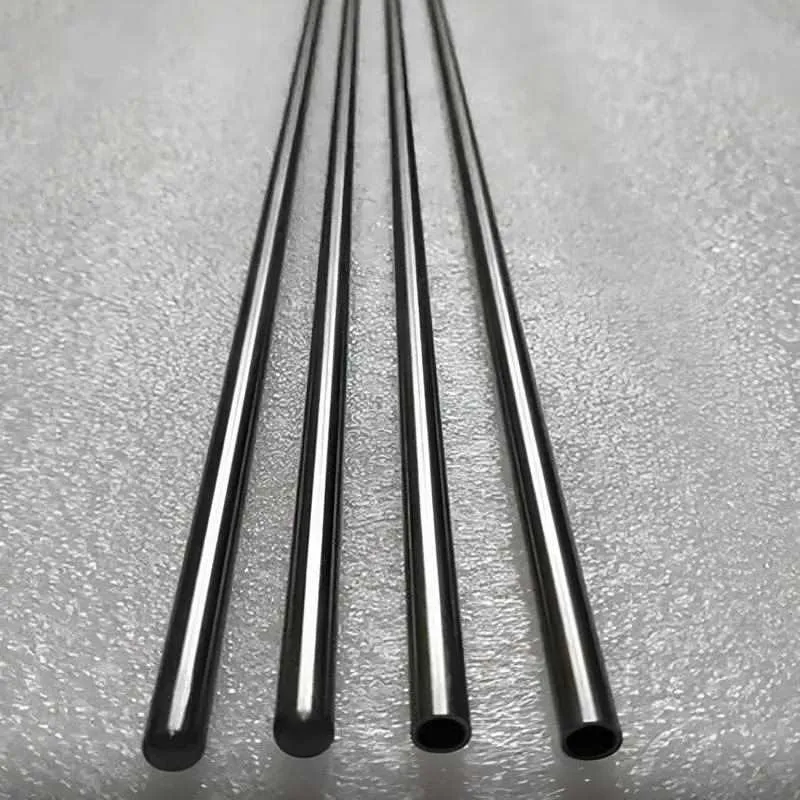
Assab Steel Rod/Bars, ASP 30 Cold Work Steel Rod/Bar
Product Code : STI-GSTI-196-CU
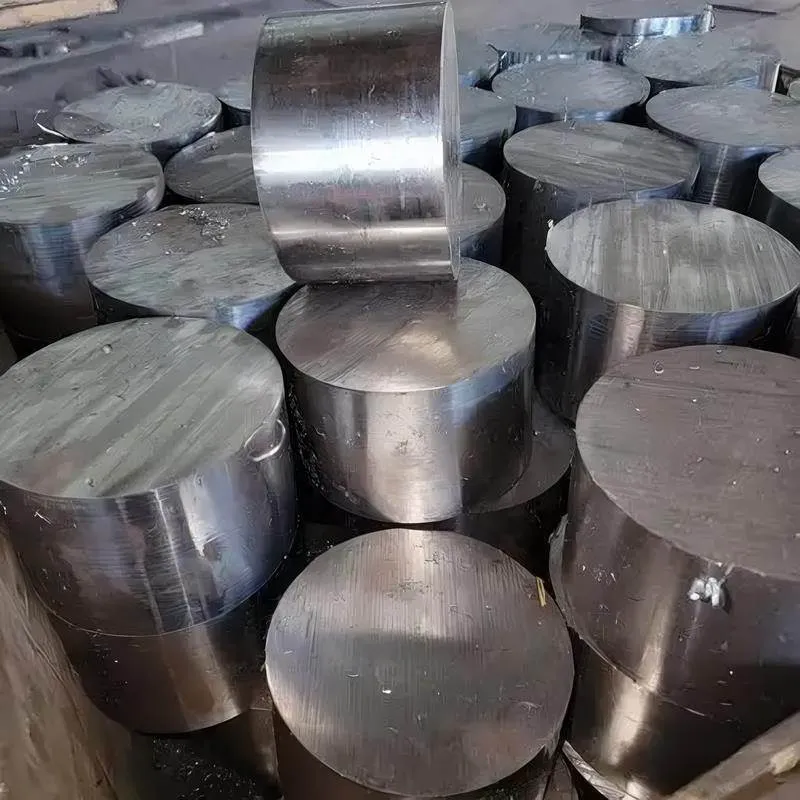
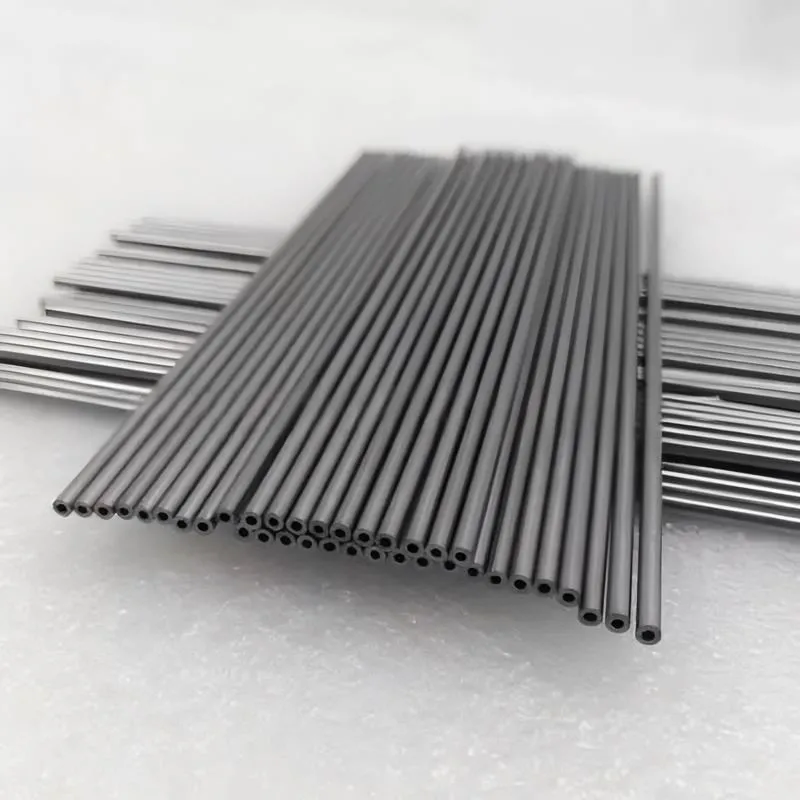
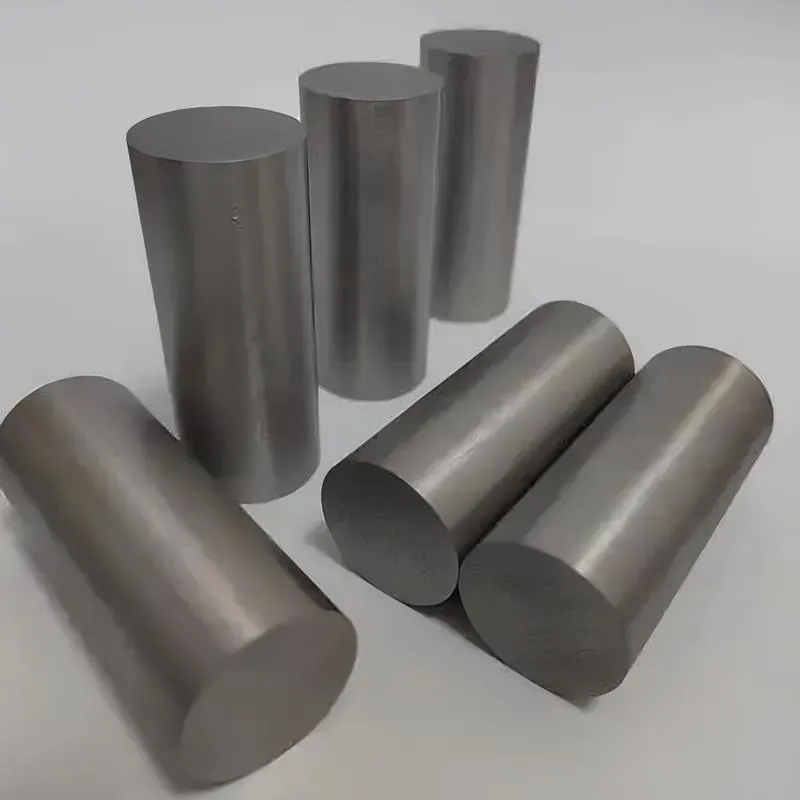
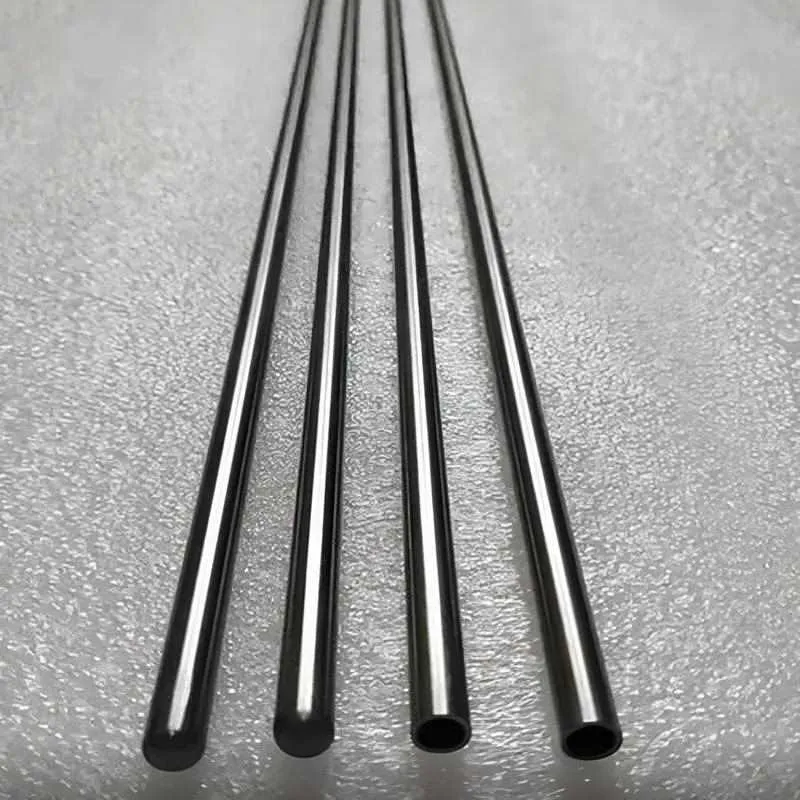
We provide Assab Steel Rod/Bars ASP 30 Cold Work Steel Rod/Bar is available in Bar (Round bar, Flat bar), Ribbon, Wire, Rod/Bars, Tube,Seamless Tube,Pipe, Ingots, Plate, Sheet, Strip and Forging Stock.,Purity, chemical composition, size, etc. can all be customized to meet specific requirements.
Please contact us if you need customized services. We will contact you with the price and availability in 24 hours.
Assab Steel Rods ASP 30 Cold Work Steel Rod Product Information
-:-
For detailed product information, please contact sales.
-:
Assab Steel Rods ASP 30 Cold Work Steel Rod Synonyms
-:-
For detailed product information, please contact sales.
-:
Assab Steels ASP 30 Cold Work Steel Product Information
-:-
For detailed product information, please contact sales.
-:
# **Product Datasheet: Assab Steels ASP 30 Cobalt-Enhanced Powder Metallurgy High-Speed Cold Work Steel**
## **Product Overview**
**Assab Steels ASP 30** is a premium **cobalt-enhanced powder metallurgy (PM) high-speed cold work steel** engineered to deliver exceptional **hot hardness, wear resistance, and cutting performance** under demanding conditions. As a member of the renowned ASP (Always Superior Performance) series, ASP 30 builds upon the foundation of ASP 23 by incorporating **8.5% cobalt**, significantly enhancing its red hardness and high-temperature stability. This makes it particularly suitable for applications involving high cutting speeds, elevated temperatures, or difficult-to-machine materials.
## **Key Characteristics & Advantages**
- **Superior Hot Hardness (Red Hardness):** Maintains high hardness at elevated temperatures (up to ~600°C/1110°F)
- **Excellent Wear Resistance:** High vanadium content provides outstanding abrasion resistance
- **Enhanced Cutting Performance:** Cobalt addition improves cutting edge stability and resistance to thermal softening
- **Good Toughness:** Balanced alloy design maintains adequate impact resistance despite high hardness
- **Superior Grindability:** PM microstructure enables easier grinding than equivalent ingot-cast cobalt HSS
- **Excellent Dimensional Stability:** Minimal and predictable heat treatment distortion
- **Uniform Properties:** Consistent performance throughout material cross-section
- **Good Polishability:** Capable of achieving very fine surface finishes
## **Standard Specifications & International Designations**
| **Standard** | **Designation** | **Notes** |
|--------------|-----------------|-----------|
| **Assab/Uddeholm** | **ASP 30** | Primary designation |
| **Manufacturing Process** | **Powder Metallurgy (ASP Process)** | Gas atomized, HIP consolidated |
| **AISI/ASTM Equivalent** | **~M35 (PM Enhanced Version)** | Superior to conventional M35 due to PM process |
| **DIN/EN Equivalent** | **~1.3246 (Enhanced)** | Cobalt high-speed steel |
| **ISO Classification** | **HS6-5-3-8 (PM)** | ISO 4957 designation for similar composition |
| **Material Category** | **PM Cobalt High-Speed Steel** | Cold work & high-speed applications |
| **UNS** | **T11350 (Modified)** | Cobalt HSS classification |
## **Chemical Composition (Typical, Weight %)**
| Element | Content (%) | Primary Function | Metallurgical Benefit |
|---------|-------------|------------------|------------------------|
| **Carbon (C)** | 1.27-1.37 | Carbide formation & matrix hardening | Ensures high hardness & wear resistance |
| **Chromium (Cr)** | 4.00-4.50 | Hardenability & corrosion resistance | Improves hardenability & moderate corrosion resistance |
| **Molybdenum (Mo)** | 4.80-5.30 | Secondary hardening & hot strength | Enhances tempering resistance & hot hardness |
| **Vanadium (V)** | 3.00-3.50 | Primary MC carbide formation | Provides exceptional wear resistance |
| **Tungsten (W)** | 6.20-6.70 | Solid solution strengthening & hot hardness | Increases red hardness & cutting performance |
| **Cobalt (Co)** | 8.20-8.70 | Matrix strengthening & hot hardness | Significantly improves high-temperature hardness |
| **Silicon (Si)** | 0.30-0.50 | Deoxidizer & solid solution strengthener | Improves cleanliness & matrix strength |
| **Manganese (Mn)** | 0.20-0.40 | Hardenability improvement | Aids in processing stability |
| **Iron (Fe)** | **Balance** | Matrix material | Structural base |
***Special Note:** The strategic addition of **8.5% cobalt** distinguishes ASP 30 from standard high-speed steels, providing significantly improved hot hardness while maintaining good toughness through the powder metallurgy manufacturing process.*
## **Microstructural Characteristics**
| Feature | Specification | Benefit |
|---------|---------------|---------|
| **Primary Carbides** | **Fine MC (Vanadium) carbides** (1-3 μm) | Extreme wear resistance |
| **Secondary Carbides** | **M₆C (Tungsten/Molybdenum) & M₇C₃ (Chromium)** | Hot hardness & secondary hardening |
| **Carbide Distribution** | **Uniform throughout matrix** (PM advantage) | Consistent properties, no segregation |
| **Carbide Volume Fraction** | **~10-12%** | Optimal balance of wear resistance & toughness |
| **Matrix Structure** | **Fine tempered martensite** | High strength & good toughness |
| **Grain Size** | **ASTM 10-12 (Ultra-fine)** | Enhanced mechanical properties |
| **Inclusion Content** | **ASTM E45 ≤ 0.5 (Very clean)** | Improved fatigue resistance & reliability |
## **Typical Heat Treatment Protocol**
### **1. Soft Annealing**
- **Temperature:** **850-880°C (1560-1615°F)**
- **Atmosphere:** Protective or vacuum recommended
- **Cooling Cycle:** Slow furnace cool at **15-20°C/hour** to 600°C, then air cool
- **Annealed Hardness:** **240-280 HB**
- **Microstructure:** Fine, uniformly spheroidized carbides in ferritic matrix
### **2. Stress Relieving**
- **Temperature:** **600-650°C (1110-1200°F)**
- **Application Timing:** After rough machining, before final hardening
- **Duration:** **2 hours per 25 mm** of thickness minimum
- **Purpose:** Relieves machining stresses, minimizes distortion
### **3. Hardening Cycle**
| Step | Temperature Range | Purpose | Critical Parameters |
|------|------------------|---------|---------------------|
| **Preheating 1** | **450-500°C (840-930°F)** | Minimizes thermal shock | Slow heating rate: 10-15°C/min |
| **Preheating 2** | **800-850°C (1470-1560°F)** | Reduces thermal gradient | Hold time: 15-30 min |
| **Austenitizing** | **1170-1210°C (2140-2210°F)** | **Critical step for optimal properties** | Temperature control: ±5°C required |
| **Soaking Time** | **2-4 minutes per mm** | Complete solutionizing | Section-dependent: 20-60 min typical |
| **Quenching** | **Salt bath (500-550°C) → Air** | Most common method | Alternative: High-pressure gas (6-10 bar) |
***Austenitizing Temperature Guidelines:***
- **Standard Applications:** **1190-1200°C (2175-2190°F)**
- **Maximum Wear Resistance:** **1200-1210°C (2190-2210°F)**
- **Enhanced Toughness:** **1170-1180°C (2140-2155°F)**
### **4. Tempering Protocol**
| Parameter | Specification | Notes |
|-----------|---------------|-------|
| **Timing** | **Immediate** (upon reaching 40-60°C/105-140°F) | Prevents cracking |
| **Cycles** | **Minimum triple tempering** | Essential for PM steels |
| **Temperature Range** | **550-590°C (1020-1095°F)** | Standard: 560-580°C |
| **Duration per Cycle** | **2 hours minimum** | 1 hour per 25 mm thickness |
| **Cooling Between Cycles** | **Air cool to room temperature** | Complete transformation |
| **Final Hardness** | **65-67 HRC** (at 560°C temper) | Can be adjusted via tempering temperature |
### **5. Optional Cryogenic Treatment**
- **Temperature:** **-70°C to -80°C (-95°F to -110°F)**
- **Duration:** **2-4 hours**
- **Application:** After quenching, before first temper
- **Benefits:** Reduces retained austenite, improves dimensional stability
- **Recommendation:** For highest precision applications
## **Physical Properties**
| Property | Value | Unit | Test Conditions | Significance |
|----------|-------|------|-----------------|--------------|
| **Density** | 8.15 | g/cm³ | At 20°C | Important for inertial calculations |
| **Modulus of Elasticity** | 235 | GPa | At 20°C | Stiffness & deflection characteristics |
| **Thermal Expansion Coefficient** | 10.6 | ×10⁻⁶/K | 20-100°C | Predicts dimensional changes with temperature |
| **Thermal Conductivity** | 21.0 | W/(m·K) | At 20°C | Heat dissipation capability |
| **Specific Heat Capacity** | 425 | J/(kg·K) | At 20°C | Thermal energy absorption |
| **Magnetic Properties** | Ferromagnetic | - | Below Curie point (~750°C) | Affects machining & inspection |
## **Mechanical Properties**
### **Standard Condition (1200°C Austenitize / 560°C×3 Temper)**
| Property | Value Range | Unit | Test Standard | Application Significance |
|----------|-------------|------|---------------|--------------------------|
| **Hardness** | **65-67** | HRC | ISO 6508 | Primary wear & strength indicator |
| **Compressive Strength** | **3,600-3,900** | MPa | ISO 3785 | Critical for forming & cutting tools |
| **Transverse Rupture Strength** | **4,200-4,700** | MPa | ISO 3325 | Resistance to bending/fracture |
| **Yield Strength (0.2%)** | **3,300-3,600** | MPa | ISO 6892 | Load-bearing capacity |
| **Impact Toughness (Charpy V)** | **30-45** | J | ISO 148 | Resistance to chipping & fracture |
| **Red Hardness (after 600°C/1h)** | **62-64** | HRC | Special test | **Key advantage:** maintains hardness at temperature |
| **Fracture Toughness (K_IC)** | **18-24** | MPa√m | ASTM E399 | Crack propagation resistance |
### **Wear Performance Comparison (Relative Values)**
| Comparison Material | Abrasive Wear Resistance | Adhesive Wear Resistance | High-Temperature Wear |
|---------------------|--------------------------|---------------------------|------------------------|
| **Conventional M2 HSS** | 60-70% | 65-75% | 50-60% |
| **Conventional M35 (Co HSS)** | 80-85% | 85-90% | 75-80% |
| **ASP 23 (PM HSS)** | 95-100% | 95-100% | 80-85% |
| **ASP 30 (This Material)** | **100% (Baseline)** | **100% (Baseline)** | **100% (Baseline)** |
| **Carbide Inserts** | 150-200% | 120-150% | 180-250% |
### **High-Temperature Performance Data**
| Temperature | Hardness Retention | Application Implication |
|-------------|-------------------|-------------------------|
| **20°C (68°F)** | 100% (66 HRC) | Room temperature baseline |
| **400°C (750°F)** | 92-94% (61-62 HRC) | Maintains cutting capability |
| **500°C (930°F)** | 85-88% (56-58 HRC) | Still effective for many operations |
| **600°C (1110°F)** | 75-80% (50-53 HRC) | **Superior to non-cobalt HSS** |
| **700°C (1290°F)** | 50-60% (33-40 HRC) | Beyond typical operating range |
## **Primary Applications**
### **A. High-Performance Cutting Tools**
#### **Metal Cutting Applications:**
- **Gear Manufacturing Tools:** Hobs, shaper cutters, shaving tools for hardened gears
- **Broaching Tools:** Internal/external broaches for high-strength materials
- **Milling Cutters:** End mills, face mills, slotting cutters for difficult materials
- **Turning Tools:** For high-temperature alloys, tool steels, hardened materials
- **Thread Cutting:** Taps, dies, thread mills for high-strength fasteners
- **Saw Blades & Bandsaws:** For cutting high-temperature alloys
#### **Specialized Cutting Applications:**
- **Aerospace Materials:** Titanium, Inconel, Waspaloy, other superalloys
- **Tool Steel Machining:** Machining of hardened tool steels (45-55 HRC)
- **High-Speed Machining:** Applications requiring high cutting speeds
- **Dry Machining:** Where coolant cannot be used effectively
### **B. Forming & Stamping Tools**
- **Cold Forming Dies:** For high-strength materials requiring elevated temperatures
- **Thread Rolling Dies:** For premium fasteners & high-temperature materials
- **Extrusion Tools:** For non-ferrous alloys requiring high tool temperatures
- **Fineblanking Punches:** For progressive dies in challenging materials
- **High-Speed Stamping:** Where tool heating is significant
### **C. Plastic & Composite Processing**
- **Injection Molds:** For high-temperature engineering plastics
- **Extrusion Dies:** For filled polymers requiring wear resistance
- **Hot Runner Components:** Nozzles, tips, manifolds
- **Compression Molds:** For high-temperature composites
### **D. Special Industrial Applications**
- **Wear Parts:** Operating at elevated temperatures
- **Machine Components:** Requiring hot hardness & wear resistance
- **Precision Components:** Needing dimensional stability at temperature
- **Specialty Tools:** For unique high-temperature applications
## **Processing Guidelines**
### **1. Machining Operations**
| Operation | Tool Recommendation | Cutting Parameters | Notes |
|-----------|---------------------|-------------------|-------|
| **Turning** | **Carbide (P20-P40 grade)** | Speed: **25-45 m/min**
Feed: **0.15-0.30 mm/rev**
Depth: **2-5 mm** | Use positive rake angles |
| **Milling** | **Carbide or CBN** | Speed: **60-100 m/min**
Feed/tooth: **0.08-0.20 mm**
Radial engagement: **30-50%** | High-pressure coolant beneficial |
| **Drilling** | **Carbide drills** | Speed: **15-25 m/min**
Feed: **0.08-0.15 mm/rev** | Peck drilling recommended |
| **Grinding Prep** | **Conventional abrasive** | Stock removal: **0.10-0.30 mm** per side | Leave sufficient stock for finish grind |
### **2. Grinding Operations**
#### **Wheel Selection:**
- **Rough Grinding:** Aluminum oxide (A46-JV)
- **Finish Grinding:** CBN or diamond wheels
- **Superfinishing:** Resin-bonded fine grit wheels
#### **Optimal Parameters:**
| Parameter | Rough Grinding | Finish Grinding | Superfinishing |
|-----------|---------------|-----------------|----------------|
| **Wheel Speed** | 25-30 m/s | 20-25 m/s | 15-20 m/s |
| **Work Speed** | 15-25 m/min | 10-20 m/min | 5-15 m/min |
| **Infeed** | 0.010-0.020 mm | 0.002-0.008 mm | 0.001-0.003 mm |
| **Crossfeed** | 2-5 mm/pass | 0.5-2 mm/pass | 0.1-0.5 mm/pass |
| **Coolant** | **Essential** | **Critical** | **Mandatory** |
#### **Surface Finish Capability:**
- **Standard Grinding:** Ra 0.4-0.8 μm
- **Precision Grinding:** Ra 0.1-0.2 μm
- **Superfinishing:** Ra < 0.05 μm achievable
### **3. Electrical Discharge Machining (EDM)**
- **Suitability:** **Good** with proper settings
- **Recommended Settings:** Fine to very fine finish settings
- **Wire EDM:** Brass wire (0.1-0.3 mm), optimized flushing
- **Sinker EDM:** Graphite or copper electrodes, multiple skims
- **Post-EDM Treatment:** **Mandatory** - Stress relieve at 180-200°C, remove white layer
### **4. Welding & Repair**
- **General Recommendation:** **Avoid if possible**
- **If Essential:** Requires specialized procedure
- **Preheat:** 400-450°C minimum
- **Electrodes:** Matching composition or austenitic stainless
- **Post-Weld:** Full re-hardening cycle required
- **Alternatives:** Mechanical repair, replacement inserts, brazing
### **5. Surface Treatments**
#### **PVD Coatings:**
- **Excellent Substrate** for advanced coatings
- **Recommended Coatings:** TiAlN, AlCrN, TiSiN, AlTiN
- **Coating Thickness:** 2-5 μm optimal
- **Application Temperature:** <500°C to avoid tempering
#### **Other Treatments:**
- **Nitriding:** Possible but may reduce surface toughness
- **Oxidation:** Black oxide for appearance & mild corrosion resistance
- **Polishing:** Excellent results with diamond compounds
## **Quality Assurance Standards**
### **Material Certification**
| Certificate Type | Content | Standard |
|------------------|---------|----------|
| **3.1 Material Certificate** | Full chemical analysis, mechanical properties | EN 10204 |
| **Microcleanliness Report** | Inclusion rating per ASTM E45 | Digital image analysis |
| **Ultrasonic Test Report** | Internal soundness verification | ASTM E588 / EN 10308 |
| **Dimensional Report** | Actual measured dimensions | Customer specifications |
| **Heat Treatment Certificate** | When supplied hardened & tempered | Process records |
### **Available Forms & Dimensions**
| Product Form | Standard Size Range | Standard Tolerance | Surface Condition |
|-------------|-------------------|-------------------|-------------------|
| **Round Bars** | Ø10-250 mm | h11 (ground) | Ground, Ra 0.8-1.6 μm |
| **Flat Bars** | 10-200 mm thick × 50-600 mm wide | ±0.1 mm thickness | Ground, decarb-free |
| **Forged Blocks** | Up to 500×500×300 mm | ±1.0 mm | Rough machined surfaces |
| **Pre-machined Blanks** | Custom dimensions | ±0.2 mm | Semi-finished condition |
| **Heat Treated Blanks** | Various sizes | As per drawing | Hardened & tempered to specification |
## **Comparative Performance Analysis**
### **Performance Matrix vs. Competing Materials**
| Property / Material | ASP 30 | ASP 23 | Conventional M35 | Carbide Inserts |
|--------------------|--------|--------|------------------|-----------------|
| **Room Temp Hardness** | Excellent | Excellent | Very Good | Superior |
| **Hot Hardness** | **Best** | Very Good | Good | **Best** |
| **Toughness** | Good | Very Good | Fair | Poor |
| **Wear Resistance** | Excellent | Excellent | Very Good | **Best** |
| **Grindability** | Very Good | Very Good | Fair | N/A |
| **Cost** | High | Medium-High | Medium | Low-High (depends) |
| **Application Range** | High-temp cutting | General HSS applications | General HSS with Co | High-speed, high-wear |
### **Economic Justification Factors**
| Consideration | Impact | Typical Outcome |
|---------------|---------|-----------------|
| **Initial Material Cost** | 2-3× conventional HSS | Higher capital investment |
| **Tool Life** | 3-8× conventional HSS | Reduced tooling cost per part |
| **Productivity** | 20-50% higher speeds possible | Increased production output |
| **Quality Consistency** | More consistent performance | Reduced scrap & rework |
| **Downtime** | Fewer tool changes | Higher machine utilization |
| **Total Cost of Ownership** | **Typically lower** in demanding applications | Justifies premium initial cost |
## **Application Engineering Guidelines**
### **Selection Criteria for ASP 30**
*Use ASP 30 when:*
1. **Operating temperatures exceed 400°C (750°F)**
2. **Cutting difficult-to-machine materials** (superalloys, hardened steels)
3. **High cutting speeds** are required
4. **Dry or minimum lubrication** machining is necessary
5. **Tool failure mode** is thermal softening rather than mechanical failure
*Consider alternatives when:*
1. **Room temperature applications only**
2. **Maximum toughness** is primary requirement
3. **Cost sensitivity** outweighs performance benefits
4. **Simpler heat treatment** is required
5. **Thin, complex geometries** where toughness is critical
### **Design Optimization Recommendations**
1. **Edge Preparation:** Consider honed or chamfered edges to prevent chipping
2. **Stress Concentrations:** Minimum R3 radius on internal corners
3. **Section Transitions:** Gradual changes in cross-section
4. **Surface Finish:** Specify based on application requirements
5. **Coating Requirements:** Design for optimal coating application
### **Maintenance & Regrinding Protocol**
1. **Regular Inspection:** Monitor for thermal cracks, edge wear
2. **Regrinding Schedule:** Before catastrophic failure occurs
3. **Grinding Amount:** Minimum material removal to restore edge
4. **Recoating Decision:** Evaluate after each regrinding cycle
5. **Documentation:** Maintain complete tool history
## **Technical Support Services**
### **Available Support from Assab/Uddeholm**
| Service | Description | Availability |
|---------|-------------|--------------|
| **Application Engineering** | Tool design optimization, material selection | Standard |
| **Heat Treatment Consulting** | Customized cycles for specific applications | Standard |
| **Failure Analysis** | Root cause investigation & corrective actions | Advanced service |
| **Performance Testing** | Application-specific validation testing | Advanced service |
| **Processing Training** | Workshops on machining, grinding, EDM | Periodic |
| **Technical Documentation** | Detailed guides, datasheets, application notes | Always available |
### **Documentation Provided**
- **Material Certificates:** 3.1 according to EN 10204
- **Safety Data Sheets:** Handling, storage, safety information
- **Processing Guidelines:** Detailed heat treatment & machining instructions
- **Application Case Studies:** Real-world performance examples
- **Technical Bulletins:** Updates on new developments & best practices
---
## **Critical Technical Advisory**
### **Important Considerations:**
1. **Heat Treatment Sensitivity:** ASP 30 requires precise temperature control (±5°C) during austenitizing
2. **Triple Tempering Mandatory:** Do not skip or reduce tempering cycles
3. **Grinding Burns:** Highly susceptible to thermal damage during grinding
4. **Cobalt Content:** Provides hot hardness but may reduce machinability slightly
5. **Cost-Benefit Analysis:** Justified primarily in high-temperature or demanding applications
### **Safety & Handling:**
- **Hardened Material:** Handle with care to prevent chipping or breakage
- **Grinding Dust:** Use appropriate dust collection (contains cobalt)
- **Heat Treatment:** Follow all furnace safety procedures
- **Storage:** Protect from corrosion in humid environments
### **Disclaimer:**
*This technical information is provided for reference purposes. Actual performance may vary based on specific processing conditions, tool design, and application parameters. For critical applications, always consult with Assab technical representatives and conduct application-specific testing. The manufacturer reserves the right to modify specifications without prior notice. Always refer to the latest technical documentation and safety guidelines.*
---
**For further technical assistance, contact Assab Steel Technical Service Department.**
-:-
For detailed product information, please contact sales.
-:
Assab Steels ASP 30 Cold Work Steel Specification
Dimensions
Size:
Diameter 20-1000 mm Length <6852 mm
Size:We can customized as required
Standard:
Per your request or drawing
We can customized as required
Properties(Theoretical)
Chemical Composition
-:-
For detailed product information, please contact sales.
-:
Assab Steels ASP 30 Cold Work Steel Properties
-:-
For detailed product information, please contact sales.
-:
Applications of Assab Steel Rods ASP 30 Cold Work Steel Rod
-:-
For detailed product information, please contact sales.
-:
Chemical Identifiers Assab Steel Rods ASP 30 Cold Work Steel Rod
-:-
For detailed product information, please contact sales.
-:
Packing of Assab Steel Rods ASP 30 Cold Work Steel Rod
-:-
For detailed product information, please contact sales.
-:
Standard Packing:
-:-
For detailed product information, please contact sales.
-:
Typical bulk packaging includes palletized plastic 5 gallon/25 kg. pails, fiber and Steel Rod drums to 1 ton super sacks in full container (FCL) or truck load (T/L) quantities. Research and sample quantities and hygroscopic, oxidizing or other air sensitive materials may be packaged under argon or vacuum. Solutions are packaged in polypropylene, plastic or glass jars up to palletized 3323 gallon liquid totes Special package is available on request. E FORUs’ is carefully handled to minimize damage during storage and transportation and to preserve the quality of our products in their original condition