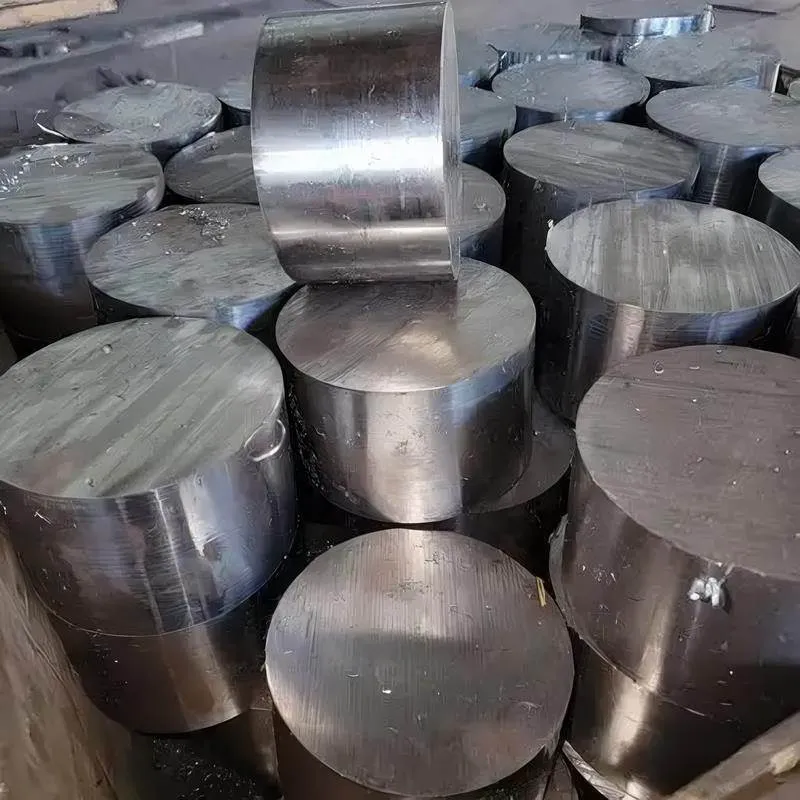
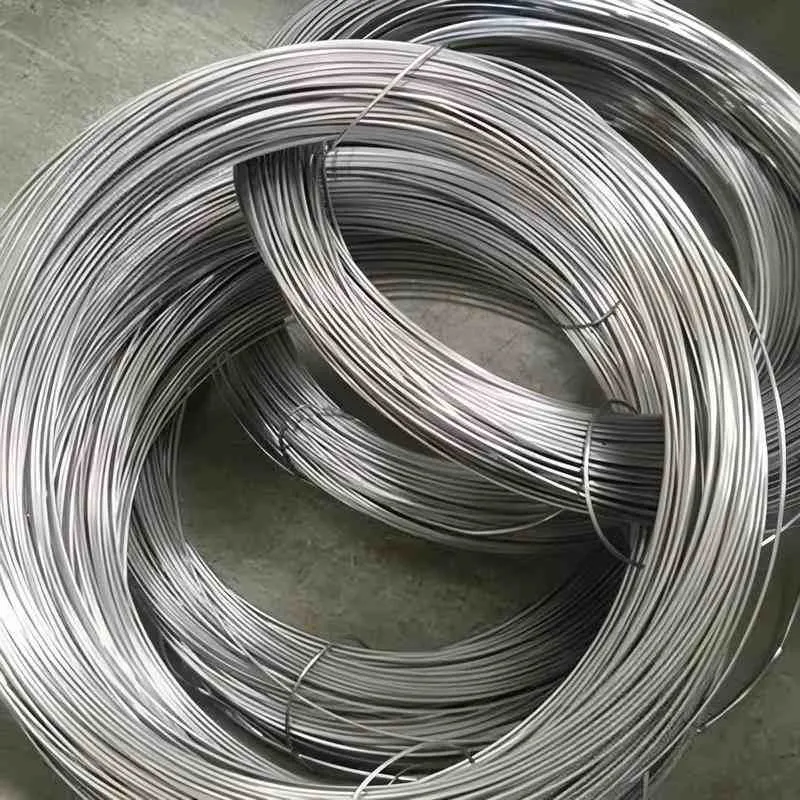
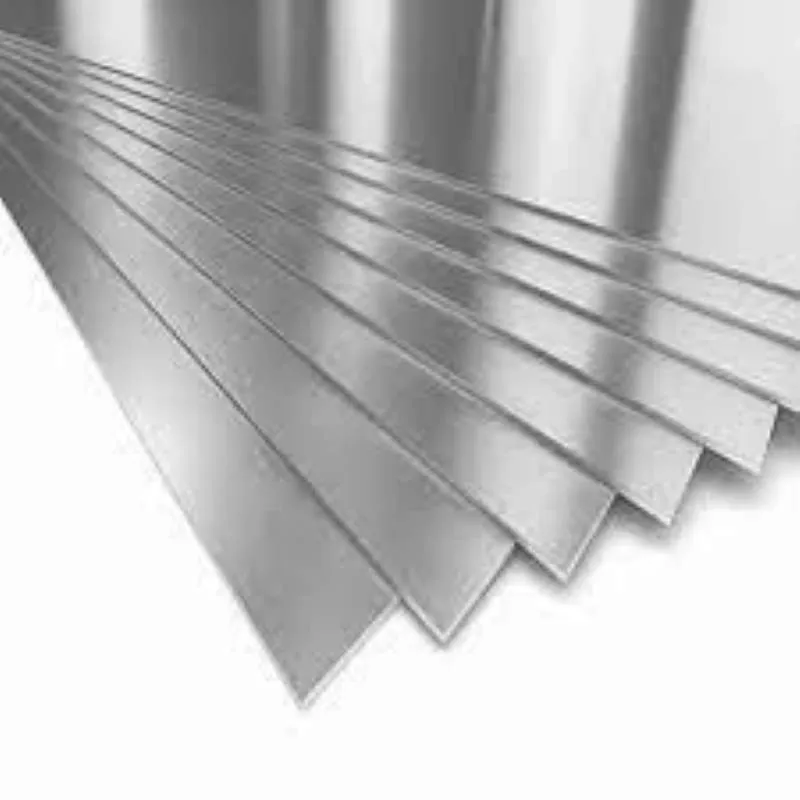
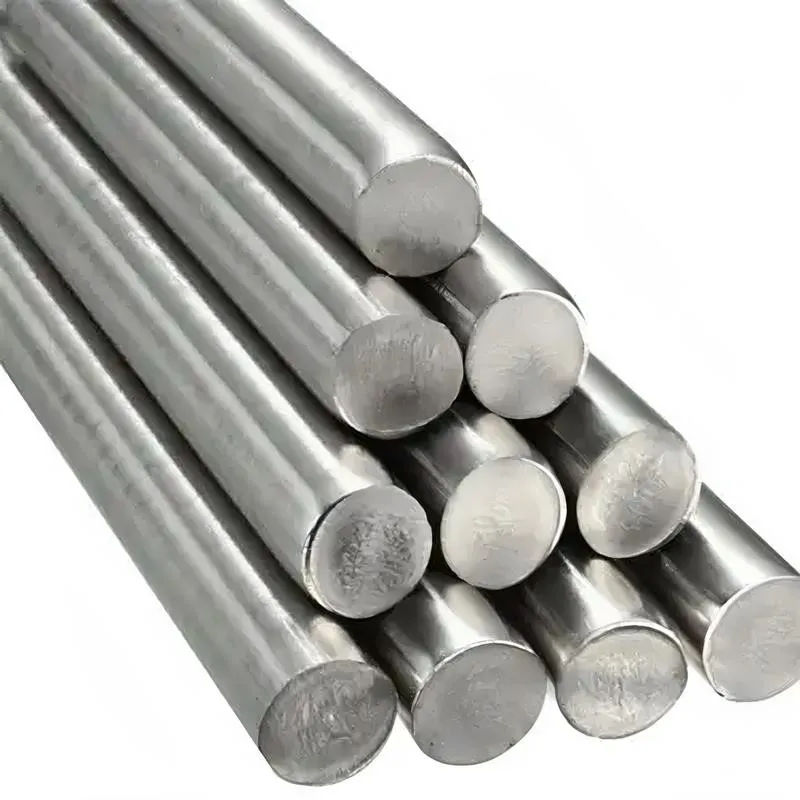
Assab Steel Rod/Bars, ASSAB XW-41 Cold Work Steel Rod/Bar
Product Code : STI-GSTI-189-CU
We provide Assab Steel Rod/Bars ASSAB XW-41 Cold Work Steel Rod/Bar is available in Bar (Round bar, Flat bar), Ribbon, Wire, Rod/Bars, Tube,Seamless Tube,Pipe, Ingots, Plate, Sheet, Strip and Forging Stock.,Purity, chemical composition, size, etc. can all be customized to meet specific requirements.
Please contact us if you need customized services. We will contact you with the price and availability in 24 hours.
Assab Steel Rods ASSAB XW-41 Cold Work Steel Rod Product Information
-:-
For detailed product information, please contact sales.
-:
Assab Steel Rods ASSAB XW-41 Cold Work Steel Rod Synonyms
-:-
For detailed product information, please contact sales.
-:
Assab Steels ASSAB XW-41 Cold Work Steel Product Information
-:-
For detailed product information, please contact sales.
-:
# Product Datasheet: Assab Steels ASSAB XW-41 High-Carbon High-Chromium Cold Work Tool Steel
## Product Overview
**Assab Steels ASSAB XW-41** is a premium high-carbon, high-chromium cold work tool steel offering exceptional wear resistance combined with good dimensional stability. As a versatile air-hardening grade, it provides an excellent balance of properties for demanding tooling applications where both wear resistance and controlled heat treatment response are critical requirements.
## Key Characteristics & Advantages
- **Exceptional Wear Resistance:** High volume of hard chromium carbides provides outstanding resistance to abrasive wear
- **Good Dimensional Stability:** Minimal distortion during air hardening with predictable size changes
- **Deep Hardenability:** Can be through-hardened in substantial sections with uniform properties
- **Good Compressive Strength:** Suitable for high-pressure forming and stamping applications
- **Better Toughness than D2:** Modified composition provides improved toughness compared to standard D2 grade
- **Versatile Performance:** Suitable for both general and precision tooling applications
## Standard Specifications & International Designations
| **Standard** | **Designation** |
|--------------|-----------------|
| **Assab/Uddeholm** | XW-41 |
| **AISI/ASTM** | D2 (Modified/Enhanced) |
| **DIN/EN** | 1.2379 (X155CrVMo12-1) |
| **JIS** | SKD11 (Enhanced) |
| **ISO** | 160CrMoV12 |
| **UNS** | T30402 |
| **GB** | Cr12Mo1V1 |
## Chemical Composition (Typical, Weight %)
| Element | Content (%) | Element | Content (%) |
|---------|-------------|---------|-------------|
| **Carbon (C)** | 1.50-1.60 | **Chromium (Cr)** | 11.0-12.0 |
| **Molybdenum (Mo)** | 0.70-1.00 | **Vanadium (V)** | 0.80-1.10 |
| **Manganese (Mn)** | 0.40-0.60 | **Silicon (Si)** | 0.30-0.50 |
| **Sulfur (S)** | ≤0.020 | **Phosphorus (P)** | ≤0.025 |
| **Iron (Fe)** | Balance |
## Typical Heat Treatment
### Annealing
- **Process:** Heat to 850-870°C (1560-1600°F), slow cool at 10-20°C/hour to 600°C, then air cool
- **Resulting Hardness:** 210-240 HB
- **Microstructure:** Fine spheroidized carbides in ferritic matrix
### Stress Relieving
- **Temperature:** 600-650°C (1110-1200°F) after rough machining
- **Hold Time:** 2 hours per 25 mm of thickness
### Hardening
1. **Preheating:** 650°C (1200°F) and 850°C (1560°F) - two-stage recommended
2. **Austenitizing:** **980-1030°C (1795-1885°F)** - soak thoroughly (30-45 minutes depending on section size)
- Lower temperature range (980-1010°C): Better toughness
- Higher temperature range (1010-1030°C): Maximum wear resistance
3. **Quenching:** Cool in still **air** or forced air (2-3 bar pressure)
### Tempering
- **Immediate tempering** after quenching to 50-70°C (120-160°F)
- **Double tempering** mandatory with cooling to room temperature between tempers
- **Typical Tempering Range:** 180-550°C (355-1020°F)
- **Hardness by Tempering Temperature:**
- 180-200°C (355-390°F): 60-62 HRC
- 200-250°C (390-480°F): 58-60 HRC
- 400-450°C (750-840°F): 55-58 HRC (for improved toughness)
- 500-550°C (930-1020°F): 50-54 HRC (maximum toughness)
## Typical Physical & Mechanical Properties
| Property | Value | Unit |
|----------|-------|------|
| **Density** | 7.70 | g/cm³ |
| **Modulus of Elasticity** | 210 | GPa |
| **Thermal Expansion Coefficient (20-100°C)** | 10.4 | ×10⁻⁶/K |
| **Thermal Conductivity (20°C)** | 20.0 | W/(m·K) |
| **Specific Heat Capacity (20°C)** | 460 | J/(kg·K) |
| **Hardness (Tempered at 200°C)** | 60-61 | HRC |
| **Compressive Strength (60 HRC)** | ~2,600 | MPa |
| **Transverse Rupture Strength** | ~3,200 | MPa |
| **Toughness** | Good for high-wear steel | - |
## Primary Applications
### Cutting and Blanking Tools
- **Precision Blanking Dies** for high-volume production
- **Fineblanking Dies** for complex components
- **Progressive Dies** for electronic components
- **Slitter Knives** for metal processing
- **Shear Blades** for high-strength materials
### Forming and Stamping Tools
- **Cold Forming Dies** for automotive components
- **Stamping Dies** for appliance manufacturing
- **Drawing Dies** for deep draw applications
- **Thread Rolling Dies** for high-strength fasteners
- **Knurling Tools** and marking dies
### Plastic and Rubber Molds
- **Injection Molds** for abrasive filled plastics (glass, mineral, carbon fiber)
- **Compression Molds** for high-wear applications
- **Extrusion Dies** for plastic profiles
- **Blow Molds** for technical containers
### Specialized Tooling
- **Gauges** and measuring instruments requiring wear resistance
- **Wear Plates** for machinery guides
- **Rolls** for cold rolling applications
- **Cutting Inserts** for non-ferrous materials
- **Woodworking Tools** for processed wood products
### High-Precision Applications
- **Semiconductor Lead Frame Dies**
- **Connector Stamping Dies**
- **Precision Piercing Punches**
- **Lamination Dies** for electric motors
## Processing Guidelines
### Machining
- **Optimal Condition:** Annealed state (~225 HB)
- **Machinability Rating:** Fair (45-55% compared to 1% C-steel)
- **Tool Requirements:** Use carbide or coated carbide tools
- **Cutting Parameters:** Lower speeds with moderate feeds
- **Coolant:** Use generous flow of cutting fluid
### Grinding
- Use aluminum oxide or CBN wheels
- **Wheel Grade:** Soft to medium hardness (H-K)
- **Coolant Application:** Critical to prevent thermal damage
- **Grinding Passes:** Light cuts with multiple passes
- **Dress Frequently:** Maintain sharp wheel condition
### Electrical Discharge Machining (EDM)
- Suitable for both wire and sinker EDM
- **Post-EDM Treatment:** Temper at 180-200°C to relieve stresses
- **Surface Condition:** White layer should be removed by polishing or light grinding
- **Electrode Material:** Copper or graphite recommended
### Welding
- **Not Recommended** for tool repair due to high cracking risk
- **If Essential:** Preheating to 400-450°C required
- **Electrodes:** Use matching composition or austenitic stainless electrodes
- **Post-Weld:** Full re-hardening cycle necessary
- **Alternative:** Consider mechanical repair methods or insert replacement
### Surface Treatment
- **Nitriding:** Excellent results with gas, plasma, or salt bath nitriding
- **PVD Coatings:** TiN, TiCN, AlCrN, DLC coatings highly effective
- **Polishing:** Can achieve mirror finishes with proper techniques
- **Texturing:** Suitable for EDM texturing and chemical etching
## Heat Treatment Considerations
### Critical Control Points
1. **Austenitizing Temperature:** Precise control critical for desired properties
2. **Soaking Time:** Adequate for complete solutionizing but not excessive
3. **Quenching Rate:** Uniform air flow for consistent hardening
4. **Tempering Timing:** Immediate tempering after reaching hand-warm temperature
### Size Change Characteristics
- **Typical Expansion:** 0.10-0.15% during hardening
- **Dimensional Stability:** Excellent with proper heat treatment
- **Distortion Control:** Minimized through symmetrical design and even heating
### Hardening Depth
- **Effective Depth:** Full through-hardening up to 150 mm (6 inches)
- **Uniformity:** Consistent hardness from surface to core in properly treated sections
## Comparative Performance Notes
- **Wear Resistance:** Superior to A2, O1, and S7 grades
- **Toughness:** Better than D3, comparable to modified D2 grades
- **Dimensional Stability:** Excellent with proper heat treatment control
- **Machinability:** More difficult than lower alloyed steels
## Available Forms & Sizes
- **Precision Ground Flat Stock:** Thickness 10-300 mm, various widths
- **Forged Blocks:** Up to 600 mm thickness
- **Bars:** Round (20-400 mm diameter), square, rectangular
- **Pre-machined Components:** Custom shapes and sizes
- **Decarb-Free Stock:** Guaranteed clean surfaces
## Quality Assurance Features
- **Electroslag Refined (ESR):** Available for premium quality with improved cleanliness
- **Carbide Distribution:** Controlled for uniformity
- **Ultrasonic Testing:** Available for critical applications
- **Surface Quality:** Scale-free on ground products
## Application-Specific Recommendations
### For Maximum Wear Resistance
- Use higher austenitizing temperatures (1020-1030°C)
- Temper at lower temperatures (180-220°C)
- Apply surface coatings (PVD, nitriding)
### For Improved Toughness
- Use lower austenitizing temperatures (980-1000°C)
- Temper at higher temperatures (400-500°C)
- Avoid sharp corners and stress concentrators
### For Precision Tools
- Always double temper
- Allow for size change in design
- Use stress relief after rough machining
- Consider sub-zero treatment for maximum dimensional stability
---
**Disclaimer:** This technical information is provided for reference purposes. ASSAB XW-41 performance is highly dependent on proper heat treatment and processing. For critical applications, always consult the latest official **Assab technical documentation** and consider application testing. Heat treatment should be performed by qualified personnel using calibrated equipment. The manufacturer reserves the right to modify specifications without notice.
-:-
For detailed product information, please contact sales.
-:
Assab Steels ASSAB XW-41 Cold Work Steel Specification
Dimensions
Size:
Diameter 20-1000 mm Length <6845 mm
Size:We can customized as required
Standard:
Per your request or drawing
We can customized as required
Properties(Theoretical)
Chemical Composition
-:-
For detailed product information, please contact sales.
-:
Assab Steels ASSAB XW-41 Cold Work Steel Properties
-:-
For detailed product information, please contact sales.
-:
Applications of Assab Steel Rods ASSAB XW-41 Cold Work Steel Rod
-:-
For detailed product information, please contact sales.
-:
Chemical Identifiers Assab Steel Rods ASSAB XW-41 Cold Work Steel Rod
-:-
For detailed product information, please contact sales.
-:
Packing of Assab Steel Rods ASSAB XW-41 Cold Work Steel Rod
-:-
For detailed product information, please contact sales.
-:
Standard Packing:
-:-
For detailed product information, please contact sales.
-:
Typical bulk packaging includes palletized plastic 5 gallon/25 kg. pails, fiber and Steel Rod drums to 1 ton super sacks in full container (FCL) or truck load (T/L) quantities. Research and sample quantities and hygroscopic, oxidizing or other air sensitive materials may be packaged under argon or vacuum. Solutions are packaged in polypropylene, plastic or glass jars up to palletized 3316 gallon liquid totes Special package is available on request. E FORUs’ is carefully handled to minimize damage during storage and transportation and to preserve the quality of our products in their original condition