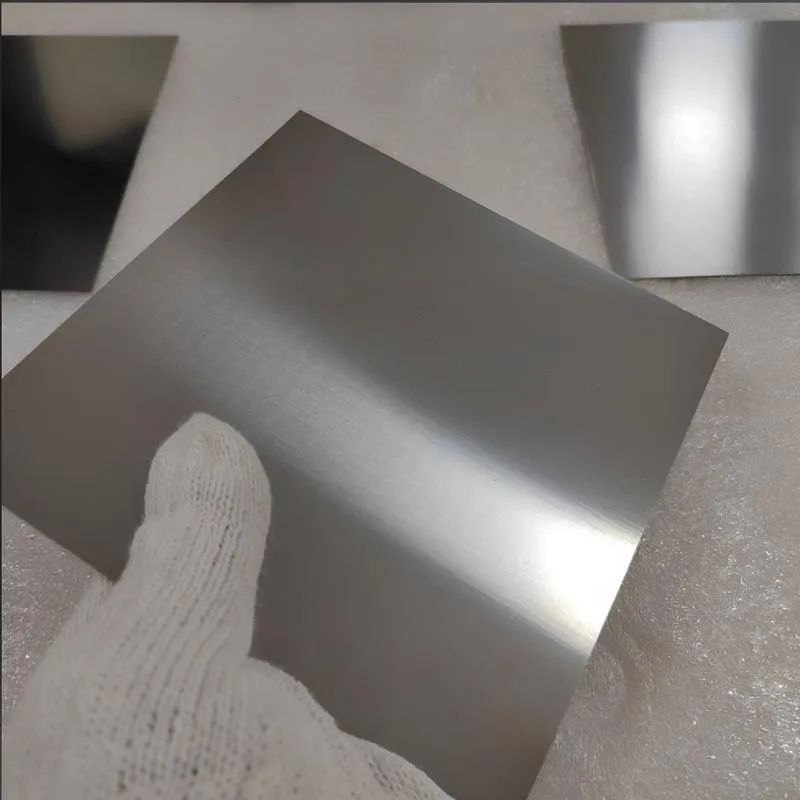
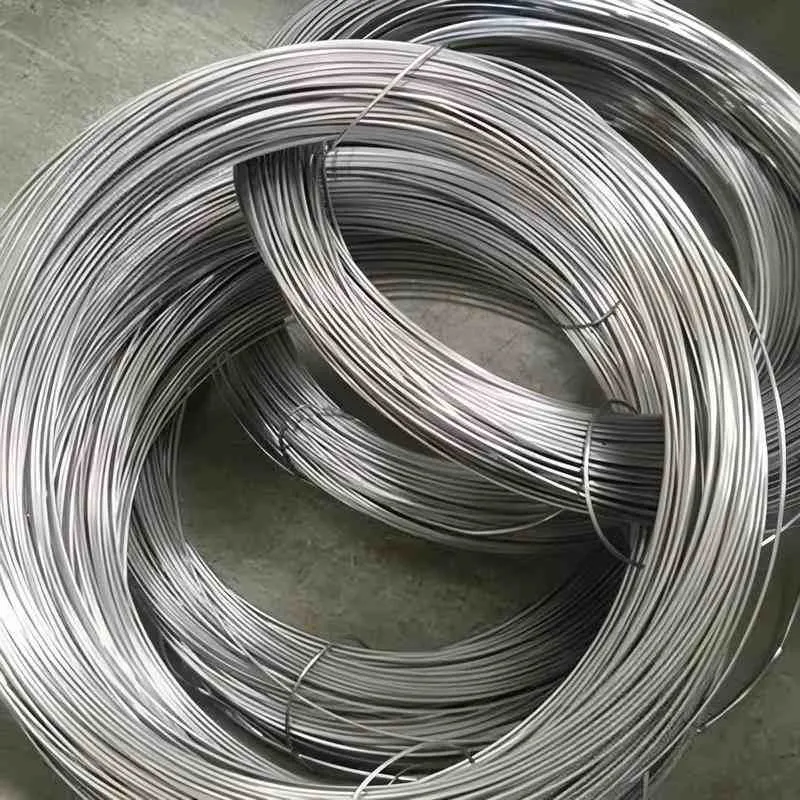
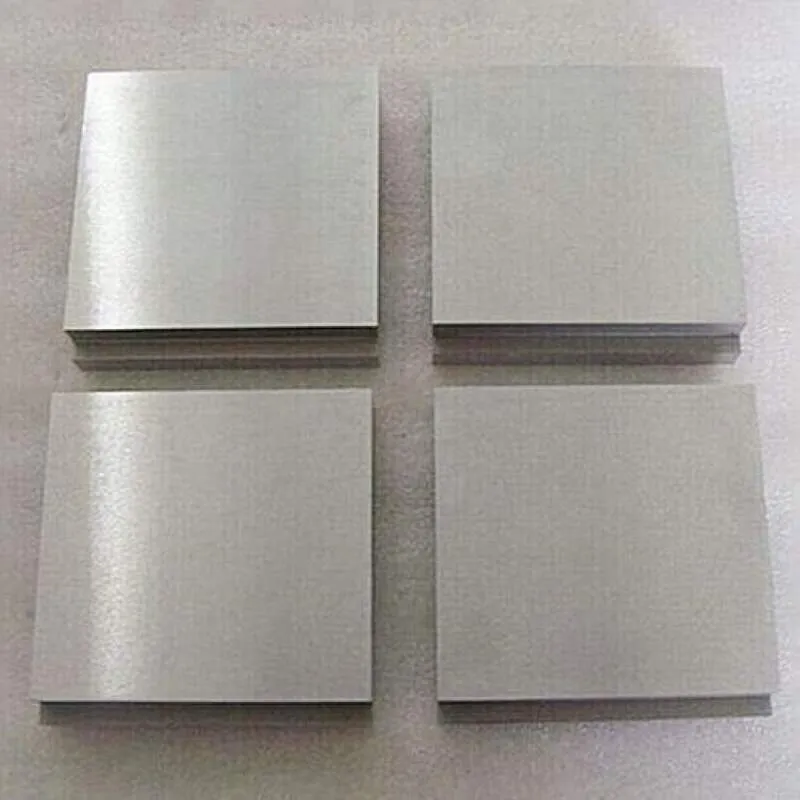
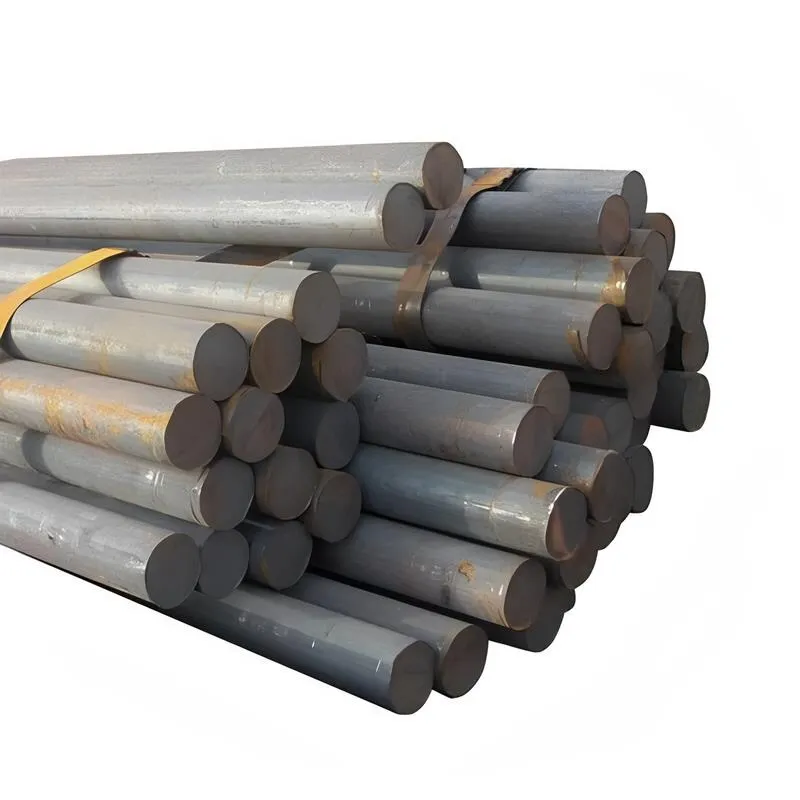
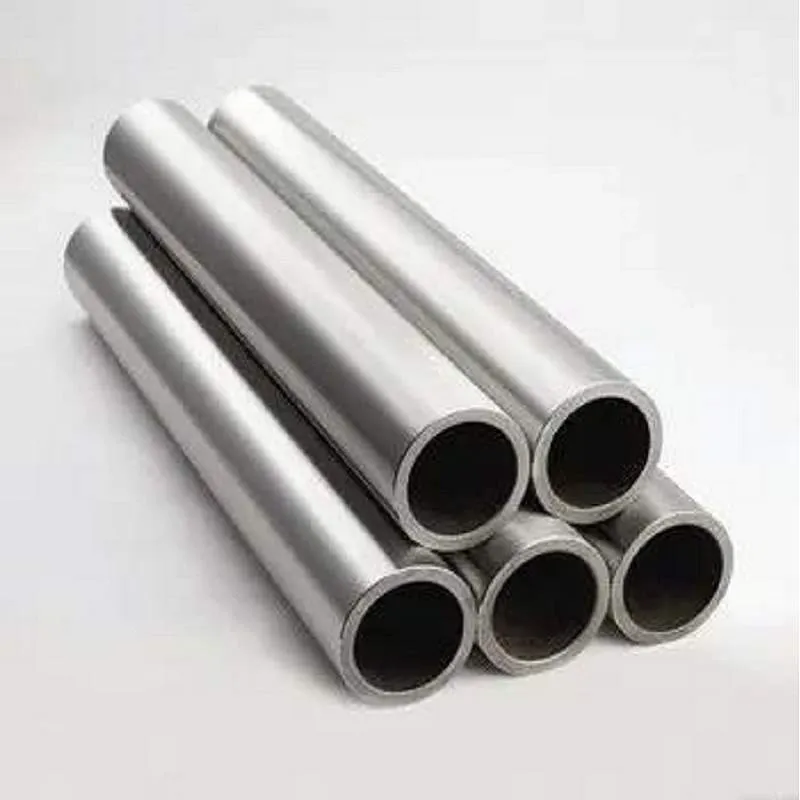
Assab Steel Sheet,Plates, DIEVAR Hot Work Steel Sheet,Plate
Product Code : STI-GSTI-199-CU
We provide Assab Steel Sheet/Plates DIEVAR Hot Work Steel Sheet/Plate is available in Bar (Round bar, Flat bar), Ribbon, Wire, Rods, Tube,Seamless Tube,Pipe, Ingots, Plate, Sheet/Plate, Strip and Forging Stock.,Purity, chemical composition, size, etc. can all be customized to meet specific requirements.
Please contact us if you need customized services. We will contact you with the price and availability in 24 hours.
Assab Steel Sheet/Plates DIEVAR Hot Work Steel Sheet/Plate Product Information
-:-
For detailed product information, please contact sales.
-:
Assab Steel Sheet/Plates DIEVAR Hot Work Steel Sheet/Plate Synonyms
-:-
For detailed product information, please contact sales.
-:
Assab Steels DIEVAR Hot Work Steel Product Information
-:-
For detailed product information, please contact sales.
-:
# **Product Datasheet: Assab Steels DIEVAR Premium Hot Work Tool Steel**
## **Product Overview**
**Assab Steels DIEVAR** is an advanced **chromium-molybdenum-vanadium hot work tool steel** specifically engineered for **superior thermal fatigue resistance and extended service life** in demanding die casting applications. Representing a significant advancement over conventional H13-type steels, DIEVAR incorporates a **patented alloy design with enhanced chromium and optimized carbide-forming elements** to deliver exceptional performance in aluminum, magnesium, and brass die casting applications. This material is particularly noted for its outstanding **resistance to heat checking, soldering, and erosion** in high-temperature, high-pressure casting environments.
## **Key Characteristics & Advantages**
- **Exceptional Thermal Fatigue Resistance:** Superior resistance to heat checking and thermal cracking under cyclic heating/cooling
- **Excellent Toughness at High Temperatures:** Maintains impact resistance under operating conditions (up to ~600°C)
- **High Temper Resistance:** Excellent hardness retention at elevated temperatures
- **Superior Thermal Conductivity:** Enhanced heat dissipation reduces thermal gradients and stress
- **Excellent Machinability and Polishability:** Better processing characteristics than comparable hot work steels
- **Good Dimensional Stability:** Minimal distortion during heat treatment
- **Enhanced Cleanliness:** Ultra-low sulfur and phosphorus for improved ductility and fatigue life
- **Optimized for Die Casting:** Specifically engineered for aluminum, magnesium, and brass casting applications
## **Standard Specifications & International Designations**
| **Standard** | **Designation** | **Notes** |
|--------------|-----------------|-----------|
| **Assab/Uddeholm** | **DIEVAR** | Proprietary advanced hot work steel |
| **AISI/ASTM** | **Modified H13 (Premium)** | Superior thermal fatigue resistance |
| **DIN/EN** | **~1.2344 (Enhanced)** | Premium quality with optimized composition |
| **JIS** | **SKD61 (Advanced)** | Enhanced performance version |
| **ISO** | **HTF 4 (Premium)** | Hot work tool steel classification |
| **Material Category** | **Advanced Hot Work Die Steel** | Specifically for die casting applications |
| **Patent Status** | **Proprietary Alloy Design** | Unique composition protected |
## **Chemical Composition (Typical, Weight %)**
| Element | Content (%) | Primary Function | Metallurgical Benefit |
|---------|-------------|------------------|----------------------|
| **Carbon (C)** | 0.35-0.40 | Matrix strength & carbide balance | Optimized for toughness & thermal fatigue |
| **Chromium (Cr)** | 4.80-5.20 | **Enhanced for heat resistance** | Improved oxidation & temper resistance |
| **Molybdenum (Mo)** | 2.20-2.50 | **Higher than H13 for hot strength** | Superior high-temperature strength |
| **Vanadium (V)** | 0.50-0.70 | **Optimized carbide formation** | Balanced wear resistance & toughness |
| **Tungsten (W)** | 0.10-0.30 | Solid solution strengthening | Additional hot strength contribution |
| **Silicon (Si)** | 0.20-0.40 | **Lower than H13 for toughness** | Improved ductility & impact resistance |
| **Manganese (Mn)** | 0.50-0.70 | Hardenability & deoxidization | Consistent hardening response |
| **Sulfur (S)** | **≤0.001** | **Ultra-low for cleanliness** | **Exceptional fatigue resistance** |
| **Phosphorus (P)** | **≤0.010** | **Ultra-low for toughness** | **Enhanced impact resistance** |
| **Iron (Fe)** | **Balance** | Matrix | Structural integrity |
***Special Note:** DIEVAR's patented chemistry features **higher molybdenum and optimized vanadium** compared to standard H13, combined with **ultra-low sulfur and phosphorus** levels. This unique balance provides superior thermal fatigue resistance while maintaining excellent toughness.*
## **Microstructural Characteristics**
| Feature | Specification | Benefit |
|---------|---------------|---------|
| **Carbide Types** | Fine, uniformly distributed MC and M₇C₃ carbides | Optimized for thermal fatigue resistance |
| **Carbide Size** | Finer than conventional H13 | Better toughness & crack resistance |
| **Carbide Distribution** | Highly uniform with no banding | Consistent properties in all directions |
| **Grain Size** | ASTM 8-9 (fine) | Improved impact strength & fatigue life |
| **Microcleanliness** | **Exceptional (ASTM E45 ≤ 0.5)** | **Superior fatigue & fracture resistance** |
| **Segregation** | Minimal to none | Uniform thermal & mechanical properties |
## **Typical Heat Treatment**
### **1. Annealing**
- **Temperature:** **840-870°C (1545-1595°F)**
- **Cooling:** Slow furnace cool (≤25°C/hour) to 500°C, then air cool
- **Annealed Hardness:** **180-210 HB**
- **Purpose:** Optimal condition for machining and stress relief
### **2. Stress Relieving**
- **Temperature:** **600-650°C (1110-1200°F)**
- **Duration:** 2-3 hours (depending on section size)
- **Application:** After rough machining, before hardening
### **3. Hardening**
1. **Preheating:** **Two-stage recommended**
- Stage 1: **600-650°C (1110-1200°F)**
- Stage 2: **850-900°C (1560-1650°F)**
2. **Austenitizing:** **1000-1030°C (1830-1885°F)**
- **Standard for die casting:** **1010-1020°C (1850-1870°F)**
- **Maximum toughness:** **1000-1010°C (1830-1850°F)**
- **Maximum hot strength:** **1020-1030°C (1870-1885°F)**
3. **Soaking Time:** **20-30 minutes** (after reaching temperature uniformly)
4. **Quenching:** **Air cooling** (still or forced air) or **high-pressure gas quenching**
### **4. Tempering**
- **Critical Requirement:** **Immediate tempering** after reaching 50-70°C (120-160°F)
- **Minimum Cycles:** **Double tempering** (triple recommended for critical applications)
- **Temperature Range:** **540-650°C (1005-1200°F)**
- **Recommended for Die Casting:** **580-620°C (1075-1150°F)**
- **Hardness Profile:**
- 540°C (1005°F): 50-52 HRC
- 560°C (1040°F): 48-50 HRC
- 580°C (1075°F): 46-48 HRC
- 600°C (1110°F): 44-46 HRC
- 620°C (1150°F): 42-44 HRC
- 650°C (1200°F): 38-40 HRC
### **5. Surface Treatment (Recommended for Die Casting)**
- **Nitriding:** **Gas or plasma nitriding** highly recommended
- **Temperature:** 480-530°C (895-985°F)
- **Case Depth:** 0.10-0.25 mm typical
- **Surface Hardness:** 1000-1200 HV
- **Benefits:** Reduced soldering, improved erosion resistance, extended service life
## **Physical Properties**
| Property | Value | Unit | Conditions |
|----------|-------|------|------------|
| **Density** | 7.80 | g/cm³ | At 20°C |
| **Modulus of Elasticity** | 210 | GPa | At 20°C |
| **Thermal Expansion Coefficient** | 11.5 | ×10⁻⁶/K | 20-100°C |
| **Thermal Conductivity** | **26.0** | W/(m·K) | At 20°C (**Higher than H13**) |
| **Specific Heat Capacity** | 460 | J/(kg·K) | At 20°C |
## **Mechanical Properties**
### **Standard Condition for Die Casting (1020°C Austenitize / 600°C×2 Temper)**
| Property | Value Range | Unit | Test Conditions | Significance |
|----------|-------------|------|-----------------|--------------|
| **Hardness** | **44-46** | HRC | Room temperature | Optimal for thermal fatigue |
| **Tensile Strength** | 1450-1550 | MPa | Room temperature | High strength |
| **Yield Strength (0.2%)** | 1300-1400 | MPa | Room temperature | Good load capacity |
| **Elongation** | **12-15** | % | Room temperature | **Excellent ductility** |
| **Reduction of Area** | **45-55** | % | Room temperature | **Superior toughness** |
| **Impact Toughness (Charpy V)** | **50-60** | J | Room temperature | **Exceptional for hot work steel** |
| **Fracture Toughness (K_IC)** | **80-100** | MPa√m | Room temperature | **Excellent crack resistance** |
### **High Temperature Performance**
| Temperature | Hardness | Tensile Strength | Impact Toughness | Significance |
|-------------|----------|-----------------|------------------|--------------|
| **200°C (390°F)** | 42-44 HRC | 1250-1350 MPa | 40-50 J | Preheating range |
| **400°C (750°F)** | 38-40 HRC | 950-1050 MPa | 35-45 J | Typical operating range |
| **600°C (1110°F)** | 30-32 HRC | 550-650 MPa | 25-35 J | Maximum continuous service |
### **Thermal Fatigue Performance (Comparative)**
| Test Method | DIEVAR Performance | vs. Standard H13 | vs. 8407 Supreme |
|-------------|-------------------|------------------|------------------|
| **Thermal Cycling Test** | **100% (Baseline)** | **140-160% better** | **30-50% better** |
| **Heat Check Resistance** | **Excellent** | **Significantly better** | **Better** |
| **Crack Propagation** | **Slow** | **Much slower** | **Slower** |
## **Primary Applications**
### **A. Die Casting (Primary Application)**
#### **Aluminum Die Casting:**
- **Cavities and Cores:** For engine blocks, transmission cases, structural components
- **Cores and Inserts:** Complex internal features
- **Ejector Pins and Sleeves:** High-wear components
- **Shot Sleeves and Plunger Tips:** High thermal shock areas
- **Overflow Wells and Runners:** High erosion areas
#### **Magnesium Die Casting:**
- **Hot Chamber Components:** Nozzles, gooseneck, injection components
- **Cavities and Cores:** For thin-wall magnesium components
- **Inserts:** For high-wear areas
#### **Brass and Bronze Casting:**
- **Lower temperature applications** compared to aluminum
- **Inserts and Cores:** For complex geometries
### **B. Hot Stamping and Forming**
- **Tooling for Aluminum Hot Stamping:** Automotive body panels
- **Forging Dies:** For non-ferrous metals
- **Extrusion Dies:** For aluminum profiles
- **Hot Punching Tools:** For high-temperature operations
### **C. Plastic Molding**
- **Hot Runner Systems:** Manifolds, nozzles, gate inserts
- **High-Temperature Molds:** For engineering plastics (PEEK, PPS, etc.)
- **Insert Molding Tools:** Where thermal cycling is significant
### **D. Other Applications**
- **Glass Molding Tools**
- **Press Quenching Dies**
- **Heat Treatment Fixtures**
- **Tools for Isothermal Forging**
## **Processing Guidelines**
### **1. Machining Operations**
| Operation | Recommended Tools | Cutting Parameters | Special Notes |
|-----------|-------------------|-------------------|---------------|
| **Turning** | **Carbide or coated carbide** | Speed: 80-120 m/min
Feed: 0.15-0.30 mm/rev
Depth: 2-5 mm | **Excellent machinability** |
| **Milling** | **Carbide end mills** | Speed: 100-150 m/min
Feed/tooth: 0.10-0.25 mm | High material removal rates possible |
| **Drilling** | **HSS or carbide drills** | Speed: 20-30 m/min
Feed: 0.10-0.20 mm/rev | Standard drilling practices |
| **Tapping** | **HSS or carbide taps** | Speed: 5-10 m/min | Good thread formation |
***Machinability Rating:** **85-90%** (relative to 1% carbon steel = 100%) – **Superior to most hot work steels***
### **2. Grinding Operations**
- **Wheel Selection:** Aluminum oxide (A46-JV to A60-JV)
- **Coolant:** **Essential** – use water-soluble coolant
- **Parameters:** Standard grinding practices apply
- **Surface Finish:** Can achieve **Ra < 0.2 μm** with proper technique
- **Polishing:** **Excellent polishability** – diamond compounds for finest finishes
### **3. Electrical Discharge Machining (EDM)**
- **Suitability:** **Excellent** – consistent material removal
- **Settings:** Standard EDM parameters
- **Post-EDM:** Stress relieve at 550-600°C to remove white layer effects
- **Surface Finish:** Good as-edited surface quality
### **4. Welding and Repair**
- **Weldability:** **Good** – one of the best among hot work steels
- **Preheating:** **300-400°C (570-750°F)**
- **Interpass Temperature:** Maintain above 250°C (480°F)
- **Electrodes:** **UDDEHOLM UNIMAR 96** or equivalent recommended
- **Post-Weld:** Slow cool and re-temper immediately
- **Stress Relief:** 550-600°C after welding
### **5. Surface Treatments**
#### **Nitriding (Highly Recommended):**
- **Methods:** Gas, plasma, or salt bath nitriding
- **Temperature:** 480-530°C (895-985°F)
- **Case Depth:** 0.10-0.25 mm optimal
- **Surface Hardness:** 1000-1200 HV
- **Benefits:** Reduced soldering, improved erosion resistance, extended die life
#### **PVD Coatings:**
- **Recommended:** CrN, TiAlN, AlCrN for specific applications
- **Application:** After polishing, before nitriding (if both are used)
- **Benefits:** Additional soldering and erosion resistance
#### **Other Treatments:**
- **Oxidation:** Black oxide for corrosion protection
- **Chromium Plating:** For specific applications (limited use)
- **Laser Hardening:** Generally not required
## **Quality Assurance**
### **Material Certification**
| Certificate Type | Content | Standard |
|------------------|---------|----------|
| **3.1 Material Certificate** | Full chemical analysis, mechanical properties | EN 10204 |
| **Microcleanliness Report** | Inclusion rating (ASTM E45) | Digital image analysis |
| **Ultrasonic Test Report** | Internal soundness verification | ASTM E588 |
| **Hardness Map** | Multiple point hardness verification | Customer specification |
| **Traceability** | Heat number, manufacturing history | Full documentation |
### **Available Forms and Sizes**
| Product Form | Standard Sizes | Tolerance Class | Surface Condition |
|-------------|---------------|-----------------|-------------------|
| **Pre-machined Blocks** | Up to 800×800×400 mm | ±0.5 mm | Rough machined, stress relieved |
| **Round Bars** | Ø50-500 mm | h11 | Black, ground, or peeled |
| **Flat Bars** | 20-300 mm thick × 100-800 mm wide | ±0.2 mm thickness | Ground surfaces |
| **Custom Forgings** | Customer specifications | As per drawing | As-forged or machined |
| **Finished Components** | Die-specific geometries | Drawing tolerances | Heat treated & finished |
## **Comparative Performance Analysis**
### **Performance vs. Competitive Materials**
| Property / Material | DIEVAR | Standard H13 | 8407 Supreme | H11 |
|--------------------|--------|--------------|---------------|-----|
| **Thermal Fatigue Resistance** | **Best** | Good | Very Good | Good |
| **Impact Toughness** | **Best** | Good | Very Good | **Excellent** |
| **Temper Resistance** | **Excellent** | Good | Very Good | Good |
| **Machinability** | **Excellent** | Good | Very Good | Good |
| **Polishability** | **Excellent** | Good | Very Good | Good |
| **Weldability** | **Excellent** | Good | Very Good | Good |
| **Cost** | Premium | Standard | Premium | Standard |
### **Economic Justification for Die Casting**
| Factor | DIEVAR Advantage | Economic Impact |
|--------|------------------|-----------------|
| **Extended Die Life** | 30-100% longer than H13 | Reduced tooling cost per part |
| **Reduced Downtime** | Fewer die repairs and changes | Increased machine utilization |
| **Improved Part Quality** | Reduced soldering, better surface | Lower scrap rates |
| **Reduced Maintenance** | Less frequent polishing/repair | Lower labor costs |
| **Total Cost of Ownership** | **Typically lower despite higher initial cost** | **Positive ROI in 6-18 months** |
## **Application-Specific Guidelines**
### **For Aluminum Die Casting Dies:**
1. **Hardness Selection:**
- **Cavities and Cores:** 44-46 HRC
- **Ejector Pins:** 46-48 HRC
- **Shot Sleeves:** 42-44 HRC
2. **Heat Treatment:**
- **Austenitize:** 1010-1020°C (1850-1870°F)
- **Temper:** 580-620°C (1075-1150°F) × 2-3 times
- **Final Hardness:** 44-46 HRC optimal
3. **Surface Treatment:**
- **Nitriding strongly recommended**
- **Case Depth:** 0.15-0.25 mm
- **Surface Hardness:** 1000-1100 HV
4. **Die Design Considerations:**
- **Cooling Channels:** Optimal design critical for thermal management
- **Radius:** Minimum R3 on internal corners
- **Venting:** Proper venting to reduce heat checking
### **Maintenance Best Practices:**
1. **Regular Inspection:** Check for heat checking every 10,000-20,000 shots
2. **Stress Relieving:** Periodic at 550-600°C to extend die life
3. **Polishing:** Use diamond compounds for best results
4. **Welding Repair:** Prompt repair of damaged areas using proper procedure
5. **Record Keeping:** Document maintenance history for each die
### **Operating Parameters:**
| Parameter | Recommended Range | Notes |
|-----------|------------------|-------|
| **Die Preheating Temperature** | 180-250°C (355-480°F) | Uniform heating critical |
| **Operating Temperature** | 200-400°C (390-750°F) | Monitor with thermocouples |
| **Cooling Channel Temperature** | 40-80°C (105-175°F) | Optimize for part geometry |
| **Lubrication/Release Agents** | High-quality, consistent application | Affects soldering tendency |
## **Technical Support Services**
### **Available from Uddeholm/Assab:**
1. **Application Engineering:** Die design optimization
2. **Heat Treatment Consulting:** Customized cycles for specific applications
3. **Failure Analysis:** Root cause investigation of die failures
4. **Training Programs:** Processing and maintenance workshops
5. **Performance Testing:** Application-specific validation
### **Documentation Provided:**
- **Heat Treatment Guidelines:** Detailed procedures and parameters
- **Machining Recommendations:** Optimal cutting parameters
- **Welding Procedures:** Approved methods for repair
- **Case Studies:** Real-world performance examples
- **Technical Bulletins:** Updates on best practices
---
## **Critical Technical Notes**
### **Unique Advantages of DIEVAR:**
1. **Patented Chemistry:** Optimized balance of alloying elements
2. **Exceptional Cleanliness:** Ultra-low sulfur and phosphorus
3. **Superior Thermal Conductivity:** Better heat dissipation than competitors
4. **Excellent Toughness:** Maintains ductility at high hardness levels
5. **Proven Performance:** Extensive field validation in die casting applications
### **Limitations and Considerations:**
1. **Not for Copper-Based Alloys:** At high temperatures (>600°C)
2. **Cost Premium:** Higher initial cost than standard H13
3. **Heat Treatment Sensitivity:** Requires precise control for optimal properties
4. **Availability:** May require longer lead times than standard grades
### **Industry Acceptance:**
- **Widely adopted** in automotive die casting for structural components
- **NADCA (North American Die Casting Association)** recommended
- **Used by major OEMs** worldwide for critical applications
- **Extensive field data** supporting performance claims
---
**Disclaimer:** DIEVAR is a premium hot work tool steel requiring proper application knowledge and processing expertise. Consult with Assab/Uddeholm technical specialists for application-specific recommendations. Performance data based on laboratory testing and field experience; actual performance may vary with specific operating conditions. Always follow current technical documentation and safety guidelines. Proper die design, heat treatment, and maintenance are essential for achieving optimal performance.
-:-
For detailed product information, please contact sales.
-:
Assab Steels DIEVAR Hot Work Steel Specification
Dimensions
Size:
Diameter 20-1000 mm Length <6855 mm
Size:We can customized as required
Standard:
Per your request or drawing
We can customized as required
Properties(Theoretical)
Chemical Composition
-:-
For detailed product information, please contact sales.
-:
Assab Steels DIEVAR Hot Work Steel Properties
-:-
For detailed product information, please contact sales.
-:
Applications of Assab Steel Sheet,Plates DIEVAR Hot Work Steel Sheet,Plate
-:-
For detailed product information, please contact sales.
-:
Chemical Identifiers Assab Steel Sheet,Plates DIEVAR Hot Work Steel Sheet,Plate
-:-
For detailed product information, please contact sales.
-:
Packing of Assab Steel Sheet/Plates DIEVAR Hot Work Steel Sheet/Plate
-:-
For detailed product information, please contact sales.
-:
Standard Packing:
-:-
For detailed product information, please contact sales.
-:
Typical bulk packaging includes palletized plastic 5 gallon/25 kg. pails, fiber and Steel Sheet/Plate drums to 1 ton super sacks in full container (FCL) or truck load (T/L) quantities. Research and sample quantities and hygroscopic, oxidizing or other air sensitive materials may be packaged under argon or vacuum. Solutions are packaged in polypropylene, plastic or glass jars up to palletized 3326 gallon liquid totes Special package is available on request. E FORUs’ is carefully handled to minimize damage during storage and transportation and to preserve the quality of our products in their original condition