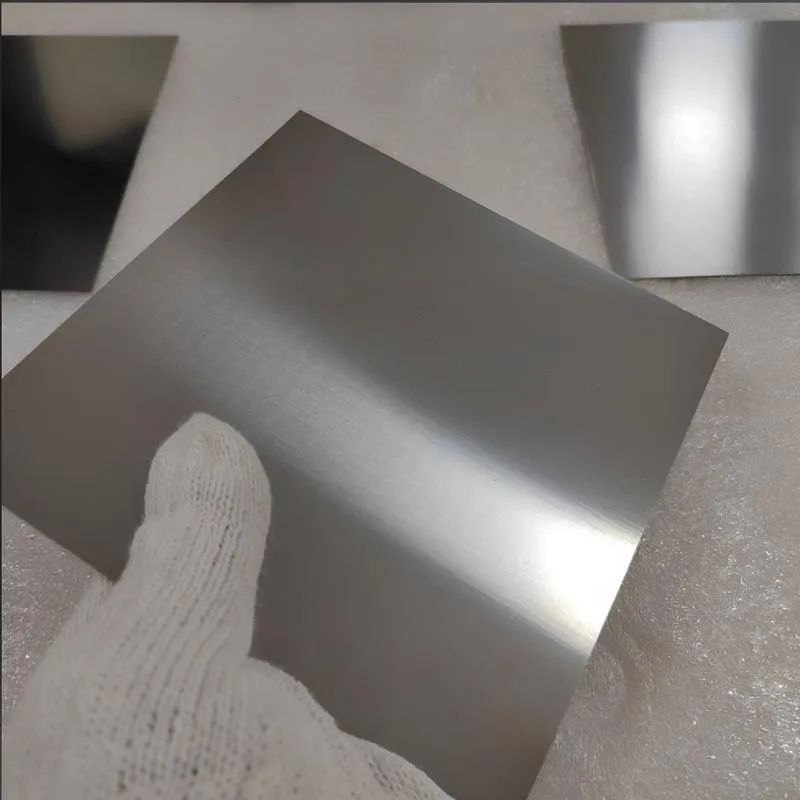
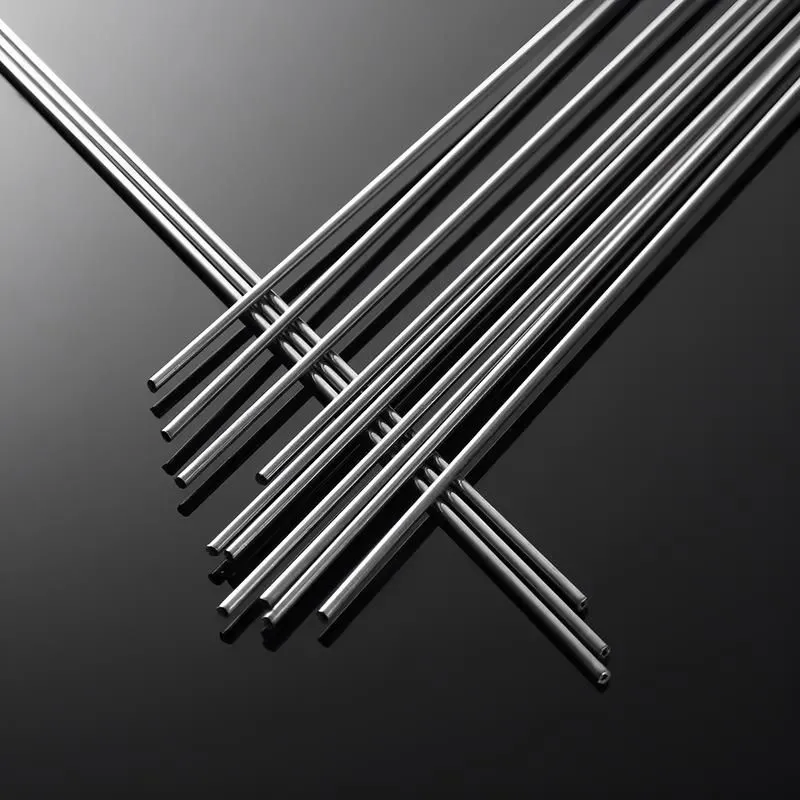
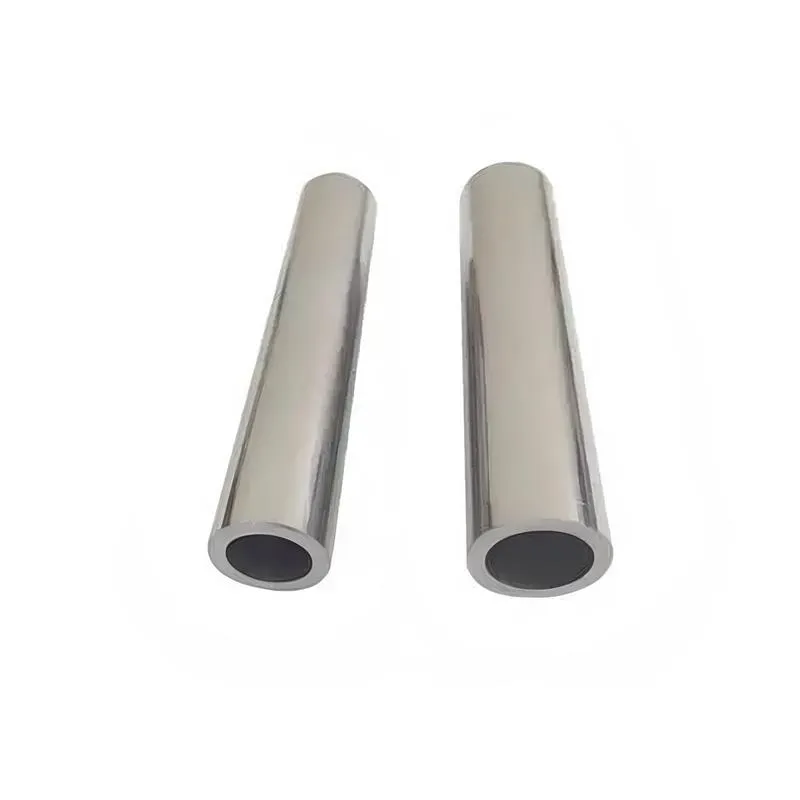
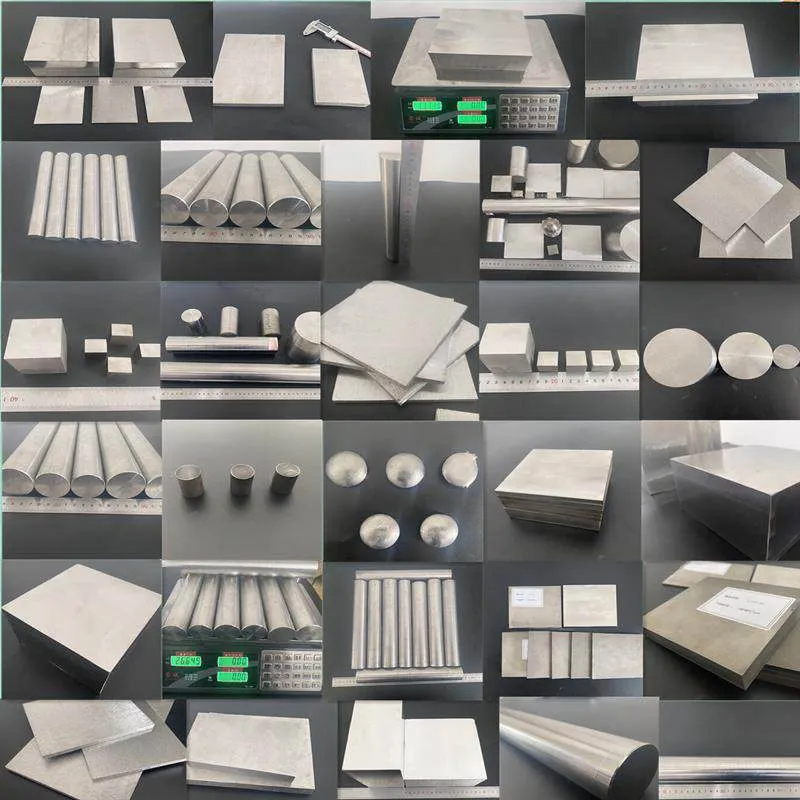
Assab Steel Sheet,Plates, VANADIS 4 Cold Work Steel Sheet,Plate
Product Code : STI-GSTI-191-CU
We provide Assab Steel Sheet/Plates VANADIS 4 Cold Work Steel Sheet/Plate is available in Bar (Round bar, Flat bar), Ribbon, Wire, Rods, Tube,Seamless Tube,Pipe, Ingots, Plate, Sheet/Plate, Strip and Forging Stock.,Purity, chemical composition, size, etc. can all be customized to meet specific requirements.
Please contact us if you need customized services. We will contact you with the price and availability in 24 hours.
Assab Steel Sheet/Plates VANADIS 4 Cold Work Steel Sheet/Plate Product Information
-:-
For detailed product information, please contact sales.
-:
Assab Steel Sheet/Plates VANADIS 4 Cold Work Steel Sheet/Plate Synonyms
-:-
For detailed product information, please contact sales.
-:
Assab Steels VANADIS 4 Cold Work Steel Product Information
-:-
For detailed product information, please contact sales.
-:
# Product Datasheet: Assab Steels VANADIS 4 Powder Metallurgy Cold Work Tool Steel
## Product Overview
**Assab Steels VANADIS 4** is a premium powder metallurgy (PM) cold work tool steel that represents a significant advancement over conventional ingot-cast tool steels. Characterized by its exceptional combination of wear resistance, toughness, and dimensional stability, VANADIS 4 is specifically engineered for demanding applications where traditional tool steels reach their performance limits.
## Key Characteristics & Advantages
- **Superior Wear Resistance:** Fine, uniformly distributed carbides provide outstanding resistance to abrasive wear, significantly outperforming conventional D2 and D6 steels
- **Exceptional Toughness:** Powder metallurgy manufacturing process eliminates carbide segregation, resulting in excellent toughness even at high hardness levels
- **Excellent Dimensional Stability:** Minimal distortion during heat treatment with predictable size changes
- **Superior Grindability:** Uniform microstructure enables easier grinding and better surface finishes compared to conventional steels of similar hardness
- **Good Polishability:** Can achieve superior surface finishes, essential for precision molds and forming tools
- **Enhanced Performance Consistency:** Powder metallurgy process ensures uniform properties throughout the material
## Standard Specifications & International Designations
| **Standard** | **Designation** |
|--------------|-----------------|
| **Assab/Uddeholm** | VANADIS 4 |
| **Manufacturing Process** | Powder Metallurgy (ASP Process) |
| **AISI/ASTM** | No direct equivalent (Superior to conventional D2) |
| **DIN/EN** | No direct equivalent |
| **ISO** | No direct equivalent |
| **Proprietary Classification** | Premium PM Cold Work Tool Steel |
## Chemical Composition (Typical, Weight %)
| Element | Content (%) | Element | Content (%) |
|---------|-------------|---------|-------------|
| **Carbon (C)** | 1.50 | **Chromium (Cr)** | 8.00 |
| **Molybdenum (Mo)** | 1.50 | **Vanadium (V)** | 4.00 |
| **Cobalt (Co)** | 1.00 | **Silicon (Si)** | 0.40 |
| **Manganese (Mn)** | 0.40 | **Sulfur (S)** | ≤0.030 |
| **Phosphorus (P)** | ≤0.030 | **Iron (Fe)** | Balance |
*Note: The high vanadium content (4%) combined with powder metallurgy manufacturing results in extremely fine and evenly distributed vanadium carbides, providing exceptional wear resistance.*
## Typical Heat Treatment
### Annealing
- **Process Temperature:** 850-900°C (1560-1650°F)
- **Cooling Rate:** Slow furnace cooling at 10°C/hour to 600°C, then air cool
- **Resulting Hardness:** 240-280 HB
- **Microstructure:** Fine, uniform spheroidized carbides
### Stress Relieving
- **Temperature:** 600-650°C (1110-1200°F)
- **Application:** After rough machining operations
- **Hold Time:** 2 hours per 25 mm thickness minimum
### Hardening
1. **Preheating:** Two-stage recommended
- Stage 1: 500-550°C (930-1020°F)
- Stage 2: 800-850°C (1470-1560°F)
2. **Austenitizing:** **1050-1100°C (1920-2010°F)**
- Standard applications: 1070-1080°C (1960-1980°F)
- Maximum wear resistance: 1090-1100°C (1995-2010°F)
- Maximum toughness: 1050-1060°C (1920-1940°F)
3. **Soaking Time:** 30-60 minutes depending on section size
4. **Quenching:** **Air** or **high-pressure gas** quenching
- Still air for simple shapes
- Forced air (2-6 bar) for complex geometries
- Oil quenching possible but generally not required
### Tempering
- **Critical Requirement:** Immediate tempering after reaching 50-70°C (120-160°F)
- **Triple Tempering Recommended:** With cooling to room temperature between tempers
- **Typical Tempering Range:** 500-550°C (930-1020°F) for optimal toughness/wear balance
- **Hardness by Tempering Temperature:**
- 500°C (930°F): 62-64 HRC
- 525°C (975°F): 60-62 HRC
- 550°C (1020°F): 58-60 HRC
- 575°C (1065°F): 56-58 HRC
## Physical & Mechanical Properties
### Physical Properties
| Property | Value | Unit | Conditions |
|----------|-------|------|------------|
| **Density** | 7.64 | g/cm³ | At 20°C |
| **Modulus of Elasticity** | 210 | GPa | At 20°C |
| **Thermal Expansion Coefficient** | 10.2 | ×10⁻⁶/K | 20-100°C |
| **Thermal Conductivity** | 21.5 | W/(m·K) | At 20°C |
| **Specific Heat Capacity** | 460 | J/(kg·K) | At 20°C |
### Mechanical Properties (Hardened & Tempered)
| Property | Value | Unit | Conditions |
|----------|-------|------|------------|
| **Typical Hardness** | 60-64 | HRC | Tempered at 500-525°C |
| **Compressive Strength** | ~3,000 | MPa | At 62 HRC |
| **Transverse Rupture Strength** | ~4,000 | MPa | At 62 HRC |
| **Yield Strength** | ~2,600 | MPa | At 62 HRC |
| **Impact Toughness (Charpy V)** | 40-60 | J | At 62 HRC |
| **Fatigue Strength** | ~1,200 | MPa | 10⁷ cycles |
| **Wear Resistance (Relative)** | 3-5× D2 | - | Abrasive wear tests |
## Primary Applications
### High-Wear Blanking and Punching
- **Progressive Dies** for high-volume production of hardened materials
- **Fineblanking Tools** for precision automotive components
- **Piercing Punches** for high-strength steels and stainless steels
- **Lamination Dies** for electric motor manufacturing
- **Precision Stamping Tools** for electronics industry
### Advanced Forming Applications
- **Cold Forming Dies** for automotive fasteners and components
- **Thread Rolling Dies** for high-performance applications
- **Extrusion Tools** for non-ferrous and special alloys
- **Knurling Tools** for precision surface patterns
- **Wire Drawing Dies** for high-abrasion materials
### Demanding Plastic and Composite Molding
- **Injection Molds** for highly abrasive filled plastics:
- Glass-filled polymers (30-60% glass content)
- Mineral-filled compounds
- Carbon fiber reinforced plastics
- Ceramic-filled materials
- **Compression Molds** for abrasive rubber compounds
- **Extrusion Dies** for engineering plastics with fillers
- **Blow Molds** for technical containers
### Cutting and Shearing Operations
- **Shear Blades** for high-strength alloys and composites
- **Slitter Knives** for abrasive materials
- **Cut-off Tools** for hardened materials
- **Woodworking Tools** for engineered wood products with adhesives
- **Ceramic Cutting Tools**
### Specialized Industrial Applications
- **Wear Parts** in abrasive environments
- **Guide Rolls** in processing lines
- **Gauges and Measuring Tools** requiring extreme wear resistance
- **Texturing Tools** for surface patterning
- **Tooling for Powder Metallurgy** component production
## Processing Guidelines
### Machining Operations
- **Optimal State:** Annealed condition (~260 HB)
- **Machinability Rating:** 40-50% (compared to 1% carbon steel)
- **Tool Recommendations:**
- Carbide tools required for productive machining
- CBN tools for finishing operations
- Positive rake angles with sharp cutting edges
- **Cutting Parameters:**
- Speed: 25-40 m/min for turning
- Feed: 0.10-0.20 mm/rev
- Depth of cut: 1-3 mm for roughing
- **Coolant:** High-pressure coolant essential
### Grinding Operations
- **Significant Advantage:** Superior grindability compared to conventional steels
- **Wheel Selection:**
- Aluminum oxide (A) for rough grinding
- CBN or diamond wheels for precision grinding
- **Optimal Parameters:**
- Wheel speed: 20-30 m/s
- Workpiece speed: 10-20 m/min
- Downfeed: 0.002-0.010 mm/pass for finishing
- **Surface Finish:** Can achieve Ra < 0.1 μm with proper grinding
### Electrical Discharge Machining
- **Excellent EDM Characteristics:** Uniform material removal
- **Parameters:**
- Lower power settings possible due to consistent structure
- Fine surface finishes achievable
- **Post-EDM Treatment:**
- Temper at 180-200°C to relieve stresses
- Remove recast layer by light grinding or polishing
### Welding and Joining
- **General Recommendation:** Avoid welding due to high alloy content
- **If Essential:**
- Preheating: 400-450°C minimum
- Specialized welding procedures required
- Full re-hardening necessary after welding
- **Preferred Alternatives:**
- Mechanical assembly
- Brazing with appropriate techniques
- Laser cladding for selective repairs
### Surface Treatments
- **PVD Coatings:** Excellent substrate for advanced coatings
- TiAlN, AlCrN, TiSiN recommended
- Coating adhesion superior to conventional steels
- **Nitriding:** Can be nitrided but may reduce surface toughness
- **Polishing:** Excellent polishability to mirror finishes
- **Texturing:** Suitable for all common texturing methods
## Heat Treatment Best Practices
### Special Considerations for PM Steels
1. **Higher Austenitizing Temperatures:** Required for complete carbide solutioning
2. **Longer Soaking Times:** Beneficial for uniform austenitization
3. **Triple Tempering:** Recommended for maximum performance
4. **Cryogenic Treatment:** Can be applied but benefits are material-specific
### Size Change Characteristics
- **Typical Expansion:** 0.10-0.15%
- **Predictability:** Excellent with standardized procedures
- **Repeatability:** Superior consistency between batches
### Hardening Characteristics
- **Maximum Section Size:** Up to 400 mm (16 inches) for through-hardening
- **Hardness Uniformity:** ±1 HRC within large sections
- **Dimensional Control:** Superior to conventional tool steels
## Comparative Performance Analysis
### Wear Resistance Comparison (Relative to D2=1)
- **VANADIS 4:** 3.0-5.0× better
- **Conventional D2:** 1.0× (Baseline)
- **Conventional A2:** 0.5-0.7×
- **Other PM Steels:** 1.5-3.0×
### Toughness Comparison
- **VANADIS 4 vs. D2:** 2-3× better at equivalent hardness
- **VANADIS 4 vs. Conventional High-Wear Steels:** Significantly superior
- **VANADIS 4 vs. Other PM Grades:** Among the best in its class
### Grindability Comparison
- **VANADIS 4:** Excellent (best in class for high-wear steels)
- **Conventional D2:** Poor to fair
- **Other High-Vanadium Steels:** Generally poor
## Quality Assurance Standards
### Material Certification
- **Full Chemical Analysis:** Guaranteed composition
- **Hardness Verification:** Multiple-point testing
- **Microcleanliness:** Superior to ASTM E45 requirements
- **Ultrasonic Testing:** Standard for larger sections
- **Microstructure Analysis:** Uniform carbide distribution verification
### Available Forms and Sizes
| Form | Available Sizes | Special Features |
|------|----------------|------------------|
| **Ground Flat Stock** | Thickness: 10-300 mm
Width: 100-800 mm
Length: 500-2000 mm | Decarb-free surfaces
Precision ground tolerance |
| **Bars and Blocks** | Diameter/Thickness: 20-400 mm
Various lengths | Forged or rolled condition |
| **Pre-machined Blanks** | Custom dimensions | Near-net shapes available |
| **Finished Components** | Tool-specific geometries | Heat treated and ground |
## Application-Specific Recommendations
### For Maximum Tool Life
1. **Optimized Heat Treatment:**
- Use triple tempering cycle
- Consider cryogenic treatment for critical applications
- Maintain precise temperature control throughout
2. **Surface Engineering:**
- Apply advanced PVD coatings
- Optimize surface finish for specific application
- Implement proper edge preparation
### For Complex Tool Geometries
1. **Design Advantages:**
- Reduced risk of cracking during heat treatment
- Better performance in thin sections
- Superior edge strength
2. **Manufacturing Benefits:**
- Easier EDM processing
- Better grindability for intricate features
- More predictable size changes
### Economic Justification
- **Initial Cost:** Higher than conventional steels
- **Life Cycle Cost:** Typically lower due to extended tool life
- **Productivity Gains:** Reduced downtime for tool changes
- **Quality Improvements:** More consistent part quality
## Technical Support and Services
### Value-Added Services
- **Application Analysis:** Material selection optimization
- **Heat Treatment Development:** Custom cycles for specific needs
- **Tool Design Consultation:** Maximizing VANADIS 4 advantages
- **Failure Analysis:** Technical investigation and recommendations
### Documentation and Support
- **Comprehensive Technical Data:** Detailed processing guidelines
- **Application Case Studies:** Real-world performance data
- **Technical Training:** Processing and application workshops
- **Direct Engineering Support:** Application-specific consultation
---
**Important Technical Notice:** VANADIS 4 is a premium powder metallurgy tool steel requiring specific processing knowledge and equipment. The exceptional properties are achieved through precise heat treatment and proper machining techniques. For optimal results, consult with Assab technical specialists before processing. The manufacturer recommends application testing to verify performance in specific operating conditions. All heat treatment should be performed by qualified personnel using calibrated equipment. Material properties may vary with section size and processing parameters. Always follow safety guidelines when handling and processing tool steels.
-:-
For detailed product information, please contact sales.
-:
Assab Steels VANADIS 4 Cold Work Steel Specification
Dimensions
Size:
Diameter 20-1000 mm Length <6847 mm
Size:We can customized as required
Standard:
Per your request or drawing
We can customized as required
Properties(Theoretical)
Chemical Composition
-:-
For detailed product information, please contact sales.
-:
Assab Steels VANADIS 4 Cold Work Steel Properties
-:-
For detailed product information, please contact sales.
-:
Applications of Assab Steel Sheet,Plates VANADIS 4 Cold Work Steel Sheet,Plate
-:-
For detailed product information, please contact sales.
-:
Chemical Identifiers Assab Steel Sheet,Plates VANADIS 4 Cold Work Steel Sheet,Plate
-:-
For detailed product information, please contact sales.
-:
Packing of Assab Steel Sheet/Plates VANADIS 4 Cold Work Steel Sheet/Plate
-:-
For detailed product information, please contact sales.
-:
Standard Packing:
-:-
For detailed product information, please contact sales.
-:
Typical bulk packaging includes palletized plastic 5 gallon/25 kg. pails, fiber and Steel Sheet/Plate drums to 1 ton super sacks in full container (FCL) or truck load (T/L) quantities. Research and sample quantities and hygroscopic, oxidizing or other air sensitive materials may be packaged under argon or vacuum. Solutions are packaged in polypropylene, plastic or glass jars up to palletized 3318 gallon liquid totes Special package is available on request. E FORUs’ is carefully handled to minimize damage during storage and transportation and to preserve the quality of our products in their original condition