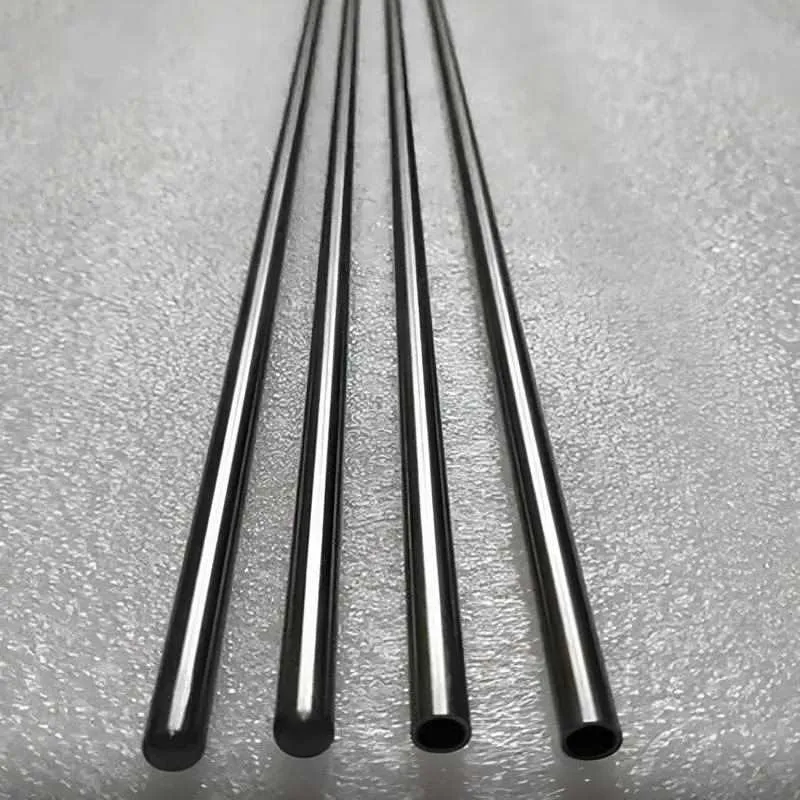
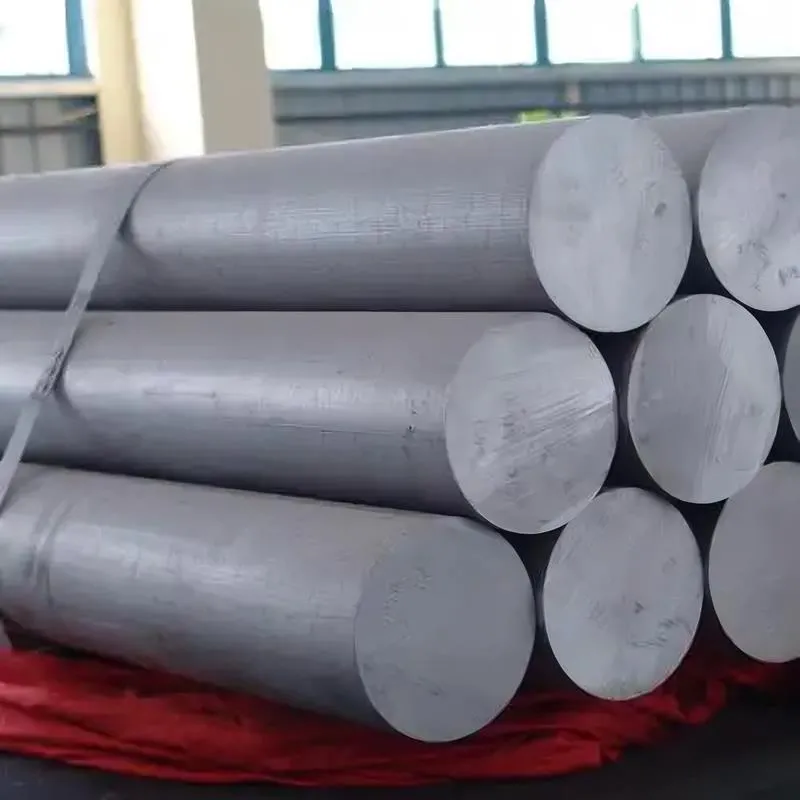
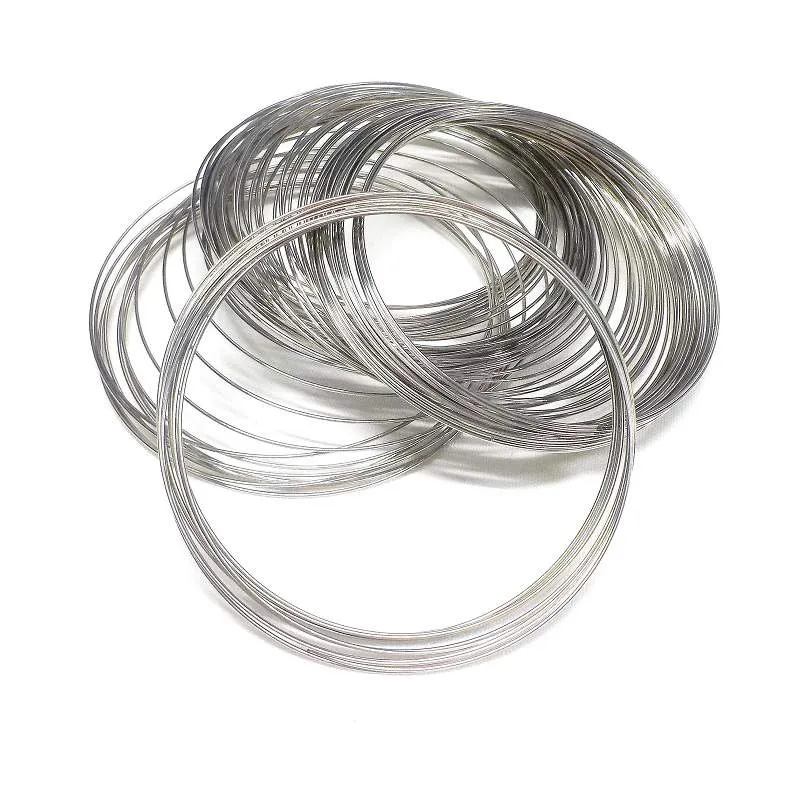
Assab Steel Tube,Pipes, ASSAB XW-42 Cold Work Steel Tube,Pipe
Product Code : STI-GSTI-190-CU
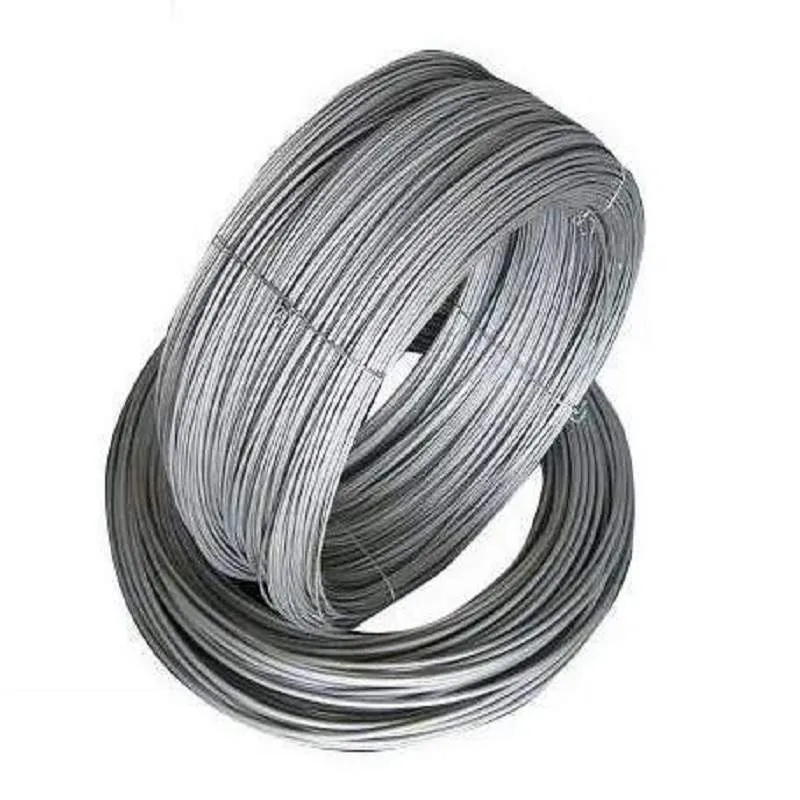
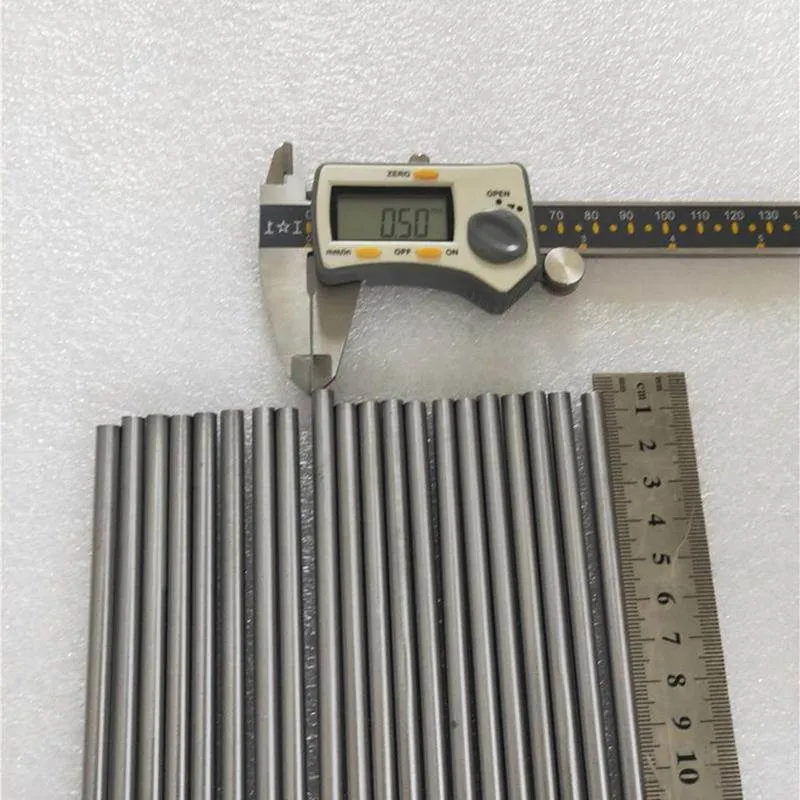
We provide Assab Steel Tubes ASSAB XW-42 Cold Work Steel Tube is available in Bar (Round bar, Flat bar), Ribbon, Wire, Rods, Tube,Seamless Tube,Pipe, Ingots, Plate, Sheet, Strip and Forging Stock.,Purity, chemical composition, size, etc. can all be customized to meet specific requirements.Assab Steel Pipes, ASSAB XW-42 Cold Work Steel Pipe
Please contact us if you need customized services. We will contact you with the price and availability in 24 hours.
Assab Steel Tubes ASSAB XW-42 Cold Work Steel Tube Product Information
-:-
For detailed product information, please contact sales.
-:
Assab Steel Tubes ASSAB XW-42 Cold Work Steel Tube Synonyms
-:-
For detailed product information, please contact sales.
-:
Assab Steels ASSAB XW-42 Cold Work Steel Product Information
-:-
For detailed product information, please contact sales.
-:
# Product Datasheet: Assab Steels ASSAB XW-42 High-Carbon High-Chromium Cold Work Tool Steel
## Product Overview
**Assab Steels ASSAB XW-42** is a premium air-hardening, high-carbon, high-chromium cold work tool steel specifically formulated to provide exceptional wear resistance combined with improved toughness and dimensional stability. As an enhanced version of conventional D2-type steels, XW-42 offers superior performance characteristics for demanding tooling applications where both extreme wear resistance and reliable operation are required.
## Key Characteristics & Advantages
- **Exceptional Wear Resistance:** High volume fraction of hard carbides (primarily chromium and vanadium carbides) provides outstanding resistance to abrasive wear
- **Improved Toughness:** Optimized alloy balance offers better toughness than standard D2 while maintaining high hardness
- **Excellent Dimensional Stability:** Minimal and predictable dimensional changes during air hardening process
- **Deep Hardenability:** Can be through-hardened in substantial sections with uniform properties throughout
- **Good Grindability:** Better grinding characteristics compared to conventional high-chromium steels
- **Versatile Performance:** Suitable for a wide range of cold work applications requiring maximum wear resistance
## Standard Specifications & International Designations
| **Standard** | **Designation** |
|--------------|-----------------|
| **Assab/Uddeholm** | XW-42 (Proprietary Enhanced Grade) |
| **AISI/ASTM** | D2 (Enhanced/Modified) |
| **DIN/EN** | 1.2379 (X155CrVMo12-1 - Enhanced) |
| **JIS** | SKD11 (Improved Version) |
| **ISO** | 160CrMoV12 |
| **UNS** | T30402 (Modified) |
| **GB** | Cr12Mo1V1 (Premium Quality) |
## Chemical Composition (Typical, Weight %)
| Element | Content (%) | Element | Content (%) |
|---------|-------------|---------|-------------|
| **Carbon (C)** | 1.55-1.65 | **Chromium (Cr)** | 11.0-12.0 |
| **Molybdenum (Mo)** | 0.80-1.10 | **Vanadium (V)** | 0.90-1.10 |
| **Manganese (Mn)** | 0.30-0.50 | **Silicon (Si)** | 0.30-0.50 |
| **Sulfur (S)** | ≤0.015 | **Phosphorus (P)** | ≤0.020 |
| **Cobalt (Co)** | 0.80-1.10 | **Nickel (Ni)** | 0.20-0.40 |
| **Iron (Fe)** | Balance |
*Note: The addition of Cobalt and Nickel distinguishes XW-42 from standard D2 steels, providing enhanced hot hardness and toughness.*
## Typical Heat Treatment
### Annealing
- **Process Temperature:** 850-870°C (1560-1600°F)
- **Cooling Rate:** Slow cool at 10-15°C/hour to 600°C, then air cool
- **Resulting Hardness:** 210-230 HB
- **Microstructure:** Fine, uniformly distributed spheroidized carbides
### Stress Relieving
- **Temperature:** 600-650°C (1110-1200°F)
- **Application:** After rough machining, before final heat treatment
- **Hold Time:** 2 hours per 25 mm of thickness minimum
### Hardening
1. **Preheating:** Two-stage recommended
- Stage 1: 650°C (1200°F)
- Stage 2: 850°C (1560°F)
2. **Austenitizing:** **980-1040°C (1795-1905°F)**
- Standard applications: 1000-1020°C (1830-1870°F)
- Maximum wear resistance: 1030-1040°C (1885-1905°F)
- Maximum toughness: 980-1000°C (1795-1830°F)
3. **Soaking Time:** 30-45 minutes depending on section size
4. **Quenching:** Still or forced **air** (2-3 bar pressure)
### Tempering
- **Critical Requirement:** Immediate tempering after reaching 50-70°C (120-160°F)
- **Double Tempering:** Mandatory with cooling to room temperature between tempers
- **Typical Cycles:**
- **Standard:** 180-220°C (355-430°F) × 2 times → 60-62 HRC
- **High Toughness:** 500-540°C (930-1005°F) × 2 times → 54-56 HRC
- **Balanced:** 200-250°C (390-480°F) × 2 times → 58-60 HRC
## Physical & Mechanical Properties
### Physical Properties
| Property | Value | Unit | Conditions |
|----------|-------|------|------------|
| **Density** | 7.70 | g/cm³ | At 20°C |
| **Modulus of Elasticity** | 210 | GPa | At 20°C |
| **Thermal Expansion Coefficient** | 10.4 | ×10⁻⁶/K | 20-100°C |
| **Thermal Conductivity** | 20.5 | W/(m·K) | At 20°C |
| **Specific Heat Capacity** | 460 | J/(kg·K) | At 20°C |
| **Magnetic Properties** | Magnetic | - | Up to Curie point |
### Mechanical Properties (Hardened & Tempered)
| Property | Value | Unit | Conditions |
|----------|-------|------|------------|
| **Hardness** | 60-62 | HRC | Tempered at 200°C |
| **Compressive Strength** | ~2,700 | MPa | At 60 HRC |
| **Transverse Rupture Strength** | ~3,500 | MPa | At 60 HRC |
| **Yield Strength** | ~2,400 | MPa | At 60 HRC |
| **Impact Toughness (Charpy)** | 15-25 | J | At 60 HRC |
| **Fatigue Strength** | ~1,000 | MPa | 10⁷ cycles |
## Primary Applications
### High-Precision Blanking and Stamping
- **Progressive Dies** for electronic components and connectors
- **Fineblanking Dies** for automotive and precision mechanical parts
- **High-Speed Stamping Dies** for mass production
- **Precision Piercing Punches** for thin materials
- **Lamination Dies** for electric motor manufacturing
### Forming and Drawing Applications
- **Cold Forming Dies** for high-strength materials
- **Deep Drawing Dies** for stainless steel and special alloys
- **Thread Rolling Dies** for high-performance fasteners
- **Knurling Tools** for precision surface patterns
- **Extrusion Tools** for non-ferrous metals
### Plastic and Composite Molding
- **Injection Molds** for abrasive filled plastics
- Glass-filled polymers
- Mineral-filled compounds
- Carbon fiber reinforced plastics
- **Compression Molds** for technical rubber components
- **Extrusion Dies** for engineering plastics
- **Blow Molds** for technical containers
### Cutting and Shearing Tools
- **Shear Blades** for high-strength alloys
- **Slitter Knives** for precision strip cutting
- **Cut-off Tools** for bar stock
- **Woodworking Tools** for engineered wood products
- **Paper Cutting Knives** for high-volume production
### Specialized Industrial Applications
- **Rolls** for cold rolling mills
- **Wear Plates** and guides in high-abrasion environments
- **Gauges** and measuring instruments requiring extreme wear resistance
- **Texturing Tools** for surface patterning
- **Semiconductor Manufacturing Tools**
## Processing Guidelines
### Machining Operations
- **Optimal State:** Annealed condition (~220 HB)
- **Machinability Rating:** 45-50% (compared to 1% carbon steel)
- **Tool Recommendations:**
- Carbide tools preferred
- CBN tools for finishing operations
- Positive rake angles recommended
- **Cutting Parameters:**
- Speed: 30-50 m/min for turning
- Feed: 0.15-0.25 mm/rev
- Depth of cut: 2-4 mm for roughing
- **Coolant:** High-pressure coolant recommended
### Grinding Operations
- **Wheel Selection:**
- Aluminum oxide (A) for rough grinding
- Silicon carbide (C) for fine grinding
- CBN for precision finishing
- **Wheel Specifications:**
- Grain size: 46-80 for roughing, 80-120 for finishing
- Hardness: H-K grade
- Structure: Medium (5-7)
- **Parameters:**
- Wheel speed: 25-35 m/s
- Workpiece speed: 15-25 m/min
- Downfeed: 0.005-0.02 mm/pass
- **Coolant:** Water-based soluble oil recommended
### Electrical Discharge Machining
- **Suitable for:** Both wire and sinker EDM
- **Parameters:**
- Wire EDM: Brass wire, low flushing pressure
- Sinker EDM: Copper or graphite electrodes
- **Post-EDM Treatment:**
- Stress relieve at 180-200°C
- Remove white layer by polishing or light grinding
- Re-temper if necessary
### Welding and Joining
- **General Recommendation:** Avoid welding if possible
- **If Essential:**
- Preheating: 400-450°C minimum
- Interpass temperature: Maintain above 300°C
- Electrodes: Matching composition or austenitic stainless
- Post-weld: Full re-hardening cycle required
- **Alternative Methods:**
- Mechanical fastening
- Brazing with appropriate filler metals
- Laser cladding for selective repair
### Surface Treatments
- **Nitriding:**
- Gas nitriding: 480-520°C, 20-80 hours
- Plasma nitriding: 450-500°C, 8-24 hours
- Case depth: 0.1-0.3 mm typical
- Surface hardness: 1000-1200 HV
- **PVD Coatings:**
- TiN, TiCN, TiAlN, AlCrN, DLC
- Coating thickness: 2-5 μm
- Application temperature: <500°C
- **Polishing:** Can achieve mirror finishes (Ra < 0.01 μm)
## Heat Treatment Best Practices
### Critical Control Parameters
1. **Temperature Uniformity:** ±5°C tolerance recommended
2. **Atmosphere Control:** Protective atmosphere or vacuum preferred
3. **Quenching Conditions:** Uniform air flow essential
4. **Tempering Precision:** Temperature and time control critical
### Size Change Characteristics
- **Typical Expansion:** 0.08-0.12%
- **Directional Variation:** Minimal with proper heat treatment
- **Predictability:** Excellent with standardized procedures
### Hardening Capacity
- **Maximum Section Size:** Up to 300 mm (12 inches) for through-hardening
- **Hardness Uniformity:** ±1 HRC within hardened section
- **Case Depth:** Full hardening achievable in designed sections
## Comparative Performance Analysis
### Wear Resistance Comparison
- **XW-42 vs. D2:** 15-20% improvement in abrasive wear resistance
- **XW-42 vs. A2:** 40-50% improvement in wear resistance
- **XW-42 vs. PM Steels:** Comparable to mid-range PM grades
### Toughness Comparison
- **XW-42 vs. D2:** 20-30% improvement in impact toughness
- **XW-42 vs. Conventional D2:** Better fracture resistance
- **XW-42 vs. High-Speed Steels:** Superior toughness at equivalent hardness
### Dimensional Stability
- **Distortion Control:** Superior to oil-hardening grades
- **Size Change Predictability:** Excellent with proper processing
- **Repeatability:** High consistency between batches
## Quality Assurance Standards
### Material Certification
- **Chemical Analysis:** Full spectrographic analysis provided
- **Hardness Testing:** Brinell and Rockwell verification
- **Microcleanliness:** ASTM E45 Method A assessment
- **Ultrasonic Testing:** Available for critical applications
- **Dimensional Inspection:** Precision ground to specified tolerances
### Available Forms and Sizes
| Form | Available Sizes | Tolerances |
|------|----------------|------------|
| **Ground Flat Stock** | Thickness: 10-400 mm
Width: 100-1000 mm
Length: 500-3000 mm | Thickness: ±0.1 mm
Width: ±0.2 mm
Flatness: 0.1 mm/m |
| **Bars (Round)** | Diameter: 20-300 mm
Length: 1000-4000 mm | Diameter: h11
Straightness: 0.5 mm/m |
| **Forged Blocks** | Custom dimensions up to 1000×1000×500 mm | As forged or rough machined |
| **Pre-machined Blanks** | Custom shapes and sizes | Customer specifications |
## Application-Specific Recommendations
### For Maximum Service Life
1. **Heat Treatment Optimization:**
- Use higher austenitizing temperatures for maximum carbide solution
- Double temper with precise temperature control
- Consider cryogenic treatment for critical applications
2. **Surface Enhancement:**
- Apply PVD coatings (TiAlN, AlCrN recommended)
- Implement nitriding for additional surface hardness
- Maintain proper surface finish for coating adhesion
### For Complex Geometry Tools
1. **Design Considerations:**
- Avoid sharp internal corners (minimum R3 recommended)
- Use symmetrical designs to minimize distortion
- Allow for grinding stock after heat treatment
2. **Processing Sequence:**
- Rough machine in annealed condition
- Stress relieve before final heat treatment
- Finish grind after hardening and tempering
### For High-Volume Production
1. **Tool Maintenance:**
- Regular inspection and preventive maintenance
- Proper storage and handling procedures
- Documentation of service history
2. **Performance Monitoring:**
- Track tool life and failure modes
- Implement statistical process control
- Continuous improvement based on performance data
## Technical Support Services
### Available Services
- **Heat Treatment Consultation:** Customized cycles for specific applications
- **Application Engineering:** Tool design and material selection support
- **Failure Analysis:** Root cause investigation and corrective actions
- **Training Programs:** Heat treatment and processing workshops
### Documentation Provided
- **Material Certificates:** 3.1 according to EN 10204
- **Heat Treatment Guidelines:** Detailed procedures and parameters
- **Application Notes:** Case studies and best practices
- **Safety Data Sheets:** Handling and safety information
---
**Important Notice:** This technical information represents typical characteristics and is provided for reference purposes only. Actual performance may vary based on specific processing conditions, tool design, and application requirements. For critical applications, always consult with Assab technical representatives and conduct application-specific testing. The manufacturer reserves the right to modify specifications and compositions without prior notice. Proper handling, storage, and processing are essential for achieving optimal performance. Always follow recommended safety procedures when working with tool steels.
-:-
For detailed product information, please contact sales.
-:
Assab Steels ASSAB XW-42 Cold Work Steel Specification
Dimensions
Size:
Diameter 20-1000 mm Length <6846 mm
Size:We can customized as required
Standard:
Per your request or drawing
We can customized as required
Properties(Theoretical)
Chemical Composition
-:-
For detailed product information, please contact sales.
-:
Assab Steels ASSAB XW-42 Cold Work Steel Properties
-:-
For detailed product information, please contact sales.
-:
Applications of Assab Steel Tubes ASSAB XW-42 Cold Work Steel Tube
-:-
For detailed product information, please contact sales.
-:
Chemical Identifiers Assab Steel Tubes ASSAB XW-42 Cold Work Steel Tube
-:-
For detailed product information, please contact sales.
-:
Packing of Assab Steel Tubes ASSAB XW-42 Cold Work Steel Tube
-:-
For detailed product information, please contact sales.
-:
Standard Packing:
-:-
For detailed product information, please contact sales.
-:
Typical bulk packaging includes palletized plastic 5 gallon/25 kg. pails, fiber and Steel Tube drums to 1 ton super sacks in full container (FCL) or truck load (T/L) quantities. Research and sample quantities and hygroscopic, oxidizing or other air sensitive materials may be packaged under argon or vacuum. Solutions are packaged in polypropylene, plastic or glass jars up to palletized 3317 gallon liquid totes Special package is available on request. E FORUs’ is carefully handled to minimize damage during storage and transportation and to preserve the quality of our products in their original condition