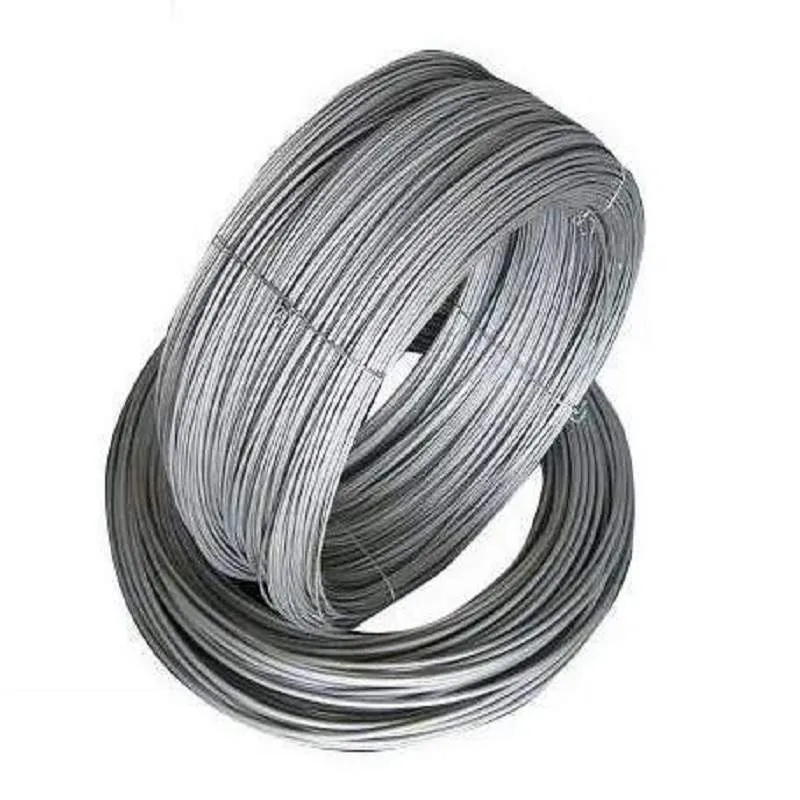
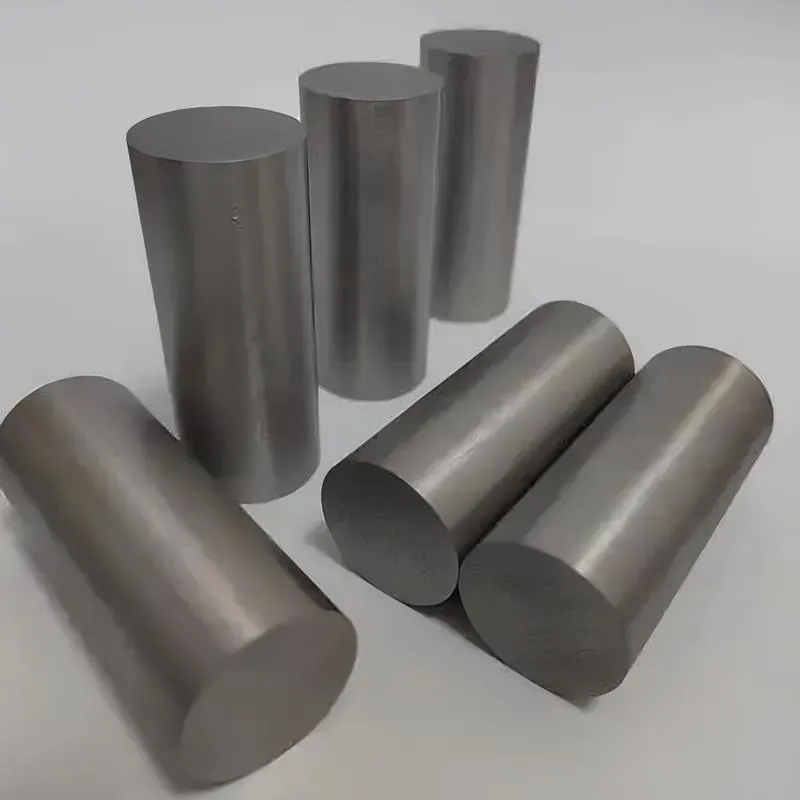
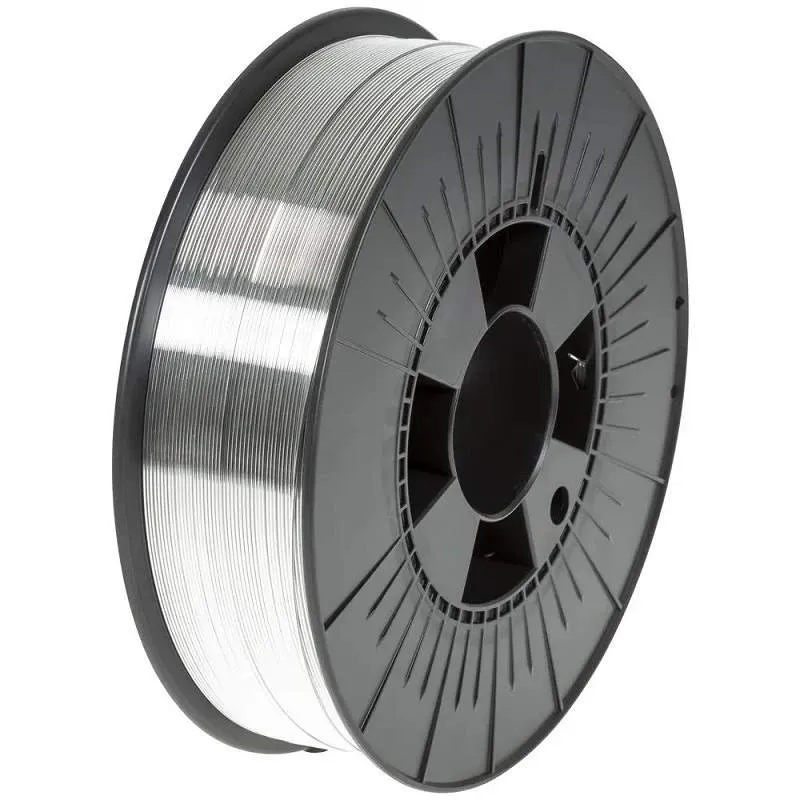
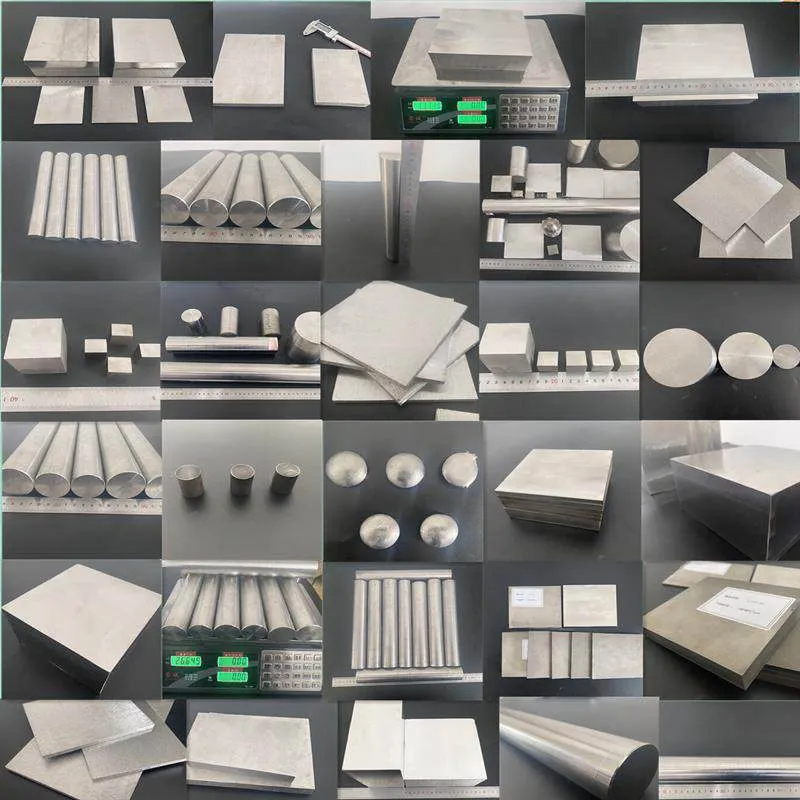
Assab Steel Wires, ASP 60 Cold Work Steel Wire
Product Code : STI-GSTI-197-CU
We provide Assab Steel Wires ASP 60 Cold Work Steel Wire is available in Bar (Round bar, Flat bar), Ribbon, Wire, Rods, Tube,Seamless Tube,Pipe, Ingots, Plate, Sheet, Strip and Forging Stock.,Purity, chemical composition, size, etc. can all be customized to meet specific requirements.
Please contact us if you need customized services. We will contact you with the price and availability in 24 hours.
Assab Steel Wires ASP 60 Cold Work Steel Wire Product Information
-:-
For detailed product information, please contact sales.
-:
Assab Steel Wires ASP 60 Cold Work Steel Wire Synonyms
-:-
For detailed product information, please contact sales.
-:
Assab Steels ASP 60 Cold Work Steel Product Information
-:-
For detailed product information, please contact sales.
-:
# **Product Datasheet: Assab Steels ASP 60 Ultra-High Performance Powder Metallurgy Cold Work/High-Speed Steel**
## **Product Overview**
**Assab Steels ASP 60** represents the pinnacle of powder metallurgy (PM) tool steel technology within the ASP series. This ultra-high performance material combines **extraordinary wear resistance** with **surprisingly good toughness** for its hardness level, achieved through an optimized high-vanadium, high-cobalt alloy design and advanced PM manufacturing. ASP 60 is engineered for the most demanding applications where conventional tool steels and even standard PM grades cannot meet performance requirements.
## **Key Characteristics & Advantages**
- **Exceptional Wear Resistance:** Extremely high vanadium content (≈10.5%) creates abundant hard MC carbides
- **Excellent Hot Hardness:** Significant cobalt content (≈10.5%) ensures performance at elevated temperatures
- **Superior Grindability:** PM microstructure enables grinding characteristics unattainable in ingot-cast equivalents
- **Very High Hardness Capability:** Can achieve and maintain 67-69 HRC
- **Good Toughness for Hardness Level:** Maintains reasonable impact resistance despite ultra-high hardness
- **Excellent Dimensional Stability:** Predictable minimal distortion during heat treatment
- **Uniform Properties:** Consistent performance throughout cross-section
- **Good Polishability:** Capable of achieving fine surface finishes despite high hardness
## **Standard Specifications & International Designations**
| **Standard** | **Designation** | **Notes** |
|--------------|-----------------|-----------|
| **Assab/Uddeholm** | **ASP 60** | Primary designation |
| **Manufacturing Process** | **Advanced Powder Metallurgy** | Gas atomization + HIP |
| **AISI/ASTM Equivalent** | **No direct equivalent** | Far exceeds conventional M-class HSS |
| **DIN/EN Equivalent** | **~1.3207 (Enhanced PM version)** | Ultra-high speed steel classification |
| **Material Category** | **Ultra-High Performance PM Tool Steel** | Combines cold work and HSS characteristics |
| **Comparable Grades** | **Superior to M42, M48 equivalents** | Higher vanadium and cobalt content |
## **Chemical Composition (Typical, Weight %)**
| Element | Content (%) | Primary Function | Metallurgical Impact |
|---------|-------------|------------------|----------------------|
| **Carbon (C)** | 2.30-2.45 | Carbide formation & matrix saturation | Maximizes hardness & wear resistance |
| **Chromium (Cr)** | 4.00-4.50 | Hardenability & corrosion resistance | Ensures through-hardening |
| **Molybdenum (Mo)** | 7.00-7.50 | Secondary hardening & hot strength | Enhances tempering resistance |
| **Vanadium (V)** | 10.00-10.50 | **Primary MC carbide formation** | **Extreme wear resistance** |
| **Tungsten (W)** | 6.50-7.00 | Solid solution strengthening | Contributes to red hardness |
| **Cobalt (Co)** | 10.00-10.50 | **Matrix strengthening & hot hardness** | **Exceptional high-temperature performance** |
| **Silicon (Si)** | 0.40-0.60 | Deoxidizer & matrix strengthener | Processing stability |
| **Manganese (Mn)** | 0.30-0.50 | Hardenability improvement | Supports heat treatment response |
| **Iron (Fe)** | **Balance** | Matrix material | Structural base |
***Special Note:** The combination of **~10.5% vanadium** and **~10.5% cobalt** creates a unique microstructure with extremely high volume fraction of hard vanadium carbides (≈25-30%) in a cobalt-strengthened matrix, delivering unprecedented wear and hot hardness properties.*
## **Microstructural Characteristics**
| Feature | Specification | Benefit/Implication |
|---------|---------------|---------------------|
| **Primary Carbides** | **Abundant MC (Vanadium) carbides** (1-3 μm) | **Extreme abrasion resistance** |
| **Carbide Volume Fraction** | **25-30%** (extremely high) | Maximum wear resistance |
| **Carbide Distribution** | **Uniform, fine dispersion** | No segregation, consistent properties |
| **Carbide Types** | **MC (dominant), M₆C, M₇C₃** | Balanced performance |
| **Matrix Structure** | **Cobalt-strengthened tempered martensite** | High hot hardness |
| **Grain Size** | **ASTM 11-13** (ultra-fine) | Enhanced mechanical properties |
| **Inclusion Content** | **ASTM E45 ≤ 0.3** (ultra-clean) | Superior fatigue & fracture resistance |
## **Typical Heat Treatment Protocol**
### **1. Soft Annealing**
- **Temperature:** **850-880°C (1560-1615°F)**
- **Atmosphere:** **Vacuum or protective atmosphere mandatory**
- **Cooling Cycle:** Slow furnace cool at **10-15°C/hour** to 600°C, then air cool
- **Annealed Hardness:** **280-320 HB**
- **Purpose:** Optimal condition for machining, minimizes carbide growth
### **2. Stress Relieving**
- **Temperature:** **600-650°C (1110-1200°F)**
- **Application:** After rough machining, before final hardening
- **Duration:** **2-3 hours per 25 mm** thickness
- **Critical:** Essential to prevent cracking during hardening
### **3. Hardening Cycle**
| Step | Temperature Range | Time | Critical Notes |
|------|------------------|------|----------------|
| **Preheating 1** | **450-500°C (840-930°F)** | 30 min minimum | Reduces thermal shock |
| **Preheating 2** | **800-850°C (1470-1560°F)** | 30 min minimum | Equalizes temperature |
| **Austenitizing** | **1180-1220°C (2155-2225°F)** | **2-4 min/mm** | **±3°C control recommended** |
| **Quenching** | **Salt bath 500-550°C → Air** or **High-pressure gas** | - | Gas: 10-15 bar recommended |
***Austenitizing Temperature Guidelines:***
- **Standard Optimization:** **1200-1210°C (2190-2210°F)**
- **Maximum Wear Resistance:** **1210-1220°C (2210-2225°F)**
- **Enhanced Toughness:** **1180-1190°C (2155-2175°F)** (with hardness trade-off)
### **4. Tempering Protocol**
- **Timing:** **Immediate** upon reaching 40-60°C (105-140°F)
- **Cycles:** **Minimum triple tempering, quadruple recommended**
- **Temperature Range:** **540-600°C (1005-1110°F)**
- **Standard Practice:** **560°C × 4 times, 2 hours each**
- **Hardness Profile:**
- 540°C (1005°F): **68-69 HRC**
- 560°C (1040°F): **67-68 HRC**
- 580°C (1075°F): **66-67 HRC**
- 600°C (1110°F): **64-66 HRC**
### **5. Cryogenic Treatment**
- **Highly Recommended** for optimal performance
- **Temperature:** **-80°C to -100°C (-110°F to -150°F)**
- **Duration:** **3-4 hours**
- **Timing:** After quenching, before first temper
- **Benefits:** Maximizes hardness, dimensional stability, wear resistance
## **Physical Properties**
| Property | Value | Unit | Conditions | Significance |
|----------|-------|------|------------|--------------|
| **Density** | 7.85 | g/cm³ | At 20°C | Slightly lower than conventional HSS |
| **Modulus of Elasticity** | 240 | GPa | At 20°C | High stiffness |
| **Thermal Expansion Coefficient** | 10.3 | ×10⁻⁶/K | 20-100°C | Predictable dimensional changes |
| **Thermal Conductivity** | 19.5 | W/(m·K) | At 20°C | Heat dissipation important for applications |
| **Specific Heat Capacity** | 420 | J/(kg·K) | At 20°C | Thermal management consideration |
| **Magnetic Properties** | Ferromagnetic | - | Below Curie point | Affects certain machining/measurement |
## **Mechanical Properties**
### **Standard Condition (1210°C Austenitize / 560°C×4 Temper + Cryo)**
| Property | Value Range | Unit | Test Method | Significance |
|----------|-------------|------|-------------|--------------|
| **Hardness** | **67-69** | HRC | ISO 6508 | **Extreme hardness level** |
| **Compressive Strength** | **3,800-4,100** | MPa | ISO 3785 | Exceptional load-bearing |
| **Transverse Rupture Strength** | **3,500-4,000** | MPa | ISO 3325 | Good for hardness level |
| **Yield Strength (0.2%)** | **3,500-3,800** | MPa | ISO 6892 | Very high |
| **Impact Toughness (Charpy V)** | **20-30** | J | ISO 148 | **Good considering hardness** |
| **Red Hardness (600°C/1h)** | **64-66** | HRC | Special test | **Excellent hot hardness** |
| **Fracture Toughness (K_IC)** | **12-18** | MPa√m | ASTM E399 | Adequate for most applications |
### **Wear Performance Comparison**
| Test Method | Relative Performance (ASP 60 = 100%) | Notes |
|-------------|--------------------------------------|-------|
| **Abrasive Wear (SiC paper)** | **100% (Baseline)** | Baseline established |
| **vs. ASP 30** | **150-180%** | 1.5-1.8× better |
| **vs. Conventional M42** | **250-300%** | 2.5-3.0× better |
| **vs. D2 Cold Work Steel** | **400-500%** | 4-5× better |
| **vs. Cemented Carbide** | **70-90%** | Approaches carbide performance |
### **High-Temperature Performance**
| Temperature | Hardness Retention | Equivalent Hardness | Application Implication |
|-------------|-------------------|---------------------|-------------------------|
| **20°C (68°F)** | 100% | 68 HRC | Room temperature baseline |
| **400°C (750°F)** | 95-97% | 65-66 HRC | Minimal softening |
| **500°C (930°F)** | 90-93% | 61-63 HRC | Maintains cutting capability |
| **600°C (1110°F)** | 85-88% | 57-60 HRC | **Exceptional performance** |
| **700°C (1290°F)** | 70-75% | 48-51 HRC | Still functional |
## **Primary Applications**
### **A. Ultra-High Performance Cutting Tools**
#### **Demanding Metal Cutting:**
- **Hard Turning & Milling:** Machining of hardened steels (55-65 HRC)
- **High-Temperature Alloys:** Inconel, Waspaloy, Hastelloy, titanium alloys
- **Abrasive Materials:** Fiber-reinforced composites, ceramics, hard coatings
- **Gear Manufacturing:** Hobs and shapers for hardened gears
- **Broaching:** Internal/external broaches for high-volume production
- **Thread Cutting:** Taps and dies for hardened materials
#### **Specialized Cutting Applications:**
- **Dry Machining:** Where coolant cannot be used
- **High-Speed Machining:** Pushing productivity limits
- **Interrupted Cuts:** Where thermal shock is a concern
- **Wear-Intensive Operations:** Where tool wear is primary failure mode
### **B. Forming & Stamping Applications**
- **Cold Forming Dies:** For ultra-high strength materials
- **Fineblanking Tools:** For precision components in abrasive materials
- **Thread Rolling Dies:** For high-performance fasteners
- **Extrusion Tools:** For abrasive or high-strength materials
- **Punching Tools:** For hard or abrasive sheet materials
### **C. Plastic & Composite Processing**
- **Injection Molds:** For extremely abrasive filled plastics:
- Long glass fiber (>50%)
- High mineral content compounds
- Carbon fiber composites
- Ceramic-filled polymers
- **Extrusion Dies:** For filled engineering plastics
- **Compression Molds:** For abrasive rubber compounds
- **Hot Runner Components:** Where wear resistance at temperature is critical
### **D. Special Industrial Applications**
- **Wear Parts:** In extreme abrasive environments
- **Machine Components:** Requiring maximum wear resistance
- **Tooling for Powder Metallurgy:** Die components
- **Woodworking Tools:** For processed/engineered woods
- **Textile Industry:** Cutting synthetic fibers
## **Processing Guidelines**
### **1. Machining Operations**
| Operation | Tool Recommendation | Parameters | Critical Notes |
|-----------|---------------------|------------|----------------|
| **Turning** | **Carbide (P10-P20 grade)** | Speed: **20-35 m/min**
Feed: **0.10-0.20 mm/rev**
Depth: **1-3 mm** | **Very difficult to machine** |
| **Milling** | **Carbide or CBN** | Speed: **50-80 m/min**
Feed/tooth: **0.05-0.15 mm** | Light cuts essential |
| **Drilling** | **Solid carbide drills** | Speed: **10-20 m/min**
Feed: **0.05-0.10 mm/rev** | Peck drilling mandatory |
| **Sawing** | **Carbide-tipped blades** | Slow speed, heavy feed pressure | Time-consuming |
***Machinability Note:** ASP 60 is **very difficult to machine** even in annealed condition. Allow ample time and use best practices.*
### **2. Grinding Operations**
#### **Critical Considerations:**
- **Thermal Sensitivity:** Highly prone to grinding burns
- **Wheel Selection:** **CBN or diamond wheels strongly recommended**
- **Coolant:** **High-pressure, high-volume coolant essential**
#### **Recommended Parameters:**
| Parameter | Rough Grinding | Finish Grinding | Superfinishing |
|-----------|---------------|-----------------|----------------|
| **Wheel Speed** | 18-25 m/s | 15-20 m/s | 10-15 m/s |
| **Work Speed** | 10-20 m/min | 5-15 m/min | 2-10 m/min |
| **Infeed** | 0.005-0.010 mm | 0.002-0.005 mm | 0.001-0.002 mm |
| **Crossfeed** | 1-3 mm/pass | 0.5-1.5 mm/pass | 0.1-0.5 mm/pass |
| **Coolant Flow** | **High-pressure flood** | **High-pressure flood** | **High-pressure flood** |
#### **Surface Finish Capability:**
- **Standard Grinding:** Ra 0.8-1.6 μm (challenging)
- **Precision Grinding:** Ra 0.2-0.4 μm (with care)
- **Superfinishing:** Ra 0.1 μm possible (specialized process)
### **3. Electrical Discharge Machining (EDM)**
- **Suitability:** **Possible but challenging**
- **Wire EDM:** Fine wire (0.1-0.2 mm), multiple skim cuts
- **Sinker EDM:** Very fine settings, excellent flushing required
- **Critical:** **Thorough white layer removal mandatory**
- **Post-EDM:** Stress relieve + temper immediately
### **4. Surface Treatments**
#### **PVD Coatings:**
- **Application:** Can provide additional benefits
- **Recommended:** TiAlN, AlCrN, TiSiN, diamond-like carbon (DLC)
- **Note:** Substrate already very hard, incremental benefits
#### **Other Treatments:**
- **Nitriding:** Generally not recommended (may cause embrittlement)
- **Polishing:** Diamond compounds required
- **Laser Hardening:** Not applicable
## **Quality Assurance**
### **Material Certification**
- **Chemical Analysis:** Full spectrographic with trace elements
- **Microcleanliness:** Digital image analysis, inclusion mapping
- **Ultrasonic Testing:** 100% for critical applications
- **Hardness Verification:** Multiple points, statistical reporting
- **Microstructural Analysis:** SEM/EDS available
### **Available Forms**
| Form | Typical Sizes | Standard Tolerance | Notes |
|------|--------------|-------------------|-------|
| **Round Bars** | Ø10-150 mm | h11 | Most common form |
| **Flat Bars** | Up to 100×600 mm | ±0.1 mm thickness | Limited availability |
| **Forged Blocks** | Custom sizes | ±1.0 mm | Special order |
| **Pre-machined** | Customer spec | ±0.2 mm | Premium service |
## **Comparative Analysis**
### **Performance Positioning**
| Material | Wear Resistance | Hot Hardness | Toughness | Grindability | Cost |
|----------|----------------|--------------|-----------|--------------|------|
| **Conventional HSS** | Low | Low-Medium | High | Good | Low |
| **ASP 23** | Medium-High | Medium | High | Very Good | Medium |
| **ASP 30** | High | High | Medium-High | Very Good | High |
| **ASP 60** | **Very High** | **Very High** | Medium | **Good** | **Very High** |
| **Cemented Carbide** | **Extreme** | **Extreme** | Low | N/A | Medium-High |
### **Economic Justification**
- **Material Cost:** **Premium** (highest in ASP series)
- **Tool Life:** **3-10×** conventional tool steels in suitable applications
- **Applications:** Justified only where wear is primary failure mode
- **ROI:** Requires high-volume or critical applications
## **Application Guidelines**
### **When to Select ASP 60:**
1. **Extreme abrasive wear** is primary concern
2. **High-temperature operation** (>500°C/930°F)
3. **Cutting/forming ultra-hard materials**
4. **Maximum tool life** between regrinds required
5. **Cost of tool failure** is extremely high
### **When to Consider Alternatives:**
1. **Impact or shock loading** predominant
2. **Complex, thin-section geometries**
3. **Cost sensitivity** primary consideration
4. **Moderate wear conditions** only
5. **Limited grinding capabilities** available
### **Design Recommendations:**
1. **Robust geometries** with ample section thickness
2. **Generous radii** (minimum R3, preferably R5)
3. **Avoid stress concentrators**
4. **Consider insert design** rather than solid tooling
5. **Plan for specialized grinding** capability
---
## **Critical Technical Notes**
### **Special Handling Requirements:**
1. **Heat Treatment:** Requires specialized equipment and expertise
2. **Grinding:** Must be performed by skilled operators with proper equipment
3. **Storage:** Protect from corrosion despite high chromium content
4. **Safety:** Grinding dust contains cobalt - use appropriate extraction
### **Limitations:**
- **Not for high-impact applications**
- **Limited machinability** even in annealed state
- **Requires specialized grinding** equipment and expertise
- **Very high cost** justifies only specific applications
### **Industry Applications:**
- **Aerospace:** Cutting high-temperature alloys
- **Automotive:** High-volume production tooling
- **Tool & Die:** Wear-intensive forming operations
- **Plastics:** Processing highly filled polymers
- **Energy:** Components for extreme environments
---
**Disclaimer:** ASP 60 is a premium specialized material requiring expert handling and application knowledge. Consult with Assab technical specialists before specification. Performance data based on laboratory testing under controlled conditions. Actual performance may vary with application specifics. Always follow current technical documentation and safety guidelines.
-:-
For detailed product information, please contact sales.
-:
Assab Steels ASP 60 Cold Work Steel Specification
Dimensions
Size:
Diameter 20-1000 mm Length <6853 mm
Size:We can customized as required
Standard:
Per your request or drawing
We can customized as required
Properties(Theoretical)
Chemical Composition
-:-
For detailed product information, please contact sales.
-:
Assab Steels ASP 60 Cold Work Steel Properties
-:-
For detailed product information, please contact sales.
-:
Applications of Assab Steel Wires ASP 60 Cold Work Steel Wire
-:-
For detailed product information, please contact sales.
-:
Chemical Identifiers Assab Steel Wires ASP 60 Cold Work Steel Wire
-:-
For detailed product information, please contact sales.
-:
Packing of Assab Steel Wires ASP 60 Cold Work Steel Wire
-:-
For detailed product information, please contact sales.
-:
Standard Packing:
-:-
For detailed product information, please contact sales.
-:
Typical bulk packaging includes palletized plastic 5 gallon/25 kg. pails, fiber and Steel Wire drums to 1 ton super sacks in full container (FCL) or truck load (T/L) quantities. Research and sample quantities and hygroscopic, oxidizing or other air sensitive materials may be packaged under argon or vacuum. Solutions are packaged in polypropylene, plastic or glass jars up to palletized 3324 gallon liquid totes Special package is available on request. E FORUs’ is carefully handled to minimize damage during storage and transportation and to preserve the quality of our products in their original condition