Assab Steels ASSAB XW-10 Cold Work Steel
Product Code : STI-GSTI-188-CU
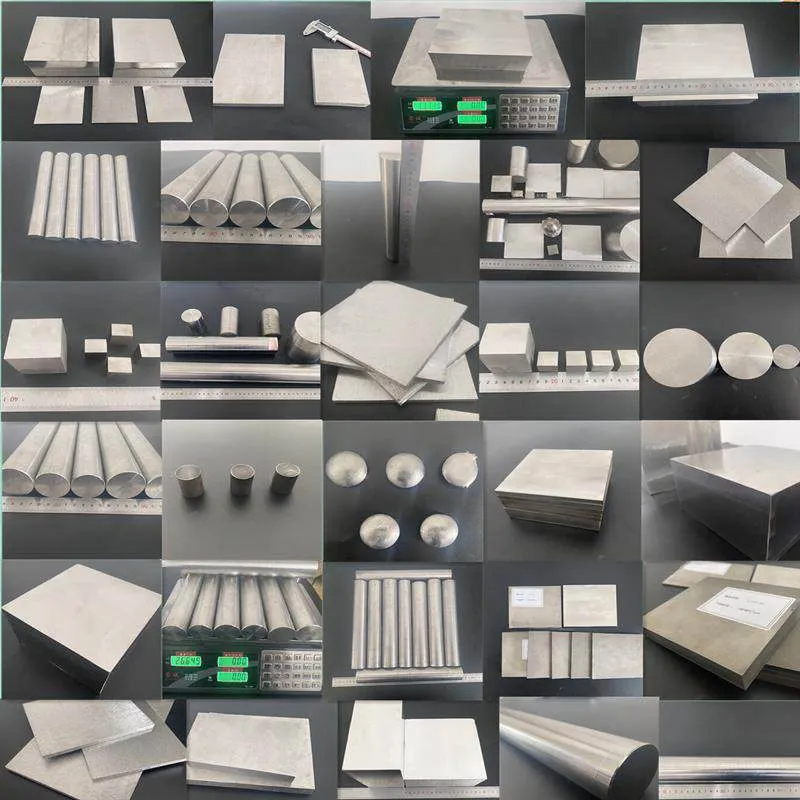
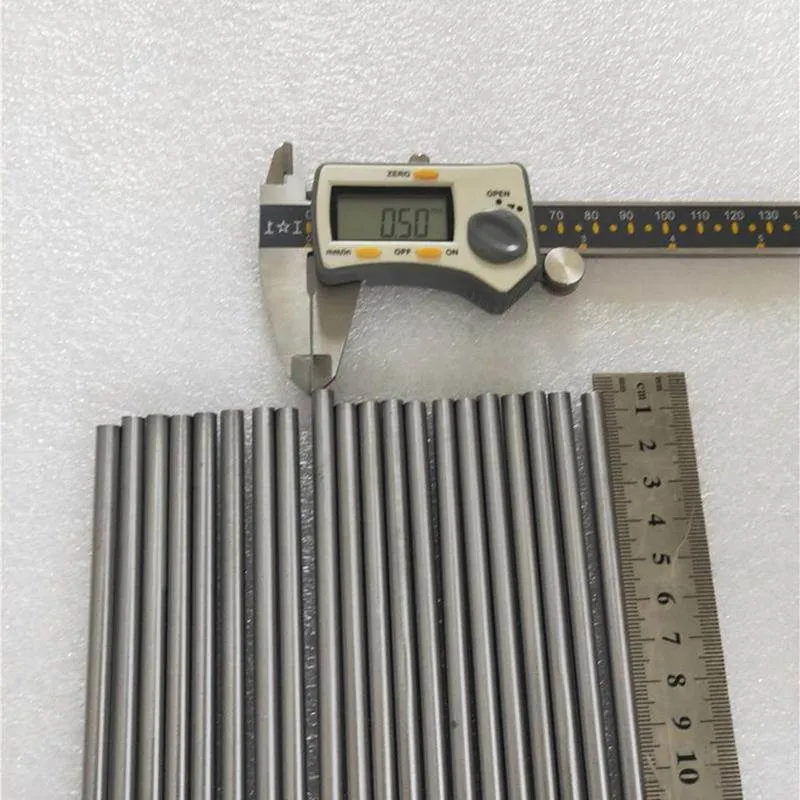
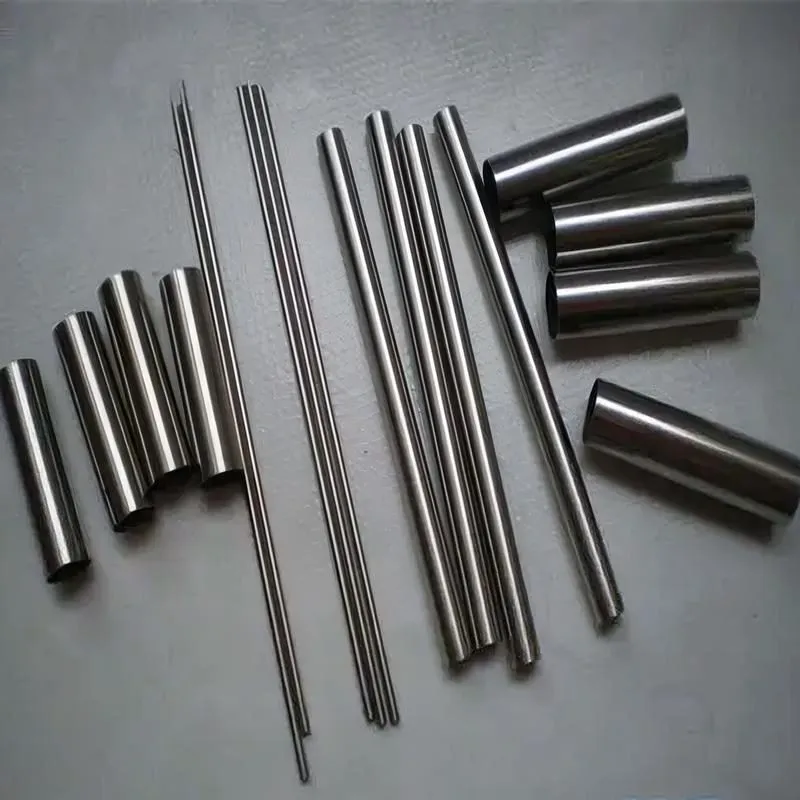
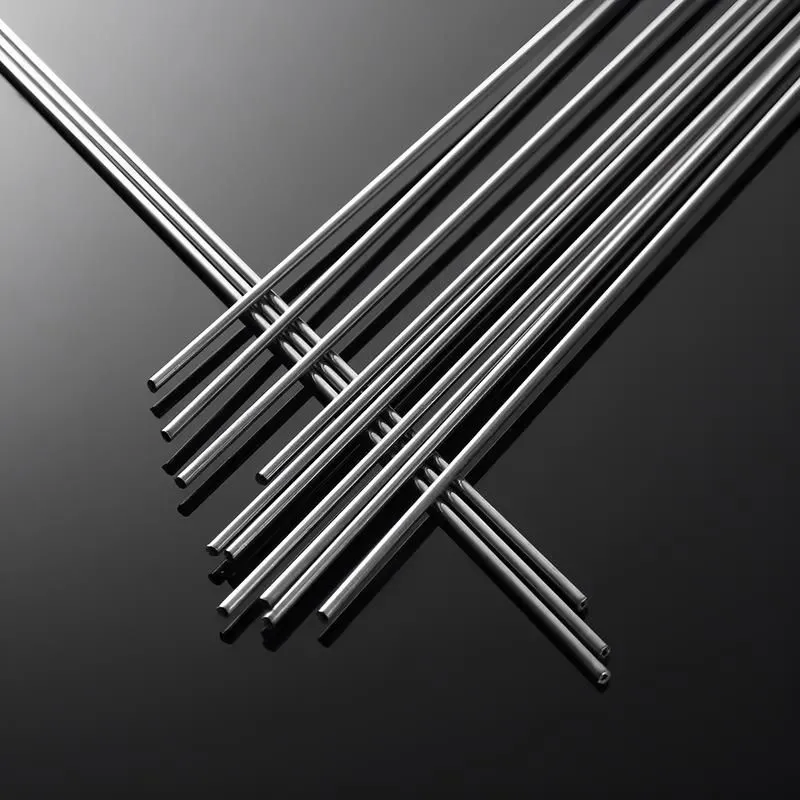
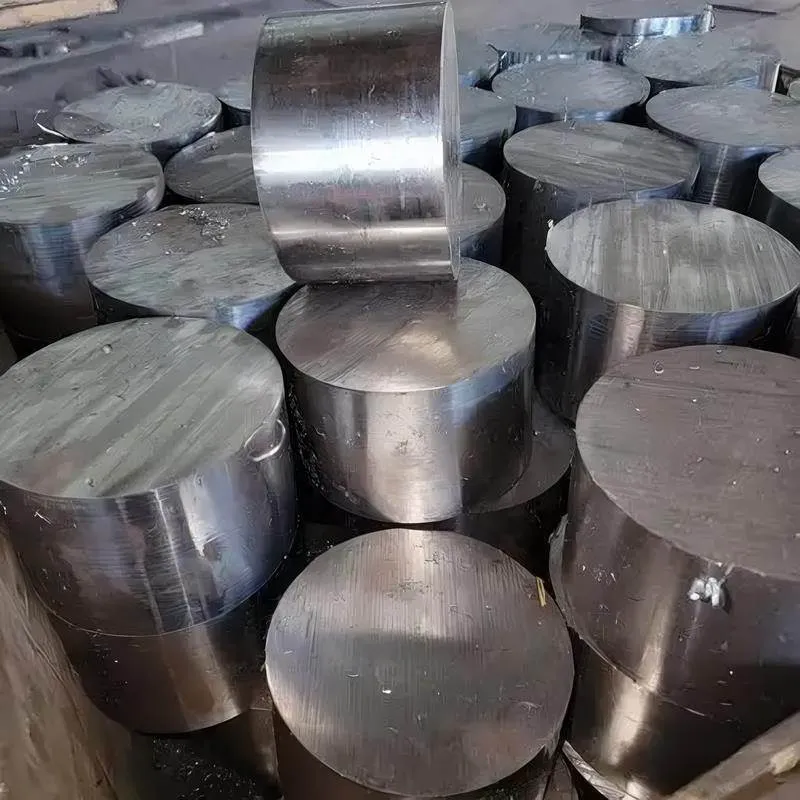
We provide Assab Steels ASSAB XW-10 Cold Work Steel is available in Bar (Round bar, Flat bar), Ribbon, Wire, Rods, Tube,Seamless Tube,Pipe, Ingots, Plate, Sheet, Strip and Forging Stock.,Purity, chemical composition, size, etc. can all be customized to meet specific requirements.
Please contact us if you need customized services. We will contact you with the price and availability in 24 hours.
Assab Steels ASSAB XW-10 Cold Work Steel Product Information
-:-
For detailed product information, please contact sales.
-:
Assab Steels ASSAB XW-10 Cold Work Steel Synonyms
-:-
For detailed product information, please contact sales.
-:
Assab Steels ASSAB XW-10 Cold Work Steel Product Information
-:-
For detailed product information, please contact sales.
-:
# Product Datasheet: Assab Steels ASSAB XW-10 Oil-Hardening Cold Work Tool Steel
## Product Overview
**Assab Steels ASSAB XW-10** is a versatile, oil-hardening chromium-tungsten cold work tool steel offering an excellent balance of wear resistance, toughness, and dimensional stability. Known for its reliable performance and ease of heat treatment, XW-10 is a popular choice for various tooling applications requiring consistent results with minimal distortion.
## Key Characteristics & Advantages
- **Excellent Dimensional Stability:** Exhibits minimal distortion and predictable size change during oil quenching
- **Good Wear Resistance:** Provides adequate wear resistance for general-purpose tooling applications
- **Balanced Toughness:** Offers better toughness than high-carbon, high-chromium steels while maintaining sufficient hardness
- **Good Machinability:** Can be easily machined in the annealed condition with standard tooling
- **Shallow Hardenability:** Oil hardening provides a hard case with a tough core, ideal for many tool applications
- **Cost-Effective Performance:** Provides reliable performance at a competitive price point
## Standard Specifications & International Designations
| **Standard** | **Designation** |
|--------------|-----------------|
| **Assab/Uddeholm** | XW-10 |
| **AISI/ASTM** | O1 (Direct Equivalent) |
| **DIN/EN** | 1.2510 |
| **JIS** | SKS3 |
| **ISO** | 4957: TC105 |
| **UNS** | T31501 |
| **GB** | 9CrWMn |
## Chemical Composition (Typical, Weight %)
| Element | Content (%) | Element | Content (%) |
|---------|-------------|---------|-------------|
| **Carbon (C)** | 0.90-1.00 | **Chromium (Cr)** | 0.50-0.70 |
| **Tungsten (W)** | 0.50-0.70 | **Manganese (Mn)** | 1.00-1.20 |
| **Silicon (Si)** | 0.15-0.35 | **Vanadium (V)** | 0.05-0.15 |
| **Sulfur (S)** | ≤0.025 | **Phosphorus (P)** | ≤0.025 |
| **Iron (Fe)** | Balance |
## Typical Heat Treatment
### Annealing
- **Process:** Heat to 740-760°C (1360-1400°F), slow cool in furnace
- **Resulting Hardness:** 190-210 HB
- **Microstructure:** Spheroidized carbide structure
### Stress Relieving
- **Temperature:** 600-650°C (1110-1200°F)
- **Application:** After rough machining operations
### Hardening
1. **Preheating:** 650°C (1200°F) - recommended for complex shapes
2. **Austenitizing:** **790-820°C (1450-1510°F)** - soak thoroughly (20-30 minutes depending on section size)
3. **Quenching:** In circulating **oil** at 50-80°C (120-180°F)
4. **Cooling:** Cool to approximately 50°C (120°F) before tempering
### Tempering
- **Immediate tempering** after quenching is essential
- **Typical Range:** 150-300°C (300-570°F)
- **Common Practice:** Double tempering recommended for dimensional stability
- **Hardness by Tempering Temperature:**
- 150°C (300°F): 64-65 HRC
- 200°C (390°F): 62-63 HRC
- 250°C (480°F): 60-61 HRC
- 300°C (570°F): 57-58 HRC
## Typical Physical & Mechanical Properties
| Property | Value | Unit |
|----------|-------|------|
| **Density** | 7.83 | g/cm³ |
| **Modulus of Elasticity** | 210 | GPa |
| **Thermal Expansion Coefficient (20-100°C)** | 11.5 | ×10⁻⁶/K |
| **Thermal Conductivity (20°C)** | 38.0 | W/(m·K) |
| **Specific Heat Capacity (20°C)** | 460 | J/(kg·K) |
| **Hardness (Tempered at 200°C)** | 62-63 | HRC |
| **Compressive Strength (62 HRC)** | ~2,100 | MPa |
| **Tensile Strength** | ~2,000 | MPa |
| **Toughness** | Good | - |
## Primary Applications
### Cutting and Blanking Tools
- **Blankting and Piercing Dies** for short to medium production runs
- **Shear Blades** for sheet metal
- **Cut-off Tools** and **Trimming Dies**
- **Slitting Knives** for paper and thin materials
### Forming and Bending Tools
- **Forming Dies** for sheet metal components
- **Bending Tools** and **Press Brake Dies**
- **Drawing Dies** for shallow draws
- **Roll Forming Rolls**
### Plastic and Rubber Molds
- **Injection Molds** for non-abrasive plastics
- **Compression Molds** for rubber products
- **Blow Molds** for containers
- **Structural Foam Molds**
### Measuring and Gauging Tools
- **Precision Gauges** and **Measuring Instruments**
- **Jigs** and **Fixtures**
- **Master Templates**
- **Surface Plates**
### Woodworking Tools
- **Knives** for planers and jointers
- **Cutting Tools** for wood processing
- **Pattern Makers' Tools**
### Special Applications
- **Thread Rolling Dies** for softer materials
- **Knurls** and **Marking Tools**
- **Cold Heading Tools** for smaller sizes
- **Gear Cutting Tools** for non-ferrous materials
## Processing Guidelines
### Machining
- **Optimal Condition:** Annealed state (~200 HB)
- **Machinability Rating:** Good (65-70% compared to 1% C-steel)
- **Tool Geometry:** Use sharp tools with positive rakes
- **Cutting Speeds:** Moderate speeds with good coolant flow
### Grinding
- Use aluminum oxide or silicon carbide wheels
- Employ adequate coolant to prevent overheating
- Multiple light passes preferred over heavy cuts
- Consider stress relief after heavy grinding operations
### Electrical Discharge Machining (EDM)
- Suitable for EDM processing
- **Post-Processing:** Polish or lightly grind to remove white layer
- **Stress Relief:** Recommended after wire EDM of hardened material
### Welding
- **Repair Welding Possible** with proper precautions
- **Preheating:** 250-300°C (480-570°F) required
- **Electrodes:** Use matching or similar composition electrodes
- **Post-Weld:** Slow cooling followed by full re-hardening cycle
### Surface Treatment
- **Nitriding:** Effective for increasing surface hardness
- **Hard Chrome Plating:** Suitable for wear applications
- **PVD Coatings:** TiN, TiCN, CrN can be applied
- **Black Oxide:** For corrosion protection and appearance
## Heat Treatment Considerations
### Critical Factors for Success
1. **Uniform Heating:** Ensure even temperature distribution during austenitizing
2. **Proper Quenching Medium:** Maintain oil temperature within recommended range
3. **Timely Tempering:** Temper immediately after reaching hand-warm temperature
4. **Temperature Accuracy:** Use calibrated equipment for temperature control
### Hardening Depth
- **Effective Case Depth:** Approximately 25-30 mm (1-1.2 inches) from surface
- **Core Properties:** Tough with lower hardness than case
- **Section Size Limitations:** Maximum effective hardening diameter ~75 mm (3 inches)
## Comparative Performance Notes
- **Wear Resistance:** Better than water-hardening steels (W-series), less than high-chromium steels (D-series)
- **Toughness:** Better than D2/D3, comparable to A2
- **Dimensional Stability:** Excellent - superior to many air-hardening grades
- **Distortion Control:** Very good with proper heat treatment practice
## Available Forms & Sizes
- **Precision Ground Flat Stock:** Thickness 5-200 mm, widths up to 600 mm
- **Bars:** Round (10-300 mm diameter), square, hexagonal
- **Forged Blocks:** Custom dimensions available
- **Pre-machined Blanks:** Custom shapes and sizes
## Quality Assurance
- **Microcleanliness:** Controlled sulfur and phosphorus levels
- **Uniform Structure:** Consistent carbide distribution
- **Surface Quality:** Scale-free and decarb-free surfaces on ground products
- **Dimensional Tolerance:** Tight tolerances available for precision applications
## Special Notes for Tool Designers
1. **Section Transitions:** Avoid sharp corners and sudden thickness changes
2. **Stress Concentration:** Design with generous fillets and radii
3. **Hardness Requirements:** Select tempering temperature based on application needs
4. **Wear Considerations:** Consider surface treatments for high-wear areas
---
**Disclaimer:** This technical information is provided for reference purposes. Actual performance may vary based on specific processing conditions, tool design, and application requirements. Always consult current Assab technical documentation and consider application testing for critical tools. Proper heat treatment by qualified personnel using calibrated equipment is essential for achieving optimal results with ASSAB XW-10.
-:-
For detailed product information, please contact sales.
-:
Assab Steels ASSAB XW-10 Cold Work Steel Specification
Dimensions
Size:
Diameter 20-1000 mm Length <6844 mm
Size:We can customized as required
Standard:
Per your request or drawing
We can customized as required
Properties(Theoretical)
Chemical Composition
-:-
For detailed product information, please contact sales.
-:
Assab Steels ASSAB XW-10 Cold Work Steel Properties
-:-
For detailed product information, please contact sales.
-:
Applications of Assab Steels ASSAB XW-10 Cold Work Steel
-:-
For detailed product information, please contact sales.
-:
Chemical Identifiers Assab Steels ASSAB XW-10 Cold Work Steel
-:-
For detailed product information, please contact sales.
-:
Packing of Assab Steels ASSAB XW-10 Cold Work Steel
-:-
For detailed product information, please contact sales.
-:
Standard Packing:
-:-
For detailed product information, please contact sales.
-:
Typical bulk packaging includes palletized plastic 5 gallon/25 kg. pails, fiber and steel drums to 1 ton super sacks in full container (FCL) or truck load (T/L) quantities. Research and sample quantities and hygroscopic, oxidizing or other air sensitive materials may be packaged under argon or vacuum. Solutions are packaged in polypropylene, plastic or glass jars up to palletized 3315 gallon liquid totes Special package is available on request. E FORUs’ is carefully handled to minimize damage during storage and transportation and to preserve the quality of our products in their original condition