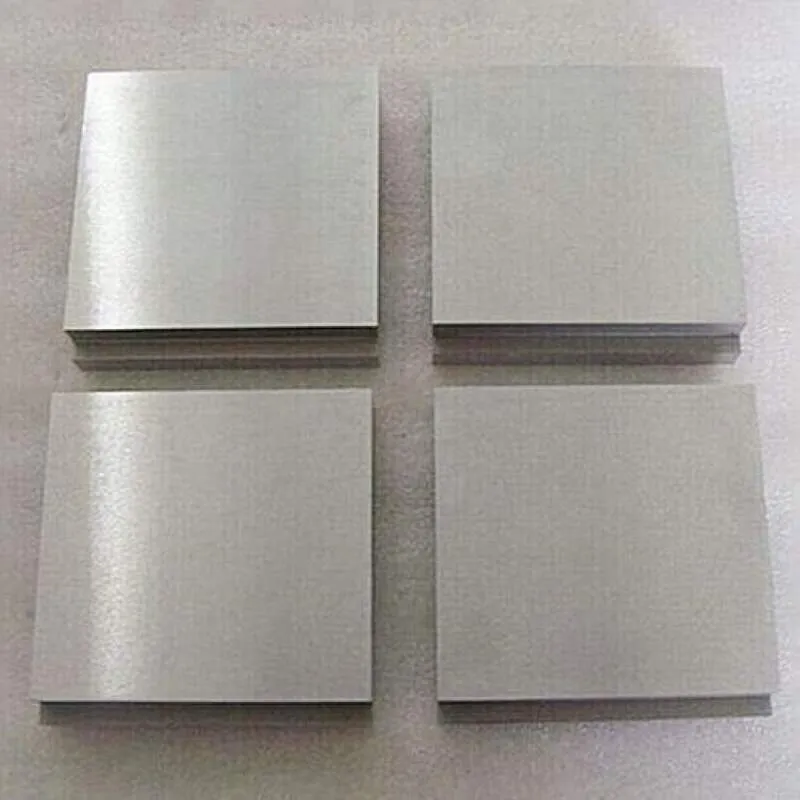
ASTM A414 Grade E Pressure Vessel Steel
Product Code : STI-GSTI-737-CU
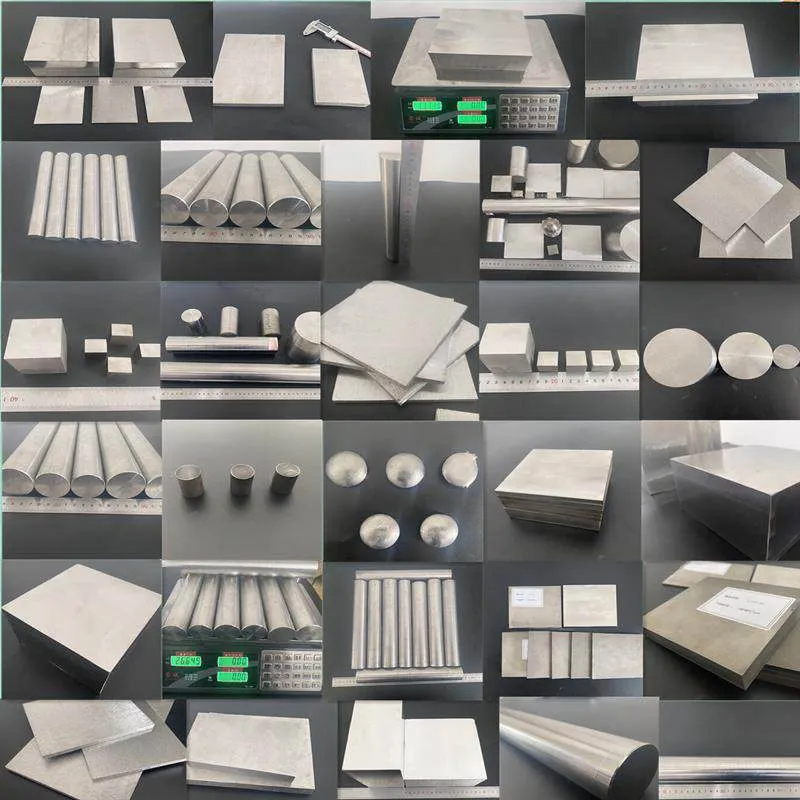
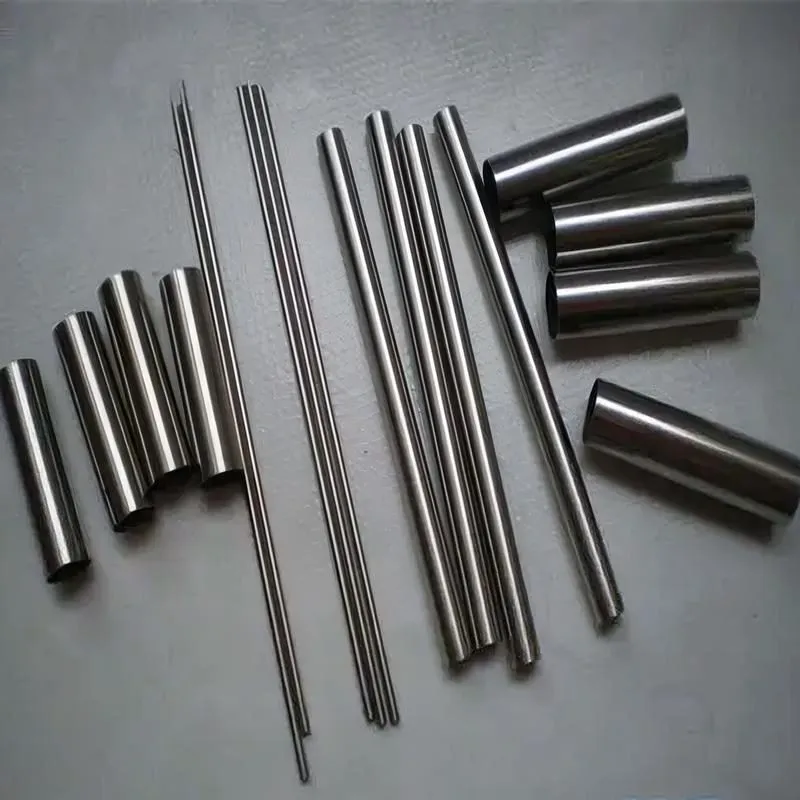
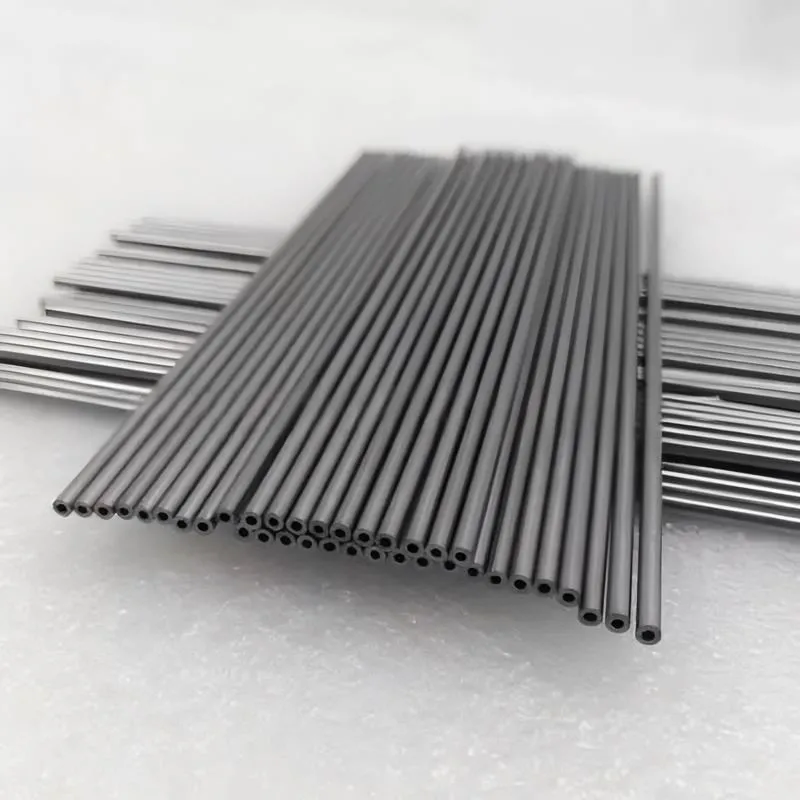
We provide ASTM A414 Grade E Pressure Vessel Steel, Composition Spec is available in Bar (Round bar, Flat bar), Ribbon, Wire, Rods, Tube,Seamless Tube,Pipe, Ingots, Plate, Sheet, Strip and Forging Stock.,Purity, chemical composition, size, etc. can all be customized to meet specific requirements.
Please contact us if you need customized services. We will contact you with the price and availability in 24 hours.
ASTM A414 Grade E Pressure Vessel Steel, Composition Spec Product Information
-:-
For detailed product information, please contact sales.
-:
ASTM A414 Grade E Pressure Vessel Steel, Composition Spec Synonyms
-:-
For detailed product information, please contact sales.
-:
ASTM A414 Grade E Pressure Vessel Steel, Composition Spec Product Information
-:-
For detailed product information, please contact sales.
-:
### **Product Name:** ASTM A414 Grade E Pressure Vessel Steel (Composition Specified)
**Classification:** Carbon-Manganese Steel Sheet for Pressure Vessels (Intermediate Manganese Level)
---
### **1. Overview**
ASTM A414 Grade E (with composition specified) is a standardized carbon-manganese steel sheet material designed for fusion-welded pressure vessel construction. It occupies a distinct position within the ASTM A414 family, characterized by a **specific, controlled range of manganese content** that is intermediate between the lower-manganese Grades (A-C) and the higher-manganese Grade D. The **"Composition Specified"** designation indicates that the material's primary acceptance is based on its chemical conformance, with mechanical properties being a reported result of the manufacturing process rather than a mandatory contractual requirement. This grade is formulated to provide a reliable and consistent combination of strength, formability, and weldability for general to moderately demanding sheet metal pressure vessel applications.
### **2. Chemical Composition (Weight %, Heat Analysis)**
Per ASTM A414/A414M. Chemical composition is the principal control and acceptance criterion.
| Element | Minimum (%) | Maximum (%) | Notes |
|---------|------------|------------|-------|
| **Carbon (C)** | - | 0.27 | Similar to Grade C, providing a solid base for strength. Requires mindful welding practice. |
| **Manganese (Mn)** | 0.70 | 1.00 | **Defining Characteristic.** This specified Mn range (0.70-1.00%) positions Grade E between the lower Mn of Grades A-C and the high Mn of Grade D, offering a balanced approach to strength enhancement. |
| **Phosphorus (P)** | - | 0.035 | Standard impurity control for pressure vessel quality. |
| **Sulfur (S)** | - | 0.040 | Standard impurity control. |
| **Silicon (Si)** | 0.15 | 0.30 | Ensures a fully killed (deoxidized) steel, promoting a uniform and sound microstructure essential for consistent performance in formed and welded components. |
| **Copper (Cu)** *when specified* | 0.20 | - | Optional element for enhanced atmospheric corrosion resistance. |
**Core Principle:** For "Composition Specified" Grade E, **meeting the chemical limits is mandatory for acceptance.** The tensile strength, yield strength, and elongation are developed through controlled rolling of this specific chemistry and are reported as characteristic values, not as minimum guarantees.
### **3. Physical & Mechanical Properties**
*Typical properties for hot-rolled or cold-rolled sheet produced to the Grade E chemistry.*
**Reported Mechanical Properties (Typical, for information):**
* **Tensile Strength (Rm):** 55,000 - 73,000 psi (380 - 500 MPa) [Reported Value]
* **Yield Strength (Re, 0.2% offset):** 30,000 - 40,000 psi (205 - 275 MPa) [Reported Value]
* **Elongation (A, min in 2 in.):** 20% min (Typical expectation)
**Impact Properties:**
* **Not Required:** ASTM A414 does **not** require Charpy V-notch impact testing. Consequently, it is **not suitable for low-temperature service** where risk of brittle fracture exists. Use is generally restricted to temperatures above 32°F (0°C).
**Physical Properties (Typical):**
* **Density:** 0.284 lb/in³ (7.85 g/cm³)
* **Modulus of Elasticity:** 29 x 10⁶ psi (200 GPa)
* **Thermal Conductivity:** ~ 49 W/m·K (at 20°C)
### **4. Key Characteristics**
* **Controlled Chemistry for Consistency:** The specific Mn range (0.70-1.00%) provides a predictable and repeatable strengthening effect, offering a stable material option for fabricators.
* **Balanced Strength & Fabricability:** Designed to offer strength levels akin to Grade C, but through a specific manganese specification rather than a maximum carbon limit, potentially yielding more consistent forming behavior.
* **Good Weldability with Procedure:** The carbon and manganese levels result in a carbon equivalent that necessitates proper welding procedures. Use of low-hydrogen processes and controlled heat input is important to ensure sound welds.
* **Fully Killed Steel:** Guaranteed silicon content ensures a homogeneous, void-free internal structure.
* **Sheet-Optimized:** Like all A414 grades, it is optimized for the rolling and forming processes typical of sheet metal pressure vessel fabrication.
### **5. Product Applications**
ASTM A414 Grade E (Comp Spec) is applied in the manufacture of pressure vessels where the specific chemistry provides a suitable balance of properties for the design conditions:
* **General Pressure Vessels:** Shop-built air receivers, hydraulic tanks, and storage vessels for non-lethal services.
* **Firetube Boiler Shells:** Cylindrical shells for packaged boilers operating at moderate pressures.
* **Heat Exchanger & Condenser Shells:** Casing and channel assemblies.
* **Formed Heads & Dished Ends:** For vessels where the shell material may be of a similar strength grade.
* **Process Vessel Components:** Skirts, jackets, and other attachments fabricated from sheet.
### **6. International Standards & Specifications**
| Region | Standard & Designation | Scope / Notes |
|--------|----------------------|---------------|
| **USA / ASTM** | **ASTM A414/A414M** | Standard Specification for Carbon Steel Sheet for Pressure Vessels. **Grade E** is defined by its unique chemical limits (C max 0.27, Mn 0.70-1.00). |
| **USA / ASME** | **ASME SA-414** | Identical adoption for code construction. |
| **European Union (EU)** | **EN 10028-2** | No direct chemical equivalent. The closest in terms of general application and typical strength are grades like **P295GH**, which are normalized plates with guaranteed mechanical properties. |
| **International / ISO** | **ISO 9328-2** | Similar application grades like **P295GH** serve as functional *performance* equivalents but are plate products. |
| **Japan** | **JIS G3116 SPV 350** | May provide comparable tensile strength performance in sheet form. |
**Critical Context:** ASTM A414 is a **sheet and strip** product standard. It is crucial to distinguish it from plate specifications (A285, A516). Grade E is one of several chemistry-based options within A414, and its selection is often driven by specific customer or historical design requirements rather than being a universally common grade.
### **7. Available Forms & Processing**
* **Standard Forms:** **Sheets** (cut lengths) and **strip** (coils).
* **Condition:** Typically supplied as **hot-rolled**.
* **Fabrication:**
* **Forming:** Suitable for cold bending and roll-forming operations typical in vessel fabrication. More force may be required compared to lower-strength grades.
* **Welding:** Requires adherence to a qualified Welding Procedure Specification (WPS). Low-hydrogen electrodes (e.g., E7018) are standard. Pre-heat may be recommended for thicker sections or highly restrained joints.
* **Post-Weld Heat Treatment (PWHT):** May be applied based on fabrication code requirements and vessel design.
### **8. Selection Guidance**
**Choose ASTM A414 Grade E (Comp Spec) when:**
* The pressure vessel design or customer specification explicitly calls for **ASTM A414 Grade E** based on its defined chemistry.
* A **specific, intermediate-manganese chemistry** is desired for predictable material behavior in forming.
* Fabricating from **sheet material** for moderate pressure, ambient temperature service.
* The procurement is based on **chemical conformance** with typical expected mechanical properties being sufficient.
**Consider other specifications if:**
* **Guaranteed minimum yield/tensile strength** is a code-mandated purchase requirement (choose "Physical Specified" or a plate spec).
* **Low-temperature toughness** is required (choose an impact-tested grade like A516).
* Maximum design flexibility and the highest guaranteed properties are needed; A516 plates are often the preferred choice for critical pressure parts.
---
**Disclaimer:** This document is a technical overview. **ASTM A414 Grade E is not intended for low-temperature service.** The "Composition Specified" condition means the fabricator must verify the suitability of the as-received material's properties for the intended design. All pressure vessel construction must strictly adhere to the applicable Boiler and Pressure Vessel Code (e.g., ASME Section VIII), which governs all aspects of safety. Always consult the latest **ASTM A414/A414M** specification and involve qualified engineering personnel.
-:-
For detailed product information, please contact sales.
-:
ASTM A414 Grade E Pressure Vessel Steel, Composition Spec Specification
Dimensions
Size:
Diameter 20-1000 mm Length <7393 mm
Size:We can customized as required
Standard:
Per your request or drawing
We can customized as required
Properties(Theoretical)
Chemical Composition
-:-
For detailed product information, please contact sales.
-:
ASTM A414 Grade E Pressure Vessel Steel, Composition Spec Properties
-:-
For detailed product information, please contact sales.
-:
Applications of ASTM A414 Grade E Pressure Vessel Steel, Composition Spec
-:-
For detailed product information, please contact sales.
-:
Chemical Identifiers ASTM A414 Grade E Pressure Vessel Steel, Composition Spec
-:-
For detailed product information, please contact sales.
-:
Packing of ASTM A414 Grade E Pressure Vessel Steel, Composition Spec
-:-
For detailed product information, please contact sales.
-:
Standard Packing:
-:-
For detailed product information, please contact sales.
-:
Typical bulk packaging includes palletized plastic 5 gallon/25 kg. pails, fiber and steel drums to 1 ton super sacks in full container (FCL) or truck load (T/L) quantities. Research and sample quantities and hygroscopic, oxidizing or other air sensitive materials may be packaged under argon or vacuum. Solutions are packaged in polypropylene, plastic or glass jars up to palletized 3864 gallon liquid totes Special package is available on request. E FORUs’ is carefully handled to minimize damage during storage and transportation and to preserve the quality of our products in their original condition