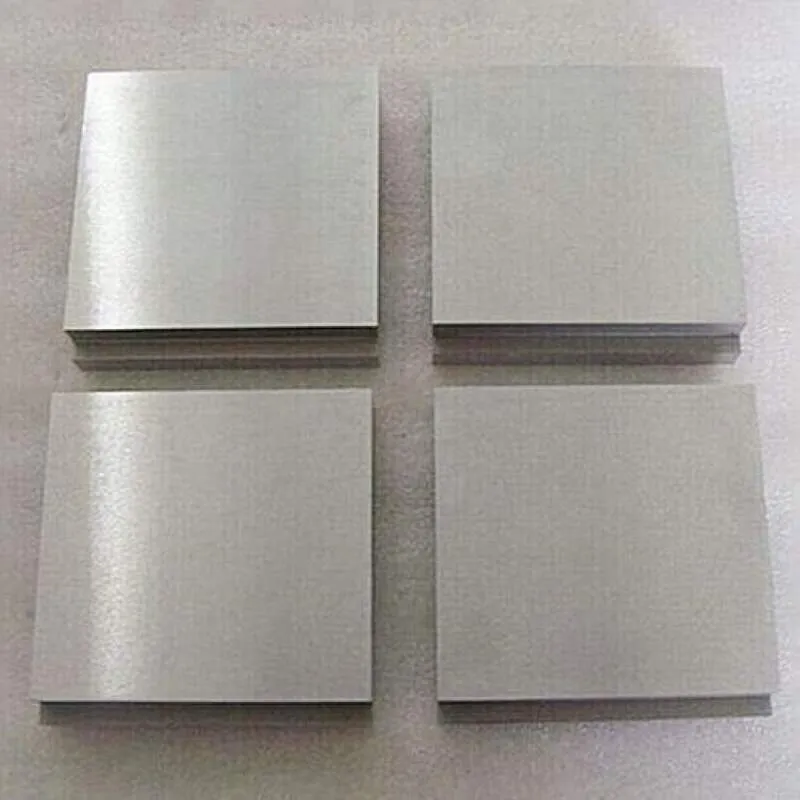
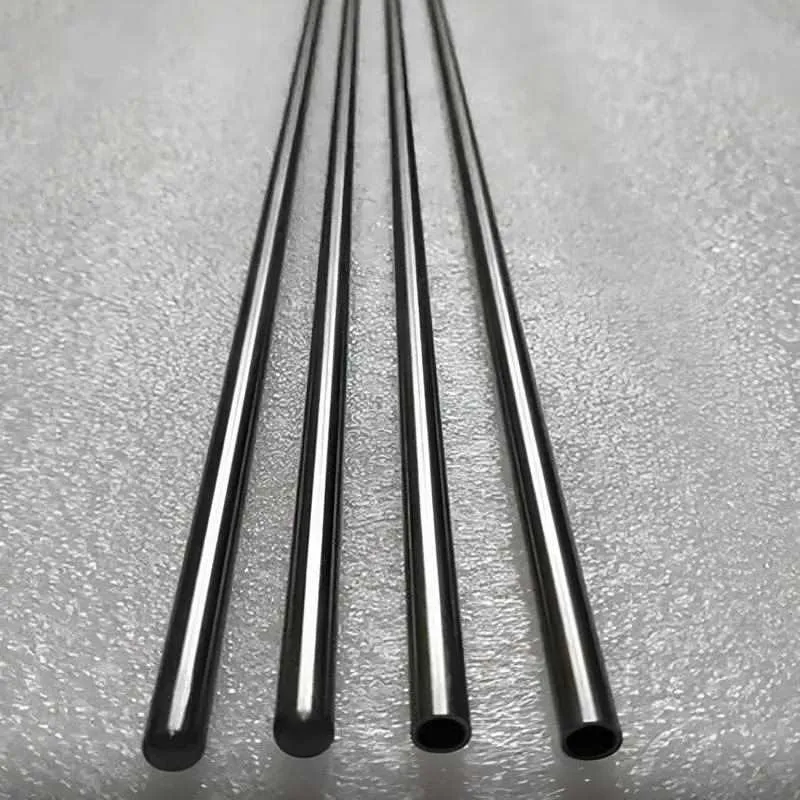
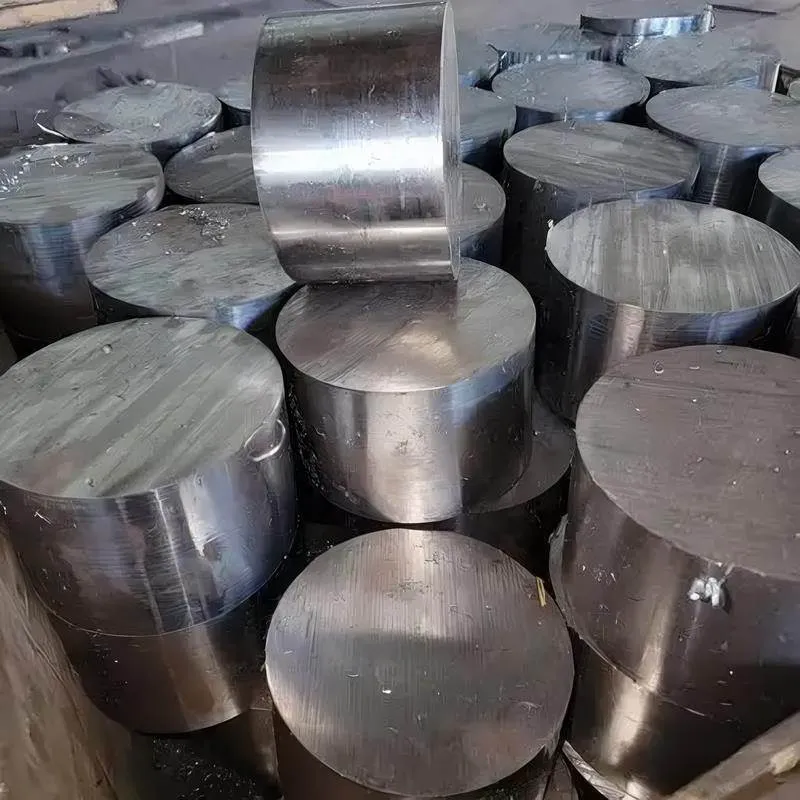
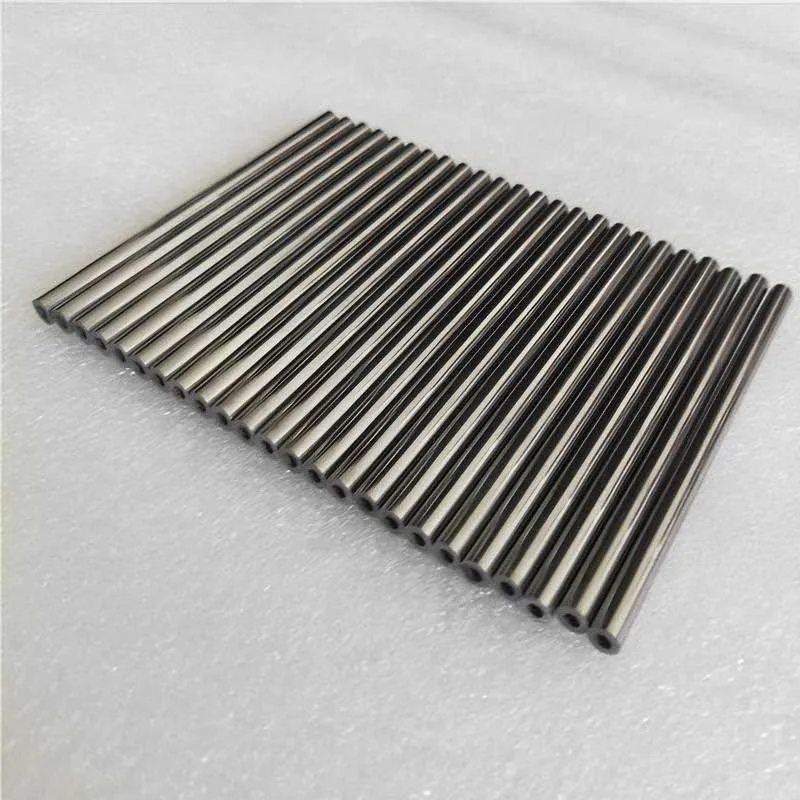
ASTM A897 Grade 4 (200-155-01 or 200-155-02) Austempered Ductile Iron Sheet,Plate
Product Code : STI-IFe-090-CU
We provide ASTM A897 Grade 4 (200-155-01 or 200-155-02) Austempered Ductile Iron Sheet/Plate is available in Bar (Round bar, Flat bar), Ribbon, Wire, Rods, Tube,Seamless Tube,Pipe, Ingots, Plate, Sheet/Plate, Strip and Forging Stock.,Purity, chemical composition, size, etc. can all be customized to meet specific requirements.
Please contact us if you need customized services. We will contact you with the price and availability in 24 hours.
ASTM A897 Grade 4 (200-155-01 or 200-155-02) Austempered Ductile Iron Sheet/Plate Product Information
-:-
For detailed product information, please contact sales.
-:
ASTM A897 Grade 4 (200-155-01 or 200-155-02) Austempered Ductile Iron Sheet/Plate Synonyms
-:-
For detailed product information, please contact sales.
-:
ASTM A897 Grade 4 (200-155-01 or 200-155-02) Austempered Ductile Iron Product Information
-:-
For detailed product information, please contact sales.
-:
### **Product Technical Data Sheet: ASTM A897 Grade 4 Austempered Ductile Iron (Grade 200/155/01 or 200/155/02)**
---
#### **1. Product Overview**
**ASTM A897 Grade 4**, designated as **200/155/01 or 200/155/02**, represents the **ultimate strength frontier** of standardized Austempered Ductile Iron (ADI). This grade achieves extraordinary mechanical properties that rival or exceed those of heat-treated alloy steels, making it one of the strongest commercially available ferrous casting materials. With minimum tensile strength of **200 ksi (1380 MPa)**, yield strength of **155 ksi (1070 MPa)**, and elongation of **1-2%**, Grade 4 ADI is engineered for applications where **absolute maximum strength, extreme wear resistance, and high hardness** are paramount, and where limited ductility can be accommodated in design. The dual elongation specifications (01 vs 02) represent different quality levels or processing optimizations within this ultra-high-strength category.
---
#### **2. Governing Standards & Specifications**
This ultra-high-performance grade is defined within the ASTM standard framework.
* **Primary Standard: ASTM A897/A897M** - *Standard Specification for Austempered Ductile Iron Castings*. The grade is designated as **200/155/01** or **200/155/02**.
* **International Context:**
* **ISO 17804:** The closest equivalent would be beyond standard table values, potentially **JS/1400/2/420/12** or similar, but Grade 4 often represents performance beyond typical ISO classifications.
* **Note:** Grade 4 represents the practical upper limit of conventional ADI technology and may not have direct equivalents in all international standards.
* **Key Testing Standards:**
* **Tensile Test:** ASTM E8
* **Hardness:** ASTM E10 (Brinell), ASTM E18 (Rockwell)
* **Impact Test:** ASTM E23 (Charpy)
* **Microstructure:** ASTM A247
---
#### **3. Typical Chemical Composition (Base Iron for Austempering)**
Achieving Grade 4 properties requires exceptionally tight chemical control and optimal alloying.
| Element | Target Range (%) | Critical Role for Grade 4 ADI |
| :--- | :--- | :--- |
| **Carbon (C)** | 3.4 - 3.7 | Carefully balanced - sufficient for ausferrite formation but controlled to maximize matrix strength. |
| **Silicon (Si)** | 2.3 - 2.6 | Precisely optimized - must suppress carbides but not over-stabilize austenite, which would reduce strength. |
| **Manganese (Mn)** | **≤ 0.20** | Extremely low - critical for preventing embrittling segregation at cell boundaries. |
| **Nickel (Ni)** | 1.2 - 2.0 | Essential for hardenability and toughness in this ultra-high-strength regime. |
| **Molybdenum (Mo)** | **0.4 - 0.7** | Critical for achieving full ausferritic transformation at very low austempering temperatures. |
| **Copper (Cu)** | 0.8 - 1.5 | Enhances hardenability and matrix strengthening. |
| **Chromium (Cr)** | 0.1 - 0.3 | May be added in small amounts for additional hardenability. |
| **Magnesium (Mg)** | 0.03 - 0.06 | Ensures high nodularity (>90%). |
| **Trace Elements** | **Stringently controlled** | Elements affecting transformation kinetics are minimized. |
---
#### **4. Physical & Mechanical Properties**
Grade 4 ADI operates at the extreme upper limit of cast ferrous material performance.
| Property | Minimum Requirement / Typical Value | Key Characteristics |
| :--- | :--- | :--- |
| **Tensile Strength, min.** | **200 ksi (1380 MPa)** | Exceptional strength, comparable to high-grade alloy steels. |
| **Yield Strength (0.2% offset), min.** | **155 ksi (1070 MPa)** | Extremely high yield strength with excellent yield-to-tensile ratio (~0.78). |
| **Elongation, min.** | **1% (Grade 01) or 2% (Grade 02)** | Limited but crucial ductility. Grade 02 represents a higher quality level with better consistency. |
| **Hardness (Brinell)** | **444 - 534 HBW** | Typically 460-500 HBW (~47-52 HRC). Provides supreme wear and contact fatigue resistance. |
| **Modulus of Elasticity** | 24 - 25.5 x 10⁶ psi (165 - 176 GPa) | Maintains high stiffness. |
| **Charpy Impact (V-notch) @ 23°C** | **4 - 10 J (Typical)** | Low impact resistance - design must avoid shock loads. |
| **Fatigue Endurance Limit** | **550 - 700 MPa** (≈ 0.40-0.51 x UTS) | Excellent fatigue performance despite high hardness. |
| **Density** | 0.256 lb/in³ (7.1 g/cm³) | Weight advantage over equivalent-strength steels. |
| **Damping Capacity** | 2-4 times greater than steel | Still provides vibration damping benefits. |
| **Microstructure** | **Ultra-fine Ausferrite** with minimal retained austenite (typically <15%). Achieved through austempering at **180-230°C (360-450°F)**. | The extremely fine structure approaches lower bainite in morphology. |
---
#### **5. Product Applications**
Grade 4 ADI is specified for the most extreme applications where conventional materials are inadequate.
* **Ultra-High-Performance Automotive:** **Racing transmission gears, high-stress drivetrain components, and competition engine parts** where strength-to-weight ratio is critical.
* **Mining & Heavy Equipment:** **Gears for giant haul trucks, crusher components, and extreme-wear parts** in the most abrasive environments.
* **Industrial Tooling:** **Dies, molds, and forming tools** requiring maximum wear resistance and dimensional stability.
* **Defense & Aerospace:** **Armor components, track systems, and specialized structural parts** where ballistic performance or extreme strength is required.
* **Oil & Gas:** **Downhole tools, drill bits, and high-pressure components** subject to extreme wear and stress.
* **Specialized Machinery:** **High-speed gears, bearings, and rollers** in severe-service applications.
---
#### **6. Austempering Process & Fabrication Notes**
* **Heat Treatment Process (Critical for Grade 4):**
1. **Austenitize:** 1550-1700°F (845-925°C) with precise control
2. **Quench:** Extremely rapid transfer to very low austempering temperature
3. **Hold:** 180-230°C (360-450°F) for extended periods (2-6 hours)
4. **Cool:** Controlled air cooling
* **Process Sensitivity:** **Extremely narrow processing window.** Temperature control within ±5°C is often required. The low austempering temperature risks martensite formation if not perfectly controlled.
* **Machinability:** **Effectively unmachinable** in the austempered condition. **All significant machining must be completed prior to final heat treatment.** Post-austempering operations are limited to grinding, EDM, or abrasive processes.
* **Weldability:** **Not weldable.** The heat-affected zone will be severely embrittled.
* **Grindability:** Fair - requires careful wheel selection and cooling to avoid thermal damage.
---
#### **7. Quality Assurance & Testing**
* **Process Control:** Requires state-of-the-art heat treatment equipment with exceptional temperature uniformity and control.
* **Testing Requirements:**
* Multiple tensile tests per heat treat lot
* Hardness mapping of critical areas
* Comprehensive microstructure analysis (SEM/TEM may be required)
* Fracture toughness testing for critical applications
* **Statistical Process Control:** Mandatory for consistent production.
* **Non-Destructive Testing:** 100% inspection typically required (ultrasonic, magnetic particle).
---
#### **8. Ordering Information**
**Specify:** **"Austempered Ductile Iron Castings, ASTM A897 Grade 200/155/01 (or 02)."**
**Critical Information Required:**
* **Exact grade specification** (01 vs 02 based on ductility requirements)
* **Comprehensive part documentation** with stress analysis
* **Required certifications** (full traceability, mechanical properties, microstructure)
* **Acceptance criteria** for properties and defects
* **Prototype validation** requirements
**Important Considerations:**
* Grade 4 ADI represents **specialized, low-volume production**
* **Lead times** are typically longer than for lower grades
* **Cost premium** is significant due to processing challenges
* **Design consultation** with the foundry/heat treater is essential
* **Application validation** through testing is strongly recommended
**ASTM A897 Grade 4 ADI represents the pinnacle of austempered ductile iron technology, offering unmatched strength for applications where conventional materials cannot meet performance requirements. Its successful implementation requires close collaboration between designer, foundry, and heat treater throughout the development and production process.**
-:-
For detailed product information, please contact sales.
-:
ASTM A897 Grade 4 (200-155-01 or 200-155-02) Austempered Ductile Iron Specification
Dimensions
Size:
Diameter 20-1000 mm Length <6565 mm
Size:We can customized as required
Standard:
Per your request or drawing
We can customized as required
Properties(Theoretical)
Chemical Composition
-:-
For detailed product information, please contact sales.
-:
ASTM A897 Grade 4 (200-155-01 or 200-155-02) Austempered Ductile Iron Properties
-:-
For detailed product information, please contact sales.
-:
Applications of ASTM A897 Grade 4 (200-155-01 or 200-155-02) Austempered Ductile Iron Sheet,Plate
-:-
For detailed product information, please contact sales.
-:
Chemical Identifiers ASTM A897 Grade 4 (200-155-01 or 200-155-02) Austempered Ductile Iron Sheet,Plate
-:-
For detailed product information, please contact sales.
-:
Packing of ASTM A897 Grade 4 (200-155-01 or 200-155-02) Austempered Ductile Iron Sheet/Plate
-:-
For detailed product information, please contact sales.
-:
Standard Packing:
-:-
For detailed product information, please contact sales.
-:
Typical bulk packaging includes palletized plastic 5 gallon/25 kg. pails, fiber and Steel Sheet/Plate drums to 1 ton super sacks in full container (FCL) or truck load (T/L) quantities. Research and sample quantities and hygroscopic, oxidizing or other air sensitive materials may be packaged under argon or vacuum. Solutions are packaged in polypropylene, plastic or glass jars up to palletized 3036 gallon liquid totes Special package is available on request. E FORUs’ is carefully handled to minimize damage during storage and transportation and to preserve the quality of our products in their original condition