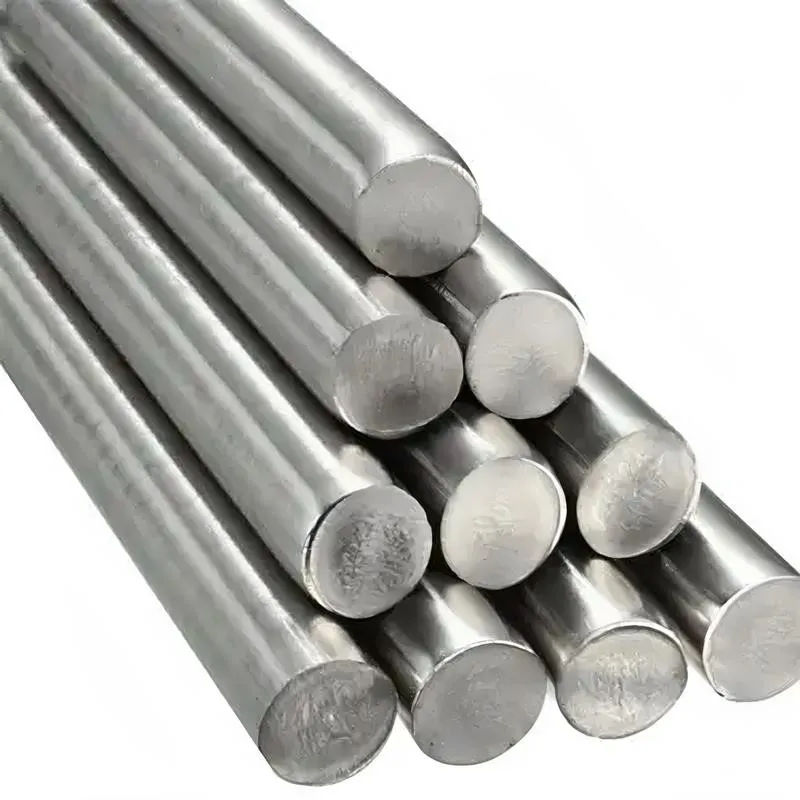
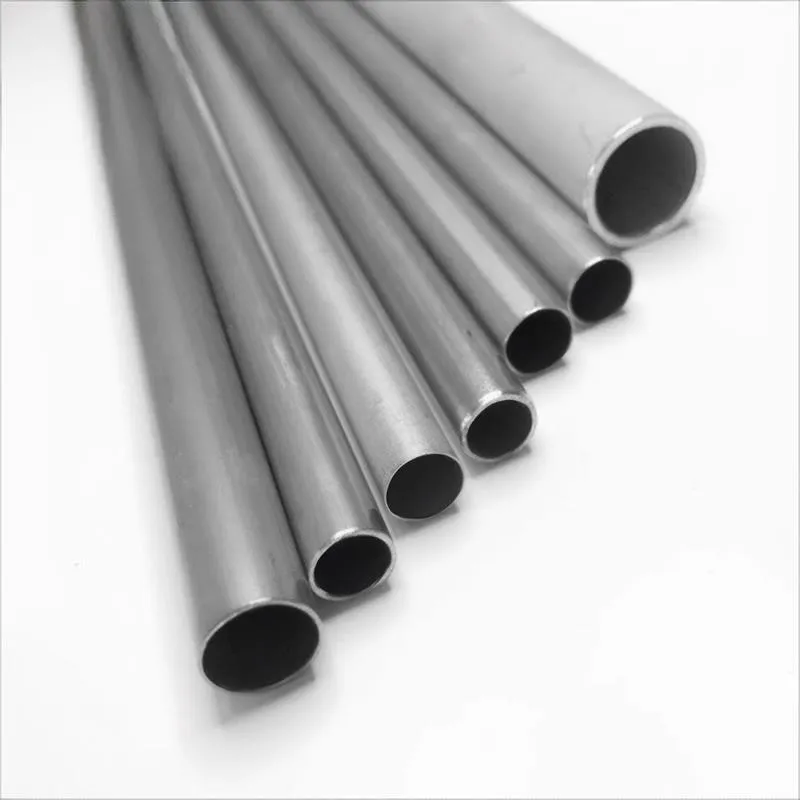
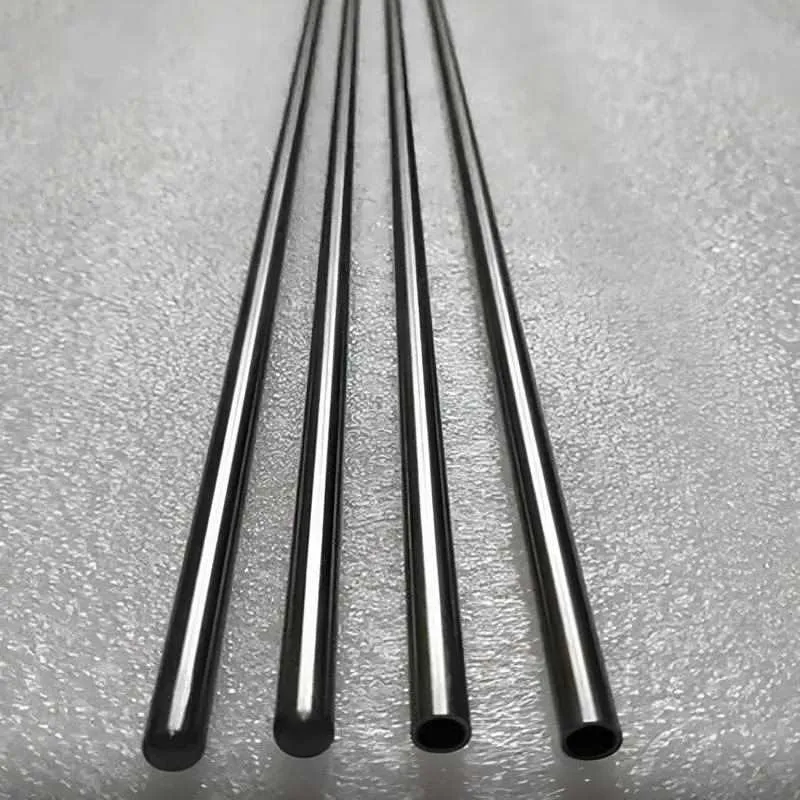
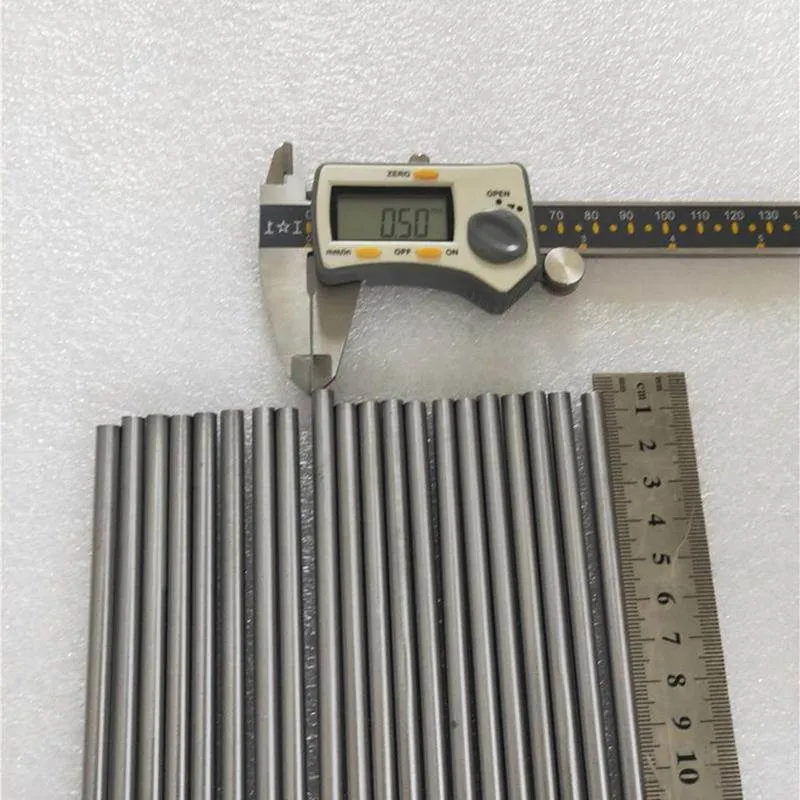
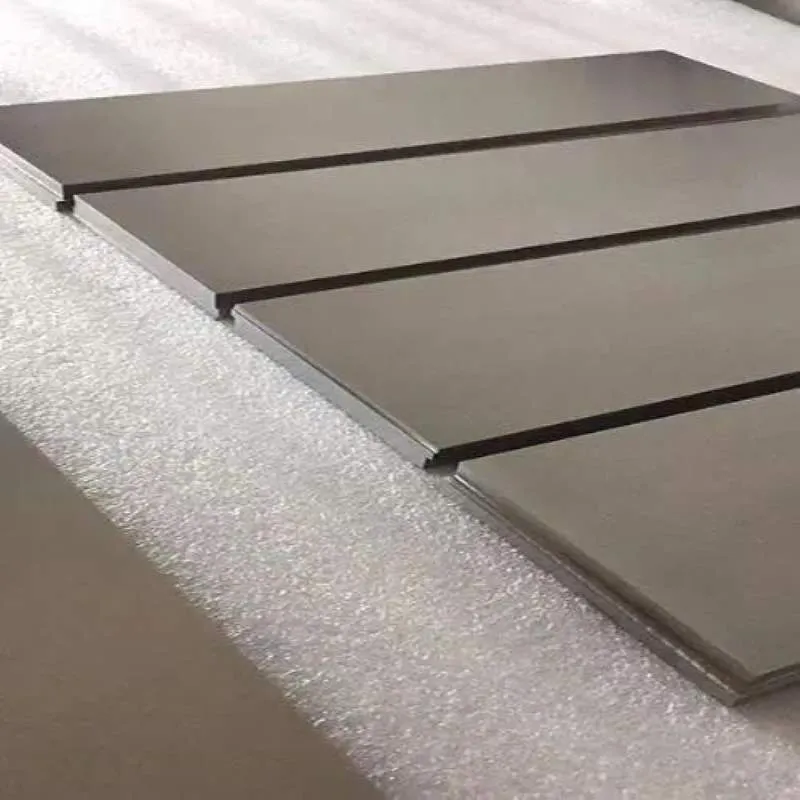
ASTM class 20 Standard gray Iron Rod/Bars, as cast
Product Code : STI-IFe-034-CU
We provide ASTM class 20 Standard gray Iron Rod/Bar test bars, as cast is available in Bar (Round bar, Flat bar), Ribbon, Wire, Rod/Bars, Tube,Seamless Tube,Pipe, Ingots, Plate, Sheet, Strip and Forging Stock.,Purity, chemical composition, size, etc. can all be customized to meet specific requirements.
Please contact us if you need customized services. We will contact you with the price and availability in 24 hours.
ASTM class 20 Standard gray Iron Rod test bars, as cast Product Information
-:-
For detailed product information, please contact sales.
-:
ASTM class 20 Standard gray Iron Rod test bars, as cast Synonyms
-:-
For detailed product information, please contact sales.
-:
ASTM class 20 Standard gray iron test bars, as cast Product Information
-:-
For detailed product information, please contact sales.
-:
## **Product Introduction: ASTM Class 20 Standard Gray Iron Test Bars, As-Cast**
ASTM Class 20 Standard Gray Iron Test Bars, in the as-cast condition, are not a commercial product for direct component manufacturing. They are a **standardized reference material and quality control tool** used exclusively within the foundry industry. These test bars are cast from the same iron melt used to produce commercial castings, following a strict, geometrically defined mold (as specified in ASTM A436 or A48). The "Class 20" designation indicates a minimum tensile strength requirement of 20,000 psi (138 MPa) for the iron, representing one of the lower-strength, highly castable grades of gray iron. The "As-Cast" condition means the test bars undergo no subsequent heat treatment, reflecting the properties of the iron directly after solidification and cooling in the mold.
Their sole purpose is to provide a consistent, reproducible sample for verifying the mechanical properties (primarily tensile strength) and, by inference, the quality and appropriateness of the melt chemistry and foundry process for the intended production castings.
---
### **1. Chemical Composition**
The composition of Class 20 iron is typical of a high-carbon-equivalent, ferritic gray iron designed for excellent castability rather than high strength.
**Typical Composition Range of the Melt (for Class 20 Iron):**
| Element | Content (%) | Role in Achieving Class 20 Properties |
| :--- | :--- | :--- |
| **Carbon (C)** | **3.4 - 3.7** | High carbon ensures excellent fluidity, promotes the formation of graphite flakes, and results in a softer, more machinable ferritic matrix. |
| **Silicon (Si)** | **2.3 - 2.8** | High silicon is a powerful graphitizer, promoting a fully ferritic matrix and increasing the carbon equivalent, which lowers strength and hardness. |
| **Manganese (Mn)** | **0.5 - 0.8** | Balanced with sulfur; typically sufficient to form MnS but not high enough to strongly promote pearlite. |
| **Phosphorus (P)** | **≤ 0.15** | Can be present at moderate levels to improve fluidity without severely compromising toughness for this class. |
| **Sulfur (S)** | **≤ 0.15** | Controlled impurity, balanced by manganese. |
| **Iron (Fe)** | Balance | Base metal. |
**Note:** The actual composition can vary within the above ranges as long as the resulting test bar meets the Class 20 tensile strength requirement. The test bar itself is not chemically analyzed as a routine; it is the mechanical properties that are certified.
---
### **2. Physical & Mechanical Properties (of the Test Bar & Material)**
The properties are defined by the **test bar's performance** in a destructive tensile test, which certifies the melt.
| Property | Value / Description | Specification (ASTM A48) |
| :--- | :--- | :--- |
| **Tensile Strength, min** | **138 MPa (20,000 psi)** | **Defining Requirement.** The test bar must meet or exceed this when pulled in a tensile testing machine. |
| **Typical Tensile Strength** | 140 - 180 MPa (20 - 26 ksi) | - |
| **Hardness (Brinell)** | **~156 HB (Typical Range: 143 - 187 HB)** | Hardness is not a specified requirement for the class but is typically measured and reported. It correlates with the low strength. |
| **Microstructure** | **Predominantly ferritic matrix with Type A (random) flake graphite.** | Achieved through high Carbon Equivalent (CE). |
| **Condition** | **As-Cast.** No heat treatment is applied. The test bar's properties represent the iron's state after solidification in the standard sand mold. | - |
| **Test Bar Geometry** | Machined to precise dimensions from a standardized cast blank (e.g., "B" bar: 0.875" diameter gauge section). | Specified in ASTM A48. |
---
### **3. Key Purpose & Characteristics**
* **Quality Assurance Tool:** Provides objective, quantitative proof that a given melt of iron meets the minimum strength requirements for ASTM Class 20.
* **Process Control Indicator:** Variations in test bar strength between melts can signal changes in melting practice, inoculation effectiveness, or charge materials.
* **Standardized Reference:** Eliminates geometric variables, ensuring that the measured tensile strength is a function of the material, not the sample shape.
* **Non-Commercial Item:** These bars are not used to make parts. They are sacrificial items used only for testing and certification.
---
### **4. Application & Use**
The application is purely industrial and procedural within a foundry or for material certification.
* **Foundry Process Control:** Poured from each furnace melt or at regular intervals during continuous pouring. The results determine if the iron is acceptable for pouring production castings specified as Class 20.
* **Material Certification:** When a customer orders castings to **ASTM A48 Class 20**, the foundry provides a test report showing that the test bars cast from the same melt met the 138 MPa minimum tensile strength.
* **Laboratory & Qualification Testing:** Used by labs to characterize base iron properties or to qualify a new furnace or melting practice.
---
### **5. Governing Standards & Specifications**
The entire process—from mold design to testing method—is governed by ASTM International standards.
| Standard | Title / Scope | Relevance to Class 20 As-Cast Test Bars |
| :--- | :--- | :--- |
| **ASTM A48/A48M** | *Standard Specification for Gray Iron Castings* | The master specification. It defines the strength classes (Class 20, 25, 30, etc.), the required minimum tensile strength, and the acceptance criteria based on test bars. |
| **ASTM A436** | *Standard Specification for Austenitic Gray Iron Castings* | Also uses similar test bars for austenitic grades, but the methodology is analogous. |
| **ASTM E8/E8M** | *Standard Test Methods for Tension Testing of Metallic Materials* | Governs how the tensile test is performed on the machined test bar. |
| **ISO 185** | *Grey cast irons — Classification* | The international equivalent. A Class 20 gray iron is approximately equivalent to an **ISO Grade 150** iron in terms of tensile strength. |
| **JIS G5501 (FC150)** | *Grey iron castings* | Japanese Industrial Standard equivalent. |
**Certification & Reporting:** When a lot of castings is supplied as "ASTM A48 Class 20," the supplier's certification states that representative test bars from the melt met the 138 MPa minimum tensile strength in the as-cast condition. The chemical composition of the test bar itself is rarely reported; the mechanical test result is the certificate of conformity.
---
### **Conclusion**
ASTM Class 20 Standard Gray Iron Test Bars (As-Cast) are the **fundamental metric of quality and conformity** in gray iron production. They transform the abstract specification of "Class 20" into a tangible, measurable result. By sacrificing these standardized coupons, foundries assure their customers that the iron used in production castings possesses the required minimum strength. While the Class 20 iron they represent is a common, low-strength, and highly castable material used for non-stressed components like covers, housings, and frames, the test bars themselves play a critical, behind-the-scenes role in maintaining the integrity and reliability of the entire cast iron supply chain. They embody the principle of standardized quality control in metallurgy.
-:-
For detailed product information, please contact sales.
-:
ASTM class 20 Standard gray iron test bars, as cast Specification
Dimensions
Size:
Diameter 20-1000 mm Length <6508 mm
Size:We can customized as required
Standard:
Per your request or drawing
We can customized as required
Properties(Theoretical)
Chemical Composition
-:-
For detailed product information, please contact sales.
-:
ASTM class 20 Standard gray iron test bars, as cast Properties
-:-
For detailed product information, please contact sales.
-:
Applications of ASTM class 20 Standard gray Iron Rod test bars, as cast
-:-
For detailed product information, please contact sales.
-:
Chemical Identifiers ASTM class 20 Standard gray Iron Rod test bars, as cast
-:-
For detailed product information, please contact sales.
-:
Packing of ASTM class 20 Standard gray Iron Rod test bars, as cast
-:-
For detailed product information, please contact sales.
-:
Standard Packing:
-:-
For detailed product information, please contact sales.
-:
Typical bulk packaging includes palletized plastic 5 gallon/25 kg. pails, fiber and Steel Rod drums to 1 ton super sacks in full container (FCL) or truck load (T/L) quantities. Research and sample quantities and hygroscopic, oxidizing or other air sensitive materials may be packaged under argon or vacuum. Solutions are packaged in polypropylene, plastic or glass jars up to palletized 2979 gallon liquid totes Special package is available on request. E FORUs’ is carefully handled to minimize damage during storage and transportation and to preserve the quality of our products in their original condition