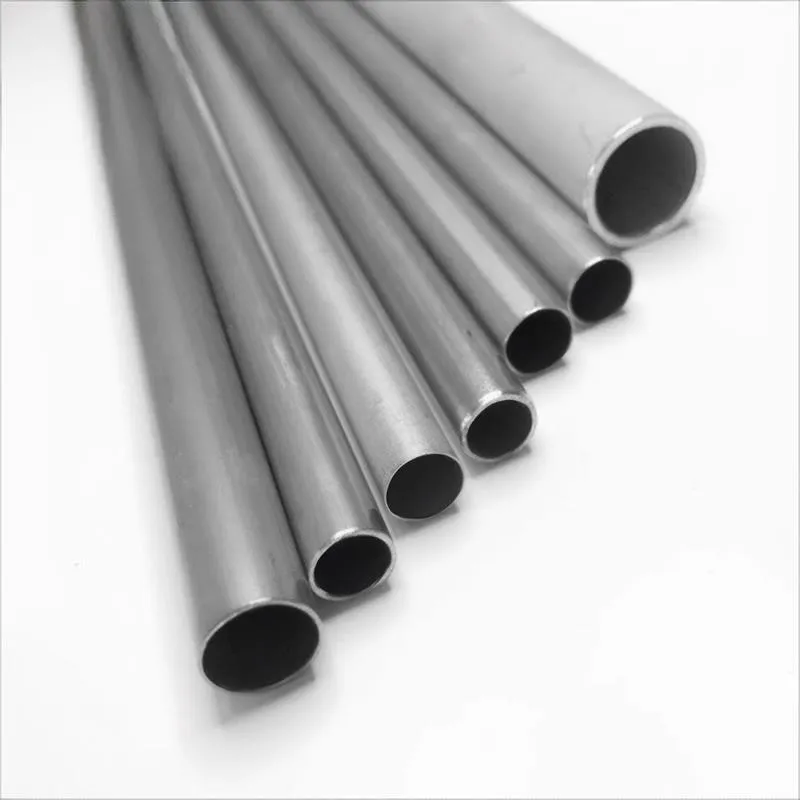
ASTM class 25 Standard gray Iron Tube,Pipes, as cast,ASTM class 25 Standard gray Iron Tube,Pipes
Product Code : STI-IFe-035-CU
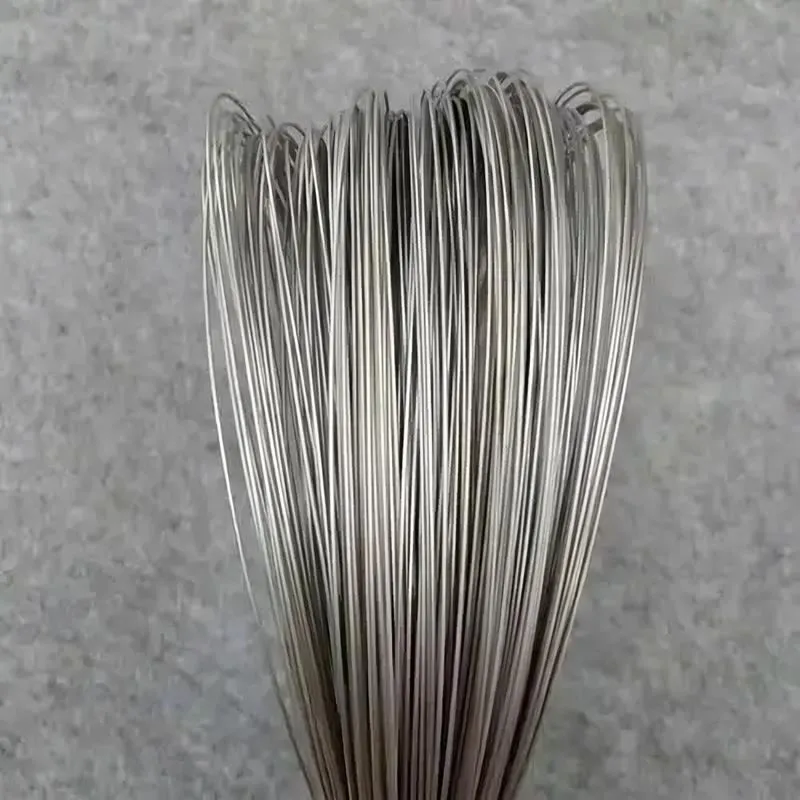
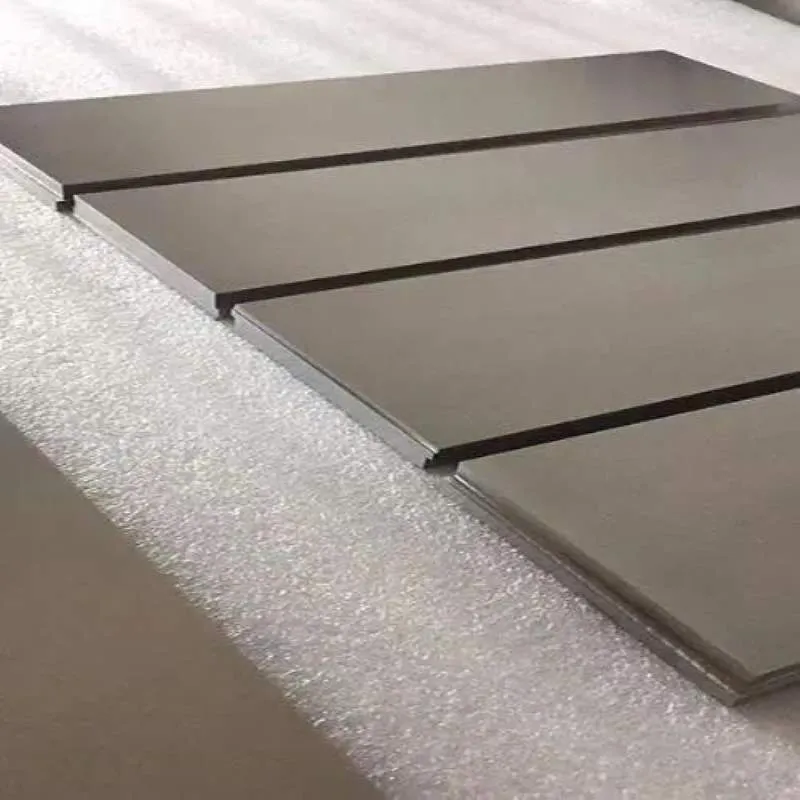
We provide ASTM class 25 Standard gray Iron Tube test bars, as cast is available in Bar (Round bar, Flat bar), Ribbon, Wire, Rods, Tube,Seamless Tube,Pipe, Ingots, Plate, Sheet, Strip and Forging Stock.,Purity, chemical composition, size, etc. can all be customized to meet specific requirements.ASTM class 25 Standard gray Iron Pipes, as cast,ASTM class 25 Standard gray Iron Pipes
Please contact us if you need customized services. We will contact you with the price and availability in 24 hours.
ASTM class 25 Standard gray Iron Tube test bars, as cast Product Information
-:-
For detailed product information, please contact sales.
-:
ASTM class 25 Standard gray Iron Tube test bars, as cast Synonyms
-:-
For detailed product information, please contact sales.
-:
ASTM class 25 Standard gray iron test bars, as cast Product Information
-:-
For detailed product information, please contact sales.
-:
## **Product Introduction: ASTM Class 25 Standard Gray Iron Test Bars, As-Cast**
ASTM Class 25 Standard Gray Iron Test Bars, in the as-cast condition, are standardized reference specimens that serve as the definitive quality control instrument for confirming the mechanical properties of a widely used grade of gray cast iron. Cast from the same molten iron as production parts and solidified in a precisely defined sand mold, these test bars provide an empirical, repeatable measure of the iron's inherent tensile strength. The "Class 25" designation mandates a minimum tensile strength of 25,000 psi (172 MPa), indicating a medium-strength gray iron typically characterized by a mixed pearlitic-ferritic matrix. The "As-Cast" condition is critical, as it ensures the test bars reflect the properties of the iron in its final state for the vast majority of commercial castings that receive no subsequent heat treatment.
These bars are the linchpin of material certification, transforming a metallurgical specification into a verifiable, quantitative result that governs the acceptance of entire melts and the castings produced from them.
---
### **1. Chemical Composition of the Base Iron**
The chemistry for Class 25 iron is balanced to achieve moderate strength while maintaining good castability, often through control of the Carbon Equivalent (CE).
**Typical Composition Range of the Melt (for Class 25 Iron):**
| Element | Content (%) | Role in Achieving Class 25 Properties |
| :--- | :--- | :--- |
| **Carbon (C)** | **3.2 - 3.5** | Slightly lower than Class 20 to reduce graphite volume and increase the metallic matrix fraction, contributing to higher strength. |
| **Silicon (Si)** | **2.0 - 2.4** | Controlled graphitizer. Lower than in Class 20 to allow for the formation of pearlite, the harder constituent that increases strength. |
| **Manganese (Mn)** | **0.6 - 0.9** | Pearlite promoter. Higher than in Class 20 to counteract silicon's graphitizing effect and ensure a sufficient percentage of pearlite in the matrix for strength. |
| **Phosphorus (P)** | **≤ 0.12** | Often kept lower than in Class 20 to improve toughness as strength increases. |
| **Sulfur (S)** | **≤ 0.15** | Controlled impurity. |
| **Iron (Fe)** | Balance | Base metal. |
**Key Metallurgical Note:** The Carbon Equivalent (CE = %C + 0.33(%Si)) for Class 25 iron is typically in the range of **3.6 - 4.0**, lower than that of Class 20 (~4.0-4.3). This lower CE is the primary driver for the stronger, more pearlitic microstructure.
---
### **2. Physical & Mechanical Properties (of the Test Bar & Material)**
The test bar's sole purpose is to be destructively tested to certify the melt's conformance to the ASTM A48 specification.
| Property | Value / Description | Specification (ASTM A48) |
| :--- | :--- | :--- |
| **Tensile Strength, min** | **172 MPa (25,000 psi)** | **The Mandatory, Defining Requirement.** Test bar must meet or exceed this value. |
| **Typical Tensile Strength** | 175 - 240 MPa (25 - 35 ksi) | - |
| **Hardness (Brinell)** | **~187 HB (Typical Range: 170 - 229 HB)** | Correlates with the increased strength. Hardness is not a specified requirement for the class but is universally measured. |
| **Microstructure (As-Cast)** | **Mixed pearlitic-ferritic matrix (e.g., 50-80% pearlite) with Type A flake graphite.** | The balance of pearlite (strong/hard) and ferrite (soft/ductile) determines the final strength within the class range. |
| **Condition** | **As-Cast.** Represents the state of the iron after cooling in a sand mold, with no subsequent thermal processing. | - |
| **Test Bar Geometry** | Machined to precise dimensions from a standardized cast blank. Most common is the "B" bar (0.875" diameter gauge section). | Dimensional tolerances are strictly defined in ASTM A48 to ensure testing consistency. |
---
### **3. Key Purpose & Characteristics**
* **Material Conformance Verification:** Provides objective, third-party-verifiable evidence that a production melt meets the ASTM A48 Class 25 specification.
* **Process Stability Monitor:** Trending the tensile strength of test bars over time is a key foundry process control metric, indicating consistency in melting, inoculation, and cooling.
* **Basis for Commercial Agreement:** The test report from these bars is often a contractual deliverable when purchasing castings to ASTM A48 Class 25.
* **Sacrificial Quality Artifact:** The bars themselves have no commercial value beyond their one-time use in destructive testing.
---
### **4. Application & Use**
The application is exclusively within industrial quality assurance and material certification protocols.
* **Foundry Lot Release Testing:** Typically, one set of test bars is poured and tested per melt (heat) or at defined intervals during continuous production. The results authorize the release of the castings poured from that iron.
* **Customer Material Certification:** Foundries supply a certified test report with shipments of castings, stating that representative test bars met the Class 25 requirement.
* **Laboratory Analysis & Benchmarking:** Used by internal or independent labs to audit foundry processes, qualify new raw material sources, or establish baseline properties for engineering design.
---
### **5. Governing Standards & Specifications**
The production, preparation, and testing of these bars are rigidly standardized to ensure global consistency.
| Standard | Title / Scope | Relevance to Class 25 As-Cast Test Bars |
| :--- | :--- | :--- |
| **ASTM A48/A48M** | *Standard Specification for Gray Iron Castings* | The governing specification. It defines Class 25, stipulates the test bar molding practice, and sets the 172 MPa minimum tensile strength. |
| **ASTM E8/E8M** | *Standard Test Methods for Tension Testing of Metallic Materials* | Dictates the exact procedure for conducting the tensile test on the machined specimen. |
| **ASTM A836/A836M** | *Standard Specification for Standard Test Bars for Brasses, Bronzes, and Other Copper Alloys* | While for copper, it illustrates the philosophy; for iron, the test bar practice is embedded within A48. |
| **ISO 185** | *Grey cast irons — Classification* | The international counterpart. ASTM Class 25 is closely aligned with **ISO Grade 250** in terms of tensile strength. |
| **JIS G5501** | *Grey iron castings* | The Japanese equivalent grade is **FC250**. |
| **SAE J431** | *Automotive Gray Iron Castings* | The automotive equivalent is **SAE G2500**. The test bar philosophy is identical. |
**Certification & Reporting:** Conformity to ASTM A48 Class 25 is demonstrated via a test report stating: "Representative test bars poured from the same heat as the castings exhibited a tensile strength of [XXX MPa], meeting the minimum requirement of 172 MPa for Class 25 gray iron." The chemical composition of the test bar is not typically reported unless specially requested.
---
### **Conclusion**
ASTM Class 25 Standard Gray Iron Test Bars (As-Cast) are the **objective arbiters of material quality** for one of the most commonly specified grades of industrial cast iron. They occupy a crucial, if unseen, role in the manufacturing ecosystem, providing the quantifiable proof that the iron used in countless machine bases, pump housings, and engine components possesses the required structural capability. By faithfully replicating the solidification conditions of production castings, these standardized coupons offer a reliable and essential link between engineering design specifications and real-world material performance, ensuring consistency and reliability across the global supply chain.
-:-
For detailed product information, please contact sales.
-:
ASTM class 25 Standard gray iron test bars, as cast Specification
Dimensions
Size:
Diameter 20-1000 mm Length <6509 mm
Size:We can customized as required
Standard:
Per your request or drawing
We can customized as required
Properties(Theoretical)
Chemical Composition
-:-
For detailed product information, please contact sales.
-:
ASTM class 25 Standard gray iron test bars, as cast Properties
-:-
For detailed product information, please contact sales.
-:
Applications of ASTM class 25 Standard gray Iron Tube test bars, as cast
-:-
For detailed product information, please contact sales.
-:
Chemical Identifiers ASTM class 25 Standard gray Iron Tube test bars, as cast
-:-
For detailed product information, please contact sales.
-:
Packing of ASTM class 25 Standard gray Iron Tube test bars, as cast
-:-
For detailed product information, please contact sales.
-:
Standard Packing:
-:-
For detailed product information, please contact sales.
-:
Typical bulk packaging includes palletized plastic 5 gallon/25 kg. pails, fiber and Steel Tube drums to 1 ton super sacks in full container (FCL) or truck load (T/L) quantities. Research and sample quantities and hygroscopic, oxidizing or other air sensitive materials may be packaged under argon or vacuum. Solutions are packaged in polypropylene, plastic or glass jars up to palletized 2980 gallon liquid totes Special package is available on request. E FORUs’ is carefully handled to minimize damage during storage and transportation and to preserve the quality of our products in their original condition