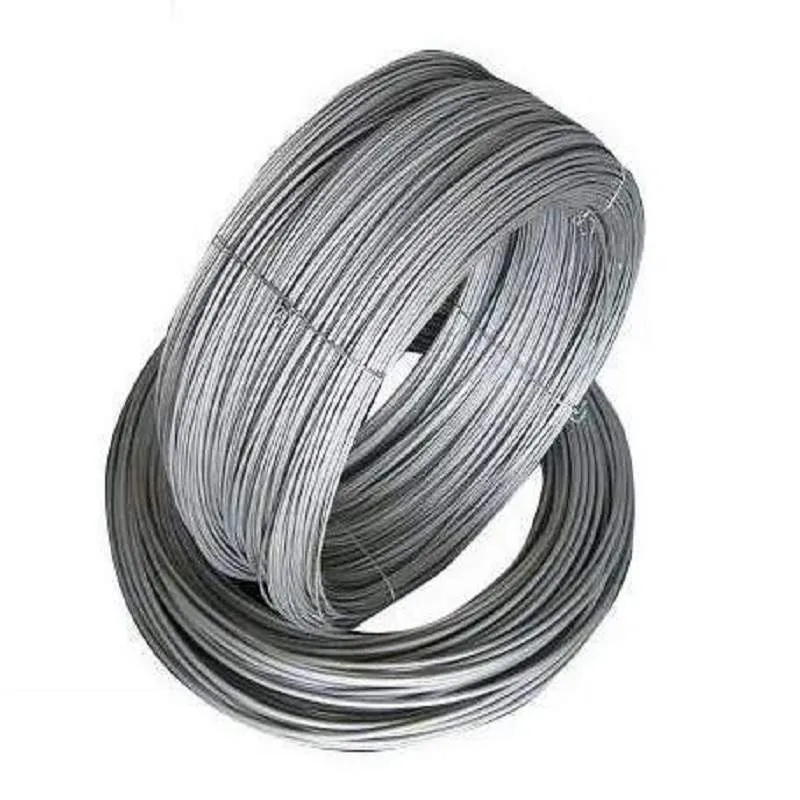
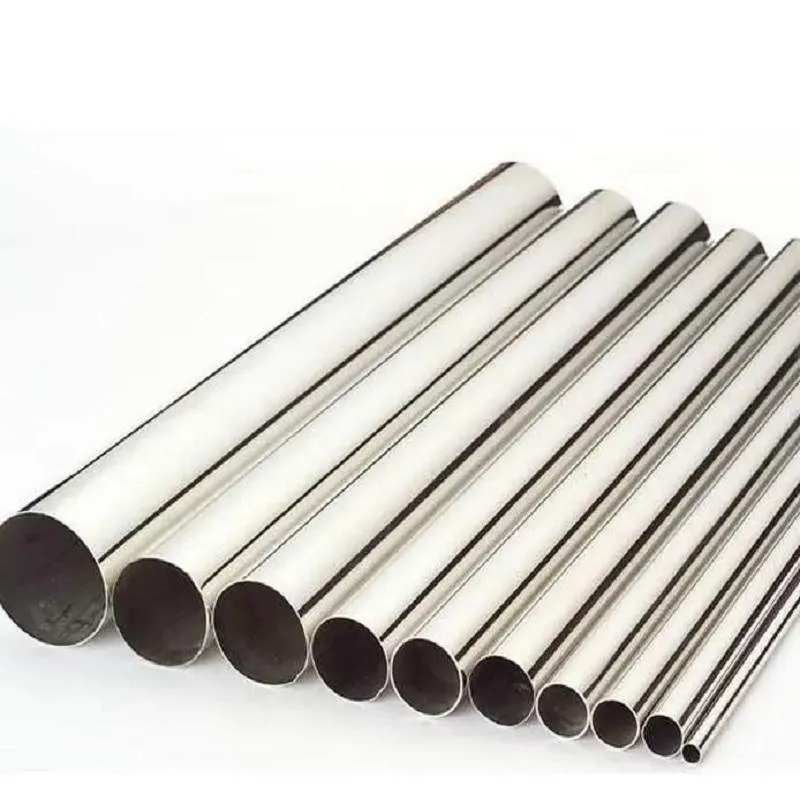
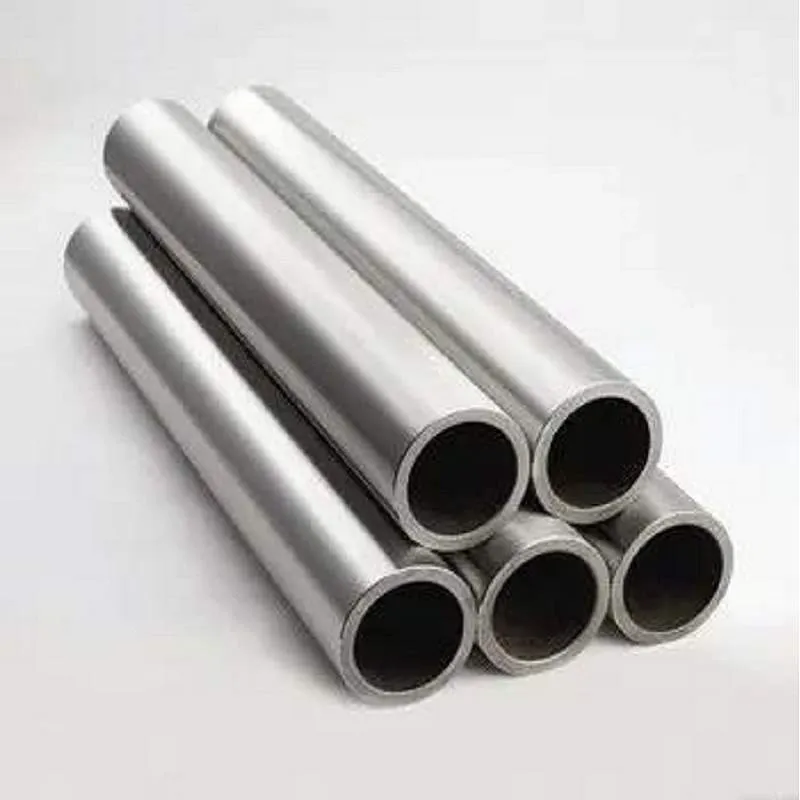
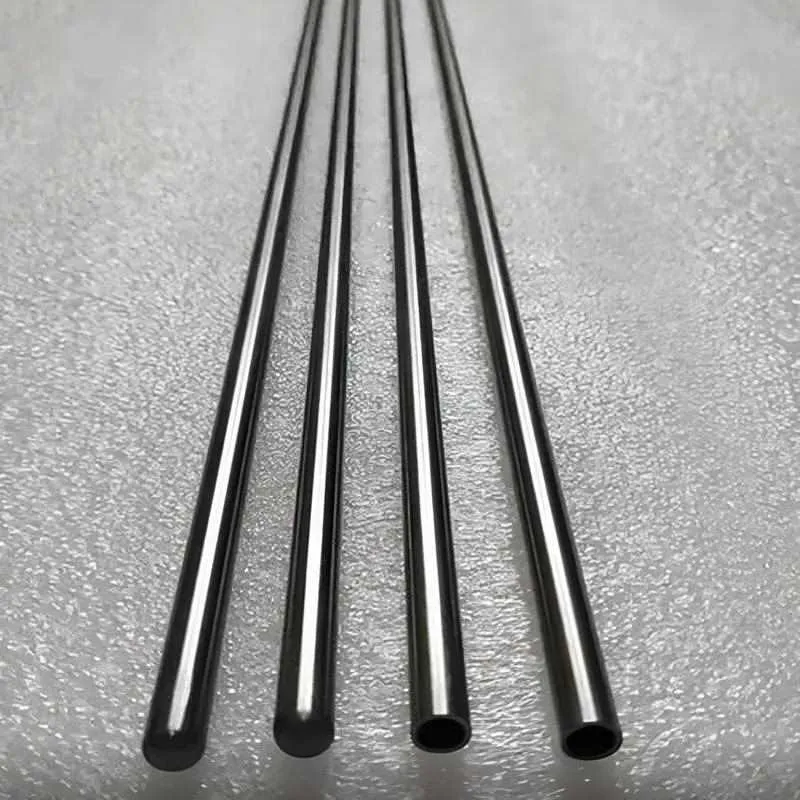
ASTM class 30 Standard gray Iron Wires, as cast
Product Code : STI-IFe-036-CU
We provide ASTM class 30 Standard gray Iron Wire test bars, as cast is available in Bar (Round bar, Flat bar), Ribbon, Wire, Rods, Tube,Seamless Tube,Pipe, Ingots, Plate, Sheet, Strip and Forging Stock.,Purity, chemical composition, size, etc. can all be customized to meet specific requirements.
Please contact us if you need customized services. We will contact you with the price and availability in 24 hours.
ASTM class 30 Standard gray Iron Wire test bars, as cast Product Information
-:-
For detailed product information, please contact sales.
-:
ASTM class 30 Standard gray Iron Wire test bars, as cast Synonyms
-:-
For detailed product information, please contact sales.
-:
ASTM class 30 Standard gray iron test bars, as cast Product Information
-:-
For detailed product information, please contact sales.
-:
## **Product Introduction: ASTM Class 30 Standard Gray Iron Test Bars, As-Cast**
ASTM Class 30 Standard Gray Iron Test Bars, in the as-cast condition, are the principal quality assurance artifacts used to certify the mechanical integrity of a high-strength, general-purpose gray cast iron. These standardized specimens, cast from production iron under strictly controlled conditions, serve as the definitive empirical proof that a melt meets the rigorous tensile strength requirement of 30,000 psi (207 MPa). The "Class 30" designation represents a strong, predominantly pearlitic gray iron, widely employed for stressed components in machinery and automotive applications. The "As-Cast" condition is paramount, as it directly reflects the properties achieved through the foundry's process control—including melting, inoculation, and cooling rate—without the alteration of heat treatment.
These test bars are the cornerstone of material traceability and specification compliance, providing an indispensable, objective link between the metallurgical specification on an engineering drawing and the physical material poured into a mold.
---
### **1. Chemical Composition of the Base Iron**
Achieving Class 30 strength requires a chemistry balanced to promote a strong, pearlitic matrix while maintaining adequate castability.
**Typical Composition Range of the Melt (for Class 30 Iron):**
| Element | Content (%) | Role in Achieving Class 30 Properties |
| :--- | :--- | :--- |
| **Carbon (C)** | **3.0 - 3.3** | Moderately low to increase the volume fraction of the strong metallic matrix relative to graphite. Critical for achieving higher strength. |
| **Silicon (Si)** | **1.8 - 2.2** | Controlled to allow significant pearlite formation. Lower than in Classes 20/25 to reduce ferrite promotion and increase matrix hardness. |
| **Manganese (Mn)** | **0.6 - 1.0** | Essential pearlite stabilizer. Higher levels are used to ensure a fully pearlitic or near-fully pearlitic matrix, which is necessary to reliably reach the 207 MPa threshold. |
| **Phosphorus (P)** | **≤ 0.10** | Tightly controlled to minimize the brittle phosphide eutectic network, which becomes more detrimental to toughness at higher strength levels. |
| **Sulfur (S)** | **≤ 0.12** | Controlled impurity. Lower sulfur can improve ductility. |
| **Chromium (Cr)** | **0.10 - 0.25** (Optional) | Often added intentionally to increase hardenability, refine pearlite, and enhance wear resistance, helping to ensure strength consistency, especially in varying section sizes. |
| **Copper (Cu)** | **0.10 - 0.30** (Optional) | Frequently used as a strengthener to promote pearlite uniformity and improve atmospheric corrosion resistance. |
| **Iron (Fe)** | Balance | Base metal. |
**Key Metallurgical Note:** The Carbon Equivalent (CE = %C + 0.33(%Si) + 0.33(%P)) for Class 30 iron is typically in the range of **3.4 - 3.8**. This lower CE, combined with faster cooling rates (often facilitated by higher Mn and optional Cr/Cu), promotes the fine pearlitic structure required for Class 30 strength.
---
### **2. Physical & Mechanical Properties (of the Test Bar & Material)**
The test bar exists to be destructively tested, providing a single, critical data point for material certification.
| Property | Value / Description | Specification (ASTM A48) |
| :--- | :--- | :--- |
| **Tensile Strength, min** | **207 MPa (30,000 psi)** | **The Absolute Requirement.** Failure to meet this minimum on the test bar invalidates the melt for Class 30 certification. |
| **Typical Tensile Strength** | 210 - 280 MPa (30 - 41 ksi) | - |
| **Hardness (Brinell)** | **~217 HB (Typical Range: 207 - 255 HB)** | Directly correlates with the high pearlite content and strength. Commonly measured and reported alongside tensile data. |
| **Microstructure (As-Cast)** | **Predominantly or fully pearlitic matrix (80-100% pearlite) with Type A flake graphite.** The pearlite lamellae are fine and well-distributed. | Microstructure is often examined to confirm the absence of excessive ferrite or coarse graphite, which would limit strength. |
| **Condition** | **As-Cast.** The test bar properties are a direct result of the foundry's process, with no post-casting heat treatment. | - |
| **Test Bar Geometry** | Machined to precise dimensions from a standardized cast blank (e.g., "B" bar: 0.875" diameter). Dimensions and machining tolerances are critical for accurate cross-sectional area calculation during testing. | Specified in ASTM A48. |
---
### **3. Key Purpose & Characteristics**
* **Definitive Compliance Tool:** Provides unambiguous evidence of conformance to a major industrial material standard.
* **Process Capability Index:** The consistent ability to produce test bars meeting Class 30 requirements is a key indicator of a foundry's technical proficiency and process control.
* **Risk Mitigation Artifact:** Shields both the foundry and the customer from disputes over material quality by providing a standardized, objective measurement.
* **Foundation for Engineering Design:** The guaranteed minimum strength (207 MPa) allows engineers to confidently design load-bearing components using this material grade.
---
### **4. Application & Use**
The application is procedural and integral to quality management systems in manufacturing.
* **Heat/Lot Certification:** A standard practice in jobbing and high-volume foundries. Test bars are poured from each furnace tap or lot. Castings are only shipped upon receipt of a passing test report.
* **Supplier Qualification & Audits:** Potential customers may audit a foundry by witnessing the pouring and testing of Class 30 test bars as proof of capability.
* **Material Substitution Validation:** Used to verify that an alternative iron source or melting practice yields equivalent properties to the established standard.
* **Calibration of Predictive Models:** Data from test bars feed into and calibrate computational models that predict casting properties based on chemistry and cooling.
---
### **5. Governing Standards & Specifications**
A network of ASTM standards ensures the test bar's value as an internationally recognized reference.
| Standard | Title / Scope | Relevance to Class 30 As-Cast Test Bars |
| :--- | :--- | :--- |
| **ASTM A48/A48M** | *Standard Specification for Gray Iron Castings* | The root standard. Defines Class 30, details the approved methods for producing test casts, and sets the 207 MPa minimum. |
| **ASTM E8/E8M** | *Standard Test Methods for Tension Testing of Metallic Materials* | Governs the tensile testing procedure, including speed of testing and data recording. |
| **ASTM A644** | *Standard Terminology Relating to Iron Castings* | Provides standardized definitions for terms used in reporting test bar results. |
| **ISO 185** | *Grey cast irons — Classification* | The international equivalent. ASTM Class 30 aligns most closely with **ISO Grade 300**. |
| **JIS G5501** | *Grey iron castings* | The Japanese equivalent is **FC300**. |
| **SAE J431** | *Automotive Gray Iron Castings* | The automotive industry's parallel specification is **SAE G3000**. |
**Certification & Reporting:** The formal output is a **Certified Test Report** or **Material Test Report (MTR)**. It will explicitly state the ASTM specification (A48), the grade (Class 30), the actual tensile strength achieved (e.g., "228 MPa"), and confirm it meets the 207 MPa minimum. This report is a legally recognized document of material conformance.
---
### **Conclusion**
ASTM Class 30 Standard Gray Iron Test Bars (As-Cast) are more than simple pieces of iron; they are the **formalized embodiment of a material guarantee**. In a world where the performance of industrial machinery, automotive systems, and infrastructure depends on the reliability of cast components, these test bars provide the essential, trustworthy verification that the material at the heart of these components meets its promised strength. They are a fundamental pillar of modern quality assurance, enabling the safe, efficient, and widespread use of one of engineering's most versatile and cost-effective materials. The humble test bar, therefore, stands as a silent guardian of engineering integrity and supply chain reliability.
-:-
For detailed product information, please contact sales.
-:
ASTM class 30 Standard gray iron test bars, as cast Specification
Dimensions
Size:
Diameter 20-1000 mm Length <6510 mm
Size:We can customized as required
Standard:
Per your request or drawing
We can customized as required
Properties(Theoretical)
Chemical Composition
-:-
For detailed product information, please contact sales.
-:
ASTM class 30 Standard gray iron test bars, as cast Properties
-:-
For detailed product information, please contact sales.
-:
Applications of ASTM class 30 Standard gray Iron Wire test bars, as cast
-:-
For detailed product information, please contact sales.
-:
Chemical Identifiers ASTM class 30 Standard gray Iron Wire test bars, as cast
-:-
For detailed product information, please contact sales.
-:
Packing of ASTM class 30 Standard gray Iron Wire test bars, as cast
-:-
For detailed product information, please contact sales.
-:
Standard Packing:
-:-
For detailed product information, please contact sales.
-:
Typical bulk packaging includes palletized plastic 5 gallon/25 kg. pails, fiber and Steel Wire drums to 1 ton super sacks in full container (FCL) or truck load (T/L) quantities. Research and sample quantities and hygroscopic, oxidizing or other air sensitive materials may be packaged under argon or vacuum. Solutions are packaged in polypropylene, plastic or glass jars up to palletized 2981 gallon liquid totes Special package is available on request. E FORUs’ is carefully handled to minimize damage during storage and transportation and to preserve the quality of our products in their original condition