ASTM class 35 Standard gray Iron Rod/Bars, as cast
Product Code : STI-IFe-037-CU
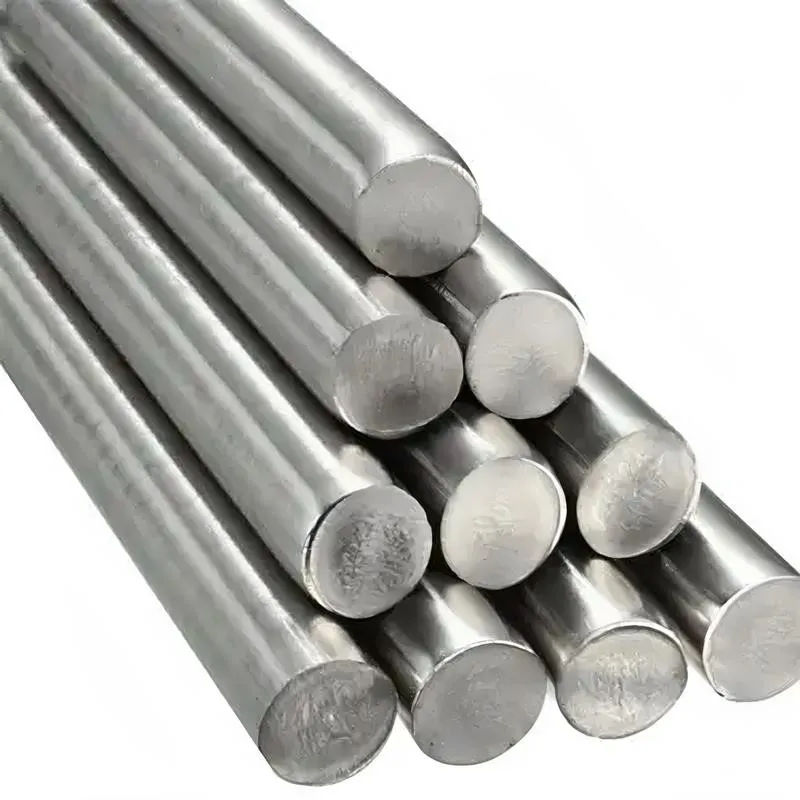
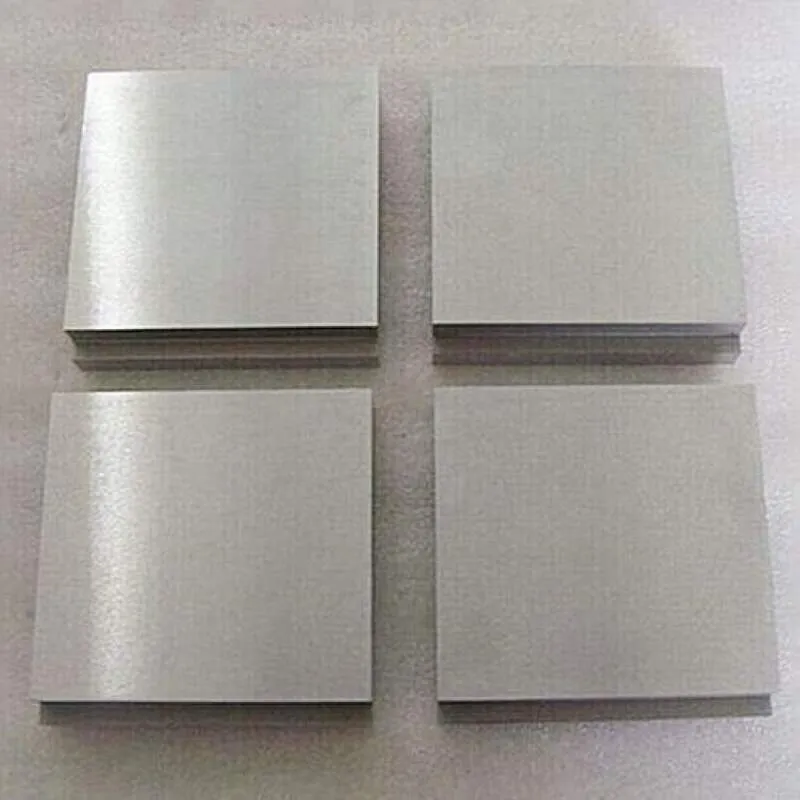
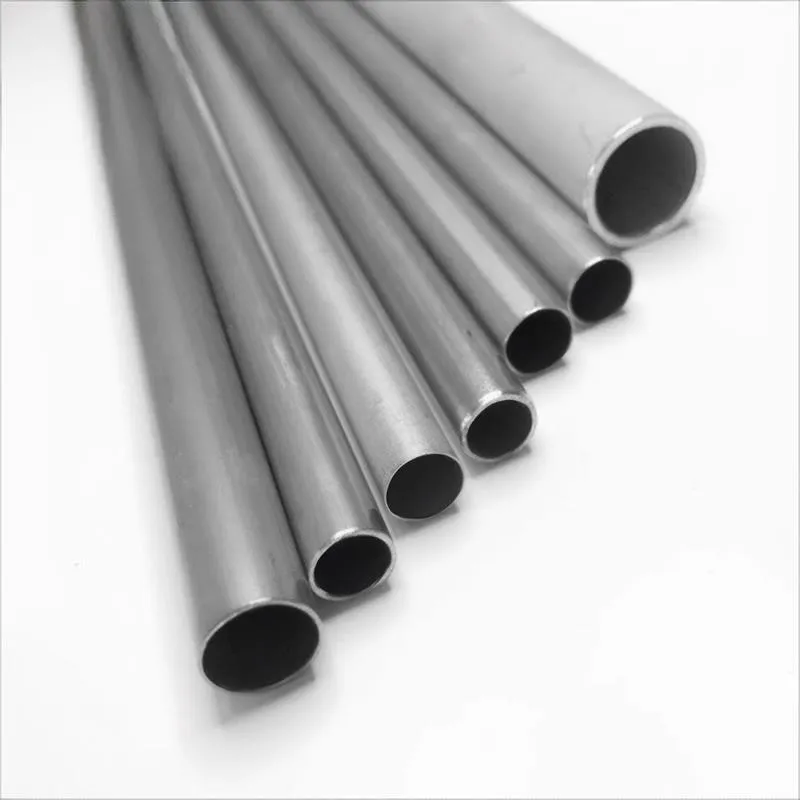
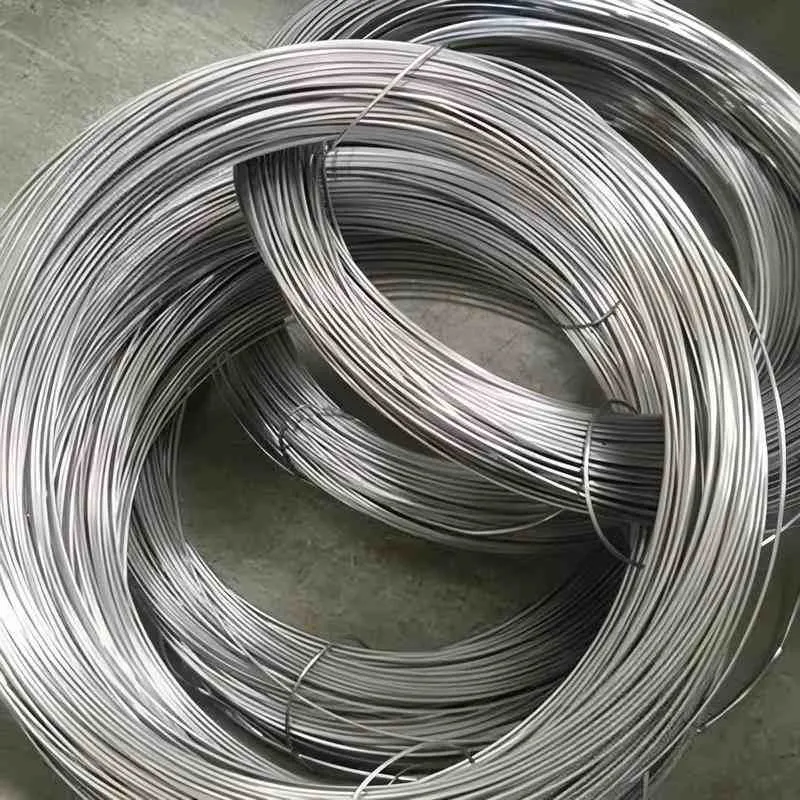
We provide ASTM class 35 Standard gray Iron Rod/Bar test bars, as cast is available in Bar (Round bar, Flat bar), Ribbon, Wire, Rod/Bars, Tube,Seamless Tube,Pipe, Ingots, Plate, Sheet, Strip and Forging Stock.,Purity, chemical composition, size, etc. can all be customized to meet specific requirements.
Please contact us if you need customized services. We will contact you with the price and availability in 24 hours.
ASTM class 35 Standard gray Iron Rod test bars, as cast Product Information
-:-
For detailed product information, please contact sales.
-:
ASTM class 35 Standard gray Iron Rod test bars, as cast Synonyms
-:-
For detailed product information, please contact sales.
-:
ASTM class 35 Standard gray iron test bars, as cast Product Information
-:-
For detailed product information, please contact sales.
-:
## **Product Introduction: ASTM Class 35 Standard Gray Iron Test Bars, As-Cast**
ASTM Class 35 Standard Gray Iron Test Bars, in the as-cast condition, represent the premier quality control standard for certifying high-performance gray cast iron. These precisely manufactured reference specimens serve as the authoritative validation that a production melt achieves a minimum tensile strength of 35,000 psi (241 MPa), placing it within the upper echelon of commercially standardized flake graphite irons. The "Class 35" designation indicates an iron engineered for demanding structural applications, characterized by a fully pearlitic, fine-grained matrix. The "As-Cast" condition is critical, as it confirms that these superior properties are attained directly through sophisticated foundry process control—including advanced inoculation and controlled cooling—without reliance on post-casting heat treatment.
These test bars are the definitive empirical benchmark, bridging the gap between high-strength material specification and the reality of molten metal processing, ensuring reliability in the most critical applications.
---
### **1. Chemical Composition of the Base Iron**
Achieving consistent Class 35 properties requires precise chemistry control, often incorporating strategic alloying to ensure hardenability and matrix refinement.
**Typical Composition Range of the Melt (for Class 35 Iron):**
| Element | Content (%) | Role in Achieving Class 35 Properties |
| :--- | :--- | :--- |
| **Carbon (C)** | **2.9 - 3.2** | Carefully controlled at the lower end of the gray iron range to maximize the strong metallic matrix and minimize graphite volume, providing the foundation for high strength. |
| **Silicon (Si)** | **1.6 - 2.0** | Stringently managed. Sufficient for inoculation and castability but low enough to prevent ferrite formation, forcing a fully pearlitic transformation. |
| **Manganese (Mn)** | **0.7 - 1.1** | Aggressive pearlite stabilizer. Maintained at high levels to completely counteract silicon's graphitizing effect and ensure 100% pearlitic microstructure, even in moderately sized sections. |
| **Chromium (Cr)** | **0.15 - 0.35** | **Common intentional addition.** Refines pearlite lamellae, increases hardenability to prevent ferrite in casting cores, and enhances wear and oxidation resistance. Essential for consistency. |
| **Copper (Cu)** | **0.20 - 0.50** | **Frequent strengthening agent.** Provides solid solution strengthening of the ferrite in pearlite, promotes matrix uniformity, and improves corrosion resistance. |
| **Molybdenum (Mo)** | **0.05 - 0.15** (Optional) | Added in critical applications to further increase hardenability for thick sections and improve elevated temperature strength. |
| **Phosphorus (P)** | **≤ 0.08** | **Very low limit.** Minimized to eliminate brittle phosphide networks, which are particularly detrimental to the toughness and thermal shock resistance expected of this high-strength grade. |
| **Sulfur (S)** | **≤ 0.10** | **Tightly controlled.** Low sulfur improves ductility and reduces the risk of micro-shrinkage. |
| **Iron (Fe)** | Balance | Base metal, often requiring higher purity charge materials. |
**Key Metallurgical Note:** The Carbon Equivalent (CE) for Class 35 iron is typically **3.2 - 3.6**. This low CE, combined with the chilling effect of alloying elements (Cr, Cu) and controlled mold cooling, is necessary to develop the fine, fully pearlitic matrix with undercooled graphite that yields 241 MPa strength in the as-cast state.
---
### **2. Physical & Mechanical Properties (of the Test Bar & Material)**
The test bar's destruction in a tensile tester provides the single most important data point for certifying the entire melt.
| Property | Value / Description | Specification (ASTM A48) |
| :--- | :--- | :--- |
| **Tensile Strength, min** | **241 MPa (35,000 psi)** | **The Non-Negotiable Requirement.** The test bar must conclusively demonstrate this minimum strength. |
| **Typical Tensile Strength** | 245 - 310 MPa (36 - 45 ksi) | - |
| **Hardness (Brinell)** | **~235 HB (Typical Range: 217 - 269 HB)** | High hardness is a direct consequence of the fully pearlitic structure. It is a critical secondary indicator. |
| **Microstructure (As-Cast)** | **Fully pearlitic matrix (100% pearlite) with fine, Type A or undercooled (Type D) graphite.** The pearlite exhibits a fine interlamellar spacing. The absence of free ferrite is mandatory. | Microstructural analysis is often a contractual requirement to confirm the matrix is fully transformed. |
| **Condition** | **As-Cast.** Properties result solely from controlled solidification and cooling within the standardized test mold. | - |
| **Test Bar Geometry** | Machined to exacting tolerances from a standardized cast blank. The surface finish and dimensional accuracy of the machined gauge section are crucial for valid test results. | Specified in ASTM A48. |
---
### **3. Key Purpose & Characteristics**
* **High-Stakes Compliance Verification:** Certifies material for critical applications where engineering safety margins are calculated based on the 241 MPa minimum strength.
* **Demonstration of Foundry Excellence:** The ability to consistently produce Class 35 iron in the as-cast condition is a hallmark of a technologically advanced foundry with superior process control.
* **Guardian of Performance Margins:** Ensures that high-strength castings (e.g., for heavy-duty brakes or powertrains) possess the necessary inherent integrity to perform under design loads.
* **Baseline for Advanced Grades:** Serves as the reference point for even higher-performance proprietary grades (e.g., G3500b/c).
---
### **4. Application & Use**
The use of Class 35 test bars is integral to high-reliability manufacturing and quality assurance protocols.
* **Mandatory Melt Certification:** For castings specified as ASTM A48 Class 35, it is standard and often contractual that test bars are poured, machined, tested, and certified for each melt or production lot.
* **Approval of Process Changes:** Any significant change in charge materials, furnace practice, or inoculation strategy must be validated by a series of successful Class 35 test bar results.
* **Customer Source Inspection:** Major customers may perform or witness the testing of these bars as part of supplier audits or first-article inspections.
* **Calibration of Predictive Analytics:** Data from these bars feed into advanced simulation software that links chemistry and cooling to as-cast properties, refining predictive accuracy for new part designs.
---
### **5. Governing Standards & Specifications**
Conformance is demonstrated through a hierarchy of standardized practices.
| Standard | Title / Scope | Relevance to Class 35 As-Cast Test Bars |
| :--- | :--- | :--- |
| **ASTM A48/A48M** | *Standard Specification for Gray Iron Castings* | The governing document. Establishes Class 35 and the 241 MPa requirement, and standardizes the test bar production method. |
| **ASTM E8/E8M** | *Standard Test Methods for Tension Testing of Metallic Materials* | Dictates the precise methodology for the tensile test, ensuring results are comparable worldwide. |
| **ASTM A247** | *Standard Test Method for Evaluating the Microstructure of Graphite in Iron Castings* | Often referenced in supplementary requirements to specify the allowable graphite form (e.g., predominantly Type A). |
| **ISO 185** | *Grey cast irons — Classification* | The international equivalent. ASTM Class 35 aligns most closely with **ISO Grade 350**. |
| **JIS G5501** | *Grey iron castings* | The Japanese equivalent is **FC350** (a less common, high-specification grade). |
| **SAE J431** | *Automotive Gray Iron Castings* | The automotive parallel is **SAE G3500**. The test bar philosophy and strength requirement are identical. |
**Certification & Reporting:** The **Certified Material Test Report (CMTR)** is a controlled document that must include:
1. ASTM Specification (A48) and Grade (Class 35).
2. Actual Tensile Strength Result (in MPa or psi).
3. Statement of Conformance to the 241 MPa minimum.
4. Heat or Lot Identification for full traceability.
5. Often includes hardness results and may include a microstructural description per supplementary agreement.
---
### **Conclusion**
ASTM Class 35 Standard Gray Iron Test Bars (As-Cast) are the **gold standard of verification for high-performance gray iron**. They encapsulate the culmination of metallurgical science and precision foundry engineering, transforming a challenging material specification into a tangible, verifiable fact. In industries where failure is not an option—such as in heavy-duty vehicle braking systems, high-load machinery frames, and critical powertrain components—these test bars provide the fundamental assurance that the material possesses the inherent strength promised by the specification. They are, therefore, not merely quality control tools but essential instruments of risk management and engineering confidence, upholding the integrity of some of the most demanding applications in modern manufacturing.
-:-
For detailed product information, please contact sales.
-:
ASTM class 35 Standard gray iron test bars, as cast Specification
Dimensions
Size:
Diameter 20-1000 mm Length <6511 mm
Size:We can customized as required
Standard:
Per your request or drawing
We can customized as required
Properties(Theoretical)
Chemical Composition
-:-
For detailed product information, please contact sales.
-:
ASTM class 35 Standard gray iron test bars, as cast Properties
-:-
For detailed product information, please contact sales.
-:
Applications of ASTM class 35 Standard gray Iron Rod test bars, as cast
-:-
For detailed product information, please contact sales.
-:
Chemical Identifiers ASTM class 35 Standard gray Iron Rod test bars, as cast
-:-
For detailed product information, please contact sales.
-:
Packing of ASTM class 35 Standard gray Iron Rod test bars, as cast
-:-
For detailed product information, please contact sales.
-:
Standard Packing:
-:-
For detailed product information, please contact sales.
-:
Typical bulk packaging includes palletized plastic 5 gallon/25 kg. pails, fiber and Steel Rod drums to 1 ton super sacks in full container (FCL) or truck load (T/L) quantities. Research and sample quantities and hygroscopic, oxidizing or other air sensitive materials may be packaged under argon or vacuum. Solutions are packaged in polypropylene, plastic or glass jars up to palletized 2982 gallon liquid totes Special package is available on request. E FORUs’ is carefully handled to minimize damage during storage and transportation and to preserve the quality of our products in their original condition