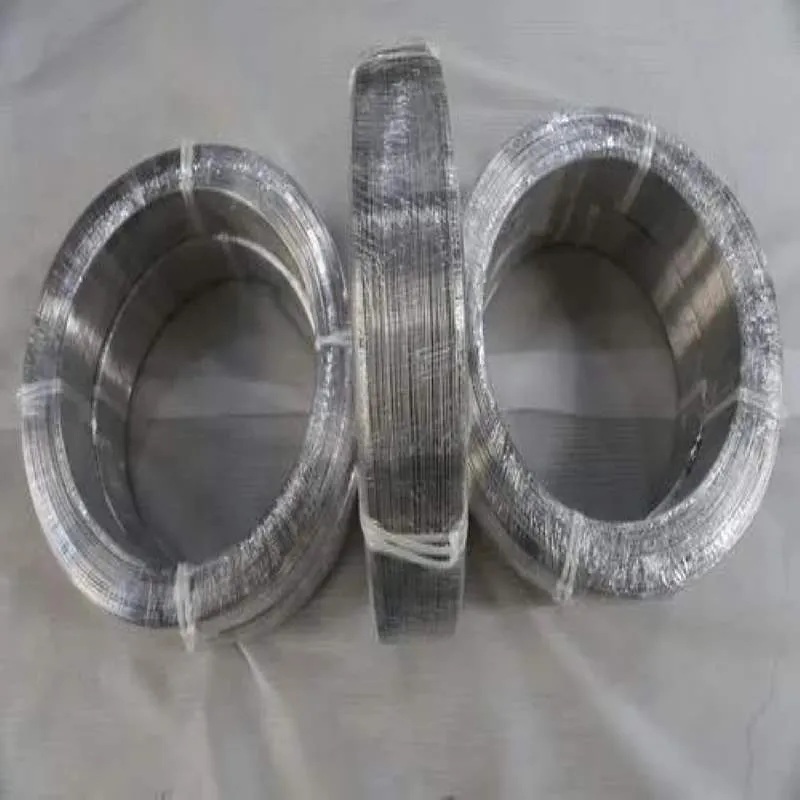
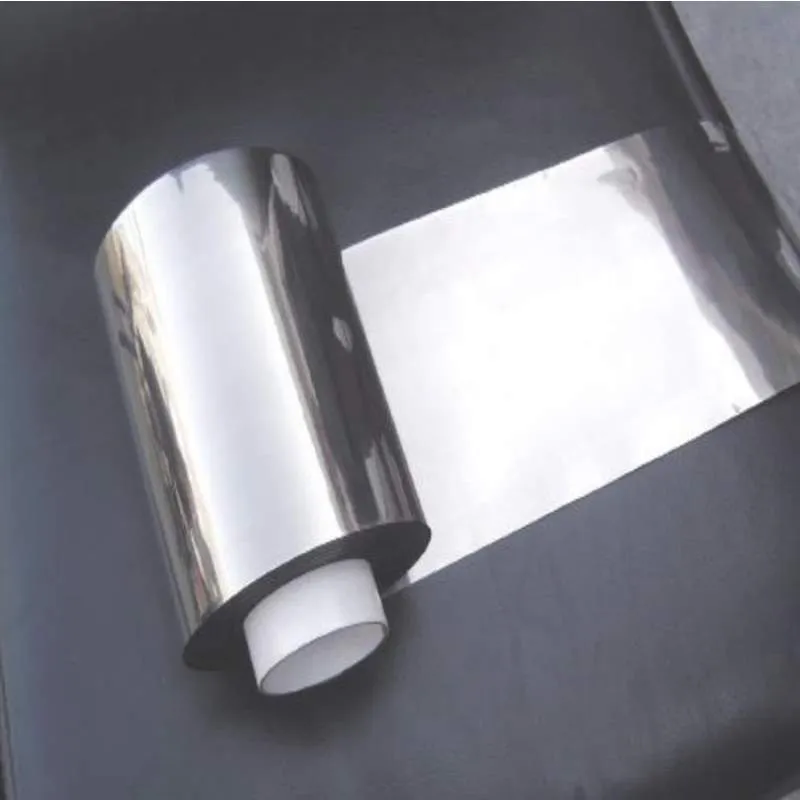
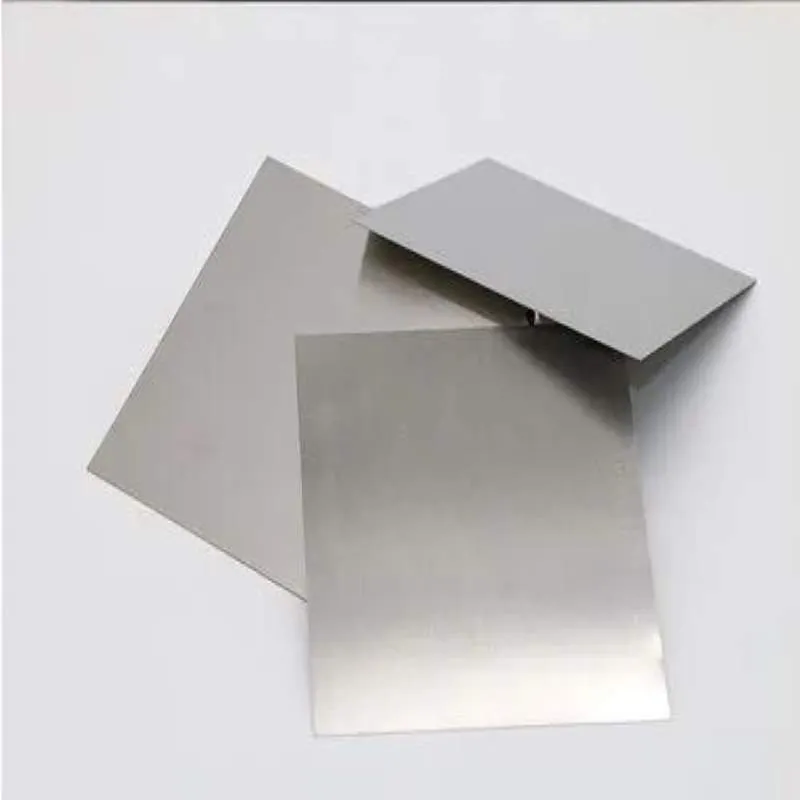
ATI Allegheny Ludlum 01 Tool Steel Wire, UNS T31501
Product Code : STI-GSTI-394-CU
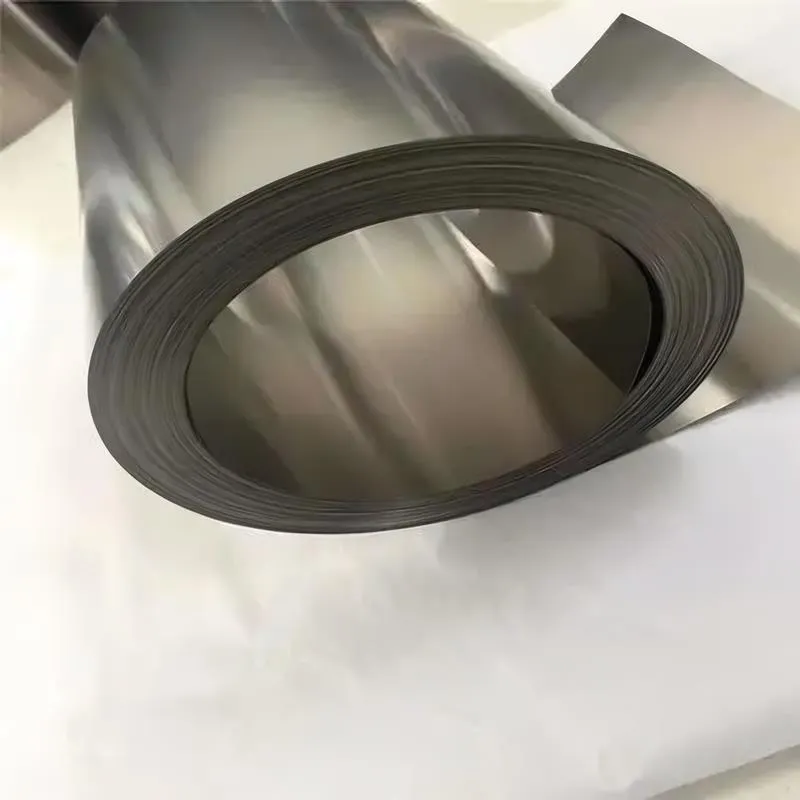
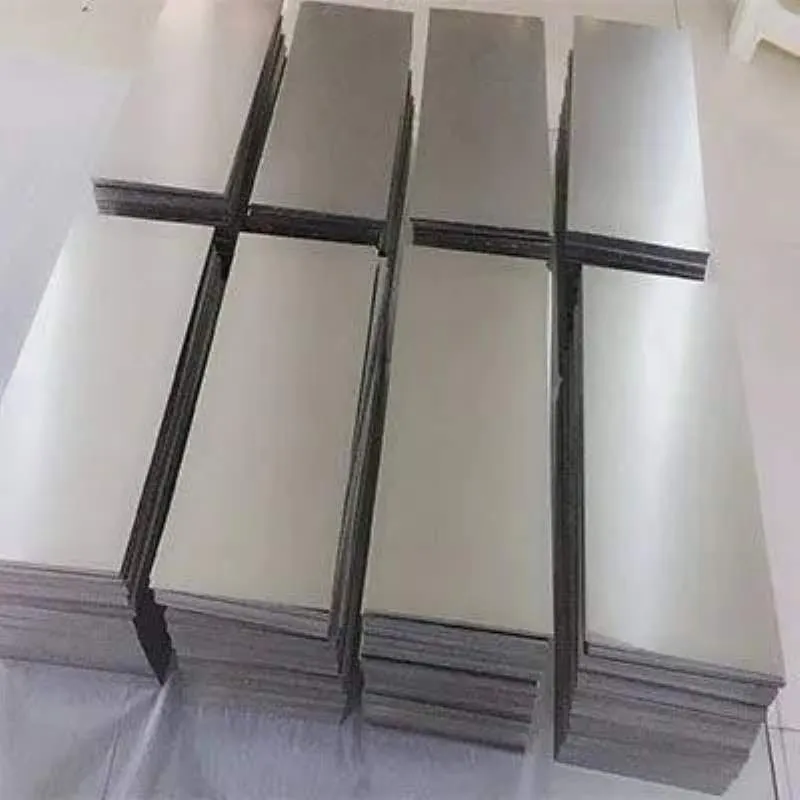
We provide ATI Allegheny Ludlum 01 Tool Steel Wire, UNS T31501 is available in Bar (Round bar, Flat bar), Ribbon, Wire, Rods, Tube,Seamless Tube,Pipe, Ingots, Plate, Sheet, Strip and Forging Stock.,Purity, chemical composition, size, etc. can all be customized to meet specific requirements.
Please contact us if you need customized services. We will contact you with the price and availability in 24 hours.
ATI Allegheny Ludlum 01 Tool Steel Wire, UNS T31501 Product Information
-:-
For detailed product information, please contact sales.
-:
ATI Allegheny Ludlum 01 Tool Steel Wire, UNS T31501 Synonyms
-:-
For detailed product information, please contact sales.
-:
ATI Allegheny Ludlum 01 Tool Steel, UNS T31501 Product Information
-:-
For detailed product information, please contact sales.
-:
# **Product Introduction: ATI Allegheny Ludlum 01 Tool Steel (UNS T31501)**
## **1. Overview**
**ATI Allegheny Ludlum 01 Tool Steel** is a premium **oil-hardening, general-purpose cold work tool steel** renowned for its exceptional balance of **hardness, toughness, dimensional stability, and machinability**. Designated as **UNS T31501** and commonly known as **AISI O1**, this alloy is a classic tungsten-chromium-vanadium steel that has served as an industry benchmark for decades. Its popularity stems from its predictable performance, relatively simple heat treatment process (oil quenching), and versatility across a wide range of tooling applications. ATI's production of 01 Tool Steel emphasizes consistent quality, fine grain structure, and uniform hardenability, making it a reliable choice for precision tools, gauges, and dies where a combination of wear resistance and resistance to chipping is required.
## **2. International Standards & Specifications**
This material is a standardized grade recognized across all major industrial regions.
* **Primary Standard Designations:**
* **UNS T31501:** Unified Numbering System designation.
* **AISI O1:** American Iron and Steel Institute classification (most common name).
* **ASTM A681:** Standard Specification for Tool Steels Alloy.
* **Key International Equivalents:**
* **DIN 1.2510 / EN ISO 4957 100MnCrW4:** The primary European standard.
* **JIS G4404 SKS 3:** Japanese Industrial Standard.
* **GB/T 1299 MnCrWV:** Chinese national standard.
* **ISO 4957:** **100MnCrW4**.
* **Common Trade Names:** Often referred to simply as **O1 Tool Steel** or **Oil-Hardening Tool Steel**.
## **3. Chemical Composition (Weight %, per ASTM A681)**
The composition is balanced for oil hardenability, good wear resistance, and minimal distortion.
| Element | Composition Range (%) | Role & Benefit |
|---------|----------------------|----------------|
| **Carbon (C)** | 0.85 – 1.00 | Provides high hardness and wear resistance through martensite and carbide formation. |
| **Manganese (Mn)** | 1.00 – 1.40 | **Key hardenability agent.** Enables effective hardening in oil (rather than water), reducing distortion and cracking risk. |
| **Chromium (Cr)** | 0.40 – 0.60 | Enhances hardenability, improves wear resistance, and provides mild corrosion resistance. |
| **Tungsten (W)** | 0.40 – 0.60 | Forms hard tungsten carbides, contributing to wear resistance and hot hardness. Helps refine grain size. |
| **Vanadium (V)** | 0.10 – 0.30 | **Critical for grain refinement.** Forms vanadium carbides that inhibit grain growth during austenitizing, resulting in a finer, tougher microstructure. |
| **Silicon (Si)** | 0.10 – 0.40 | Deoxidizer and strengthens ferrite. |
| **Phosphorus (P)** | ≤ 0.030 | Impurity, controlled for toughness. |
| **Sulfur (S)** | ≤ 0.030 | Impurity, typically kept low in standard grades. |
## **4. Typical Physical & Mechanical Properties (Heat Treated)**
* **Recommended Heat Treatment:**
* **Preheating:** 650-700°C (1200-1290°F) to minimize thermal stress.
* **Austenitizing:** **790-820°C (1455-1510°F).** Critical to not exceed ~820°C to prevent grain growth.
* **Quenching:** **Quench in warm oil (50-80°C).** Oil quenching is forgiving and minimizes distortion.
* **Tempering:** **Temper immediately after quenching.** Typical range: **150-250°C (300-480°F)** for high hardness (60-62 HRC) or **400-550°C (750-1020°F)** for high toughness (50-56 HRC). Often double tempered.
* **Mechanical Properties (Hardened & Tempered @ 175°C):**
* **Hardness:** **60 – 62 HRC** (typical achievable range).
* **Tensile Strength:** 1900 – 2100 MPa (275,000 – 305,000 psi)
* **Yield Strength (Compressive):** Very high, suitable for forming and stamping.
* **Impact Toughness (Charpy):** **Good for its hardness level.** Superior to many air-hardening high-carbon steels (like D2) at equivalent hardness.
* **Dimensional Stability:** **Very Good.** Oil quenching results in less distortion than water quenching, but more than air-hardening grades.
* **Physical Properties:**
* **Density:** 7.83 g/cm³
* **Modulus of Elasticity:** 205 GPa (29.7 × 10⁶ psi)
* **Thermal Conductivity:** ~ 38 W/m·K (at 20°C)
* **Coefficient of Thermal Expansion:** 12.0 × 10⁻⁶/°C (20–100°C)
## **5. Product Application**
ATI 01 Tool Steel is a versatile workhorse for a broad spectrum of general to medium-duty cold work tooling.
* **Blanking, Piercing & Shearing Tools:**
* **Punches, dies, and shear blades** for low to medium carbon steels and non-ferrous metals.
* **Forming, Bending & Drawing Dies:**
* **Forming rolls, bending tools, and draw dies** where good toughness is needed to resist chipping.
* **Cutting Tools:**
* **Knives, slitters, and cutting blades** for paper, leather, and soft metals.
* **Gauges, Jigs & Fixtures:**
* **Master gauges, drill jigs, and precision fixtures** requiring dimensional stability and wear resistance.
* **General Tooling & Machine Parts:**
* **Lathe centers, taps, reamers, and wear plates.**
* **Woodworking Tools:**
* **Chisels, plane blades, and carving tools.**
## **6. Key Features & Advantages**
* **Simple, Forgiving Heat Treatment:** Oil quenching is less severe than water quenching, significantly reducing the risk of cracking and distortion, making it ideal for shops without sophisticated heat-treating facilities.
* **Excellent Combination of Hardness & Toughness:** Provides a better toughness-to-hardness ratio than many higher-alloy cold work steels, making it resistant to chipping and brittle fracture.
* **Good Machinability in Annealed State:** Easily machined to complex shapes prior to heat treatment.
* **Good Wear Resistance:** Adequate for many general tooling applications, though less than high-chromium steels like D2.
* **Minimal Decarburization:** Due to its relatively low austenitizing temperature, it suffers less surface decarburization than steels requiring higher hardening temperatures.
* **Cost-Effectiveness:** Typically more economical than high-alloy air-hardening grades (A2, D2), offering excellent value for many applications.
* **Predictable Performance:** Decades of use have established reliable heat-treating guidelines and expected performance outcomes.
## **7. Processing Guidelines**
* **Machining:** Perform all machining in the soft-annealed condition (~200 HB). Use standard tool steels machining practices.
* **Heat Treatment:** Follow temperature guidelines precisely. Overheating during austenitizing causes grain coarsening and brittleness. **Always temper immediately after quenching.**
* **Grinding:** Use aluminum oxide wheels. Grind after hardening; avoid excessive heat to prevent softening or cracking.
* **Stress Relieving:** A stress relief (600-650°C) after rough machining is recommended for complex tools to minimize distortion during final hardening.
* **Surface Treatment:** Can be **nitrided** or **coated (PVD)** to enhance surface hardness and wear resistance for specific applications.
**Summary:**
ATI Allegheny Ludlum 01 (O1) Tool Steel remains a fundamental and trusted material in the toolmaker's inventory. Its enduring popularity is a testament to its well-balanced properties, straightforward processing, and reliable performance across countless applications. For general-purpose cutting, forming, and gauging tools where a balance of hardness (up to 62 HRC), toughness, and dimensional control is required—and where the simplicity of oil quenching is an advantage—01 Tool Steel is often the optimal and most economical choice. It represents a classic engineering solution that continues to deliver value through proven performance and ease of use.
-:-
For detailed product information, please contact sales.
-:
ATI Allegheny Ludlum 01 Tool Steel, UNS T31501 Specification
Dimensions
Size:
Diameter 20-1000 mm Length <7050 mm
Size:We can customized as required
Standard:
Per your request or drawing
We can customized as required
Properties(Theoretical)
Chemical Composition
-:-
For detailed product information, please contact sales.
-:
ATI Allegheny Ludlum 01 Tool Steel, UNS T31501 Properties
-:-
For detailed product information, please contact sales.
-:
Applications of ATI Allegheny Ludlum 01 Tool Steel Wire, UNS T31501
-:-
For detailed product information, please contact sales.
-:
Chemical Identifiers ATI Allegheny Ludlum 01 Tool Steel Wire, UNS T31501
-:-
For detailed product information, please contact sales.
-:
Packing of ATI Allegheny Ludlum 01 Tool Steel Wire, UNS T31501
-:-
For detailed product information, please contact sales.
-:
Standard Packing:
-:-
For detailed product information, please contact sales.
-:
Typical bulk packaging includes palletized plastic 5 gallon/25 kg. pails, fiber and Steel Wire drums to 1 ton super sacks in full container (FCL) or truck load (T/L) quantities. Research and sample quantities and hygroscopic, oxidizing or other air sensitive materials may be packaged under argon or vacuum. Solutions are packaged in polypropylene, plastic or glass jars up to palletized 3521 gallon liquid totes Special package is available on request. E FORUs’ is carefully handled to minimize damage during storage and transportation and to preserve the quality of our products in their original condition