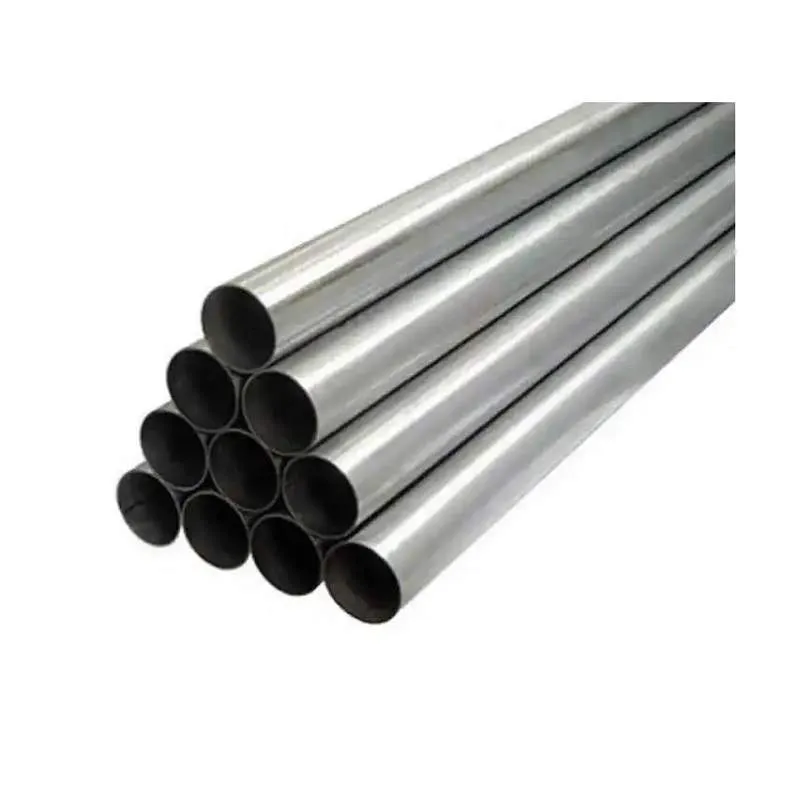
ATI Allegheny Ludlum A6 Tool Steel Tube,Pipe, UNS T30106
Product Code : STI-GSTI-398-CU
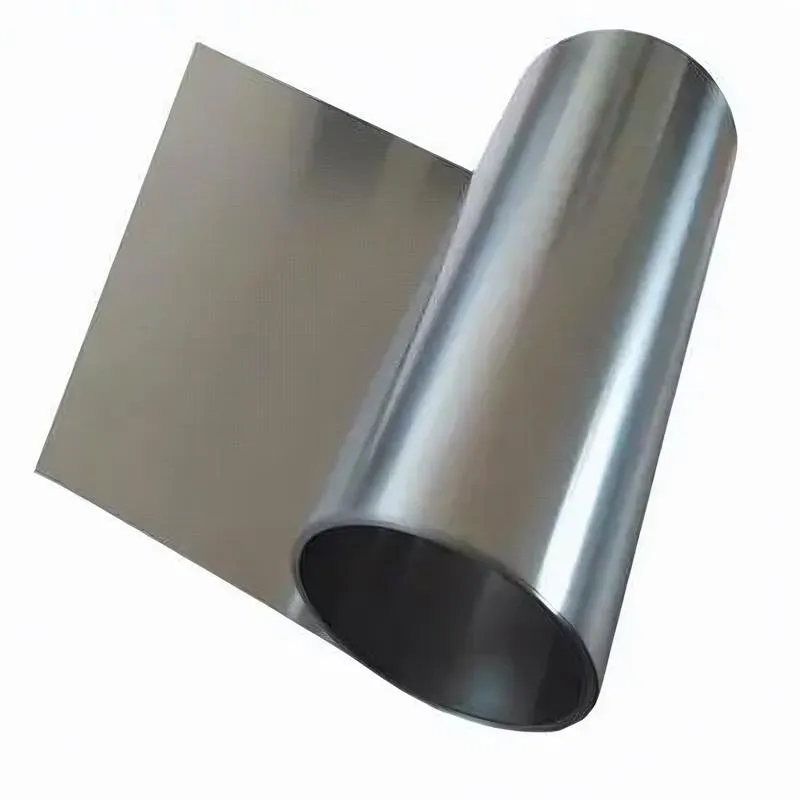
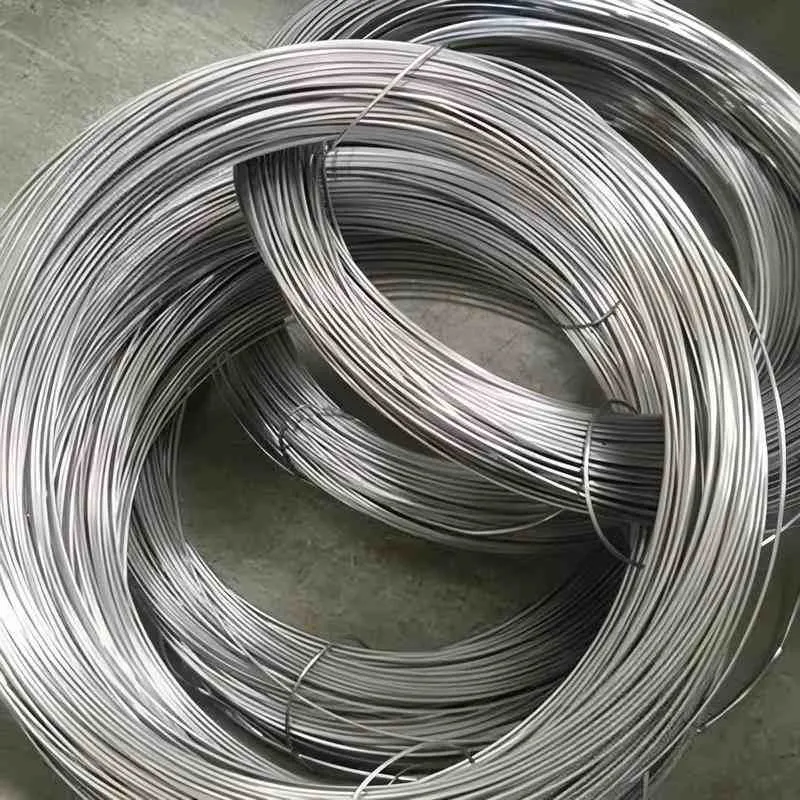
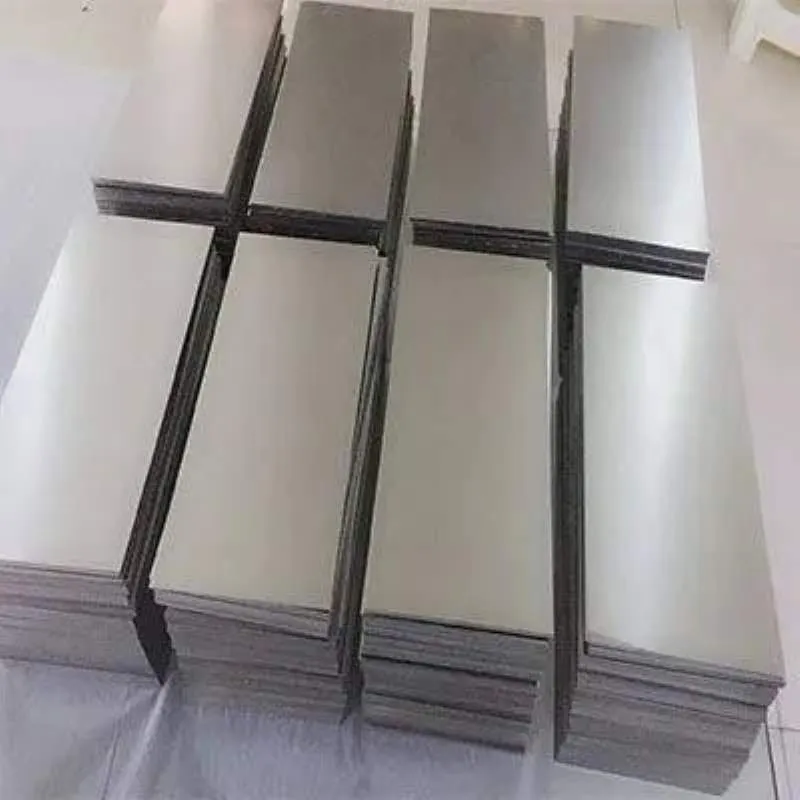
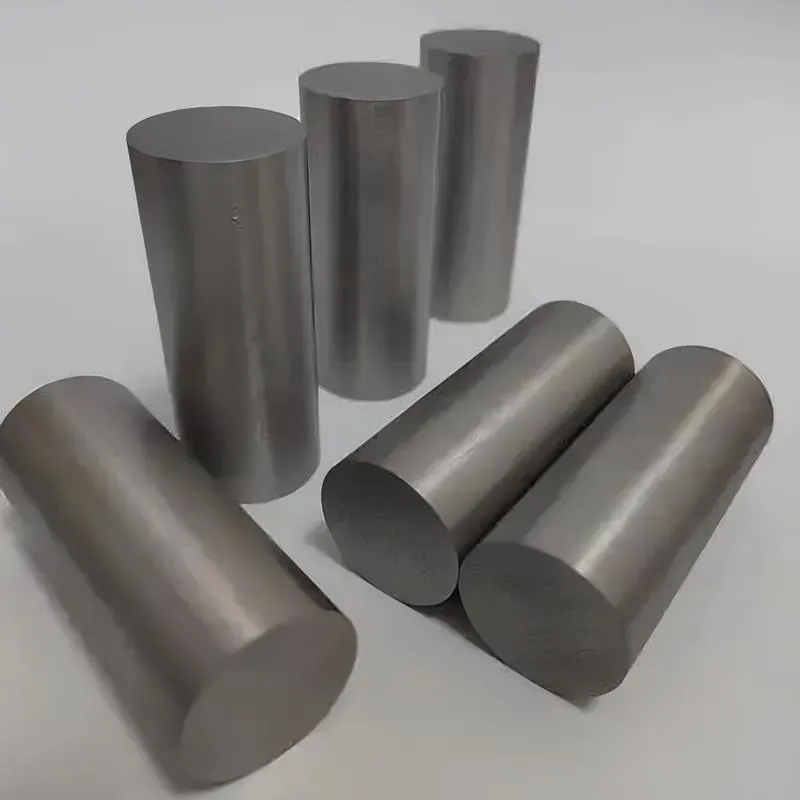
We provide ATI Allegheny Ludlum A6 Tool Steel Tube, UNS T30106 is available in Bar (Round bar, Flat bar), Ribbon, Wire, Rods, Tube,Seamless Tube,Pipe, Ingots, Plate, Sheet, Strip and Forging Stock.,Purity, chemical composition, size, etc. can all be customized to meet specific requirements.ATI Allegheny Ludlum A6 Tool Steel Pipe, UNS T30106
Please contact us if you need customized services. We will contact you with the price and availability in 24 hours.
ATI Allegheny Ludlum A6 Tool Steel Tube, UNS T30106 Product Information
-:-
For detailed product information, please contact sales.
-:
ATI Allegheny Ludlum A6 Tool Steel Tube, UNS T30106 Synonyms
-:-
For detailed product information, please contact sales.
-:
ATI Allegheny Ludlum A6 Tool Steel, UNS T30106 Product Information
-:-
For detailed product information, please contact sales.
-:
# **Product Introduction: ATI Allegheny Ludlum A6 Tool Steel (UNS T30106)**
## **1. Overview**
**ATI Allegheny Ludlum A6 Tool Steel** is a specialized **air-hardening, medium-alloy cold work tool steel** distinguished by its unique combination of **high manganese content, exceptional dimensional stability, and good machinability**. Designated as **UNS T30106** and commonly known as **AISI A6**, this steel is part of the air-hardening family but possesses distinct characteristics due to its higher carbon and manganese levels compared to A2. It is engineered to provide **superior wear resistance, minimal distortion during heat treatment, and good toughness** for demanding tooling applications. A6 is particularly valued for its ability to maintain tight tolerances in complex tools and its performance in high-stress applications where a balance of wear life and resistance to chipping is required.
## **2. International Standards & Specifications**
This material is a standardized grade recognized within the A-series air-hardening tool steel family.
* **Primary Standard Designations:**
* **UNS T30106:** Unified Numbering System designation.
* **AISI A6:** American Iron and Steel Institute classification.
* **ASTM A681:** Standard Specification for Tool Steels Alloy.
* **Key International Equivalents:**
* **DIN 1.2364:** The closest European equivalent (though compositions are not identical).
* **ISO 4957:** Classified under air-hardening cold work tool steel types.
* **Common Trade Names:** Often referred to as **A6 Tool Steel** or **Air-Hardening Manganese Steel**. It is less commonly referenced than A2 or D2.
## **3. Chemical Composition (Weight %, per ASTM A681)**
The composition is characterized by high carbon and very high manganese, with moderate chromium and molybdenum.
| Element | Composition Range (%) | Role & Benefit |
|---------|----------------------|----------------|
| **Carbon (C)** | 0.65 – 0.75 | Provides hardness and wear resistance. Lower than A2, but balanced with high Mn for hardenability. Results in good toughness for its hardness. |
| **Manganese (Mn)** | 1.80 – 2.50 | **The defining characteristic.** Extremely high for a tool steel. Provides profound **air hardenability**, allowing full hardening of thick sections with minimal distortion. Also contributes to strength and wear resistance. |
| **Chromium (Cr)** | 0.90 – 1.20 | Contributes to hardenability and wear resistance, though at lower levels than A2. |
| **Molybdenum (Mo)** | 0.90 – 1.40 | **Critical for hardenability and toughness.** Works synergistically with manganese to ensure deep hardening and refine the microstructure. |
| **Silicon (Si)** | 0.10 – 0.50 | Deoxidizer and solid solution strengthener. |
| **Nickel (Ni)** | 0.30 – 0.70 (May be present) | Can be present in some specifications to further enhance toughness. |
| **Note:** Vanadium (V) is **not** a specified alloying element in standard A6, differentiating it from A2 and D2.
## **4. Typical Physical & Mechanical Properties (Heat Treated)**
* **Recommended Heat Treatment:**
* **Preheating:** 650-700°C (1200-1290°F) to minimize thermal stress.
* **Austenitizing:** **830-870°C (1525-1600°F).** Notably **lower** than A2 (940-980°C), reducing the risk of distortion and grain growth.
* **Quenching:** **Air cool.** The high manganese content ensures excellent air hardenability even at this lower temperature.
* **Tempering:** **Double tempering recommended.** Typical range: **175-540°C (350-1000°F).** Exhibits good secondary hardening; tempering around 205-425°C (400-800°F) is common.
* **Mechanical Properties (Hardened & Double Tempered @ 205°C):**
* **Hardness:** **57 – 62 HRC** (typical range, often used at 58-60 HRC). Achieves slightly lower maximum hardness than A2 due to lower carbon.
* **Tensile Strength:** 1850 – 2050 MPa (268,000 – 297,000 psi)
* **Compressive Strength:** High.
* **Impact Toughness (Charpy):** **Very Good to Excellent.** Often considered to have **better toughness than A2 at equivalent hardness levels**, due to its lower carbon content and fine-grained structure from low-temperature hardening.
* **Dimensional Stability:** **Exceptional.** The combination of air hardening and a relatively low austenitizing temperature results in **among the lowest distortion characteristics of all tool steels**, making it ideal for intricate tools.
* **Key Performance Features:**
* **Machinability (Annealed):** **Very Good to Excellent.** Softer and more free-machining than A2 in the annealed state due to its microstructure and lack of hard vanadium carbides.
* **Wear Resistance:** **Good.** Adequate for many applications, though generally less than higher-carbon, higher-chromium steels like A2 or D2 due to lower carbide volume.
* **Deep Hardenability:** Excellent, capable of through-hardening very thick sections in air.
* **Physical Properties:**
* **Density:** ~7.84 g/cm³
* **Thermal Conductivity:** ~ 30 W/m·K (at 20°C)
* **Coefficient of Thermal Expansion:** ~11.8 × 10⁻⁶/°C (20–100°C)
## **5. Product Application**
ATI A6 Tool Steel is chosen for applications where minimal distortion, good toughness, and ease of machining are prioritized, often in complex or delicate tools.
* **Intricate Forming and Embossing Dies:**
* **Complex forming dies, coining dies, and embossing tools** where dimensional accuracy after heat treatment is critical.
* **Lamination dies and precision punches.**
* **Gauges and Precision Tools:**
* **Master gauges, thread gauges, and plug gauges** requiring supreme dimensional stability.
* **Jigs and fixtures** for high-precision machining.
* **Machine Components and Wear Parts:**
* **Cams, rollers, and wear plates** that undergo sliding contact and require good toughness.
* **Slitter knives and shear blades** for non-ferrous materials.
* **Molds and Dies for Non-Ferrous Materials:**
* **Zinc die-casting dies** and molds for low-temperature alloys.
* **Tools Subject to Impact:**
* **Chisels, punches, and hand tools** where shock resistance is important.
## **6. Key Features & Advantages**
* **Minimal Distortion During Heat Treatment:** Its signature advantage. The low austenitizing temperature combined with air hardening yields exceptional dimensional stability, reducing or eliminating post-heat-treatment machining.
* **Excellent Toughness:** Provides superior impact resistance compared to many tool steels of similar hardness, making it resistant to chipping and cracking.
* **Good Machinability:** Easier to machine in the annealed state than many other air-hardening grades, reducing fabrication time and cost.
* **Deep and Uniform Air Hardenability:** The high manganese content ensures full hardening in thick sections with simple air cooling.
* **Lower Heat Treating Temperature:** Reduces energy costs, furnace wear, and the risk of overheating.
* **Good Through-Hardening in Large Sections:** Suitable for large tools or dies.
## **7. Processing Guidelines**
* **Machining:** Machine in the annealed condition. Its good machinability allows for high metal removal rates and fine finishes.
* **Heat Treatment:** **Preheat thoroughly.** Control the austenitizing temperature precisely—do not overheat. **Air cool uniformly in still air.** **Double temper immediately** after reaching hand-warm temperature.
* **Grinding:** Grinds easily compared to high-vanadium steels. Use standard aluminum oxide wheels.
* **Stress Relieving:** A stress relief cycle after rough machining is beneficial for the most complex tools.
* **Surface Treatment:** Can be **nitrided** to improve surface hardness and wear resistance. Also a good candidate for PVD coatings.
**Summary:**
ATI Allegheny Ludlum A6 Tool Steel is a specialized problem-solver within the air-hardening family. It sacrifices a degree of ultimate wear resistance (compared to A2/D2) to gain unparalleled dimensional stability, excellent toughness, and superior machinability. For toolmakers facing the challenge of heat-treating intricate, thin-walled, or complex-geometry tools where distortion is the primary concern, A6 provides a reliable and often superior alternative. It is the material of choice when holding extremely tight tolerances through the heat treatment process is more critical than achieving the absolute maximum wear life. Its unique composition offers a distinct and valuable set of properties for precision tooling applications.
-:-
For detailed product information, please contact sales.
-:
ATI Allegheny Ludlum A6 Tool Steel, UNS T30106 Specification
Dimensions
Size:
Diameter 20-1000 mm Length <7054 mm
Size:We can customized as required
Standard:
Per your request or drawing
We can customized as required
Properties(Theoretical)
Chemical Composition
-:-
For detailed product information, please contact sales.
-:
ATI Allegheny Ludlum A6 Tool Steel, UNS T30106 Properties
-:-
For detailed product information, please contact sales.
-:
Applications of ATI Allegheny Ludlum A6 Tool Steel Tube, UNS T30106
-:-
For detailed product information, please contact sales.
-:
Chemical Identifiers ATI Allegheny Ludlum A6 Tool Steel Tube, UNS T30106
-:-
For detailed product information, please contact sales.
-:
Packing of ATI Allegheny Ludlum A6 Tool Steel Tube, UNS T30106
-:-
For detailed product information, please contact sales.
-:
Standard Packing:
-:-
For detailed product information, please contact sales.
-:
Typical bulk packaging includes palletized plastic 5 gallon/25 kg. pails, fiber and Steel Tube drums to 1 ton super sacks in full container (FCL) or truck load (T/L) quantities. Research and sample quantities and hygroscopic, oxidizing or other air sensitive materials may be packaged under argon or vacuum. Solutions are packaged in polypropylene, plastic or glass jars up to palletized 3525 gallon liquid totes Special package is available on request. E FORUs’ is carefully handled to minimize damage during storage and transportation and to preserve the quality of our products in their original condition