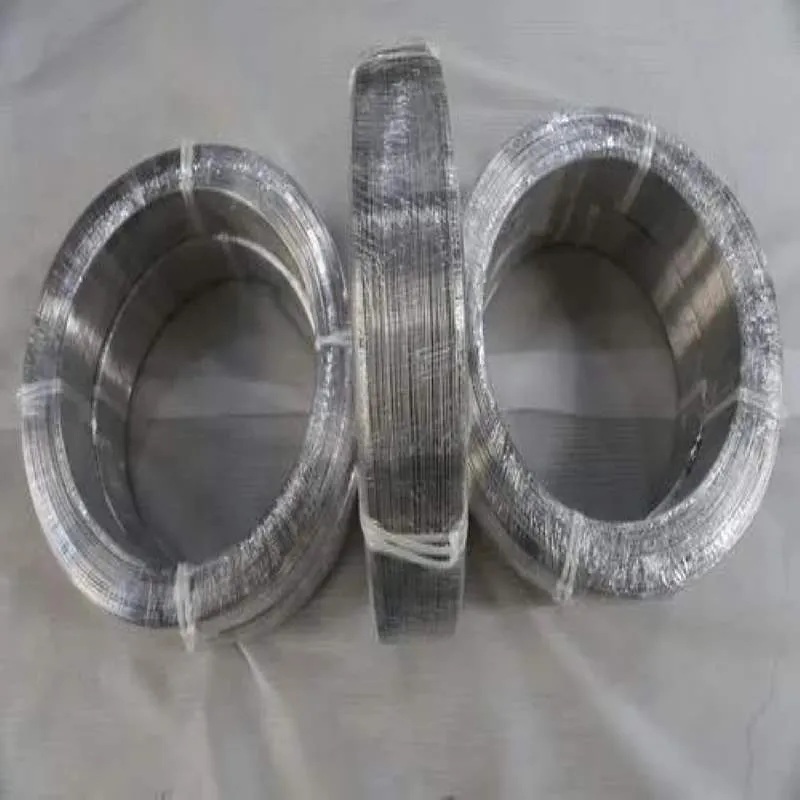
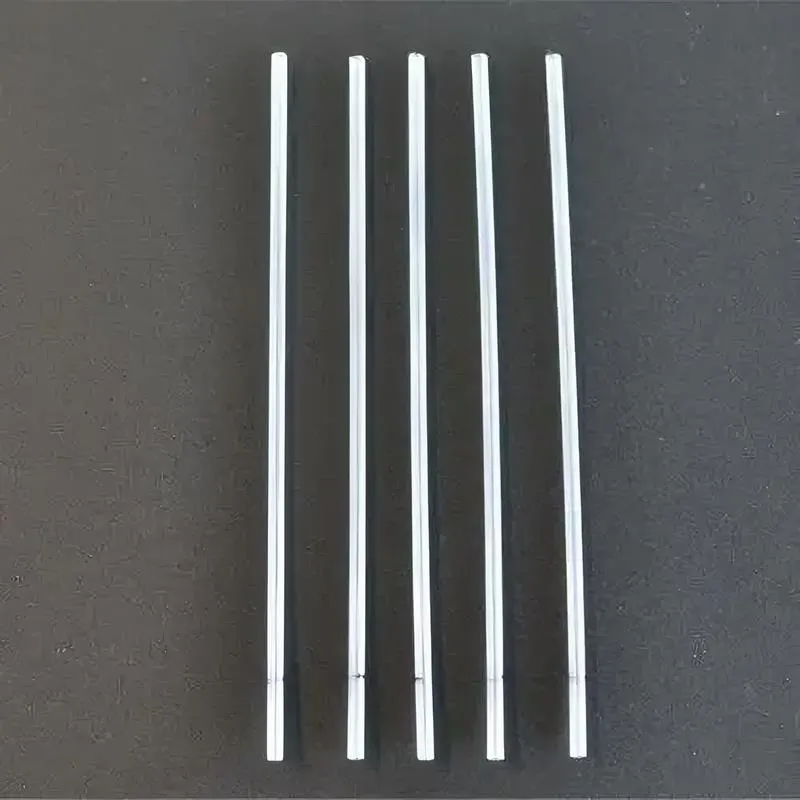
ATI Allegheny Ludlum D2 Tool Steel Wire, UNS T30402
Product Code : STI-GSTI-400-CU
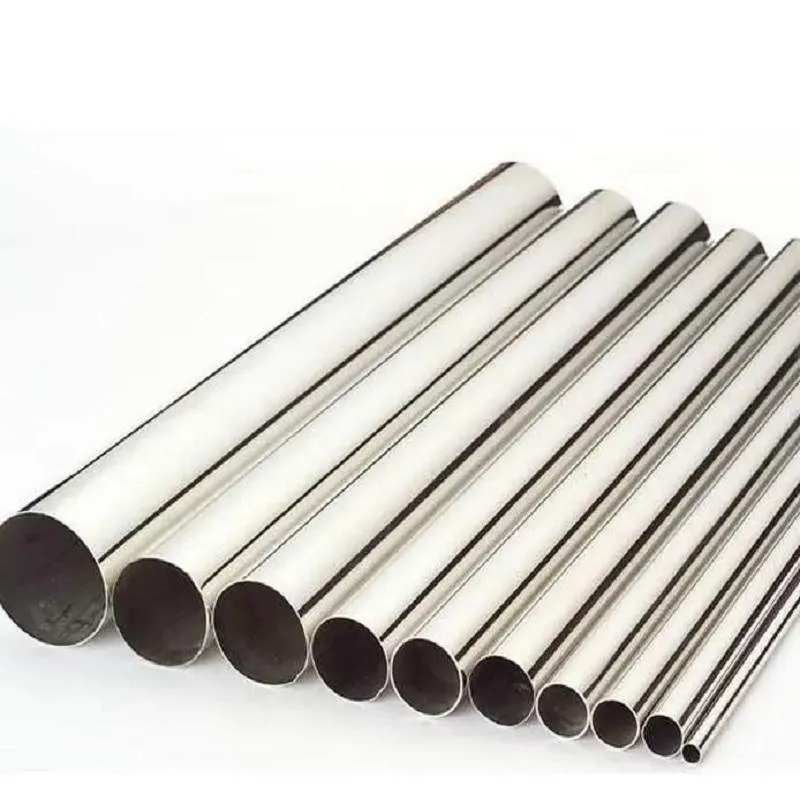
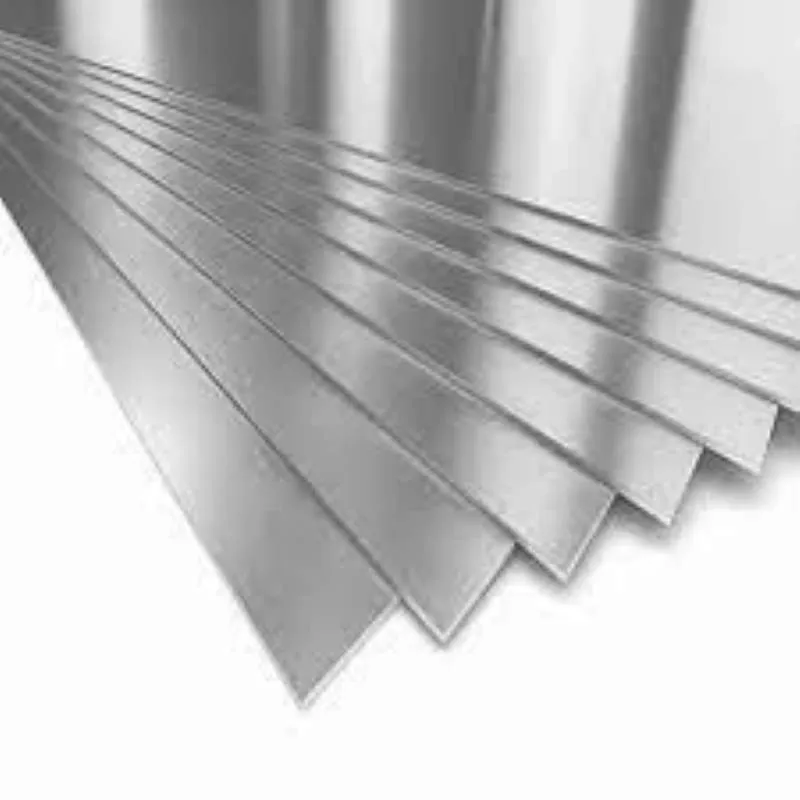
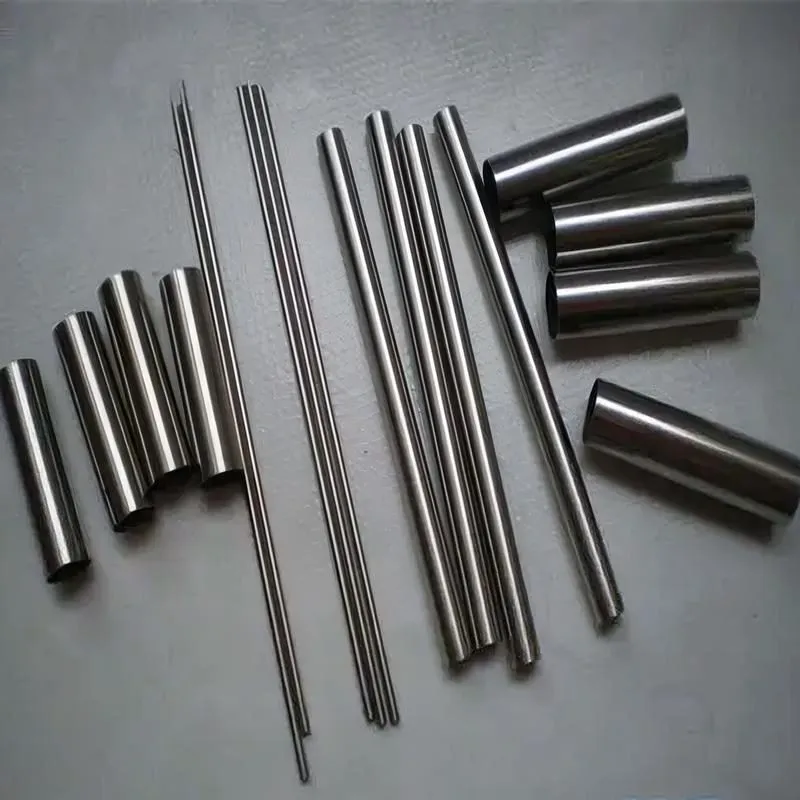
We provide ATI Allegheny Ludlum D2 Tool Steel Wire, UNS T30402 is available in Bar (Round bar, Flat bar), Ribbon, Wire, Rods, Tube,Seamless Tube,Pipe, Ingots, Plate, Sheet, Strip and Forging Stock.,Purity, chemical composition, size, etc. can all be customized to meet specific requirements.
Please contact us if you need customized services. We will contact you with the price and availability in 24 hours.
ATI Allegheny Ludlum D2 Tool Steel Wire, UNS T30402 Product Information
-:-
For detailed product information, please contact sales.
-:
ATI Allegheny Ludlum D2 Tool Steel Wire, UNS T30402 Synonyms
-:-
For detailed product information, please contact sales.
-:
ATI Allegheny Ludlum D2 Tool Steel, UNS T30402 Product Information
-:-
For detailed product information, please contact sales.
-:
# **Product Introduction: ATI Allegheny Ludlum D2 Tool Steel (UNS T30402)**
## **1. Overview**
**ATI Allegheny Ludlum D2 Tool Steel** is a premium **high-carbon, high-chromium, air-hardening cold work tool steel** renowned as the global industry standard for applications requiring **extreme wear resistance and good dimensional stability**. Designated as **UNS T30402** and commonly known as **AISI D2**, this alloy represents the most widely used and recognized member of the high-carbon, high-chromium (HCHCr) steel family. Characterized by its **high volume of hard chromium carbides**, D2 delivers exceptional abrasion resistance, making it the material of choice for long-run production tooling, blanking dies, and wear parts. Its air-hardening nature provides good dimensional control during heat treatment, while ATI's manufacturing ensures consistent quality, fine carbide distribution, and reliable performance in the most demanding cold work applications.
## **2. International Standards & Specifications**
D2 is one of the most universally standardized and recognized tool steels across all major industrial regions.
* **Primary Standard Designations:**
* **UNS T30402:** Unified Numbering System designation.
* **AISI D2:** American Iron and Steel Institute classification (the most common identifier).
* **ASTM A681:** Standard Specification for Tool Steels Alloy.
* **Key International Equivalents:**
* **DIN 1.2379 / EN ISO 4957 X153CrMoV12:** The primary European standard.
* **JIS G4404 SKD11:** Japanese Industrial Standard.
* **GB/T 1299 Cr12Mo1V1:** Chinese national standard.
* **ISO 4957:** **X153CrMoV12**.
* **Common Trade Names:** Universally referred to as **D2 Tool Steel**, **High Chromium High Carbon Die Steel**, or by various mill-specific premium brand names.
## **3. Chemical Composition (Weight %, per ASTM A681)**
The composition is optimized to form a high volume of hard, wear-resistant chromium carbides while maintaining air hardenability.
| Element | Composition Range (%) | Role & Benefit |
|---------|----------------------|----------------|
| **Carbon (C)** | 1.40 – 1.60 | **High carbon content.** Necessary to form a large volume of hard carbides (primarily Cr₇C₃) with chromium, providing the foundation for **exceptional wear resistance**. |
| **Chromium (Cr)** | 11.00 – 13.00 | **Primary alloying element.** Forms abundant, hard chromium carbides for wear resistance. Provides good hardenability and moderate corrosion resistance. |
| **Molybdenum (Mo)** | 0.70 – 1.20 | Enhances hardenability, refines grain structure, increases toughness, and improves tempering resistance. Reduces the sensitivity to cracking during heat treatment. |
| **Vanadium (V)** | 0.50 – 1.10 | **Critical for wear and grain refinement.** Forms extremely hard vanadium carbides (VC) that further increase abrasion resistance and inhibit grain growth during austenitizing, resulting in a tougher final microstructure. |
| **Manganese (Mn)** | 0.20 – 0.60 | Aids in hardenability and deoxidation. |
| **Silicon (Si)** | 0.10 – 0.60 | Deoxidizer and solid solution strengthener. |
| **Note:** The combined high levels of C and Cr result in a **carbide volume of approximately 12-16%**, which is the source of D2's legendary wear resistance.
## **4. Typical Physical & Mechanical Properties (Heat Treated)**
* **Recommended Heat Treatment:**
* **Preheating:** **Mandatory.** Double preheat: 650°C (1200°F) then 850°C (1560°F) to minimize thermal shock and cracking risk.
* **Austenitizing:** **995-1025°C (1825-1880°F).** Precise temperature control is critical to dissolve enough carbon and alloying elements into the austenite without causing excessive grain growth.
* **Quenching:** **Air cool (still or forced air).** The high alloy content ensures full hardenability in air for most practical sections.
* **Tempering:** **Double tempering is absolutely essential.** Temper immediately after reaching hand-warm. Typical range: **175-540°C (350-1000°F).** It exhibits a strong secondary hardening peak; tempering at **480-540°C (900-1000°F)** often yields an excellent combination of high hardness (~58-60 HRC) and good toughness.
* **Mechanical Properties (Hardened & Double Tempered @ 205°C for high hardness / 520°C for toughness):**
* **Hardness:** **58 – 62+ HRC** (typical operating range). Can achieve 60-62 HRC with low-temperature tempering; 56-60 HRC with high-temperature tempering for improved toughness.
* **Tensile Strength:** 1850 – 2200 MPa (268,000 – 319,000 psi)
* **Compressive Strength:** **Exceptional.** One of its greatest assets, ideal for forming and stamping.
* **Impact Toughness (Charpy):** **Moderate to Low.** This is the **key trade-off** for its high wear resistance. It is more brittle than A2 or O1 steels at similar hardness. Proper tempering (higher temp) can significantly improve toughness.
* **Dimensional Stability:** **Very Good.** Air hardening results in minimal distortion compared to oil-hardening steels, crucial for precision tooling.
* **Key Performance Features:**
* **Wear/Abrasion Resistance:** **Outstanding.** The benchmark against which many other tool steels are compared. The high volume of hard Cr and V carbides provides exceptional service life in abrasive environments.
* **Machinability (Annealed):** **Fair to Poor.** The hard carbides are abrasive to cutting tools. Requires rigid setups, appropriate speeds/feeds, and carbide tooling for best results.
* **Grindability:** **Poor.** The hard carbides make grinding difficult and can quickly glaze standard wheels. Requires aluminum oxide or CBN wheels with proper technique.
* **Physical Properties:**
* **Density:** 7.70 g/cm³
* **Thermal Conductivity:** ~ 20 W/m·K (at 20°C) – Relatively low due to high alloy content.
* **Coefficient of Thermal Expansion:** ~ 10.5 × 10⁻⁶/°C (20–100°C)
## **5. Product Application**
ATI D2 Tool Steel is the workhorse for high-volume, high-wear cold work applications across numerous industries.
* **Blanking, Piercing & Shearing:**
* **Progressive dies, blanking dies, and fine blanking dies** for medium to hard materials (including stainless steel).
* **Shear blades and slitter knives** for sheet metal.
* **Forming, Drawing & Stamping:**
* **Forming rolls, bending dies, and draw dies** for long production runs.
* **Lamination dies and motor stator/rotor dies.**
* **Cutting Tools:**
* **Industrial knives, slitters, and cutters** for paper, plastics, rubber, and food processing.
* **Woodworking planer blades and router bits.**
* **Wear Parts & Machine Components:**
* **Gauges, wear plates, guide rails, and liners** in abrasive environments.
* **Cold Forging & Extrusion:**
* **Punches, dies, and inserts** for cold heading and extrusion.
## **6. Key Features & Advantages**
* **Unmatched Wear Resistance (Standard Grades):** Provides the highest level of abrasion resistance among commonly used, cost-effective cold work tool steels.
* **Excellent Dimensional Stability:** Air hardening minimizes distortion, allowing for the manufacture of complex, precision tools.
* **High Compressive Strength:** Withstands extreme pressure without deforming, ideal for forming and coining operations.
* **Good Through-Hardenability:** Hardens fully in air for sections up to several inches thick.
* **Moderate Corrosion Resistance:** The high chromium content provides better resistance to rust than most non-stainless tool steels, beneficial in some environments.
* **Well-Understood & Proven:** Decades of industrial use have established reliable heat-treating guidelines and performance expectations.
## **7. Processing Guidelines**
* **Machining:** Perform in the annealed condition. Expect slower speeds and higher tool wear than for lower-alloy steels. Use carbide tooling.
* **Heat Treatment:** **Follow guidelines meticulously.** Use controlled atmosphere furnaces to prevent decarburization. **Never skip preheating. Always double temper.**
* **Grinding:** Use appropriate wheels (32A-60H grit aluminum oxide or CBN). Use light passes and good cooling to avoid grinding burns and cracks.
* **Electrical Discharge Machining (EDM):** Commonly used. A low-temperature stress relief temper (~180-200°C) after EDM is recommended to mitigate the brittle "white layer."
* **Design:** Avoid sharp corners and thin sections prone to cracking. Use generous radii.
**Summary:**
ATI Allegheny Ludlum D2 Tool Steel is the definitive material for applications where wear resistance is the paramount concern. It embodies a classic engineering trade-off, sacrificing some toughness to achieve legendary durability against abrasion. For high-volume production of metal parts, cutting of abrasive materials, or any application where tool life is limited by wear, D2 offers a proven, reliable, and cost-effective solution. Its status as an industry standard is a testament to its unbeatable value proposition for a vast array of demanding cold work tooling applications. When the question is "what material lasts the longest against wear?" D2 is very often the first and correct answer.
-:-
For detailed product information, please contact sales.
-:
ATI Allegheny Ludlum D2 Tool Steel, UNS T30402 Specification
Dimensions
Size:
Diameter 20-1000 mm Length <7056 mm
Size:We can customized as required
Standard:
Per your request or drawing
We can customized as required
Properties(Theoretical)
Chemical Composition
-:-
For detailed product information, please contact sales.
-:
ATI Allegheny Ludlum D2 Tool Steel, UNS T30402 Properties
-:-
For detailed product information, please contact sales.
-:
Applications of ATI Allegheny Ludlum D2 Tool Steel Wire, UNS T30402
-:-
For detailed product information, please contact sales.
-:
Chemical Identifiers ATI Allegheny Ludlum D2 Tool Steel Wire, UNS T30402
-:-
For detailed product information, please contact sales.
-:
Packing of ATI Allegheny Ludlum D2 Tool Steel Wire, UNS T30402
-:-
For detailed product information, please contact sales.
-:
Standard Packing:
-:-
For detailed product information, please contact sales.
-:
Typical bulk packaging includes palletized plastic 5 gallon/25 kg. pails, fiber and Steel Wire drums to 1 ton super sacks in full container (FCL) or truck load (T/L) quantities. Research and sample quantities and hygroscopic, oxidizing or other air sensitive materials may be packaged under argon or vacuum. Solutions are packaged in polypropylene, plastic or glass jars up to palletized 3527 gallon liquid totes Special package is available on request. E FORUs’ is carefully handled to minimize damage during storage and transportation and to preserve the quality of our products in their original condition