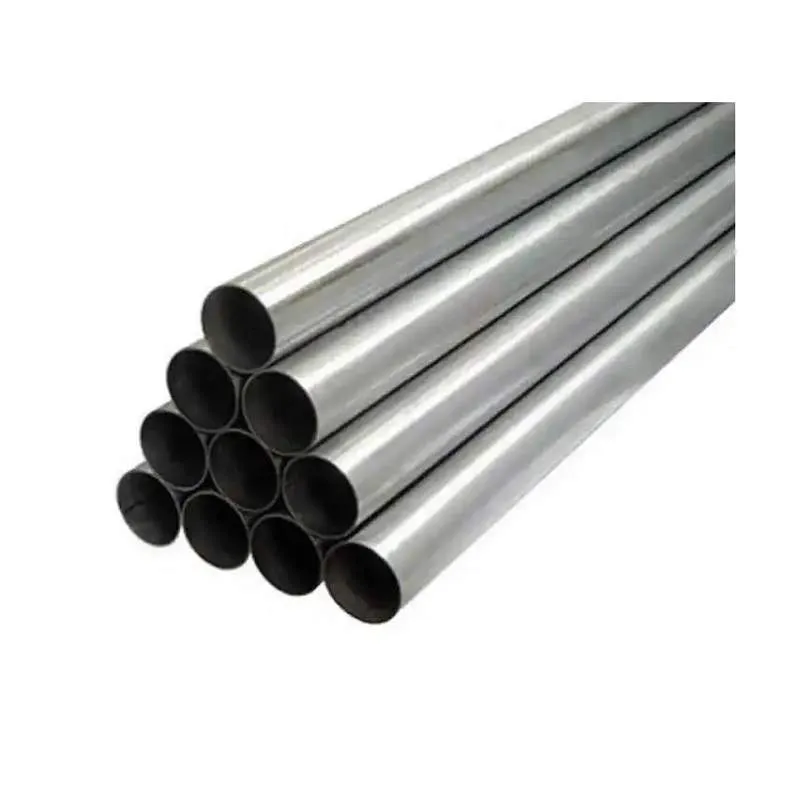
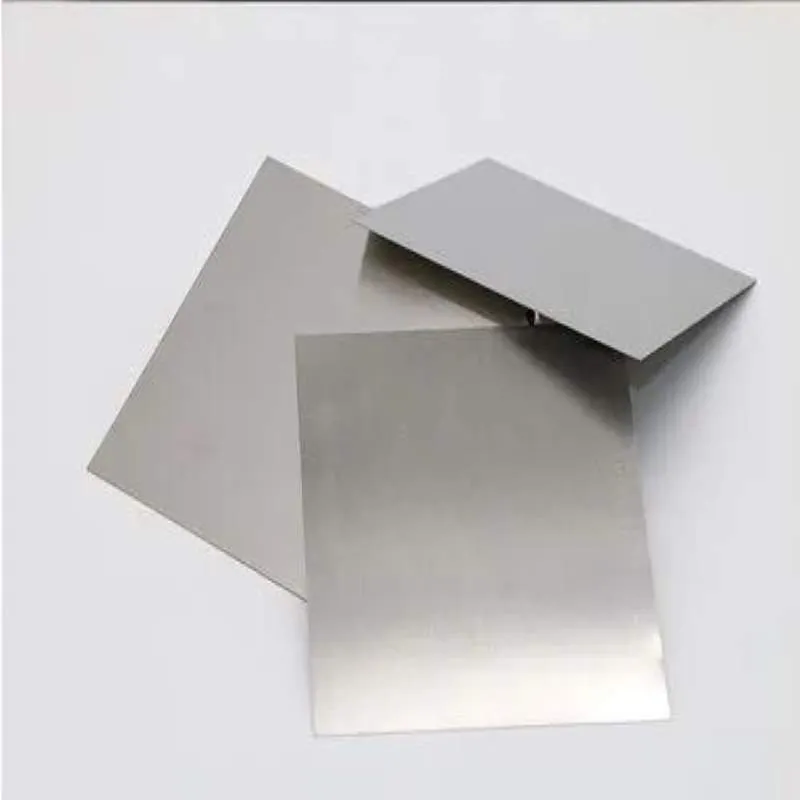
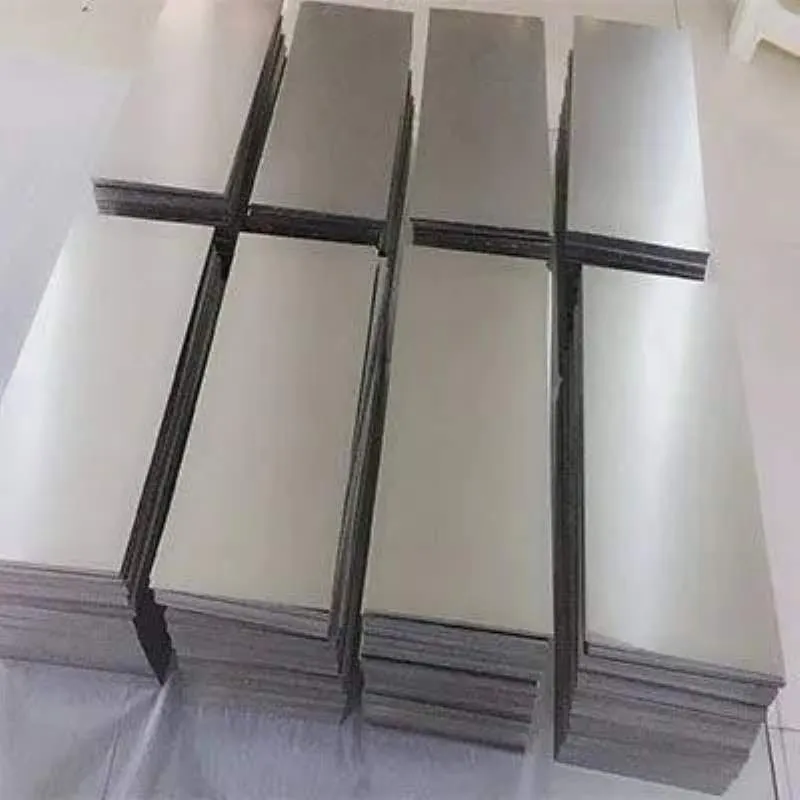
ATI Allegheny Ludlum M3 Tool Steel Tube,Pipe, UNS T11313
Product Code : STI-GSTI-403-CU
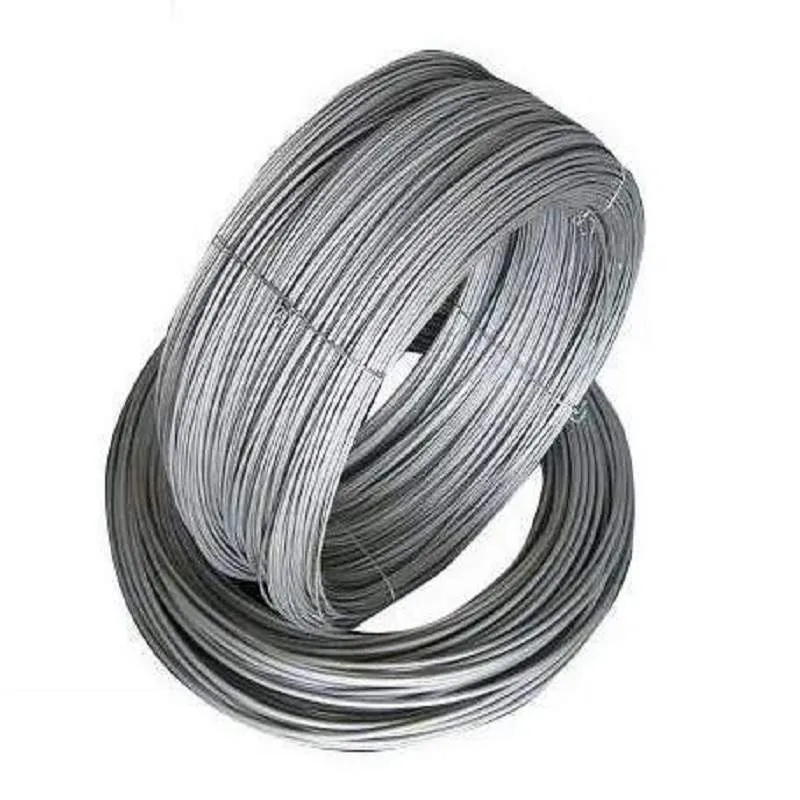
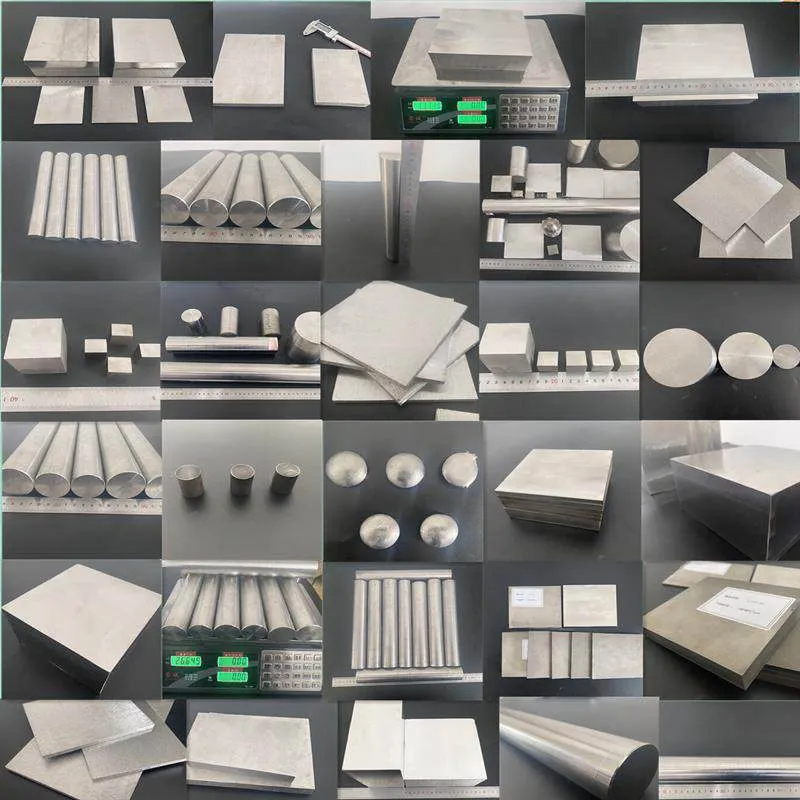
We provide ATI Allegheny Ludlum M3 Tool Steel Tube, UNS T11313 is available in Bar (Round bar, Flat bar), Ribbon, Wire, Rods, Tube,Seamless Tube,Pipe, Ingots, Plate, Sheet, Strip and Forging Stock.,Purity, chemical composition, size, etc. can all be customized to meet specific requirements.ATI Allegheny Ludlum M3 Tool Steel Pipe, UNS T11313
Please contact us if you need customized services. We will contact you with the price and availability in 24 hours.
ATI Allegheny Ludlum M3 Tool Steel Tube, UNS T11313 Product Information
-:-
For detailed product information, please contact sales.
-:
ATI Allegheny Ludlum M3 Tool Steel Tube, UNS T11313 Synonyms
-:-
For detailed product information, please contact sales.
-:
ATI Allegheny Ludlum M3 Tool Steel, UNS T11313 Product Information
-:-
For detailed product information, please contact sales.
-:
# **Product Introduction: ATI Allegheny Ludlum M3 Tool Steel (UNS T11313)**
## **1. Overview**
**ATI Allegheny Ludlum M3 Tool Steel** is a premium **high-vanadium, high-carbon molybdenum-tungsten high-speed steel** engineered for applications requiring **extreme wear resistance and superior cutting performance** beyond the capabilities of standard M2 grades. Designated as **UNS T11313** and commonly known as **AISI M3 Class 1** (M3:1), this alloy represents a specialized evolution of the M2 composition, with significantly increased vanadium and carbon content to form a higher volume of ultra-hard vanadium carbides. Characterized by its **exceptional abrasion resistance and good hot hardness**, M3 is specifically designed for machining abrasive materials, high-hardness alloys, and applications where edge retention and tool life under severe wear conditions are paramount. It bridges the performance gap between standard M2 and the more expensive, high-cobalt super high-speed steels.
## **2. International Standards & Specifications**
M3 is a standardized grade with two common classes (M3:1 and M3:2) differentiated by vanadium content.
* **Primary Standard Designations:**
* **UNS T11313:** Unified Numbering System designation for M3 Class 1.
* **AISI M3:** American Iron and Steel Institute classification.
* **ASTM A600:** Standard Specification for Tool Steel High Speed.
* **Key International Equivalents:**
* **DIN 1.3344 / EN ISO 4957 HS6-5-3:** The primary European standard for M3:2 type (HS6-5-3 has ~3% V; M3:1 is HS6-5-2-5 with ~2.5% V).
* **JIS G4403 SKH52:** Japanese Industrial Standard (approximate equivalent).
* **ISO 4957:** **HS6-5-2-5** (for M3:1) and **HS6-5-3** (for M3:2).
* **Common Trade Names:** Referred to as **M3 Class 1** (lower V, ~2.5%) or **M3 Class 2** (higher V, ~3%). Often called **High-Vanadium M2** or **Super M2**.
## **3. Chemical Composition (Weight %, per ASTM A600 - M3 Class 1 Typical)**
The composition elevates key wear-resistant elements compared to M2.
| Element | Composition Range (%) M3:1 | Comparison to M2 | Role & Benefit |
|---------|--------------------------|------------------|----------------|
| **Carbon (C)** | 1.00 – 1.10 | **Higher.** Increased to balance the higher vanadium, ensuring all V forms carbides. Provides the matrix for even higher hardness potential. |
| **Tungsten (W)** | 5.00 – 6.75 | Similar. Maintains essential hot hardness through tungsten carbide formation. |
| **Molybdenum (Mo)** | 4.75 – 6.50 | Similar/Slightly Higher. Maintains hardenability, toughness, and contributes to hot hardness. |
| **Chromium (Cr)** | 3.75 – 4.50 | Similar. Provides hardenability and oxidation resistance. |
| **Vanadium (V)** | 2.25 – 2.75 (M3:1)
2.75 – 3.25 (M3:2) | **Significantly Higher.** The **defining characteristic.** Forms a substantially higher volume of extremely hard vanadium carbides (VC), providing **dramatically improved abrasion resistance**. This is the primary reason for selecting M3 over M2. |
| **Cobalt (Co)** | 0.25 max (Standard) | Similar. Not a primary alloy in standard M3. Cobalt-containing variants (e.g., M3:1 with Co) exist for enhanced hot hardness. |
## **4. Typical Physical & Mechanical Properties (Properly Heat Treated)**
* **Essential Heat Treatment:** Similar to M2 but requires even greater precision due to higher alloy content.
* **Preheating:** **Critical multi-stage** preheat (e.g., 450°C, 850°C).
* **Austenitizing:** **1190-1220°C (2175-2230°F).** Must be tightly controlled.
* **Quenching:** Oil or salt bath.
* **Tempering:** **Triple tempering mandatory.** Typical tempering: **540-570°C (1000-1060°F).** Exhibits strong secondary hardening.
* **Mechanical Properties (Hardened & Triple Tempered):**
* **Hardness:** **64 – 67 HRC** (typical, can achieve up to 67-68 HRC). Slightly higher potential than M2 due to higher carbon and vanadium.
* **Hot Hardness (Red Hardness):** **Excellent,** comparable to or slightly better than M2. Enables high-speed machining.
* **Compressive Strength:** Extremely high.
* **Abrasion/Wear Resistance:** **Exceptional / Superior to M2.** The high volume of vanadium carbides provides one of the highest wear resistances among conventional high-speed steels, approaching that of some powder metallurgy (PM) grades.
* **Toughness:** **Lower than M2.** This is the primary trade-off. The increased hard carbides and higher carbon content reduce impact strength and increase brittleness, making it more prone to chipping in interrupted cuts or under shock loading.
* **Grindability:** **Very Poor.** The high vanadium carbide content makes it extremely difficult and abrasive to grind. This is a major processing challenge and cost factor.
* **Physical Properties:**
* **Density:** ~8.16 g/cm³
* **Thermal Conductivity:** Low.
## **5. Product Application**
ATI M3 Tool Steel is selected for demanding machining operations where tool wear from abrasion is the dominant failure mode, and edge stability is more critical than extreme toughness.
* **Machining Abrasive and Hard Materials:**
* **End mills, drills, and milling cutters** for machining **stainless steels, high-temperature alloys, and hardened steels**.
* **Turning tools and boring bars** for abrasive cast irons (e.g., ductile iron with ferritic skin) and superalloys.
* **Gear hobs and shaper cutters** for tough, abrasive materials.
* **High-Performance Cutting Tools:**
* **Broaches** requiring exceptional edge stability.
* **Form tools and thread rolling dies** for long production runs on abrasive materials.
* **Severe Wear Applications:**
* **Cold forming punches and dies** for highly abrasive workpieces.
* **Slitter knives and shear blades** for abrasive strip materials.
## **6. Key Features & Advantages**
* **Superior Abrasion/Wear Resistance:** Offers significantly better wear life than M2 when machining abrasive materials, extending time between regrinds.
* **Excellent Hot Hardness:** Maintains cutting edge integrity at the high temperatures of high-speed machining.
* **High Hardness Potential:** Can achieve and maintain very high hardness levels (66+ HRC) for extreme applications.
* **Good Edge Strength:** Resists deformation under high cutting pressures.
* **Cost-Effective for Specific Wear Problems:** Provides a performance upgrade over M2 without the cost of cobalt grades (M35/M42) or PM steels.
## **7. Processing Guidelines & Critical Considerations**
* **Heat Treatment:** **Highly specialized.** Requires expert control in vacuum or salt bath furnaces. **Triple tempering is absolutely essential** to achieve proper hardness and transform retained austenite.
* **Grinding:** **The major drawback.** Requires premium CBN or diamond grinding wheels. Grinding is slow, costly, and requires careful technique to avoid thermal damage. This often makes **powder metallurgy (PM) high-speed steels** (like M4 PM) a more attractive alternative, as they offer similar wear resistance with vastly better grindability.
* **Tool Design:** Tools should be designed with robust geometries, generous radii, and adequate support to mitigate its lower toughness. Avoid thin webs and sharp corners prone to stress concentration.
* **Application Philosophy:** Select M3 when **wear is the absolute limiting factor** and the cut is relatively stable (not highly interrupted). If chipping is the problem, standard M2 or a tougher grade may be better.
**Summary:**
ATI Allegheny Ludlum M3 Tool Steel is a specialized, high-wear variant of the classic M2 high-speed steel. By significantly increasing vanadium and carbon, it pushes the boundaries of abrasion resistance for conventionally melted high-speed steels. Its use is justified in applications where tool life is cut short by abrasive wear when using M2, and where the high cost and difficulty of grinding can be managed or offset by dramatically extended tool life. However, the advent of powder metallurgy high-speed steels, which offer even better wear resistance and grindability, has reduced the application niche for conventional M3. It remains a powerful tool in the metallurgist's arsenal for solving specific, severe wear problems in metal cutting and forming.
-:-
For detailed product information, please contact sales.
-:
ATI Allegheny Ludlum M3 Tool Steel, UNS T11313 Specification
Dimensions
Size:
Diameter 20-1000 mm Length <7059 mm
Size:We can customized as required
Standard:
Per your request or drawing
We can customized as required
Properties(Theoretical)
Chemical Composition
-:-
For detailed product information, please contact sales.
-:
ATI Allegheny Ludlum M3 Tool Steel, UNS T11313 Properties
-:-
For detailed product information, please contact sales.
-:
Applications of ATI Allegheny Ludlum M3 Tool Steel Tube, UNS T11313
-:-
For detailed product information, please contact sales.
-:
Chemical Identifiers ATI Allegheny Ludlum M3 Tool Steel Tube, UNS T11313
-:-
For detailed product information, please contact sales.
-:
Packing of ATI Allegheny Ludlum M3 Tool Steel Tube, UNS T11313
-:-
For detailed product information, please contact sales.
-:
Standard Packing:
-:-
For detailed product information, please contact sales.
-:
Typical bulk packaging includes palletized plastic 5 gallon/25 kg. pails, fiber and Steel Tube drums to 1 ton super sacks in full container (FCL) or truck load (T/L) quantities. Research and sample quantities and hygroscopic, oxidizing or other air sensitive materials may be packaged under argon or vacuum. Solutions are packaged in polypropylene, plastic or glass jars up to palletized 3530 gallon liquid totes Special package is available on request. E FORUs’ is carefully handled to minimize damage during storage and transportation and to preserve the quality of our products in their original condition