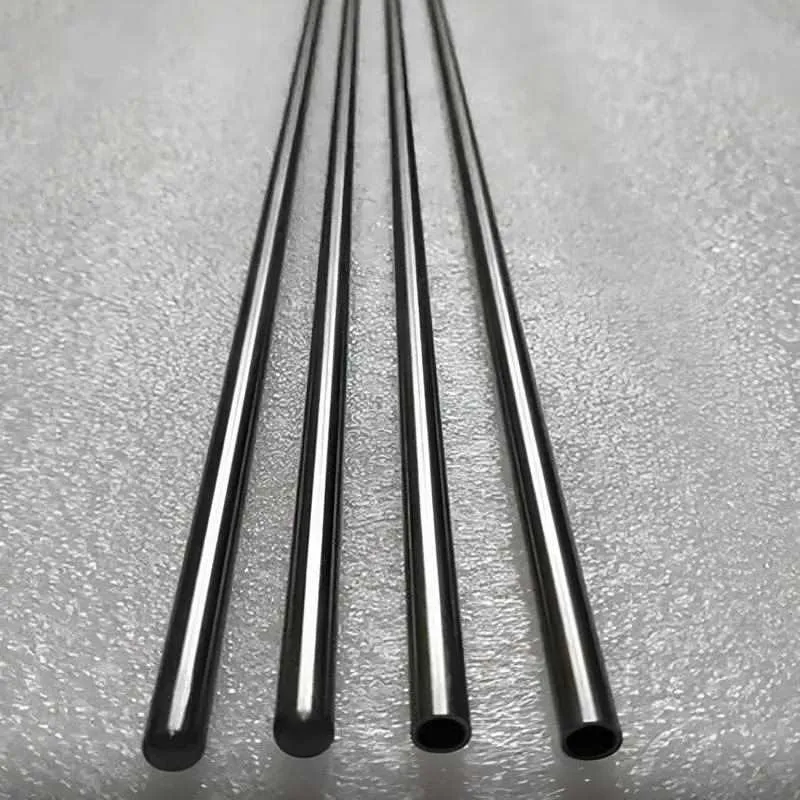
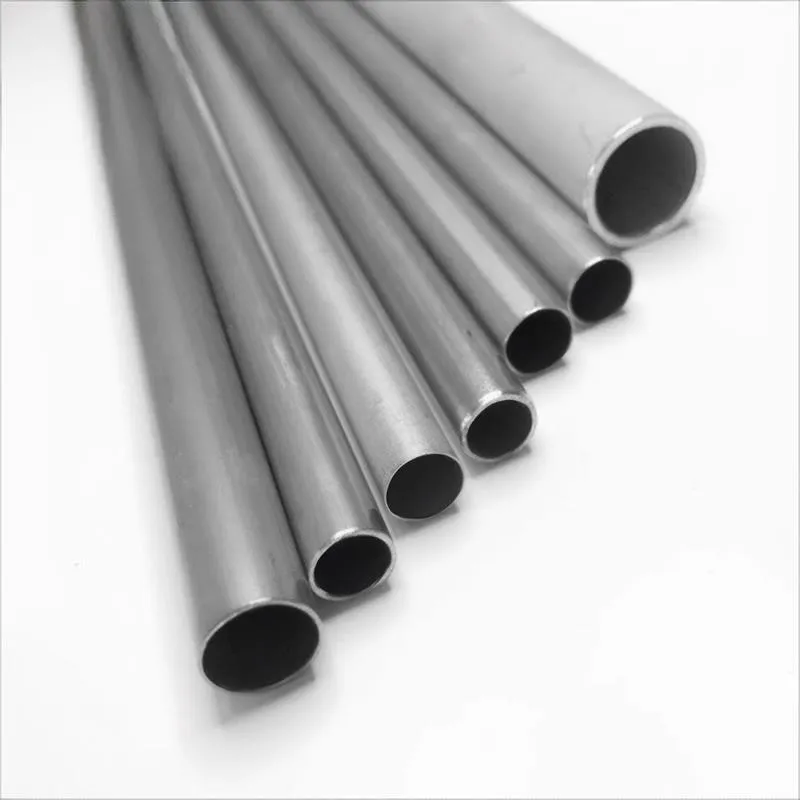
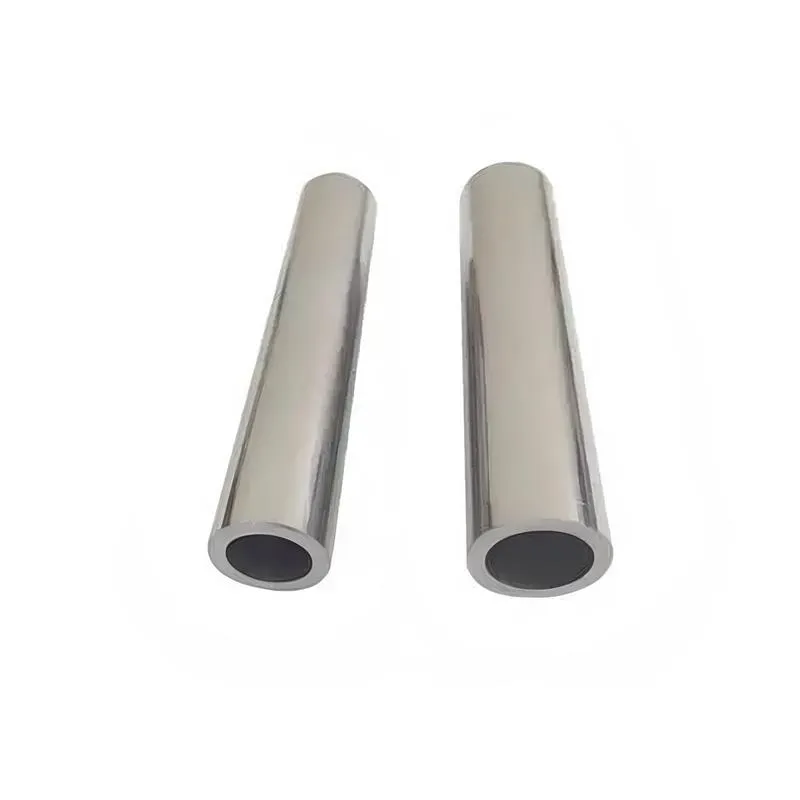
Bohler-Uddeholm,UDDEHOLM VANADIS 23 (AISI M3:2) Hot Work Tool Steel Tube,Pipe
Product Code : STI-GSTI-211-CU
We provide Bohler-Uddeholm UDDEHOLM VANADIS 23 (AISI M3:2) Hot Work Tool Steel Tube is available in Bar (Round bar, Flat bar), Ribbon, Wire, Rods, Tube,Seamless Tube,Pipe, Ingots, Plate, Sheet, Strip and Forging Stock.,Purity, chemical composition, size, etc. can all be customized to meet specific requirements.Bohler-Uddeholm,UDDEHOLM VANADIS 23 (AISI M3:2) Hot Work Tool Steel Pipe
Please contact us if you need customized services. We will contact you with the price and availability in 24 hours.
Bohler-Uddeholm UDDEHOLM VANADIS 23 (AISI M3:2) Hot Work Tool Steel Tube Product Information
-:-
For detailed product information, please contact sales.
-:
Bohler-Uddeholm UDDEHOLM VANADIS 23 (AISI M3:2) Hot Work Tool Steel Tube Synonyms
-:-
For detailed product information, please contact sales.
-:
Bohler-Uddeholm UDDEHOLM VANADIS 23 (AISI M3:2) Hot Work Tool Steel Product Information
-:-
For detailed product information, please contact sales.
-:
# **Product Datasheet: Böhler-Uddeholm UDDEHOLM VANADIS 23 (PM High-Speed Steel - AISI M3:2 Type)**
## **Product Overview**
**UDDEHOLM VANADIS 23** is a premium **powder metallurgy (PM) high-speed steel** of the **M3:2 type**, specifically engineered to deliver an exceptional balance of **high wear resistance, good toughness, and excellent grindability**. Utilizing Böhler-Uddeholm's advanced powder metallurgy technology, VANADIS 23 overcomes the limitations of conventional ingot-cast M3:2 steel by providing a **homogeneous microstructure free from carbide segregation**, resulting in superior and more predictable performance in demanding cutting and cold work applications.
## **Key Characteristics & Advantages**
- **Exceptional Balance of Wear Resistance & Toughness:** The PM process enables a fine, uniform distribution of carbides, providing high wear resistance while maintaining better toughness than ingot-cast equivalents.
- **Superior Grindability:** Significantly easier to grind than conventional high-speed steels of similar hardness, reducing processing time and cost.
- **Excellent Dimensional Stability:** Minimal and predictable distortion during heat treatment.
- **High Hardness Capability:** Can achieve and maintain high hardness levels (64-67 HRC) for superior cutting performance.
- **Good Red Hardness (Hot Hardness):** Maintains hardness at elevated temperatures generated during high-speed cutting.
- **Uniform Properties:** Consistent performance in all directions and throughout the cross-section.
- **Enhanced Polishability:** Capable of achieving very fine surface finishes.
## **Standard Specifications & International Designations**
| **Standard** | **Designation** | **Notes** |
|--------------|-----------------|-----------|
| **Böhler-Uddeholm** | **UDDEHOLM VANADIS 23** | Proprietary PM grade |
| **AISI/ASTM** | **M3:2 (Class 2 - Higher V)** | PM enhanced version |
| **DIN/EN** | **1.3346 (PM Enhanced)** | High-speed steel, type S6-5-3 |
| **ISO** | **HS6-5-3 (PM)** | Powder metallurgy high-speed steel |
| **Manufacturing Process** | **Powder Metallurgy (ASP Process)** | Gas atomization & HIP consolidation |
| **Material Category** | **PM High-Speed Steel** | For cutting and high-wear cold work |
## **Chemical Composition (Typical, Weight %)**
| Element | Content (%) | Primary Function | Metallurgical Benefit |
|---------|-------------|------------------|----------------------|
| **Carbon (C)** | 1.27 | Matrix hardening & carbide formation | Provides base hardness and enables carbide formation. |
| **Tungsten (W)** | 6.40 | Solid solution strengthening & hot hardness | Key element for red hardness and high-temperature strength. |
| **Molybdenum (Mo)** | 5.00 | Hot strength & secondary hardening | Enhances hardenability and tempering resistance. |
| **Chromium (Cr)** | 4.20 | Hardenability & wear resistance | Improves depth of hardening and contributes to wear resistance. |
| **Vanadium (V)** | **3.10** | **Primary carbide former for wear resistance** | **High vanadium content forms abundant, hard MC carbides for exceptional abrasion resistance.** |
| **Cobalt (Co)** | - | *Not present* | Differentiates it from cobalt-bearing grades like M35 or M42. |
| **Silicon (Si)** | 0.40 | Deoxidizer & solid solution strengthener | Improves steel cleanliness. |
| **Manganese (Mn)** | 0.30 | Hardenability | Aids in processing. |
| **Iron (Fe)** | **Balance** | Matrix | Structural base. |
***Special Note:** As an **M3:2 type** steel, VANADIS 23 features a **higher vanadium content (~3%) compared to M2 (~2%)**, giving it significantly better wear resistance. The powder metallurgy manufacturing process is critical here, as it allows this high vanadium content without the detrimental large, segregated carbides found in ingot-cast M3:2, resulting in vastly improved toughness and grindability.*
## **Microstructural Characteristics**
| Feature | Specification | Benefit |
|---------|---------------|---------|
| **Carbide Types** | Fine MC (Vanadium), M₆C (Tungsten/Molybdenum) | Balanced wear resistance and hot hardness. |
| **Carbide Size** | 2-4 μm, spherical and uniform | No large, brittle carbides. Dramatically improves toughness and grindability. |
| **Carbide Distribution** | **Homogeneous, isotropic** | Consistent properties in all directions. No banding or segregation. |
| **Carbide Volume Fraction** | ~10-12% | Optimal for performance balance. |
| **Matrix** | Tempered martensite | High strength and good toughness. |
| **Microcleanliness** | Extremely High (PM advantage) | Superior fatigue resistance and reliability. |
## **Typical Heat Treatment**
### **1. Soft Annealing**
- **Temperature:** **850-900°C (1562-1652°F)**
- **Cooling:** Slow furnace cool to 600°C, then air cool.
- **Annealed Hardness:** **240-280 HB**
- **Purpose:** Optimal condition for machining.
### **2. Stress Relieving**
- **Temperature:** **600-650°C (1112-1202°F)**
- **Duration:** 2 hours per 25 mm thickness.
- **Application:** After rough machining, before hardening.
### **3. Hardening**
1. **Preheating:** Two-stage is essential.
* First stage: **450-500°C (842-932°F)**
* Second stage: **800-850°C (1472-1562°F)**
2. **Austenitizing:** **1150-1190°C (2102-2174°F)**
* **Standard:** **1160-1180°C (2120-2156°F)**
* **Maximum Wear Resistance:** **1180-1190°C (2156-2174°F)**
* **Enhanced Toughness:** **1150-1160°C (2102-2120°F)**
3. **Soaking Time:** 2-4 minutes per mm of thickness (short times are typical for HSS).
4. **Quenching:** Typically quenched in **salt bath (500-550°C)** followed by air cooling, or in **high-pressure gas**.
### **4. Tempering**
- **Critical:** **Immediate tempering** after cooling to 50-70°C (122-158°F).
- **Cycles:** **Triple tempering is mandatory** for PM high-speed steels.
- **Temperature Range:** **540-580°C (1004-1076°F)**
- **Typical Practice:** **560°C (1040°F) for 2 hours, triple cycle.**
- **Hardness Profile:**
* 540°C (1004°F): **66-67 HRC**
* 560°C (1040°F): **65-66 HRC**
* 580°C (1076°F): **64-65 HRC**
### **5. Cryogenic Treatment (Optional)**
- Can be applied after quenching and before the first temper to maximize transformation of retained austenite.
- **Temperature:** -70°C to -80°C (-94°F to -112°F) for 2-4 hours.
## **Physical Properties**
| Property | Value | Unit | Conditions |
|----------|-------|------|------------|
| **Density** | 8.1 | g/cm³ | At 20°C |
| **Modulus of Elasticity** | 230 | GPa | At 20°C |
| **Thermal Expansion Coefficient** | 10.8 | ×10⁻⁶/K | 20-100°C |
| **Thermal Conductivity** | 20.5 | W/(m·K) | At 20°C |
| **Specific Heat Capacity** | 430 | J/(kg·K) | At 20°C |
## **Mechanical Properties (Hardened & Tempered)**
*Condition: 1170°C Austenitized / 560°C Triple Tempered*
| Property | Value Range | Unit | Notes |
|----------|-------------|------|-------|
| **Hardness** | **65-66** | HRC | Very high hardness for cutting edges. |
| **Compressive Strength** | ~3500 | MPa | Excellent for forming and cutting pressures. |
| **Transverse Rupture Strength** | ~4000 | MPa | Good resistance to fracture. |
| **Impact Toughness (Charpy V)** | **25-40** | J | **Good for a high-hardness, high-wear steel.** |
| **Red Hardness (600°C / 1h)** | **62-64** | HRC | Maintains cutting ability at temperature. |
### **Performance Comparison (Relative to Ingot-Cast M3:2)**
- **Wear Resistance:** Comparable or slightly better (due to uniform carbide distribution).
- **Toughness:** **Significantly better (30-50% improvement)**.
- **Grindability:** **Dramatically better (2-3x easier to grind)**.
- **Dimensional Stability:** More predictable and uniform.
## **Primary Applications**
VANADIS 23 excels in applications requiring sharp, wear-resistant edges that also face some mechanical stress.
### **1. Cutting Tools**
- **Gear Cutting Tools:** Hobs, shaper cutters, especially for hardened or difficult-to-machine materials.
- **Broaches:** Both internal and external, for high-precision finishing.
- **Milling Cutters:** End mills, face mills for machining abrasive alloys or hardened steels.
- **Turning Tools & Inserts:** For difficult materials where cemented carbide is not suitable.
- **Thread Cutting Tools:** Taps, dies, thread mills for high-performance applications.
- **Saw Blades & Bandsaws:** For cutting high-strength alloys.
### **2. Forming & Stamping Tools**
- **Cold Forming Punches and Dies:** For forming high-strength materials.
- **Fineblanking Tools:** Where a combination of wear resistance and edge strength is critical.
- **Precision Stamping Dies:** For progressive dies in abrasive materials.
### **3. Plastic & Rubber Molding**
- **Injection Molds:** For processing highly abrasive filled plastics (glass, minerals, carbon fiber).
- **Extrusion Dies:** For filled engineering plastics.
### **4. Wear Parts**
- **Components subject to severe abrasive wear** where some impact resistance is needed.
- **Guides, slides, and wear plates** in high-wear machinery.
## **Processing Guidelines**
### **Machining**
- Machine in the **annealed condition**.
- Use **carbide tools** for all major operations. Grinding is the preferred finishing method.
- **Coolant** is highly recommended to control heat and extend tool life.
### **Grinding (A Key Advantage)**
- The homogeneous PM structure makes VANADIS 23 **much easier to grind** than conventional M3:2.
- Use **Aluminum Oxide or CBN wheels**. Diamond wheels are also suitable.
- Standard grinding practices apply, but the material is more forgiving than its ingot-cast counterpart.
- Always use **ample coolant** to prevent thermal damage.
### **Electrical Discharge Machining (EDM)**
- Well-suited for EDM. The uniform structure provides consistent material removal.
- **Post-EDM stress relieving** is recommended to mitigate the effects of the white layer.
### **Welding**
- **Not recommended** for tool repair due to the high cracking susceptibility common to high-speed steels.
- If absolutely necessary, it requires specialized procedures, high preheat, and a full re-hardening cycle.
### **Surface Treatments**
- **Nitriding:** Can be applied but may reduce surface toughness.
- **PVD Coatings (TiN, TiCN, TiAlN):** Excellent substrate for coatings, which can further enhance performance for specific applications.
## **Comparative Positioning**
| Grade | Process | Key Feature | Best For |
|-------|---------|-------------|----------|
| **Conventional M3:2** | Ingot-Cast | High wear, poor grindability/toughness | Cost-sensitive applications where grinding is minimal. |
| **VANADIS 23 (This Grade)** | **Powder Metallurgy** | **High wear + Good toughness + Excellent grindability** | **Performance-critical tools where grinding, reliability, and edge integrity are important.** |
| **VANADIS 4 (PM)** | Powder Metallurgy | Ultimate toughness/wear balance | Cold work applications demanding maximum toughness. |
| **VANADIS 10 (PM)** | Powder Metallurgy | Extreme wear resistance | Most abrasive applications with minimal impact. |
## **Quality & Availability**
- Supplied as billets, bars, and pre-finished blanks.
- The PM process ensures **excellent internal soundness**; ultrasonic testing is standard.
- Certification to **EN 10204 3.1** is standard.
## **Economic Considerations**
- **Cost:** Premium material, more expensive than conventional high-speed steels.
- **Value Justification:** The cost is offset by:
1. **Reduced grinding time and cost.**
2. **Longer tool life** and more consistent performance.
3. **Lower risk of premature failure** (chipping, cracking) due to better toughness.
4. **Ability to re-grind tools multiple times** thanks to uniform properties.
---
**Disclaimer:** UDDEHOLM VANADIS 23 is a high-performance material requiring precise heat treatment. The parameters provided are guidelines. For critical applications, always consult the latest official Böhler-Uddeholm technical documentation and consider their engineering support.
-:-
For detailed product information, please contact sales.
-:
Bohler-Uddeholm UDDEHOLM VANADIS 23 (AISI M3:2) Hot Work Tool Steel Specification
Dimensions
Size:
Diameter 20-1000 mm Length <6867 mm
Size:We can customized as required
Standard:
Per your request or drawing
We can customized as required
Properties(Theoretical)
Chemical Composition
-:-
For detailed product information, please contact sales.
-:
Bohler-Uddeholm UDDEHOLM VANADIS 23 (AISI M3:2) Hot Work Tool Steel Properties
-:-
For detailed product information, please contact sales.
-:
Applications of Bohler-Uddeholm UDDEHOLM VANADIS 23 (AISI M3:2) Hot Work Tool Steel Tube
-:-
For detailed product information, please contact sales.
-:
Chemical Identifiers Bohler-Uddeholm UDDEHOLM VANADIS 23 (AISI M3:2) Hot Work Tool Steel Tube
-:-
For detailed product information, please contact sales.
-:
Packing of Bohler-Uddeholm UDDEHOLM VANADIS 23 (AISI M3:2) Hot Work Tool Steel Tube
-:-
For detailed product information, please contact sales.
-:
Standard Packing:
-:-
For detailed product information, please contact sales.
-:
Typical bulk packaging includes palletized plastic 5 gallon/25 kg. pails, fiber and Steel Tube drums to 1 ton super sacks in full container (FCL) or truck load (T/L) quantities. Research and sample quantities and hygroscopic, oxidizing or other air sensitive materials may be packaged under argon or vacuum. Solutions are packaged in polypropylene, plastic or glass jars up to palletized 3338 gallon liquid totes Special package is available on request. E FORUs’ is carefully handled to minimize damage during storage and transportation and to preserve the quality of our products in their original condition