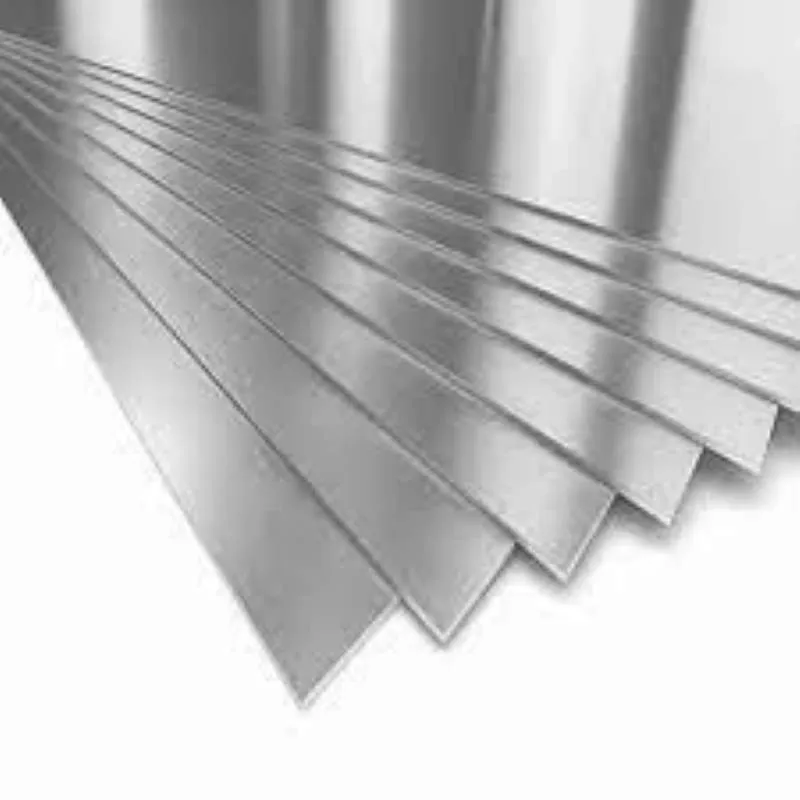
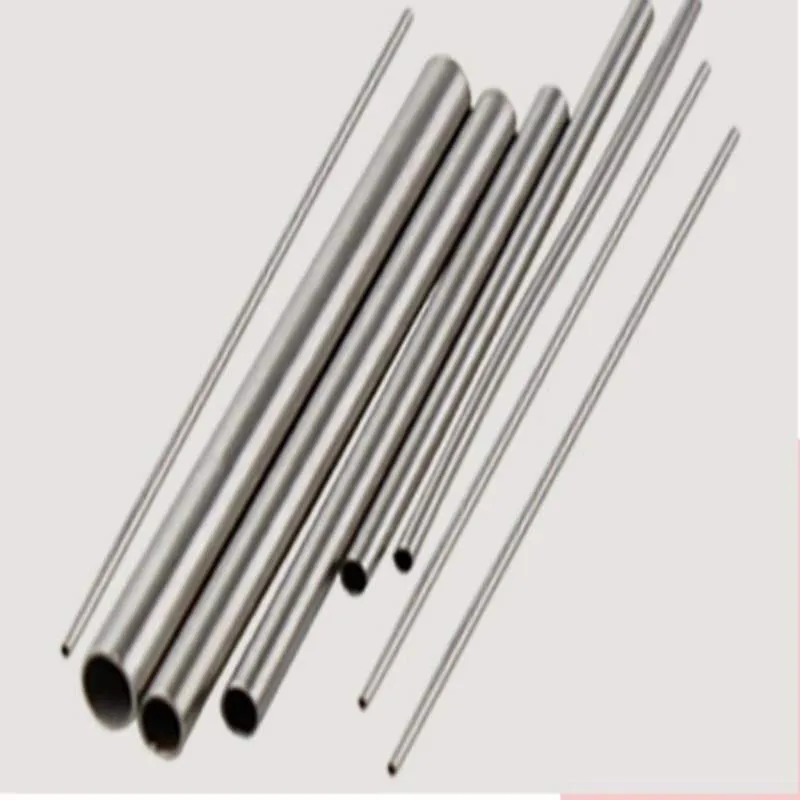
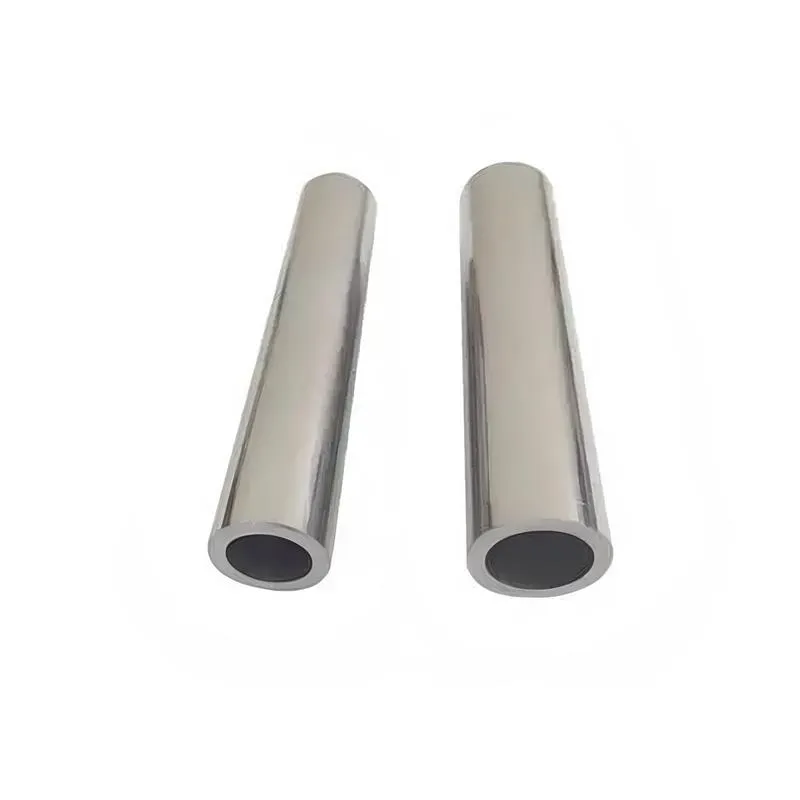
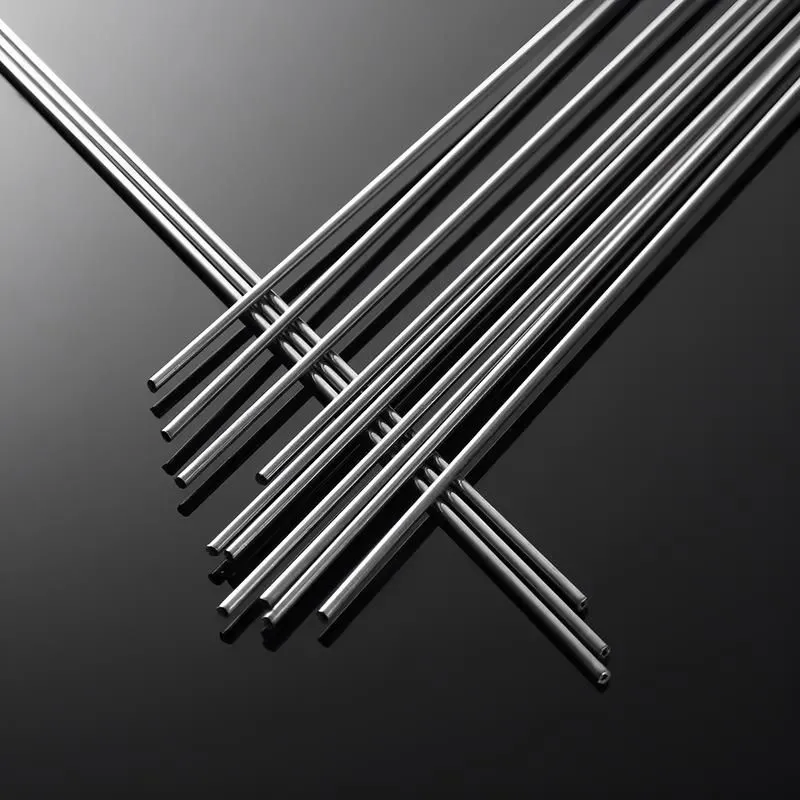
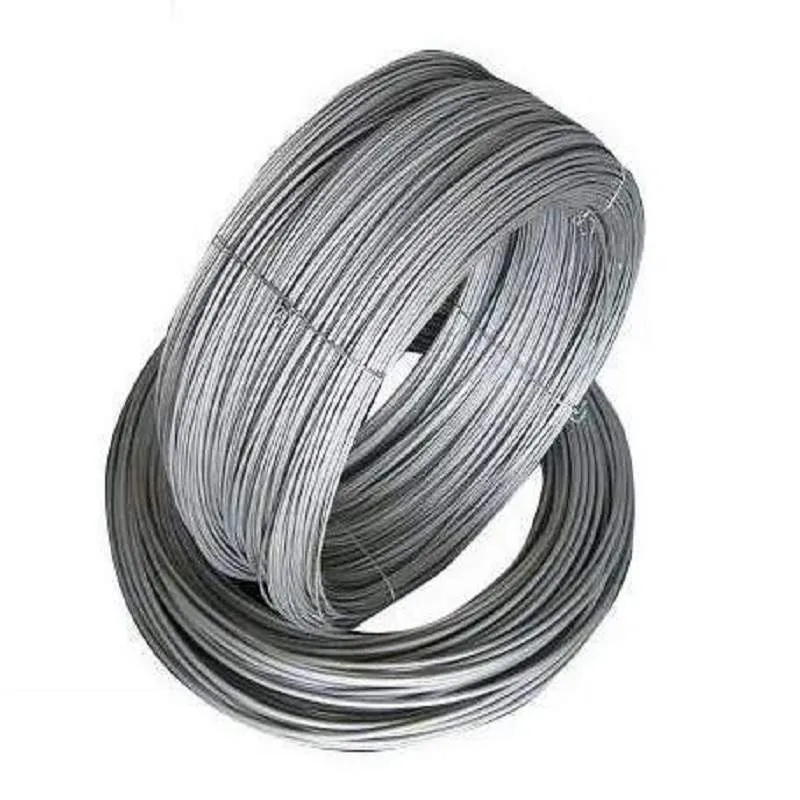
Carpenter,O6 Graphitic Tool Steel Sheet,Plate (AISI O6)
Product Code : STI-GSTI-288-CU
We provide Carpenter O6 Graphitic Tool Steel Sheet/Plate (AISI O6) is available in Bar (Round bar, Flat bar), Ribbon, Wire, Rods, Tube,Seamless Tube,Pipe, Ingots, Plate, Sheet/Plate, Strip and Forging Stock.,Purity, chemical composition, size, etc. can all be customized to meet specific requirements.
Please contact us if you need customized services. We will contact you with the price and availability in 24 hours.
Carpenter O6 Graphitic Tool Steel Sheet/Plate (AISI O6) Product Information
-:-
For detailed product information, please contact sales.
-:
Carpenter O6 Graphitic Tool Steel Sheet/Plate (AISI O6) Synonyms
-:-
For detailed product information, please contact sales.
-:
Carpenter O6 Graphitic Tool Steel (AISI O6) Product Information
-:-
For detailed product information, please contact sales.
-:
# **Carpenter O6 Graphitic Tool Steel (AISI O6)**
## **Free-Machining Graphitic Oil-Hardening Tool Steel for Superior Machinability and Wear Resistance**
---
### **Product Overview**
Carpenter O6 Graphitic Tool Steel is a premium oil-hardening, graphite-containing tool steel corresponding to the AISI O6 classification. Distinguished by its **exceptional machinability, minimal distortion during heat treatment, and self-lubricating properties**, this unique alloy contains controlled graphite dispersion within its matrix, providing inherent lubricity and chip-breaking characteristics during machining. Characterized by its combination of good wear resistance, dimensional stability, and superior surface finish capability, O6 Graphitic is specifically engineered for applications requiring intricate machining, excellent polishability, and consistent performance in production tooling environments.
---
### **Key Advantages**
- **Exceptional Machinability**: Free-machining characteristics superior to virtually all other tool steels
- **Minimal Distortion**: Excellent dimensional stability during oil quenching
- **Self-Lubricating Properties**: Graphite particles provide inherent lubricity in service
- **Superior Surface Finish**: Capable of achieving mirror-like finishes without polishing
- **Good Wear Resistance**: Adequate abrasion resistance for many tooling applications
- **Consistent Performance**: Predictable heat treatment response with wide processing windows
- **Cost-Effective Manufacturing**: Reduced machining time and tool wear during fabrication
- **Good Resistance to Galling**: Graphite dispersion reduces metal-to-metal adhesion
---
### **Chemical Composition (%)**
| Element | Carbon (C) | Manganese (Mn) | Silicon (Si) | Molybdenum (Mo) | Graphite (Cg) |
|---------|------------|----------------|--------------|-----------------|---------------|
| **Content** | 1.25-1.55 | 0.30-1.00 | 0.55-1.20 | 0.20-0.30 | 0.05-0.20 |
*Additional Elements:*
- Chromium (Cr): ≤0.30%
- Nickel (Ni): ≤0.25%
- Vanadium (V): ≤0.25%
- Copper (Cu): ≤0.25%
- Phosphorus (P): ≤0.030%
- Sulfur (S): 0.08-0.15% (for enhanced machinability)
*Special Characteristics:*
- **Graphite Content**: 0.05-0.20% as controlled dispersion
- **Free Graphite**: Provides self-lubricating properties and chip control
- **Balanced Alloying**: Optimized for machinability while maintaining hardenability
---
### **Physical & Mechanical Properties**
#### **Physical Properties**
- **Density**: 7.84 g/cm³ (0.283 lb/in³) (slightly lower due to graphite content)
- **Melting Point**: 1370-1420°C (2500-2590°F)
- **Thermal Conductivity**: 36.0 W/m·K at 20°C (enhanced by graphite)
- **Coefficient of Thermal Expansion**: 11.8 × 10⁻⁶/°C (20-100°C)
- **Modulus of Elasticity**: 200 GPa (29.0 × 10⁶ psi)
- **Specific Heat**: 460 J/kg·K at 20°C
- **Electrical Resistivity**: 0.30 μΩ·m at 20°C
#### **Mechanical Properties**
**Annealed Condition (typical):**
- Hardness: 183-217 HB
- Ultimate Tensile Strength: 620-720 MPa (90-104 ksi)
- Yield Strength: 380-480 MPa (55-70 ksi)
- Elongation: 15-20%
- Reduction of Area: 30-40%
- **Machinability Rating**: 110-130% (relative to 1% carbon steel, 100%) - Exceptional
- Surface Finish in As-Machined State: 0.4-0.8 μm Ra (16-32 μin)
**Hardened and Tempered Condition:**
- **Typical Hardness Range**: **58-62 HRC** (optimal 59-60 HRC for most applications)
- Ultimate Tensile Strength: 1850-2100 MPa (268-305 ksi)
- Yield Strength: 1600-1850 MPa (232-268 ksi)
- Elongation: 4-8%
- Reduction of Area: 10-15%
- **Impact Toughness (Charpy V-notch)**: 12-18 J (9-13 ft-lb) at 60 HRC
- **Compressive Strength**: 2100-2400 MPa (305-348 ksi)
- Transverse Rupture Strength: 2800-3200 MPa (406-464 ksi)
- **Abrasion Resistance**: Comparable to O1 oil-hardening steel at equivalent hardness
- **Surface Finish Capability**: Can achieve 0.05-0.1 μm Ra (2-4 μin) with proper polishing
**Special Characteristics due to Graphite:**
- **Chip Control**: Produces short, broken chips during machining
- **Tool Life Extension**: Reduced cutting tool wear during fabrication
- **Self-Lubrication**: Reduced friction in certain applications
- **Vibration Damping**: Some vibration absorption properties
#### **Heat Treatment Parameters**
1. **Annealing:**
- Temperature: 760-790°C (1400-1450°F)
- Cooling: Slow furnace cool to 540°C (1000°F) at 15°C (25°F)/hour, then air cool
- Resulting hardness: 183-217 HB
- *Note: Graphite structure remains stable through annealing*
2. **Stress Relieving (after rough machining):**
- Temperature: 650-675°C (1200-1250°F) for 1-2 hours
- Air cool
3. **Preheating:**
- Temperature: 650-700°C (1200-1290°F)
- Soak time: 20-30 minutes per inch of thickness
4. **Austenitizing:**
- Temperature: 790-820°C (1450-1510°F)
- Soak time: 15-30 minutes per inch of thickness
- *Critical: Avoid temperatures above 830°C (1525°F) to prevent grain growth and graphite solution*
5. **Quenching:**
- Medium: Warm oil (40-60°C / 100-140°F)
- Agitation: Moderate
- Cool to hand-warm (50-70°C / 120-160°F) before tempering
- *Note: Graphite particles remain essentially unaffected by quenching*
6. **Tempering:**
- **Immediate tempering required** (within 1 hour of quenching)
- Temperature range: 150-250°C (300-480°F) for high hardness
- Alternative: Higher temperatures (300-400°C / 570-750°F) for increased toughness
- Typical tempering response:
- 150°C (300°F): 61-63 HRC
- 175°C (350°F): 60-62 HRC
- 200°C (390°F): 59-61 HRC
- 225°C (440°F): 58-60 HRC
- 250°C (480°F): 57-59 HRC
- 300°C (570°F): 55-57 HRC
- Duration: 1-2 hours per inch of thickness
- **Single temper usually sufficient** due to graphite stability
---
### **International Standards & Cross-References**
| Standard System | Designation | Notes |
|----------------|-------------|-------|
| **Carpenter** | O6 Graphitic | Proprietary name for graphite-bearing O6 steel |
| **AISI** | O6 | Standard graphitic oil-hardening tool steel |
| **UNS** | T31506 | Unified Numbering System |
| **ISO** | - | No direct ISO equivalent |
| **European (EN)** | - | Not standardized in EN system |
| **German (DIN)** | 1.2510 (modified) | Similar but not identical |
| **British (BS)** | - | Not standardized in BS system |
| **Japanese (JIS)** | - | No direct equivalent |
| **Common Equivalents** | Graphitic O6, Graph-Mo | Commercial designations for graphitic tool steels |
| **Similar Types** | AISI O7 (higher carbon graphitic) | Related graphitic grade |
---
### **Typical Applications**
#### **1. Intricate Tooling and Dies**
- **Complex Blanking Dies**: Requiring extensive machining and fine details
- **Lamination Dies**: For electrical steel and precision laminations
- **Fine Piercing Tools**: For small holes and intricate patterns
- **Progressive Die Components**: Strippers, guides, and intricate punches
- **Etching and Engraving Tools**: For detailed surface patterns
#### **2. Plastic Injection Molds**
- **High-Finish Molds**: For optical, medical, and cosmetic applications
- **Intricate Cores and Cavities**: With complex geometry and fine details
- **Mold Inserts**: Requiring excellent surface finish without extensive polishing
- **Prototype Molds**: Where rapid machining and modification are required
- **Hot Runner Components**: Nozzles and manifolds requiring good machinability
#### **3. Forming and Stamping Tools**
- **Embossing Dies**: For decorative patterns and textures
- **Coining Dies**: For precision surface detailing
- **Shallow Drawing Dies**: For non-ferrous materials
- **Marking and Numbering Tools**: For part identification
#### **4. Cutting Tools for Non-Abrasive Materials**
- **Woodworking Tools**: For fine carving and detailing
- **Paper Cutting Dies**: For packaging and converting
- **Textile Cutting Tools**: For fabrics and soft materials
- **Food Processing Blades**: For cutting non-abrasive food products
#### **5. Precision Components and Gauges**
- **Master Gauges**: Requiring dimensional stability and fine surface finish
- **Jigs and Fixtures**: With complex geometries
- **Instrument Components**: For precision mechanical devices
- **Wear Plates**: For low-stress applications requiring machinability
---
### **Machining & Fabrication Guidelines**
#### **In Annealed Condition (183-217 HB)**
- **Machinability**: **Exceptional** (110-130% of 1% carbon steel)
- **Recommended Cutting Tools**: High-speed steel or carbide (HSS performs exceptionally well)
- **Turning Speeds**: 100-150 SFM with HSS, 250-400 SFM with carbide
- **Milling Speeds**: 80-120 SFM with HSS, 200-300 SFM with carbide
- **Drilling Speeds**: 60-90 SFM with HSS drills
- **Coolant**: Generally not required but beneficial for dimensional control
- **Chip Characteristics**: Produces short, easily broken chips (graphite acts as chip breaker)
- **Surface Finish**: As-machined finish often suitable for final application
#### **Grinding and Finishing**
- **Hardened State Grinding**: Good grindability despite hardness
- **Wheel Selection**: Aluminum oxide wheels (46-60 grit, I-J hardness)
- **Grinding Parameters**: Standard practices with adequate coolant
- **Polishing**: Minimal polishing required due to excellent as-machined finish
- **Electrical Discharge Machining (EDM)**: Excellent results; graphite may affect surface characteristics
#### **Special Machining Considerations**
- **Graphite Effect**: Provides natural lubrication during cutting
- **Reduced Tool Wear**: Cutting tools last significantly longer than with other tool steels
- **Improved Surface Finish**: Often eliminates need for secondary finishing operations
- **Chip Control**: Natural chip-breaking action reduces chip entanglement
---
### **Surface Treatment Compatibility**
#### **Recommended Treatments**
- **Nitriding**: Gas or plasma nitriding for increased surface hardness (65-68 HRC)
- **Hard Chrome Plating**: For improved wear and corrosion resistance
- **Phosphate Coating**: For improved lubrication in forming applications
- **Black Oxide**: For corrosion resistance and appearance
- **Note**: Graphite structure may affect certain coating adhesion characteristics
#### **Benefits of Surface Treatments**
- **Extended Tool Life**: 50-150% improvement with appropriate treatments
- **Enhanced Wear Resistance**: Surface hardness up to 68 HRC with nitriding
- **Corrosion Protection**: Improved resistance to rust and oxidation
- **Reduced Friction**: Combined with inherent graphite lubricity
---
### **Comparison with Similar Tool Steels**
| Property | O6 Graphitic | O1 (Oil-Hard) | A2 (Air-Hard) | 1215 (Free-Machining) |
|----------|--------------|---------------|---------------|-----------------------|
| **Machinability** | **Exceptional** | Excellent | Good | Excellent |
| **Wear Resistance** | Good | Good | Very Good | Poor |
| **Maximum Hardness (HRC)** | 62-64 | 64-66 | 62-64 | N/A |
| **Dimensional Stability** | Excellent | Excellent | Excellent | Fair |
| **Surface Finish** | **Excellent** | Good | Good | Fair |
| **Distortion Control** | Excellent | Excellent | Excellent | Good |
| **Heat Treatment** | Oil-hardening | Oil-hardening | Air-hardening | Not applicable |
| **Primary Application** | Intricate tooling | Precision tools | General tooling | Screw machine parts |
---
### **Design and Manufacturing Considerations**
#### **Optimal Design Practices**
- **Complex Geometries**: Excellent for intricate designs and fine details
- **Thin Sections**: Can be machined without excessive distortion concerns
- **Fine Features**: Capable of holding tight tolerances in detailed areas
- **Uniform Sections**: For consistent heat treatment response
- **Avoid Extreme Hardness Requirements**: Best for applications up to 62 HRC
#### **Heat Treatment Best Practices**
1. **Controlled Austenitizing**: Avoid excessive temperatures that might affect graphite
2. **Proper Quenching**: Standard oil quenching practices apply
3. **Timely Tempering**: Within 1 hour of quenching recommended
4. **Temperature Uniformity**: Ensure even heating throughout
5. **Atmosphere Consideration**: Graphite may affect furnace atmosphere requirements
#### **Special Considerations for Graphitic Steel**
- **Graphite Stability**: Graphite particles remain essentially unchanged through heat treatment
- **Surface Characteristics**: May exhibit slight graphite spotting on polished surfaces
- **Lubricity**: Inherent lubricity may affect some coating processes
- **Machining Economy**: Significant cost savings in fabrication time and tooling
---
### **Economic Justification**
#### **Cost-Benefit Analysis**
- **Reduced Machining Costs**: 30-50% faster machining than conventional tool steels
- **Extended Cutting Tool Life**: 2-4× longer tool life during fabrication
- **Reduced Polishing Time**: Excellent as-machined finish reduces finishing operations
- **Lower Scrap Rate**: Predictable machining behavior and minimal distortion
- **Faster Prototyping**: Rapid fabrication of complex tooling components
**Typical ROI**: Immediate through reduced machining costs and time savings
#### **Total Cost Factors**
1. **Material Cost**: Slightly higher than standard O1 due to specialized manufacturing
2. **Manufacturing Cost**: **Significantly lower** due to exceptional machinability
3. **Heat Treatment Cost**: Standard oil quenching (low cost)
4. **Finishing Cost**: Reduced or eliminated due to excellent surface finish
5. **Tool Performance**: Adequate for many non-severe applications
---
### **Industry-Specific Applications**
#### **Plastics and Rubber Molding**
- **Optical Molds**: For lenses, light guides, and transparent components
- **Medical Device Molds**: For surgical instruments and implant components
- **Consumer Product Molds**: For cosmetic cases, containers, and housings
- **Prototype Tooling**: For product development and testing
#### **Precision Metal Stamping**
- **Electronic Components**: Connectors, lead frames, and shielding
- **Small Parts Stamping**: Watches, jewelry, and precision instruments
- **Decorative Items**: Emblems, nameplates, and decorative trim
#### **Woodworking and Pattern Making**
- **Master Patterns**: For casting and molding patterns
- **Wood Carving Tools**: For detailed woodworking
- **Model Making**: For architectural and industrial models
#### **Specialized Manufacturing**
- **Gauge Making**: For precision measurement standards
- **Fixture Manufacturing**: For complex holding and locating devices
- **Prototype Development**: For engineering development and testing
---
### **Technical Specifications & Quality Assurance**
#### **Quality Standards**
- **Graphite Distribution**: Controlled, uniform dispersion throughout microstructure
- **Micro-Cleanliness**: Meets standard tool steel requirements
- **Decarburization**: Controlled to ≤0.25mm (0.010") per side
- **Hardness Uniformity**: Consistent through specified sections
- **Surface Quality**: Excellent as-supplied condition
#### **Available Forms**
- **Round Bars**: 10mm to 300mm diameter
- **Flat Bars and Plates**: Various thicknesses and widths
- **Blocks**: Up to 300mm thickness
- **Pre-finished Blanks**: Ground and prepared for immediate machining
- **Special Sections**: Squares, hexagons, and custom profiles
#### **Certification**
- Mill test certificates with full chemical analysis
- Hardness and microstructure reports
- Graphite content verification
- Traceability to heat and melt numbers
---
### **Safety and Environmental Considerations**
#### **Material Safety**
- Graphite content requires normal dust control during machining
- Standard steel handling precautions apply
- Grinding dust should be collected and disposed properly
#### **Regulatory Compliance**
- ROHS compliant
- REACH registered
- Conforms to international environmental standards
- Suitable for food contact applications with proper surface treatment
---
### **Conclusion**
Carpenter O6 Graphitic Tool Steel represents a unique and specialized solution in the tool steel family, offering exceptional machinability and surface finish characteristics that make it ideal for intricate, detailed tooling applications. Its graphite-containing microstructure provides self-lubricating properties and chip-control characteristics that significantly reduce manufacturing costs while maintaining adequate tool performance for many applications.
**Key Advantages Summary:**
1. **Exceptional Machinability**: Fastest machining of all commonly used tool steels
2. **Superior Surface Finish**: Mirror-like finishes often achievable directly from machining
3. **Minimal Distortion**: Excellent dimensional stability during heat treatment
4. **Cost-Effective Fabrication**: Significant savings in machining time and tooling costs
5. **Versatile Performance**: Suitable for a wide range of non-severe tooling applications
For toolmakers and manufacturers requiring complex, detailed tooling where machining time and surface finish are critical concerns, O6 Graphitic provides an engineered solution that balances manufacturability with performance. While not intended for high-wear or high-impact applications, it excels in environments where intricate details, fine finishes, and economical fabrication are primary considerations.
When the application demands a tool steel that can be machined quickly to precise dimensions with minimal secondary operations, that provides excellent dimensional stability through heat treatment, and that delivers adequate performance for many production tooling applications, Carpenter O6 Graphitic stands as the specialized solution backed by Carpenter's metallurgical expertise and quality assurance.
---
*For specific application recommendations, heat treatment guidelines, or technical assistance, consult with Carpenter Technology's technical services team. Always refer to the latest technical data sheets for current specifications and processing recommendations.*
-:-
For detailed product information, please contact sales.
-:
Carpenter O6 Graphitic Tool Steel (AISI O6) Specification
Dimensions
Size:
Diameter 20-1000 mm Length <6944 mm
Size:We can customized as required
Standard:
Per your request or drawing
We can customized as required
Properties(Theoretical)
Chemical Composition
-:-
For detailed product information, please contact sales.
-:
Carpenter O6 Graphitic Tool Steel (AISI O6) Properties
-:-
For detailed product information, please contact sales.
-:
Applications of Carpenter O6 Graphitic Tool Steel Sheet,Plate (AISI O6)
-:-
For detailed product information, please contact sales.
-:
Chemical Identifiers Carpenter O6 Graphitic Tool Steel Sheet,Plate (AISI O6)
-:-
For detailed product information, please contact sales.
-:
Packing of Carpenter O6 Graphitic Tool Steel Sheet/Plate (AISI O6)
-:-
For detailed product information, please contact sales.
-:
Standard Packing:
-:-
For detailed product information, please contact sales.
-:
Typical bulk packaging includes palletized plastic 5 gallon/25 kg. pails, fiber and Steel Sheet/Plate drums to 1 ton super sacks in full container (FCL) or truck load (T/L) quantities. Research and sample quantities and hygroscopic, oxidizing or other air sensitive materials may be packaged under argon or vacuum. Solutions are packaged in polypropylene, plastic or glass jars up to palletized 3415 gallon liquid totes Special package is available on request. E FORUs’ is carefully handled to minimize damage during storage and transportation and to preserve the quality of our products in their original condition