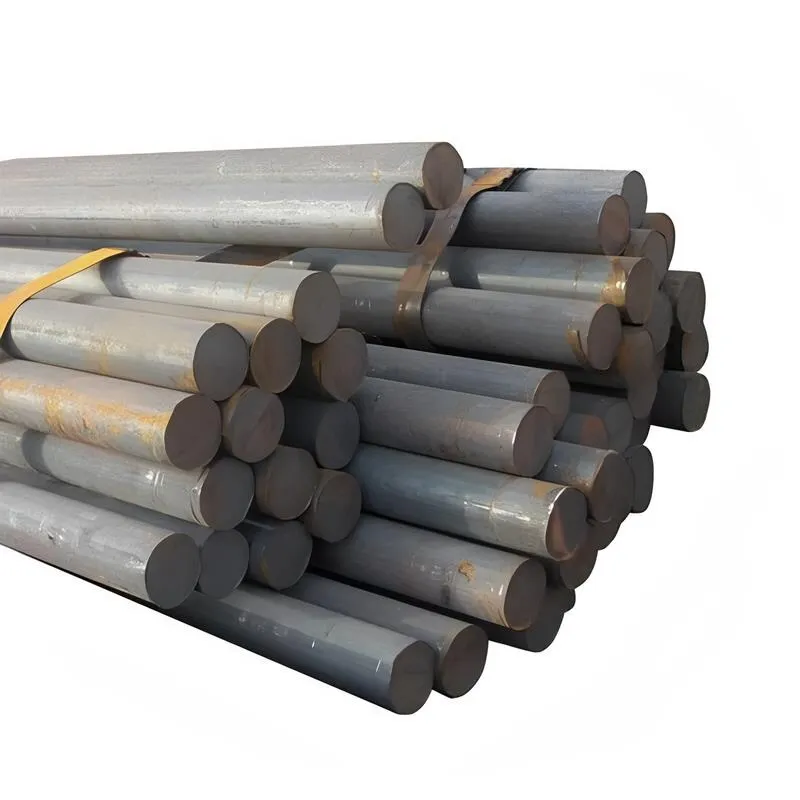
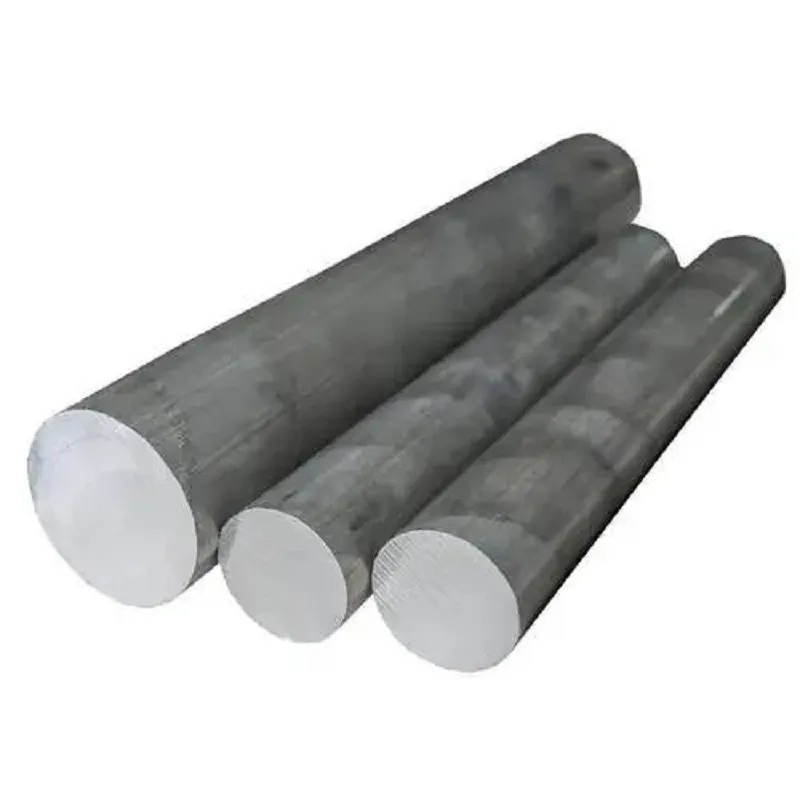
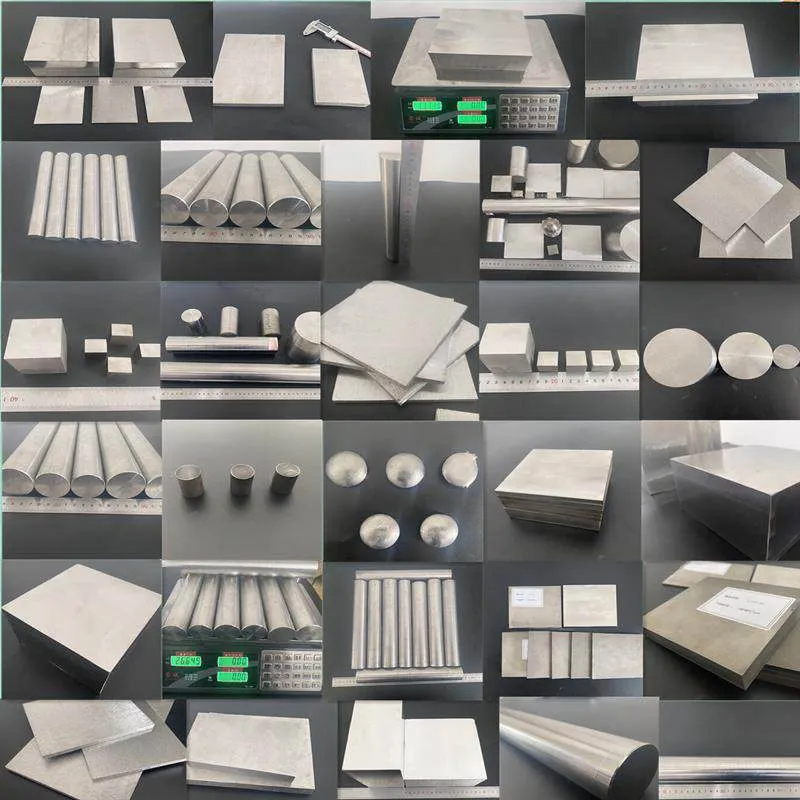
Class I Type D Ni-Hi-Cr Martensitic White Cast Iron Rod/Bar
Product Code : STI-IFe-018-CU
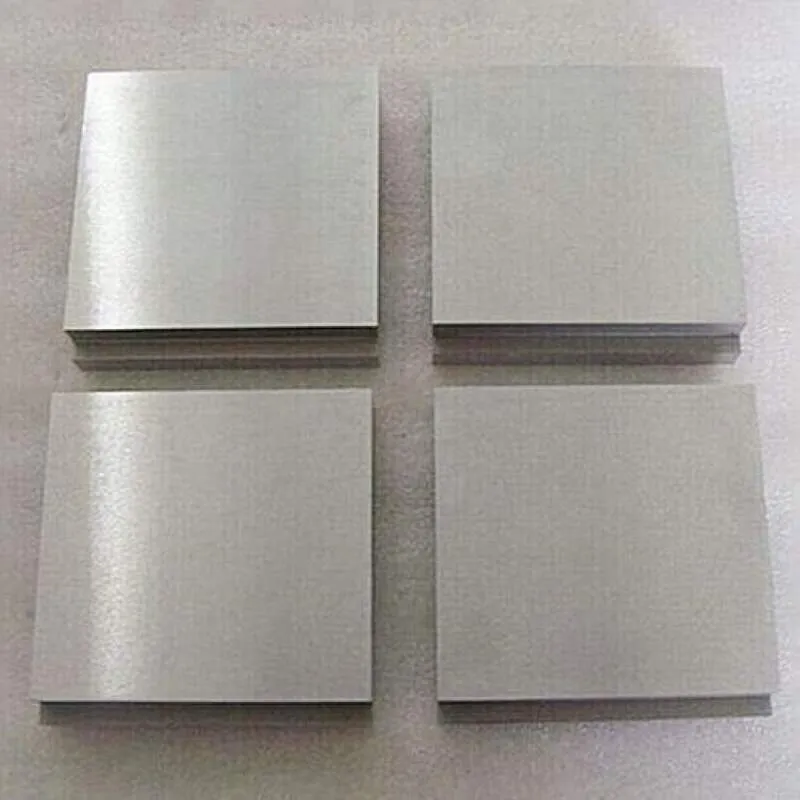
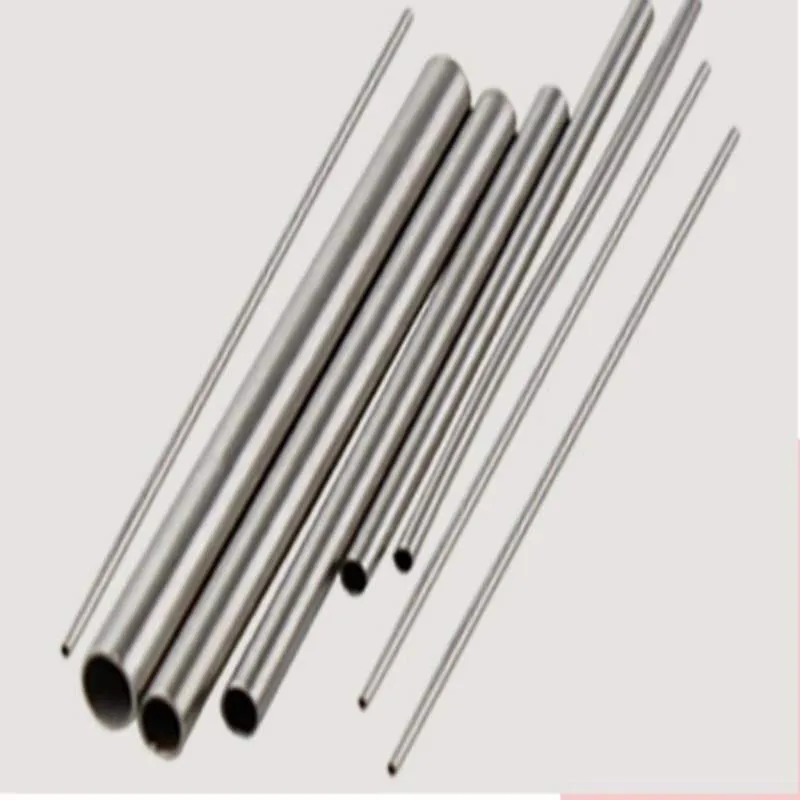
We provide Class I Type D Ni-Hi-Cr Martensitic White Cast Iron Rod/Bar is available in Bar (Round bar, Flat bar), Ribbon, Wire, Rod/Bars, Tube,Seamless Tube,Pipe, Ingots, Plate, Sheet, Strip and Forging Stock.,Purity, chemical composition, size, etc. can all be customized to meet specific requirements.
Please contact us if you need customized services. We will contact you with the price and availability in 24 hours.
Class I Type D Ni-Hi-Cr Martensitic White Cast Iron Rod Product Information
-:-
For detailed product information, please contact sales.
-:
Class I Type D Ni-Hi-Cr Martensitic White Cast Iron Rod Synonyms
-:-
For detailed product information, please contact sales.
-:
Class I Type D Ni-Hi-Cr Martensitic White Cast Iron Product Information
-:-
For detailed product information, please contact sales.
-:
## **Product Introduction: Class I Type D Ni-Hi-Cr Martensitic White Cast Iron**
Class I Type D Ni-Hi-Cr Martensitic White Cast Iron is a specialized, high-performance abrasion-resistant alloy within the ASTM A532 family, designed to deliver a unique combination of high hardness, exceptional impact resistance, and superior resistance to both corrosion and oxidation at elevated temperatures. The "Ni-Hi-Cr" designation indicates a **High Chromium** content relative to other Class I types, pushing this alloy towards the performance envelope of higher-class white irons while retaining the martensitic matrix and air-hardening characteristics of the nickel-chromium system. This grade is engineered for the most severe service environments where extreme abrasion is coupled with significant impact, elevated temperatures, or mildly corrosive conditions, such as in certain mining, mineral processing, and power generation applications.
It represents a premium, application-specific optimization within the martensitic white iron class, offering enhanced performance for components that demand more than the standard Ni-Cr grades can provide.
---
### **1. Chemical Composition**
The composition is defined by elevated chromium levels, balanced with nickel to maintain a martensitic matrix upon air quenching and to avoid the formation of continuous austenitic structures.
**Typical Composition Range (ASTM A532 Class I Type D):**
| Element | Content (%) | Primary Function |
| :--- | :--- | :--- |
| **Chromium (Cr)** | **7.0 - 11.0** | **Primary carbide former and corrosion/oxidation resistor.** The **High ("Hi") Cr** content ensures a high volume fraction of hard, eutectic (Cr,Fe)₇C₃ carbides for superior abrasion resistance. It also forms a protective Cr₂O₃-rich surface layer, significantly improving resistance to high-temperature oxidation and mild aqueous corrosion. |
| **Nickel (Ni)** | **4.5 - 7.0** | **Critical austenite stabilizer and hardenability agent.** Ensures that the high-carbon, high-chromium matrix transforms to martensite upon air cooling by suppressing the pearlite transformation. Prevents the matrix from remaining fully austenitic (as in Class III type irons), thereby maintaining higher hardness and better resistance to deformation under load. |
| **Carbon (C)** | **2.8 - 3.6** | **Primary carbide former.** High carbon content is necessary to form the required volume of chromium carbides with the elevated chromium. Balanced to avoid excessive primary carbides that could reduce toughness. |
| **Molybdenum (Mo)** | **1.0 - 2.0** | **Essential hardenability agent.** A higher Mo content is mandatory to counteract the strong carbide-forming tendency of Cr and ensure sufficient hardenability to achieve a fully martensitic matrix, especially in thicker casting sections. |
| **Manganese (Mn)** | 0.5 - 1.5 | Supports hardenability and acts as a deoxidizer. |
| **Silicon (Si)** | 0.5 - 1.5 | Deoxidizer; kept low to prevent graphite formation which would compromise wear and corrosion resistance. |
| **Copper (Cu)** | 0 - 1.0 (Optional) | May be added for supplementary hardenability and mild corrosion resistance. |
| **Iron (Fe)** | Balance | Base metal. |
**Microstructural Note:** The as-cast structure contains austenite and a network of eutectic carbides. After a proper destabilization heat treatment (typically 950-1050°C followed by air cooling), the targeted microstructure is a **martensitic matrix** with a **high volume fraction (typically 30-40%) of interconnected or semi-continuous (Cr,Fe)₇C₃ eutectic carbides**. The matrix is martensite, not retained austenite, which is key to its high hardness and stability.
---
### **2. Physical & Mechanical Properties**
Properties reflect the synergistic effect of high carbide volume and a hard martensitic matrix, with enhanced environmental resistance.
| Property | Typical Value / Description |
| :--- | :--- |
| **Microstructure (Heat-Treated)** | **Martensitic matrix with a high volume of (Cr,Fe)₇C₃ eutectic carbides.** |
| **Density** | ~7.6 - 7.7 g/cm³ |
| **Macrohardness** | **600 - 700 HB** (60 - 65 HRC) – Very high, often the maximum achievable among air-hardening white irons, due to the combined effect of hard carbides and martensite. |
| **Compressive Strength** | **Extremely High** – Excellent for withstanding heavy crushing loads. |
| **Tensile Strength** | Low to Moderate (350 - 550 MPa) – Not a design parameter. |
| **Elongation** | **Negligible (< 0.5%)** – Brittle material. |
| **Fracture Toughness** | **Moderate to Good for its hardness class (~15-25 MPa√m).** Better than many higher-chromium austenitic/martensitic irons (Class II/III) but generally lower than the lower-Cr Class I Types B and C due to the higher carbide volume. |
| **Impact Resistance (Charpy Unnotched)** | **10 - 25 J** – Adequate for many high-impact applications, though care in design is needed to avoid stress concentrators. |
| **Abrasion Resistance** | **Outstanding.** Among the best available in cast metals for high-stress grinding and gouging abrasion, due to the high hardness and dense carbide network. |
| **Corrosion & Oxidation Resistance** | **Good.** The high Cr content provides significantly better resistance to rust, high-temperature scaling, and mild chemical attack compared to other Class I types, making it suitable for wet or hot environments. |
| **Elevated Temperature Stability** | **Good.** Maintains hardness and resists softening at temperatures up to ~500°C (930°F) better than lower-alloy white irons. |
| **Machinability** | **Extremely Poor.** Grinding is the only viable finishing method. |
---
### **3. Key Product Advantages & Characteristics**
* **Peak Abrasion Resistance:** Delivers one of the highest levels of wear resistance available in an air-hardening martensitic white iron.
* **Enhanced Environmental Resistance:** Superior performance in applications involving water, steam, mild acids/alkalis, or high-temperature oxidizing atmospheres.
* **High Hot Hardness:** Retains its hardness at elevated operating temperatures better than standard Ni-Cr white irons.
* **Good Load-Bearing Capacity:** The combination of high hardness and compressive strength makes it suitable for heavy crushing and grinding pressures.
---
### **4. Product Applications**
This premium material is specified for the most demanding wear applications where standard white irons are inadequate due to environmental or extreme wear factors.
* **Mining & Mineral Processing:** **Grinding mill liners** in highly abrasive ores, **slurry pump components** (impellers, liners, volutes) handling corrosive/abrasive slurries, hydrocyclone apexes and liners.
* **Cement Industry:** **Finish mill liners**, **high-pressure grinding roll (HPGR) studs and segments**, clinker crusher parts.
* **Power Generation:** **Coal pulverizer wear parts** (rolls, tires, tables) exposed to erosion and moderate heat, ash slurry pump components in coal-fired plants.
* **Dredging & Sand Processing:** **Cutter head teeth**, pump casings, and wear plates in saline or brackish water environments.
* **Steel Industry:** **Roll guides**, **scale breaker rings**, and other hot mill components subject to abrasive wear at moderate temperatures.
---
### **5. International Standards**
Class I Type D is clearly defined under ASTM A532, though its high-chromium nature brings it close to the composition of some Class II or III grades.
| Standard | Title / Scope | Common Designations / Notes |
| :--- | :--- | :--- |
| **ASTM A532/A532M** | *Standard Specification for Abrasion-Resistant Cast Irons* | **Class I Type D** is the defining standard. It is important to distinguish it from **Class II Type A (12% Cr)** or **Class III Type A (15% Cr, 3% Mo)**, which have different Cr/Ni/Mo balances and often different matrix structures. |
| **ISO 21988** | *Abrasion-resistant cast irons* | Can be cross-referenced. May correspond to high-chromium martensitic grades within the ISO classification system. |
| **BS 4844** | *Abrasion resisting white cast irons* (British, historical) | **Grade 3D** or similar may be referenced as an equivalent. |
| **JIS G5511** | *Abrasion-resistant white cast irons* (Japanese) | No direct equivalent. The **SMC 500** series or proprietary **High-Cr-Mo** grades may overlap in application. |
| **DIN EN 12513** | *Founding - Abrasion resistant cast irons* (European) | A grade like **G-X 300 CrMoNi 9 5 2** could be comparable in terms of Cr, Mo, and Ni content, but exact equivalence requires composition verification. |
**Specification Note:** Procurement must precisely specify **"ASTM A532, Class I Type D."** Due to its position at the high-end of Class I, additional requirements are common:
* **Minimum Hardness:** Often specified as 600 HB or 650 HB minimum.
* **Chemical Analysis:** Strict adherence to the Cr, Ni, and Mo ranges is critical to achieve the correct martensitic matrix and performance.
* **Section Size Guarantee:** Requirement that specified hardness is achieved in the relevant casting section thickness.
* **NDT:** Extensive non-destructive testing to ensure soundness, given the high hardness and potential brittleness.
---
### **Conclusion**
Class I Type D Ni-Hi-Cr Martensitic White Cast Iron is a **highly engineered, premium wear material** that pushes the boundaries of the martensitic white iron class. Its **elevated chromium and molybdenum content**, carefully balanced with nickel, create a **microstructure of exceptional hardness and improved environmental resistance**. While its fracture toughness is a careful trade-off, it delivers **unmatched abrasion resistance in severe service conditions involving impact, heat, or corrosion** that would rapidly degrade lower-alloy white irons. For critical components in mineral processing, cement production, and power generation where wear life directly dictates operational cost and downtime, Class I Type D offers a robust, high-performance solution that justifies its premium status through extended service intervals and improved reliability.
-:-
For detailed product information, please contact sales.
-:
Class I Type D Ni-Hi-Cr Martensitic White Cast Iron Specification
Dimensions
Size:
Diameter 20-1000 mm Length <6492 mm
Size:We can customized as required
Standard:
Per your request or drawing
We can customized as required
Properties(Theoretical)
Chemical Composition
-:-
For detailed product information, please contact sales.
-:
Class I Type D Ni-Hi-Cr Martensitic White Cast Iron Properties
-:-
For detailed product information, please contact sales.
-:
Applications of Class I Type D Ni-Hi-Cr Martensitic White Cast Iron Rod
-:-
For detailed product information, please contact sales.
-:
Chemical Identifiers Class I Type D Ni-Hi-Cr Martensitic White Cast Iron Rod
-:-
For detailed product information, please contact sales.
-:
Packing of Class I Type D Ni-Hi-Cr Martensitic White Cast Iron Rod
-:-
For detailed product information, please contact sales.
-:
Standard Packing:
-:-
For detailed product information, please contact sales.
-:
Typical bulk packaging includes palletized plastic 5 gallon/25 kg. pails, fiber and Steel Rod drums to 1 ton super sacks in full container (FCL) or truck load (T/L) quantities. Research and sample quantities and hygroscopic, oxidizing or other air sensitive materials may be packaged under argon or vacuum. Solutions are packaged in polypropylene, plastic or glass jars up to palletized 2963 gallon liquid totes Special package is available on request. E FORUs’ is carefully handled to minimize damage during storage and transportation and to preserve the quality of our products in their original condition