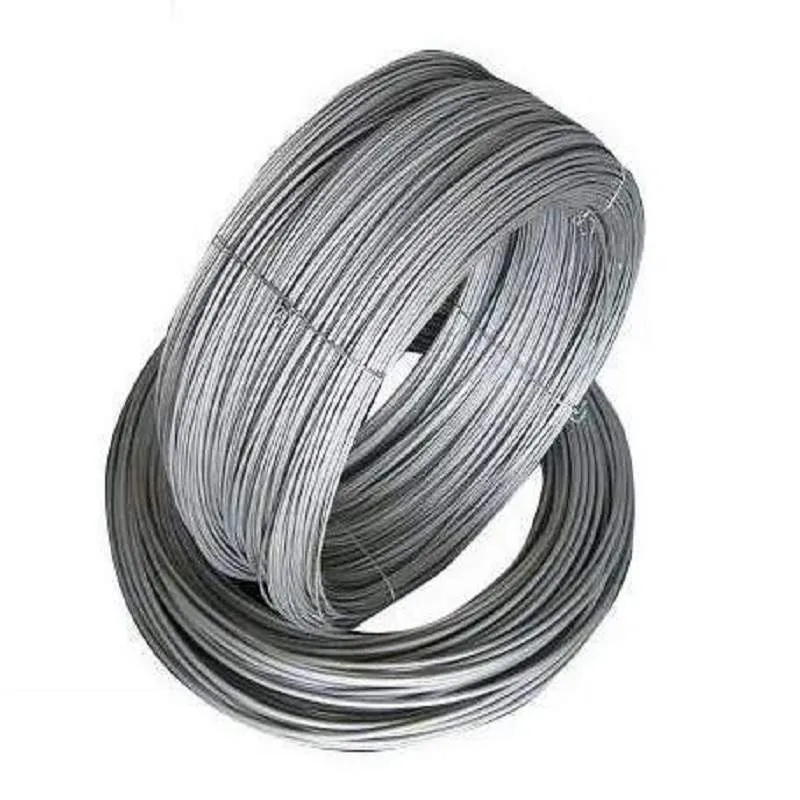
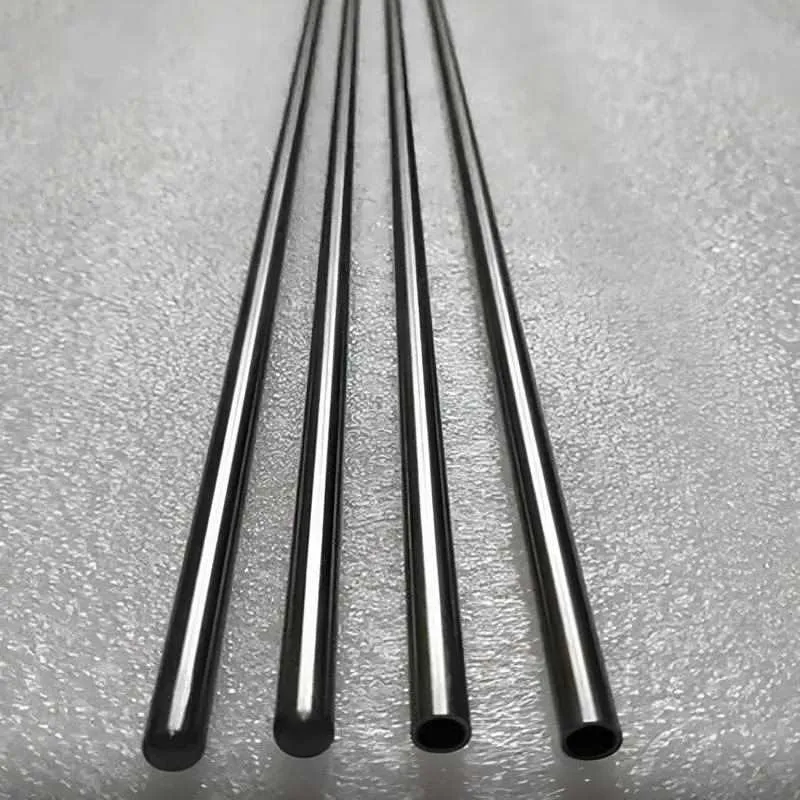
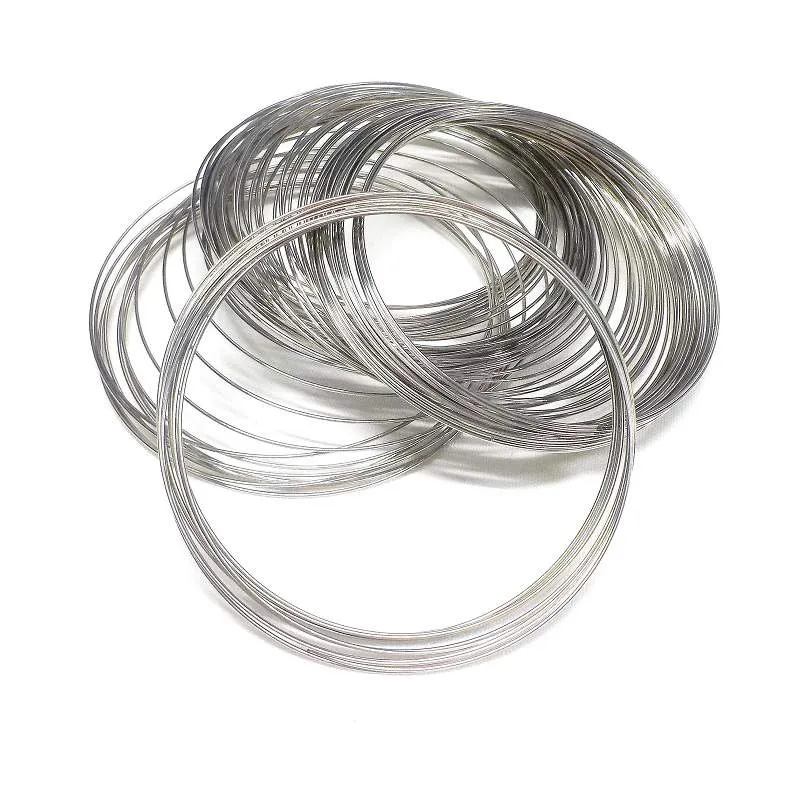
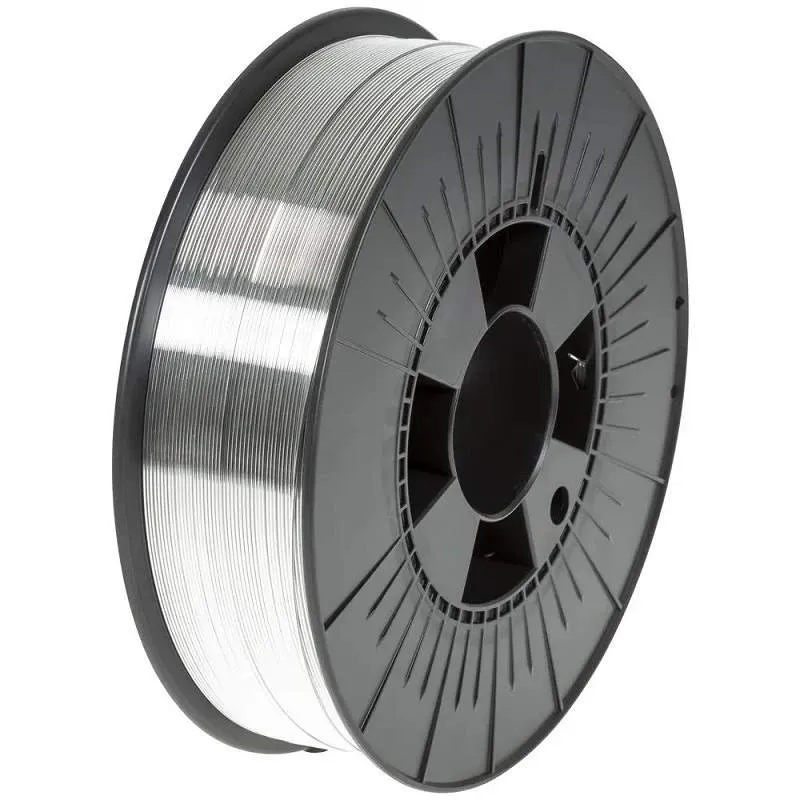
Class II Type A 12% Cr Martensitic White Cast Iron Wire
Product Code : STI-IFe-019-CU
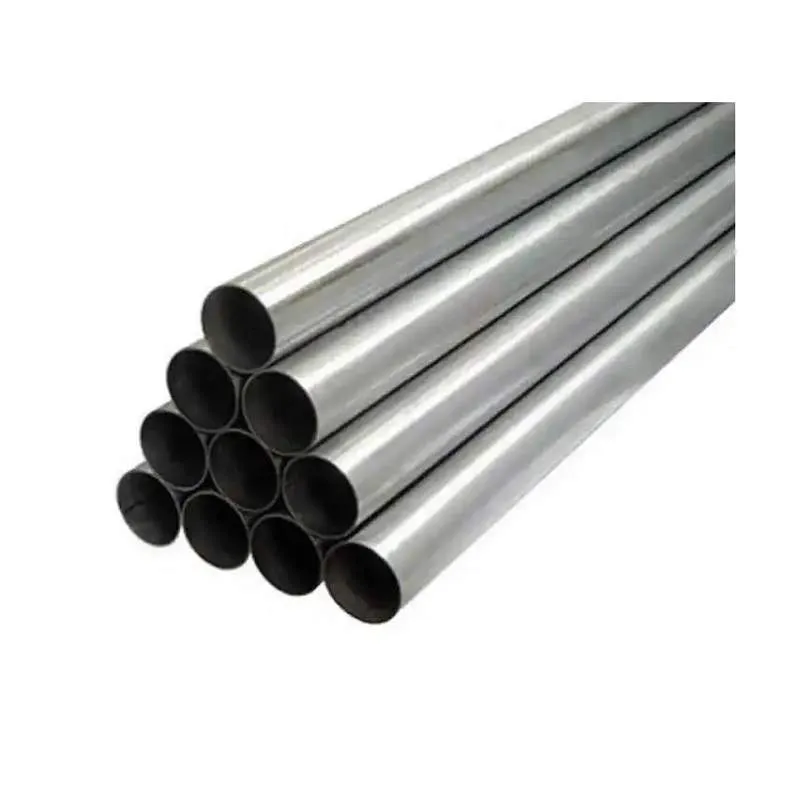
We provide Class II Type A 12% Cr Martensitic White Cast Iron Wire is available in Bar (Round bar, Flat bar), Ribbon, Wire, Rods, Tube,Seamless Tube,Pipe, Ingots, Plate, Sheet, Strip and Forging Stock.,Purity, chemical composition, size, etc. can all be customized to meet specific requirements.
Please contact us if you need customized services. We will contact you with the price and availability in 24 hours.
Class II Type A 12% Cr Martensitic White Cast Iron Wire Product Information
-:-
For detailed product information, please contact sales.
-:
Class II Type A 12% Cr Martensitic White Cast Iron Wire Synonyms
-:-
For detailed product information, please contact sales.
-:
Class II Type A 12% Cr Martensitic White Cast Iron Product Information
-:-
For detailed product information, please contact sales.
-:
## **Product Introduction: Class II Type A 12% Cr Martensitic White Cast Iron**
Class II Type A 12% Cr Martensitic White Cast Iron is a premier abrasion-resistant alloy belonging to the high-chromium white iron family, standardized under ASTM A532. Characterized by its nominal 12% chromium content and martensitic matrix, this material is engineered to provide an exceptional balance of high hardness, outstanding abrasion resistance, and superior corrosion/oxidation resistance compared to lower-chromium grades. The key to its performance is the formation of a high volume of hard (Cr,Fe)₇C₃ carbides within a strong martensitic matrix, achieved through a controlled heat treatment process. It is designed for severe wear applications, particularly where the service environment includes moisture, moderate heat, or mild corrosive elements, making it a standard choice for demanding industrial and mining applications.
This alloy represents a significant step up in performance from Class I white irons, offering enhanced durability in abrasive and corrosive wear situations.
---
### **1. Chemical Composition**
The composition is centered on achieving approximately 12% chromium to form the optimal type and volume of carbides, with carbon and other elements carefully balanced for hardenability and matrix control.
**Typical Composition Range (ASTM A532 Class II Type A):**
| Element | Content (%) | Primary Function |
| :--- | :--- | :--- |
| **Chromium (Cr)** | **11.0 - 14.0** | **Core alloying element.** Forms a high volume fraction of hard, blocky (Cr,Fe)₇C₃ eutectic carbides, which are the primary source of abrasion resistance. Provides excellent resistance to oxidation and corrosion. |
| **Carbon (C)** | **2.8 - 3.6** | **Primary carbide former.** The high carbon content is essential to combine with chromium to form the desired M₇C₃ carbides. The C/Cr ratio is critical in determining carbide volume and type. |
| **Molybdenum (Mo)** | **0.5 - 2.5** | **Essential hardenability agent.** Prevents pearlite formation during cooling, ensuring the austenitic matrix transforms to martensite upon heat treatment, even in thick sections. |
| **Manganese (Mn)** | 0.5 - 1.5 | Aids in deoxidation and provides some solid solution strengthening. |
| **Silicon (Si)** | 0.5 - 1.2 | Deoxidizer; kept low to prevent graphite formation. |
| **Nickel (Ni)** | **0 - 2.5** (Optional) | May be added in some specifications to further enhance hardenability and impact toughness, particularly in heavy sections. |
| **Copper (Cu)** | 0 - 1.2 (Optional) | Occasionally used to improve hardenability and atmospheric corrosion resistance. |
| **Iron (Fe)** | Balance | Base metal. |
**Microstructural Note:** The as-cast structure consists of austenite and a network of eutectic M₇C₃ carbides. After a standard **destabilization heat treatment** (typically 950-1050°C followed by air cooling or faster quenching), the austenite transforms to a **hard martensitic matrix**. The final microstructure is a **martensitic matrix with 25-35% volume of hard, blocky (Cr,Fe)₇C₃ carbides**.
---
### **2. Physical & Mechanical Properties**
Properties are dominated by the hard carbide phase and the strong martensitic matrix, offering excellent wear resistance with moderate toughness.
| Property | Typical Value / Description |
| :--- | :--- |
| **Microstructure (Heat-Treated)** | **Martensitic matrix with a high volume of (Cr,Fe)₇C₃ carbides.** |
| **Density** | ~7.6 - 7.7 g/cm³ |
| **Macrohardness** | **600 - 700 HB** (58 - 63 HRC) – Very high hardness is a direct result of the martensite and carbides. |
| **Compressive Strength** | **Extremely High** – Excellent for withstanding heavy crushing loads. |
| **Tensile Strength** | Low to Moderate (350 - 550 MPa) – Not a primary design criterion for this brittle material. |
| **Elongation** | **Negligible (< 0.5%)** – Essentially no ductility at room temperature. |
| **Fracture Toughness** | **Moderate (~12-20 MPa√m).** Lower than Class I Ni-Cr grades due to higher carbide volume, but adequate for many high-impact abrasive applications. |
| **Impact Resistance (Charpy Unnotched)** | **8 - 20 J** – Sufficient for many applications but requires careful design to avoid stress concentrators. |
| **Abrasion Resistance** | **Outstanding.** Considered one of the best commercially available materials for severe abrasive wear, especially in grinding and gouging conditions. The M₇C₃ carbides are harder than quartz. |
| **Corrosion & Oxidation Resistance** | **Very Good.** The 12% Cr content provides significantly better resistance to rust and high-temperature scaling than low-chromium white irons, making it suitable for wet or damp environments. |
| **Machinability** | **Extremely Poor.** Can only be finished by grinding. Components are cast to near-net shape. |
---
### **3. Key Product Advantages & Characteristics**
* **Superior Abrasion Resistance:** The high volume of hard chromium carbides provides exceptional resistance to cutting, grinding, and gouging wear.
* **Good Corrosion/Oxidation Resistance:** Suitable for applications involving water, slurry, and moderate temperatures where lower-alloy white irons would corrode.
* **Good High-Temperature Stability:** Maintains hardness and resists softening better than low-chromium white irons, suitable for parts operating at moderately elevated temperatures.
* **Proven Performance:** A widely used and well-understood standard for severe abrasion applications across multiple industries.
---
### **4. Product Applications**
This material is the industry benchmark for components subjected to extreme abrasion, often in challenging environments.
* **Mining & Mineral Processing:** **Grinding mill liners**, **slurry pump impellers and casings**, crusher liners, hydrocyclone liners, wear plates.
* **Cement Industry:** **Roller press segments**, **vertical mill grinding elements**, crusher hammers, clinker cooler parts.
* **Power Generation:** **Coal pulverizer grinding rolls and tables**, ash slurry pumps, fan blades in abrasive gas streams.
* **Dredging & Sand Processing:** Pump wear parts, cutter head teeth, suction pipe liners.
* **Steel Industry:** Guide rolls, sinter crusher parts.
---
### **5. International Standards**
ASTM A532 Class II Type A is a globally recognized standard for 12% chromium white iron.
| Standard | Title / Scope | Common Designations / Notes |
| :--- | :--- | :--- |
| **ASTM A532/A532M** | *Standard Specification for Abrasion-Resistant Cast Irons* | **Class II Type A** is the definitive standard for 12% Cr martensitic white iron. |
| **ISO 21988** | *Abrasion-resistant cast irons* | Directly corresponds, with grade designations based on chemical composition and hardness (e.g., a grade specifying ~12% Cr, 3% C). |
| **BS 4844** | *Abrasion resisting white cast irons* (British, historical) | **Grade 2A** is the equivalent 12% Cr grade. |
| **JIS G5511** | *Abrasion-resistant white cast irons* (Japanese) | **SMC 600** series typically corresponds to 12-16% Cr white irons. |
| **DIN EN 12513** | *Founding - Abrasion resistant cast irons* (European) | Designations like **G-X 300 CrMo 12 1** or **G-X 260 CrMoNi 12 2** are common equivalents, with the numbers indicating Cr and Mo content. |
**Specification Note:** Procurement is typically by specifying **"ASTM A532, Class II Type A"**. Key supplementary requirements often include:
* **Minimum Hardness:** Commonly specified as 600 HB or 650 HB minimum.
* **Heat Treatment:** Specification of the heat treatment cycle (e.g., "destabilized and air quenched") may be required.
* **Section Size:** Guarantee that the specified hardness is achieved in the relevant casting wall thickness.
* **Soundness:** Non-destructive testing (NDT) such as magnetic particle inspection for critical areas.
---
### **Conclusion**
Class II Type A 12% Cr Martensitic White Cast Iron is a **foundational high-performance material in the world of severe abrasion**. Its **optimized chromium and carbon chemistry** produces a microstructure rich in hard M₇C₃ carbides within a tough martensitic matrix, delivering **unrivaled wear resistance in punishing environments**. The added benefit of **good corrosion resistance** expands its applicability beyond dry crushing to include slurry handling and damp conditions. As a standardized and widely available alloy under **ASTM A532**, it provides a reliable, predictable, and cost-effective solution for extending the service life of critical wear components in mining, cement, and power industries, where downtime and replacement costs are paramount.
-:-
For detailed product information, please contact sales.
-:
Class II Type A 12% Cr Martensitic White Cast Iron Specification
Dimensions
Size:
Diameter 20-1000 mm Length <6493 mm
Size:We can customized as required
Standard:
Per your request or drawing
We can customized as required
Properties(Theoretical)
Chemical Composition
-:-
For detailed product information, please contact sales.
-:
Class II Type A 12% Cr Martensitic White Cast Iron Properties
-:-
For detailed product information, please contact sales.
-:
Applications of Class II Type A 12% Cr Martensitic White Cast Iron Wire
-:-
For detailed product information, please contact sales.
-:
Chemical Identifiers Class II Type A 12% Cr Martensitic White Cast Iron Wire
-:-
For detailed product information, please contact sales.
-:
Packing of Class II Type A 12% Cr Martensitic White Cast Iron Wire
-:-
For detailed product information, please contact sales.
-:
Standard Packing:
-:-
For detailed product information, please contact sales.
-:
Typical bulk packaging includes palletized plastic 5 gallon/25 kg. pails, fiber and Steel Wire drums to 1 ton super sacks in full container (FCL) or truck load (T/L) quantities. Research and sample quantities and hygroscopic, oxidizing or other air sensitive materials may be packaged under argon or vacuum. Solutions are packaged in polypropylene, plastic or glass jars up to palletized 2964 gallon liquid totes Special package is available on request. E FORUs’ is carefully handled to minimize damage during storage and transportation and to preserve the quality of our products in their original condition