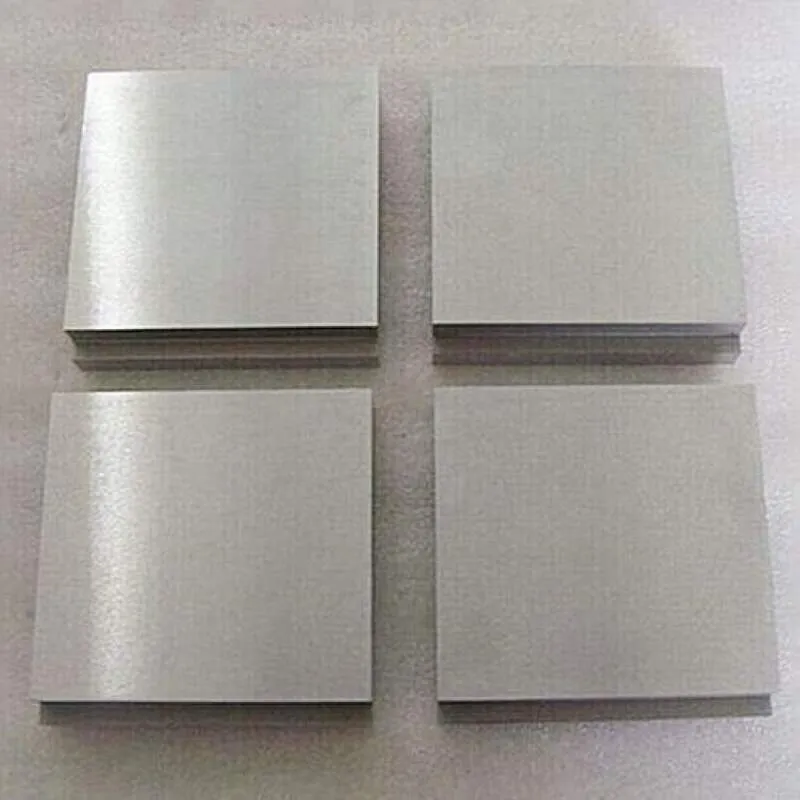
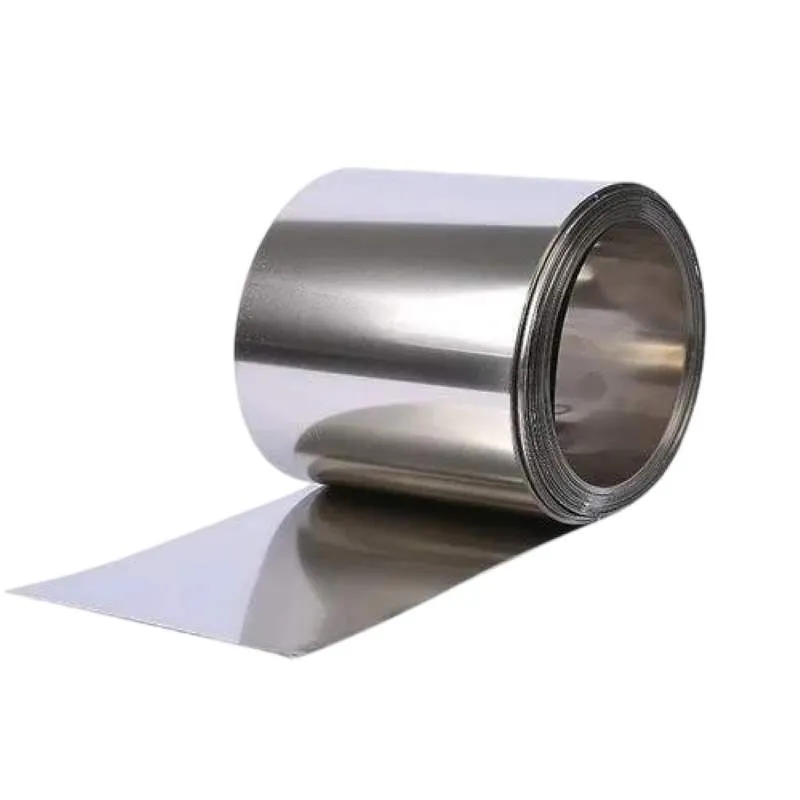
Class II Type E 20% Cr-Mo-HC Martensitic White Cast Iron Sheet,Plate
Product Code : STI-IFe-023-CU
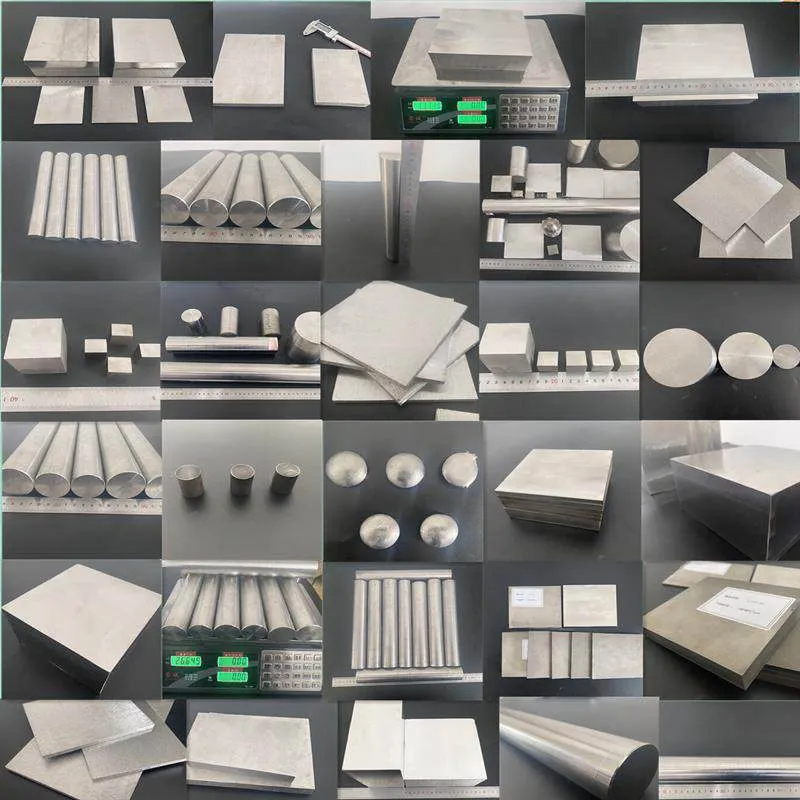
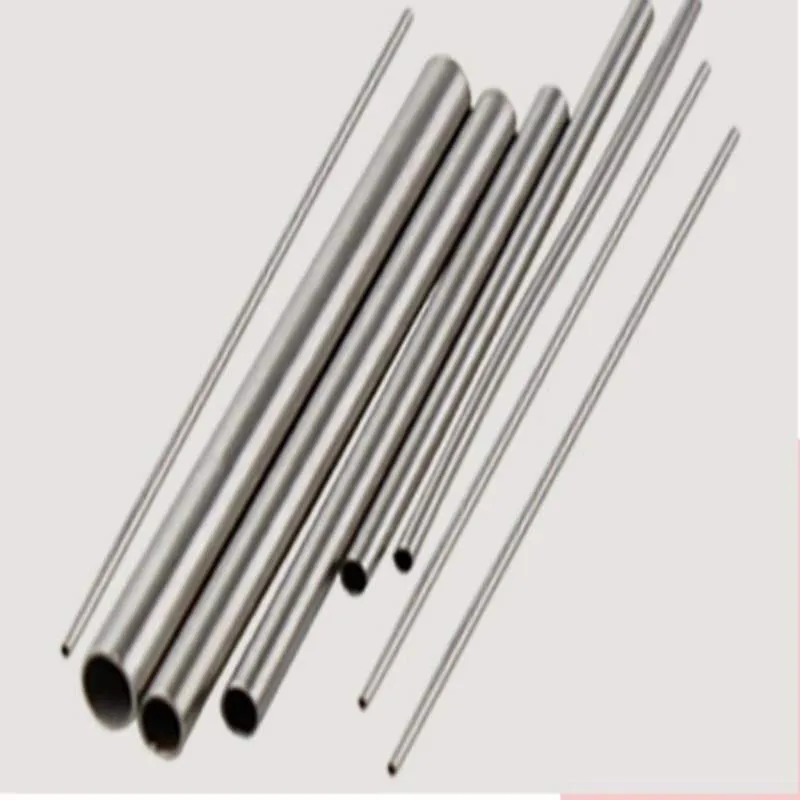
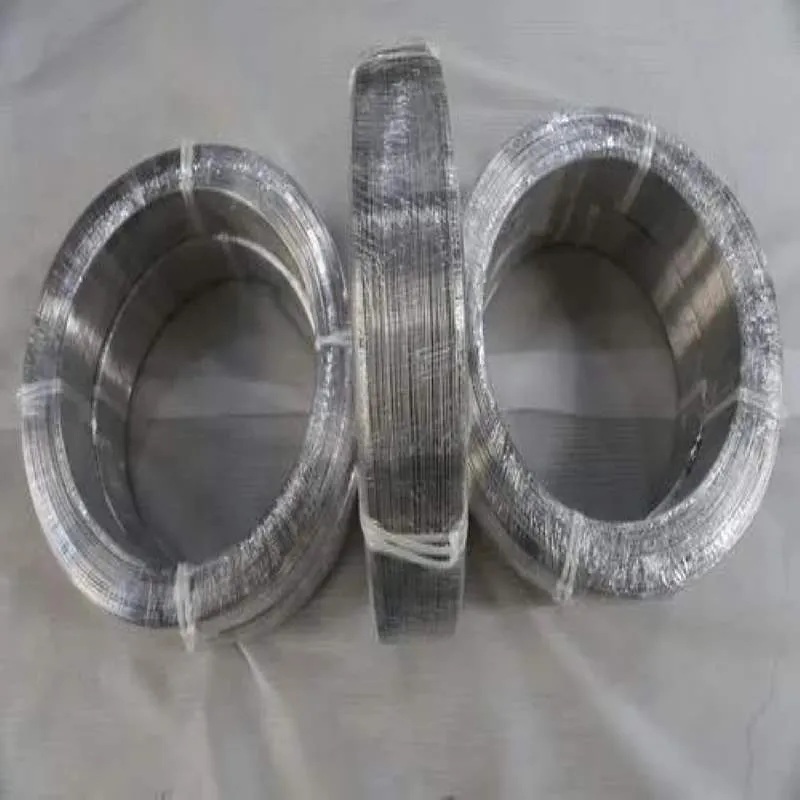
We provide Class II Type E 20% Cr-Mo-HC Martensitic White Cast Iron Sheet/Plate is available in Bar (Round bar, Flat bar), Ribbon, Wire, Rods, Tube,Seamless Tube,Pipe, Ingots, Plate, Sheet/Plate, Strip and Forging Stock.,Purity, chemical composition, size, etc. can all be customized to meet specific requirements.
Please contact us if you need customized services. We will contact you with the price and availability in 24 hours.
Class II Type E 20% Cr-Mo-HC Martensitic White Cast Iron Sheet/Plate Product Information
-:-
For detailed product information, please contact sales.
-:
Class II Type E 20% Cr-Mo-HC Martensitic White Cast Iron Sheet/Plate Synonyms
-:-
For detailed product information, please contact sales.
-:
Class II Type E 20% Cr-Mo-HC Martensitic White Cast Iron Product Information
-:-
For detailed product information, please contact sales.
-:
## **Product Introduction: Class II Type E 20% Cr-Mo-HC Martensitic White Cast Iron**
Class II Type E 20% Cr-Mo-HC Martensitic White Cast Iron is a specialized, high-performance abrasion-resistant alloy that defines the upper limits of wear resistance within the standardized chromium white iron family. Characterized by a combination of **High Chromium (20%)** and **High Carbon (HC)** content, this alloy is engineered to deliver supreme resistance to abrasive wear in exceptionally severe environments. The elevated chromium and carbon drive the formation of an extremely high volume fraction of hard, interconnected chromium carbides, while sufficient molybdenum ensures the matrix transforms to martensite for maximum support and hardness. This material is designed for applications where abrasive wear is the absolute dominant and most aggressive failure mechanism, often in conjunction with moderate corrosion or elevated temperatures, and where impact forces are minimized or well-distributed.
This grade represents the pinnacle of pure, volumetric wear resistance in a standardized specification, prioritizing ultimate service life against abrasion above all other mechanical properties.
---
### **1. Chemical Composition**
The composition is optimized to maximize carbide volume and hardness, with careful balancing to achieve a martensitic matrix through heat treatment.
**Typical Composition Range (ASTM A532 Class II Type E):**
| Element | Content (%) | Primary Function |
| :--- | :--- | :--- |
| **Chromium (Cr)** | **18.0 - 23.0** | **Primary carbide former and corrosion resistor.** Forms a very high volume of hard (Cr,Fe)₇C₃ carbides. Provides exceptional resistance to oxidation and corrosion, protecting the component in harsh environments. |
| **Molybdenum (Mo)** | **1.5 - 2.5** | **Critical hardenability agent.** Essential to overcome the austenite-stabilizing effect of high chromium and carbon, enabling the transformation to a hard, supporting martensitic matrix upon air quenching. |
| **Carbon (C)** | **3.2 - 3.6** | **High Carbon ("HC") carbide former.** This is the defining characteristic alongside high Cr. Maximizes the volume fraction of primary and eutectic carbides, creating a dense, near-continuous network that provides unparalleled abrasion resistance. |
| **Manganese (Mn)** | 0.5 - 1.5 | Supports hardenability and acts as a deoxidizer. |
| **Silicon (Si)** | 0.5 - 1.2 | Deoxidizer; kept low to prevent graphite formation. |
| **Nickel (Ni)** | **0 - 1.5** (Optional) | May be added in small amounts to enhance hardenability in complex castings but is typically minimized to avoid excessive retained austenite. |
| **Copper (Cu)** | 0 - 1.0 (Optional) | Occasionally used for supplementary hardenability. |
| **Iron (Fe)** | Balance | Base metal. |
**Microstructural Note:** After a carefully controlled high-temperature destabilization heat treatment (typically 1000-1100°C followed by rapid air or fan cooling), the target microstructure is a **martensitic matrix** with an **extremely high volume fraction (typically 35-45%) of interconnected, blocky (Cr,Fe)₇C₃ eutectic carbides**. The carbides form a robust, skeletal network that bears the brunt of the abrasive load. The matrix is fully martensitic to provide maximum hardness and stability.
---
### **2. Physical & Mechanical Properties**
Properties are dominated by the exceptionally high carbide content, offering extreme wear resistance at the cost of ductility and toughness.
| Property | Typical Value / Description |
| :--- | :--- |
| **Microstructure (Heat-Treated)** | **Martensitic matrix with a very high volume of interconnected M₇C₃ carbides.** |
| **Density** | ~7.5 - 7.6 g/cm³ |
| **Macrohardness** | **700 - 800+ HB** (65 - 68+ HRC) – Achieves some of the highest hardness levels possible in commercial cast alloys, approaching the hardness of the carbides themselves. |
| **Compressive Strength** | **Exceptionally High** – Excellent resistance to crushing and deformation under extreme pressure. |
| **Tensile Strength** | **Very Low (250 - 450 MPa)** – The brittle carbide network severely limits tensile strength. |
| **Elongation** | **Essentially Zero (< 0.1%)** – Extremely brittle material with no measurable ductility. |
| **Fracture Toughness (K_IC)** | **Very Low (~5-12 MPa√m).** The continuous carbide network provides easy pathways for crack propagation, making it highly susceptible to brittle fracture under impact or point loading. |
| **Impact Resistance (Charpy Unnotched)** | **4 - 10 J** – Very low impact resistance; requires absolutely shock-free installation and operation. |
| **Abrasion Resistance** | **Exceptional / Best-in-Class.** Provides ultimate resistance to high-stress grinding abrasion (gouging) where the abrasive is of equal or lower hardness than the M₇C₃ carbides (~1800 HV). The benchmark for purely abrasive, low-impact service. |
| **Corrosion & Oxidation Resistance** | **Excellent.** The 20% Cr content provides outstanding protection against rust, scaling (up to ~1000°C), and attack by many mild acids and alkalis, a significant advantage over lower-Cr HC grades. |
| **Elevated Temperature Stability** | **Very Good.** Maintains hardness and microstructure stability at elevated temperatures better than most other white irons due to high Cr content. |
| **Machinability** | **Not Machinable.** Can only be finished by abrasive grinding. Must be cast to precise net shape. |
---
### **3. Key Product Advantages & Characteristics**
* **Maximum Volumetric Wear Resistance:** Delivers the longest potential service life against pure abrasion among standardized white iron grades.
* **Exceptional Environmental Resistance:** Combines supreme wear resistance with excellent corrosion and oxidation protection, suitable for harsh chemical and thermal environments.
* **Superior High-Temperature Hardness:** Retains its mechanical properties at elevated operating temperatures.
* **Ideal for Controlled, High-Pressure Abrasion:** Excels in applications where the wear mechanism is predictable, high-pressure grinding with minimal shock.
---
### **4. Product Applications**
This material is specified for the most severe, controlled abrasion applications where wear life is the sole critical performance metric.
* **Mining & Mineral Processing:** **Slurry pump side liners and volutes** for extremely abrasive slurries (e.g., iron ore, tar sands), **high-wear areas in grinding mill liners**, classifier vortex finders in hydrocyclones.
* **Cement Industry:** **Finish mill liner plates in high-wear zones**, **high-pressure grinding roll (HPGR) studs** for the most abrasive feeds, clinker crusher wear plates.
* **Power Generation:** **Coal pulverizer grinding elements** (rolls, tires) in plants processing highly abrasive coal or biomass.
* **Shot Blasting & Surface Preparation:** **Blast machine liners and impellers** subjected to direct, high-velocity metallic abrasive impingement.
* **Dredging:** Pump casing liners for pure sand and gravel slurries with minimal large rock impact.
---
### **5. International Standards**
Class II Type E is a well-defined but less commonly specified grade under ASTM A532, distinguished by its unique high-Cr, high-C combination.
| Standard | Title / Scope | Common Designations / Notes |
| :--- | :--- | :--- |
| **ASTM A532/A532M** | *Standard Specification for Abrasion-Resistant Cast Irons* | **Class II Type E** is the definitive standard. It is crucial to note its distinction from the more common **Class III Type A (15% Cr, 3% Mo)**. |
| **ISO 21988** | *Abrasion-resistant cast irons* | Can be cross-referenced, though a direct 20% Cr-HC equivalent may not be explicitly named in all tables. |
| **Proprietary Specifications** | Often referenced in high-wear pump and mill liner specifications as a **"Premium 20% Cr High-Carbon"** grade. | Many OEMs have proprietary specifications that are essentially equivalent to or based on ASTM A532 Class II Type E. |
| **DIN EN 12513** | *Founding - Abrasion resistant cast irons* (European) | A grade like **G-X 360 CrMo 20 2** could be analogous, indicating high carbon (~3.6% C), 20% Cr, and 2% Mo. |
**Specification Note:** Procurement requires precise specification of **"ASTM A532, Class II Type E."** Due to its extreme brittleness and application in critical wear zones, supplementary requirements are non-negotiable:
* **Minimum Hardness:** Strictly specified, often **700 HB or 750 HB minimum**.
* **Heat Treatment Protocol:** Detailed specification of the destabilization temperature, time-at-temperature, and cooling rate to ensure the correct martensitic matrix and avoid excessive retained austenite.
* **Section Size Limitation & Hardness Verification:** Guarantee that specified hardness is achieved throughout the critical wear section.
* **Rigorous NDT (Non-Destructive Testing):** 100% magnetic particle inspection and often radiographic or ultrasonic inspection to ensure the casting is free of any internal defects (shrinkage, gas holes) that would act as immediate failure initiation sites.
---
### **Conclusion**
Class II Type E 20% Cr-Mo-HC Martensitic White Cast Iron is the **ultimate expression of wear-focused metallurgical design**. Its **high-chromium, high-carbon synergy** creates a microstructure where wear resistance is paramount, offering **unmatched longevity in pure, severe abrasive environments**. While its application is narrow due to its inherent brittleness and strict requirement for controlled loading conditions, it delivers **unrivaled value in specific, high-cost-per-wear applications** like critical slurry pump liners and finish mill components. For engineers battling relentless abrasion in harsh but predictable environments, Class II Type E provides a standardized, reliable, and extreme-performance solution where maximizing time between replacements is the single most important economic factor.
-:-
For detailed product information, please contact sales.
-:
Class II Type E 20% Cr-Mo-HC Martensitic White Cast Iron Specification
Dimensions
Size:
Diameter 20-1000 mm Length <6497 mm
Size:We can customized as required
Standard:
Per your request or drawing
We can customized as required
Properties(Theoretical)
Chemical Composition
-:-
For detailed product information, please contact sales.
-:
Class II Type E 20% Cr-Mo-HC Martensitic White Cast Iron Properties
-:-
For detailed product information, please contact sales.
-:
Applications of Class II Type E 20% Cr-Mo-HC Martensitic White Cast Iron Sheet,Plate
-:-
For detailed product information, please contact sales.
-:
Chemical Identifiers Class II Type E 20% Cr-Mo-HC Martensitic White Cast Iron Sheet,Plate
-:-
For detailed product information, please contact sales.
-:
Packing of Class II Type E 20% Cr-Mo-HC Martensitic White Cast Iron Sheet/Plate
-:-
For detailed product information, please contact sales.
-:
Standard Packing:
-:-
For detailed product information, please contact sales.
-:
Typical bulk packaging includes palletized plastic 5 gallon/25 kg. pails, fiber and Steel Sheet/Plate drums to 1 ton super sacks in full container (FCL) or truck load (T/L) quantities. Research and sample quantities and hygroscopic, oxidizing or other air sensitive materials may be packaged under argon or vacuum. Solutions are packaged in polypropylene, plastic or glass jars up to palletized 2968 gallon liquid totes Special package is available on request. E FORUs’ is carefully handled to minimize damage during storage and transportation and to preserve the quality of our products in their original condition