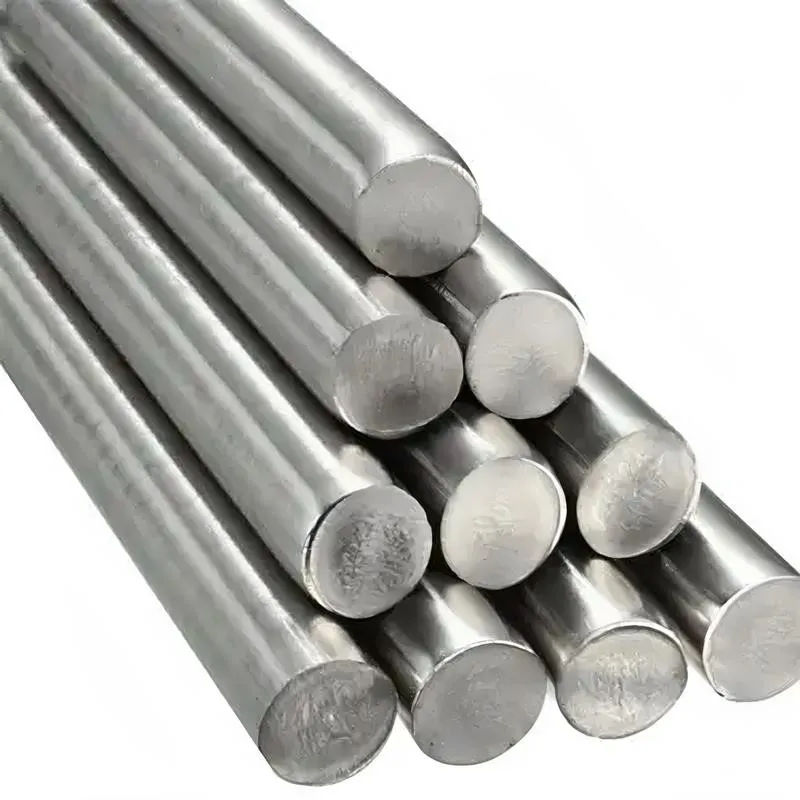
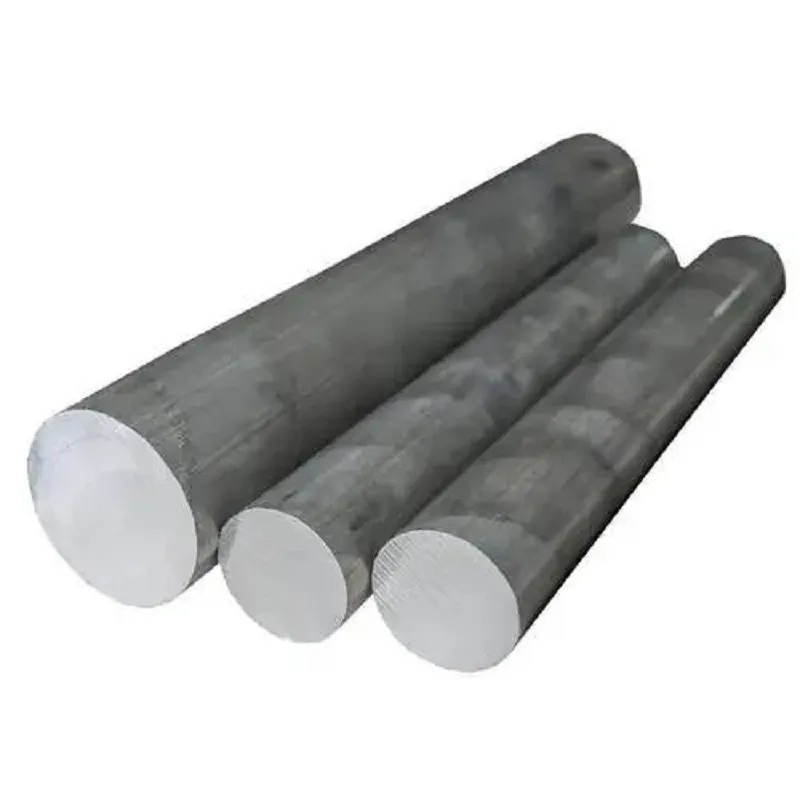
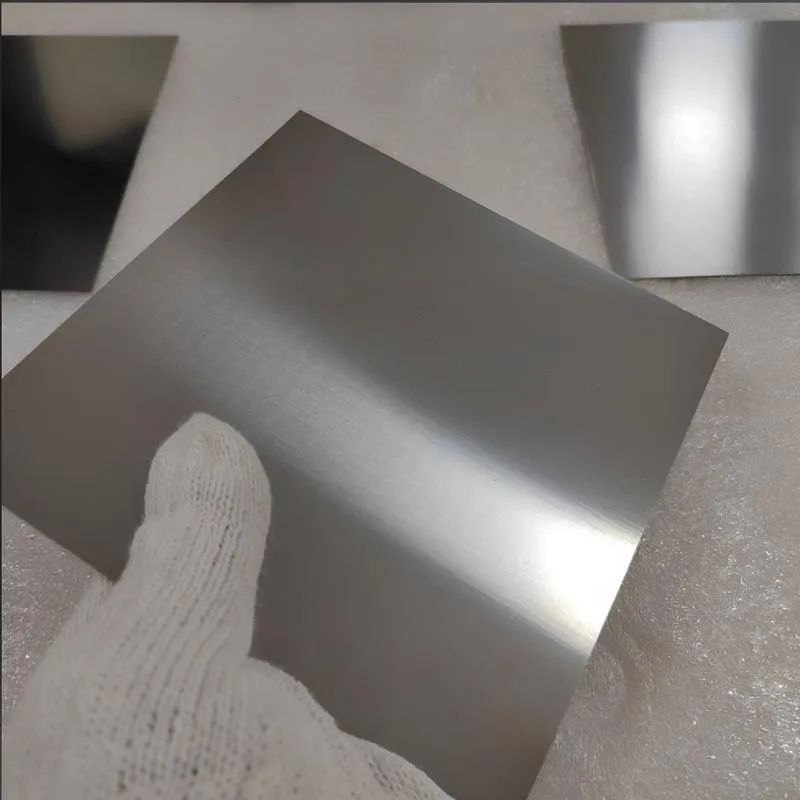
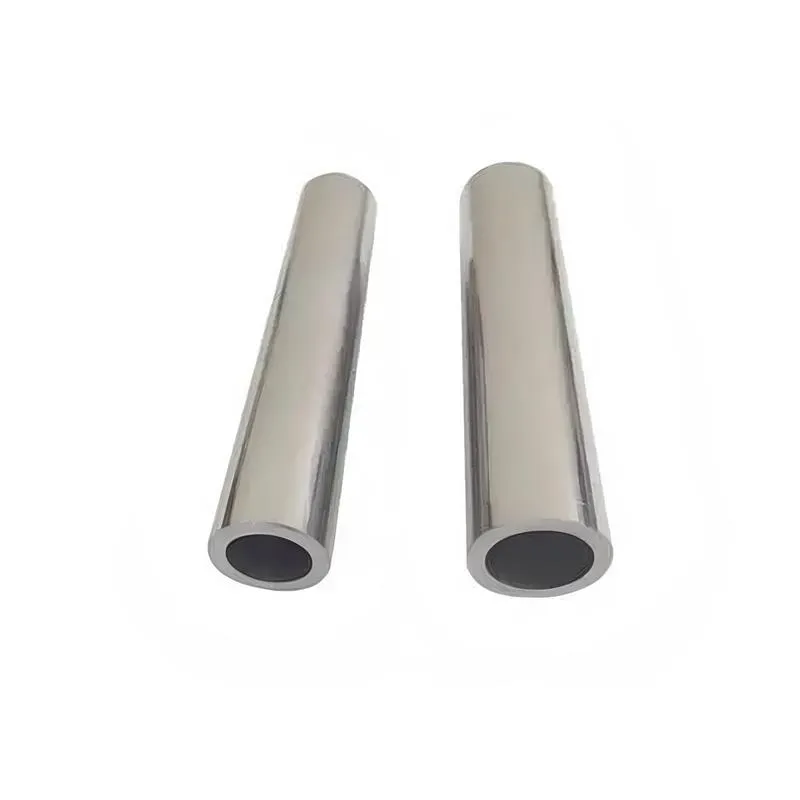
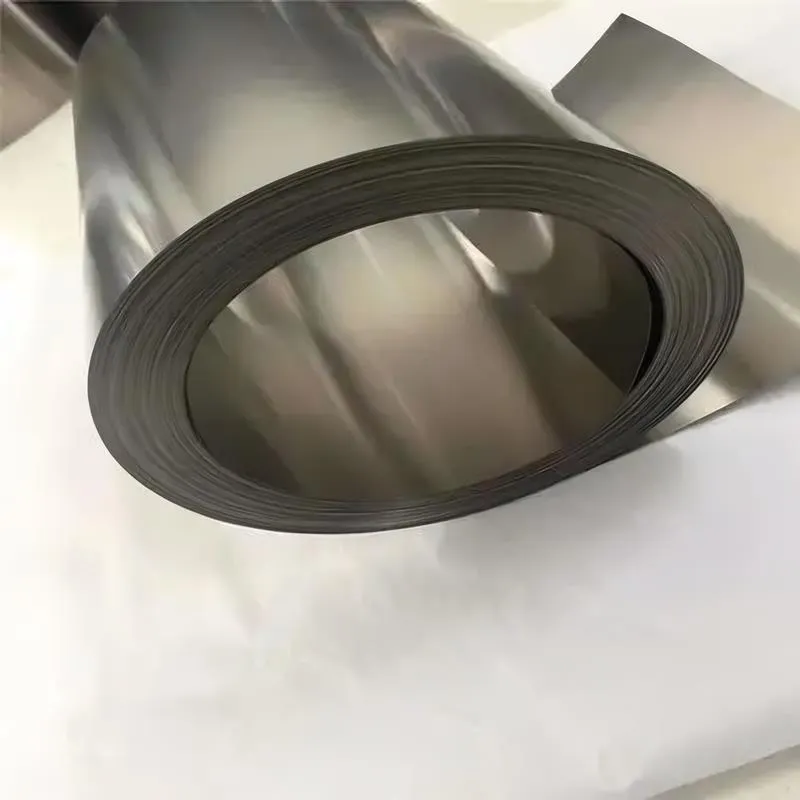
Class III Type E 25% Cr Martensitic White Cast Iron Rod/Bar
Product Code : STI-IFe-024-CU
We provide Class III Type E 25% Cr Martensitic White Cast Iron Rod/Bar is available in Bar (Round bar, Flat bar), Ribbon, Wire, Rod/Bars, Tube,Seamless Tube,Pipe, Ingots, Plate, Sheet, Strip and Forging Stock.,Purity, chemical composition, size, etc. can all be customized to meet specific requirements.
Please contact us if you need customized services. We will contact you with the price and availability in 24 hours.
Class III Type E 25% Cr Martensitic White Cast Iron Rod Product Information
-:-
For detailed product information, please contact sales.
-:
Class III Type E 25% Cr Martensitic White Cast Iron Rod Synonyms
-:-
For detailed product information, please contact sales.
-:
Class III Type E 25% Cr Martensitic White Cast Iron Product Information
-:-
For detailed product information, please contact sales.
-:
## **Product Introduction: Class III Type E 25% Cr Martensitic White Cast Iron**
Class III Type E 25% Cr Martensitic White Cast Iron is a premium, highly alloyed abrasion-resistant material that represents the pinnacle of performance within the martensitic high-chromium white iron family. With a nominal chromium content of 25%, this alloy is engineered to deliver an exceptional synergy of extreme wear resistance, outstanding corrosion/oxidation resistance, and good elevated temperature stability. The high chromium content promotes the formation of a very high volume of hard (Cr,Fe)₇C₃ carbides, while a carefully balanced carbon content and alloying additions ensure a fully martensitic matrix upon heat treatment. This material is designed for the most severe service environments where abrasive wear occurs simultaneously with aggressive chemical attack, high temperatures, or a combination thereof, such as in advanced mineral processing, power generation, and chemical industries.
This grade transcends conventional white iron applications, offering performance characteristics that bridge the gap between ultra-wear-resistant castings and highly corrosion-resistant alloys.
---
### **1. Chemical Composition**
The composition is meticulously formulated to leverage the benefits of very high chromium while maintaining a martensitic, rather than austenitic, matrix structure through precise control of carbon and other austenite stabilizers.
**Typical Composition Range (ASTM A532 Class III Type E):**
| Element | Content (%) | Primary Function |
| :--- | :--- | :--- |
| **Chromium (Cr)** | **23.0 - 28.0** | **Core alloying element.** Provides a high volume of hard, eutectic (Cr,Fe)₇C₃ carbides for supreme abrasion resistance. Imparts exceptional resistance to oxidation (up to ~1050°C), corrosion by acids/alkalis, and sulfidation. Forms a protective, self-healing Cr₂O₃ scale. |
| **Carbon (C)** | **2.0 - 3.0** | **Critical balancing element.** Sufficient to form the required volume of hard carbides with chromium, but controlled to avoid excessive primary carbides and to allow the matrix to transform to martensite. The C/Cr ratio is crucial. |
| **Molybdenum (Mo)** | **0.5 - 2.0** | **Hardenability agent.** Counters the strong austenite-stabilizing effect of high chromium, enabling martensite formation upon cooling. Essential for achieving full hardness, especially in thicker sections. |
| **Nickel (Ni)** | **0 - 1.5** (Strictly controlled) | Minimized or carefully controlled. While it can aid hardenability, excessive nickel stabilizes retained austenite, which reduces hardness and high-temperature stability. |
| **Manganese (Mn)** | 0.5 - 1.5 | Standard deoxidizer and mild hardenability agent. |
| **Silicon (Si)** | 0.5 - 1.5 | Deoxidizer; kept low to prevent graphite formation. |
| **Copper (Cu)** | 0 - 1.0 (Optional) | May be used sparingly for supplementary hardenability. |
| **Iron (Fe)** | Balance | Base metal. |
**Microstructural Note:** Achieving the correct microstructure is technologically demanding. After a high-temperature destabilization heat treatment (often 1050-1150°C) followed by rapid air or oil quenching, the target microstructure is a **fully martensitic matrix** with a **high volume fraction (30-40%) of finely distributed, blocky (Cr,Fe)₇C₃ carbides**. The high Cr/C ratio favors the harder M₇C₃ carbide type. The matrix must be martensitic, not retained austenite, to ensure maximum hardness, dimensional stability, and resistance to softening at temperature.
---
### **2. Physical & Mechanical Properties**
This alloy offers a premium property profile tailored for extreme service conditions, combining very high hardness with excellent environmental resistance.
| Property | Typical Value / Description |
| :--- | :--- |
| **Microstructure (Heat-Treated)** | **Martensitic matrix with a high volume of M₇C₃ carbides.** |
| **Density** | ~7.4 - 7.5 g/cm³ |
| **Macrohardness** | **600 - 700 HB** (58 - 63 HRC) – High hardness is achieved through the martensitic matrix and carbides. May be slightly lower than some lower-Cr, higher-C grades, but offers vastly superior corrosion resistance. |
| **Compressive Strength** | **Extremely High** – Excellent for heavy crushing loads. |
| **Tensile Strength** | Low (300 - 500 MPa) – Not a design criterion. |
| **Elongation** | **Negligible (< 0.5%)** – Brittle material. |
| **Fracture Toughness (K_IC)** | **Moderate (~10-20 MPa√m).** Similar to or slightly better than 15-20% Cr grades due to tougher carbides, but still requires careful design to avoid impact shock. |
| **Impact Resistance (Charpy Unnotched)** | **8 - 20 J** – Suitable for applications with controlled, moderate impact. |
| **Abrasion Resistance** | **Outstanding.** The high volume of hard chromium carbides provides exceptional resistance to gouging and grinding abrasion. Performance is sustained in corrosive environments where other materials degrade rapidly. |
| **Corrosion & Oxidation Resistance** | **Exceptional.** The 25% Cr content provides corrosion resistance approaching that of some stainless steels (e.g., Type 420). Highly resistant to acidic/alkaline slurries, hot gases, and oxidizing atmospheres up to ~1050°C. |
| **Elevated Temperature Stability & Creep Resistance** | **Excellent.** Maintains hardness and resists deformation at high temperatures far better than lower-chromium white irons. |
| **Machinability** | **Not Machinable.** Can only be finished by grinding. |
---
### **3. Key Product Advantages & Characteristics**
* **Unmatched Combined Wear-Corrosion Resistance:** Offers the best overall balance of severe abrasion resistance and exceptional corrosion/oxidation resistance in the ASTM A532 spectrum.
* **High-Temperature Capability:** Designed to maintain performance in hot processing environments where most other white irons would rapidly oxidize or soften.
* **Resistance to "Corrosive-Abrasion":** Excels where the wear medium itself is corrosive (e.g., acidic mine slurries, hot ash with chlorides/sulfates), a common failure mode for lower-alloy materials.
* **Superior Metallurgical Stability:** The martensitic matrix ensures good dimensional stability and resistance to phase changes during thermal cycling.
---
### **4. Product Applications**
This premium material is specified for critical components in industries where wear, corrosion, and heat act synergistically to destroy conventional materials.
* **Mining & Hydrometallurgy:** **Agitator blades, impellers, and liners in aggressive acidic or alkaline pressure oxidation (POX) and leaching tanks**, **slurry pump components** for highly corrosive and abrasive slurries in nickel, cobalt, or copper recovery.
* **Power Generation:** **Critical components in advanced Flue Gas Desulfurization (FGD) systems** (e.g., absorber tower agitators, recycle pump wear parts), **biomass/waste-to-energy plant** grate sections and ash-handling equipment exposed to high heat and corrosive combustion products.
* **Chemical & Petrochemical:** Mixers, nozzles, and chutes handling abrasive solid catalysts or corrosive by-products at elevated temperatures.
* **Cement & Lime:** Pre-heater cyclone liners, clinker cooler parts, and fans in the most severe high-temperature, abrasive, and alkaline environments.
* **Steel Industry:** Wear parts in desulfurization and slag handling systems.
---
### **5. International Standards**
Class III Type E is a distinct and advanced grade under ASTM A532, less commonly encountered than Class II or III Type A grades.
| Standard | Title / Scope | Common Designations / Notes |
| :--- | :--- | :--- |
| **ASTM A532/A532M** | *Standard Specification for Abrasion-Resistant Cast Irons* | **Class III Type E** is the defining standard for this specific 25% Cr chemistry. |
| **ISO 21988** | *Abrasion-resistant cast irons* | Can be cross-referenced. May fall under a high-chromium, moderate-carbon classification. |
| **Proprietary/Allied Specifications** | Often known as **"Super High-Chromium White Iron"** or **"Corrosion-Resistant High-Chromium Iron (CRHCI)."** | Frequently specified in engineering documents for demanding mining and FGD applications, sometimes with slight modifications to the ASTM range. |
| **DIN EN 12513** | *Founding - Abrasion resistant cast irons* (European) | A comparable grade might be **G-X 300 CrMo 24 1**, indicating a high-chromium, martensitic white iron. Exact equivalence must be verified by composition. |
**Specification Note:** Procurement of this advanced alloy requires highly detailed specifications and close collaboration with a specialized foundry.
* **Full Chemical Certification & Microstructural Analysis:** Mandatory verification of all elements, especially Cr, C, and Ni. Microstructure analysis (martensite vs. retained austenite, carbide type/volume) is often required.
* **Performance-Based Testing:** Specification often includes corrosion resistance tests (e.g., ASTM G65 modified for corrosive slurry) or high-temperature oxidation tests alongside standard hardness checks.
* **Strict Heat Treatment Protocol:** Detailed specification and auditing of the entire heat treatment cycle are critical to achieve the desired martensitic matrix.
* **Comprehensive NDT:** 100% non-destructive testing (radiography, ultrasonic) is standard due to the high cost and criticality of components.
---
### **Conclusion**
Class III Type E 25% Cr Martensitic White Cast Iron is a **specialized, high-end engineering alloy** designed for the most challenging industrial environments where multiple degradation mechanisms converge. Its **very high chromium content** provides a foundational level of **chemical and thermal resistance rarely found in wear materials**, while its **carefully balanced martensitic microstructure** delivers the **hardness and abrasion resistance** required for severe mechanical wear. While it commands a significant cost premium and requires expert manufacturing and application engineering, its **extended service life in extraordinarily harsh conditions**—such as acidic high-pressure slurry pumps and hot flue gas scrubbers—provides a compelling total cost of ownership advantage. It stands as a testament to the capability of advanced metallurgy to solve problems at the frontier of material performance.
-:-
For detailed product information, please contact sales.
-:
Class III Type E 25% Cr Martensitic White Cast Iron Specification
Dimensions
Size:
Diameter 20-1000 mm Length <6498 mm
Size:We can customized as required
Standard:
Per your request or drawing
We can customized as required
Properties(Theoretical)
Chemical Composition
-:-
For detailed product information, please contact sales.
-:
Class III Type E 25% Cr Martensitic White Cast Iron Properties
-:-
For detailed product information, please contact sales.
-:
Applications of Class III Type E 25% Cr Martensitic White Cast Iron Rod
-:-
For detailed product information, please contact sales.
-:
Chemical Identifiers Class III Type E 25% Cr Martensitic White Cast Iron Rod
-:-
For detailed product information, please contact sales.
-:
Packing of Class III Type E 25% Cr Martensitic White Cast Iron Rod
-:-
For detailed product information, please contact sales.
-:
Standard Packing:
-:-
For detailed product information, please contact sales.
-:
Typical bulk packaging includes palletized plastic 5 gallon/25 kg. pails, fiber and Steel Rod drums to 1 ton super sacks in full container (FCL) or truck load (T/L) quantities. Research and sample quantities and hygroscopic, oxidizing or other air sensitive materials may be packaged under argon or vacuum. Solutions are packaged in polypropylene, plastic or glass jars up to palletized 2969 gallon liquid totes Special package is available on request. E FORUs’ is carefully handled to minimize damage during storage and transportation and to preserve the quality of our products in their original condition