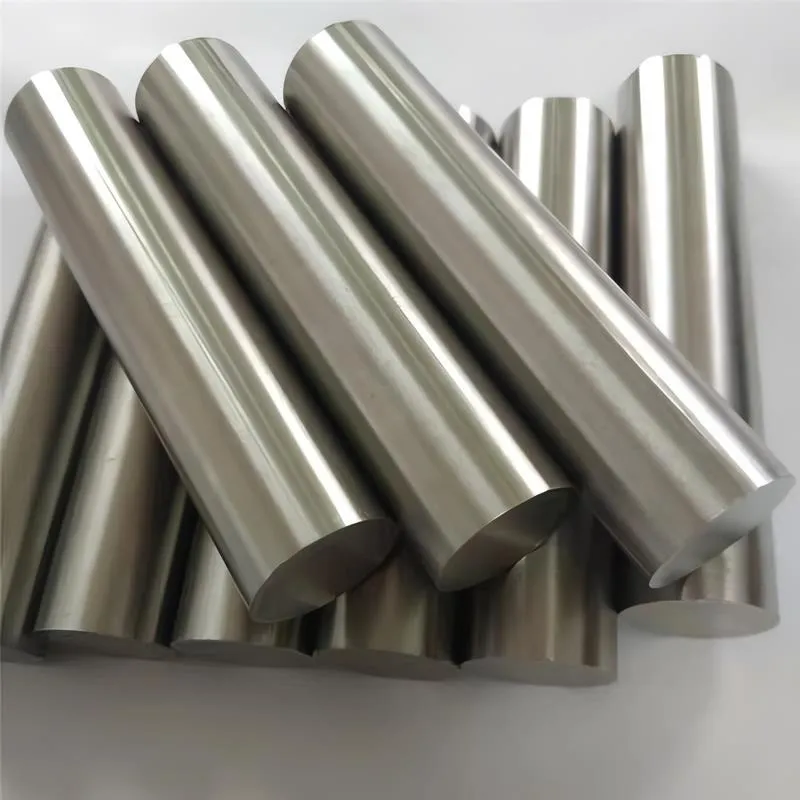
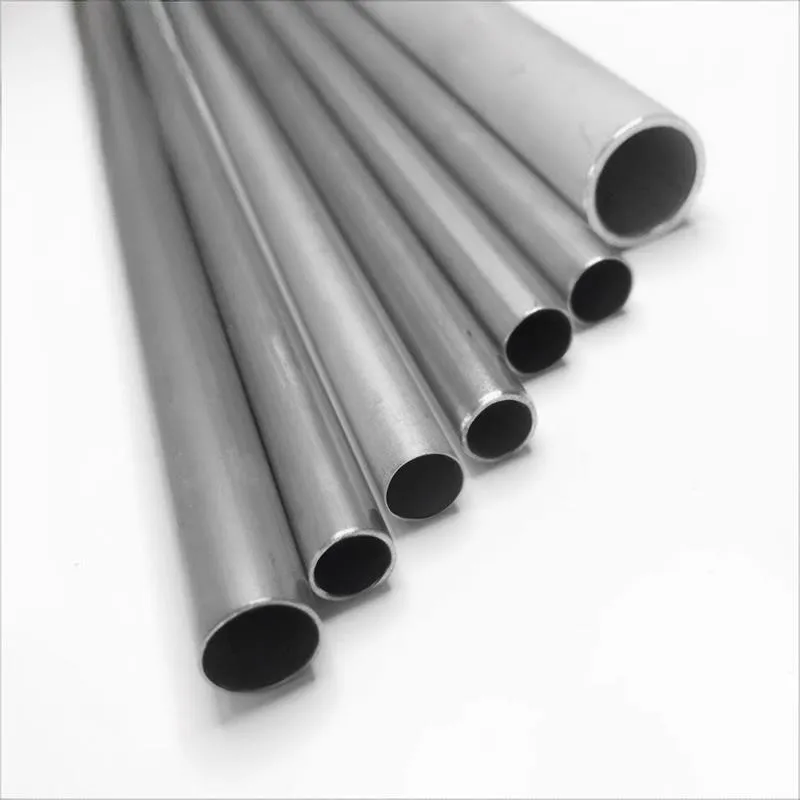
Crucible Steel Rod/Bar,S7 (AISI S7) Tool Steel Rod/Bar
Product Code : STI-GSTI-310-CU
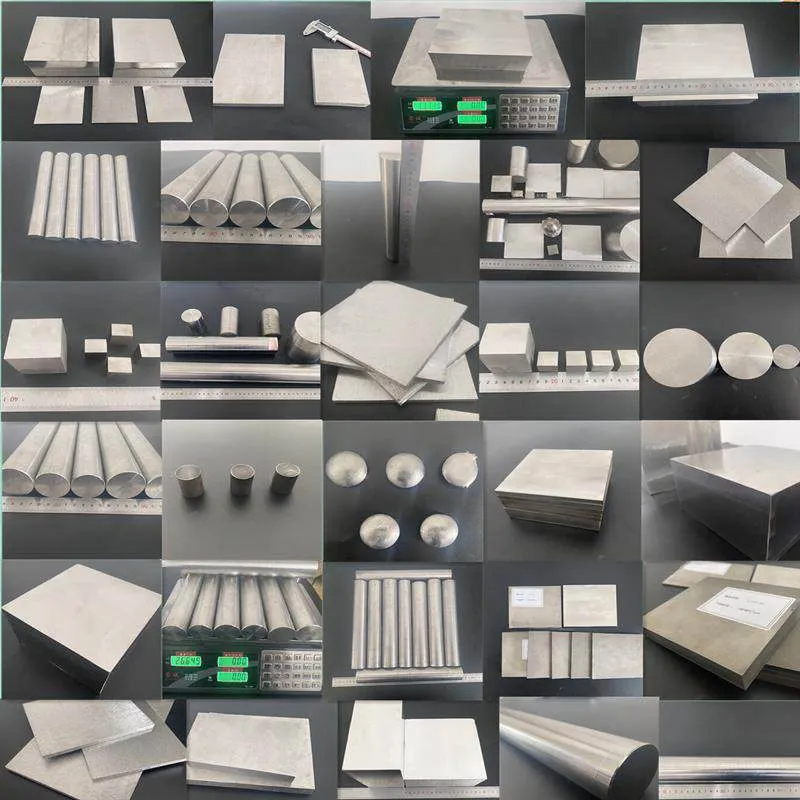
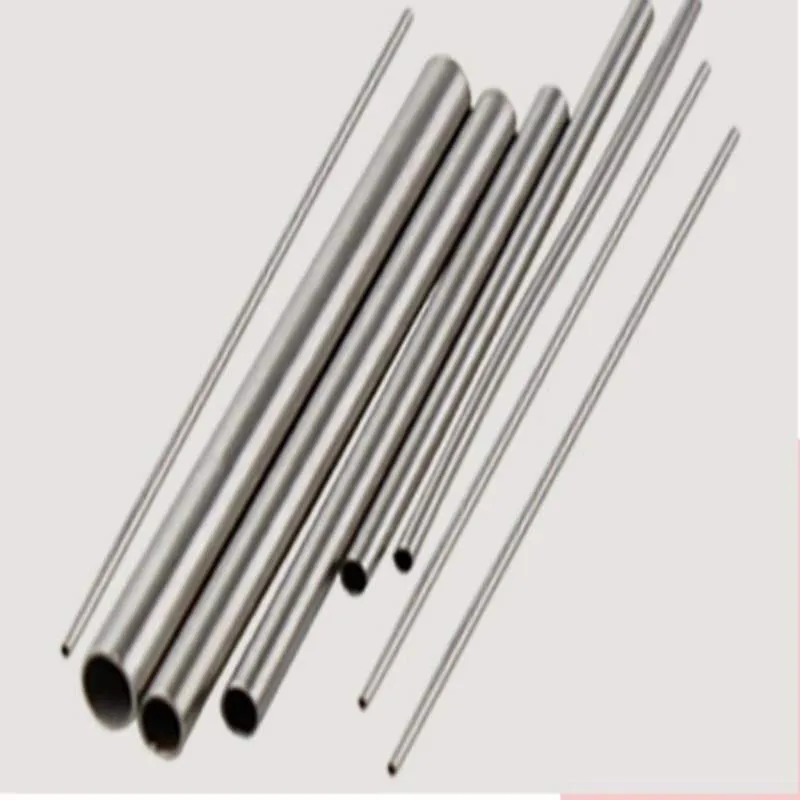
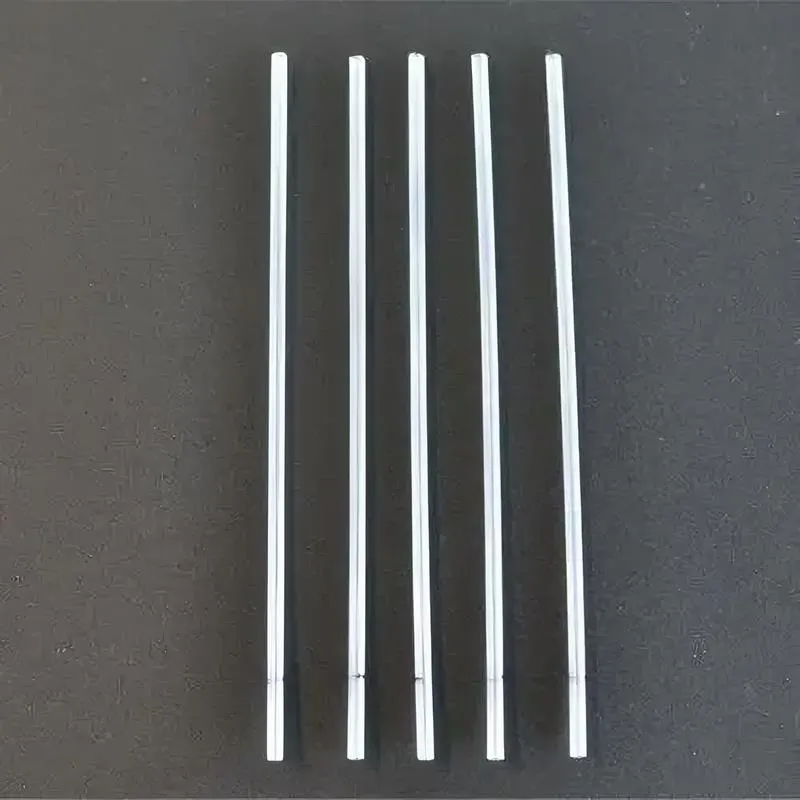
We provide Crucible Steel Rod/Bar S7 (AISI S7) Tool Steel Rod/Bar is available in Bar (Round bar, Flat bar), Ribbon, Wire, Rod/Bars, Tube,Seamless Tube,Pipe, Ingots, Plate, Sheet, Strip and Forging Stock.,Purity, chemical composition, size, etc. can all be customized to meet specific requirements.
Please contact us if you need customized services. We will contact you with the price and availability in 24 hours.
Crucible Steel Rod S7 (AISI S7) Tool Steel Rod Product Information
-:-
For detailed product information, please contact sales.
-:
Crucible Steel Rod S7 (AISI S7) Tool Steel Rod Synonyms
-:-
For detailed product information, please contact sales.
-:
Crucible Steel S7 (AISI S7) Tool Steel Product Information
-:-
For detailed product information, please contact sales.
-:
# **Product Introduction: Crucible Steel S7 (AISI S7) Tool Steel**
Crucible Steel S7 is a premium air-hardening, shock-resistant tool steel that conforms to the AISI S7 specification. Renowned in the industry for its **exceptional combination of high impact toughness and good wear resistance**, S7 is engineered to withstand severe mechanical shock, heavy loading, and abrasive wear in demanding applications. Its defining characteristic is its ability to **maintain very high toughness even at elevated hardness levels** (up to ~58 HRC), a property that distinguishes it from many other tool steels where increases in hardness typically come at the expense of toughness.
S7 is classified as a **shock-resisting steel**, a family of tool steels specifically designed for applications involving intermittent impact, such as chisels, punches, and shear blades. It achieves this through a carefully balanced medium-carbon, low-alloy composition that promotes a tough microstructure. While it is air-hardening, providing good dimensional stability, its primary performance metric is its superior resistance to chipping, cracking, and fracture under dynamic loads.
---
## **1. Chemical Composition (Weight %)**
The composition of S7 is optimized for deep hardenability and the development of a tough, fine-grained martensitic structure.
| **Element** | **Carbon (C)** | **Chromium (Cr)** | **Molybdenum (Mo)** | **Silicon (Si)** | **Manganese (Mn)** |
| :--- | :--- | :--- | :--- | :--- | :--- |
| **Content** | 0.45 - 0.55 | 3.00 - 3.50 | 1.30 - 1.70 | 0.20 - 0.35 | 0.20 - 0.60 |
| **Role** | Provides base strength and hardness. Kept at a moderate level to preserve core toughness while allowing sufficient hardness for wear resistance. | Primary contributor to deep air hardenability and wear resistance via chromium carbide formation. Also enhances corrosion resistance slightly. | Enhances hardenability, refines grain structure, and significantly improves toughness and resistance to tempering. | Acts as a deoxidizer during steelmaking and provides solid solution strengthening. | Aids in deoxidation and contributes to hardenability. |
*Note: Iron (Fe) constitutes the remainder. Vanadium (V) is typically absent or present in very low trace amounts (<0.15%). This "clean" composition with no strong carbide formers like high vanadium is key to its toughness.*
---
## **2. Physical & Mechanical Properties**
*Typical properties after proper heat treatment. Its working hardness range is typically 54-58 HRC for optimal toughness.*
* **Density:** ~7.75 g/cm³ (0.280 lb/in³)
* **Modulus of Elasticity:** ~200 GPa (29.0 x 10⁶ psi)
* **Thermal Conductivity:** Moderate.
* **Hardenability:** **Excellent.** Deep air-hardening characteristics suitable for large cross-sections.
* **Hardness (Typical Working Range):** **54 - 60 HRC.** Most commonly and optimally used at **56-58 HRC**, where it achieves its legendary balance of hardness and toughness.
* **Impact Toughness:** **Exceptional.** This is S7's hallmark property. It exhibits some of the highest Charpy impact values of any commonly available tool steel, especially in the 54-58 HRC range.
* **Wear Resistance:** **Good.** While not at the level of high-carbon, high-chromium steels like D2, its wear resistance is adequate for many applications involving impact, and is superior to that of other shock-resistant grades like S1 or S5.
* **Dimensional Stability:** **Very Good.** Air hardening results in minimal distortion and size change compared to water- or oil-hardening steels.
* **Compressive Strength:** High, capable of withstanding significant loads without deforming.
---
## **3. Heat Treatment**
Heat treatment of S7 is straightforward due to its air-hardening nature, but requires careful control to optimize toughness.
* **Annealing:** Heat to 815-845°C (1500-1550°F), slow cool in furnace. Annealed hardness: 200-225 HB.
* **Stress Relieving:** 650-675°C (1200-1250°F), hold, then slow cool.
* **Preheating:** **Recommended** at 730-790°C (1350-1450°F) to minimize thermal shock.
* **Austenitizing:** **925-980°C (1700-1795°F).** A common temperature for optimal toughness is **955-970°C (1750-1780°F)**. Lower temperatures favor toughness; higher temperatures increase hardenability and wear resistance slightly.
* **Quenching:** **Air quench** in still or forced air. This is sufficient for full hardening in most sections, minimizing risk of distortion and quench cracking.
* **Tempering:** **Mandatory.** Temper immediately after quenching. **Multiple tempers (2-3)** are recommended for best stability and stress relief.
* **Typical Tempering Range:** **205-540°C (400-1000°F).**
* For maximum toughness at 56-58 HRC, temper in the range of **425-540°C (800-1000°F).**
* Avoid prolonged holding in the 260-425°C (500-800°F) range to prevent temper embrittlement.
---
## **4. Key Applications**
S7 is the material of choice for tools that must survive repeated impact and high stress.
* **Shock Tools:** Chisels (cold and hot), pneumatic tool bits, rivet sets, and jackhammer parts.
* **Punching and Shearing:** Heavy-duty punches, perforators, shear blades (for metal bar and plate), and scrap choppers.
* **Forming and Heading Dies:** Dies for cold heading, swaging, and coining where high impact loads are present.
* **Gripper Jaws and Clamps:** Jaws for heavy-duty vises and clamping tools requiring high strength and resistance to cracking.
* **Structural Components in Machinery:** Parts like arbors, spindles, and machine tool components subject to shock loading.
* **Plastic Molds for Abrasive Materials:** Cavities and cores for molding glass or mineral-filled plastics where toughness to withstand clamping pressures is critical.
---
## **5. International Standards & Cross-References**
Crucible S7 conforms to the AISI S7 standard. It is part of the S-series (Shock-Resisting) tool steels.
* **AISI/SAE:** **S7**
* **UNS:** T41907
* **European (EN):** No direct, widely used equivalent. The closest in concept might be a modified **1.2542** composition, but S7 is unique.
* **Japanese (JIS):** No direct JIS equivalent. SKT series are for hot work, not directly comparable.
* **ISO:** Does not have a direct ISO code, but falls under the shock-resisting steel category.
* **Common Trade Names:** S7 Tool Steel, Shock Steel S7. Other manufacturers produce equivalent grades under the same S7 designation.
---
## **6. Advantages & Limitations**
**Advantages:**
* **Unmatched Toughness at Medium-High Hardness:** Its primary and most valued characteristic.
* **Good Wear Resistance for a Shock Steel:** Offers a better wear-toughness balance than other S-series grades.
* **Excellent Dimensional Stability:** Air hardening simplifies processing of complex shapes.
* **Deep Hardenability:** Can through-harden thick sections uniformly.
* **Good Machinability (Annealed):** Relatively easy to machine compared to many high-alloy tool steels.
**Limitations:**
* **Limited Maximum Hardness:** Not designed for applications requiring hardness above 60 HRC or extreme abrasion resistance.
* **Not Stainless:** Will corrode if not protected; has only slightly better corrosion resistance than carbon steel.
* **Lower Hot Hardness:** Not suitable for high-temperature applications (>300°C / 570°F for prolonged periods); begins to soften.
* **Not the Most Wear-Resistant:** For pure abrasive wear without impact, steels like D2 or M2 are superior.
---
## **7. Summary**
**Crucible Steel S7 (AISI S7) is the benchmark shock-resisting tool steel, defined by its extraordinary ability to absorb impact energy without failing.** It solves the critical engineering challenge where a tool must be hard enough to resist deformation and wear, yet tough enough to withstand repeated heavy blows. For applications ranging from industrial chisels and shears to critical forming dies under high stress, S7 provides a reliable, long-lasting solution that prioritizes durability and fracture resistance above all else. Its consistent performance under punishing conditions has secured its place as an indispensable material in heavy manufacturing, metalworking, and tool-and-die operations.
-:-
For detailed product information, please contact sales.
-:
Crucible Steel S7 (AISI S7) Tool Steel Specification
Dimensions
Size:
Diameter 20-1000 mm Length <6966 mm
Size:We can customized as required
Standard:
Per your request or drawing
We can customized as required
Properties(Theoretical)
Chemical Composition
-:-
For detailed product information, please contact sales.
-:
Crucible Steel S7 (AISI S7) Tool Steel Properties
-:-
For detailed product information, please contact sales.
-:
Applications of Crucible Steel Rod S7 (AISI S7) Tool Steel Rod
-:-
For detailed product information, please contact sales.
-:
Chemical Identifiers Crucible Steel Rod S7 (AISI S7) Tool Steel Rod
-:-
For detailed product information, please contact sales.
-:
Packing of Crucible Steel Rod S7 (AISI S7) Tool Steel Rod
-:-
For detailed product information, please contact sales.
-:
Standard Packing:
-:-
For detailed product information, please contact sales.
-:
Typical bulk packaging includes palletized plastic 5 gallon/25 kg. pails, fiber and Steel Rod drums to 1 ton super sacks in full container (FCL) or truck load (T/L) quantities. Research and sample quantities and hygroscopic, oxidizing or other air sensitive materials may be packaged under argon or vacuum. Solutions are packaged in polypropylene, plastic or glass jars up to palletized 3437 gallon liquid totes Special package is available on request. E FORUs’ is carefully handled to minimize damage during storage and transportation and to preserve the quality of our products in their original condition