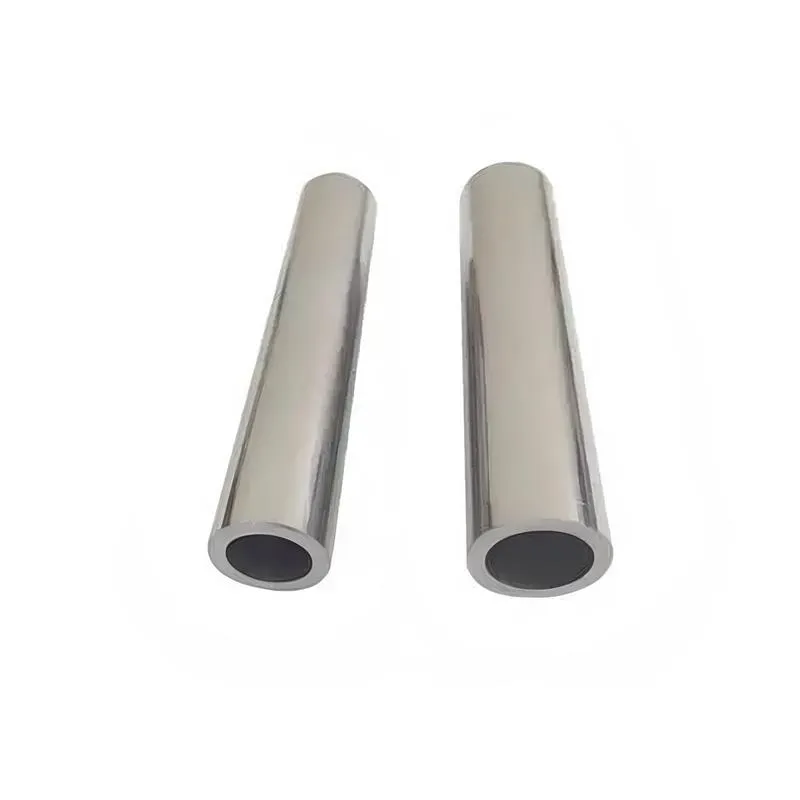
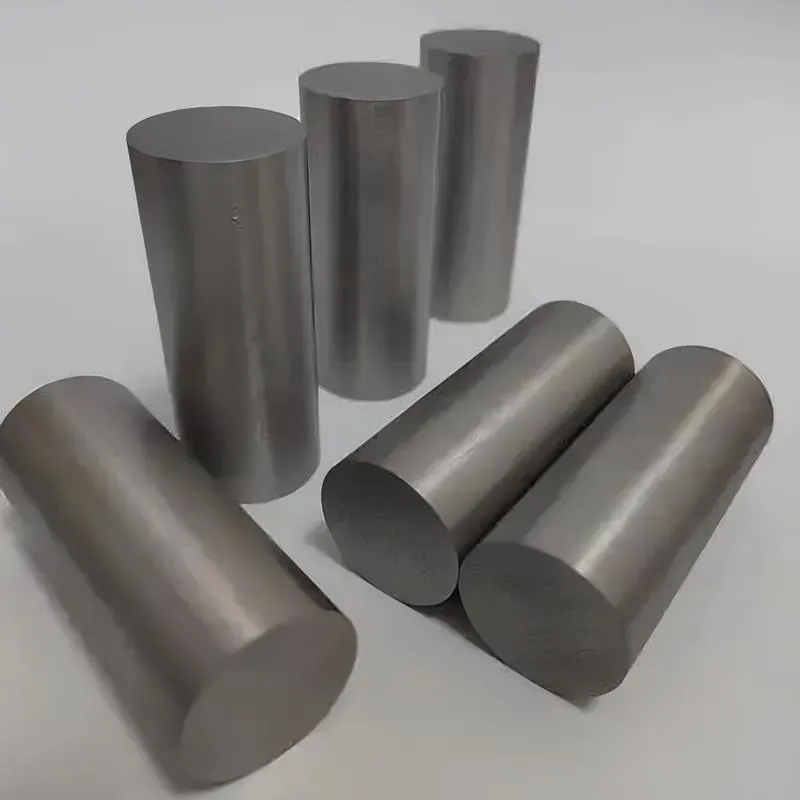
Dura-Bar,201 Type 1 Continuously Cast Ni-Resist Iron Tube,Pipe ASTM A436
Product Code : STI-IFe-136-CU
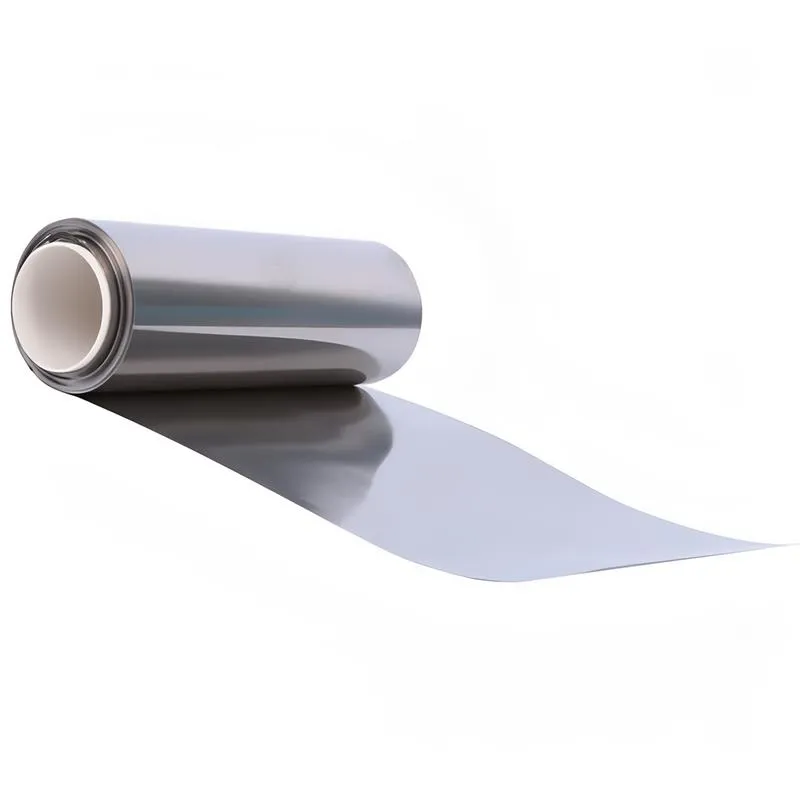
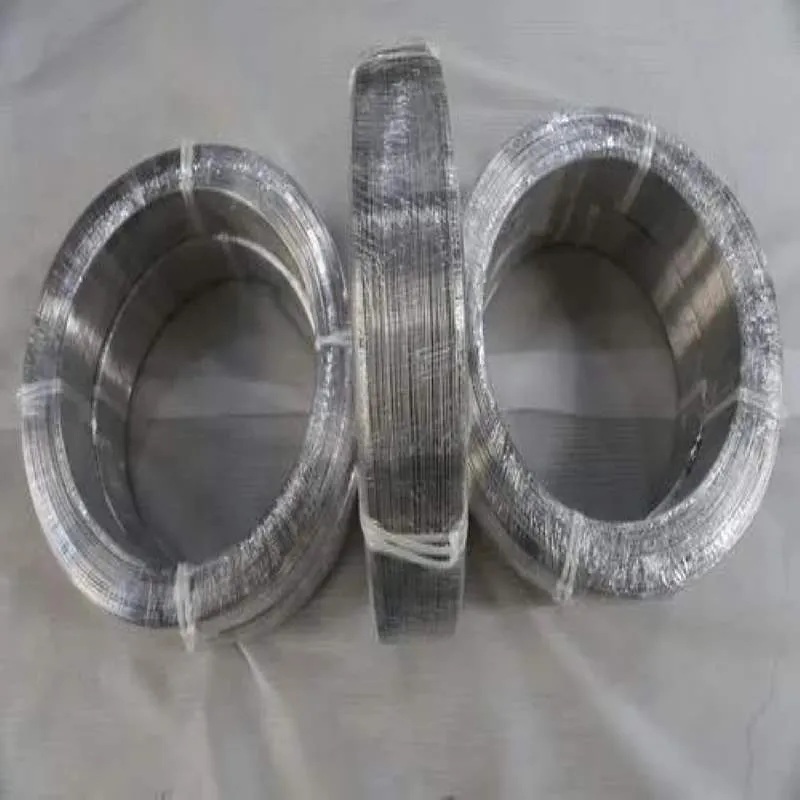
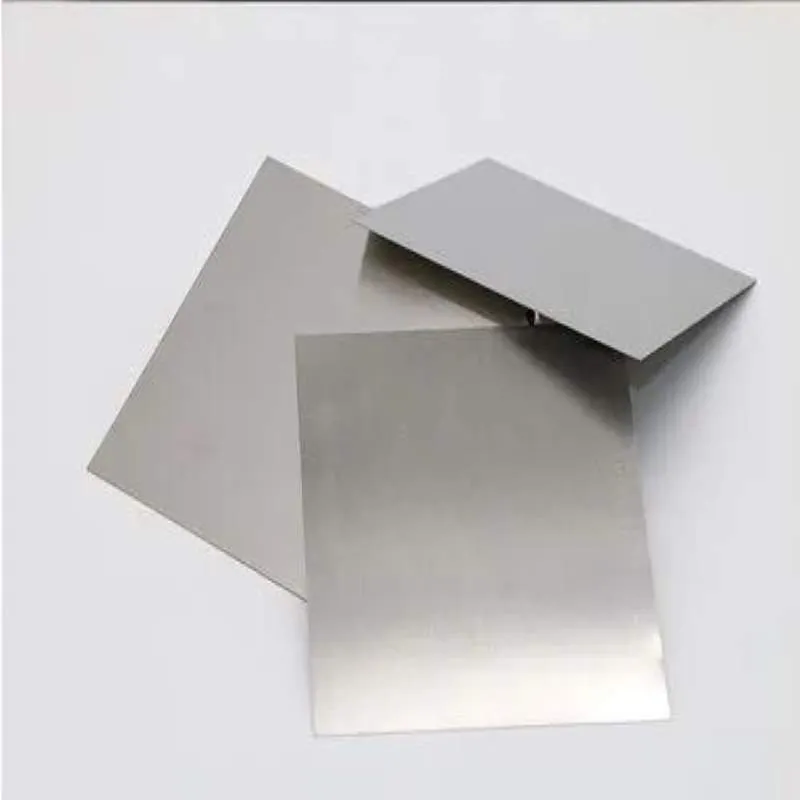
We provide Dura-Bar 201 Type 1 Continuously Cast Ni-Resist Iron Tube Bar Stock ASTM A436 is available in Bar (Round bar, Flat bar), Ribbon, Wire, Rods, Tube,Seamless Tube,Pipe, Ingots, Plate, Sheet, Strip and Forging Stock.,Purity, chemical composition, size, etc. can all be customized to meet specific requirements.Dura-Bar,201 Type 1 Continuously Cast Ni-Resist Iron Pipe ASTM A436
Please contact us if you need customized services. We will contact you with the price and availability in 24 hours.
Dura-Bar 201 Type 1 Continuously Cast Ni-Resist Iron Tube Bar Stock ASTM A436 Product Information
-:-
For detailed product information, please contact sales.
-:
Dura-Bar 201 Type 1 Continuously Cast Ni-Resist Iron Tube Bar Stock ASTM A436 Synonyms
-:-
For detailed product information, please contact sales.
-:
Dura-Bar 201 Type 1 Continuously Cast Ni-Resist Iron Bar Stock ASTM A436 Product Information
-:-
For detailed product information, please contact sales.
-:
# **Dura-Bar® 201 Type 1 Continuously Cast Ni-Resist™ Austenitic Ductile Iron Bar Stock**
## **Product Overview**
**Dura-Bar 201 Type 1** is a premium **austenitic ductile iron** manufactured through proprietary continuous casting technology, conforming to **ASTM A436 Type 1** specification. This nickel-alloyed cast iron, commercially known as **Ni-Resist™**, is engineered to deliver **exceptional corrosion resistance, superior heat resistance, and excellent non-magnetic properties** while maintaining the castability and machinability advantages of ductile iron.
The "201 Type 1" designation represents a **high-nickel, high-chromium austenitic ductile iron** with approximately 20% nickel content, designed for service in aggressive corrosive environments and elevated temperatures where conventional ferritic ductile irons would fail. Its unique austenitic matrix structure provides dimensional stability, good mechanical properties across a wide temperature range, and resistance to scaling and oxidation.
---
## **1. International Standards & Specifications**
| **Standard System** | **Designation** | **Equivalent/Reference** | **Key Specification** |
|---------------------|-----------------|--------------------------|----------------------|
| **ASTM International** | **A436 Type 1** | Primary material specification | Austenitic ductile iron standard |
| **ISO Standard** | **ISO 2892:2007 L-NiMn 23 4** | International designation | Similar composition, "L" indicates austenitic |
| **DIN Standard** | **DIN 1694 GGG-NiMn 23 4** | German standard | GGG = ductile iron, NiMn = nickel-manganese type |
| **SAE** | **J434** (No direct equivalent) | Automotive reference | Specialized material not in standard automotive grades |
| **UNS Designation** | **F41000 Series** | Unified Numbering System | Austenitic ductile iron classification |
| **Manufacturer** | **Dura-Bar 201 Type 1** | Proprietary continuous cast | Enhanced consistency vs. conventional castings |
| **Common Names** | Ni-Resist Type D-2, Austenitic Ductile Iron, Corrosion-Resistant DI | Industry terminology | Note: Similar to but distinct from ASTM A439 Ni-Resist |
**Note:** Dura-Bar 201 Type 1 should not be confused with ferritic ductile irons or other nickel-iron alloys. Its continuous casting production ensures superior microstructural consistency and freedom from casting defects compared to sand-cast equivalents.
---
## **2. Chemical Composition**
The chemistry is carefully balanced to create a stable austenitic matrix with spheroidal graphite, providing both corrosion resistance and useful mechanical properties.
| **Element** | **ASTM A436 Type 1 Range (% wt.)** | **Dura-Bar Typical (% wt.)** | **Metallurgical Function** |
|-------------|-----------------------------------|----------------------------|---------------------------|
| **Carbon (C)** | 2.6 - 3.0 | 2.7 - 2.9 | Graphite formation, strength |
| **Silicon (Si)** | 1.0 - 2.8 | 1.5 - 2.0 | Graphitizer, oxidation resistance |
| **Nickel (Ni)** | **18.0 - 22.0** | **19.0 - 21.0** | **Austenite stabilizer**, corrosion resistance |
| **Chromium (Cr)** | **1.5 - 2.5** | **1.8 - 2.2** | **Corrosion/oxidation resistance**, carbide formation |
| **Manganese (Mn)** | 0.5 - 1.5 | 0.8 - 1.2 | Austenite stabilizer, sulfide control |
| **Copper (Cu)** | ≤ 0.50 | 0.2 - 0.4 | Corrosion resistance in specific media |
| **Magnesium (Mg)** | ≥ 0.04 (min) | 0.04 - 0.07 | **Nodularizing element** (spheroidal graphite) |
| **Phosphorus (P)** | ≤ 0.08 | ≤ 0.04 | Impurity control |
| **Sulfur (S)** | ≤ 0.12 | ≤ 0.015 | Impurity control, affects nodularization |
**Microstructural Characteristics:**
- **Matrix Structure:** **Fully austenitic** (face-centered cubic structure)
- **Graphite Structure:** ASTM Type I, Size 5-6 (well-formed spheroids)
- **Carbide Content:** < 3% (chromium carbides primarily at grain boundaries)
- **Secondary Phases:** May contain small amounts of niobium/titanium carbides
- **Unique Feature:** Austenite remains stable from cryogenic to elevated temperatures
---
## **3. Mechanical Properties**
### **Minimum Requirements (ASTM A436 Type 1):**
- **Tensile Strength:** 40 ksi min (276 MPa)
- **Yield Strength (0.2% offset):** Not typically specified, but approximately 25-30 ksi
- **Elongation:** 20% min in 2 inches (50 mm)
### **Typical Properties (Dura-Bar Continuous Cast):**
| **Property** | **Room Temperature** | **Elevated Temperature (750°F/399°C)** | **Cryogenic (-320°F/-196°C)** |
|--------------|---------------------|--------------------------------------|-------------------------------|
| **Tensile Strength** | 45 - 55 ksi (310 - 379 MPa) | 35 - 45 ksi (241 - 310 MPa) | 65 - 75 ksi (448 - 517 MPa) |
| **Yield Strength** | 28 - 35 ksi (193 - 241 MPa) | 22 - 28 ksi (152 - 193 MPa) | 40 - 50 ksi (276 - 345 MPa) |
| **Elongation** | 25 - 35% | 20 - 30% | 15 - 25% |
| **Hardness** | 139 - 202 HB | Similar to RT | Slightly higher |
| **Modulus of Elasticity** | 20 - 22 × 10⁶ psi (138 - 152 GPa) | 18 - 20 × 10⁶ psi | 22 - 24 × 10⁶ psi |
| **Impact Strength** | 40 - 60 ft-lb (54 - 81 J) Charpy | 30 - 50 ft-lb | 25 - 40 ft-lb |
| **Fatigue Strength** | 20 - 25 ksi (138 - 172 MPa) @ 10⁷ cycles | Reduced by 20-30% | Similar or slightly improved |
### **Physical & Special Properties:**
| **Property** | **Value** | **Engineering Significance** |
|--------------|-----------|-----------------------------|
| **Density** | 0.275 lb/in³ (7.61 g/cm³) | Higher than standard ductile iron due to nickel content |
| **Thermal Conductivity** | 12.5 Btu/(ft·hr·°F) @ 212°F (21.6 W/m·K) | Lower than ferritic irons, similar to stainless steels |
| **Coefficient of Thermal Expansion** | 9.5 × 10⁻⁶/°F (17.1 × 10⁻⁶/°C) | Higher than ferritic materials, similar to austenitic stainless |
| **Specific Heat** | 0.11 Btu/(lb·°F) (460 J/kg·K) | Similar to other ferrous alloys |
| **Magnetic Permeability** | **< 1.05 μr** (essentially non-magnetic) | **Critical for electrical/electronic applications** |
| **Electrical Resistivity** | 80 - 100 μΩ·cm | Higher than carbon steels |
| **Damping Capacity** | Good, but less than ferritic ductile iron | 3-5× better than austenitic stainless steels |
---
## **4. Corrosion & Heat Resistance Properties**
### **Corrosion Resistance:**
- **Seawater/Chloride:** Excellent resistance to pitting and crevice corrosion
- **Alkaline Solutions:** Outstanding performance in caustic environments
- **Acidic Media:** Good resistance to many organic acids; poor in strong mineral acids
- **Atmospheric:** Excellent, superior to carbon and low-alloy steels
- **Galvanic Compatibility:** More noble than steel, less noble than copper alloys
### **Temperature Capabilities:**
- **Maximum Continuous Service:** **1400°F (760°C)**
- **Oxidation Resistance:** Excellent to 1500°F (816°C)
- **Thermal Shock Resistance:** Good due to moderate thermal conductivity
- **Scaling Resistance:** Forms protective chromium oxide layer
- **Growth Resistance:** Excellent dimensional stability at temperature
### **Comparative Corrosion Performance:**
| **Environment** | **Dura-Bar 201 Type 1** | **316 Stainless** | **Carbon Steel** |
|-----------------|-------------------------|-------------------|-----------------|
| **Seawater** | Excellent | Excellent | Poor |
| **Caustic (NaOH)** | **Excellent** | Good | Poor |
| **Sulfuric Acid (dilute)** | Good | Poor-Fair | Poor |
| **Nitric Acid** | Poor-Fair | Excellent | Poor |
| **Ammonia** | Excellent | Good | Fair |
---
## **5. Manufacturing & Processing Characteristics**
### **Machinability Characteristics:**
- **Relative Machinability:** **40-50%** (vs. 1212 steel = 100%)
- **Optimal Cutting Speed:** 150-250 SFPM for turning
- **Tool Materials:** Carbide recommended, preferably C2 or C3 grades
- **Chip Formation:** Stringy, tough chips (requires chip breakers)
- **Surface Finish:** 32-125 μin Ra typical
- **Work Hardening:** **Significant tendency** - requires sharp tools, positive rake
- **Power Consumption:** Higher than ferritic ductile iron
### **Machining Challenges & Solutions:**
1. **Work Hardening:** Use sharp tools, maintain constant feed
2. **Chip Control:** Use chip breakers, higher rake angles
3. **Tool Wear:** Carbide tools essential, consider coated carbides
4. **Heat Generation:** Use ample cutting fluid
### **Heat Treatment:**
- **Solution Annealing:** 1750-1850°F (955-1010°C) for stress relief and carbide solution
- **Stress Relieving:** 1100-1200°F (595-650°C) for dimensional stability
- **Not Hardenable:** Cannot be hardened by heat treatment
- **Stabilization:** Possible with special aging treatments
### **Fabrication Guidelines:**
- **Welding:** **Difficult but possible** with specialized procedures (Ni-based filler metals)
- **Adhesive Bonding:** Good with proper surface preparation
- **Mechanical Fastening:** Good thread strength
- **Plating/Coating:** Challenging due to nickel content; electroless nickel works well
---
## **6. Application Areas**
### **Primary Industries & Applications:**
| **Industry** | **Specific Components** | **Key Property Utilized** | **Performance Benefit** |
|--------------|-------------------------|--------------------------|------------------------|
| **Marine & Offshore** | Pump housings, valve bodies, seawater piping | Seawater corrosion resistance | Extended service life in saltwater |
| **Chemical Processing** | Reactor parts, heat exchanger tubes, mixing equipment | Chemical corrosion resistance | Reliability in corrosive media |
| **Power Generation** | Turbine casings, geothermal components, FGD systems | Heat and corrosion resistance | Durability in high-temperature corrosive environments |
| **Food & Pharmaceutical** | Processing equipment, mixers, valves | Corrosion resistance, cleanability | Sanitary performance, product purity |
| **Electrical/Electronic** | Motor end bells, non-magnetic housings, MRI components | **Non-magnetic properties** | No magnetic interference |
| **Pulp & Paper** | Digester components, bleach plant equipment | Caustic corrosion resistance | Withstands harsh chemical processes |
| **Automotive** | Turbocharger housings, exhaust components | Heat and thermal fatigue resistance | High-temperature durability |
### **Specific Component Examples:**
1. **Seawater Pump Components:** Impellers, casings, wear rings
2. **Chemical Valves:** Bodies, stems, trim in corrosive service
3. **Heat Exchanger Parts:** Tubesheets, baffles in corrosive media
4. **Non-Magnetic Instrumentation:** Housings for sensitive measurement devices
5. **High-Temperature Fasteners:** Bolts, studs for elevated temperature service
---
## **7. Comparative Performance**
### **vs. Alternative Materials:**
| **Material** | **Corrosion Resistance** | **Heat Resistance** | **Machinability** | **Cost Efficiency** | **Non-Magnetic** |
|--------------|-------------------------|---------------------|-------------------|---------------------|------------------|
| **Dura-Bar 201 Type 1** | **Excellent (4/5)** | **Excellent (4/5)** | Fair (2/5) | **Good (3/5)** | **Yes** |
| **316 Stainless Steel** | Excellent (5/5) | Good (3/5) | Poor (2/5) | Fair (2/5) | Yes |
| **Carbon Steel** | Poor (1/5) | Poor (1/5) | Good (3/5) | Excellent (5/5) | No |
| **Standard Ductile Iron** | Fair (2/5) | Fair (2/5) | Excellent (5/5) | Excellent (5/5) | No |
| **Hastelloy C-276** | Excellent (5/5) | Good (3/5) | Very Poor (1/5) | Poor (1/5) | Yes |
### **Economic Advantages:**
1. **Cost vs. Stainless:** 30-50% lower material cost than 316 stainless
2. **Casting vs. Fabrication:** Near-net-shape capability reduces machining
3. **Life Cycle Cost:** Lower than coated steels in corrosive service
4. **Replacement Frequency:** Reduced vs. carbon steels in corrosive environments
---
## **8. Design Guidelines for 201 Type 1**
### **Optimal Application Conditions:**
- **Corrosive environments** (especially alkaline and seawater)
- **Elevated temperature service** (up to 1400°F)
- **Non-magnetic requirements**
- **Moderate mechanical loading** applications
- **Components requiring good castability**
### **Design Recommendations:**
1. **Section Thickness:** Minimum 0.25" (6 mm) for sound castings
2. **Corrosion Allowance:** Minimal required due to inherent resistance
3. **Thermal Expansion:** Account for higher expansion rate in assemblies
4. **Galvanic Compatibility:** Isolate from less noble metals in corrosive environments
5. **Surface Finish:** Smoother finishes improve corrosion resistance
### **Limitations & Constraints:**
- **Not for high-stress applications** (moderate strength only)
- **Poor performance in strong mineral acids**
- **Significant work hardening** during machining
- **Limited weldability** requires specialized procedures
- **Higher initial cost** than standard ductile irons
---
## **9. Quality Assurance & Testing**
### **Specialized Testing for 201 Type 1:**
- **Microstructural Analysis:** Austenite stability verification
- **Corrosion Testing:** ASTM G48, ASTM A262 for specific applications
- **Non-Magnetic Verification:** Permeability testing
- **High-Temperature Testing:** Creep and oxidation resistance
- **Chemical Analysis:** Precise nickel and chromium verification
### **Certification Requirements:**
- **Material Certification:** Full chemical and mechanical properties
- **Corrosion Test Reports:** Available for critical applications
- **Non-Destructive Testing:** Ultrasonic, radiographic as required
- **Traceability:** Complete heat and production history
---
## **10. Availability & Specifications**
### **Standard Stock Sizes:**
- **Round Bars:** 0.5" to 12" diameter
- **Square Bars:** Up to 10" × 10"
- **Rectangular Bars:** Various dimensions to 12" width
- **Special Shapes:** Available upon request
- **Lengths:** Standard 12' lengths, custom lengths available
### **Special Processing:**
- **Solution Annealing:** Available for maximum corrosion resistance
- **Rough Machining:** To customer specifications
- **Testing & Certification:** Custom test packages available
- **Just-in-Time Delivery:** Kanban systems supported
---
## **Technical Summary**
**Dura-Bar 201 Type 1 (ASTM A436 Type 1) Continuously Cast Ni-Resist Iron** represents the **premium solution for specialized applications** requiring:
### **Unique Combination of Properties:**
1. **Corrosion Resistance:** Particularly in alkaline and seawater environments
2. **Heat Resistance:** Service to 1400°F with excellent oxidation resistance
3. **Non-Magnetic Characteristics:** Essential for electrical/electronic applications
4. **Dimensional Stability:** Good mechanical properties across wide temperature range
5. **Castability & Machinability:** Better than many high-nickel alloys
### **Application Selection Criteria:**
**Choose 201 Type 1 when:**
- Component operates in corrosive alkaline or saltwater environments
- Non-magnetic properties are required
- Service temperatures exceed capabilities of standard ductile iron
- Good castability is needed for complex shapes
- Life cycle cost is more important than initial material cost
**Consider alternatives when:**
- Strong mineral acid resistance is primary requirement (choose higher nickel alloys)
- Maximum strength is needed (choose high-strength steels)
- Lowest initial cost is critical (choose coated carbon steel)
- Excellent weldability is required (choose austenitic stainless steels)
- Cryogenic toughness is primary concern (choose specific stainless grades)
### **Economic Justification:**
- **Lower Initial Cost:** Than equivalent high-nickel alloys
- **Reduced Maintenance:** Longer service life in corrosive environments
- **Manufacturing Efficiency:** Better machinability than many corrosion-resistant alloys
- **System Reliability:** Consistent performance in demanding applications
---
## **Engineering Support**
Dura-Bar provides specialized technical support for 201 Type 1 applications:
- **Corrosion Engineering:** Material selection for specific environments
- **Design Consultation:** Component optimization for austenitic iron
- **Machining Guidance:** Specialized parameters for nickel alloys
- **Failure Analysis:** Corrosion or performance issue resolution
- **Testing Services:** Corrosion and material verification
*For applications requiring the unique combination of corrosion resistance, heat resistance, and non-magnetic properties, Dura-Bar 201 Type 1 offers a cost-effective alternative to high-nickel alloys and specialty stainless steels. Contact Dura-Bar engineering for specific application analysis.*
-:-
For detailed product information, please contact sales.
-:
Dura-Bar 201 Type 1 Continuously Cast Ni-Resist Iron Bar Stock ASTM A436 Specification
Dimensions
Size:
Diameter 20-1000 mm Length <6612 mm
Size:We can customized as required
Standard:
Per your request or drawing
We can customized as required
Properties(Theoretical)
Chemical Composition
-:-
For detailed product information, please contact sales.
-:
Dura-Bar 201 Type 1 Continuously Cast Ni-Resist Iron Bar Stock ASTM A436 Properties
-:-
For detailed product information, please contact sales.
-:
Applications of Dura-Bar 201 Type 1 Continuously Cast Ni-Resist Iron Tube Bar Stock ASTM A436
-:-
For detailed product information, please contact sales.
-:
Chemical Identifiers Dura-Bar 201 Type 1 Continuously Cast Ni-Resist Iron Tube Bar Stock ASTM A436
-:-
For detailed product information, please contact sales.
-:
Packing of Dura-Bar 201 Type 1 Continuously Cast Ni-Resist Iron Tube Bar Stock ASTM A436
-:-
For detailed product information, please contact sales.
-:
Standard Packing:
-:-
For detailed product information, please contact sales.
-:
Typical bulk packaging includes palletized plastic 5 gallon/25 kg. pails, fiber and Steel Tube drums to 1 ton super sacks in full container (FCL) or truck load (T/L) quantities. Research and sample quantities and hygroscopic, oxidizing or other air sensitive materials may be packaged under argon or vacuum. Solutions are packaged in polypropylene, plastic or glass jars up to palletized 3083 gallon liquid totes Special package is available on request. E FORUs’ is carefully handled to minimize damage during storage and transportation and to preserve the quality of our products in their original condition