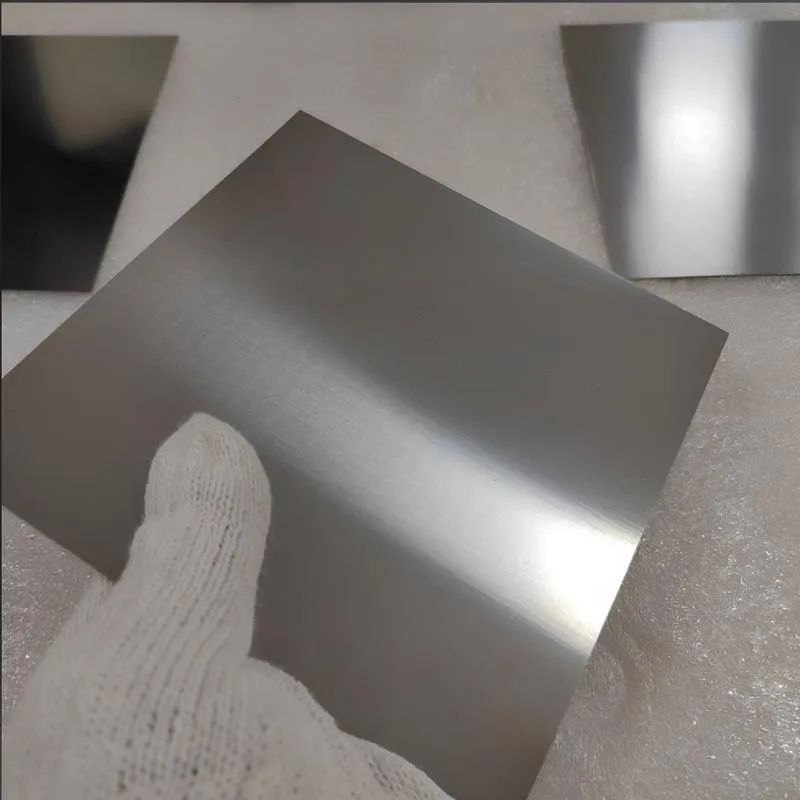
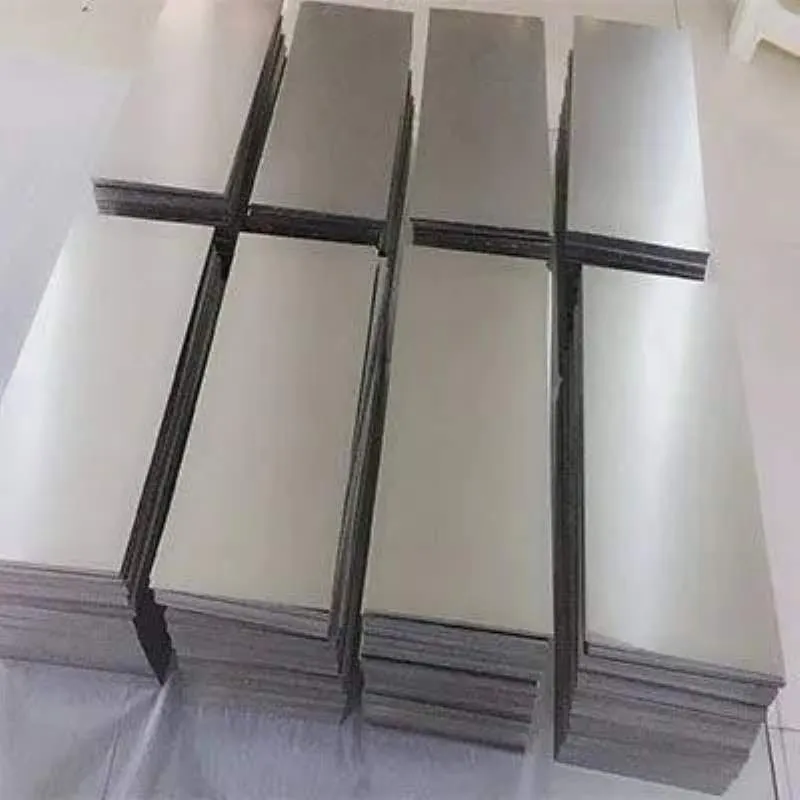
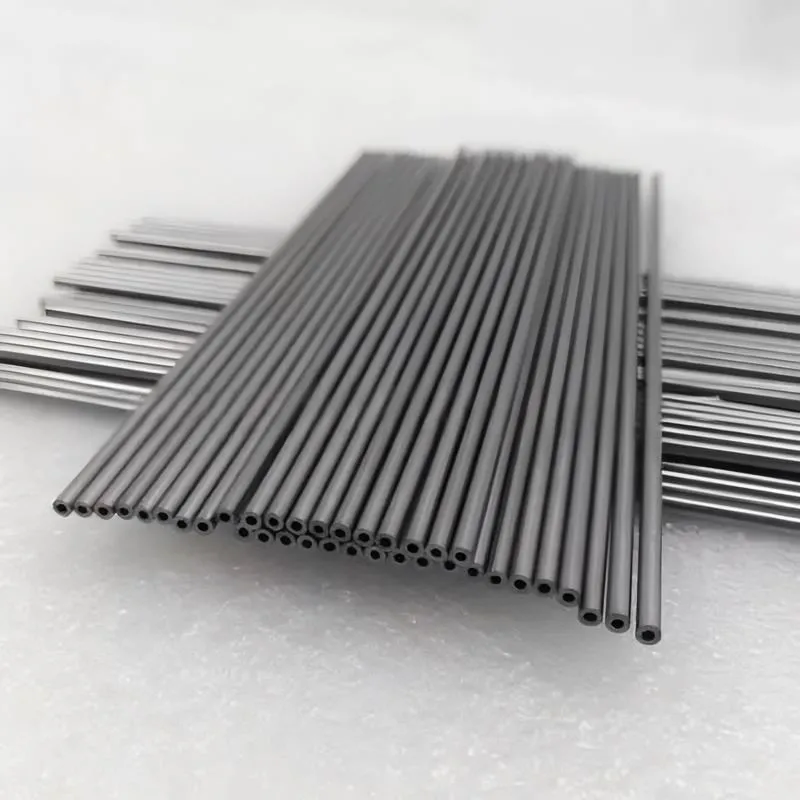
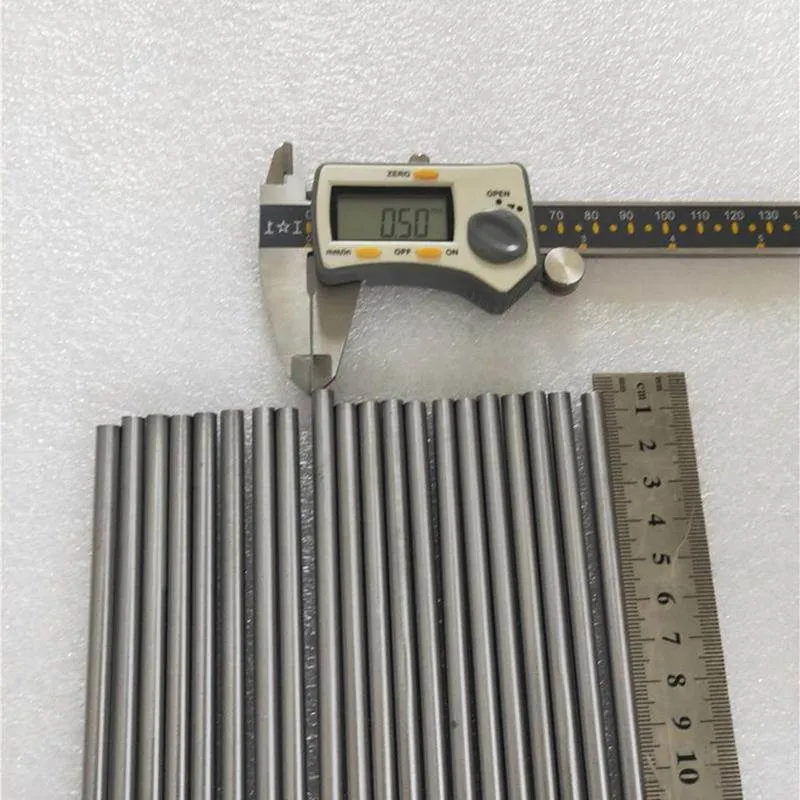
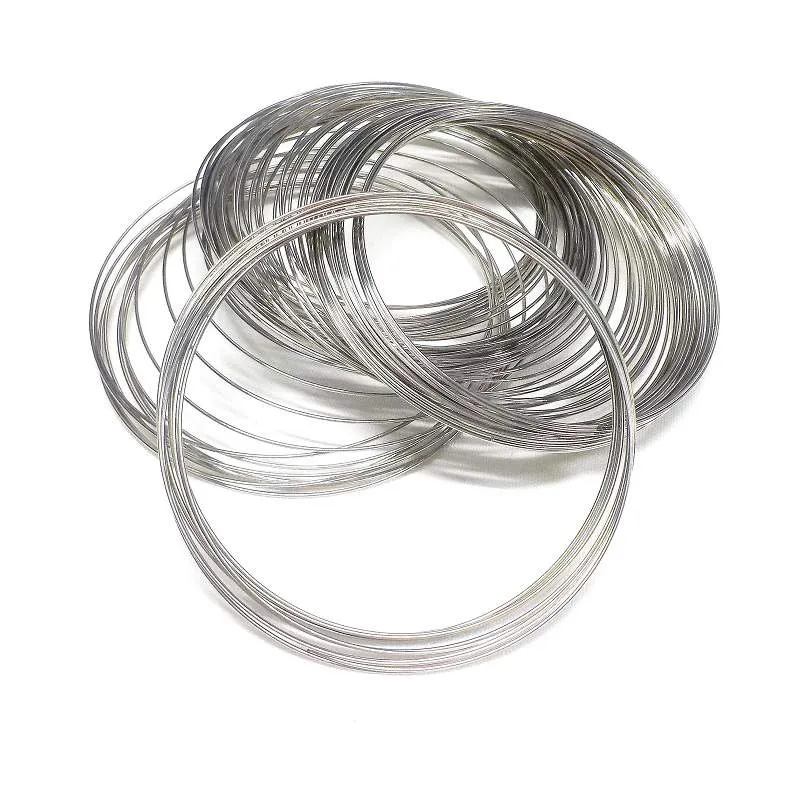
Dura-Bar,G2 Continuously Cast Gray Iron Sheet,Plate ASTM A48
Product Code : STI-IFe-132-CU
We provide Dura-Bar G2 Continuously Cast Gray Iron Sheet/Plate Bar Stock ASTM A48 is available in Bar (Round bar, Flat bar), Ribbon, Wire, Rods, Tube,Seamless Tube,Pipe, Ingots, Plate, Sheet/Plate, Strip and Forging Stock.,Purity, chemical composition, size, etc. can all be customized to meet specific requirements.
Please contact us if you need customized services. We will contact you with the price and availability in 24 hours.
Dura-Bar G2 Continuously Cast Gray Iron Sheet/Plate Bar Stock ASTM A48 Product Information
-:-
For detailed product information, please contact sales.
-:
Dura-Bar G2 Continuously Cast Gray Iron Sheet/Plate Bar Stock ASTM A48 Synonyms
-:-
For detailed product information, please contact sales.
-:
Dura-Bar G2 Continuously Cast Gray Iron Bar Stock ASTM A48 Product Information
-:-
For detailed product information, please contact sales.
-:
# **Dura-Bar® G2 Continuously Cast Gray Iron Bar Stock**
## **Product Overview**
**Dura-Bar G2 Continuously Cast Gray Iron** represents the **highest strength grade** within the standard gray iron classification, manufactured through proprietary continuous casting technology. Designated as **ASTM A48 Class 35B** (minimum 35,000 psi tensile strength), this premium bar stock combines the **excellent damping capacity, thermal conductivity, and machinability** of gray iron with enhanced mechanical properties and unparalleled material consistency.
Unlike traditional sand-cast gray iron, Dura-Bar's continuous casting process produces a dense, homogeneous microstructure free from internal defects, shrinkage porosity, or sand inclusions. This results in **100% usable material** with predictable properties throughout the entire bar length and cross-section.
---
## **1. International Standards & Specifications**
| **Standard System** | **Designation** | **Equivalent/Reference** | **Application Scope** |
|---------------------|-----------------|--------------------------|----------------------|
| **ASTM International** | **A48 Class 35B** | Primary specification | Minimum tensile strength: 35 ksi (241 MPa) |
| **SAE Automotive** | **J431 G3500** | Automotive gray iron castings | Similar strength classification |
| **ISO Standard** | **ISO 185 Grade 250** | International reference | Brinell hardness correlation |
| **DIN Standard** | **GG-25** | German standard | Comparable strength grade |
| **UNS Designation** | **F10007** | Unified Numbering System | Gray iron classification |
| **Manufacturer** | **Dura-Bar Grade G2** | Proprietary continuous cast | Enhanced properties vs. sand cast |
| **Common Names** | Class 35 Gray Iron, Grade G2, Continuous Cast Gray Iron | Industry terminology | |
**Note:** The "G2" designation is Dura-Bar's internal classification corresponding to ASTM A48 Class 35B, but with superior consistency and properties due to the continuous casting process.
---
## **2. Chemical Composition**
The chemistry is optimized to produce Type A graphite flakes in a pearlitic matrix, ensuring optimal strength while maintaining gray iron's characteristic properties.
| **Element** | **Typical Range (% wt.)** | **Metallurgical Function** | **Property Influence** |
|-------------|---------------------------|---------------------------|-----------------------|
| **Carbon (C)** | 3.2 - 3.5 | Graphite formation | Lower carbon increases strength, reduces graphite volume |
| **Silicon (Si)** | 1.8 - 2.3 | Graphitizing agent | Controls graphite formation, influences matrix structure |
| **Manganese (Mn)** | 0.6 - 0.9 | Pearlite stabilizer | Enhances strength through pearlite formation |
| **Phosphorus (P)** | 0.05 - 0.15 | Fluidity enhancer | Improves castability, but limited to prevent brittleness |
| **Sulfur (S)** | 0.08 - 0.12 | Inoculation control | Combines with Mn to form MnS inclusions |
| **Chromium (Cr)** | 0.15 - 0.25 (Optional) | Pearlite promoter | Increases strength and hardness |
| **Copper (Cu)** | 0.20 - 0.40 (Optional) | Matrix strengthener | Enhances tensile strength and wear resistance |
| **Molybdenum (Mo)** | 0.10 - 0.20 (Optional) | Pearlite refiner | Improves strength at elevated temperatures |
**Microstructural Characteristics:**
- **Graphite Structure:** ASTM Type A, Size 4-5 (medium, uniformly distributed flakes)
- **Matrix Structure:** 85-95% fine pearlite with balance ferrite
- **Carbide Content:** <2% (minimized through controlled cooling)
- **Unique Feature:** Continuous casting produces finer, more uniform graphite distribution than sand casting
---
## **3. Mechanical Properties**
### **Minimum Requirements (ASTM A48 Class 35B):**
- **Tensile Strength:** 35 ksi min (241 MPa)
- **Specimen Diameter:** 1.2" (30.5 mm) test bar
### **Typical Properties (Dura-Bar G2 Continuous Cast):**
| **Property** | **Typical Value** | **Range** | **Comparison Advantage** |
|--------------|-------------------|-----------|--------------------------|
| **Tensile Strength** | 38 - 42 ksi (262 - 290 MPa) | Exceeds minimum | 10-20% higher than sand-cast equivalent |
| **Compressive Strength** | 140 - 160 ksi (965 - 1103 MPa) | 3.5-4× tensile | Excellent for bearing applications |
| **Yield Strength** | Not typically defined | N/A | Gray iron has no defined yield point |
| **Elongation** | <0.5% | Essentially nil | Characteristic of gray iron |
| **Hardness** | 201 - 241 HB | Consistent cross-section | Hardness varies <10% across diameter |
| **Modulus of Elasticity** | 14 - 16 × 10⁶ psi (97 - 110 GPa) | Lower than steel | Contributes to high damping capacity |
| **Shear Strength** | 30 - 35 ksi (207 - 241 MPa) | 80-85% of tensile | Good for sliding applications |
| **Transverse Strength** | Higher than sand cast | More consistent | Due to uniform microstructure |
### **Section Sensitivity:**
Unlike sand castings, Dura-Bar G2 exhibits minimal section sensitivity:
- **1" diameter:** 38-40 ksi tensile
- **3" diameter:** 37-39 ksi tensile
- **6" diameter:** 36-38 ksi tensile
---
## **4. Physical Properties**
| **Property** | **Value** | **Engineering Significance** |
|--------------|-----------|-----------------------------|
| **Density** | 0.260 lb/in³ (7.20 g/cm³) | Similar to other cast irons |
| **Thermal Conductivity** | 25.0 Btu/(ft·hr·°F) @ 212°F (43.3 W/m·K) | **Excellent** heat dissipation |
| **Coefficient of Thermal Expansion** | 6.0 × 10⁻⁶/°F (10.8 × 10⁻⁶/°C) | Lower than steel, reduces thermal stress |
| **Specific Heat** | 0.12 Btu/(lb·°F) (500 J/kg·K) | Good thermal capacity |
| **Damping Capacity** | **10-20× greater than steel** | **Superior** vibration absorption |
| **Electrical Resistivity** | 60 μΩ·cm | Higher than steel, lower than some alloys |
| **Magnetic Properties** | Ferromagnetic | Suitable for electromagnetic applications |
| **Poisson's Ratio** | 0.26 - 0.27 | Typical for gray iron |
---
## **5. Manufacturing & Processing Characteristics**
### **Machinability Characteristics:**
- **Relative Machinability:** **90-100%** (vs. 1212 steel = 100%)
- **Cutting Speed:** 500-800 SFPM for turning operations
- **Tool Materials:** C2 carbide or high-speed steel both effective
- **Chip Formation:** Excellent - produces small, broken chips
- **Surface Finish:** 32-125 μin Ra readily achievable
- **Tool Life:** **3-5× longer** than machining steel
- **Power Consumption:** 40-50% lower than steel machining
### **Unique Machining Advantages:**
1. **Graphite Flakes** act as built-in chip breakers
2. **Self-lubricating properties** reduce cutting fluid requirements
3. **Low cutting forces** enable lighter machine tools
4. **Excellent surface finish** with minimal effort
### **Heat Treatment Considerations:**
1. **Stress Relieving:** 900-1050°F (480-565°C) for 1 hour/inch
2. **Annealing:** 1550-1650°F (845-900°C) to soften for machining
3. **Surface Hardening:** Flame hardening to 50-55 HRC possible
4. **Nitriding:** Not typically recommended due to graphite structure
### **Fabrication Guidelines:**
- **Welding:** **Not recommended** - high risk of cracking
- **Adhesive Bonding:** Good with proper surface preparation
- **Mechanical Fastening:** Good compressive strength for threads
- **Plating/Coating:** Accepts most common treatments
---
## **6. Application Areas**
### **Primary Industries & Applications:**
| **Industry** | **Specific Components** | **Key Property Utilized** | **Advantage vs. Alternatives** |
|--------------|-------------------------|--------------------------|-------------------------------|
| **Machine Tool** | Bases, columns, slides, ways | Damping, stability | Superior vibration dampening |
| **Automotive** | Brake rotors, drums, clutch plates | Thermal conductivity, wear | Better heat dissipation than steel |
| **Hydraulic/Pneumatic** | Valve bodies, manifolds, pump housings | Pressure tightness, machinability | Faster machining than steel |
| **Electrical** | Motor housings, transformer bases | Damping, EMI shielding | Reduces noise and vibration |
| **Industrial Equipment** | Press frames, gear housings, bearing blocks | Damping, compressive strength | Lower cost than fabricated steel |
| **Food Processing** | Equipment bases, supports | Corrosion resistance, cleanability | Meets sanitary requirements |
### **Specific Component Examples:**
1. **Machine Tool Bases:** Maximizing damping for precision machining
2. **Hydraulic Manifolds:** Complex internal passages with pressure integrity
3. **Brake Components:** Rotors and drums requiring thermal management
4. **Compressor Housings:** Vibration reduction for quieter operation
5. **Instrument Bases:** Stability for sensitive measurement equipment
6. **Engine Components:** Blocks and heads (historically, now often ductile iron)
---
## **7. Comparative Performance**
### **vs. Competitive Materials:**
| **Material Comparison** | **Damping Capacity** | **Thermal Conductivity** | **Machinability** | **Compressive Strength** |
|-------------------------|----------------------|--------------------------|-------------------|--------------------------|
| **Dura-Bar G2 Gray Iron** | **Excellent (5/5)** | **Excellent (5/5)** | **Excellent (5/5)** | **Excellent (5/5)** |
| **Steel 1018** | Poor (1/5) | Good (3/5) | Good (3/5) | Very Good (4/5) |
| **Ductile Iron 65-45-12** | Very Good (4/5) | Excellent (5/5) | Excellent (5/5) | Very Good (4/5) |
| **Aluminum 6061** | Good (3/5) | Excellent (5/5) | Excellent (5/5) | Poor (2/5) |
| **Sand Cast Gray Iron** | Excellent (5/5) | Good (3/5) | Excellent (5/5) | Good (3/5) |
### **Key Differentiators:**
1. **Consistency:** Properties vary <5% within bar, <8% bar-to-bar
2. **Soundness:** 100% ultrasonically testable, no internal defects
3. **Dimensional Stability:** Minimal distortion after machining
4. **Thermal Stability:** Maintains properties to 800°F (427°C)
---
## **8. Design Considerations for G2 Gray Iron**
### **Optimal Application Conditions:**
- Components where **vibration damping** is critical
- Applications requiring **excellent thermal conductivity**
- **Compressive loading** rather than tensile loading
- **Complex internal passages** requiring extensive machining
- **Large, stable bases** for precision equipment
### **Design Guidelines:**
1. **Avoid Tensile Loading:** Design for compressive stresses
2. **Section Thickness:** Minimum 0.25" (6 mm) for consistency
3. **Sharp Corners:** Avoid - use minimum 0.06" (1.5 mm) radii
4. **Ribs & Stiffeners:** Use liberally for stiffness with low weight
5. **Bearing Surfaces:** Excellent for sliding/rolling contact
### **Limitations & Constraints:**
- **No significant ductility** (brittle material behavior)
- **Low impact resistance** compared to ductile iron
- **Not suitable for welded construction**
- **Lower tensile strength** than ductile iron or steel
---
## **9. Quality Assurance & Testing**
### **Production Controls:**
- **Chemical Analysis:** Each melt verified via spectroscopy
- **Tensile Testing:** Regular testing from production runs
- **Microstructural Analysis:** Graphite type and matrix verification
- **Hardness Testing:** Multiple points per bar for consistency
- **Ultrasonic Testing:** Standard for soundness verification
### **Certification Levels:**
1. **Standard Certification:** Chemical and mechanical properties
2. **Ultrasonic Certification:** Soundness verification report
3. **Special Testing:** Customer-specified test requirements
4. **Traceability:** Complete heat and production lot tracking
---
## **10. Availability & Specifications**
### **Standard Stock Sizes:**
- **Round Bars:** 0.5" to 20" diameter
- **Square Bars:** Up to 16" × 16"
- **Rectangular Bars:** Various dimensions to 20" width
- **Lengths:** Standard 12' lengths, custom available
- **Tolerances:** Commercial machine shop standards
### **Special Conditions:**
- **Lead Time:** Most sizes available from stock
- **Surface Finish:** As-cast or rough machined
- **Special Processing:** Stress relieving, annealing, rough machining
- **Certifications:** Standard, PPAP, or custom requirements
---
## **Technical Summary**
**Dura-Bar G2 (ASTM A48 Class 35B) Continuously Cast Gray Iron** represents the **premium choice for applications** requiring:
### **Primary Advantages:**
1. **Exceptional Damping Capacity:** 10-20× better than steel
2. **Superior Machinability:** Fastest machining of all ferrous materials
3. **Excellent Thermal Conductivity:** Best heat dissipation among cast irons
4. **High Compressive Strength:** 140-160 ksi capability
5. **Unmatched Consistency:** Predictable properties throughout
### **Economic Benefits:**
- **Lower Machining Costs:** 40-60% less than steel components
- **Reduced Tooling Costs:** 3-5× longer tool life
- **Higher Production Rates:** Faster machining speeds
- **Minimal Scrap:** 100% usable material
- **Reduced Energy Consumption:** Lower power requirements
### **Application Selection Criteria:**
**Choose G2 Gray Iron when:**
- Vibration damping is the primary design consideration
- Component is loaded primarily in compression
- Extensive machining is required
- Thermal management is important
- Cost-effective production is critical
**Consider alternatives when:**
- Tensile strength > 45 ksi is required
- Significant impact resistance is needed
- Welding is required for assembly
- High ductility is essential
---
## **Engineering Support**
Dura-Bar provides comprehensive support for G2 applications:
- Application engineering consultation
- Design for manufacturability review
- Machining parameter recommendations
- Failure analysis and troubleshooting
- Material testing and validation
*For specific application requirements or design reviews, consult Dura-Bar technical specialists for verified performance data and engineering guidance.*
---
**Note:** All values are typical; specific applications should be verified with appropriate testing. Gray iron's brittle nature requires careful design to avoid tensile stress concentrations. Proper engineering analysis is recommended for all load-bearing applications.
-:-
For detailed product information, please contact sales.
-:
Dura-Bar G2 Continuously Cast Gray Iron Bar Stock ASTM A48 Specification
Dimensions
Size:
Diameter 20-1000 mm Length <6608 mm
Size:We can customized as required
Standard:
Per your request or drawing
We can customized as required
Properties(Theoretical)
Chemical Composition
-:-
For detailed product information, please contact sales.
-:
Dura-Bar G2 Continuously Cast Gray Iron Bar Stock ASTM A48 Properties
-:-
For detailed product information, please contact sales.
-:
Applications of Dura-Bar G2 Continuously Cast Gray Iron Sheet,Plate Bar Stock ASTM A48
-:-
For detailed product information, please contact sales.
-:
Chemical Identifiers Dura-Bar G2 Continuously Cast Gray Iron Sheet,Plate Bar Stock ASTM A48
-:-
For detailed product information, please contact sales.
-:
Packing of Dura-Bar G2 Continuously Cast Gray Iron Sheet/Plate Bar Stock ASTM A48
-:-
For detailed product information, please contact sales.
-:
Standard Packing:
-:-
For detailed product information, please contact sales.
-:
Typical bulk packaging includes palletized plastic 5 gallon/25 kg. pails, fiber and Steel Sheet/Plate drums to 1 ton super sacks in full container (FCL) or truck load (T/L) quantities. Research and sample quantities and hygroscopic, oxidizing or other air sensitive materials may be packaged under argon or vacuum. Solutions are packaged in polypropylene, plastic or glass jars up to palletized 3079 gallon liquid totes Special package is available on request. E FORUs’ is carefully handled to minimize damage during storage and transportation and to preserve the quality of our products in their original condition