EDRO #2 Prehardened 4130 Holder Block
Product Code : STI-GSTI-604-CU
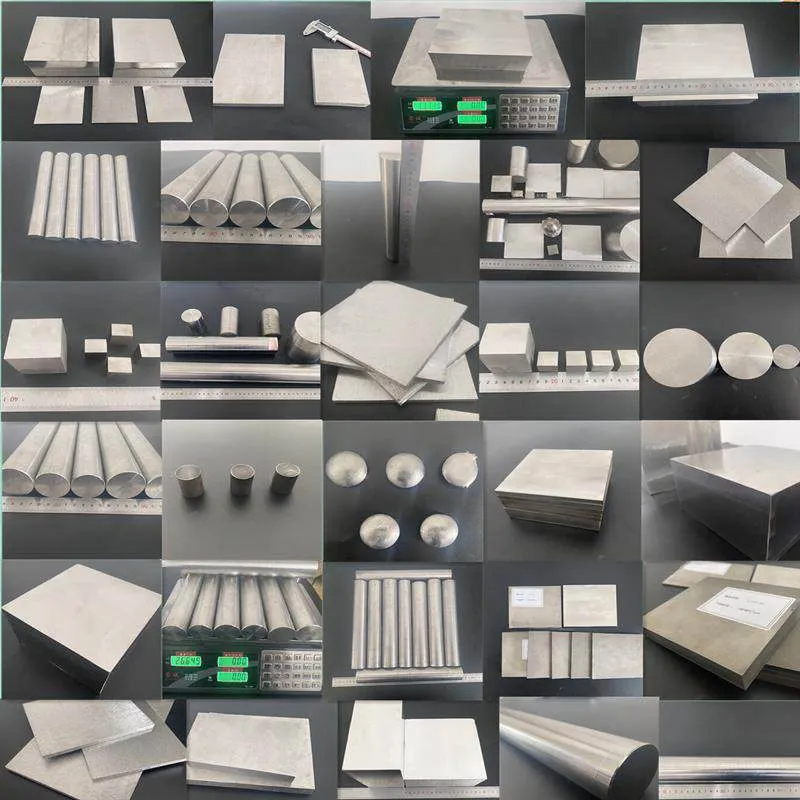
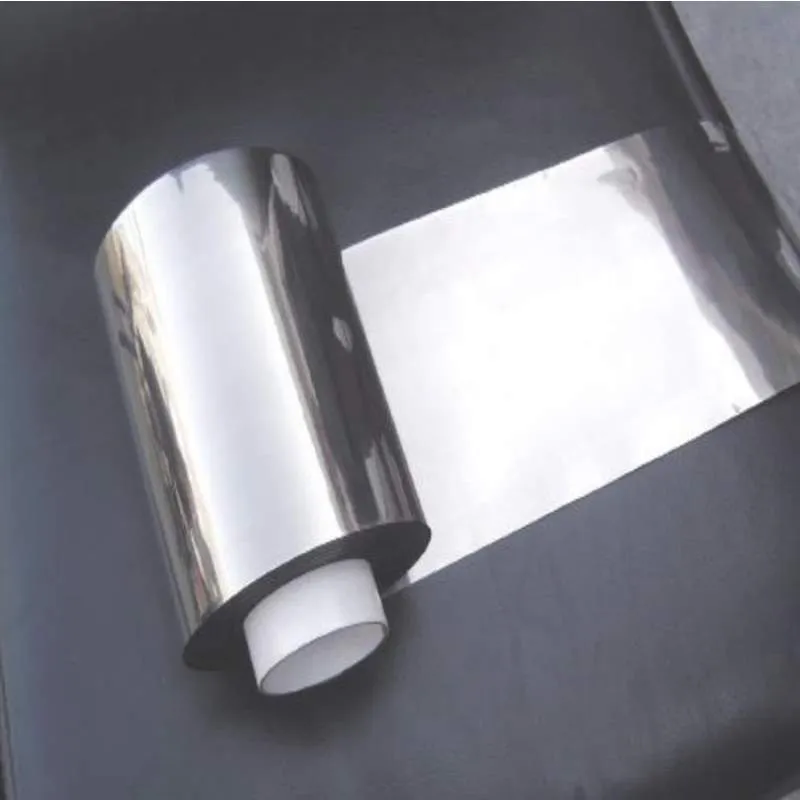
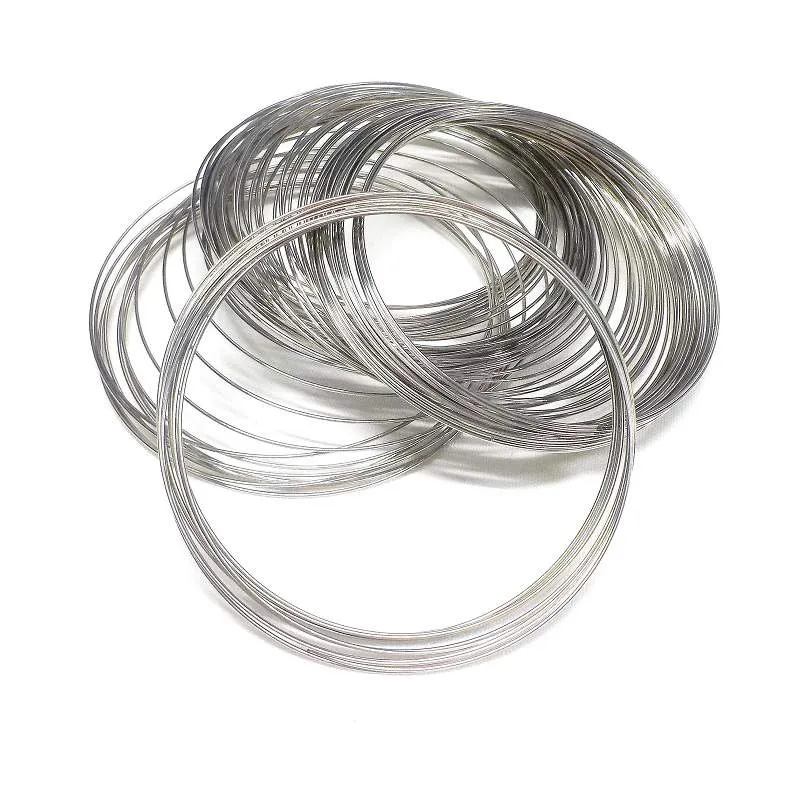
We provide EDRO #2 Prehardened 4130 Holder Block is available in Bar (Round bar, Flat bar), Ribbon, Wire, Rods, Tube,Seamless Tube,Pipe, Ingots, Plate, Sheet, Strip and Forging Stock.,Purity, chemical composition, size, etc. can all be customized to meet specific requirements.
Please contact us if you need customized services. We will contact you with the price and availability in 24 hours.
EDRO #2 Prehardened 4130 Holder Block Product Information
-:-
For detailed product information, please contact sales.
-:
EDRO #2 Prehardened 4130 Holder Block Synonyms
-:-
For detailed product information, please contact sales.
-:
EDRO #2 Prehardened 4130 Holder Block Product Information
-:-
For detailed product information, please contact sales.
-:
# **EDRO #2 Prehardened 4130 Holder Block**
## **Pre-hardened Chromium-Molybdenum Alloy Steel for Fixture and Tooling Applications**
---
### **1. Product Overview**
**EDRO #2 Prehardened 4130 Holder Block** is a premium-grade **chromium-molybdenum (Cr-Mo) alloy steel** supplied in a pre-hardened condition specifically designed for fixture, jig, tooling, and holder applications. Based on the AISI 4130 alloy system, this material combines good strength, excellent machinability, and dimensional stability in its pre-hardened state, eliminating the need for post-machining heat treatment. The "EDRO #2" designation indicates a specialized grade variant optimized for tooling and holding applications where consistent hardness, good wear resistance, and reliable performance are essential.
---
### **2. Key Value Propositions**
- **Ready-to-Machine Condition**: Supplied pre-hardened (~28-32 HRC), eliminating heat treatment requirements
- **Excellent Strength-to-Weight Ratio**: High strength allows for robust yet lightweight fixture designs
- **Good Machinability**: Despite pre-hardened condition, offers superior machining characteristics
- **Weldability**: Can be welded with appropriate procedures for modifications or repairs
- **Dimensional Stability**: Minimal distortion during and after machining operations
- **Good Wear Resistance**: Suitable for sliding and holding applications
- **Cost-Effective Solution**: Lower total cost compared to tool steels for many fixture applications
---
### **3. International Standard Designations**
| Standard System | Designation | Classification |
|----------------|-------------|----------------|
| **AISI/ASTM** | 4130 Modified / Prehardened | Chromium-Molybdenum Alloy Steel |
| **European Norm (EN)** | 1.7218 (25CrMo4) | Similar composition |
| **DIN** | 25CrMo4 | Structural Steel |
| **SAE** | 4130 | Standard Aircraft Quality Steel |
| **UNS** | G41300 | Unified Numbering System |
| **Common Names** | Chrome-Moly Steel, Aircraft Steel | Prehardened Grade |
---
### **4. Chemical Composition (Typical Weight %)**
| Element | Carbon (C) | Chromium (Cr) | Molybdenum (Mo) | Manganese (Mn) | Silicon (Si) | Sulfur (S) | Phosphorus (P) |
|---------|------------|---------------|-----------------|----------------|--------------|------------|----------------|
| **Content** | 0.28-0.33 | 0.80-1.10 | 0.15-0.25 | 0.40-0.60 | 0.15-0.35 | ≤0.040 | ≤0.035 |
**Key Characteristics:**
- **Medium Carbon Content**: Provides good hardenability while maintaining toughness
- **Chromium Addition**: Enhances hardenability and provides mild corrosion resistance
- **Molybdenum Content**: Improves strength at elevated temperatures and hardenability
- **Controlled Sulfur**: May be slightly elevated for improved machinability in this variant
- **Clean Steel Practice**: Good purity with controlled inclusion content
---
### **5. Physical Properties**
| Property | Value | Test Conditions | Significance |
|----------|-------|----------------|--------------|
| **Density** | 7.85 g/cm³ | 20°C | Standard for steel weight calculations |
| **Thermal Conductivity** | 42.0 W/m·K | 20°C | Good for heat dissipation in tooling |
| **Coefficient of Thermal Expansion** | 11.5 × 10⁻⁶/K | 20-100°C | Important for precision fixture design |
| **Specific Heat Capacity** | 460 J/kg·K | 20°C | Thermal management considerations |
| **Elastic Modulus** | 205 GPa | 20°C | Good stiffness for rigid fixtures |
| **Electrical Resistivity** | 0.22 μΩ·m | 20°C | Standard for steel applications |
---
### **6. Mechanical Properties (As Supplied - Prehardened)**
#### **Standard Mechanical Properties**
- **Hardness**: **28-32 HRC** (285-320 HB) - Uniform throughout section
- **Tensile Strength**: 900-1050 MPa
- **Yield Strength (0.2% Proof)**: ≥ 750 MPa
- **Elongation at Break**: ≥ 15%
- **Reduction of Area**: ≥ 40%
- **Impact Toughness (Charpy V-notch)**: 30-50 J at room temperature
- **Fatigue Strength**: ~450 MPa (rotating bending, 10⁷ cycles)
#### **Through-Thickness Properties**
- **Hardness Consistency**: Minimal variation in large sections
- **Machinability**: Good in prehardened state with proper tooling
- **Surface Finish**: Capable of good finishes with appropriate machining parameters
---
### **7. Heat Treatment & Processing**
#### **Supply Condition**
- **Prehardened and Tempered**: Ready for immediate machining
- **Typical Heat Treatment**: Quenched and tempered to achieve 28-32 HRC
- **No Further Heat Treatment Required** for most applications
#### **Optional Heat Treatments (if required)**
1. **Surface Hardening**:
- **Induction Hardening**: Can achieve surface hardness up to 55 HRC
- **Flame Hardening**: For large components or specific areas
- **Case Depth**: Typically 1-3 mm depending on parameters
2. **Nitriding**:
- **Gas Nitriding**: 480-520°C, producing surface hardness 650-750 HV
- **Benefits**: Enhanced wear resistance for sliding surfaces
3. **Stress Relieving** (for complex or precision fixtures):
- **Temperature**: 550-600°C
- **Holding Time**: 1-2 hours per 25 mm thickness
- **Atmosphere**: Optional protective atmosphere
#### **Weldability**
- **Preheat Temperature**: 150-200°C recommended
- **Interpass Temperature**: 200-250°C maximum
- **Post-Weld Heat Treatment**: Optional stress relief at 550-600°C
- **Electrode Types**: Low-hydrogen electrodes recommended (E7018 type)
- **Welding Methods**: SMAW, GMAW (MIG), GTAW (TIG)
---
### **8. Product Applications**
**EDRO #2 Prehardened 4130 Holder Block** is specifically designed for fixture, tooling, and holding applications across multiple industries:
#### **Primary Applications**
**A. Machine Tool Fixtures and Holders**
- **Milling Machine Fixtures**:
- Custom vises and clamping systems
- Angle plates and sine plates
- Tooling plates and sub-plates
- Modular fixture components
- **Turning Center Tooling**:
- Tool holders and boring bars
- Turret tool blocks
- Live center bodies
- Special tooling adapters
- **Grinding Fixtures**:
- Magnetic chuck adapter plates
- Special grinding fixtures
- Angle grinding fixtures
- Precision location fixtures
**B. Welding and Fabrication Tooling**
- **Welding Fixtures**:
- Welding positioners and manipulators
- Clamping fixtures for assembly
- Welding jigs for repetitive production
- Robotic welding tooling
- **Assembly Fixtures**:
- Automotive assembly fixtures
- Aerospace assembly jigs
- Industrial equipment assembly tools
- Precision alignment fixtures
**C. Inspection and Measurement Equipment**
- **CMM Fixtures**:
- Custom holding fixtures for coordinate measuring machines
- Inspection fixture bases
- Modular inspection system components
- Precision location nests
- **Metrology Tooling**:
- Surface plate accessories
- Height gage bases and risers
- Optical comparator fixtures
- Custom gaging fixtures
**D. Specialized Industrial Tooling**
- **Die Sets and Tooling**:
- Die shoes and bolster plates
- Punch holders and die holders
- Progressive die components
- Press brake tooling
- **Material Handling**:
- Custom lifting fixtures
- Transfer mechanism components
- Conveyor system tooling
- Robotic end effectors
#### **Secondary Applications**
- **Prototype Development**: Rapid tooling and fixtures
- **Laboratory Equipment**: Custom test fixtures and holders
- **Educational Tooling**: Training fixtures for technical education
- **Maintenance Tooling**: Special tools for equipment maintenance
---
### **9. Machining & Fabrication Guidelines**
#### **Machining Parameters (Prehardened 28-32 HRC)**
| Operation | Tool Material | Cutting Speed | Feed Rate | Recommendations |
|-----------|---------------|---------------|-----------|-----------------|
| **Turning** | Coated carbide (P20-P30) | 100-180 m/min | 0.2-0.4 mm/rev | Medium duty geometry, sharp edges |
| **Face Milling** | Carbide inserts | 150-250 m/min | 0.15-0.3 mm/tooth | Positive rake, climb milling |
| **End Milling** | HSS or carbide end mills | 80-150 m/min | 0.08-0.20 mm/tooth | Adequate coolant, rigid setup |
| **Drilling** | HSS-Co or carbide drills | 25-45 m/min | 0.15-0.30 mm/rev | Peck drilling for deep holes |
| **Tapping** | HSS or spiral point taps | 8-15 m/min | - | Use appropriate cutting fluid |
| **Boring** | Carbide boring bars | 100-160 m/min | 0.1-0.25 mm/rev | Rigid setup, minimize overhang |
#### **Cutting and Sawing**
- **Band Sawing**: Bi-metal blades, moderate speed and feed
- **Abrasive Cutting**: Suitable for cutoff operations
- **Plasma Cutting**: Possible with edge cleanup required
- **Waterjet Cutting**: Excellent for complex shapes, minimal thermal effect
#### **Grinding Operations**
- **Surface Grinding**: Aluminum oxide wheels (46-60 grit)
- **Cylindrical Grinding**: Similar wheels, moderate parameters
- **Tool & Cutter Grinding**: For precision tooling applications
- **Parameters**: Standard grinding practices apply
#### **Finishing Operations**
- **Deburring**: Manual or vibratory methods
- **Polishing**: Can achieve good surface finishes with appropriate abrasives
- **Surface Treatments**: Painting, plating, or coating as required
---
### **10. Design Considerations for Fixture Applications**
#### **Design Principles**
1. **Rigidity and Stability**:
- Adequate section thickness for load requirements
- Proper ribbing and reinforcement where needed
- Consider dynamic loads in machine tool applications
2. **Accuracy and Precision**:
- Allow for machining and assembly tolerances
- Consider thermal expansion in precision applications
- Design for inspectability and adjustability
3. **Ease of Use and Safety**:
- Ergonomic considerations for manual fixtures
- Safety features for clamping and holding
- Clearance for tool access and chip removal
#### **Common Fixture Design Features**
- **Modularity**: Design for flexibility and reusability
- **Standardization**: Use standard components where possible
- **Maintainability**: Easy disassembly and maintenance
- **Cost Optimization**: Balance performance with manufacturing cost
---
### **11. Quality Assurance & Certification**
#### **Manufacturing Standards**
- **Melting Practice**: Electric arc furnace with secondary refining
- **Rolling/Forging**: Controlled process for optimal microstructure
- **Heat Treatment**: Computer-controlled quenching and tempering
- **Testing**: Standard mechanical testing per batch
#### **Inspection & Testing**
- **Hardness Testing**: Multiple locations to ensure uniformity
- **Dimensional Inspection**: As required by customer specifications
- **Surface Quality**: Visual inspection for defects
- **Optional Testing**: UT, MT, PT available as required
#### **Certification & Documentation**
- **Mill Certificates**: Standard material certification
- **Traceability**: Heat code identification
- **Special Requirements**: Can be accommodated upon request
- **Compliance**: Meets general industrial standards for prehardened plate
#### **Available Product Forms**
- **Rectangular Blocks**: Various standard and custom sizes
- **Plate Stock**: For larger fixture bases
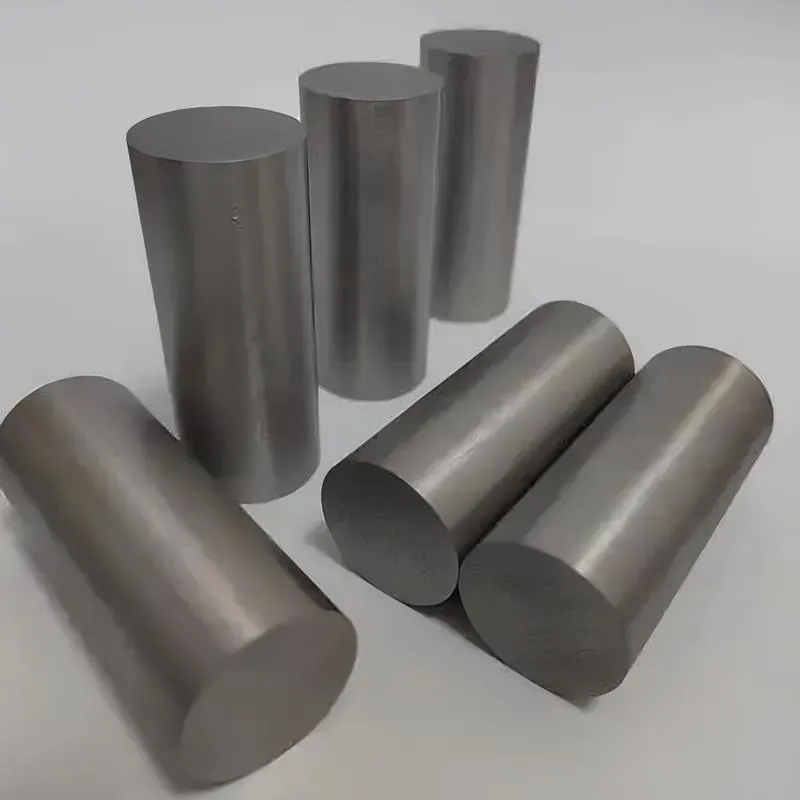
- **Round Stock**: For rotational fixture components
- **Custom Shapes**: Machined to customer specifications
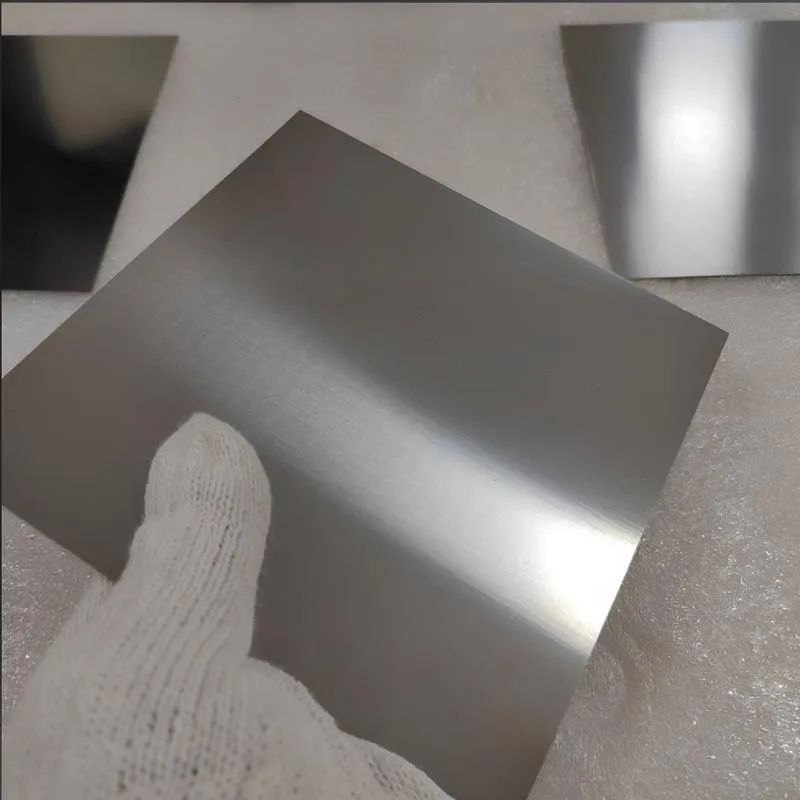
- **Surface Conditions**: As-rolled, machined, or ground surfaces available
---
### **12. Comparative Analysis**
#### **EDRO #2 vs. Other Fixture Materials**
| Material | EDRO #2 Prehard 4130 | 1018/1020 Steel | 4140 Prehardened | Aluminum (6061-T6) |
|----------|----------------------|-----------------|------------------|-------------------|
| **Hardness** | 28-32 HRC | 120-180 HB | 28-32 HRC | 95 HB |
| **Tensile Strength** | 900-1050 MPa | 400-500 MPa | 900-1050 MPa | 310 MPa |
| **Weight** | Heavy | Heavy | Heavy | **Light** |
| **Machinability** | **Good** | Excellent | Good | Excellent |
| **Cost** | Medium | Low | Medium-High | Medium |
| **Best For** | General fixtures | Low-cost fixtures | High-strength fixtures | Lightweight fixtures |
#### **Advantages Over Alternative Materials**
- **vs. Mild Steel**: Higher strength, better wear resistance, maintains dimensional accuracy better
- **vs. Tool Steels**: Lower cost, easier machining, adequate performance for many fixture applications
- **vs. Aluminum**: Higher stiffness, better wear resistance, thermal stability
- **vs. Cast Iron**: Better strength-to-weight ratio, easier machining, more consistent properties
---
### **13. Application-Specific Recommendations**
#### **For Machine Tool Fixtures**
- **Design Considerations**: Account for machine stiffness and vibration characteristics
- **Mounting**: Ensure secure mounting to machine table or spindle
- **Accuracy**: Allow for thermal effects during machining operations
- **Maintenance**: Design for easy cleaning and chip removal
#### **For Welding Fixtures**
- **Heat Management**: Consider heat input from welding processes
- **Clamping Force**: Ensure adequate clamping without distortion
- **Accessibility**: Allow for weld gun access and visibility
- **Durability**: Protect critical surfaces from spatter and damage
#### **For Inspection Fixtures**
- **Stability**: Maximize rigidity for measurement accuracy
- **Thermal Considerations**: Account for thermal expansion in controlled environments
- **Surface Finish**: Critical surfaces may require additional finishing
- **Calibration**: Design for easy calibration and verification
#### **For Production Tooling**
- **Wear Resistance**: Consider wear surfaces and potential for hardening or coating
- **Changeover**: Design for quick changeover if used for multiple parts
- **Durability**: Ensure longevity for high-volume production
- **Maintenance**: Easy access for maintenance and repair
---
### **14. Economic Benefits & ROI Analysis**
#### **Cost Advantages**
- **Reduced Lead Time**: No heat treatment required after machining
- **Lower Processing Costs**: Eliminates heat treatment expenses
- **Consistent Quality**: Prehardened condition ensures uniform properties
- **Reduced Scrap**: Predictable machining behavior reduces errors
#### **Performance Benefits**
- **Longer Fixture Life**: Better wear resistance than mild steel
- **Improved Accuracy**: Good dimensional stability
- **Reduced Maintenance**: Durable construction minimizes downtime
- **Flexibility**: Can be modified or repaired as needed
#### **Total Cost of Ownership**
- **Initial Cost**: Moderate - higher than mild steel, lower than tool steels
- **Fabrication Cost**: Lower than materials requiring post-machining heat treatment
- **Life Cycle Cost**: Excellent value for many fixture applications
- **Return on Investment**: Typically rapid due to reduced processing time and costs
---
### **15. Maintenance & Service Life Extension**
#### **Routine Maintenance**
- **Cleaning**: Regular removal of chips, coolant, and contaminants
- **Inspection**: Periodic checks for wear, damage, or deformation
- **Lubrication**: Moving parts may require lubrication
- **Calibration**: Precision fixtures may require periodic recalibration
#### **Repair and Refurbishment**
- **Welding Repairs**: Possible with proper procedures
- **Surface Refinishing**: Worn surfaces can be re-machined or ground
- **Component Replacement**: Modular design facilitates part replacement
- **Upgrades**: Fixtures can be modified for new requirements
#### **Storage and Handling**
- **Protection**: Apply rust preventive if storing in humid environments
- **Handling**: Use appropriate lifting equipment to avoid damage
- **Identification**: Clearly mark fixtures for easy identification
- **Documentation**: Maintain records of fixture history and modifications
---
### **16. Technical Support & Resources**
#### **Manufacturer Support**
- **Technical Data**: Comprehensive machining and fabrication guidelines
- **Application Assistance**: Help with material selection and design
- **Troubleshooting**: Support for machining or performance issues
- **Custom Solutions**: Assistance with specialized requirements
#### **Industry Resources**
- **Machining Guidelines**: Standard parameters for common operations
- **Design Templates**: Common fixture design patterns and best practices
- **Safety Standards**: Compliance with industrial safety requirements
- **Quality Standards**: Meeting industry-specific quality requirements
---
### **17. Environmental & Sustainability Considerations**
#### **Environmental Impact**
- **Recyclability**: 100% recyclable at end of life
- **Manufacturing**: Standard steel production with environmental controls
- **Energy Efficiency**: Prehardened condition reduces customer energy use
- **Long Service Life**: Reduces material consumption through extended use
#### **Sustainable Practices**
- **Material Efficiency**: Optimized designs minimize material waste
- **Life Extension**: Repair and refurbishment extends useful life
- **Responsible Sourcing**: Compliance with environmental regulations
- **Waste Reduction**: Scrap material can be recycled
---
### **18. Conclusion**
**EDRO #2 Prehardened 4130 Holder Block** represents an optimal solution for a wide range of fixture, tooling, and holder applications across multiple industries. Its prehardened condition provides the ideal balance of machinability, strength, and dimensional stability, eliminating the need for post-machining heat treatment and reducing both lead time and total cost.
The material's properties make it particularly suitable for applications where mild steel lacks sufficient strength or wear resistance, but tool steels would be unnecessarily expensive or difficult to machine. With its good weldability, the material also offers flexibility for modifications, repairs, or custom adaptations as requirements change.
For tooling engineers, machine shops, and manufacturing facilities seeking reliable, cost-effective materials for fixtures and tooling, EDRO #2 Prehardened 4130 offers proven performance and excellent value. Its combination of ready-to-machine convenience, good mechanical properties, and practical fabrication characteristics makes it a versatile choice for everything from simple holding fixtures to complex precision tooling systems.
Whether for prototype development, production tooling, or specialized holding applications, this material provides a solid foundation for creating durable, accurate, and cost-effective tooling solutions that support efficient manufacturing operations.
---
**Manufacturer**: EDRO Engineering (Specialty Steel Producer)
**Base Material**: AISI 4130 Chromium-Molybdenum Alloy Steel
**Supply Condition**: Prehardened (28-32 HRC)
**Primary Applications**: Machine tool fixtures, welding jigs, inspection tooling, holding devices
**Key Features**: Ready-to-machine, good strength, excellent dimensional stability
**Availability**: Standard and custom sizes through authorized distributors
**Technical Support**: Comprehensive machining guidelines and application assistance
-:-
For detailed product information, please contact sales.
-:
EDRO #2 Prehardened 4130 Holder Block Specification
Dimensions
Size:
Diameter 20-1000 mm Length <7260 mm
Size:We can customized as required
Standard:
Per your request or drawing
We can customized as required
Properties(Theoretical)
Chemical Composition
-:-
For detailed product information, please contact sales.
-:
EDRO #2 Prehardened 4130 Holder Block Properties
-:-
For detailed product information, please contact sales.
-:
Applications of EDRO #2 Prehardened 4130 Holder Block
-:-
For detailed product information, please contact sales.
-:
Chemical Identifiers EDRO #2 Prehardened 4130 Holder Block
-:-
For detailed product information, please contact sales.
-:
Packing of EDRO #2 Prehardened 4130 Holder Block
-:-
For detailed product information, please contact sales.
-:
Standard Packing:
-:-
For detailed product information, please contact sales.
-:
Typical bulk packaging includes palletized plastic 5 gallon/25 kg. pails, fiber and steel drums to 1 ton super sacks in full container (FCL) or truck load (T/L) quantities. Research and sample quantities and hygroscopic, oxidizing or other air sensitive materials may be packaged under argon or vacuum. Solutions are packaged in polypropylene, plastic or glass jars up to palletized 3731 gallon liquid totes Special package is available on request. E FORUs’ is carefully handled to minimize damage during storage and transportation and to preserve the quality of our products in their original condition