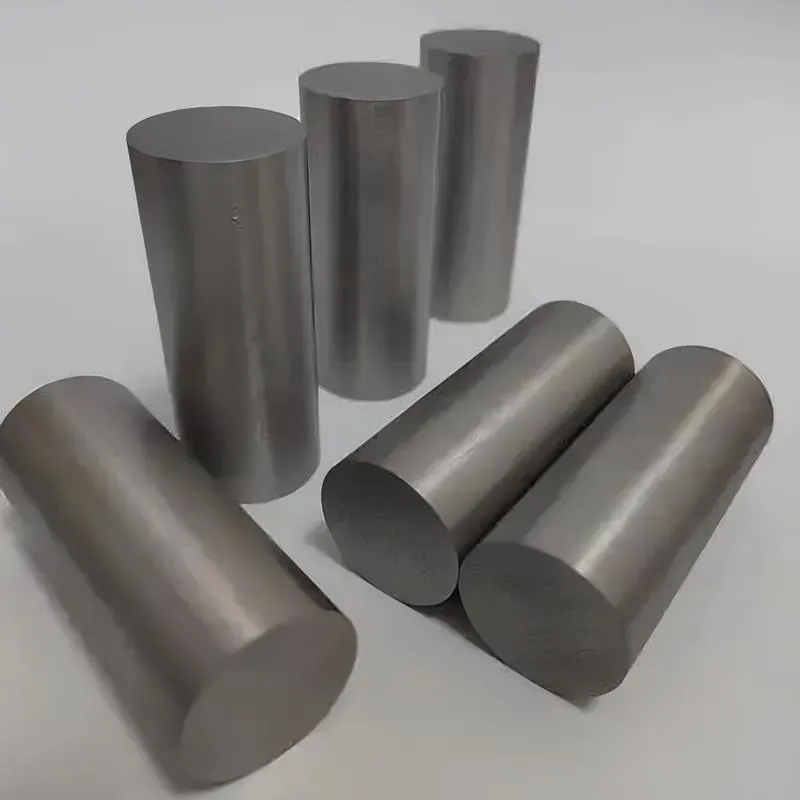
EDRO #3 Prehardened Mold Quality P20 Alloy Steel Sheet,Plate
Product Code : STI-GSTI-605-CU
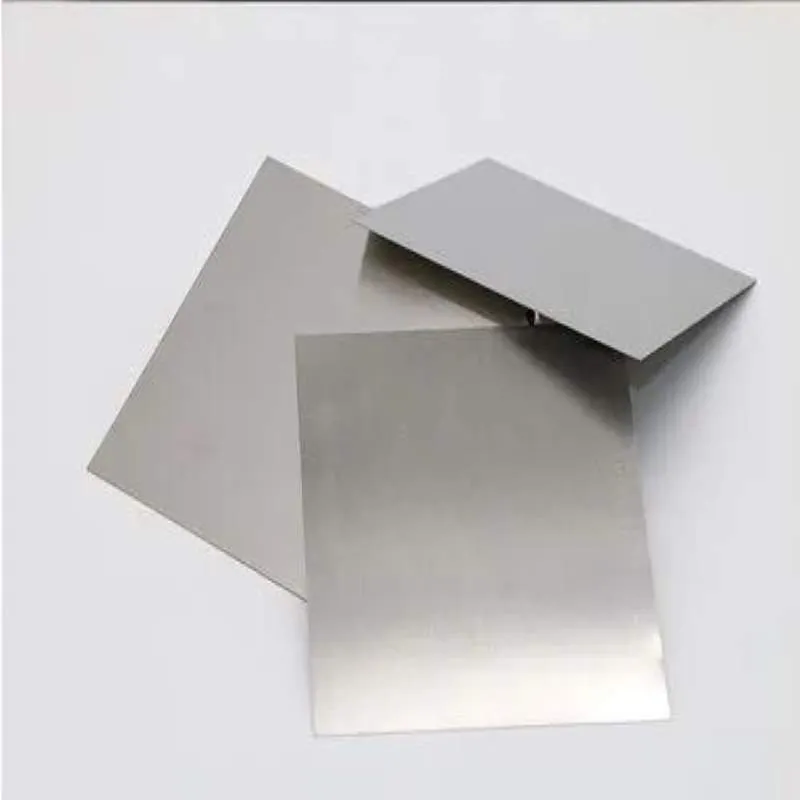
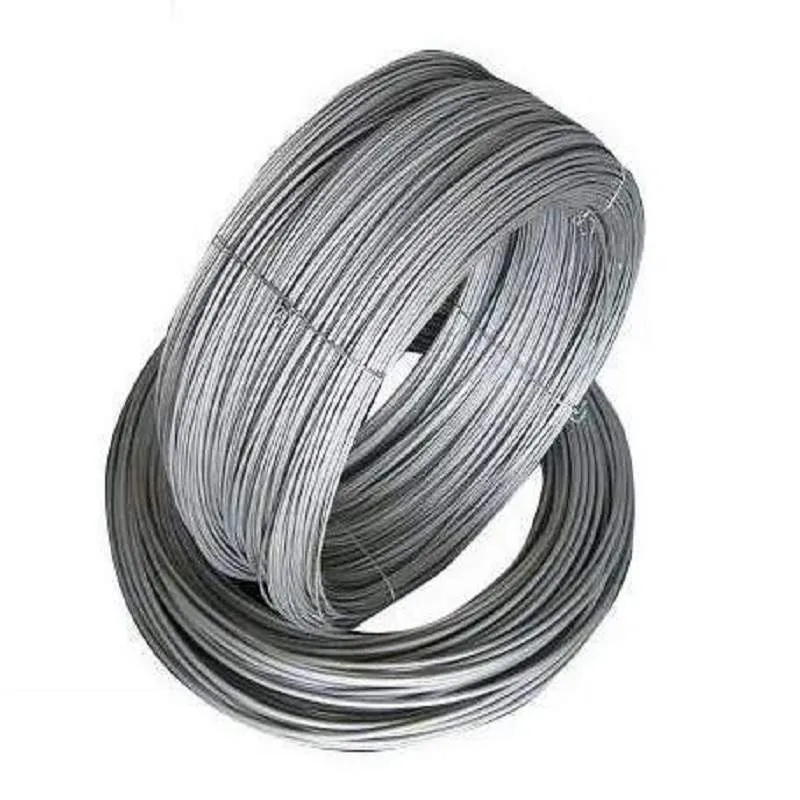
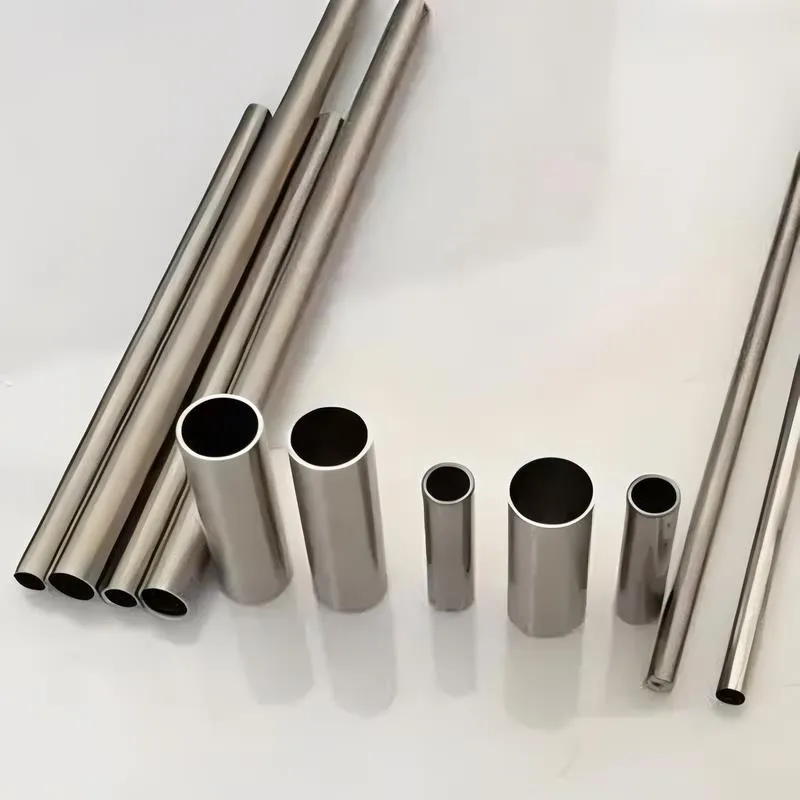
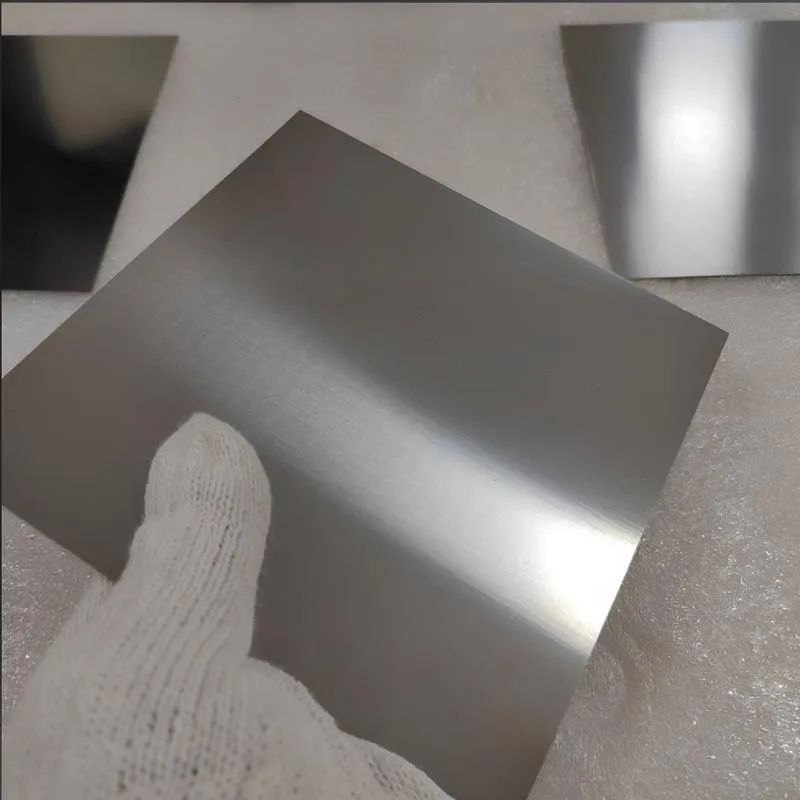
We provide EDRO #3 Prehardened Mold Quality P20 Alloy Steel Sheet/Plate is available in Bar (Round bar, Flat bar), Ribbon, Wire, Rods, Tube,Seamless Tube,Pipe, Ingots, Plate, Sheet/Plate, Strip and Forging Stock.,Purity, chemical composition, size, etc. can all be customized to meet specific requirements.
EDRO #3 Prehardened Mold Quality P20 Alloy Steel Sheet/Plate Product Information
-:-
For detailed product information, please contact sales.
-:
EDRO #3 Prehardened Mold Quality P20 Alloy Steel Sheet/Plate Synonyms
-:-
For detailed product information, please contact sales.
-:
EDRO #3 Prehardened Mold Quality P20 Alloy Steel Product Information
-:-
For detailed product information, please contact sales.
-:
# **EDRO #3 Prehardened Mold Quality P20 Alloy Steel**
## **Premium Prehardened Plastic Mold Steel for High-Performance Tooling Applications**
---
### **1. Product Overview**
**EDRO #3 Prehardened Mold Quality P20 Alloy Steel** represents a premium-grade evolution of the classic AISI P20 tool steel, specifically optimized for plastic injection mold applications. This material is supplied in a prehardened and tempered condition (typically 28-32 HRC), eliminating the need for costly and time-consuming heat treatment after machining. As a "Mold Quality" variant, EDRO #3 incorporates enhanced manufacturing controls, superior cleanliness, and optimized mechanical properties to meet the exacting demands of modern plastic injection mold construction. The steel delivers an exceptional balance of machinability, polishability, and dimensional stability, making it ideal for high-quality production molds, prototype tooling, and precision mold components.
---
### **2. Key Value Propositions**
- **Prehardened Condition**: Supplied ready-to-machine at 28-32 HRC, eliminating post-machining heat treatment
- **Superior Machinability**: Excellent cutting characteristics reduce tool wear and machining time
- **Exceptional Polishability**: Capable of achieving high-gloss (SPI A-1/A-0) surface finishes
- **Enhanced Homogeneity**: Consistent microstructure throughout large cross-sections
- **Good Weldability**: Allows for mold repairs and modifications using standard procedures
- **Excellent Dimensional Stability**: Minimal distortion during and after machining operations
- **Cost-Effectiveness**: Provides premium performance at a competitive price point
- **Batch-to-Batch Consistency**: Reliable properties ensure predictable machining and performance
---
### **3. International Standard Designations**
| Standard System | Designation | Classification / Notes |
|----------------|-------------|------------------------|
| **AISI/ASTM** | P20 Modified / Enhanced | Premium Mold Quality |
| **European Norm (EN)** | 1.2311 (40CrMnMo7-6) | Enhanced Quality Grade |
| **DIN** | 40CrMnMo7-6 (1.2311) | Premium Mold Steel |
| **JIS** | PDS5 Special | Enhanced Grade |
| **GB (China)** | 3Cr2Mo Enhanced | Modified Version |
| **Proprietary** | EDRO #3 Mold Quality P20 | Manufacturer's Premium Designation |
| **Common References** | Prehardened P20, Mold Base Steel, Plastic Mold Steel | Industry Terminology |
---
### **4. Chemical Composition (Typical Weight %)**
| Element | Carbon (C) | Chromium (Cr) | Molybdenum (Mo) | Manganese (Mn) | Silicon (Si) | Sulfur (S) | Phosphorus (P) | Optional Additives |
|---------|------------|---------------|-----------------|----------------|--------------|------------|----------------|--------------------|
| **Content** | 0.35-0.42 | 1.70-2.00 | 0.30-0.55 | 1.30-1.60 | 0.20-0.40 | ≤0.010 | ≤0.020 | Trace elements for enhanced properties |
**Metallurgical Enhancements:**
- **Optimized Carbon Range**: Balanced for optimal hardenability and polishability
- **Chromium Content**: Provides good hardenability and mild corrosion resistance
- **Molybdenum Addition**: Enhances hardenability and dimensional stability
- **Strict Impurity Control**: Low sulfur and phosphorus for improved toughness and purity
- **Micro-alloying**: May include trace elements for improved machinability and consistency
- **Enhanced Cleanliness**: Superior deoxidation practices result in cleaner steel with fewer inclusions
---
### **5. Physical Properties**
| Property | Value | Test Conditions | Significance for Mold Applications |
|----------|-------|----------------|------------------------------------|
| **Density** | 7.81 g/cm³ | 20°C | Important for weight calculations in mold design |
| **Thermal Conductivity** | 36.5 W/m·K | 20°C | Good heat transfer for efficient mold cooling |
| **Coefficient of Thermal Expansion** | 12.3 × 10⁻⁶/K | 20-100°C | Predictable dimensional changes during thermal cycling |
| **Specific Heat Capacity** | 460 J/kg·K | 20°C | Important for thermal management in injection molding |
| **Elastic Modulus** | 205 GPa | 20°C | High stiffness resists deflection under injection pressure |
| **Poisson's Ratio** | 0.29 | 20°C | Important for stress analysis in mold design |
---
### **6. Mechanical Properties (As Supplied - Prehardened)**
#### **Standard Mechanical Properties**
- **Hardness**: **28-32 HRC** (285-320 HB) - Uniform throughout the cross-section
- **Tensile Strength**: 950-1100 MPa
- **Yield Strength (0.2% Proof)**: ≥ 800 MPa
- **Elongation at Break**: ≥ 12%
- **Reduction of Area**: ≥ 35%
- **Impact Toughness (Charpy V-notch)**: 40-60 J at room temperature
- **Fatigue Strength**: ~500 MPa (rotating bending, 10⁷ cycles)
#### **Enhanced Characteristics for Mold Applications**
- **Superior Transverse Properties**: More isotropic behavior than standard P20
- **Excellent Fatigue Resistance**: Suitable for high-cycle injection molding applications
- **Improved Wear Resistance**: Enhanced compared to standard P20 grades
- **Consistent Hardness Profile**: Minimal variation even in thick sections (up to 300mm)
- **Good Damping Capacity**: Absorbs vibration during machining and operation
#### **Through-Hardness Consistency**
- **Surface to Core Variation**: Typically ≤ 2 HRC points
- **Large Section Capability**: Consistent properties in sections up to 300mm thick
- **Directional Properties**: Minimized anisotropy for predictable machining
---
### **7. Heat Treatment & Processing**
#### **Supply Condition**
- **Prehardened and Tempered**: Ready for immediate machining
- **Typical Heat Treatment Process**: Quenched from 840-870°C, tempered at 550-620°C
- **No Further Heat Treatment Required** for most plastic mold applications
#### **Optional Treatments (Post-Machining)**
1. **Surface Hardening**:
- **Nitriding**: Gas or plasma nitriding to achieve 600-800 HV surface hardness
- **Case Depth**: 0.1-0.3 mm typically
- **Benefits**: Enhanced wear resistance for mold cavities, cores, and ejector systems
2. **Stress Relieving** (Recommended for Complex Molds):
- **Temperature**: 500-550°C
- **Holding Time**: 2 hours per 100 mm thickness
- **Atmosphere**: Protective or vacuum atmosphere optional
- **Benefits**: Reduces residual machining stresses, improves dimensional stability
3. **Surface Coatings**:
- **Hard Chrome Plating**: For corrosion resistance and improved release properties
- **PVD Coatings** (TiN, TiCN, CrN): For extreme wear resistance in abrasive applications
- **Electroless Nickel**: For corrosion resistance and improved surface properties
#### **Weldability**
- **Preheat Temperature**: 250-300°C recommended for significant repairs
- **Interpass Temperature**: 300-350°C maximum
- **Post-Weld Heat Treatment**: Stress relief at 500-550°C recommended
- **Electrode Types**: Low-hydrogen electrodes (AWS A5.5 E9018M or equivalent)
- **Welding Methods**: GTAW (TIG) preferred for precision repairs, SMAW for general repairs
---
### **8. Product Applications**
**EDRO #3 Prehardened Mold Quality P20** is engineered specifically for high-performance plastic injection mold applications across multiple industries:
#### **Primary Applications**
**A. Injection Mold Components**
- **Mold Bases and Plates**:
- Standard and custom mold bases
- Cavity and core plates
- Support plates and ejector housings
- Leader pin and bushing plates
- **Cavity and Core Inserts**:
- Production cavity inserts for commodity plastics
- Core inserts for standard applications
- Slide cores and angled lifters
- Unscrewing mechanisms
- **Ejector System Components**:
- Ejector plates and retainers
- Ejector pins and sleeves
- Return pins and springs
- Ejector blade components
**B. High-Quality Production Molds**
- **Automotive Components**:
- Interior trim panels and components
- Exterior trim and lighting components
- HVAC and ducting components
- Under-hood components (non-heat critical)
- **Consumer Products**:
- Electronic housings and enclosures
- Appliance components
- Furniture and houseware items
- Toy and recreational products
- **Packaging Industry**:
- Thin-wall packaging containers
- Closures and caps
- Medical and pharmaceutical packaging
- Food packaging components
**C. Molds Requiring Superior Surface Finish**
- **Optical Components**:
- Light guides and lenses (with proper polishing)
- Reflector components
- Display and screen components
- **Consumer Electronics**:
- High-gloss cosmetic surfaces
- Textured surfaces requiring precise replication
- Transparent components (using PC, PMMA, SAN)
**D. Specialized Mold Applications**
- **Blow Molds**: For technical applications
- **Structural Foam Molds**: For large, low-pressure applications
- **Rotational Molds**: For specific production requirements
- **Compression Molds**: For thermoset and composite materials
#### **Industry-Specific Applications**
- **Medical**: Device housings, laboratory equipment components (non-implant)
- **Electronics**: Connectors, insulators, housing components
- **Industrial**: Equipment housings, protective covers, functional components
- **Consumer Goods**: Daily use products, containers, household items
---
### **9. Machining & Fabrication Guidelines**
#### **Machining Parameters (Prehardened 28-32 HRC)**
| Operation | Tool Material | Cutting Speed | Feed Rate | Specific Recommendations |
|-----------|---------------|---------------|-----------|--------------------------|
| **Turning** | Coated carbide (P20-P30) | 150-250 m/min | 0.20-0.40 mm/rev | Use positive rake geometry, sharp edges |
| **Face Milling** | Carbide inserts | 180-280 m/min | 0.15-0.30 mm/tooth | Climb milling recommended, stable setup |
| **End Milling** | Solid carbide or HSS-Co end mills | 100-180 m/min | 0.05-0.20 mm/tooth | Adequate coolant, moderate radial engagement |
| **Drilling** | HSS-Co or carbide drills | 30-50 m/min | 0.15-0.30 mm/rev | Peck drilling for holes >3× diameter |
| **Reaming** | HSS or carbide reamers | 10-20 m/min | 0.10-0.20 mm/rev | For precision hole finishing |
| **Tapping** | HSS or spiral point taps | 8-15 m/min | - | Use appropriate cutting fluid |
#### **Electrical Discharge Machining (EDM)**
- **Excellent EDM Compatibility**: Both sinking and wire EDM
- **Fine-Finish Settings**: Produce minimal white layer (typically 0.005-0.015 mm)
- **Post-EDM Treatment**: Stress relieve at 200-250°C recommended for critical applications
- **Electrode Materials**: Copper, graphite, or copper-tungsten alloys
- **Surface Quality**: Capable of achieving fine EDM finishes for texture replication
#### **Grinding Operations**
- **Wheel Selection**: Aluminum oxide wheels (46-60 grit, hardness H-K)
- **Coolant Requirements**: Water-soluble oil or synthetic coolant
- **Parameters**:
- Surface grinding: Table speed 15-25 m/min, crossfeed 2-5 mm/pass
- Cylindrical grinding: Work speed 20-40 m/min, infeed 0.005-0.02 mm/pass
- **Surface Finishes**: Capable of achieving Ra ≤ 0.1 μm with proper technique
#### **Polishing Sequence (for High-Gloss Finishes)**
1. **Stone Polishing**: Start with 220-400 grit diamond stones
2. **Diamond Compounds**: Progress through 45 μm → 15 μm → 6 μm → 3 μm
3. **Final Polishing**: 1 μm diamond compound or diamond suspension
4. **Buffing** (Optional): For mirror finishes (SPI A-0 specification)
5. **Texture Application**: Compatible with chemical and laser texturing processes
#### **Special Machining Considerations**
- **Deep Cavity Milling**: Use extended reach tools with reduced parameters
- **Thin-Wall Machining**: Consider vibration damping and reduced cutting forces
- **Critical Surfaces**: Plan machining sequence to minimize stress and distortion
- **Coolant Selection**: Use appropriate coolant for material and operation
---
### **10. Mold Design & Engineering Considerations**
#### **Design Guidelines**
1. **Wall Thickness**:
- Maintain uniform wall thickness where possible
- Minimum recommended: 10% of adjacent wall thickness
- Avoid excessive thickness variations to minimize warpage
2. **Draft Angles**:
- Minimum 1° per side for textured surfaces
- Minimum 0.5° per side for polished surfaces
- Increase draft for deep draws or difficult materials
3. **Radii and Fillets**:
- Minimum radius: 0.5 mm on all corners
- Generous radii in high-stress areas
- Gradual transitions between sections
4. **Parting Lines**:
- Design for simplest possible parting line
- Consider slide actions for undercuts
- Ensure proper shut-off surfaces
#### **Cooling System Design**
- **Channel Placement**: Optimize for uniform cooling
- **Channel Size**: Adequate for coolant flow and heat transfer
- **Baffles and Bubblers**: For effective cooling of deep ribs and cores
- **Thermal Analysis**: Consider for complex molds or critical applications
#### **Ejection System Design**
- **Ejector Placement**: Sufficient to prevent part distortion
- **Ejector Size**: Adequate for ejection force requirements
- **Return Systems**: Proper design for mold protection
- **Surface Finish**: Appropriate for contact with molded part
---
### **11. Surface Treatment Compatibility**
#### **Recommended Surface Treatments**
1. **Nitriding Processes**:
- **Gas Nitriding**: 480-520°C, 20-40 hours, case depth 0.1-0.2 mm
- **Plasma Nitriding**: 450-500°C, 8-20 hours, precise control
- **Benefits**: Enhanced wear resistance, reduced sticking, improved corrosion resistance
- **Surface Hardness**: 600-800 HV typically
2. **Electroplating**:
- **Hard Chrome Plating**: Thickness 0.01-0.03 mm
- **Electroless Nickel**: Thickness 0.005-0.025 mm
- **Benefits**: Corrosion resistance, improved release, wear resistance
3. **PVD Coatings**:
- **TiN (Titanium Nitride)**: Gold color, general purpose
- **TiCN (Titanium Carbonitride)**: Higher hardness, better wear resistance
- **CrN (Chromium Nitride)**: Good for non-ferrous materials and corrosion resistance
- **Coating Thickness**: Typically 2-5 μm
#### **Surface Preparation Requirements**
- **Polishing**: Mirror finish (Ra ≤ 0.1 μm) recommended for optimal coating adhesion
- **Cleaning**: Thorough degreasing and ultrasonic cleaning
- **Activation**: Plasma cleaning or chemical activation for some coating processes
- **Masking**: Proper masking for selective coating applications
#### **Treatment Limitations**
- **Temperature Limitations**: Avoid treatments above final tempering temperature (550°C)
- **Hydrogen Embrittlement**: Risk with some plating processes - proper baking required
- **Adhesion Issues**: Ensure proper surface preparation for optimal coating adhesion
---
### **12. Quality Assurance & Certification**
#### **Manufacturing Standards**
- **Melting Practice**: Electric arc furnace with secondary refining
- **Vacuum Degassing**: For improved cleanliness and hydrogen control
- **Continuous Casting or Ingot Production**: For optimal microstructure
- **Controlled Rolling/Forging**: For directional property optimization
- **Heat Treatment**: Computer-controlled quenching and tempering
#### **Testing & Inspection**
- **Chemical Analysis**: Full spectrographic analysis per heat lot
- **Hardness Testing**: Multiple locations (surface and core) to ensure uniformity
- **Ultrasonic Testing**: Available for detecting internal flaws
- **Macro-Etch Testing**: For internal soundness assessment
- **Microstructural Analysis**: Grain size, inclusion rating, carbide distribution
#### **Certification & Documentation**
- **Material Certificates**: EN 10204 3.1 standard, 3.2 available upon request
- **Traceability**: Complete from melt to finished product
- **Special Certifications**: Available for automotive, medical, or other regulated industries
- **Third-Party Inspection**: Can be arranged as required
#### **Available Product Forms**
- **Precision Ground Flat Stock**: Various thicknesses with tight tolerances (±0.05 mm)
- **Blocks and Billets**: Custom and standard sizes
- **Round and Square Bars**: Machining stock in various dimensions
- **Pre-machined Mold Plates**: Customized to customer specifications
- **Special Shapes**: As required for specific mold applications
---
### **13. Comparative Performance Analysis**
#### **EDRO #3 vs. Standard P20**
| Property | EDRO #3 Mold Quality P20 | Standard P20 | Improvement |
|----------|--------------------------|--------------|-------------|
| **Hardness Consistency** | Excellent (±1-2 HRC) | Good (±3-4 HRC) | More uniform properties |
| **Machinability** | **Superior** | Very Good | Higher speeds possible, better finish |
| **Surface Finish** | SPI A-0 achievable | SPI A-2 typical | Better polishability |
| **Inclusion Content** | Very Low | Standard | Cleaner microstructure |
| **Wear Resistance** | Improved | Standard | Longer mold life |
| **Cost Premium** | 10-20% higher | Baseline | Justified by performance benefits |
#### **EDRO #3 vs. Other Mold Steels**
| Aspect | EDRO #3 P20 | 718-type (1.2738) | NAK80 (Prehard) | S136 (420 Stainless) |
|--------|-------------|-------------------|-----------------|----------------------|
| **Hardness** | 28-32 HRC | **35-40 HRC** | 37-41 HRC | 30-34 HRC |
| **Polishability** | **Excellent** | Excellent | Very Good | Excellent |
| **Corrosion Resistance** | Good | Good | Fair | **Excellent** |
| **Machinability** | **Excellent** | Very Good | Good | Good |
| **Cost** | **Most Economical** | 30-50% higher | 40-60% higher | 20-40% higher |
| **Best Application** | General production molds | Abrasive materials | High-volume production | Corrosive environments |
#### **Performance in Specific Applications**
- **Surface Finish Quality**: Comparable to premium mold steels for most applications
- **Mold Life Expectancy**: 20-40% longer than standard P20 in comparable applications
- **Maintenance Requirements**: Reduced compared to standard grades
- **Production Consistency**: More consistent part quality over mold life
---
### **14. Economic Benefits & ROI Analysis**
#### **Direct Cost Savings**
- **Eliminated Heat Treatment**: No customer heat treatment required
- **Reduced Lead Time**: Faster mold manufacturing cycles
- **Lower Machining Costs**: Better machinability reduces tool wear and processing time
- **Reduced Scrap Rates**: Predictable machining behavior minimizes errors
#### **Performance Benefits**
- **Extended Mold Life**: Enhanced properties increase production cycles
- **Improved Part Quality**: Superior surface finishes achievable
- **Reduced Maintenance**: Less frequent polishing and repair
- **Increased Production**: Shorter cycle times possible in some applications
#### **Total Cost of Ownership Analysis**
| Cost Component | EDRO #3 P20 | Standard P20 | Savings with EDRO #3 |
|---------------|-------------|--------------|----------------------|
| **Material Cost** | Base + 15% | Base | -15% |
| **Machining Time** | 10-15% less | Baseline | 10-15% saving |
| **Heat Treatment** | $0 | $500-2000 | $500-2000 saving |
| **Mold Life (shots)** | 300,000-500,000 | 200,000-350,000 | +50% more parts |
| **Maintenance Cost** | Lower | Higher | 20-30% saving |
| **Total Cost/Part** | **Lower** | Higher | 15-25% reduction |
**Typical ROI Period**: 3-6 months in medium to high-volume production
**Break-even Analysis**: Typically 50,000-100,000 parts produced
**Value Justification**: Particularly strong for molds with critical surface requirements or high production volumes
---
### **15. Maintenance & Mold Management**
#### **Preventive Maintenance Practices**
- **Regular Cleaning**: Remove residues and contaminants after production runs
- **Surface Inspection**: Check for wear, damage, or corrosion
- **Lubrication**: Maintain proper lubrication of moving components
- **Storage**: Apply protective coating and store in controlled environment when not in use
#### **Common Issues and Solutions**
| Issue | Possible Causes | Recommended Solutions |
|-------|----------------|-----------------------|
| **Surface deterioration** | Abrasive materials, improper maintenance | Regular polishing, consider surface treatment |
| **Corrosion spots** | Moisture, corrosive plastics | Improve cooling system, apply protective coatings |
| **Wear in gate areas** | High velocity, abrasive materials | Redesign gate geometry, apply hard coatings |
| **Sticking or release issues** | Inadequate draft, surface finish | Increase draft angles, improve polish, apply release coatings |
| **Cracking in corners** | Stress concentration, over-pressurization | Increase radii, reduce clamp tonnage |
#### **Mold Repair and Refurbishment**
- **Welding Repairs**: Possible with proper preheat and post-weld treatment
- **Surface Reconditioning**: Polishing or grinding to restore surfaces
- **Component Replacement**: Modular design facilitates part replacement
- **Documentation**: Maintain comprehensive mold history for traceability
---
### **16. Technical Support & Resources**
#### **Manufacturer Support Services**
- **Material Selection Assistance**: Help choosing the right grade for specific applications
- **Machining Recommendations**: Optimized cutting parameters and tool selection
- **Heat Treatment Guidance**: Advice when additional treatments are required
- **Failure Analysis**: Expert investigation of mold issues and performance problems
- **Application Engineering**: Assistance with mold design and processing parameters
#### **Technical Resources Available**
- **Machining Guides**: Comprehensive parameters for all common operations
- **Design Guidelines**: Best practices for mold design with P20 steel
- **Troubleshooting Guides**: Solutions for common machining and mold issues
- **Case Studies**: Real-world applications and performance data
- **Technical Calculators**: Online tools for machining parameters and mold design
#### **Training and Education**
- **Technical Workshops**: Hands-on training for mold makers and machinists
- **Online Training Modules**: Web-based training resources
- **Certification Programs**: Material specialist certification
- **Application Seminars**: Industry-specific best practices and innovations
---
### **17. Environmental & Sustainability Considerations**
#### **Environmental Benefits**
- **Energy Efficiency**: Prehardened condition eliminates customer heat treatment energy use
- **Material Efficiency**: Extended mold life reduces material consumption over time
- **Recyclability**: 100% recyclable at end of mold life
- **Clean Production**: Reduced need for secondary processing and treatments
#### **Sustainable Manufacturing Practices**
- **Responsible Sourcing**: Compliance with environmental regulations
- **Energy-Efficient Production**: Modern manufacturing with reduced environmental impact
- **Waste Reduction**: Optimized processes minimize material waste
- **Life Cycle Assessment**: Consideration of environmental impact throughout product life
#### **Certifications and Compliance**
- **Environmental Management**: ISO 14001 compliance
- **Material Safety**: Compliance with relevant safety regulations
- **Recyclability**: Fully recyclable in standard steel recycling streams
- **Documentation**: Environmental product declarations available upon request
---
### **18. Conclusion**
**EDRO #3 Prehardened Mold Quality P20 Alloy Steel** represents a significant advancement in prehardened mold steel technology, offering enhanced performance characteristics while maintaining the excellent machinability, polishability, and cost-effectiveness that have made P20 the industry standard for plastic injection molds. Through advanced manufacturing techniques, strict quality controls, and optimized alloy design, this modified grade delivers superior consistency, improved mechanical properties, and enhanced surface finish capabilities compared to standard P20 steels.
The prehardened condition eliminates heat treatment requirements, reduces lead times, and provides predictable dimensional stability throughout the mold manufacturing process. This, combined with the material's excellent machining characteristics, makes it an ideal choice for both prototype and production mold applications across a wide range of industries.
For mold makers and manufacturers seeking to improve mold performance, extend mold life, and enhance part quality without transitioning to higher-cost premium mold steels, EDRO #3 offers a compelling balance of performance and value. Its enhanced properties make it particularly suitable for high-volume production molds, applications requiring superior surface finishes, and situations where mold consistency and reliability are critical to production success.
Whether for automotive components, consumer electronics, packaging, or technical applications, EDRO #3 Prehardened Mold Quality P20 provides a proven, reliable foundation for high-performance plastic injection molds that deliver consistent results throughout their service life. The material's combination of ready-to-machine convenience, excellent mechanical properties, and practical fabrication characteristics makes it a versatile and cost-effective choice for modern mold manufacturing.
---
**Manufacturer**: EDRO Engineering (Specialty Steel Producer)
**Material Designation**: EDRO #3 Mold Quality P20
**Base Standard**: AISI P20 Modified / Enhanced
**Supply Condition**: Prehardened (28-32 HRC)
**Primary Applications**: High-quality plastic injection molds, mold bases, precision tooling
**Key Features**: Ready-to-machine, excellent polishability, superior dimensional stability
**Quality Standards**: Comprehensive material certification, traceability available
**Technical Support**: Full range of machining guidelines and application assistance
**Sustainability**: Environmentally responsible manufacturing, fully recyclable
-:-
For detailed product information, please contact sales.
-:
EDRO #3 Prehardened Mold Quality P20 Alloy Steel Specification
Dimensions
Size:
Diameter 20-1000 mm Length <7261 mm
Size:We can customized as required
Standard:
Per your request or drawing
We can customized as required
Properties(Theoretical)
Chemical Composition
-:-
For detailed product information, please contact sales.
-:
EDRO #3 Prehardened Mold Quality P20 Alloy Steel Properties
-:-
For detailed product information, please contact sales.
-:
Applications of EDRO #3 Prehardened Mold Quality P20 Alloy Steel Sheet,Plate
-:-
For detailed product information, please contact sales.
-:
Chemical Identifiers EDRO #3 Prehardened Mold Quality P20 Alloy Steel Sheet,Plate
-:-
For detailed product information, please contact sales.
-:
Packing of EDRO #3 Prehardened Mold Quality P20 Alloy Steel Sheet/Plate
-:-
For detailed product information, please contact sales.
-:
Standard Packing:
-:-
For detailed product information, please contact sales.
-:
Typical bulk packaging includes palletized plastic 5 gallon/25 kg. pails, fiber and Steel Sheet/Plate drums to 1 ton super sacks in full container (FCL) or truck load (T/L) quantities. Research and sample quantities and hygroscopic, oxidizing or other air sensitive materials may be packaged under argon or vacuum. Solutions are packaged in polypropylene, plastic or glass jars up to palletized 3732 gallon liquid totes Special package is available on request. E FORUs’ is carefully handled to minimize damage during storage and transportation and to preserve the quality of our products in their original condition