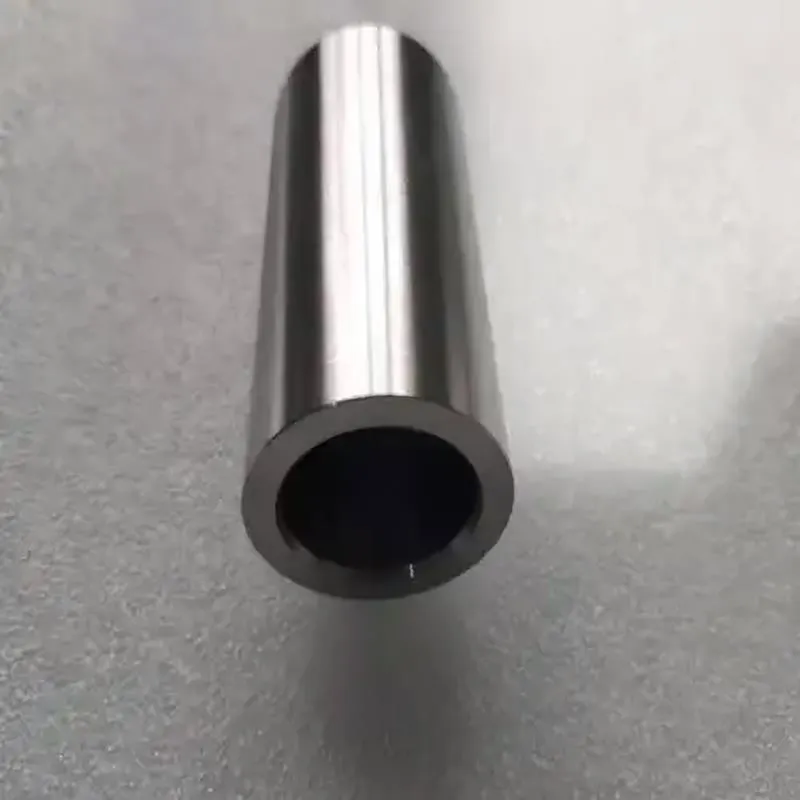
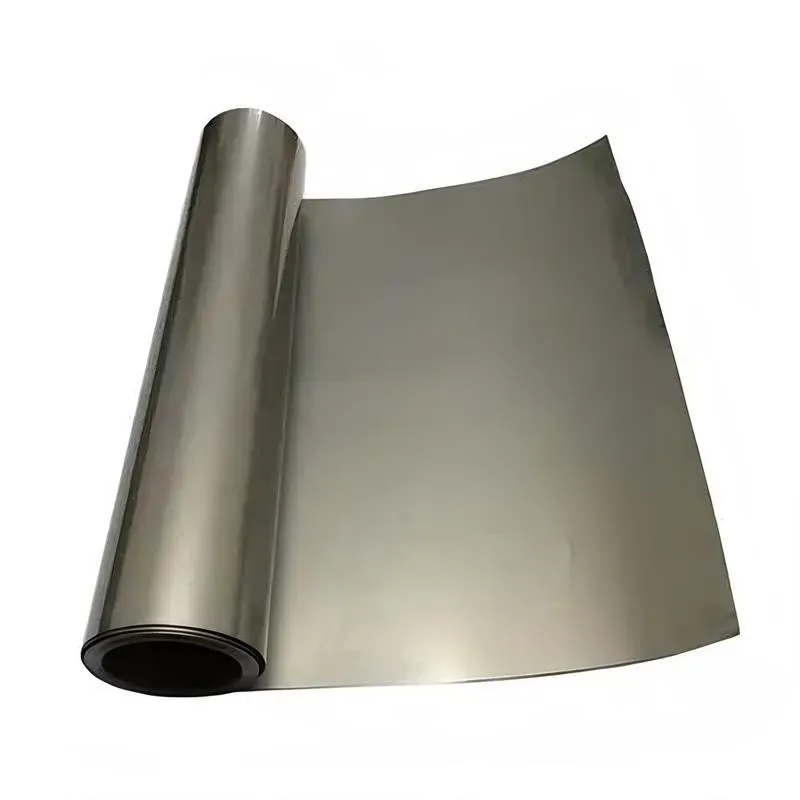
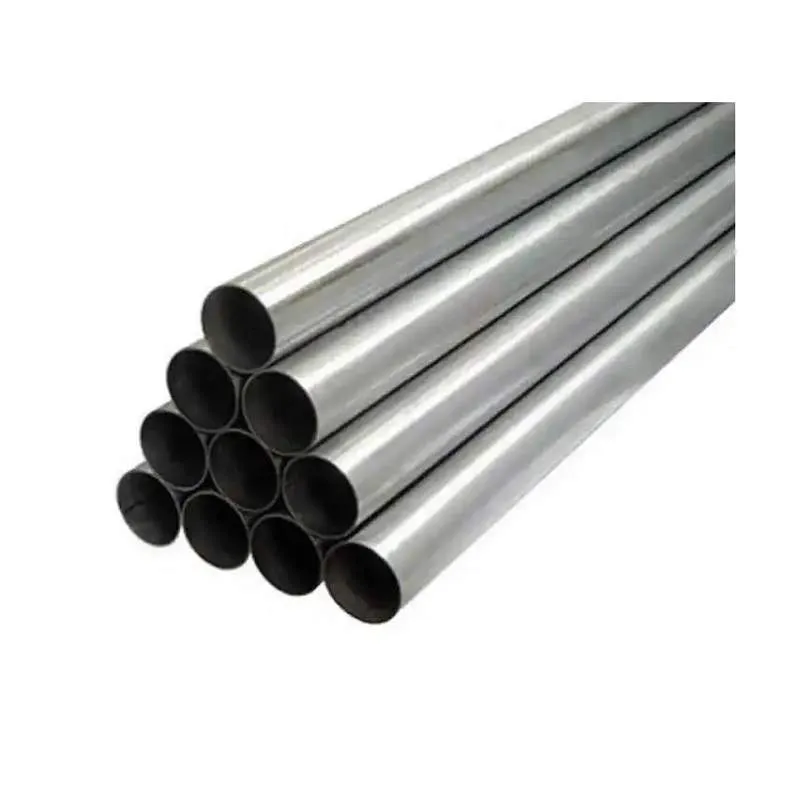
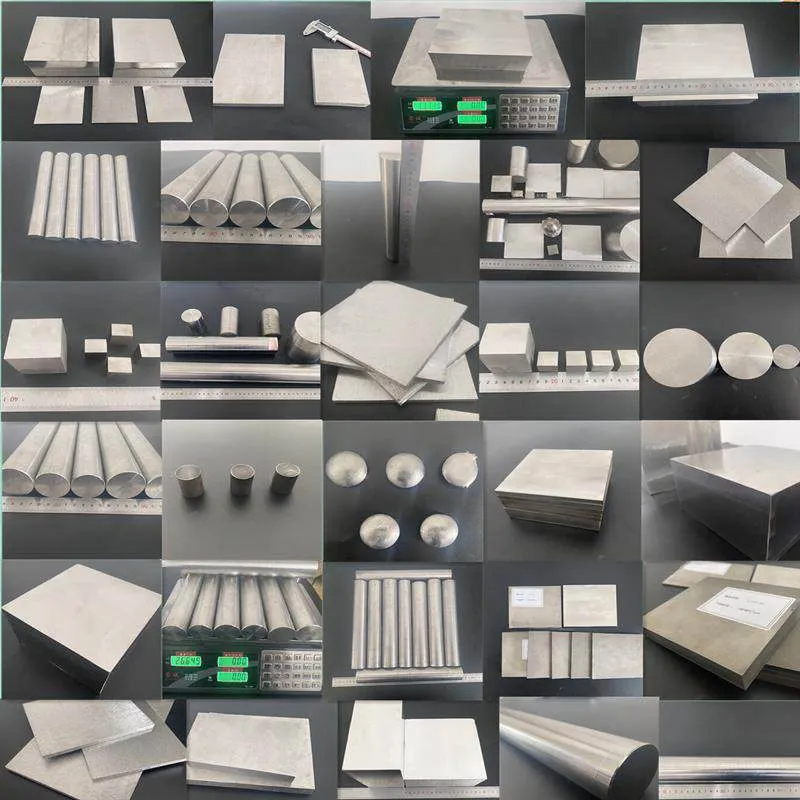
EOS,MaragingSteel Tube,Pipe MS1 DMSL on EOS,M290 400W
Product Code : STI-GSTI-710-CU
We provide EOS MaragingSteel Tube MS1 DMSL on EOS M290 400W is available in Bar (Round bar, Flat bar), Ribbon, Wire, Rods, Tube,Seamless Tube,Pipe, Ingots, Plate, Sheet, Strip and Forging Stock.,Purity, chemical composition, size, etc. can all be customized to meet specific requirements.EOS,MaragingSteel Pipe MS1 DMSL on EOS,M290 400W
Please contact us if you need customized services. We will contact you with the price and availability in 24 hours.
EOS MaragingSteel Tube MS1 DMSL on EOS M290 400W Product Information
-:-
For detailed product information, please contact sales.
-:
EOS MaragingSteel Tube MS1 DMSL on EOS M290 400W Synonyms
-:-
For detailed product information, please contact sales.
-:
EOS MaragingSteel MS1 DMSL on EOS M290 400W Product Information
-:-
For detailed product information, please contact sales.
-:
# EOS MaragingSteel MS1
## DMSL on EOS M290 - 400W Laser Configuration
---
### **Product Overview**
**EOS MaragingSteel MS1** is a proprietary gas-atomized, precipitation-hardenable steel powder engineered for **Direct Metal Selective Laser Melting (DMSL)** on the **EOS M290 system with the standard 400W fiber laser configuration**. This system represents the **industrial workhorse** for producing high-density, ultra-high-strength maraging steel components via Laser Powder Bed Fusion (LPBF). The 400W laser provides the optimal balance of power, speed, and melt pool control for MS1, enabling the fabrication of complex geometries that are subsequently age-hardened to achieve mechanical properties exceeding 1950 MPa UTS. This material-machine combination is the **industry benchmark** for additive manufacturing of high-performance tooling and lightweight structural components.
---
### **Chemical Composition (Weight %) - EOS MS1 Powder Specification**
| Element | Specification Range | Key Role in DMSL Process |
|---------|---------------------|--------------------------|
| **Nickel (Ni)** | 17.0 - 19.0 | Forms the primary martensitic matrix; critical for as-built toughness and age-hardening response. |
| **Cobalt (Co)** | 8.5 - 9.5 | Drives precipitation kinetics; essential for achieving peak aged strength. |
| **Molybdenum (Mo)** | 4.5 - 5.2 | Primary precipitation hardener (forms Ni₃Mo). |
| **Titanium (Ti)** | 0.6 - 0.8 | Secondary precipitation hardener (forms Ni₃Ti). Optimized level minimizes laser plume interference and oxidation. |
| **Aluminum (Al)** | ≤ 0.10 | Deoxidizer; tightly controlled to ensure consistent powder flow and melt pool behavior. |
| **Carbon (C)** | ≤ 0.03 | Ultra-low to prevent carbide formation and maintain excellent process weldability. |
| **Manganese (Mn)** | ≤ 0.10 | Residual. |
| **Silicon (Si)** | ≤ 0.10 | Residual; affects wetting and surface tension of melt pool. |
| **Oxygen (O)** | **≤ 0.10% (1000 ppm)** | **Critical AM parameter.** High oxygen leads to porosity, poor mechanicals, and potential build failures. EOS powder typically < 600 ppm. |
| **Nitrogen (N)** | ≤ 0.05% | Controlled to prevent nitride formation. |
| **Iron (Fe)** | Balance | Base element. |
**Powder Characteristics for EOS M290:**
* **Particle Size Distribution (PSD):** **20 - 63 µm** (Gaussian distribution optimized for 40 µm layer recoating).
* **Morphology:** Highly spherical, gas-atomized.
* **Flowability:** Hall Flowrate < 30 s/50g (excellent).
* **Apparent Density:** ≥ 4.0 g/cm³.
* **Packaging:** Sealed under argon in 10 kg or 20 kg containers.
---
### **EOS M290 400W System Build Process**
**Machine Configuration:**
* **Laser:** **IPG Yb-fibre laser, 400 W nominal power.**
* **Beam Quality:** M² < 1.1
* **Spot Size:** ~80 - 100 µm
* **Build Volume:** 250 x 250 x 325 mm
* **Atmosphere:** Recirculating **Argon** with continuous O₂ monitoring (< 0.1%).
* **Layer Thickness:** **40 µm standard** (20 µm for high-detail features).
**Standard EOS Process Parameters (ParameterSet):**
* **Laser Power:** 285 - 320 W (utilizing high dynamic range of 400W source)
* **Scan Speed:** 800 - 1200 mm/s
* **Hatch Spacing:** 0.10 - 0.14 mm
* **Scan Strategy:** **Stripes or Chessboard pattern** with 67° rotation between layers to minimize residual stress and texture.
* **Pre-heat:** Baseplate heated to **80°C** to reduce thermal gradients.
**As-Built State (Before Heat Treatment):**
* **Microstructure:** Fine cellular/dendritic martensite with minimal retained austenite.
* **Hardness:** 34 - 38 HRC
* **Density:** **> 99.7%** (with optimized parameters)
* **Surface Roughness (As-Built):** Ra 8 - 15 µm (up-skin), Ra 15 - 30 µm (side-skin).
---
### **Post-Processing Heat Treatment Cycle (Standard for MS1)**
1. **Stress Relief (Optional but Recommended for Complex Parts):**
* 650°C for 2 hours, furnace cool.
2. **Solution Annealing:**
* 820°C ± 10°C for 1 hour + 1 hour per 100mm of cross-section, in **vacuum or argon**, furnace cool.
* *Homogenizes microstructure, dissolves segregations.*
3. **Aging (Precipitation Hardening):**
* **490°C ± 10°C for 6 hours**, air cool.
* *Standard EOS recommendation; longer than wrought due to AM microstructural refinement.*
---
### **Mechanical Properties (After Full Heat Treatment)**
*Based on XY (horizontal) build plane test coupons built with standard 400W parameters.*
| Property | Minimum (Typical XY) | Typical Achieved (XY) | Z-Direction (Typical) | Test Standard |
|----------|----------------------|-----------------------|------------------------|---------------|
| **Ultimate Tensile Strength** | 1900 MPa | 1950 - 2050 MPa | 1850 - 1950 MPa | ASTM E8 / ISO 6892-1 |
| **0.2% Yield Strength** | 1850 MPa | 1900 - 2000 MPa | 1800 - 1900 MPa | ASTM E8 |
| **Elongation at Break** | 5% | 7 - 10% | 5 - 8% | ASTM E8 |
| **Hardness** | 48 HRC | 50 - 54 HRC | 50 - 54 HRC | ASTM E18 |
| **Fatigue Strength (10⁷, R=-1)** | 450 MPa | 500 - 580 MPa | 450 - 530 MPa | ASTM E466 |
| **Fracture Toughness (KIC)** | 50 MPa√m | 55 - 70 MPa√m | 45 - 60 MPa√m | ASTM E399 |
| **Impact Energy (Charpy)** | 15 J | 20 - 30 J | 15 - 25 J | ASTM E23 |
**Key Performance Notes (400W specific):**
* **High Density & Consistency:** The 400W laser provides sufficient **volumetric energy density (VED ~ 60-90 J/mm³)** to ensure consistent, deep melting and >99.7% density.
* **Anisotropy:** Typical **strength reduction in Z-direction: 5-10%**. Ductility and toughness reduction: 10-30%.
* **Surface Sensitivity:** As-built surface acts as a severe stress concentrator. **Machined surfaces are mandatory for dynamic or fatigue-loaded applications.**
---
### **Physical Properties**
| Property | Value (Aged) |
|----------|--------------|
| **Density** | 8.0 - 8.1 g/cm³ |
| **Thermal Conductivity** | 19 - 21 W/(m·K) |
| **Coefficient of Thermal Expansion** | 10.8 x 10⁻⁶ /K (20-100°C) |
| **Electrical Resistivity** | 0.65 µΩ·m |
| **Magnetic Properties** | Ferromagnetic |
---
### **Applicable Standards & Certifications**
* **Machine:** EOS M290 400W system qualified to **EOS Part Property Certification** and relevant **Aerospace (e.g., NADCAP AMS7000)** standards.
* **Material:** Powder certified to **EOS MS1 Specification**. Lot certification includes PSD, chemistry (O, N), and flowability data.
* **Process:** **EOS ParameterSet 1.0 (or later) for MaragingSteel MS1 on M290 400W** is the validated and recommended parameter set.
* **Industry Standards:**
* **SAE AMS7003:** "Laser Powder Bed Fusion Process, Maraging Steel, 18Ni-300(Co, Mo, Ti)"
* **ASTM F3184:** "Standard Specification for Additive Manufacturing Stainless Steel Alloy (UNS S17400) with Powder Bed Fusion"
* **Customer-Specific:** Boeing BMS7-400, Airbus AITM, NASA MSFC-STD-3716.
---
### **Primary Applications**
**Leveraging the 400W laser's capability for robust, high-throughput production:**
1. **Advanced Tooling (>70% of use):**
* **Injection Molds with High-Complexity Conformal Cooling:** For automotive, consumer electronics. The 400W laser ensures reliable bridging over channels.
* **Die Casting Inserts & Cores** for aluminum/magnesium.
* **Stamping, Forging, and Hydroforming Dies.**
* **Composite Molding Tools.**
2. **Aerospace & Defense:**
* **Flight-Certified Brackets, Housings, and Manifolds** (after rigorous qualification).
* **Heat Exchangers and Cooled Components** for avionics and engines.
* **Satellite Structural Components and Antenna Mounts.**
* **Custom Ground Support Equipment.**
3. **Motor Sports & High-Performance Engineering:**
* **Lightweight Suspension and Drivetrain Components.**
* **Custom Engine Parts** (e.g., turbocharger housings).
4. **Medical & Dental:**
* **Surgical Tooling and Guides** (with post-process sterilization validation).
* **Custom Instrumentation.**
---
### **Design & Build Guidelines for M290 400W**
* **Optimal Build Orientation:** Maximize critical load-bearing surfaces in the **XY plane**. Minimize Z-height to reduce build time and stair-stepping.
* **Support Strategy:** Use **block supports** for large overhangs and **cone supports** for fine features. The 400W laser can fuse thicker supports, aiding heat dissipation.
* **Critical DfAM Rules:**
* **Minimum Wall Thickness:** 0.8 mm (with supports), 1.2 mm (self-supporting).
* **Minimum Hole Diameter:** 1.0 mm (through), 2.0 mm (blind).
* **Self-Supporting Angle:** 45° (recommended), 30° (possible with downskin parameters).
* **Escape Holes for Powder:** Minimum 8 mm diameter for circular, 10 mm for slot.
* **Post-Processing Workflow:**
1. Wire EDM off build plate.
2. Remove supports (ultrasonic, machining).
3. **Stress Relief** (for complex parts).
4. **Machine all critical functional features and surfaces.**
5. Perform **Solution + Age** heat treatment cycle.
6. Final surface finish (polish, bead blast, coating).
---
### **Advantages of the 400W Laser Configuration**
* **Higher Productivity:** Faster scan speeds achievable while maintaining melt pool stability, reducing build time.
* **Improved Downskin & Overhang Quality:** Sufficient power to melt deeper into previous layers, improving consolidation on downward-facing surfaces.
* **Robustness to Parameter Variation:** More forgiving of minor parameter fluctuations, leading to consistent part quality.
* **Ability to Process Slightly Contaminated Powder:** Higher power can better overcome minor oxide layers.
---
### **Summary**
**EOS MaragingSteel MS1** on the **EOS M290 with a 400W laser** constitutes a **mature, production-proven industrial additive manufacturing solution**. It delivers **repeatable, high-density parts** that, after standardized heat treatment, achieve **mechanical properties satisfying the requirements for the most demanding tooling and structural applications**. The 400W laser is the **sweet-spot configuration** for this material, providing the ideal combination of build rate, detail resolution, and process reliability. Success mandates adherence to **validated EOS parameters, disciplined DfAM, and a comprehensive post-processing regimen** that includes machining and proper heat treatment. This system enables the economic production of complex, high-value maraging steel components that are otherwise impossible or prohibitively expensive to manufacture.
-:-
For detailed product information, please contact sales.
-:
EOS MaragingSteel MS1 DMSL on EOS M290 400W Specification
Dimensions
Size:
Diameter 20-1000 mm Length <7366 mm
Size:We can customized as required
Standard:
Per your request or drawing
We can customized as required
Properties(Theoretical)
Chemical Composition
-:-
For detailed product information, please contact sales.
-:
EOS MaragingSteel MS1 DMSL on EOS M290 400W Properties
-:-
For detailed product information, please contact sales.
-:
Applications of EOS MaragingSteel Tube MS1 DMSL on EOS M290 400W
-:-
For detailed product information, please contact sales.
-:
Chemical Identifiers EOS MaragingSteel Tube MS1 DMSL on EOS M290 400W
-:-
For detailed product information, please contact sales.
-:
Packing of EOS MaragingSteel Tube MS1 DMSL on EOS M290 400W
-:-
For detailed product information, please contact sales.
-:
Standard Packing:
-:-
For detailed product information, please contact sales.
-:
Typical bulk packaging includes palletized plastic 5 gallon/25 kg. pails, fiber and Steel Tube drums to 1 ton super sacks in full container (FCL) or truck load (T/L) quantities. Research and sample quantities and hygroscopic, oxidizing or other air sensitive materials may be packaged under argon or vacuum. Solutions are packaged in polypropylene, plastic or glass jars up to palletized 3837 gallon liquid totes Special package is available on request. E FORUs’ is carefully handled to minimize damage during storage and transportation and to preserve the quality of our products in their original condition