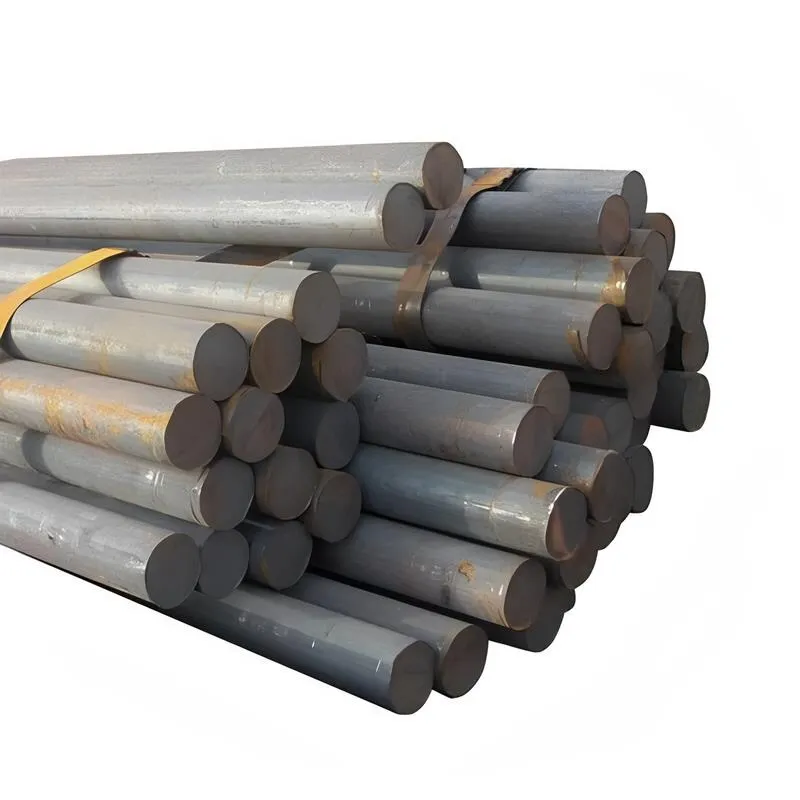
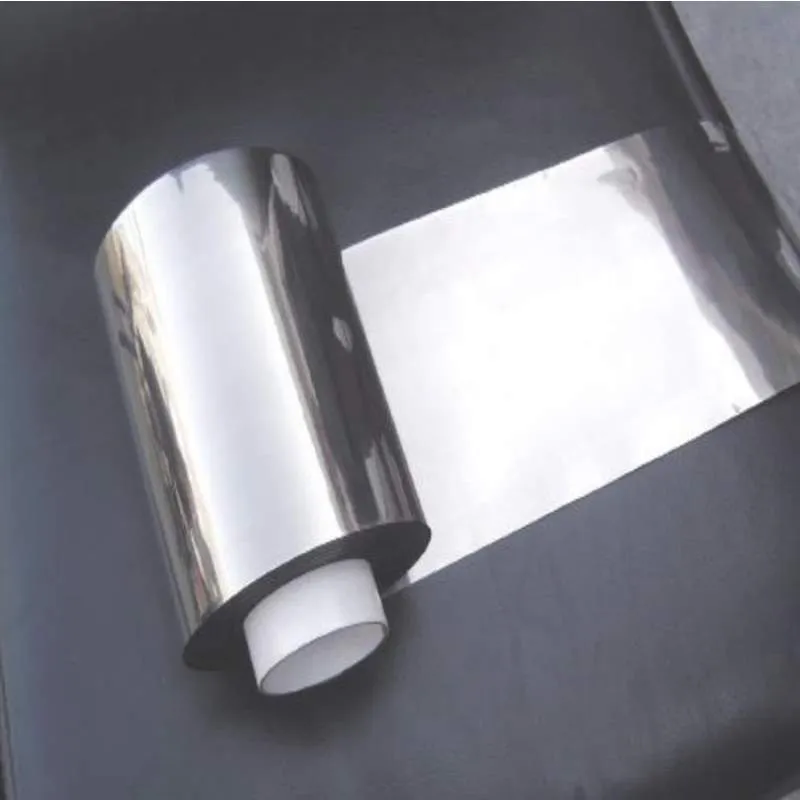
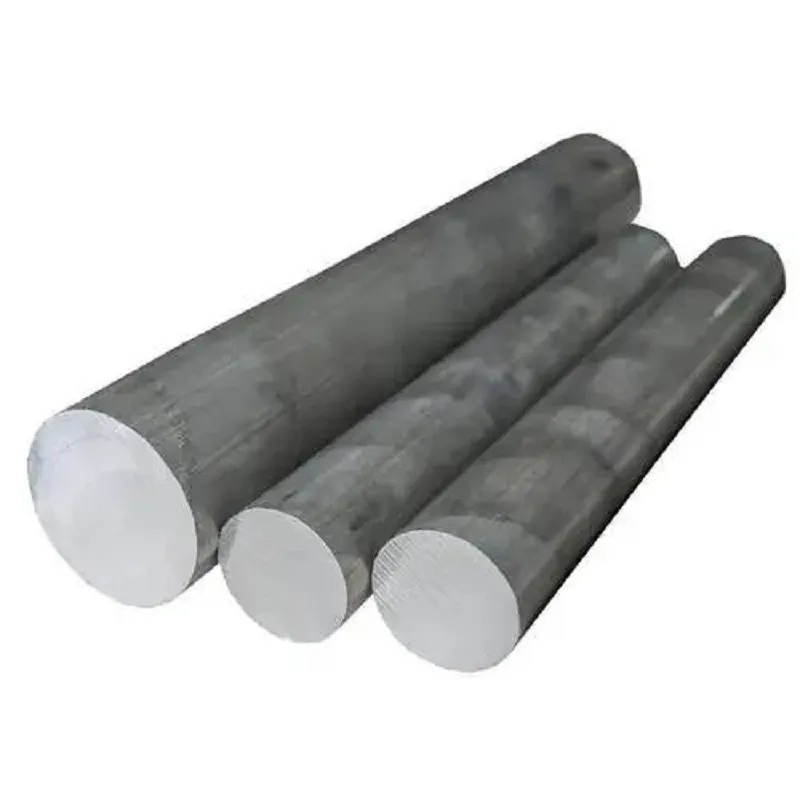
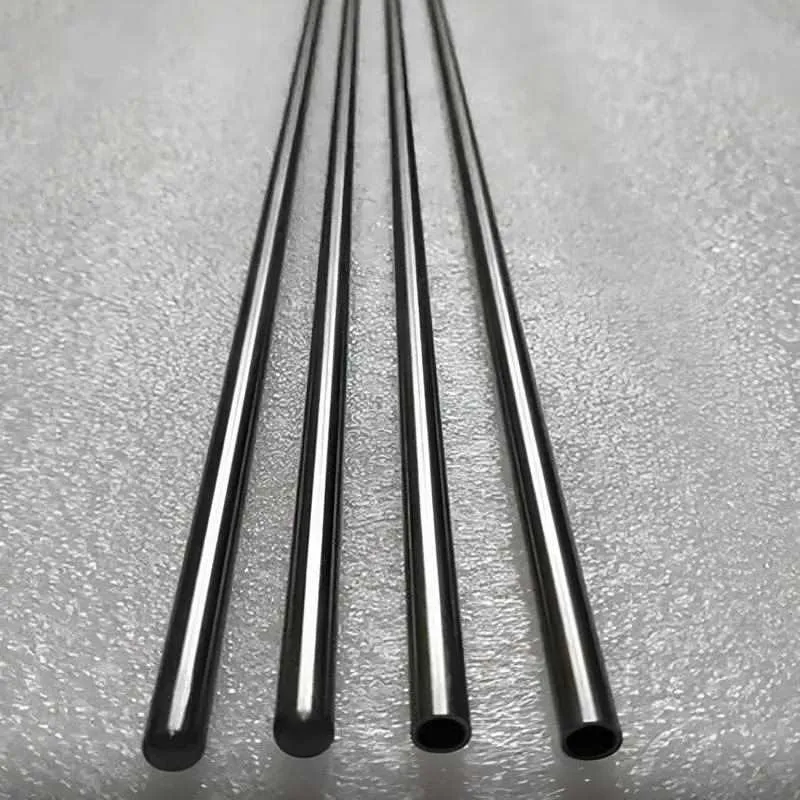
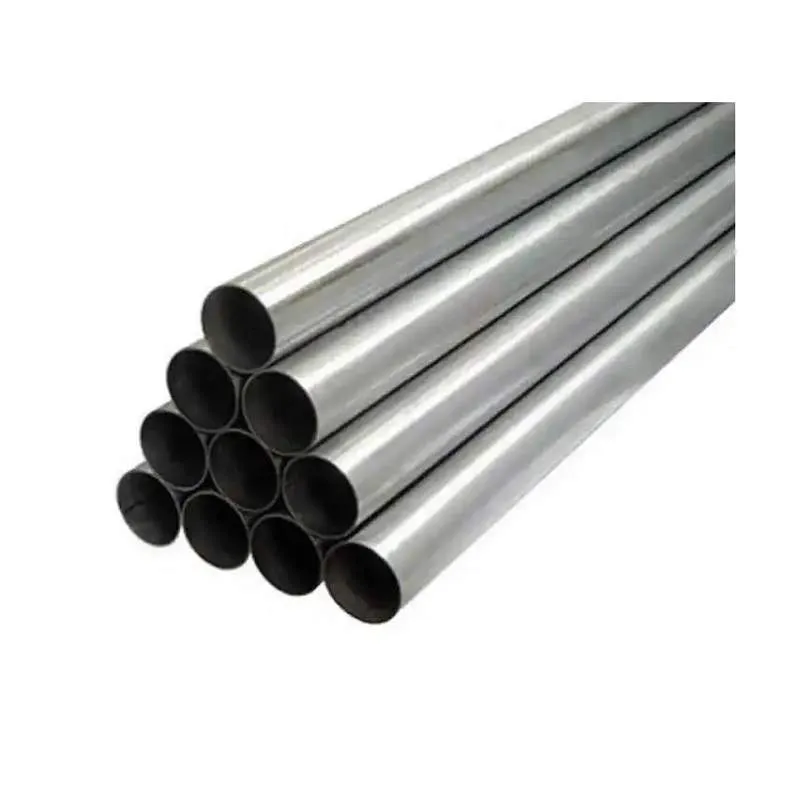
High-Chromium Iron Rod/Bar, corrosion resistant
Product Code : STI-IFe-004-CU
We provide High-Chromium Iron Rod/Bar, corrosion resistant is available in Bar (Round bar, Flat bar), Ribbon, Wire, Rod/Bars, Tube,Seamless Tube,Pipe, Ingots, Plate, Sheet, Strip and Forging Stock.,Purity, chemical composition, size, etc. can all be customized to meet specific requirements.
Please contact us if you need customized services. We will contact you with the price and availability in 24 hours.
High-Chromium Iron Rod, corrosion resistant Product Information
-:-
For detailed product information, please contact sales.
-:
High-Chromium Iron Rod, corrosion resistant Synonyms
-:-
For detailed product information, please contact sales.
-:
High-Chromium Iron, corrosion resistant Product Information
-:-
For detailed product information, please contact sales.
-:
# **PRODUCT DATASHEET: HIGH-CHROMIUM IRON - PREMIUM CORROSION-RESISTANT ALLOY**
## **EXECUTIVE SUMMARY**
**High-Chromium Iron** is an advanced **ferro-chromium alloy** containing **24-30% chromium** that provides **exceptional corrosion and oxidation resistance** in severely aggressive environments. This specialized cast iron family combines the **corrosion resistance of stainless steels** with the **wear resistance and castability of white irons**, creating a material uniquely suited for applications requiring simultaneous resistance to **chemical attack, abrasion, and elevated temperatures**. Characterized by its **dense chromium oxide (Cr₂O₃) surface film** and **high hardness carbide structure**, High-Chromium Iron offers **superior performance in chemical processing, power generation, mining, and pulp/paper industries** where both corrosion and wear mechanisms are present.
Through precise control of chromium content and complementary alloying elements, this material achieves **outstanding resistance to oxidizing acids, alkaline solutions, and corrosive slurries** while maintaining **excellent mechanical properties at temperatures up to 1800°F (982°C)**. The alloy's unique microstructure features **chromium carbides (Cr₇C₃) embedded in a chromium-rich austenitic or martensitic matrix**, providing both corrosion protection and wear resistance unavailable in conventional corrosion-resistant alloys.
---
## **METALLURGICAL DESIGN**
### **Chromium-Enhanced Protection System**
High-Chromium Iron derives its corrosion resistance through multiple synergistic mechanisms:
1. **Chromium Oxide Passivation:** High chromium content (24-30%) promotes formation of a dense, adherent Cr₂O₃ surface film
2. **Dual-Phase Microstructure:** Chromium carbides provide wear resistance while chromium-rich matrix offers corrosion protection
3. **Carbon-Chromium Balance:** Optimized ratio ensures adequate carbide formation without compromising corrosion resistance
4. **Secondary Alloying:** Molybdenum, nickel, and copper enhance specific corrosion resistance properties
### **Protective Film Characteristics**
- **Film Composition:** Primarily Cr₂O₃ with minor Fe₂O₃ and spinel oxides
- **Film Stability:** Maintains integrity in both oxidizing and reducing conditions
- **Self-Repair Capacity:** Chromium diffusion continuously replenishes protective layer
- **Adhesion Strength:** Excellent bond to substrate, resistant to spalling
- **Electrical Properties:** High resistivity limits galvanic corrosion
### **Manufacturing Advantages**
- **Excellent Castability:** Good fluidity and mold filling characteristics
- **Heat Treatability:** Can be optimized through thermal processing
- **Weldability:** Superior to high-silicon irons for repair capability
- **Versatility:** Wide range of compositions for specific applications
---
## **CHEMICAL COMPOSITION**
### **Standard Composition Ranges (Weight %)**
| Element | Minimum | Maximum | Typical | Function & Rationale |
|---------|---------|---------|---------|----------------------|
| **Chromium (Cr)** | 24.0 | 30.0 | 27.0 | Primary corrosion/oxidation resistance, carbide formation |
| **Carbon (C)** | 1.8 | 3.2 | 2.5 | Carbide formation, hardness control |
| **Nickel (Ni)** | 0.5 | 2.5 | 1.5 | Austenite stabilization, toughness improvement |
| **Molybdenum (Mo)** | 1.0 | 3.0 | 2.0 | Pitting resistance, strength at temperature |
| **Manganese (Mn)** | 0.5 | 1.5 | 1.0 | Deoxidation, sulfide control |
| **Silicon (Si)** | 0.5 | 1.5 | 1.0 | Fluidity improvement, oxide film enhancement |
| **Copper (Cu)** | 0.5 | 2.0 | 1.2 | Acid resistance, particularly sulfuric acid |
| **Niobium (Nb)** | 0.1 | 0.5 | 0.3 | Carbide refinement, intergranular corrosion resistance |
| **Nitrogen (N)** | 0.05 | 0.20 | 0.12 | Austenite stabilization, strength enhancement |
### **Grade Variations**
| Grade Designation | Cr Content | C Content | Mo Content | Special Characteristics |
|-------------------|------------|-----------|------------|-------------------------|
| **HCr-25** | 24-26% | 2.0-2.5% | 1.0-2.0% | Standard corrosion resistance |
| **HCr-27** | 26-28% | 2.2-2.8% | 1.5-2.5% | Enhanced acid resistance |
| **HCr-29** | 28-30% | 2.5-3.0% | 2.0-3.0% | Premium corrosion/oxidation |
| **HCr-27Mo** | 26-28% | 2.0-2.6% | 2.5-3.5% | Superior pitting/crevice resistance |
### **Specialized Alloy Variants**
- **HCr-28Ni3:** 2.5-3.5% Ni for improved toughness and thermal shock
- **HCr-26Cu2:** 1.5-2.5% Cu for sulfuric acid service
- **HCr-29Nb:** 0.3-0.8% Nb for chloride environments
- **HCr-25LowC:** 1.8-2.2% C for improved corrosion resistance
### **Comparative Chemistry**
| Material | Cr Content | C Content | Primary Use | Relative Cost |
|----------|------------|-----------|-------------|---------------|
| **High-Cr Iron** | 24-30% | 1.8-3.2% | Corrosion + wear | 1.0× |
| **Type 316 Stainless** | 16-18% | 0.08% max | General corrosion | 2.0-3.0× |
| **CD4MCu** | 24-27% | 0.04% max | Cast corrosion alloy | 1.5-2.0× |
| **Hastelloy C-276** | 14.5-16.5% | 0.01% max | Severe reducing acids | 8-12× |
| **High-Si Iron** | 3-5% | 0.5-0.85% | Oxidizing acids | 0.8-1.2× |
---
## **PHYSICAL PROPERTIES**
### **Basic Physical Constants**
| Property | Value Range | Typical | Units | Test Standard |
|----------|-------------|---------|-------|----------------|
| **Density** | 0.260-0.268 | 0.264 | lb/in³ (7.2-7.42 g/cm³) | ASTM B311 |
| **Melting Range** | 2400-2550 | 2475 | °F (1316-1399°C) | |
| **Modulus of Elasticity** | 25-28 × 10⁶ | 26.5 × 10⁶ | psi (172-193 GPa) | ASTM E111 |
| **Shear Modulus** | 9.5-10.5 × 10⁶ | 10.0 × 10⁶ | psi (66-72 GPa) | ASTM E143 |
| **Poisson's Ratio** | 0.26-0.28 | 0.27 | | ASTM E132 |
| **Thermal Conductivity** | 15-18 | 16.5 | BTU·in/(hr·ft²·°F) @ 212°F | ASTM E1225 |
| **Specific Heat** | 0.12-0.14 | 0.13 | BTU/(lb·°F) @ 68-212°F | ASTM E1269 |
| **CTE (20-200°C)** | 5.8-6.2 × 10⁻⁶ | 6.0 × 10⁻⁶ | /°F (10.4-11.2 × 10⁻⁶ /K) | ASTM E228 |
| **Electrical Resistivity** | 65-80 | 72 | μΩ·cm | ASTM B193 |
| **Magnetic Response** | Weakly magnetic | | (depends on microstructure) | |
### **Thermal Properties for Design**
| Temperature | Thermal Conductivity | Specific Heat | CTE |
|-------------|----------------------|---------------|-----|
| **Room Temperature** | 16.0 BTU·in/(hr·ft²·°F) | 0.13 BTU/(lb·°F) | 6.0 × 10⁻⁶ /°F |
| **400°F (204°C)** | 17.0 BTU·in/(hr·ft²·°F) | 0.14 BTU/(lb·°F) | 6.2 × 10⁻⁶ /°F |
| **800°F (427°C)** | 18.0 BTU·in/(hr·ft²·°F) | 0.15 BTU/(lb·°F) | 6.5 × 10⁻⁶ /°F |
| **1200°F (649°C)** | 19.0 BTU·in/(hr·ft²·°F) | 0.16 BTU/(lb·°F) | 6.8 × 10⁻⁶ /°F |
### **Special Physical Characteristics**
- **Thermal Shock Resistance:** Good (better than high-Si iron)
- **Oxidation Resistance:** Excellent up to 1800°F (982°C)
- **Thermal Fatigue:** Good resistance to cycling
- **Density:** Similar to other cast irons
- **Acoustic Properties:** Good sound damping characteristics
### **Foundry Properties**
- **Pouring Temperature:** 2600-2750°F (1427-1510°C)
- **Fluidity:** Good to very good
- **Shrinkage:** 1.6-2.0% linear
- **Feeding Characteristics:** Moderate risering required
- **Pattern Allowance:** 1.8-2.2% for machining
---
## **MECHANICAL PROPERTIES**
### **As-Cast Condition**
| Property | Value Range | Typical | Units |
|----------|-------------|---------|-------|
| **Hardness** | 400-500 | 450 | HB |
| **Tensile Strength** | 50-70 | 60 | ksi (345-483 MPa) |
| **Yield Strength (0.2%)** | 45-65 | 55 | ksi (310-448 MPa) |
| **Compressive Strength** | 250-300 | 275 | ksi (1725-2070 MPa) |
| **Elongation** | 1-3 | 2 | % |
| **Impact Energy** | 5-15 | 10 | ft-lb (7-20 J) |
| **Modulus of Rupture** | 30-50 | 40 | ksi (207-345 MPa) |
### **Heat Treated Condition**
| Property | Annealed | Quenched & Tempered | Solution Treated | Units |
|----------|----------|---------------------|------------------|-------|
| **Hardness** | 350-450 HB | 500-600 HB | 400-450 HB | HB/HRC |
| **Tensile Strength** | 45-60 ksi | 65-85 ksi | 55-70 ksi | ksi |
| **Yield Strength** | 40-55 ksi | 55-75 ksi | 50-65 ksi | ksi |
| **Elongation** | 2-4% | 1-2% | 3-5% | % |
| **Impact Energy** | 8-18 ft-lb | 5-12 ft-lb | 10-20 ft-lb | ft-lb |
### **Elevated Temperature Properties**
| Temperature | Tensile Strength | Yield Strength | Creep Limit (10⁵ hours) |
|-------------|-----------------|----------------|--------------------------|
| **Room Temperature** | 60 ksi | 55 ksi | - |
| **800°F (427°C)** | 50 ksi | 45 ksi | 25 ksi |
| **1000°F (538°C)** | 40 ksi | 35 ksi | 15 ksi |
| **1200°F (649°C)** | 30 ksi | 25 ksi | 8 ksi |
| **1400°F (760°C)** | 20 ksi | 15 ksi | 4 ksi |
### **Fatigue Properties**
- **Endurance Limit (10⁷ cycles):** 25-35 ksi
- **Fatigue Ratio:** 0.40-0.50
- **Corrosion Fatigue:** Excellent in most environments
- **Thermal Fatigue:** Good resistance to cycling
### **Design Allowable Stresses**
*Based on ASME Section VIII, Division 1*
| Temperature | Allowable Stress | Notes |
|-------------|-----------------|-------|
| **Up to 650°F (343°C)** | 15 ksi | General corrosion service |
| **650-1000°F (343-538°C)** | 12 ksi | Elevated temperature |
| **1000-1200°F (538-649°C)** | 8 ksi | High temperature |
| **Over 1200°F (649°C)** | 5 ksi | Consult manufacturer |
---
## **CORROSION RESISTANCE**
### **Acid Resistance Performance**
#### **Mineral Acids**
| Acid | Concentration | Temperature Limit | Performance | Notes |
|------|--------------|-------------------|-------------|-------|
| **Sulfuric Acid** | 0-70% | Up to boiling | Excellent | Best for >70% at elevated temps |
| **Nitric Acid** | 0-65% | Up to boiling | Excellent | Superior resistance |
| **Hydrochloric Acid** | <10% | <150°F | Good | Aeration improves performance |
| **Phosphoric Acid** | All concentrations | Up to boiling | Excellent | |
| **Hydrofluoric Acid** | <5% | Ambient | Fair | Limited application |
#### **Organic Acids**
| Acid Type | Conditions | Performance | Comments |
|-----------|------------|-------------|----------|
| **Acetic Acid** | All conc., up to boiling | Excellent | |
| **Formic Acid** | All conc., up to boiling | Excellent | |
| **Citric Acid** | All conc., up to boiling | Excellent | |
| **Oxalic Acid** | All conc., <200°F | Good | |
| **Tartaric Acid** | All conc., up to boiling | Excellent | |
### **Alkali & Salt Solutions**
| Environment | Conditions | Performance | Notes |
|-------------|------------|-------------|-------|
| **Sodium Hydroxide** | <50%, <300°F | Excellent | |
| **Potassium Hydroxide** | <50%, <300°F | Excellent | |
| **Ammonium Hydroxide** | All conc., up to boiling | Excellent | |
| **Sodium Chloride** | All conc., up to boiling | Excellent | Seawater applications |
| **Calcium Chloride** | All conc., up to boiling | Excellent | Brine solutions |
### **Special Environments**
| Application | Conditions | Performance | Typical Use |
|-------------|------------|-------------|-------------|
| **Bleach Solutions** | NaClO, Cl₂ water | Excellent | Pulp bleaching |
| **Chromic Acid** | CrO₃ solutions | Excellent | Plating solutions |
| **Mixed Acids** | HNO₃/HF, H₂SO₄/HNO₃ | Good to Excellent | Chemical processing |
| **Waste Streams** | Variable composition | Good | Environmental |
### **Comparative Corrosion Rates**
*mm/year in aggressive environments*
| Material | 50% H₂SO₄ @ 200°F | 10% HCl @ 150°F | 65% HNO₃ @ boiling | 50% NaOH @ 300°F |
|----------|-------------------|-----------------|--------------------|------------------|
| **High-Cr Iron** | <0.1 | 0.2-0.5 | <0.05 | <0.05 |
| **316 Stainless** | >10.0 | >10.0 | <0.05 | <0.1 |
| **High-Si Iron** | <0.05 | 0.5-2.0 | <0.02 | 0.5-1.0 |
| **Hastelloy C-276** | 0.2-0.5 | <0.1 | <0.05 | <0.1 |
### **Oxidation Resistance**
| Temperature | Weight Gain (mg/cm²) | Scale Characteristics | Maximum Service |
|-------------|----------------------|----------------------|-----------------|
| **1200°F (649°C)** | 1-2 after 1000 hours | Thin, adherent Cr₂O₃ | Continuous |
| **1500°F (816°C)** | 3-5 after 1000 hours | Protective oxide layer | Continuous |
| **1800°F (982°C)** | 8-12 after 1000 hours | Still protective | Intermittent |
| **2000°F (1093°C)** | 20-30 after 1000 hours | Some spalling | Short-term only |
---
## **HEAT TREATMENT**
### **Annealing**
- **Temperature:** 1650-1750°F (899-954°C)
- **Time:** 2-4 hours per inch of thickness
- **Cooling:** Furnace cool to 1000°F (538°C), then air cool
- **Purpose:** Soften for machining, relieve casting stresses
- **Resultant Hardness:** 350-450 HB
### **Hardening**
1. **Austenitize:** 1850-1950°F (1010-1066°C)
2. **Soak Time:** 2-3 hours per inch
3. **Quenching:** Air cool or oil quench depending on section
4. **Temperature Control:** Critical for carbide solution
### **Tempering**
- **Temperature Range:** 400-1200°F (204-649°C)
- **Time:** 2-4 hours per inch
- **Effect:** Stress relief, toughness improvement
- **Double Temper:** Recommended for dimensional stability
### **Solution Treatment**
- **Temperature:** 2000-2100°F (1093-1149°C)
- **Time:** 1-2 hours per inch
- **Quench:** Rapid water or polymer quench
- **Purpose:** Maximum corrosion resistance
### **Stress Relieving**
- **Temperature:** 1100-1250°F (593-677°C)
- **Time:** 1 hour per inch minimum
- **Application:** After welding or heavy machining
---
## **FOUNDRY PROCESSING**
### **Melting Practice**
- **Furnace Type:** Electric arc or induction
- **Charge Materials:** Low-carbon ferrochrome, steel scrap, alloys
- **Temperature Control:** 2800-2950°F (1538-1621°C)
- **Decarburization Control:** Critical for corrosion properties
### **Molding Methods**
- **Green Sand:** For simpler shapes
- **Chemically Bonded:** For complex geometries
- **Shell Molding:** High production, good finish
- **Investment Casting:** Precision components
### **Quality Control**
- **Chemical Analysis:** Each heat verified
- **Microstructure:** Carbide distribution assessment
- **Hardness Testing:** Multiple locations
- **NDT:** PT, RT, UT as required
---
## **MACHINING & FABRICATION**
### **Machining Characteristics**
- **Annealed Condition:** 200-250 HB, fair machinability
- **Hardened Condition:** 500-600 HB, grinding required
- **Tool Materials:** Carbide or ceramic tooling
- **Coolant:** Essential for heat control
### **Welding**
- **Preheat:** 400-600°F (204-316°C)
- **Filler Metals:** Matching or overalloyed compositions
- **Post-Weld Heat Treatment:** Usually required
- **Applications:** Repair, fabrication of simple shapes
### **Grinding**
- **Primary finishing method**
- **Wheel Selection:** Aluminum oxide or CBN
- **Parameters:** Moderate speeds, generous coolant
---
## **INTERNATIONAL STANDARDS**
### **Material Standards**
- **ASTM A532:** Abrasion-Resistant Cast Irons
- **ASTM A743/A743M:** Corrosion-Resistant Castings
- **ISO 21988:** Abrasion-resistant cast irons
- **DIN 1695:** Cast iron with spheroidal graphite
### **Testing Standards**
- **ASTM A247:** Microstructure evaluation
- **ASTM E10:** Brinell hardness
- **ASTM G28:** Intergranular corrosion
- **ASTM G48:** Pitting/crevice corrosion
---
## **APPLICATIONS**
### **Chemical Processing**
- **Acid Pumps:** Sulfuric, nitric, phosphoric acid handling
- **Valves & Fittings:** For corrosive service
- **Reactors & Vessels:** Chemical reaction equipment
- **Heat Exchangers:** Corrosive media heat transfer
### **Power Generation**
- **FGD Systems:** Flue gas desulfurization components
- **Ash Handling:** Corrosive ash slurry systems
- **Cooling Systems:** Brackish and seawater cooling
### **Mining & Mineral Processing**
- **Slurry Pumps:** Abrasive-corrosive slurry handling
- **Hydrocyclones:** Classification in corrosive environments
- **Thickeners:** Rake arms, tanks in acid leaching
### **Pulp & Paper**
- **Digesters:** Pulping chemical resistance
- **Bleach Plants:** Chlorine dioxide systems
- **Chemical Recovery:** Green/white liquor service
### **Environmental**
- **Waste Treatment:** Acid waste neutralization
- **Scrubbers:** Acid gas absorption
- **Incinerators:** High temperature corrosion protection
---
## **DESIGN CONSIDERATIONS**
### **Key Design Factors**
1. **Corrosion Allowance:** Typically 0.125-0.250 inches
2. **Stress Management:** Avoid stress concentrators
3. **Thermal Expansion:** Account for in high temperature service
4. **Galvanic Compatibility:** Isolate from dissimilar metals
5. **Inspection Access:** Design for corrosion monitoring
### **Installation Guidelines**
- **Proper Support:** Prevent bending stresses
- **Alignment:** Critical for rotating equipment
- **Gasketing:** Compatible materials for sealing
- **Fasteners:** Isolated from corrosive media
### **Maintenance Practices**
- **Regular Inspection:** Thickness monitoring
- **Cleaning:** Remove deposits that promote corrosion
- **Repair:** Specialized procedures for welded repair
- **Record Keeping:** Document service conditions and performance
---
## **COMPARATIVE ADVANTAGES**
### **vs. Competing Materials**
| Property | High-Cr Iron | 316 Stainless | High-Si Iron | Hastelloy C-276 |
|----------|--------------|---------------|--------------|-----------------|
| **Corrosion Resistance** | Excellent | Good | Excellent | Superior |
| **Wear Resistance** | Excellent | Poor | Good | Poor |
| **Temperature Limit** | 1800°F | 1500°F | 750°F | 2000°F |
| **Cost Effectiveness** | High | Medium | High | Low |
| **Castability** | Excellent | Good | Poor | Good |
### **Economic Benefits**
- **Long Service Life:** 15-25 years in severe service
- **Reduced Maintenance:** Lower total cost of ownership
- **Performance Reliability:** Consistent in variable conditions
- **Versatility:** Multiple mechanisms of degradation resistance
---
## **QUALITY ASSURANCE**
### **Certification Requirements**
- **Material Certification:** Chemical and mechanical properties
- **Heat Treatment Records:** Complete thermal history
- **NDT Reports:** As specified by design requirements
- **Traceability:** Heat to component tracking
### **Testing Protocol**
- **Chemical Analysis:** Spectrographic verification
- **Mechanical Testing:** Tensile, hardness, impact
- **Corrosion Testing:** Per application requirements
- **Dimensional Verification:** To drawing specifications
---
## **LIMITATIONS & CONSIDERATIONS**
### **Material Limitations**
- **Brittleness:** Lower impact resistance than steels
- **Thermal Shock:** Moderate resistance
- **Fabrication Complexity:** Limited welding and machining
- **Cost:** Higher than carbon steels, lower than nickel alloys
### **Application Constraints**
- **Not Recommended For:** Hydrofluoric acid >5%
- **Temperature Cycling:** Limit to 300°F (149°C) differential
- **Impact Loading:** Avoid in high-impact applications
- **Design Stresses:** Conservative design factors required
---
## **TECHNICAL SUPPORT**
### **Services Available**
- **Material Selection:** Application-specific recommendations
- **Design Review:** For corrosion and mechanical considerations
- **Failure Analysis:** Investigation of service issues
- **Performance Optimization:** Life extension strategies
### **Contact Information**
*Technical support available through manufacturer's engineering department*
---
## **REVISION HISTORY**
| Version | Date | Changes | Author |
|---------|------|---------|--------|
| 1.0 | 2024-01 | Initial Release | Technical Dept. |
| 1.1 | 2024-03 | Updated corrosion data | Materials Engineering |
---
**Disclaimer:** The information provided is for general guidance. Specific application requirements should be verified with technical personnel. Properties may vary based on exact composition and processing.
-:-
For detailed product information, please contact sales.
-:
High-Chromium Iron, corrosion resistant Specification
Dimensions
Size:
Diameter 20-1000 mm Length <6478 mm
Size:We can customized as required
Standard:
Per your request or drawing
We can customized as required
Properties(Theoretical)
Chemical Composition
-:-
For detailed product information, please contact sales.
-:
High-Chromium Iron, corrosion resistant Properties
-:-
For detailed product information, please contact sales.
-:
Applications of High-Chromium Iron Rod, corrosion resistant
-:-
For detailed product information, please contact sales.
-:
Chemical Identifiers High-Chromium Iron Rod, corrosion resistant
-:-
For detailed product information, please contact sales.
-:
Packing of High-Chromium Iron Rod, corrosion resistant
-:-
For detailed product information, please contact sales.
-:
Standard Packing:
-:-
For detailed product information, please contact sales.
-:
Typical bulk packaging includes palletized plastic 5 gallon/25 kg. pails, fiber and Steel Rod drums to 1 ton super sacks in full container (FCL) or truck load (T/L) quantities. Research and sample quantities and hygroscopic, oxidizing or other air sensitive materials may be packaged under argon or vacuum. Solutions are packaged in polypropylene, plastic or glass jars up to palletized 2949 gallon liquid totes Special package is available on request. E FORUs’ is carefully handled to minimize damage during storage and transportation and to preserve the quality of our products in their original condition