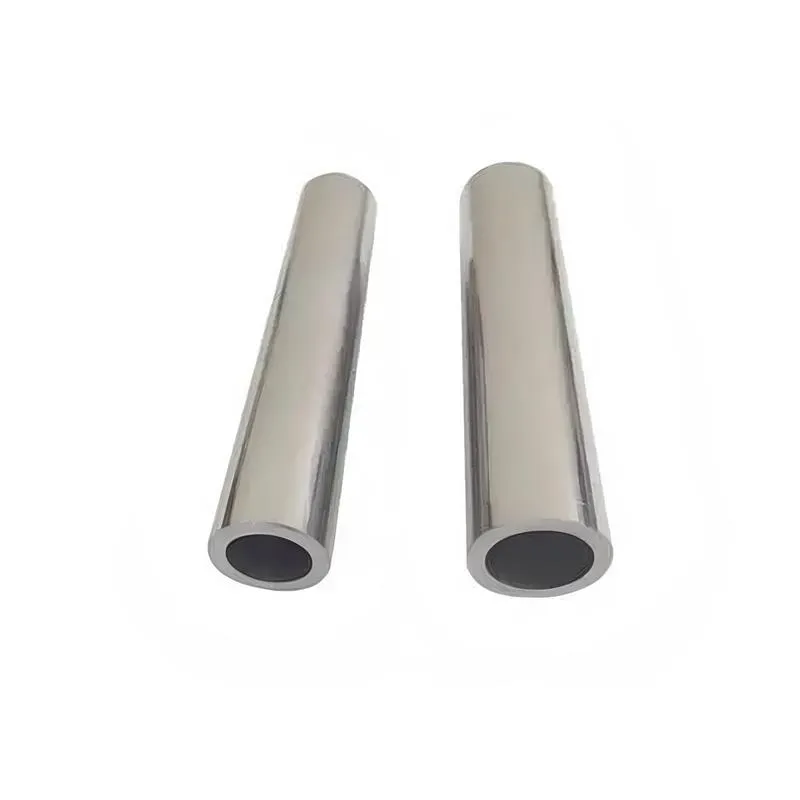
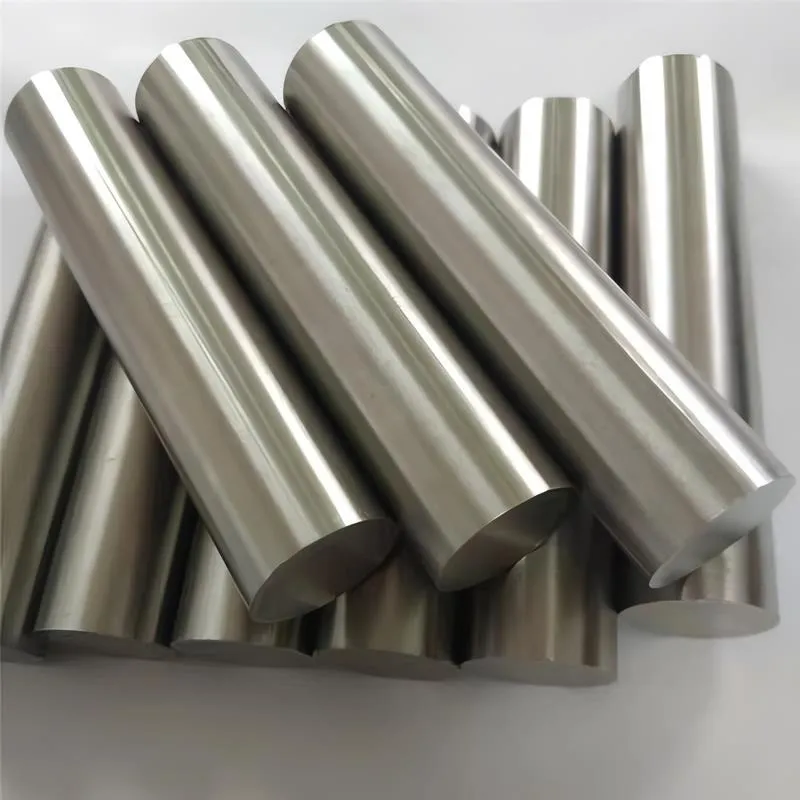
High Silicon Ductile Iron Rod/Bar at RT 4Si-0.9V nominal alloy content
Product Code : STI-IFe-075-CU
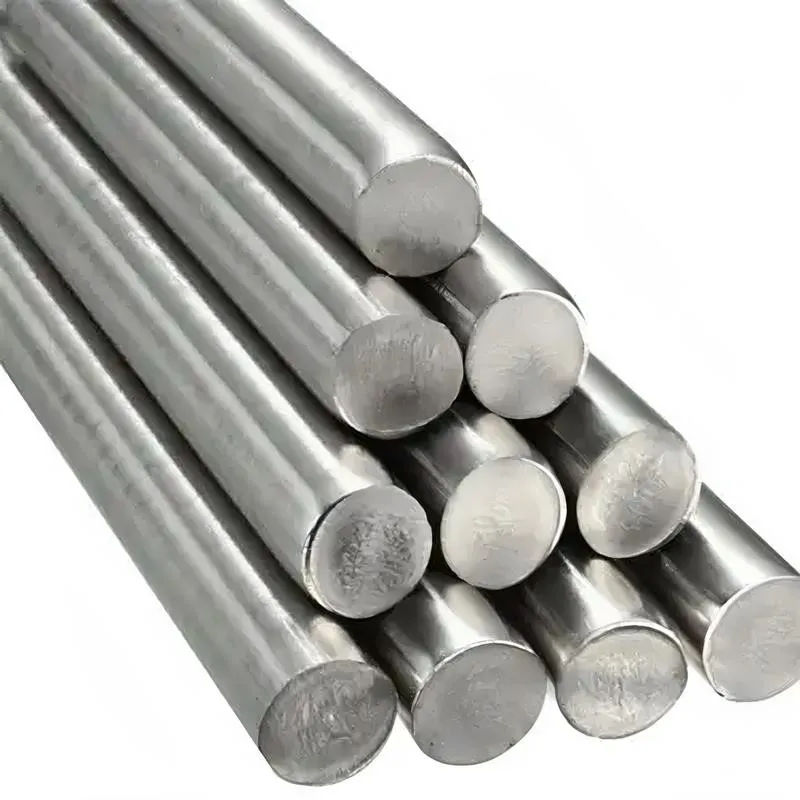
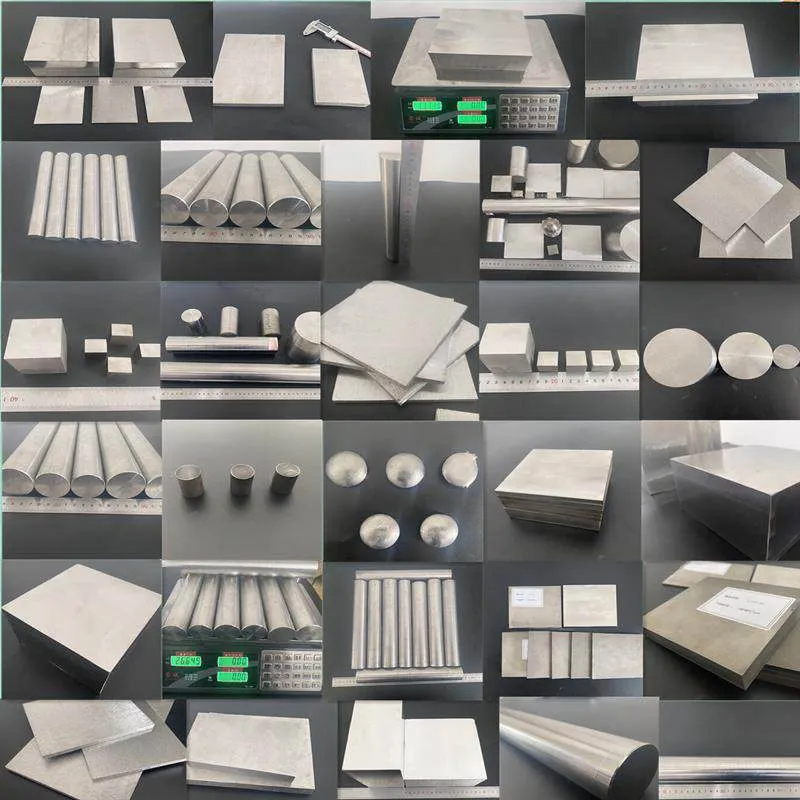
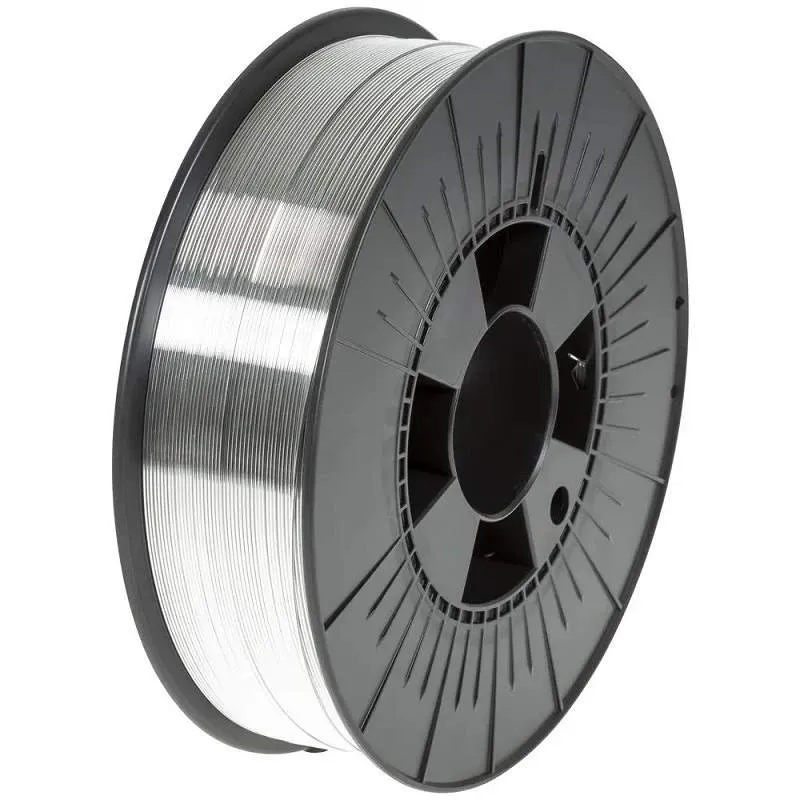
We provide High Silicon Ductile Iron Rod/Bar at RT 4Si-0.9V nominal alloy content is available in Bar (Round bar, Flat bar), Ribbon, Wire, Rod/Bars, Tube,Seamless Tube,Pipe, Ingots, Plate, Sheet, Strip and Forging Stock.,Purity, chemical composition, size, etc. can all be customized to meet specific requirements.
Please contact us if you need customized services. We will contact you with the price and availability in 24 hours.
High Silicon Ductile Iron Rod at RT 4Si-0.9V nominal alloy content Product Information
-:-
For detailed product information, please contact sales.
-:
High Silicon Ductile Iron Rod at RT 4Si-0.9V nominal alloy content Synonyms
-:-
For detailed product information, please contact sales.
-:
High Silicon Ductile Iron at RT 4Si-0.9V nominal alloy content Product Information
-:-
For detailed product information, please contact sales.
-:
# **Product Technical Data Sheet: High Silicon Ductile Iron – RT Series (Nominal 4% Si - 0.9% V Alloy)**
---
## **1. Product Overview**
**High Silicon Ductile Iron (HSDI) with nominal 4% Silicon and 0.9% Vanadium (4Si-0.9V)** represents an **advanced, precipitation-strengthened ferritic alloy** engineered to deliver **exceptional room-temperature and elevated-temperature strength through a unique strengthening mechanism**. Unlike molybdenum-strengthened variants, this alloy leverages vanadium's powerful ability to form extremely fine, stable carbonitride precipitates (V(C,N)) within the ferritic matrix. This results in a material with **outstanding yield and tensile strength, enhanced wear resistance, and good microstructural stability** up to approximately 600-700°C, where vanadium precipitates remain effective. It is designed for applications demanding the highest possible strength from a ferritic matrix, particularly where resistance to deformation and wear are critical.
---
## **2. Governing Standards & Specifications**
This is a specialized alloy, often specified under proprietary or research-oriented standards due to its unique strengthening mechanism.
* **Classification:** **Vanadium-Strengthened High-Silicon Ductile Iron / Advanced Engineered Alloy**
* **Development Framework:** While fitting within the broad scope of **ISO 1083 / EN 1563** for alloyed spheroidal graphite irons, it is most commonly governed by **proprietary material specifications** or referenced in technical literature as part of the V-enhanced Si-DI family.
* **Reference Standards:**
* **ASTM A536:** Base ductile iron specification (performance targets often exceed standard grades).
* **ASTM E8/E21:** Tensile testing.
* **ASTM E112:** Grain size determination (relevant for precipitate effects).
* **ASTM E2286:** Measurement of Fracture Toughness (may be specified).
---
## **3. Typical Chemical Composition**
The composition is precisely controlled to maximize the precipitation hardening effect of vanadium while maintaining the benefits of high silicon.
| Element | Target Range (wt.%) | Critical Role & Metallurgical Rationale |
| :--- | :--- | :--- |
| **Carbon (C)** | **3.0 - 3.4** | **Carefully balanced.** Must be sufficient to allow for the formation of vanadium carbides (VC), but controlled to avoid excessive graphitization from high Si and to prevent the formation of coarse primary carbides. A key variable in optimizing the precipitate volume fraction. |
| **Silicon (Si)** | **3.8 - 4.2 (Nominal 4.0)** | **Primary solid-solution strengthener and ferrite stabilizer.** Provides significant matrix strengthening, raises the Ac1 temperature, and ensures good oxidation resistance. Creates the high-strength ferritic "canvas" in which vanadium precipitates act. |
| **Vanadium (V)** | **0.8 - 1.0 (Nominal 0.9)** | **Primary precipitation strengthener.** Forms nano-scale, coherent/semi-coherent vanadium carbide (VC) and carbonitride (V(C,N)) precipitates during cooling from the casting temperature or subsequent heat treatment. These precipitates **provide extremely potent strengthening (Orowan mechanism), significantly increasing yield and tensile strength, and enhancing wear resistance** through dispersion hardening. |
| **Nitrogen (N)** | **0.010 - 0.020** | **Intentional addition / controlled.** Nitrogen is crucial in this alloy system. It promotes the formation of even finer and more stable **vanadium carbonitrides (V(C,N))** compared to pure carbides, maximizing the precipitation strengthening effect and improving thermal stability of the precipitates. |
| **Manganese (Mn)** | **≤ 0.25** | **Low.** Vanadium has a strong affinity for carbon and nitrogen; low Mn minimizes the formation of less effective (Mn,V) carbides and reduces the risk of pearlite stabilization. |
| **Phosphorus (P)** | **≤ 0.035** | **Low.** Critical to avoid embrittlement, especially given the already high strength and potential for reduced ductility. |
| **Magnesium (Mg)** | 0.03 - 0.06 | Standard for nodularization.
| **Titanium (Ti)** | **≤ 0.05** | **Strictly limited.** Titanium is a strong nitride-former and will preferentially consume nitrogen, robbing vanadium of its critical nitrogen for forming optimal V(C,N) precipitates. |
| **Aluminum (Al)** | **≤ 0.02** | **Strictly limited.** Acts as a deoxidizer but can also tie up nitrogen, reducing its availability for vanadium. |
---
## **4. Physical & Mechanical Properties**
This alloy is characterized by its exceptionally high strength, derived from the synergistic effect of solid-solution (Si) and precipitation (V) hardening.
| Property | Typical Value (Room Temperature) | Elevated Temperature Performance (e.g., up to 650°C / 1202°F) |
| :--- | :--- | :--- |
| **Tensile Strength (UTS)** | **800 - 1000 MPa (116 - 145 ksi)** | **High initial strength,** but vanadium precipitates begin to coarsen and dissolve above ~600-650°C, leading to a more pronounced drop in strength compared to Mo-strengthened grades at very high temperatures. Retains useful strength up to ~650°C. |
| **Yield Strength (0.2% YS)** | **650 - 850 MPa (94 - 123 ksi)** | **Exceptionally high yield strength** at room temperature, a hallmark of effective precipitation hardening. Provides excellent resistance to plastic deformation. |
| **Elongation** | **2 - 8%** | **Limited ductility.** The high density of fine precipitates significantly strengthens the matrix but also impedes dislocation motion, reducing ductility and fracture toughness compared to non-precipitation-hardened ferritic grades. |
| **Hardness (HBW)** | **280 - 350 HBW** | **Very high hardness,** providing excellent resistance to abrasive and adhesive wear. |
| **Impact Toughness (Charpy, RT)** | **5 - 15 J** | **Low to moderate.** The fine precipitates and high strength typically result in lower impact energy absorption. Not designed for high shock-load applications. |
| **Modulus of Elasticity** | ~155 - 165 GPa | Similar to other high-Si alloys. |
| **Precipitation Stability Range** | **Optimal up to ~600°C.** Vanadium carbonitrides provide peak strengthening in this range. Above ~650°C, over-aging and coarsening occur, reducing strengthening effect. |
| **Oxidation Resistance** | **Good.** Inherits the good oxidation resistance from the 4% Si base, effective up to ~800-850°C. |
| **Wear Resistance** | **Excellent.** The combination of high hardness and fine, hard precipitates makes it highly resistant to abrasive wear. |
| **Microstructure** | **100% Ferritic Matrix** with **Spheroidal Graphite** and a **fine, homogeneous dispersion of nano-scale V(C,N) precipitates**. Free of pearlite. |
---
## **5. Product Applications**
This alloy is specialized for applications requiring the utmost in strength and wear resistance from a ferritic ductile iron, particularly where temperatures remain below the precipitation over-aging threshold.
* **High-Wear Engine Components:** **Valve seat inserts, valve guides, tappets, and camshaft lobes** where high hardness, wear resistance, and good elevated-temperature strength are critical.
* **Tooling and Dies:** **Wear plates, forming dies, and extrusion tooling** for non-ferrous metals or plastics operating at moderately elevated temperatures.
* **Pump and Compressor Components:** **Sleeves, wear rings, and impellers** in abrasive or high-pressure service where corrosion resistance is also beneficial.
* **Industrial Machinery:** **Gears, bushings, and sliding components** subject to high contact stresses and moderate thermal exposure.
* **Automotive Braking Systems:** **High-performance brake caliper components or disc brake hats** where high strength and thermal stability are required.
---
## **6. Fabrication & Processing Notes**
* **Melting & Casting:** Requires careful control of nitrogen content, often achieved through additions of ferro-vanadium nitride or controlled atmosphere melting. Titanium and aluminum must be strictly minimized in charge materials.
* **Heat Treatment:** **Crucial for optimizing properties.** Typically involves a two-step process:
1. **Solution Treatment/Austenitizing:** At a temperature high enough to dissolve vanadium carbides (typically 950-1050°C), followed by rapid cooling (air or forced air) to retain vanadium in solution.
2. **Aging/Precipitation Treatment:** Holding at an intermediate temperature (500-650°C) to precipitate fine, uniform V(C,N) particles, maximizing strength and hardness.
*As-cast* properties can be high but are inconsistent; controlled heat treatment is recommended for critical applications.
* **Machinability:** **Very Difficult to Extremely Difficult** in the peak-aged condition due to extreme hardness and abrasive precipitates. Machining is best performed in the solution-treated (softer) condition prior to aging, followed by final aging.
* **Weldability:** **Very Poor to Not Recommended.** Welding heat will dissolve and/or over-age the precipitates in the HAZ, creating a soft zone and potentially causing cracking due to high stresses. Not suitable for fabrication welding.
---
## **7. Ordering Information**
**Specify:** **"Vanadium-Strengthened High-Silicon Ductile Iron Castings, 4Si-0.9V Alloy, Heat Treated per [Specified Aging Cycle]."**
**Critical Details to Provide:**
* **Full Alloy Designation and Chemical Ranges,** with explicit limits on V, N, Ti, Al.
* **Required Heat Treatment Cycle** (solutionizing temperature/time, quenching method, aging temperature/time).
* **Target Mechanical Properties** (YS, UTS, Hardness, min. elongation).
* **Application & Service Temperature** (to ensure it aligns with the precipitate stability range).
* **Certification Requirements:** MTR with full chemistry (including nitrogen analysis) and mechanical test results. Microstructure analysis confirming precipitate distribution is highly valuable.
* **Special Notes:** This is a specialty alloy. Engagement with a foundry experienced in vanadium-treated irons is essential for success.
---
## **8. Key Differentiators vs. Mo-Strengthened Grades**
* **Strength at Lower Temperatures:** 4Si-0.9V offers **higher room-temperature and moderate-temperature ( <600°C) yield and tensile strength** than 4Si-1.0Mo due to more potent precipitation hardening.
* **High-Temperature Performance:** 4Si-1.0Mo offers **superior strength, creep, and microstructural stability above ~650°C** where vanadium precipitates over-age.
* **Wear Resistance:** 4Si-0.9V typically has an advantage in pure abrasive wear resistance due to higher hardness from fine precipitates.
* **Ductility/Toughness:** 4Si-1.0Mo generally offers better ductility and impact toughness.
**The 4Si-0.9V alloy is a premier choice when the design driver is maximum strength and wear resistance at low-to-moderate operating temperatures, utilizing one of the most effective precipitation hardening systems available in cast ferritic alloys.**
-:-
For detailed product information, please contact sales.
-:
High Silicon Ductile Iron at RT 4Si-0.9V nominal alloy content Specification
Dimensions
Size:
Diameter 20-1000 mm Length <6550 mm
Size:We can customized as required
Standard:
Per your request or drawing
We can customized as required
Properties(Theoretical)
Chemical Composition
-:-
For detailed product information, please contact sales.
-:
High Silicon Ductile Iron at RT 4Si-0.9V nominal alloy content Properties
-:-
For detailed product information, please contact sales.
-:
Applications of High Silicon Ductile Iron Rod at RT 4Si-0.9V nominal alloy content
-:-
For detailed product information, please contact sales.
-:
Chemical Identifiers High Silicon Ductile Iron Rod at RT 4Si-0.9V nominal alloy content
-:-
For detailed product information, please contact sales.
-:
Packing of High Silicon Ductile Iron Rod at RT 4Si-0.9V nominal alloy content
-:-
For detailed product information, please contact sales.
-:
Standard Packing:
-:-
For detailed product information, please contact sales.
-:
Typical bulk packaging includes palletized plastic 5 gallon/25 kg. pails, fiber and Steel Rod drums to 1 ton super sacks in full container (FCL) or truck load (T/L) quantities. Research and sample quantities and hygroscopic, oxidizing or other air sensitive materials may be packaged under argon or vacuum. Solutions are packaged in polypropylene, plastic or glass jars up to palletized 3021 gallon liquid totes Special package is available on request. E FORUs’ is carefully handled to minimize damage during storage and transportation and to preserve the quality of our products in their original condition