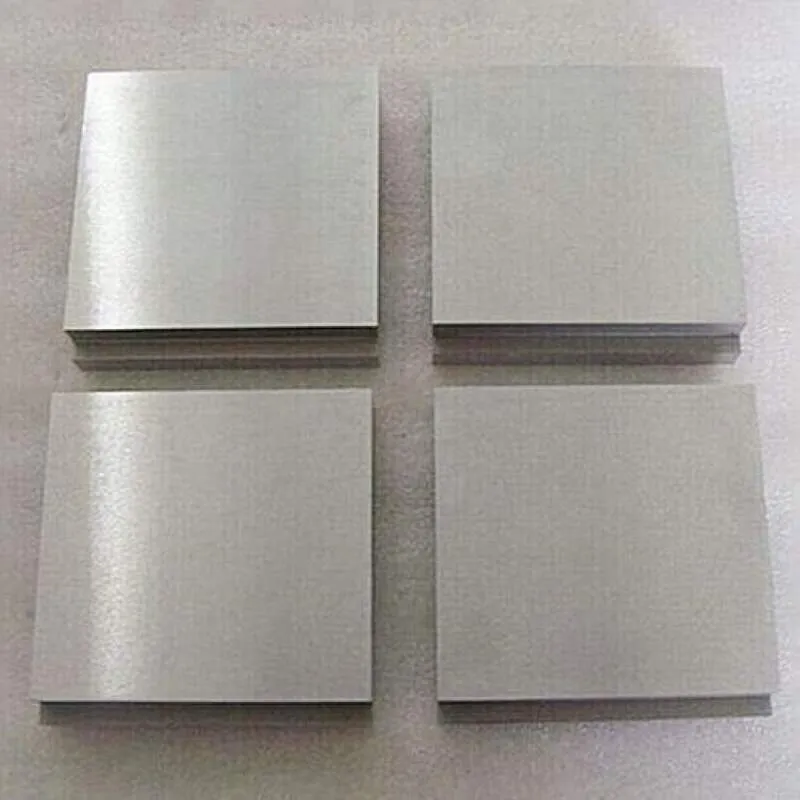
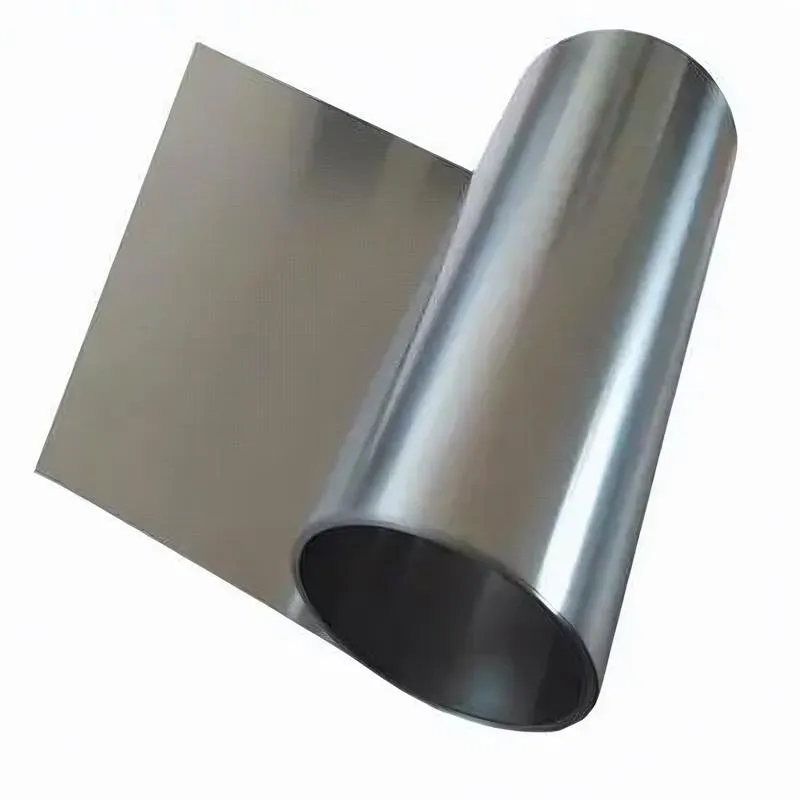
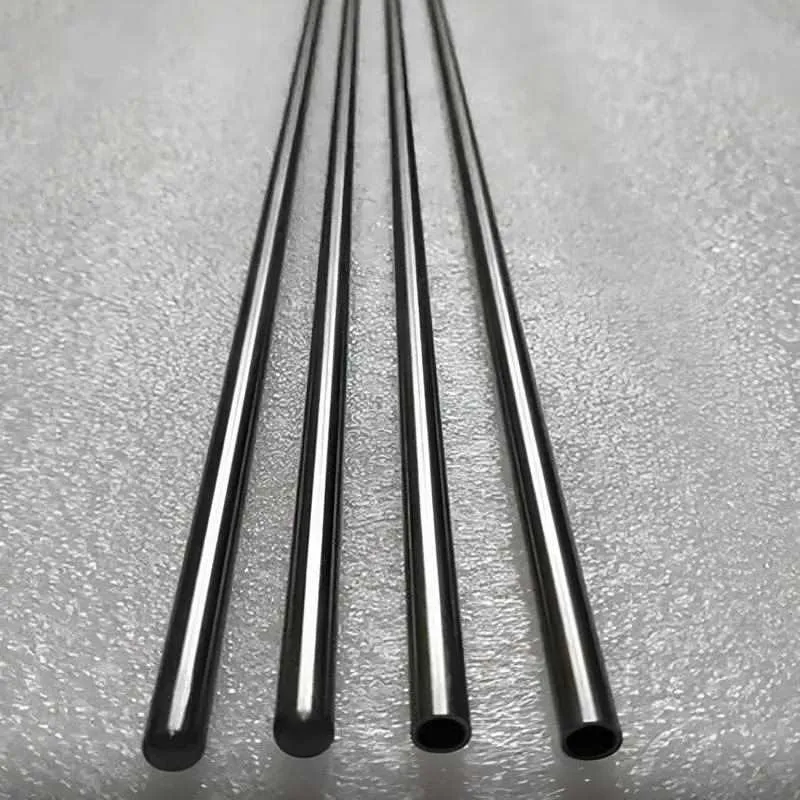
High Silicon Ductile Iron Sheet,Plate at RT 4Si nominal alloy content
Product Code : STI-IFe-068-CU
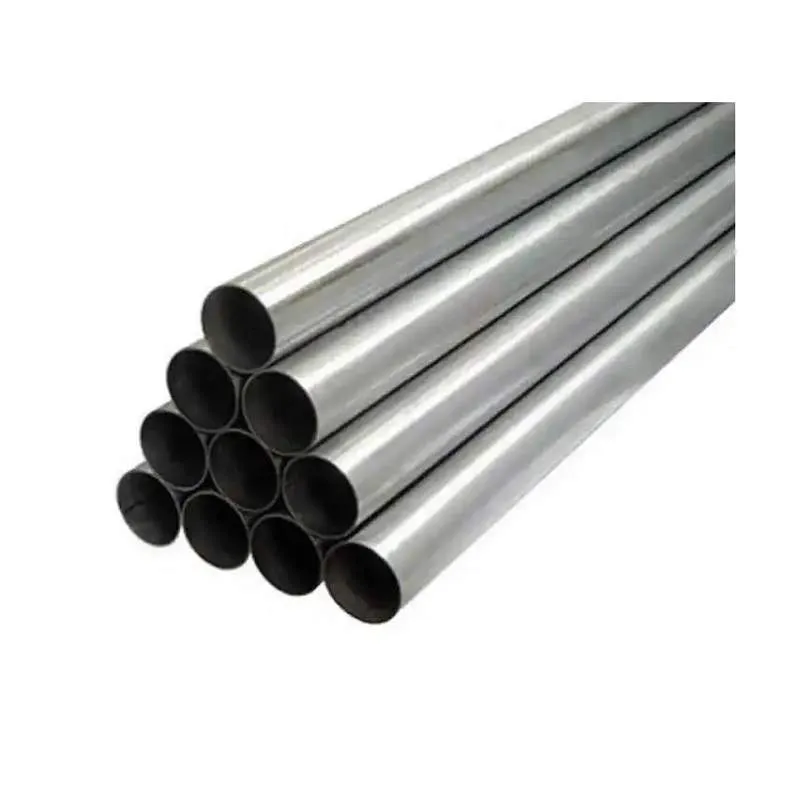
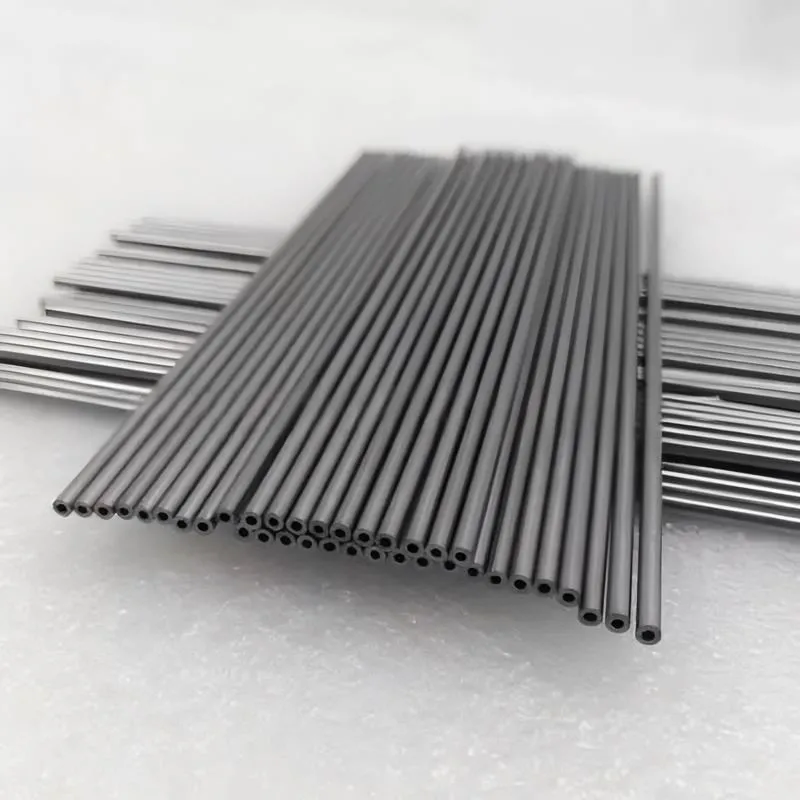
We provide High Silicon Ductile Iron Sheet/Plate at RT 4Si nominal alloy content is available in Bar (Round bar, Flat bar), Ribbon, Wire, Rods, Tube,Seamless Tube,Pipe, Ingots, Plate, Sheet/Plate, Strip and Forging Stock.,Purity, chemical composition, size, etc. can all be customized to meet specific requirements.
Please contact us if you need customized services. We will contact you with the price and availability in 24 hours.
High Silicon Ductile Iron Sheet/Plate at RT 4Si nominal alloy content Product Information
-:-
For detailed product information, please contact sales.
-:
High Silicon Ductile Iron Sheet/Plate at RT 4Si nominal alloy content Synonyms
-:-
For detailed product information, please contact sales.
-:
High Silicon Ductile Iron at RT 4Si nominal alloy content Product Information
-:-
For detailed product information, please contact sales.
-:
### **Product Technical Data Sheet: High Silicon Ductile Iron – RT Series (Nominal 4% Si)**
---
#### **1. Product Overview**
**High Silicon Ductile Iron (HSDI) with nominal 4% Silicon (Si)**, commonly referred to under development or proprietary designations such as **RT-4 (Room Temperature)**, represents an **advanced ferritic ductile iron alloy** engineered to overcome the traditional trade-off between strength and ductility in conventional grades. By significantly increasing the silicon content (to approximately 4.0 wt.%) while maintaining full nodularity, this alloy achieves **substantial solid solution strengthening of the ferritic matrix** without forming embrittling phases at room temperature. This results in a unique combination of **significantly elevated tensile and yield strengths, excellent high-temperature oxidation resistance, and retained good ductility and thermal conductivity**, making it ideal for elevated temperature service and high-integrity structural applications.
---
#### **2. Governing Standards & Specifications**
As an advanced engineering alloy, it is often covered by proprietary or emerging standards rather than generic international ones.
* **Primary References:**
* **Proprietary/Development Alloys:** Often designated as **SiMo (e.g., SiMo 4.0-1.0)** or under research codes like **RT-4 (Room Temperature - 4% Si)**. It is a subset of **Si-Enhanced Ductile Irons**.
* **Industry & Research Standards:**
* **ISO 1083 / EN 1563** for ductile iron provides a framework, but specific high-Si grades are often negotiated.
* **ASTM A897/A897M (ADI)** may be referenced if the alloy is subsequently austempered.
* **SAE J434** does not have a direct equivalent; these are typically custom-engineered materials.
* **Key Testing Standards:** ASTM E8 (Tensile), E10 (Hardness), E21 (Elevated Temp Tensile), G54 (Oxidation Testing).
---
#### **3. Typical Chemical Composition (Nominal 4% Si)**
The hallmark is the high silicon content, with other elements tightly controlled.
| Element | Target Range (wt.%) | Critical Role & Rationale |
| :--- | :--- | :--- |
| **Carbon (C)** | 2.8 - 3.4 | **Lowered** to compensate for high Si's graphitizing power and to prevent excessive carbon equivalent, which can lead to graphite flotation. |
| **Silicon (Si)** | **3.8 - 4.2 (Nominal 4.0)** | **Primary Alloy.** Provides **solid solution strengthening** of ferrite, raises Ac1 transformation temperature, and dramatically improves oxidation resistance by forming a protective SiO₂ layer. |
| **Manganese (Mn)** | **≤ 0.20** | **Very low.** Essential to prevent the formation of brittle Mn-Si-rich phases at cell boundaries, which would severely embrittle the alloy. |
| **Molybdenum (Mo)** | **0 - 1.0** (Common: 0.5-1.0) | Frequently added to **improve elevated temperature strength and creep resistance** by solid solution and carbide strengthening. |
| **Magnesium (Mg)** | 0.03 - 0.06 | Ensures full spheroidization of graphite in the high-Si matrix. |
| **Cerium (Ce)/Rare Earths** | Often used | Aids in counteracting any minor interfering elements and refining the graphite structure. |
| **Copper (Cu)** | ≤ 0.10 | Minimized, as it can promote pearlite and is not synergistic with the high-Si ferritic matrix goal. |
| **Phosphorus (P)** | **≤ 0.03** | **Extremely low.** Critical due to high Si's tendency to promote severe phosphide segregation and embrittlement. |
---
#### **4. Physical & Mechanical Properties**
Properties are defined by the solid-solution-strengthened ferritic matrix.
| Property | Typical Value (Room Temp, As-Cast/Ferritized) | Key Characteristics & Notes |
| :--- | :--- | :--- |
| **Tensile Strength** | **550 - 650 MPa (80 - 94 ksi)** | **~40-50% higher than standard 60-40-18 ferritic DI**, due to Si solid solution strengthening. |
| **Yield Strength (0.2%)** | **400 - 500 MPa (58 - 73 ksi)** | **Significantly increased**, providing excellent resistance to deformation. |
| **Elongation** | **10 - 18%** | **Retains good ductility** despite high strength, a key advantage over pearlitic grades. |
| **Hardness (HBW)** | 200 - 250 HBW | Higher than standard ferritic grades, reflecting increased strength. |
| **Modulus of Elasticity** | ~155 - 165 GPa | Slightly reduced compared to lower-Si DI due to lattice effects. |
| **Charpy Impact (Room Temp)** | 8 - 15 J (V-Notch) | Impact toughness is moderate; the alloy is not designed for low-temperature impact service. |
| **High-Temperature Performance** | **Excellent.** Maintains a higher percentage of its room-temperature strength and has **superior oxidation resistance** up to **800°C (1472°F)** compared to standard DI. |
| **Thermal Conductivity** | **~30-35 W/m·K** | **Lower than standard DI (~36-42)** due to increased lattice scattering from high Si, but still acceptable for many thermal applications. |
| **Coefficient of Thermal Expansion** | ~11.5 x 10⁻⁶ /K | Similar to standard ductile iron. |
| **Microstructure** | **100% Ferritic Matrix** with fine, well-dispersed **Spheroidal Graphite**. Free of pearlite and carbides in properly processed material. |
---
#### **5. Product Applications**
This alloy is tailored for demanding applications where high temperature, wear, or a combination of strength and oxidation resistance are critical.
* **Exhaust Systems & Turbocharging:** **Exhaust manifolds, turbocharger housings, and exhaust gas recirculation (EGR) components.** Its superior oxidation and thermal fatigue resistance are paramount.
* **Industrial Furnace & Heat Treatment:** **Furnace fixtures, trays, chains, and radiant tubes** operating in oxidizing atmospheres up to 900°C.
* **Engine & Power Generation:** **Cylinder heads for high-performance engines, piston crowns, and certain valve train components** subject to thermal cycling.
* **Chemical & Process Industry:** **Components for reactors and piping** handling corrosive media at elevated temperatures, where Si content improves corrosion resistance.
* **Alternative to More Expensive Alloys:** As a cost-effective replacement for **high-alloy austenitic ductile irons (e.g., D5S, Ni-Resist)** or some stainless steel castings in specific temperature ranges.
---
#### **6. Fabrication & Processing Notes**
* **Melting & Casting:** Requires careful control of charge materials and melting practice to achieve target Si without excessive oxidation. Fluidity is good, but shrinkage behavior differs from standard DI.
* **Heat Treatment:** Typically used in the **as-cast or subcritically annealed** condition to ensure full ferritization. **It is generally NOT austenitized for quenching** due to its high Ac1 temperature and the risk of forming detrimental high-temperature phases.
* **Machinability:** **Fair to Difficult.** The high hardness and abrasiveness of the solid solution-strengthened ferrite lead to higher tool wear than standard ferritic DI. Carbide tooling is recommended.
* **Weldability:** **Very Poor.** The high Si content and specific microstructure make it highly susceptible to cracking. Welding is generally not recommended and requires extreme specialization if attempted.
---
#### **7. Ordering Information**
**Specify:** **"High Silicon Ductile Iron Castings, Nominal 4% Si Alloy (SiMo-type), As-Cast/Ferritized per [Proprietary Specification or Customer Drawing]."**
**Critical Details to Provide:**
* **Alloy Designation/Composition:** Specify target Si, Mo, and other key element ranges.
* **Required Mechanical Properties** at room temperature and, if applicable, at elevated service temperatures.
* **Application & Service Conditions** (max temperature, atmosphere).
* **Certification Requirements:** Full chemical analysis and mechanical test reports. Microstructure validation (ferrite content, graphite shape) is crucial.
* **Special Testing:** High-temperature tensile, oxidation resistance tests (e.g., ASTM G54), or thermal fatigue testing may be required for validation.
**High Silicon (4% Si) Ductile Iron is a sophisticated engineering material that redefines the performance envelope of ferritic ductile iron, offering a compelling solution for high-temperature, high-strength applications where traditional materials fall short.**
-:-
For detailed product information, please contact sales.
-:
High Silicon Ductile Iron at RT 4Si nominal alloy content Specification
Dimensions
Size:
Diameter 20-1000 mm Length <6543 mm
Size:We can customized as required
Standard:
Per your request or drawing
We can customized as required
Properties(Theoretical)
Chemical Composition
-:-
For detailed product information, please contact sales.
-:
High Silicon Ductile Iron at RT 4Si nominal alloy content Properties
-:-
For detailed product information, please contact sales.
-:
Applications of High Silicon Ductile Iron Sheet,Plate at RT 4Si nominal alloy content
-:-
For detailed product information, please contact sales.
-:
Chemical Identifiers High Silicon Ductile Iron Sheet,Plate at RT 4Si nominal alloy content
-:-
For detailed product information, please contact sales.
-:
Packing of High Silicon Ductile Iron Sheet/Plate at RT 4Si nominal alloy content
-:-
For detailed product information, please contact sales.
-:
Standard Packing:
-:-
For detailed product information, please contact sales.
-:
Typical bulk packaging includes palletized plastic 5 gallon/25 kg. pails, fiber and Steel Sheet/Plate drums to 1 ton super sacks in full container (FCL) or truck load (T/L) quantities. Research and sample quantities and hygroscopic, oxidizing or other air sensitive materials may be packaged under argon or vacuum. Solutions are packaged in polypropylene, plastic or glass jars up to palletized 3014 gallon liquid totes Special package is available on request. E FORUs’ is carefully handled to minimize damage during storage and transportation and to preserve the quality of our products in their original condition