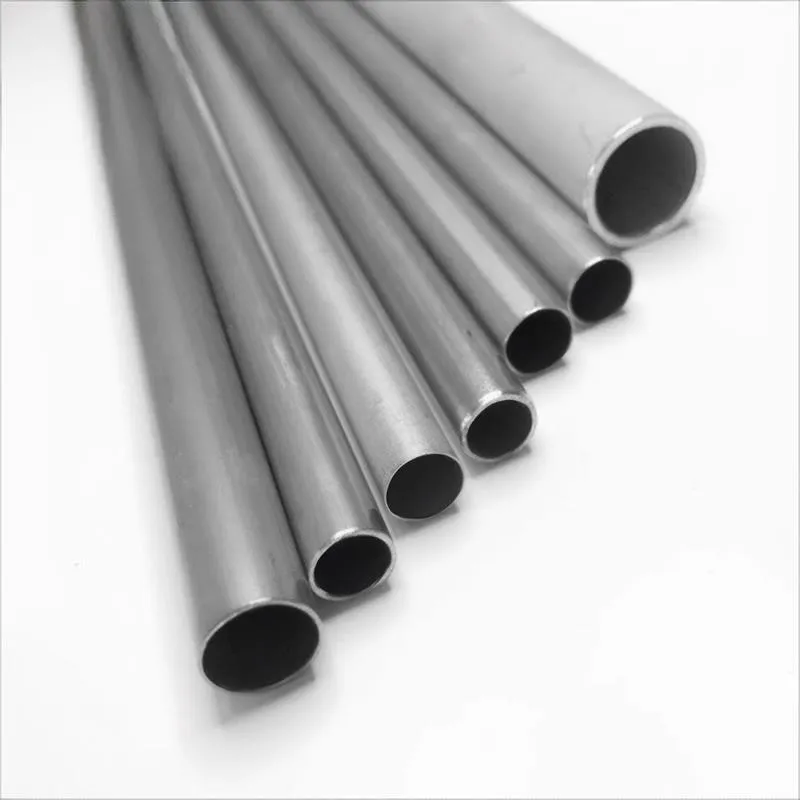
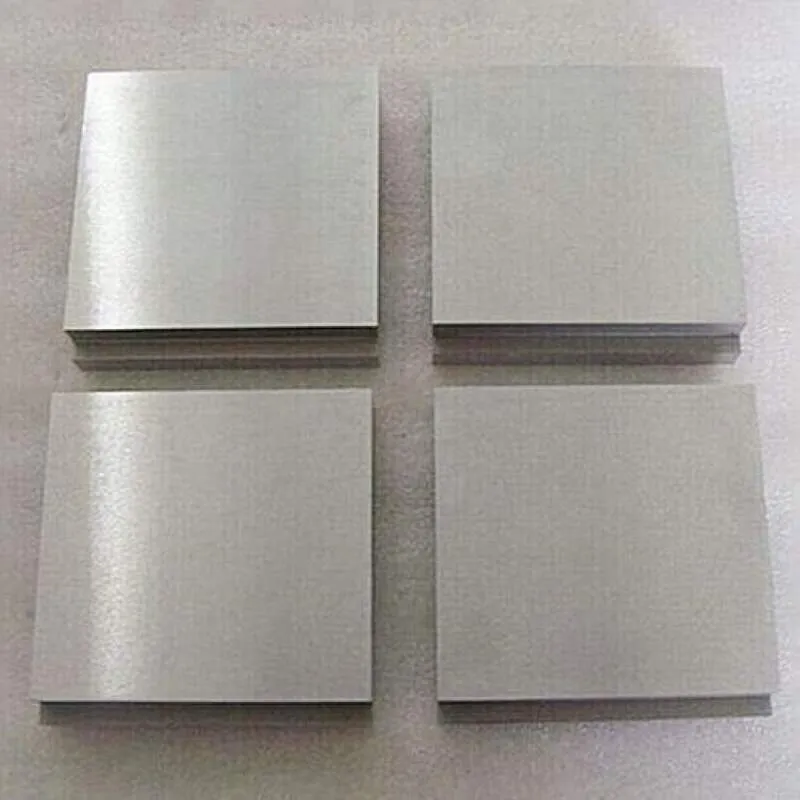
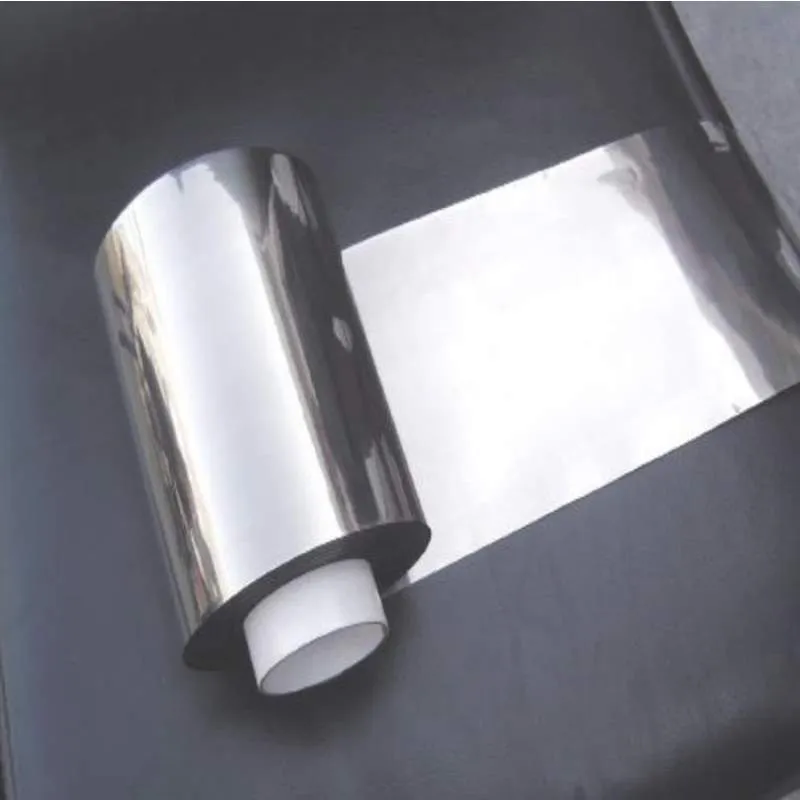
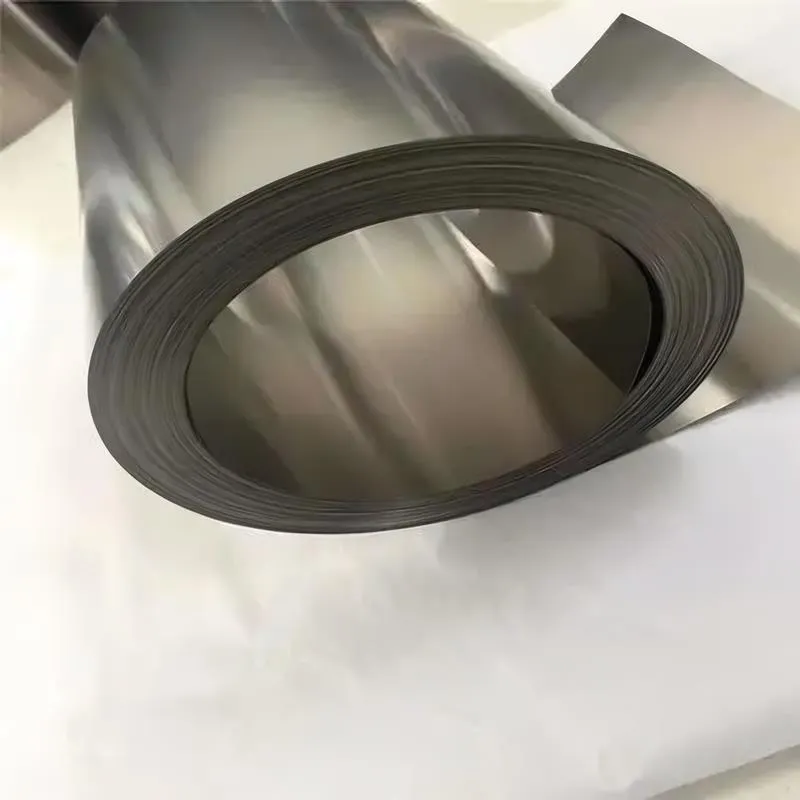
High-Silicon Iron Tube, corrosion resistant Product Information
-:-
For detailed product information, please contact sales.
-:
High-Silicon Iron Tube, corrosion resistant Synonyms
-:-
For detailed product information, please contact sales.
-:
High-Silicon Iron, corrosion resistant Product Information
-:-
For detailed product information, please contact sales.
-:
# **PRODUCT DATASHEET: HIGH-SILICON IRON - PREMIUM CORROSION-RESISTANT ALLOY**
## **EXECUTIVE SUMMARY**
**High-Silicon Iron** is a specialized **ferro-silicon alloy** containing **14.0-16.5% silicon** that provides **exceptional corrosion resistance** in highly aggressive chemical environments. Known commercially as **Duriron® or Durichlor®**, this material forms a **protective silicon dioxide (SiO₂) surface film** that makes it virtually impervious to oxidizing acids, mineral acids, and corrosive salts across a wide temperature range. With its **unique combination of high silicon content and controlled carbon levels**, High-Silicon Iron delivers **superior performance in chemical processing, acid handling, and pollution control applications** where conventional stainless steels and nickel alloys fail.
Characterized by its **outstanding resistance to sulfuric, nitric, hydrochloric, and mixed acids**, this alloy maintains **excellent dimensional stability and wear-corrosion synergy** in severe service conditions. Despite its **brittle nature and limited mechanical strength**, High-Silicon Iron's corrosion resistance makes it the **material of choice for pumps, valves, piping, and chemical processing equipment** exposed to the most aggressive industrial environments. The material's **high hardness (500-550 HB) and abrasion-corrosion resistance** further enhance its suitability for slurry handling applications containing corrosive media.
---
## **METALLURGICAL DESIGN**
### **Silicon-Enhanced Protection Mechanism**
High-Silicon Iron derives its exceptional corrosion resistance from a unique metallurgical structure:
1. **Silicon Dioxide Passivation:** High silicon content (14.0-16.5%) promotes formation of a continuous, adherent SiO₂ surface film
2. **Single-Phase Microstructure:** Silicon dissolves in α-ferrite to form a solid solution, avoiding brittle intermetallic phases
3. **Carbon Control:** Low carbon content (0.50-0.85%) prevents graphite formation that could disrupt protective films
4. **Microstructural Homogeneity:** Fine-grained structure ensures uniform corrosion resistance
### **Protective Film Characteristics**
- **Film Composition:** Primarily amorphous SiO₂ with some Fe₂O₃
- **Film Thickness:** 5-50 nm, self-repairing in oxidizing environments
- **Adhesion:** Excellent bond to substrate metal
- **Electrical Resistance:** High resistivity limits electrochemical corrosion
- **Regeneration:** Film reforms spontaneously if damaged in oxidizing conditions
### **Manufacturing Challenges & Solutions**
- **Casting Difficulties:** High silicon reduces fluidity - requires specialized foundry practices
- **Brittleness Management:** Controlled cooling and heat treatment to minimize stresses
- **Machining Limitations:** Extremely hard and brittle - requires grinding or special techniques
- **Quality Assurance:** Strict process control for consistent corrosion performance
---
## **CHEMICAL COMPOSITION**
### **Standard Composition Ranges (Weight %)**
| Element | Minimum | Maximum | Typical | Function & Rationale |
|---------|---------|---------|---------|----------------------|
| **Silicon (Si)** | 14.00 | 16.50 | 15.25 | Primary corrosion resistance, forms protective SiO₂ film |
| **Carbon (C)** | 0.50 | 0.85 | 0.70 | Strength enhancement, controlled to avoid graphite |
| **Manganese (Mn)** | 0.30 | 0.80 | 0.50 | Deoxidation, sulfide control |
| **Chromium (Cr)** | 3.00 | 5.00 | 4.00 | Enhanced acid resistance, particularly HCl |
| **Molybdenum (Mo)** | 0.30 | 1.00 | 0.60 | Improves reducing acid resistance, pitting resistance |
| **Copper (Cu)** | 0.50 | 1.50 | 1.00 | Sulfuric acid resistance, casting fluidity |
| **Phosphorus (P)** | — | 0.15 | 0.08 | Residual, improves fluidity |
| **Sulfur (S)** | — | 0.05 | 0.03 | Residual, controlled for cleanliness |
### **Grade Variations**
| Grade Designation | Si Content | Cr Content | Mo Content | Special Characteristics |
|-------------------|------------|------------|------------|-------------------------|
| **HSi-14** | 14.0-14.5% | 3.0-4.0% | 0.3-0.6% | Standard chemical resistance |
| **HSi-15** | 14.5-15.5% | 4.0-4.5% | 0.5-0.8% | Enhanced acid resistance |
| **HSi-16** | 15.5-16.5% | 4.5-5.0% | 0.7-1.0% | Premium corrosion resistance |
| **HSi-15CrMo** | 14.5-15.5% | 4.0-5.0% | 0.8-1.2% | Superior reducing acid resistance |
### **Optional Alloying Additions**
- **Nickel:** 0.5-2.0% for improved mechanical properties and thermal shock resistance
- **Vanadium:** 0.05-0.15% for grain refinement and strength
- **Titanium:** 0.05-0.15% for carbide stabilization and improved weldability
- **Rare Earths:** 0.02-0.05% for inclusion shape control and improved corrosion resistance
### **Comparative Chemistry with Competing Materials**
| Material | Si Content | Cr Content | Primary Use | Relative Cost |
|----------|------------|------------|-------------|---------------|
| **High-Si Iron** | 14.0-16.5% | 3.0-5.0% | Oxidizing acids, mixed acids | 1.0× |
| **Type 316 Stainless** | 0.75% max | 16-18% | General corrosion resistance | 2.5-3.5× |
| **Hastelloy C-276** | 0.08% max | 14.5-16.5% | Severe reducing environments | 8-12× |
| **Tantalum** | - | - | Ultimate acid resistance | 15-25× |
| **Graphite** | - | - | Heat exchangers, strong acids | 0.8-1.2× |
---
## **PHYSICAL PROPERTIES**
### **Basic Physical Constants**
| Property | Value Range | Typical | Units | Test Standard |
|----------|-------------|---------|-------|----------------|
| **Density** | 0.252-0.258 | 0.255 | lb/in³ (6.98-7.14 g/cm³) | ASTM B311 |
| **Melting Range** | 2150-2250 | 2200 | °F (1177-1232°C) | |
| **Modulus of Elasticity** | 22-25 × 10⁶ | 23.5 × 10⁶ | psi (152-172 GPa) | ASTM E111 |
| **Shear Modulus** | 8.5-9.5 × 10⁶ | 9.0 × 10⁶ | psi (59-66 GPa) | ASTM E143 |
| **Poisson's Ratio** | 0.27-0.29 | 0.28 | | ASTM E132 |
| **Thermal Conductivity** | 12-14 | 13 | BTU·in/(hr·ft²·°F) @ 212°F | ASTM E1225 |
| **Specific Heat** | 0.13-0.15 | 0.14 | BTU/(lb·°F) @ 68-212°F | ASTM E1269 |
| **Coefficient of Thermal Expansion** | 5.0-5.5 × 10⁻⁶ | 5.3 × 10⁻⁶ | /°F (9.0-9.9 × 10⁻⁶ /K) | ASTM E228 |
| **Electrical Resistivity** | 85-100 | 92 | μΩ·cm | ASTM B193 |
| **Magnetic Response** | Non-magnetic | | (at room temperature) | |
### **Thermal Properties for Design**
| Temperature | Thermal Conductivity | Specific Heat | CTE | Thermal Diffusivity |
|-------------|----------------------|---------------|-----|---------------------|
| **Room Temperature** | 12.5 BTU·in/(hr·ft²·°F) | 0.14 BTU/(lb·°F) | 5.2 × 10⁻⁶ /°F | 0.035 in²/s |
| **212°F (100°C)** | 13.0 BTU·in/(hr·ft²·°F) | 0.15 BTU/(lb·°F) | 5.3 × 10⁻⁶ /°F | 0.037 in²/s |
| **392°F (200°C)** | 13.5 BTU·in/(hr·ft²·°F) | 0.16 BTU/(lb·°F) | 5.4 × 10⁻⁶ /°F | 0.038 in²/s |
| **572°F (300°C)** | 14.0 BTU·in/(hr·ft²·°F) | 0.17 BTU/(lb·°F) | 5.5 × 10⁻⁶ /°F | 0.039 in²/s |
### **Special Physical Characteristics**
- **Thermal Shock Resistance:** Poor due to low thermal conductivity and high elastic modulus
- **Electrical Conductivity:** Very low (high resistivity)
- **Thermal Expansion:** Relatively low, similar to glass and ceramics
- **Density:** Approximately 7.0 g/cm³, lighter than most corrosion-resistant alloys
- **Acoustic Properties:** High sound transmission velocity
### **Foundry Properties**
- **Pouring Temperature:** 2550-2700°F (1399-1482°C)
- **Fluidity:** Poor - requires special gating and risering
- **Shrinkage:** 1.8-2.2% linear
- **Feeding Characteristics:** Difficult - requires extensive risering
- **Pattern Allowance:** 2.0-2.5% for machining allowance
---
## **MECHANICAL PROPERTIES**
### **As-Cast Condition**
| Property | Value Range | Typical | Units | Notes |
|----------|-------------|---------|-------|-------|
| **Hardness** | 480-520 | 500 | HB | Brinell hardness, 3000 kg load |
| **Tensile Strength** | 16-22 | 19 | ksi (110-152 MPa) | Low due to brittleness |
| **Compressive Strength** | 90-110 | 100 | ksi (620-760 MPa) | Good compressive strength |
| **Transverse Strength** | 18-25 | 22 | ksi (124-172 MPa) | Modulus of rupture |
| **Impact Energy** | 1-3 | 2 | ft-lb (1.4-4.1 J) | Very low, Charpy unnotched |
| **Modulus of Elasticity** | 22-25 | 23.5 | ×10⁶ psi | In tension |
| **Shear Strength** | 12-18 | 15 | ksi (83-124 MPa) | |
### **Heat Treated Condition**
*Note: Heat treatment options are limited due to risk of cracking*
| Property | Stress Relieved | Annealed | Units |
|----------|-----------------|----------|-------|
| **Hardness** | 470-510 | 450-490 | HB |
| **Tensile Strength** | 15-20 | 14-18 | ksi |
| **Impact Energy** | 1.5-3.5 | 2-4 | ft-lb |
| **Residual Stress** | Low | Very Low | |
### **Fatigue Properties**
- **Endurance Limit (10⁷ cycles):** 8-12 ksi
- **Fatigue Ratio:** 0.50-0.55
- **Notch Sensitivity:** Very high - avoid stress concentrators
- **Corrosion Fatigue:** Excellent resistance in corrosive environments
### **Design Allowable Stresses**
*Based on ASME and industry standards*
| Loading Condition | Allowable Stress | Safety Factor | Notes |
|-------------------|-----------------|---------------|-------|
| **Tension** | 4-5 ksi | 4-5× | Very conservative due to brittleness |
| **Compression** | 20-25 ksi | 4-5× | Higher allowable stress |
| **Bending** | 5-7 ksi | 3-4× | For simple bending |
| **Shear** | 3-4 ksi | 4-5× | Bolted connections, etc. |
| **Internal Pressure** | Per ASME Section VIII | 8-10× | For pressure vessel design |
### **Temperature Effects on Mechanical Properties**
| Temperature | Tensile Strength | Impact Energy | Hardness | Notes |
|-------------|-----------------|---------------|----------|-------|
| **-40°F (-40°C)** | 18-24 ksi | 0.5-1.5 ft-lb | 500-520 HB | Increased brittleness |
| **Room Temperature** | 16-22 ksi | 1-3 ft-lb | 480-520 HB | Standard condition |
| **212°F (100°C)** | 15-20 ksi | 1.5-3.5 ft-lb | 470-510 HB | Slight improvement |
| **392°F (200°C)** | 14-18 ksi | 2-4 ft-lb | 460-500 HB | Maximum use temperature |
| **572°F (300°C)** | 12-15 ksi | 2-4 ft-lb | 450-480 HB | Not recommended |
---
## **CORROSION RESISTANCE**
### **Acid Resistance Performance**
#### **Mineral Acids**
| Acid Type | Concentration Range | Temperature Limit | Performance Rating | Notes |
|-----------|--------------------|-------------------|-------------------|-------|
| **Sulfuric Acid** | 0-100% | Up to boiling | Excellent | Best for 80-100% at all temperatures |
| **Nitric Acid** | 0-100% | Up to boiling | Excellent | Superior to most metals |
| **Hydrochloric Acid** | All concentrations | Up to boiling | Good to Excellent | With adequate aeration |
| **Phosphoric Acid** | 0-85% | Up to boiling | Excellent | All concentrations |
| **Hydrofluoric Acid** | Any | Not recommended | Poor | Attacks SiO₂ film |
#### **Organic Acids**
| Acid Type | Concentration | Temperature | Performance | Comments |
|-----------|---------------|-------------|-------------|----------|
| **Acetic Acid** | All concentrations | Up to boiling | Excellent | Superior resistance |
| **Formic Acid** | All concentrations | Up to boiling | Excellent | |
| **Citric Acid** | All concentrations | Up to boiling | Excellent | |
| **Oxalic Acid** | All concentrations | Up to boiling | Good | Slight attack at high temps |
| **Tartaric Acid** | All concentrations | Up to boiling | Excellent | |
#### **Mixed Acids & Chemical Media**
| Environment | Composition | Temperature | Performance | Applications |
|-------------|-------------|-------------|-------------|-------------|
| **Aqua Regia** | 3HCl:1HNO₃ | Ambient | Good | Limited use |
| **Picking Solutions** | H₂SO₄/HNO₃/HF | <150°F | Fair to Good | HF content critical |
| **Bleach Solutions** | NaClO, Cl₂ water | Ambient | Good | Oxidizing conditions |
| **Chromic Acid** | CrO₃ solutions | <200°F | Excellent | Anodizing solutions |
| **Mixed Acids** | HNO₃/HF | <150°F | Fair | HF concentration dependent |
### **Alkali & Salt Resistance**
| Environment | Concentration | Temperature | Performance | Notes |
|-------------|---------------|-------------|-------------|-------|
| **Sodium Hydroxide** | <20% | <180°F | Good | Attack increases with concentration |
| **Potassium Hydroxide** | <20% | <180°F | Good | Similar to NaOH |
| **Ammonium Hydroxide** | All concentrations | Ambient | Excellent | |
| **Sodium Chloride** | All concentrations | Up to boiling | Excellent | Seawater applications |
| **Calcium Chloride** | All concentrations | Up to boiling | Excellent | Brine solutions |
### **Comparative Corrosion Rates**
*mm/year in boiling solutions*
| Material | 50% H₂SO₄ | 65% HNO₃ | 20% HCl | 85% H₃PO₄ |
|----------|------------|-----------|---------|-----------|
| **High-Si Iron** | <0.05 | <0.02 | 0.1-0.5 | <0.05 |
| **316 Stainless** | >10.0 | <0.02 | >10.0 | 0.1-0.5 |
| **Hastelloy C-276** | 0.1-0.5 | <0.02 | 0.1-0.5 | <0.05 |
| **Titanium** | >10.0 | 0.5-2.0 | >10.0 | >10.0 |
| **Tantalum** | <0.02 | <0.02 | <0.02 | <0.02 |
### **Special Corrosion Phenomena**
- **Galvanic Corrosion:** Can be severe when coupled to more noble metals
- **Crevice Corrosion:** Generally resistant due to SiO₂ film
- **Pitting Corrosion:** Excellent resistance in chloride environments
- **Stress Corrosion Cracking:** Immune in most environments
- **Intergranular Attack:** Not a concern with this alloy system
- **Erosion-Corrosion:** Good resistance due to high hardness
### **Temperature Limitations**
- **Maximum Continuous:** 392°F (200°C) for most applications
- **Maximum Intermittent:** 480°F (249°C) for short periods
- **Thermal Cycling:** Limited to 200°F (93°C) maximum differential
- **Cryogenic Service:** Suitable down to -40°F (-40°C)
---
## **HEAT TREATMENT**
### **Limited Heat Treatment Options**
*Due to extreme brittleness and risk of cracking*
#### **Stress Relieving**
- **Temperature:** 900-1100°F (482-593°C)
- **Time:** 1-2 hours per inch of thickness
- **Cooling:** Furnace cool to 500°F (260°C), then air cool
- **Purpose:** Reduce casting and machining stresses
- **Result:** Minimal effect on hardness or corrosion resistance
#### **Annealing**
- **Temperature:** 1400-1500°F (760-816°C)
- **Time:** 2-4 hours per inch
- **Cooling:** Very slow furnace cooling (50°F/hour maximum)
- **Purpose:** Further stress reduction for critical applications
- **Risk:** High probability of cracking
#### **Hardening & Tempering**
- **Not Applicable:** High-Si iron cannot be hardened by heat treatment
- **Alternative:** Hardness is achieved through alloy composition
- **Maximum Hardness:** As-cast condition provides optimal properties
### **Post-Casting Processing**
1. **Slow Cooling in Mold:** Essential to prevent thermal cracking
2. **Controlled Knock-out:** Careful removal from molds
3. **Thermal Stress Management:** Avoid rapid temperature changes
4. **Final Stress Relief:** Recommended for all critical components
---
## **FOUNDRY PROCESSING**
### **Melting Practice**
- **Furnace Type:** Electric induction furnace preferred
- **Charge Materials:** Low-phosphorus pig iron, ferrosilicon, steel scrap
- **Melting Temperature:** 2750-2900°F (1510-1593°C)
- **Deoxidation:** Aluminum or calcium-silicon for clean metal
- **Silicon Recovery:** Careful control to maintain target silicon content
### **Molding Methods**
- **Green Sand:** Limited to simple shapes
- **Dry Sand:** Better for complex shapes
- **Shell Molding:** Excellent surface finish, dimensional control
- **Investment Casting:** For small, complex components
- **Special Requirements:** Hot molds often required (200-400°F)
### **Gating & Risering Design**
- **Bottom Gating:** Essential to minimize turbulence and oxidation
- **Large Risers:** Extensive feeding required due to solidification characteristics
- **Chill Application:** Limited use to control solidification
- **Feeding Distance:** 3-4 times section thickness maximum
- **Yield Efficiency:** 40-55% typical (low due to extensive risering)
### **Quality Control in Foundry**
- **Spectroscopic Analysis:** Each heat verified before pouring
- **Temperature Control:** Precise pouring temperature critical
- **Sand Testing:** Regular analysis of molding sand properties
- **Dimensional Control:** First article and sampling inspection
- **Non-Destructive Testing:** Visual, penetrant, sometimes radiographic
---
## **MACHINING & FABRICATION**
### **Machining Characteristics**
#### **General Guidelines**
- **Machinability Rating:** 10-15% of 1212 steel (extremely difficult)
- **Tool Life:** Very short - carbide or diamond tooling required
- **Surface Finish:** Poor with conventional machining
- **Recommended:** Design to minimize machining requirements
#### **Grinding (Primary Method)**
- **Wheel Type:** Diamond or cubic boron nitride (CBN) wheels
- **Wheel Specification:** 80-180 grit, resin or metal bond
- **Coolant:** Water-based flood coolant essential
- **Infeed:** 0.0005-0.002" per pass maximum
- **Surface Finish:** Can achieve 16-32 µin Ra with proper technique
#### **Abrasive Waterjet Cutting**
- **Excellent Method:** No thermal stress, good edge quality
- **Parameters:** Lower pressure than for metals (30-40 ksi)
- **Abrasive:** 80-120 mesh garnet
- **Speed:** 1-3 inches per minute for 1" thickness
#### **Electrical Discharge Machining (EDM)**
- **Applicable:** For intricate shapes and holes
- **Parameters:** Slow cutting speeds, fine finish passes
- **Surface Effects:** Recast layer must be removed by grinding
- **Post-EDM:** Stress relief may be required
### **Joining Methods**
#### **Adhesive Bonding**
- **Preferred Method:** For assembly of components
- **Adhesive Types:** Epoxy, silicone, or acrylic-based
- **Surface Preparation:** Critical for bond strength
- **Applications:** Piping systems, tank linings, structural assemblies
#### **Mechanical Fastening**
- **Bolt Connections:** Use soft gaskets to distribute load
- **Flange Connections:** Standard piping flanges with full-face gaskets
- **Threaded Connections:** Avoid - use flanges instead
- **Clamp Connections:** For temporary or adjustable joints
#### **Welding (Limited Application)**
- **Generally Not Recommended:** High risk of cracking
- **If Absolutely Necessary:** Use nickel-base filler metals
- **Preheat:** 600-800°F (316-427°C) minimum
- **Post-Weld:** Very slow cooling required
- **Quality:** Will not match base metal corrosion resistance
---
## **INTERNATIONAL STANDARDS & SPECIFICATIONS**
### **Material Standards**
| Standard | Designation | Title / Description | Equivalent Grades |
|----------|-------------|---------------------|-------------------|
| **ASTM A518/A518M** | Grade 1, 2, 3 | Standard Specification for Corrosion-Resistant High-Silicon Iron Castings | Commercial Duriron® |
| **ISO 2893** | S 15 | Austenitic cast iron with high Si content | International equivalent |
| **DIN 1694** | G-X 150 Si 15 | High silicon cast iron | German Standard |
| **JIS G5504** | FCH-15SiCr | High silicon cast iron for corrosion resistance | Japanese Standard |
| **GB/T 8491** | STSi15R | High silicon corrosion-resistant cast iron | Chinese Standard |
| **AS 1830** | - | High silicon iron castings | Australian Standard |
### **Industry Specifications**
- **Chemical Process Industry:** ASTM A518 Grade 3 common
- **Pump Manufacturers:** API 610 for process pumps
- **Valve Standards:** API 600, API 603 for valves
- **Piping Systems:** ASME B31.3 for process piping
- **Tank Standards:** API 650 for storage tanks
### **Testing Standards**
- **ASTM A247:** Evaluation of Microstructure of Graphite in Iron Castings
- **ASTM A438:** Standard Test Method for Transverse Testing of Gray Iron Castings
- **ASTM E10:** Brinell Hardness of Metallic Materials
- **ASTM G28:** Detecting Susceptibility to Intergranular Attack
- **ASTM G48:** Pitting and Crevice Corrosion Testing
### **Quality Standards**
- **ISO 9001:** Quality Management Systems
- **ASME Section VIII:** Pressure vessel construction
- **NADCAP:** For special processes (if applicable)
- **Customer-Specific:** Chemical company specifications
---
## **APPLICATIONS**
### **Chemical Processing Industry**
#### **Acid Handling & Production**
- **Sulfuric Acid:** Concentrators, coolers, piping, pumps, valves
- **Nitric Acid:** Absorption towers, piping, heat exchangers
- **Hydrochloric Acid:** Pickling tanks, fume scrubbers, piping
- **Phosphoric Acid:** Evaporators, reactors, filtration systems
- **Mixed Acids:** Chemical reactors, neutralization systems
#### **Chemical Reactors & Vessels**
- **Reaction Vessels:** For acid-catalyzed reactions
- **Neutralization Tanks:** Acid-alkali neutralization
- **Storage Tanks:** Acid storage at all concentrations
- **Mixing Tanks:** For corrosive chemical mixing
- **Crystallizers:** For acid salt production
### **Pollution Control & Environmental**
#### **Flue Gas Desulfurization (FGD)**
- **Absorber Towers:** Linings, internals, mist eliminators
- **Ducting & Dampers:** For corrosive flue gas handling
- **Pump Components:** Recirculation pumps, slurry pumps
- **Tanks & Sumps:** Limestone slurry, waste acid handling
#### **Waste Treatment**
- **Acid Waste Neutralization:** Tanks, mixers, piping
- **Electroplating Waste:** Treatment systems, tanks
- **Metal Pickling Lines:** Tanks, exhaust systems
- **Chemical Waste Handling:** Pumps, valves, piping
### **Metal Processing & Surface Treatment**
#### **Pickling & Etching**
- **Pickling Tanks:** For steel, copper, titanium
- **Acid Regeneration:** Systems for spent pickling acids
- **Fume Scrubbers:** For acid mist collection
- **Rinse Systems:** Counter-current rinse tanks
#### **Electroplating & Anodizing**
- **Plating Tanks:** For chrome, nickel, zinc plating
- **Anodizing Tanks:** For aluminum anodizing
- **Electrolysis Cells:** Membrane cell components
- **Bus Bars & Contacts:** For electroplating
### **Pharmaceutical & Fine Chemicals**
- **Reactor Linings:** For acid-catalyzed synthesis
- **Crystallization Equipment:** For acid salt production
- **Purification Systems:** Acid treatment units
- **Storage & Transfer:** Raw material handling
### **Pulp & Paper Industry**
- **Digester Components:** Acid sulfite pulping
- **Bleach Plant:** Chlorine dioxide systems
- **Chemical Recovery:** Acid handling in recovery systems
- **Effluent Treatment:** Acidic waste streams
### **Mining & Metallurgical**
- **Hydrometallurgy:** Acid leaching tanks, piping
- **Solvent Extraction:** Mixer-settlers, piping
- **Electrowinning:** Cell components, bus bars
- **Refining:** Acid refining equipment
### **Specific Component Applications**
| Component Type | Specific Applications | Design Considerations |
|----------------|----------------------|-----------------------|
| **Centrifugal Pumps** | Sulfuric acid transfer, chemical dosing | Low NPSH, back pull-out design |
| **Valves** | Diaphragm valves, pinch valves, plug valves | Lined or solid construction |
| **Heat Exchangers** | Shell & tube, plate, coil | Thermal stress management |
| **Pipe & Fittings** | Chemical transfer lines, vent systems | Expansion joints, proper supports |
| **Tank Linings** | Storage tanks, reaction vessels | Bonding to substrate, inspection access |
| **Tower Packing** | Absorption columns, scrubbers | Support design, loading considerations |
### **Application-Specific Recommendations**
| Application | Recommended Grade | Design Considerations | Expected Service Life |
|-------------|-------------------|------------------------|------------------------|
| **98% H₂SO₄ @ 200°F** | HSi-15 | Thermal expansion, supports | 20+ years |
| **20% HCl @ boiling** | HSi-15CrMo | Aeration, velocity limits | 10-15 years |
| **65% HNO₃ @ ambient** | HSi-14 | Standard design | 20+ years |
| **Mixed acid waste** | HSi-16 | Composition control, monitoring | 15-20 years |
| **Seawater handling** | HSi-15 | Velocity control, erosion protection | 20+ years |
| **Chemical dosing pumps** | HSi-14 | Low stress design, proper alignment | 10-15 years |
---
## **DESIGN GUIDELINES**
### **Stress Management**
1. **Avoid Tensile Stresses:** Design for compressive loading where possible
2. **Minimize Stress Concentrators:** Generous fillets, avoid sharp corners
3. **Thermal Stress Control:** Account for low thermal conductivity
4. **Support Design:** Even support to avoid bending stresses
5. **Pressure Design:** Conservative design factors (8-10×)
### **Thermal Design Considerations**
- **Temperature Gradients:** Limit to 200°F (93°C) maximum
- **Heating/Cooling Rates:** Maximum 100°F/hour (56°C/hour)
- **Insulation:** Use to minimize thermal shocks
- **Expansion Joints:** Essential for piping systems
- **Heat Exchanger Design:** Consider low thermal conductivity
### **Mechanical Design**
- **Minimum Thickness:** 0.25" (6 mm) for castings, 0.125" (3 mm) for linings
- **Maximum Section:** 4" (100 mm) without special processing
- **Bolt Spacing:** Close spacing for flange connections
- **Gasket Selection:** Full-face, soft gaskets to distribute load
- **Alignment:** Critical for pump and valve installations
### **Corrosion Design Factors**
- **Velocity Limits:** 5-8 ft/sec for liquids, lower for slurries
- **Aeration:** Beneficial for maintaining passive film
- **Stagnation:** Avoid in reducing acid service
- **Galvanic Isolation:** Essential when coupled to other metals
- **Inspection Access:** Design for regular corrosion monitoring
---
## **INSTALLATION & MAINTENANCE**
### **Handling & Storage**
- **Lifting Points:** Designated lifting lugs, never lift by flanges
- **Impact Protection:** Padding to prevent mechanical damage
- **Storage Conditions:** Dry, protected from thermal shock
- **Stacking:** Avoid - store individually when possible
### **Installation Practices**
- **Alignment:** Laser alignment for rotating equipment
- **Bolting:** Torque in star pattern, gradual tightening
- **Supports:** Adequate, evenly distributed support
- **Expansion:** Allow for thermal movement in piping
- **Testing:** Hydrostatic test at 1.5× design pressure
### **Operation Guidelines**
- **Start-up:** Gradual heating/cooling, slow pressure increase
- **Normal Operation:** Monitor temperatures, avoid rapid changes
- **Shutdown:** Gradual cooling, drain corrosive liquids
- **Cleaning:** Use compatible cleaning solutions
### **Maintenance Program**
- **Regular Inspection:** Visual, thickness measurement
- **Corrosion Monitoring:** Coupons, probes, or ultrasonic testing
- **Preventive Maintenance:** Gasket replacement, bolt retorquing
- **Repair Methods:** Limited to non-structural repairs
- **Spare Parts:** Critical spares based on lead times
### **Troubleshooting Guide**
| Problem | Possible Causes | Corrective Actions |
|---------|----------------|-------------------|
| **Cracking** | Thermal shock, mechanical stress, improper support | Review operating conditions, modify supports |
| **Excessive Wear** | High velocity, abrasive particles, cavitation | Reduce velocity, install wear protection |
| **Leakage** | Improper gasketing, flange alignment, over-torquing | Re-gasket, realign, proper torque |
| **Reduced Flow** | Corrosion product buildup, scaling | Chemical cleaning, mechanical removal |
| **Vibration** | Improper alignment, cavitation, worn bearings | Realign, check NPSH, replace bearings |
---
## **PERFORMANCE COMPARISONS**
### **vs. Other Corrosion-Resistant Materials**
| Property | High-Si Iron | 316 Stainless | Hastelloy C-276 | Tantalum |
|----------|--------------|---------------|-----------------|----------|
| **Sulfuric Acid Resistance** | Excellent | Poor | Very Good | Excellent |
| **Hydrochloric Acid Resistance** | Good to Excellent | Poor | Excellent | Excellent |
| **Nitric Acid Resistance** | Excellent | Excellent | Excellent | Excellent |
| **Phosphoric Acid Resistance** | Excellent | Very Good | Excellent | Excellent |
| **Alkali Resistance** | Good | Good | Good | Poor |
| **Relative Cost** | 1.0× | 2.5-3.5× | 8-12× | 15-25× |
| **Machinability** | Very Poor | Good | Fair | Good |
| **Mechanical Strength** | Very Low | High | High | Medium |
### **Economic Analysis**
| Factor | High-Si Iron | FRP | Rubber-Lined Steel | Solid Tantalum |
|--------|--------------|-----|-------------------|---------------|
| **Initial Material Cost** | Moderate | Low | Low | Very High |
| **Fabrication Cost** | High | Low | Medium | Very High |
| **Installation Cost** | High | Low | Medium | Very High |
| **Maintenance Cost** | Low | Medium | High | Very Low |
| **Service Life** | 15-25 years | 5-10 years | 5-15 years | 20-30 years |
| **Total Cost of Ownership** | Low | Low-Medium | Medium | Very High |
### **Selection Guidelines**
- **Choose High-Si Iron When:** Handling hot concentrated acids, mixed acids
- **Choose Stainless Steel When:** General corrosion resistance, mechanical strength needed
- **Choose Nickel Alloys When:** Reducing acids, high temperatures
- **Choose Tantalum When:** Ultimate corrosion resistance, budget not constrained
- **Choose FRP/Rubber Lining When:** Lower temperatures, simpler geometries
---
## **QUALITY ASSURANCE**
### **Inspection & Testing**
- **Chemical Analysis:** Each heat verified spectroscopically
- **Hardness Testing:** Multiple locations on each casting
- **Dimensional Inspection:** First article and sampling plan
- **Visual Examination:** Surface quality per MSS SP-55
- **Non-Destructive Testing:** PT for surface defects, RT for critical sections
- **Pressure Testing:** All pressure-containing components hydrostatically tested
### **Corrosion Testing**
- **Laboratory Tests:** Per ASTM G28, G48 for specific applications
- **Field Testing:** Test coupons in actual service conditions
- **Accelerated Tests:** For quality control and comparison
- **Microstructural Analysis:** To verify sound casting structure
### **Certification Requirements**
- **Material Certificates:** Chemistry and mechanical properties
- **Foundry Certificates:** Casting process documentation
- **Heat Treatment Records:** If stress relief performed
- **Traceability:** Heat number to finished component
- **Compliance Statements:** To ASTM, ASME, or customer specifications
---
## **ENVIRONMENTAL & SAFETY**
### **Environmental Aspects**
- **Recyclability:** Can be recycled as cast iron scrap
- **Foundry Emissions:** Controlled through modern pollution control
- **Long Service Life:** Reduces replacement frequency and waste
- **Chemical Compatibility:** Prevents leakage of hazardous chemicals
### **Safety Considerations**
- **Brittle Fracture Risk:** Design for brittle material behavior
- **Thermal Shock Hazard:** Procedures for heating and cooling
- **Chemical Exposure:** Proper handling of corrosive chemicals
- **Installation Safety:** Special procedures for brittle materials
### **Regulatory Compliance**
- **OSHA Standards:** For chemical process safety
- **EPA Regulations:** For chemical handling and emissions
- **International Standards:** Global compliance for chemical equipment
- **Industry-Specific:** Chemical process industry standards
---
## **TECHNICAL SUPPORT**
### **Engineering Services**
- **Material Selection:** Assistance for specific chemical environments
- **Design Review:** For brittle material design considerations
- **Failure Analysis:** Investigation of service failures
- **Life Assessment:** Rem
-:-
For detailed product information, please contact sales.
-:
High-Silicon Iron, corrosion resistant Specification
Dimensions
Size:
Diameter 20-1000 mm Length <6477 mm
Size:We can customized as required
Standard:
Per your request or drawing
We can customized as required
Properties(Theoretical)
Chemical Composition
-:-
For detailed product information, please contact sales.
-:
High-Silicon Iron, corrosion resistant Properties
-:-
For detailed product information, please contact sales.
-:
Applications of High-Silicon Iron Tube, corrosion resistant
-:-
For detailed product information, please contact sales.
-:
Chemical Identifiers High-Silicon Iron Tube, corrosion resistant
-:-
For detailed product information, please contact sales.
-:
Packing of High-Silicon Iron Tube, corrosion resistant
-:-
For detailed product information, please contact sales.
-:
Standard Packing:
-:-
For detailed product information, please contact sales.
-:
Typical bulk packaging includes palletized plastic 5 gallon/25 kg. pails, fiber and Steel Tube drums to 1 ton super sacks in full container (FCL) or truck load (T/L) quantities. Research and sample quantities and hygroscopic, oxidizing or other air sensitive materials may be packaged under argon or vacuum. Solutions are packaged in polypropylene, plastic or glass jars up to palletized 2948 gallon liquid totes Special package is available on request. E FORUs’ is carefully handled to minimize damage during storage and transportation and to preserve the quality of our products in their original condition